In the landscape of modern home cooking, the "meal bowl" has transcended its status as a mere kitchen trend to become a staple of efficient, nutrient-dense, and aesthetically pleasing dining. At the forefront of this movement is Erin Clarke, the cookbook author and culinary visionary behind Well Plated. Her latest offering—a vibrant, 30-minute Shrimp Bowl—represents the intersection of professional-grade nutrition and the high-speed demands of the contemporary weeknight.
This article explores the anatomy of this dish, the methodology behind its creation, and the broader implications of why bowl-based meals are currently dominating the culinary zeitgeist.
The Anatomy of a Balanced Bowl: Core Components
The appeal of the shrimp bowl lies in its architectural simplicity. By deconstructing a traditional plated dinner into a vertical arrangement of textures and flavors, the dish achieves a level of satiety that is often missing from more complicated preparations.
The Protein Foundation
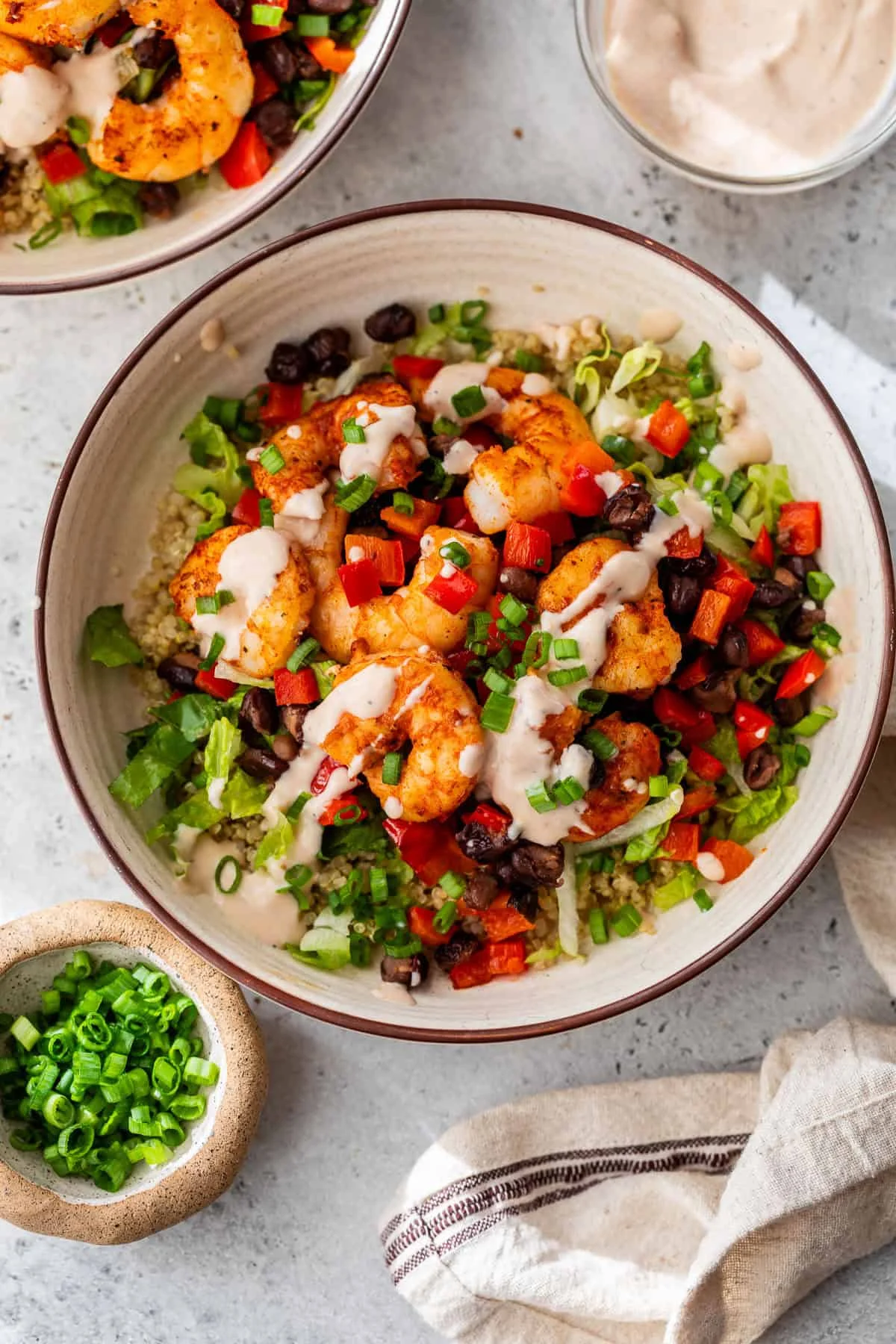
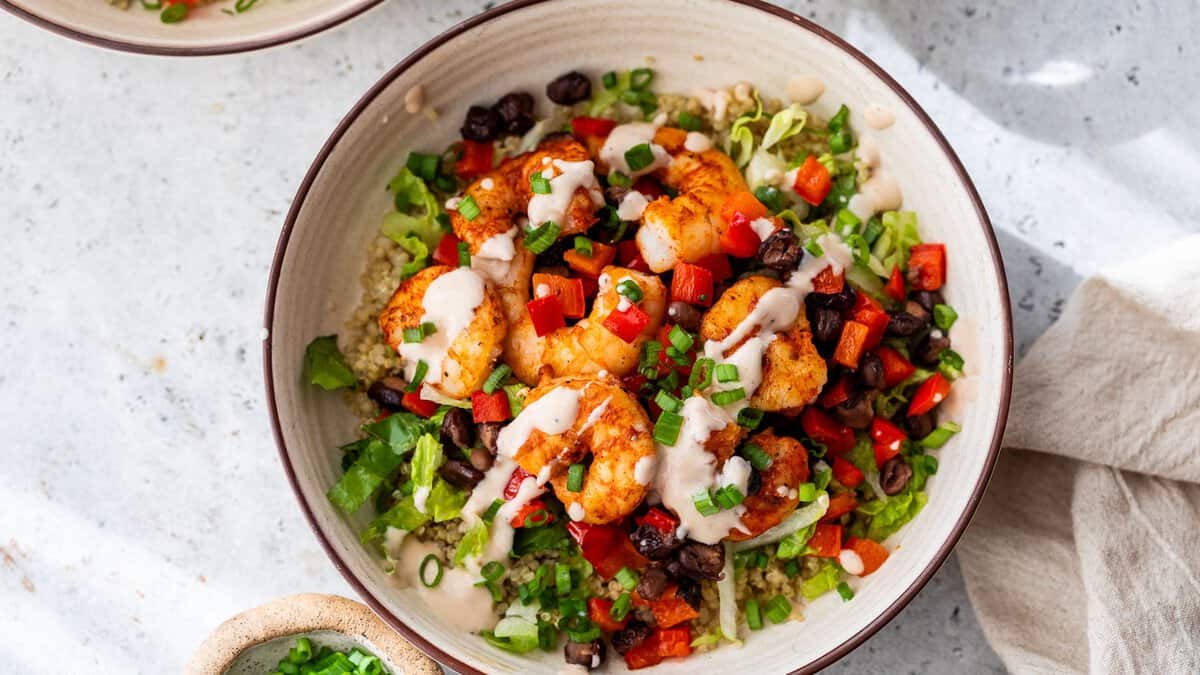
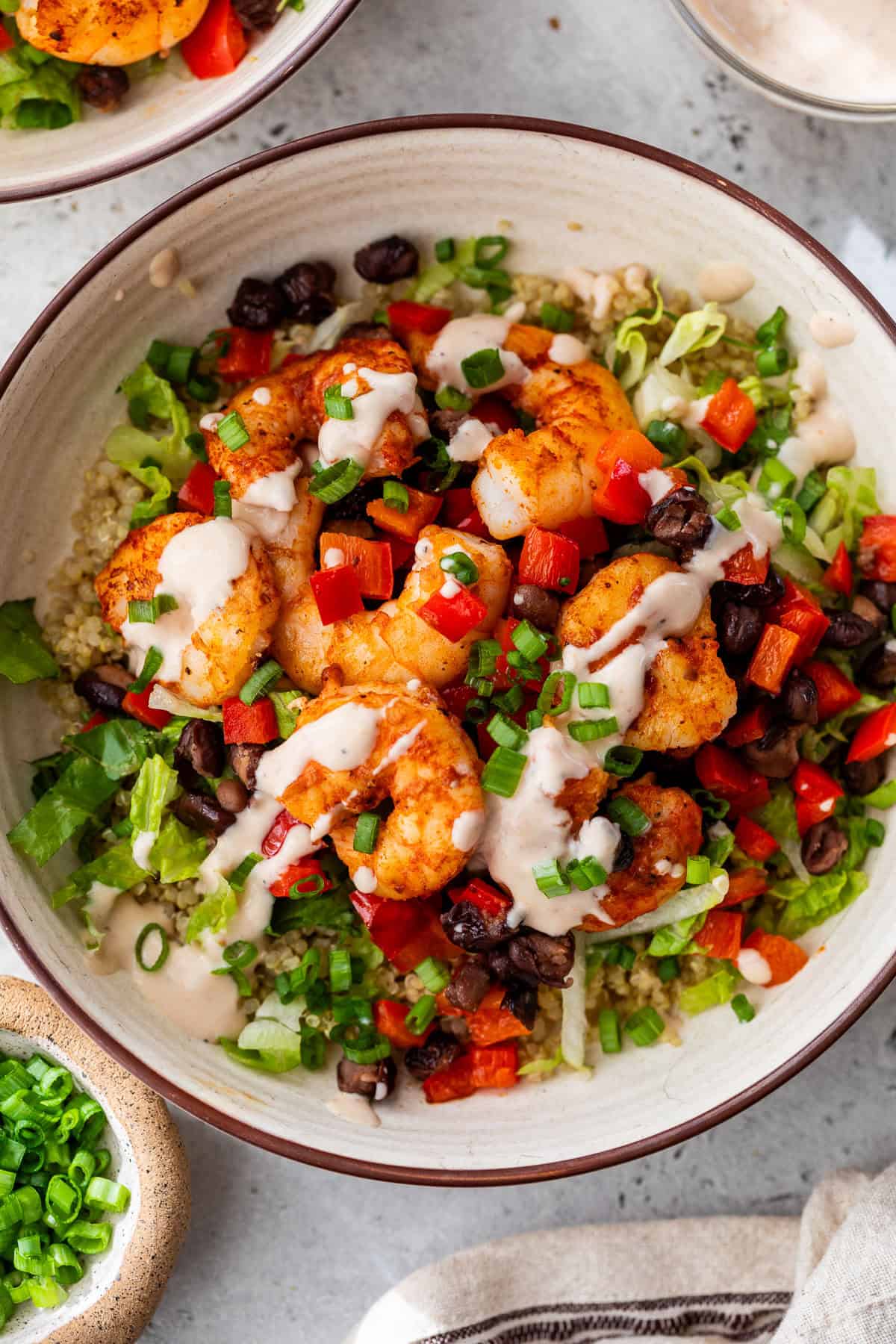
The heart of the dish is succulent, pan-seared shrimp. Shrimp is a globally recognized "super-food" in the home kitchen due to its rapid cook time and high protein-to-calorie ratio. When seasoned with a precise blend of smoked paprika, garlic powder, and a touch of black pepper, the shrimp provides a savory anchor for the rest of the ingredients.
The Complex Carbohydrate Bed
While many variations exist, the use of quinoa as a base is a deliberate choice for its complete amino acid profile. Unlike white rice, which can lead to blood sugar spikes, quinoa offers a nutty, hearty foundation that holds up well against the moisture of the BBQ yogurt sauce.
The Fiber-Rich "Crunch"
The inclusion of crisp bell peppers and fresh romaine lettuce serves two purposes: textural contrast and nutritional density. The peppers provide a subtle sweetness that balances the smokiness of the shrimp, while the greens ensure that each bite feels light and refreshing.
A Chronology of Preparation: The 30-Minute Standard
Efficiency in the kitchen is not about rushing; it is about the intelligent layering of tasks. Following the methodology popularized by Clarke, a home cook can execute this dish in under 30 minutes by adhering to a specific sequence of events.
Phase 1: Mise en Place (Minutes 0–5)
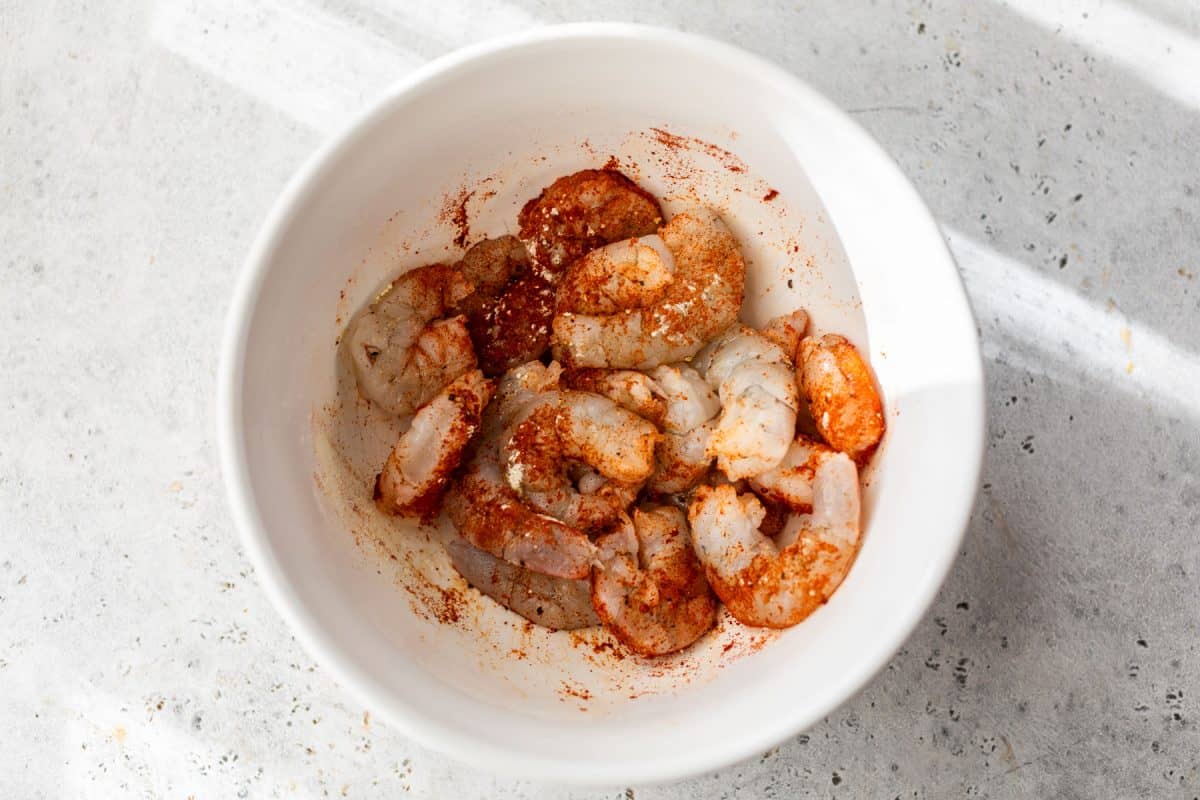
Success begins with preparation. Before heat is introduced, the shrimp must be patted dry to ensure a proper sear. The dry rub—a mixture of smoked paprika and aromatics—is applied uniformly. Simultaneously, the sauce components (Greek yogurt, BBQ sauce, and lime juice) are whisked together in a side vessel.
Phase 2: Thermal Management (Minutes 6–15)
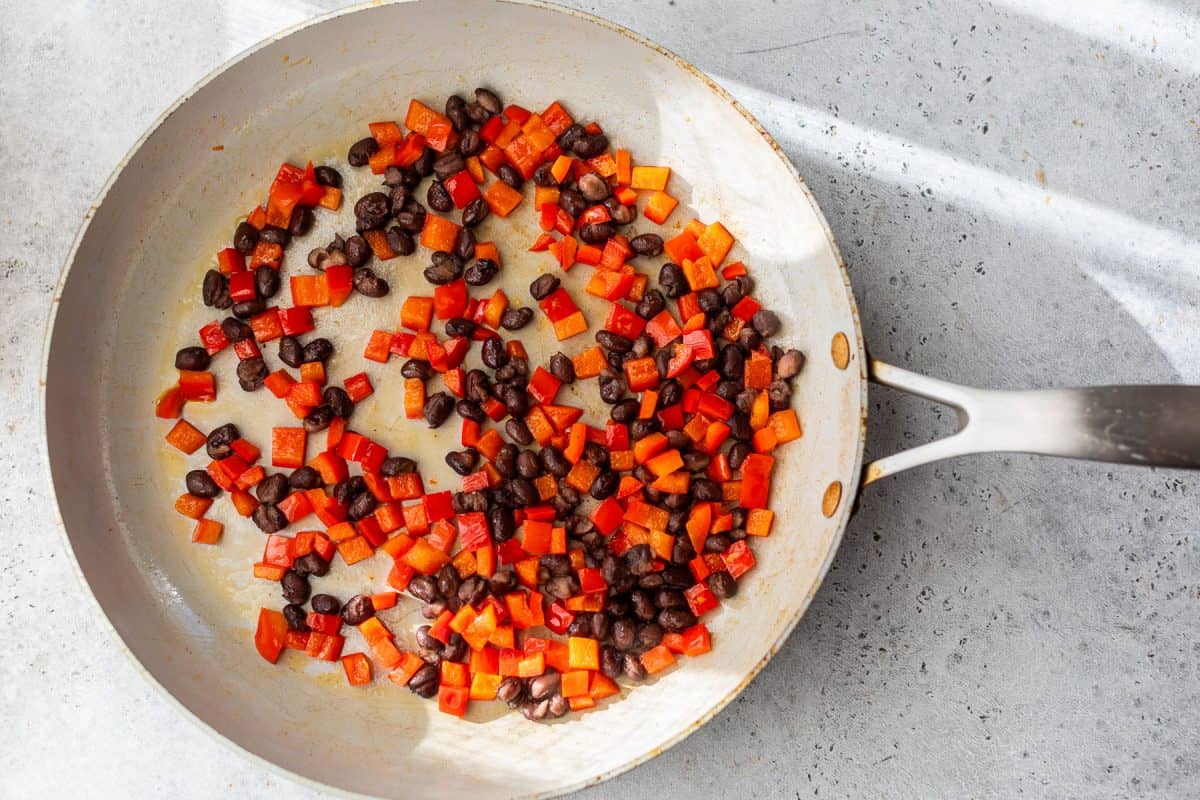
The cooking process begins with the vegetables. By sautéing the bell peppers first, the cook develops a slight char that enhances their natural sugars. The addition of canned black beans (rinsed and drained) allows for a quick warming process that doesn’t compromise their structural integrity.

Phase 3: The Protein Sear (Minutes 16–22)
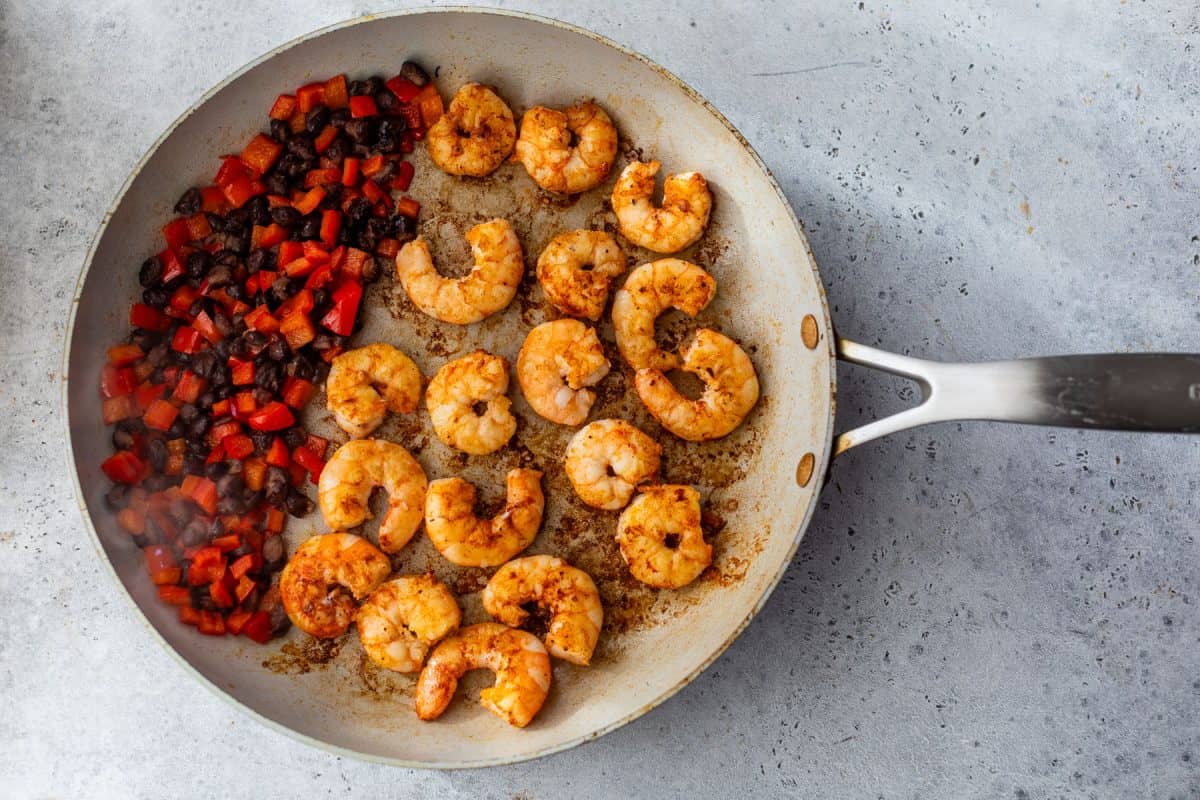
The shrimp are introduced to the skillet alongside the vegetables. By pushing the veggies to the perimeter, the center of the pan remains the "hot zone." Two to three minutes per side is the industry standard for ensuring the shrimp remains opaque and tender, avoiding the common mistake of overcooking, which renders the shellfish rubbery.
Phase 4: Final Assembly (Minutes 23–30)
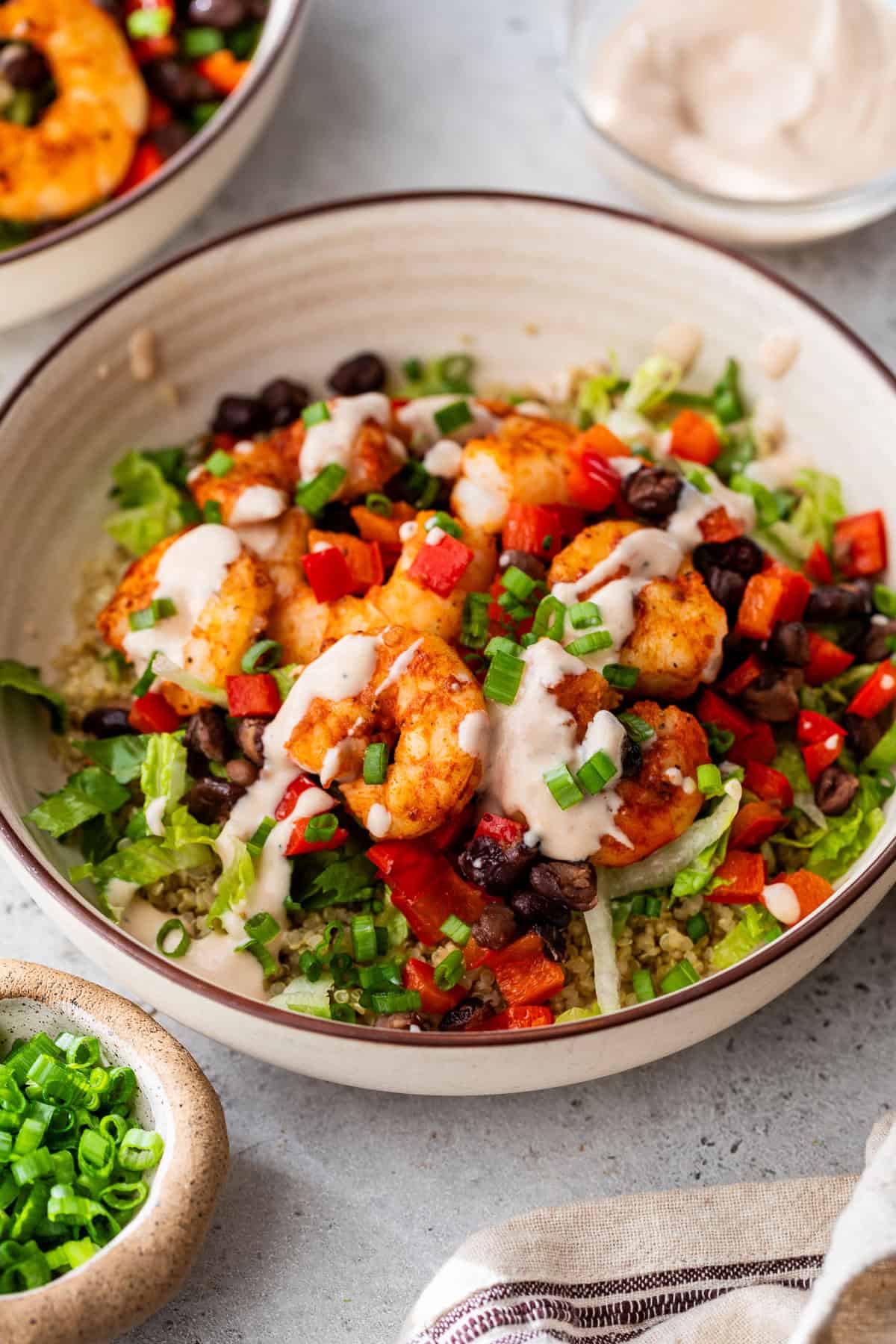
The assembly is the final, crucial step. The quinoa is portioned, the lettuce provides the base, and the shrimp-and-bean mixture is layered on top. The final drizzle of the BBQ-yogurt sauce acts as a bridge, unifying the disparate elements of the dish.
Nutritional Data and Health Implications
From a dietary perspective, the shrimp bowl is a model of macronutrient balance. With approximately 365 calories per serving, it offers a substantial 36 grams of protein, making it an ideal post-workout meal or a high-satiety dinner option for busy professionals.
The Role of Greek Yogurt as a Healthy Fat/Protein Source
Traditional BBQ sauces are often sugar-heavy and lack nutritional depth. By emulsifying BBQ sauce into Greek yogurt, the dish gains a creamy, probiotic-rich dressing that significantly lowers the overall glycemic index of the meal while adding calcium and additional protein.
Micronutrient Density
The presence of red bell peppers contributes significant amounts of Vitamin C and Vitamin A, while the black beans provide a substantial fiber boost, aiding in digestion and long-term satiety. The total fiber content of 9 grams per serving is a standout statistic, placing this dish well ahead of the average "quick" dinner option.
The "Bowl Era": Why the Trend Persists
The rise of the "bowl" is not a fleeting fad, but rather a reflection of changing social and dietary habits. Erin Clarke, who has successfully navigated this shift through her platform, suggests that we "eat first with our eyes."
The Psychology of Visual Satisfaction
Bowls allow for the presentation of color-coded ingredients. The visual contrast between the deep greens of the lettuce, the vibrant reds of the peppers, and the golden-pink hues of the shrimp triggers a psychological response that enhances the dining experience. It is a form of "curated eating" that makes a home-cooked meal feel like a restaurant-quality experience.
The Modular Nature of the Recipe
One of the primary implications of the bowl-based movement is the modularity of the recipe. For households with varying dietary restrictions, the bowl is the ultimate flexible dinner.
- Vegetarian Swaps: Substitute the shrimp with chickpeas or tofu.
- Grain Alternatives: Use farro, brown rice, or even cauliflower rice for a lower-carb profile.
- Spice Adjustments: Increase the smoked paprika for a deeper, more robust flavor profile, or introduce a pinch of cayenne for those who prefer a higher heat index.
Official Perspectives and Expert Advice
In her professional capacity, Erin Clarke emphasizes that the key to avoiding "dinner fatigue" is simplicity without sacrifice. Her advice to home cooks is to keep the "sauce-protein-base" framework constant but to rotate the specific ingredients based on seasonal availability.
"The goal," Clarke notes, "is to minimize dishwashing and maximize flavor." This philosophy is reflected in the single-skillet requirement of this recipe. By utilizing only one pan for both the vegetables and the protein, the barrier to entry for cooking a fresh meal on a Tuesday night is significantly lowered.
Broader Implications for Modern Home Cooking
The success of the Shrimp Bowl recipe highlights a shift in the culinary industry. As consumers become more health-conscious and time-poor, they are increasingly turning to influencers and recipe developers who provide "solutions" rather than just "instructions."
The data confirms that as society moves away from heavy, multi-course meals, the demand for "all-in-one" meals will continue to grow. This shift carries several implications:
- Supply Chain Impacts: As more home cooks opt for fresh proteins like shrimp and staples like quinoa, grocery retailers are seeing a shift in inventory demand toward fresh produce and whole grains.
- The Rise of the "Flexible Cook": Modern recipes are becoming less about rigid measurements and more about providing a framework that encourages individual experimentation.
- Emphasis on Efficiency: The 30-minute benchmark has become the gold standard for success. Recipes that exceed this window are finding it harder to gain traction in the digital marketplace.
Conclusion: A Sustainable Path Forward
The Shrimp Bowl, as presented, is more than just a recipe; it is a blueprint for sustainable living. By combining high-quality proteins with fiber-rich grains and fresh produce, and by doing so in a way that respects the time constraints of a modern lifestyle, this dish embodies the best practices of contemporary nutrition.
As we look toward the future of home cooking, the focus remains clear: simplicity, color, and nutritional density. Whether you are a seasoned home cook or a novice looking to improve your weeknight routine, mastering the art of the bowl is a skill that will pay dividends in both health and satisfaction. The next time you find yourself staring at an empty refrigerator, remember that all you need is a base, a protein, and a creative sauce to elevate the mundane into something truly memorable.