This post contains affiliate links.
For many home cooks, the culinary hierarchy is clear: chicken and steak are the trusted workhorses of the weeknight rotation, while seafood—specifically scallops, swordfish, and delicate white fish—is relegated to the “special occasion” category, best left to professional chefs. If the prospect of searing a scallop or poaching a fillet fills you with anxiety, you are certainly not alone. However, the culinary reality is far more encouraging.

According to professional chefs and home-cooking experts like Erin Clarke, author of Well Plated, the intimidation surrounding seafood is largely a myth. In fact, when approached with the right techniques, seafood is often faster, more forgiving, and significantly easier to prepare than traditional proteins like poultry or red meat.
The Case for Seafood: Speed and Sophistication
The primary argument for integrating more seafood into your weekly meal plan is efficiency. While a chicken breast might require 20 to 30 minutes in the oven and a thick steak demands precise timing to hit a medium-rare target, most fish varieties reach perfection in under 15 minutes. Shrimp, a staple for busy families, can be perfectly cooked in as little as five minutes, and scallops require even less time.

Beyond the logistical benefits, seafood offers a sensory elevation to the dinner table. Even a simple preparation—a quick pan-sear or a light bake—inherently feels "fancier" than a standard meat-and-potatoes meal. By mastering a few core principles, home cooks can bridge the gap between restaurant-quality dining and accessible, stress-free weeknight cooking.
Decoding the Buying Process: Fresh vs. Frozen
Perhaps the most pervasive misconception in the culinary world is that "fresh is always best." While true for those living within a few miles of a coastal fishing port, for the average consumer—especially those in the Midwest or inland regions—the reality is much more nuanced.
The Frozen Advantage
In many instances, the fish found at a grocery store counter is simply previously frozen product that has been thawed for display. Once thawed, that fish begins to degrade in quality. Conversely, high-quality frozen seafood is often "flash-frozen" within hours of being caught. This process preserves the fish at the peak of its freshness, locking in nutrients and texture. When you buy frozen, you are often getting a superior product that allows you to thaw it exactly when you are ready to cook, providing both better flavor and greater convenience.
Shopping Best Practices
When navigating the fish counter or the freezer aisle, consumers should look for:
- Clarity of Source: Opt for packaging that clearly labels the origin and catch method.
- The Scent Test: If buying fresh, the fish should smell like the ocean—clean and briny. A "fishy" or ammonia-like odor is an immediate red flag indicating spoilage.
- Texture: The flesh should be firm and elastic. If you press it with your finger, it should spring back rather than leaving a permanent indentation.
The Chronology of Storage: Managing Perishability
Seafood is among the most perishable proteins available. If you aren’t purchasing your seafood frozen, your window for consumption is narrow. Ideally, fresh fish should be cooked within 24 hours of purchase.
To maximize shelf life:
- Keep it Cold: Store the fish in the coldest part of your refrigerator, typically the back of the bottom shelf.
- Maintain Moisture: If the fish is wrapped in butcher paper, transfer it to an airtight container or re-wrap it tightly in plastic to prevent it from drying out or absorbing refrigerator odors.
- The Ice Hack: If you aren’t planning to cook it immediately, place the fish on a bed of ice in a colander set over a bowl, covering it loosely with plastic wrap. This mimics the conditions of a fishmonger’s display and significantly slows degradation.
General Principles for Cooking Success
The transition from a nervous home cook to a seafood master requires letting go of the "fear of overcooking." Most failures in the home kitchen stem from over-complicating the process or keeping the heat on too long.
Essential Rules for the Novice:
- Dryness is Vital: Before searing fish or scallops, pat them thoroughly dry with paper towels. Moisture is the enemy of a good crust; if the surface is wet, the protein will steam rather than sear.
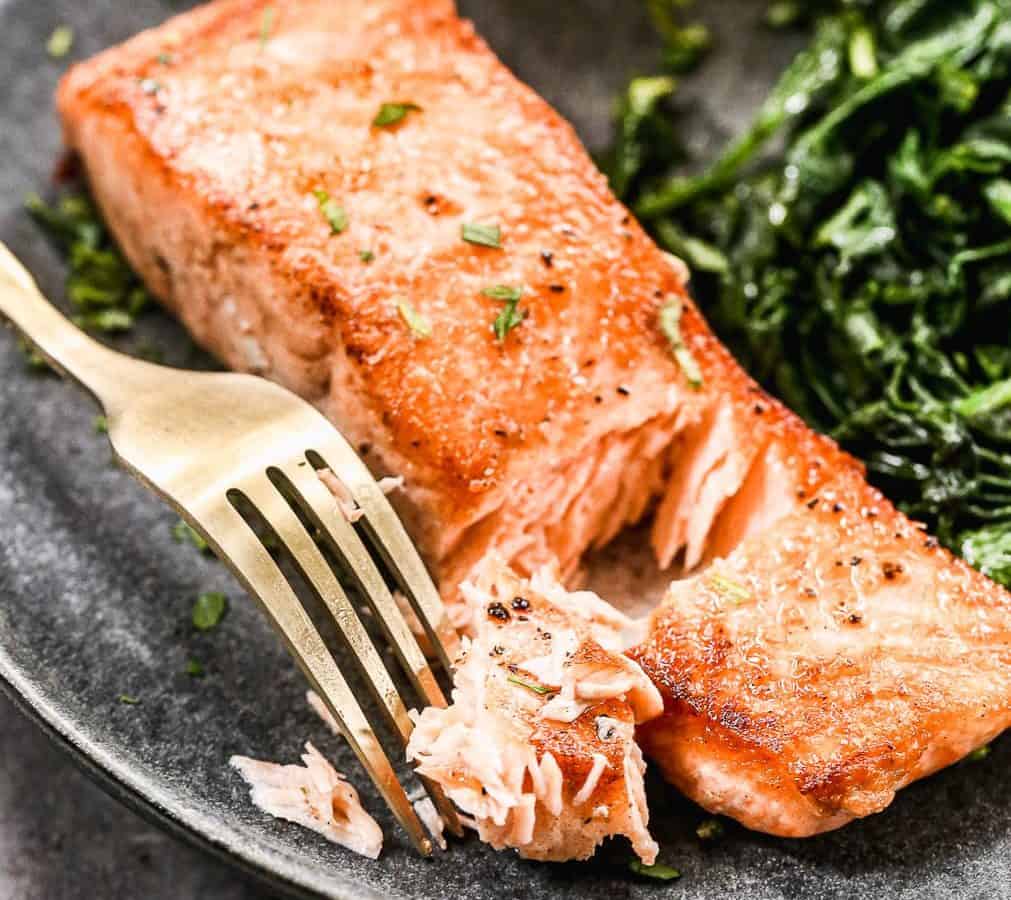
- The Power of Residual Heat: Fish continues to cook after it is removed from the heat source. Pull your protein off the grill or out of the pan when it is just slightly translucent in the center; it will reach the perfect state of doneness on the plate.
- Don’t Over-Season: High-quality seafood has a delicate, distinct flavor. A simple blend of high-quality salt, pepper, and perhaps a touch of citrus or herbs is often all that is required.
- Know Your Cut: Thicker cuts, like swordfish or salmon, require different approaches than delicate, thin fillets like sole. Understanding the density of your protein is the first step toward consistent results.
Expert Insights: Implications for the Home Kitchen
The shift toward more seafood in the home diet has significant implications for both health and household management. Seafood is rich in Omega-3 fatty acids, lean protein, and essential vitamins, making it a nutritional powerhouse.
However, the "fear factor" often prevents families from reaping these benefits. Cookbook author and culinary educator Erin Clarke notes that once the barrier of entry is lowered, the kitchen becomes a more creative space. "I’ve helped millions of people cook healthier meals," Clarke says. "The goal is to save time, dirty fewer dishes, and feel great about what you’re eating without overthinking it."
By treating seafood with the same routine approach as chicken, the average home cook can effectively democratize their menu, transforming the mundane Tuesday night dinner into a sophisticated, healthy, and lightning-fast culinary event.
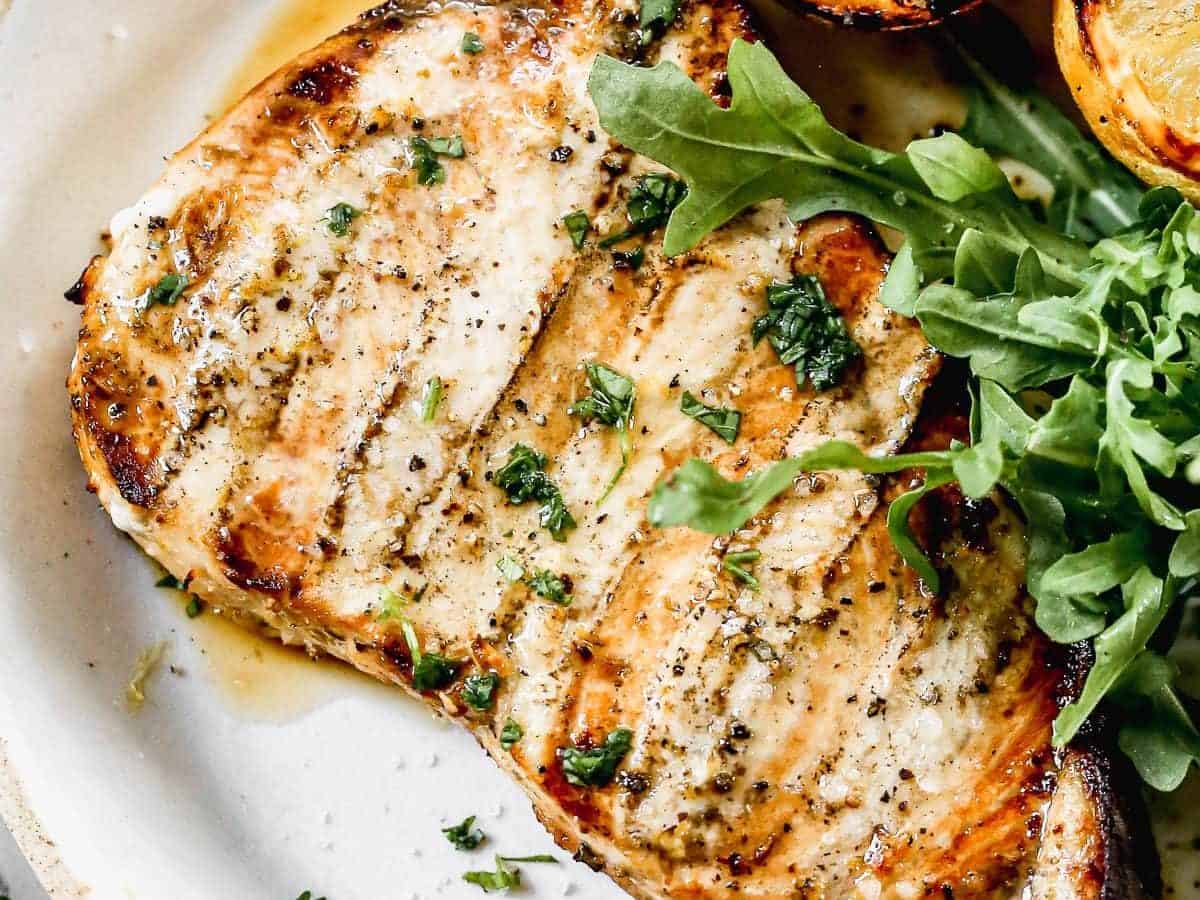
Featured Recipes and Techniques
To begin your journey, consider these approachable starting points:
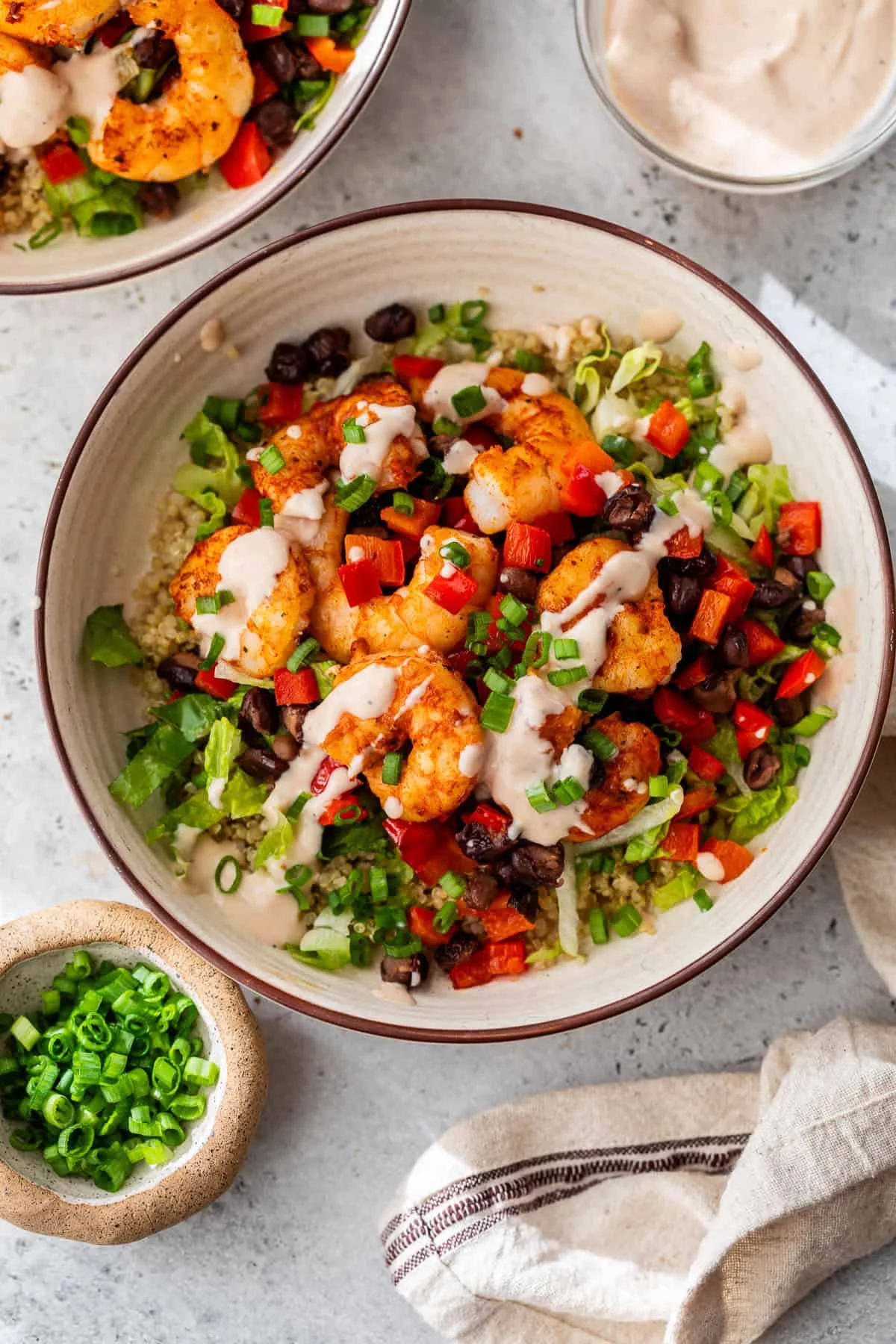
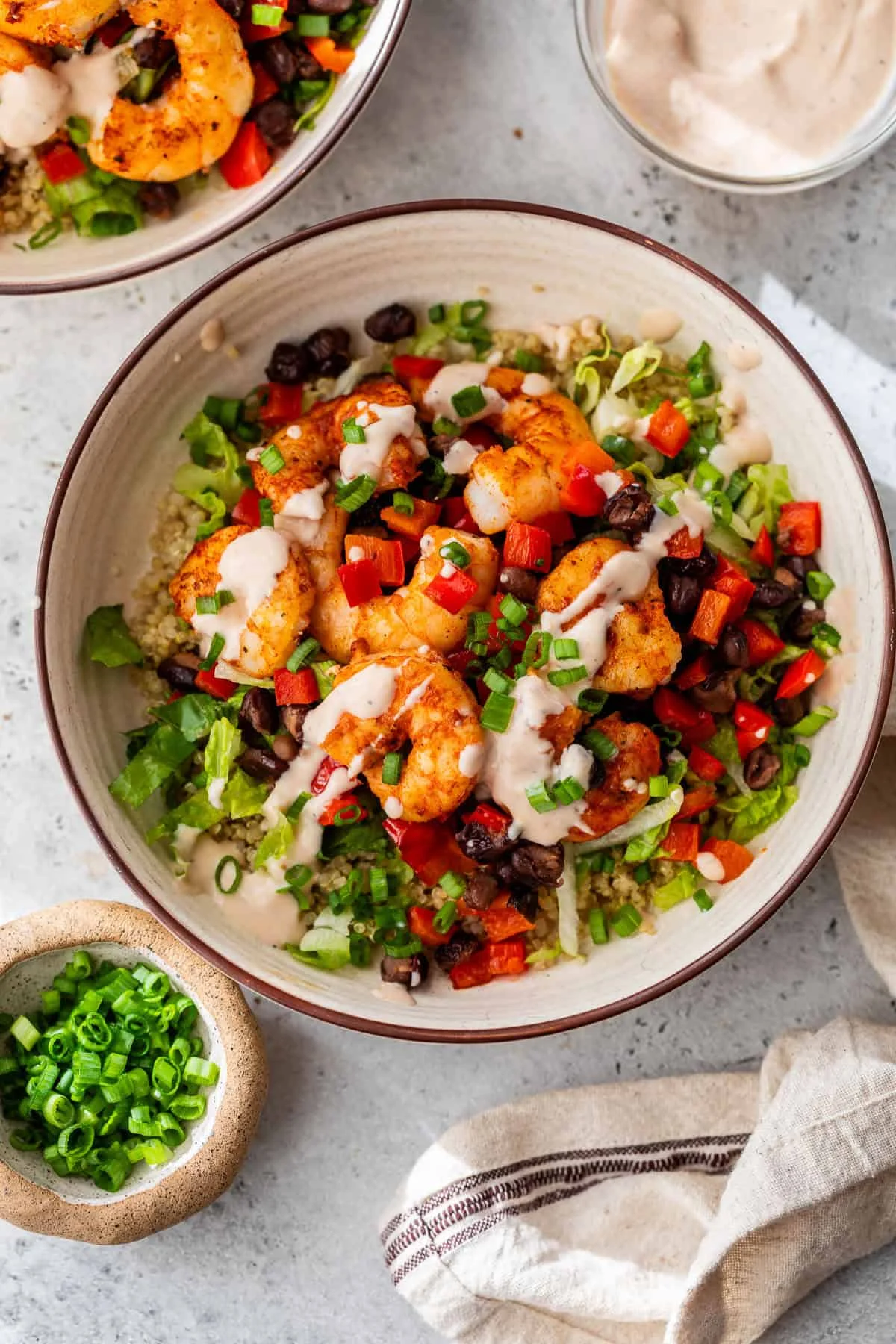
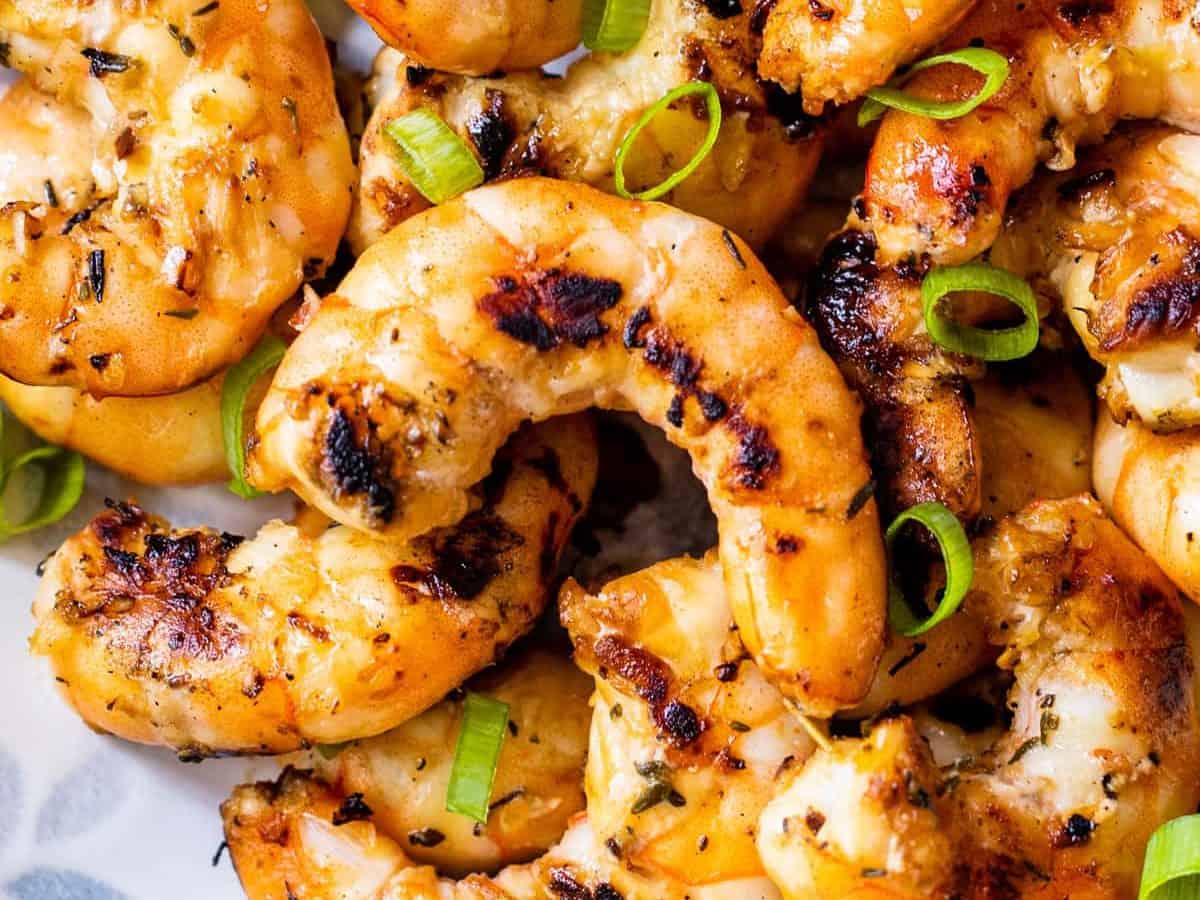
- Grilled Shrimp Marinade: Shrimp are the perfect "gateway" seafood. Because they are naturally forgiving, they are excellent for practicing temperature control.
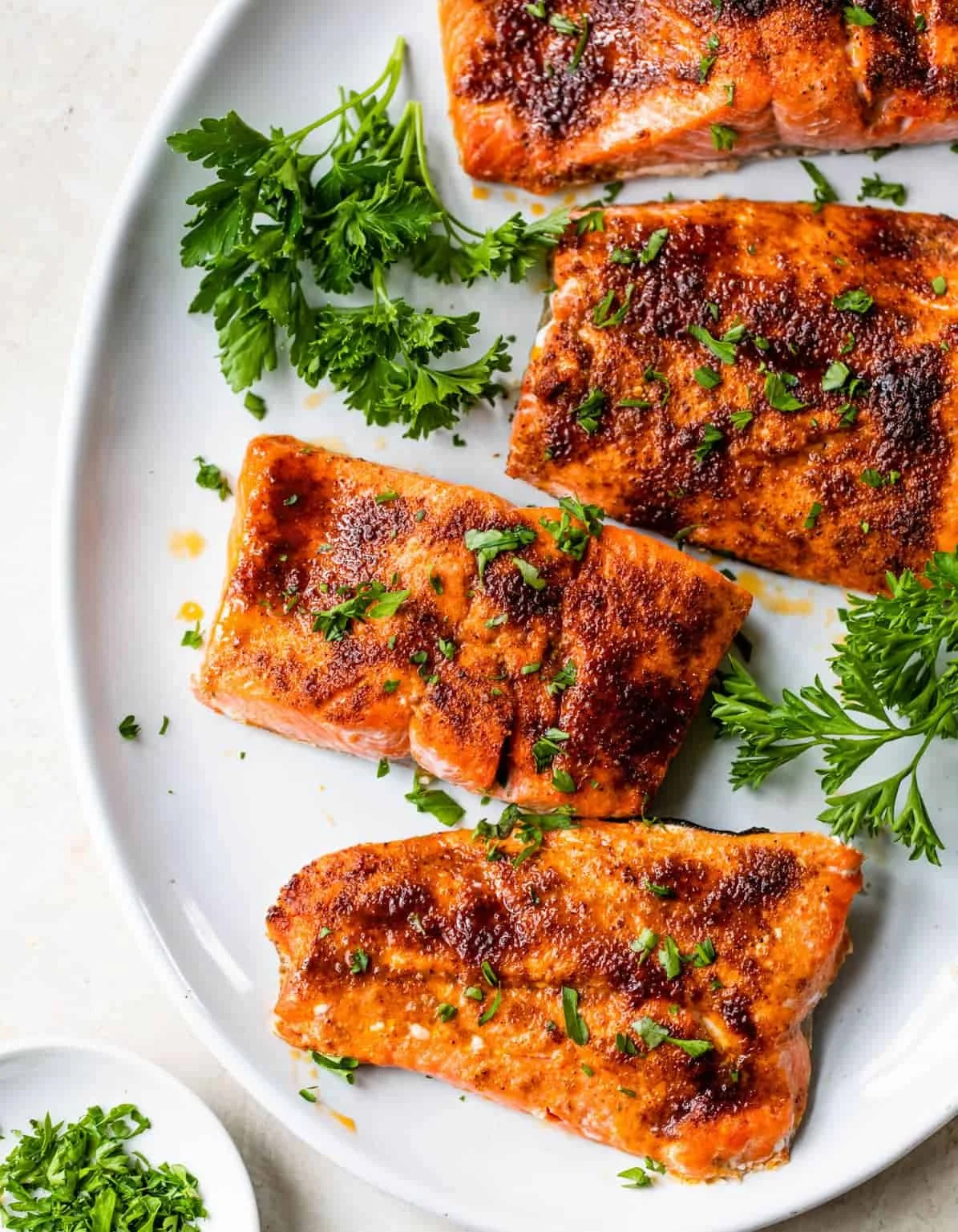
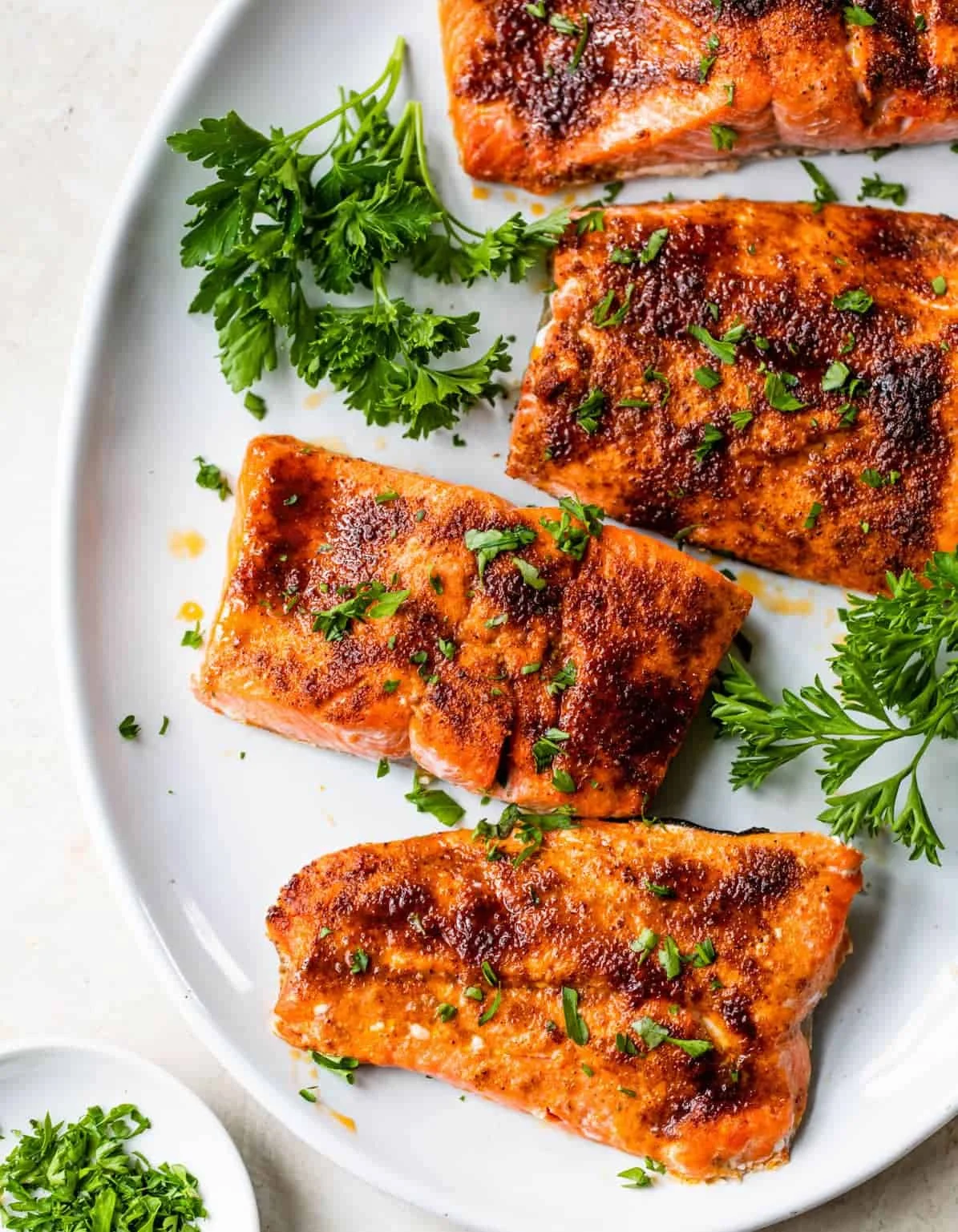
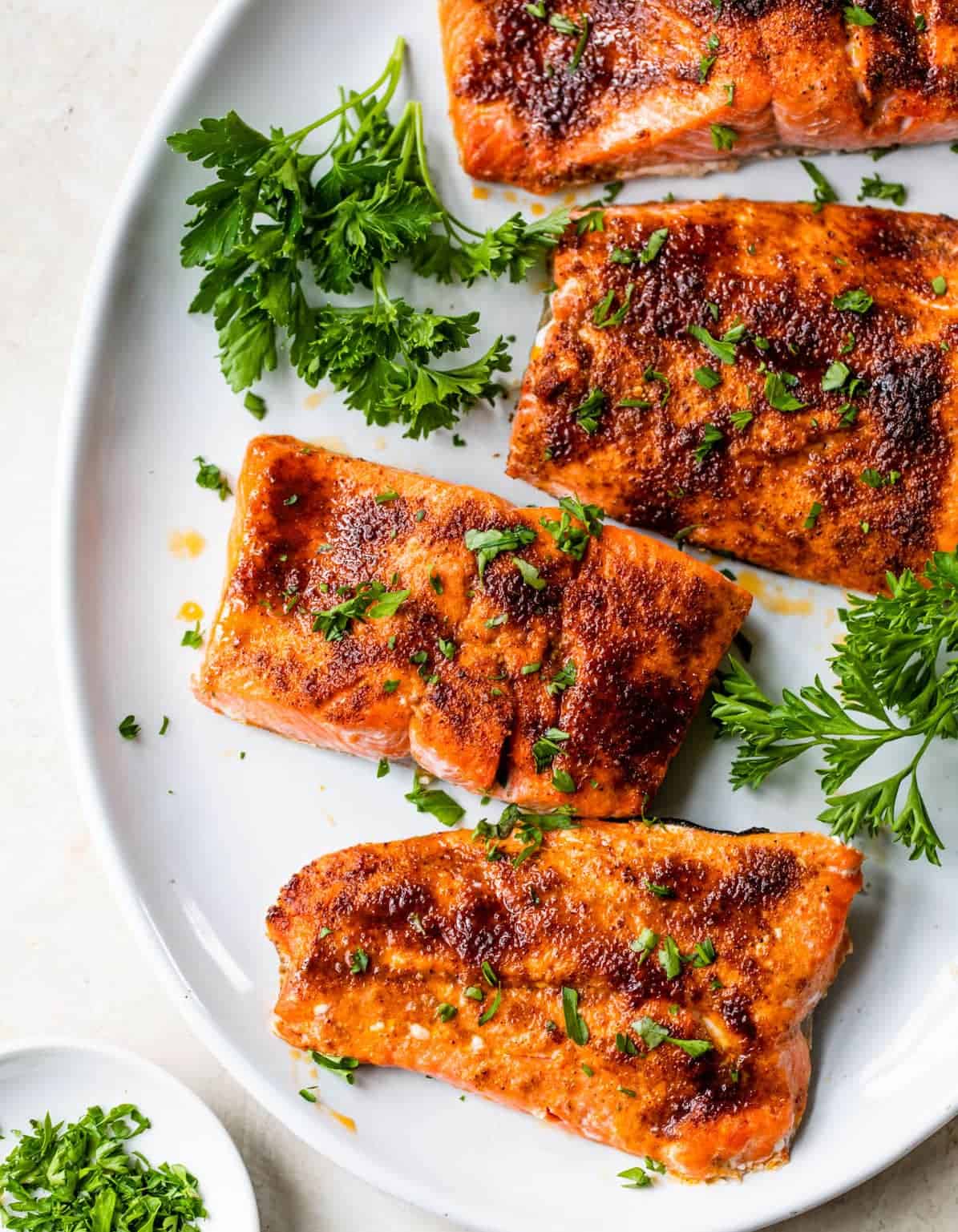
- Baked Salmon at 400°F: A masterclass in heat management. Learning how temperature affects the protein’s flake and moisture content is essential for long-term success.
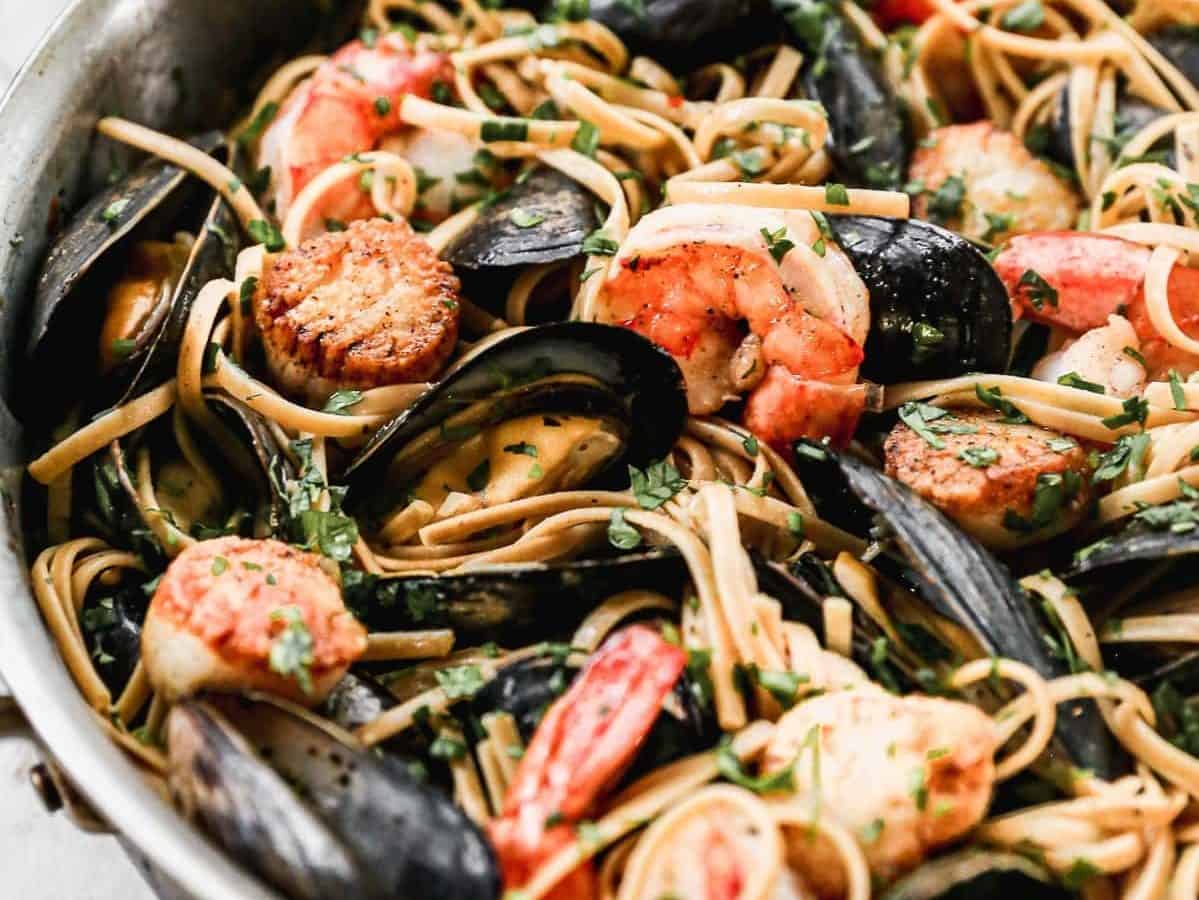
- Seafood Pasta: An ideal "one-pan" meal that allows the flavors of the seafood to infuse the sauce, reducing the need for complex, multi-step cooking.
- Pan-Seared Scallops: Once you master the technique of a hot pan and a dry surface, this "fancy" dish becomes surprisingly routine.
- Baked Cod with Roasted Tomatoes: Cod’s mild, flaky nature makes it an excellent canvas for Mediterranean-inspired flavors and a forgiving choice for those who are still building their confidence.
By applying these standardized methods, you remove the guesswork from the equation. Seafood is no longer a luxury reserved for dining out; it is a versatile, efficient, and delicious component of the modern, home-cooked diet.