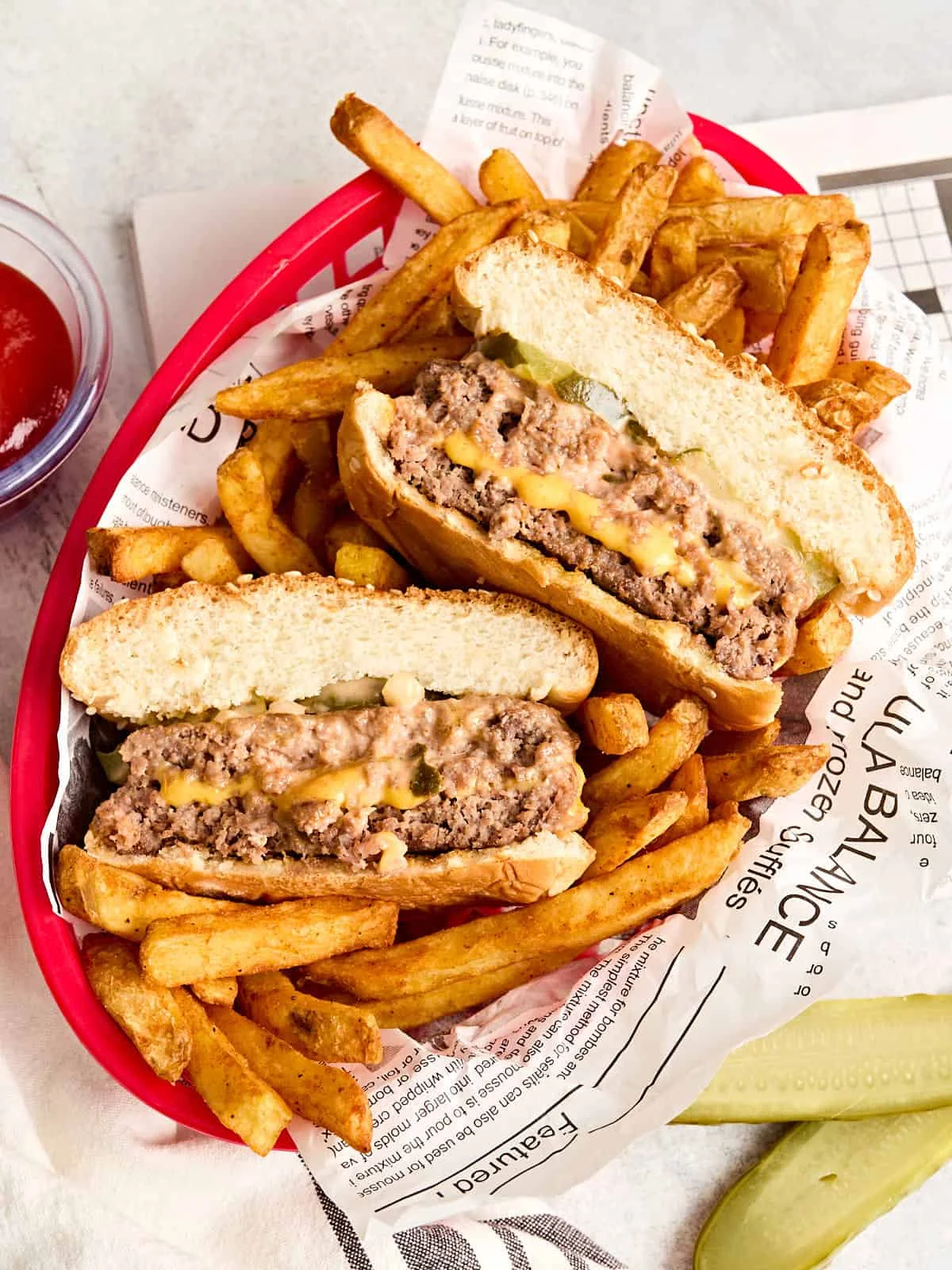
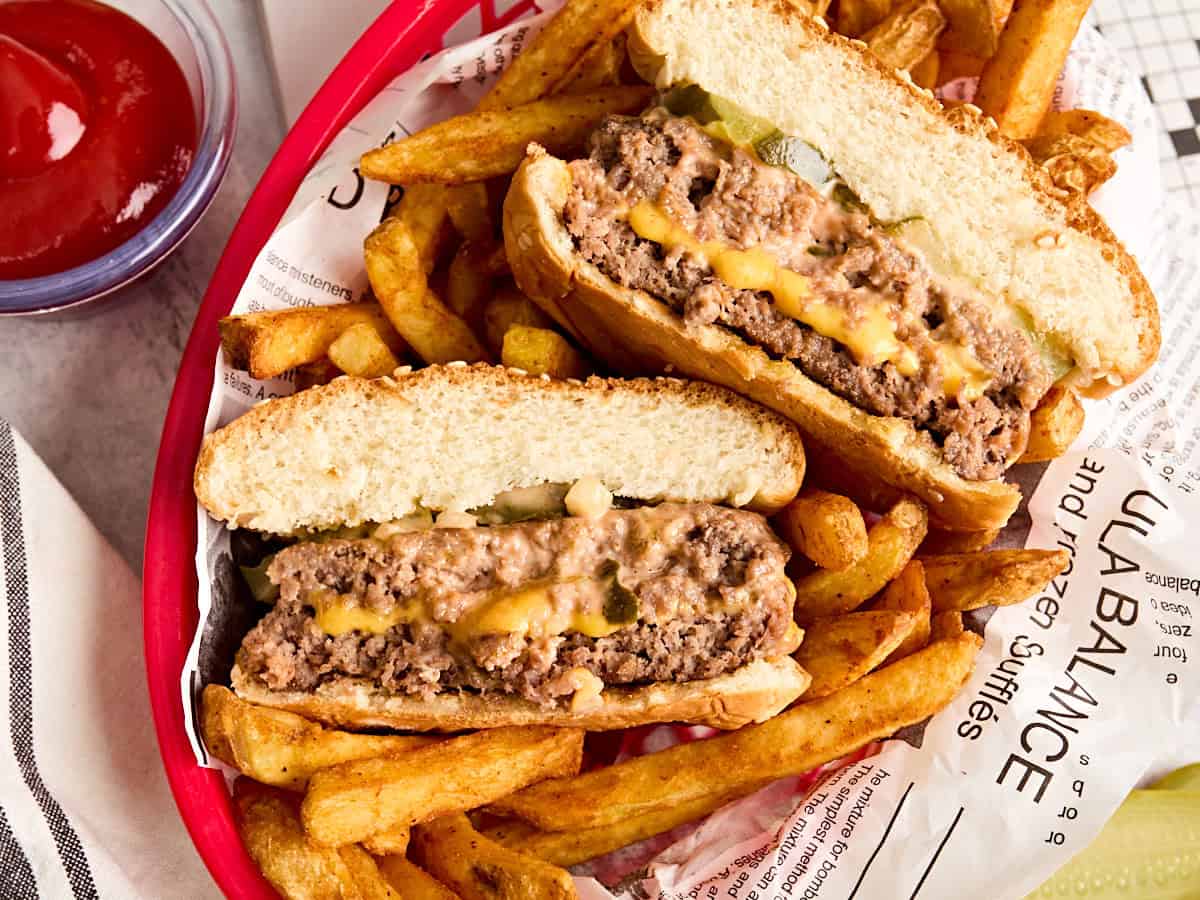
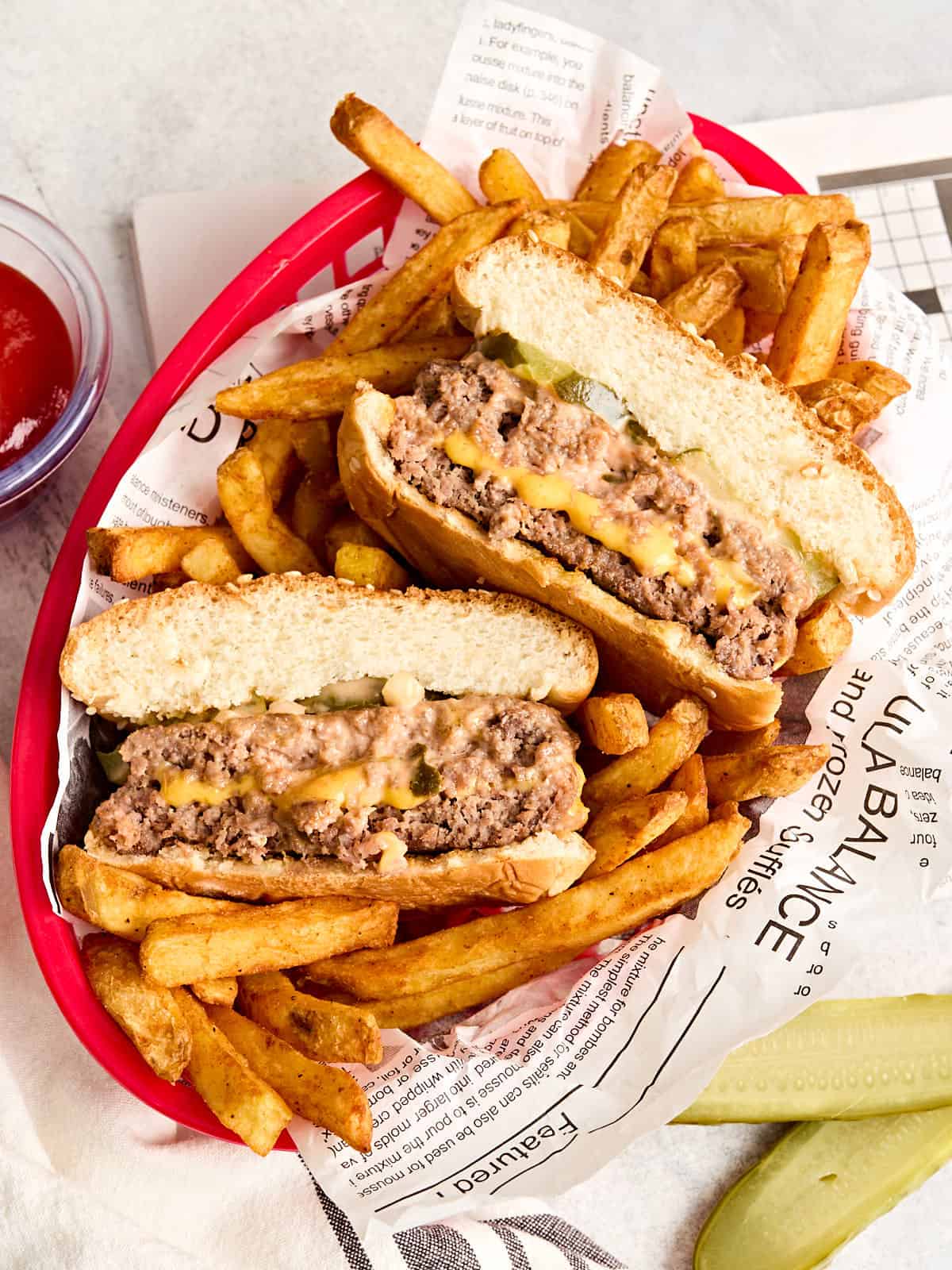
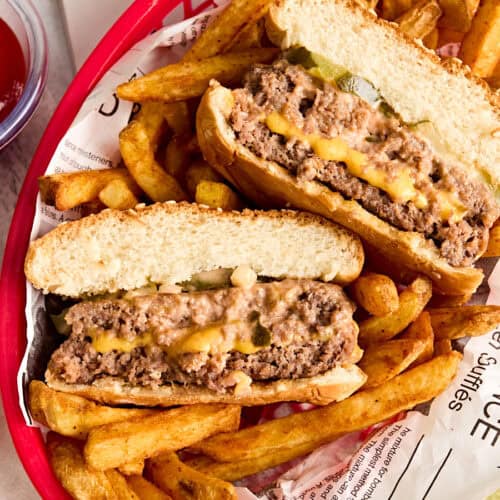
In the pantheon of American comfort food, few creations command as much fierce loyalty and curiosity as the "Juicy Lucy." At its most fundamental level, the Juicy Lucy is a burger turned inside out—a thick, savory beef patty that conceals a molten, liquid core of American cheese. While traditional cheeseburgers treat cheese as a topping, the Juicy Lucy treats it as a structural centerpiece, transforming the act of eating a burger into a high-stakes, sensory experience.
For the home cook, the Juicy Lucy represents the ultimate culinary paradox: it is an incredibly sophisticated dining experience that remains profoundly accessible, budget-friendly, and simple to execute. Whether you are a fan of diner history or simply looking to elevate your next backyard cookout, mastering this Minnesota classic is a rite of passage.
Main Facts: The Legend of the Stuffed Patty
The Juicy Lucy (occasionally spelled "Jucy Lucy") finds its ancestral home in Minneapolis, Minnesota. The origins of the burger are shrouded in a friendly but intense rivalry between two legendary local establishments: Matt’s Bar and the 5-8 Club. Both institutions claim to have invented the "cheese-stuffed" technique in the 1950s, though they differ slightly in their preparation styles.
At its core, the dish relies on the principle of thermal containment. By sealing the cheese inside the raw ground beef, the fat from the beef and the melting point of the cheese create an emulsified, gooey center. When the diner takes that first bite, the internal pressure releases a hot, molten stream of cheese. It is a dish that demands patience; biting into a fresh-off-the-grill Juicy Lucy is a perilous endeavor, as the molten center can reach temperatures significantly higher than the surrounding meat.
Chronology: From Mid-Century Innovation to Modern Staple
The mid-20th century was a golden age for American diners, a time when culinary experimentation was driven by ingenuity rather than haute cuisine.
- The 1950s: The era of the "invention." While exact documentation is sparse, both Matt’s Bar and the 5-8 Club emerged during this period, offering the burger as a "gourmet" departure from the standard griddled patty.
- The Local Cult Following: For decades, the Juicy Lucy remained a regional treasure, a secret shared by Midwesterners and food travelers. It wasn’t until the rise of the digital food era and culinary tourism that the burger gained national, and eventually international, recognition.
- The Home-Cooking Revolution: With the advent of food blogging and high-speed photography, the "cross-section" shot—revealing the dramatic cheese pull—propelled the Juicy Lucy into the kitchens of home cooks nationwide. Today, the recipe is a staple of budget-conscious cooking, as it requires no specialized ingredients, only technique.
Supporting Data: The Science of the Seal
Successful execution of a Juicy Lucy requires more than just meat and cheese; it requires a scientific approach to fat content and structural integrity.
The Beef-to-Fat Ratio
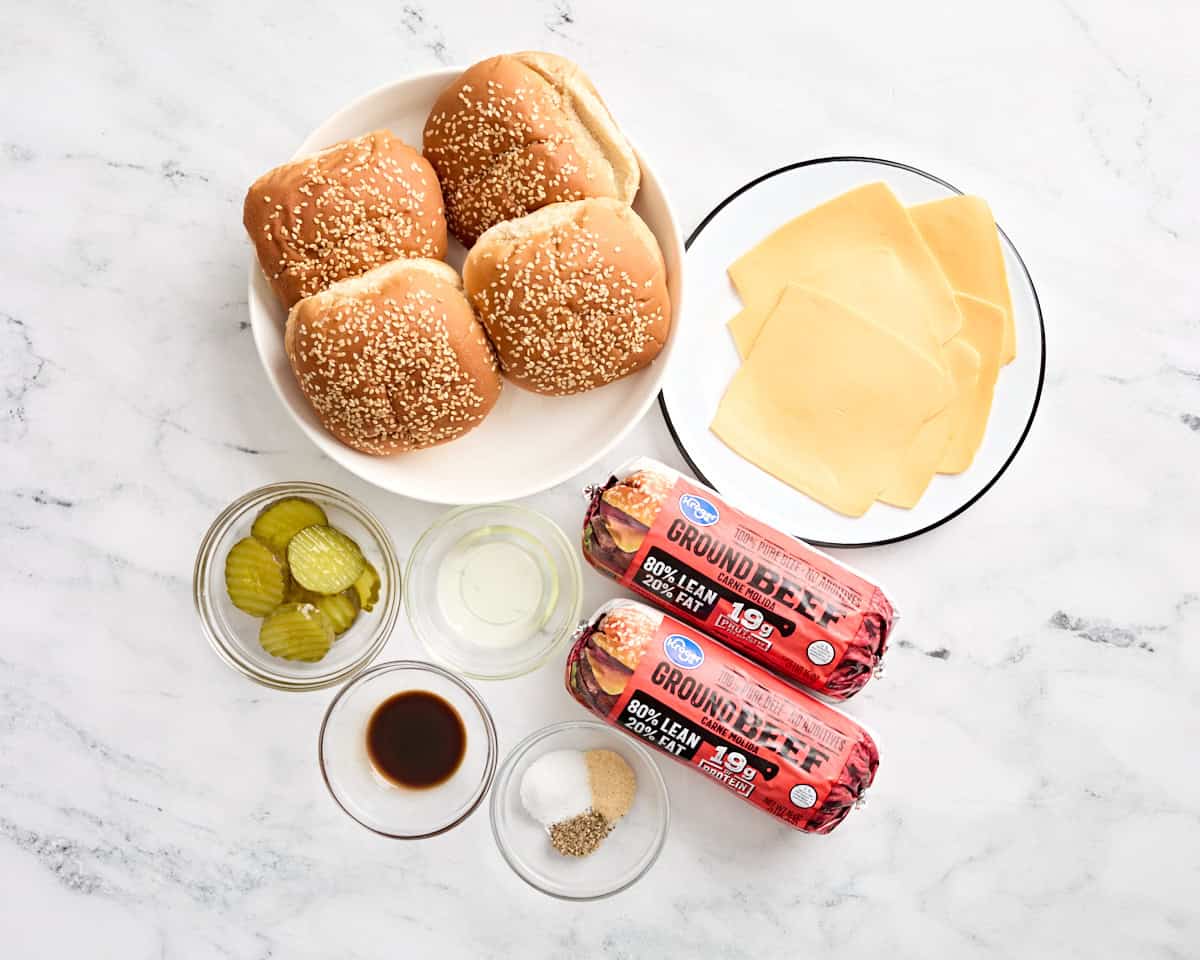
Professional test kitchens, including those at the Nashville Test Kitchen, emphasize the necessity of an 80/20 or 85/15 ground beef blend. Leaner meats, such as 90/10 or turkey, lack the fat required to remain moist during the extended cooking time needed to melt the center. Furthermore, the fat content acts as a binding agent, ensuring the seal around the cheese remains airtight.
The Cheese Selection
While the culinary world often prizes imported artisan cheeses, the Juicy Lucy is a bastion for the humble American slice. American cheese is formulated with emulsifying salts, which allow it to melt into a creamy, stable consistency without separating into oil and solids. As the burger cooks, the American cheese transitions from a solid slice to a liquid, molten state that remains cohesive.
Cost Efficiency
Economically, the Juicy Lucy is an outlier in the world of "gourmet" burgers. By using standard ground beef and processed cheese, the cost per serving is remarkably low—often hovering around $2.14 per portion. This makes it an ideal candidate for large-scale family gatherings where cost-per-head is a primary concern.
Official Guidelines: How to Construct the Perfect Burger
To recreate this experience at home, follow these professional-grade protocols to avoid the common "leakage" issue that plagues beginners.
1. Preparation of the Patty
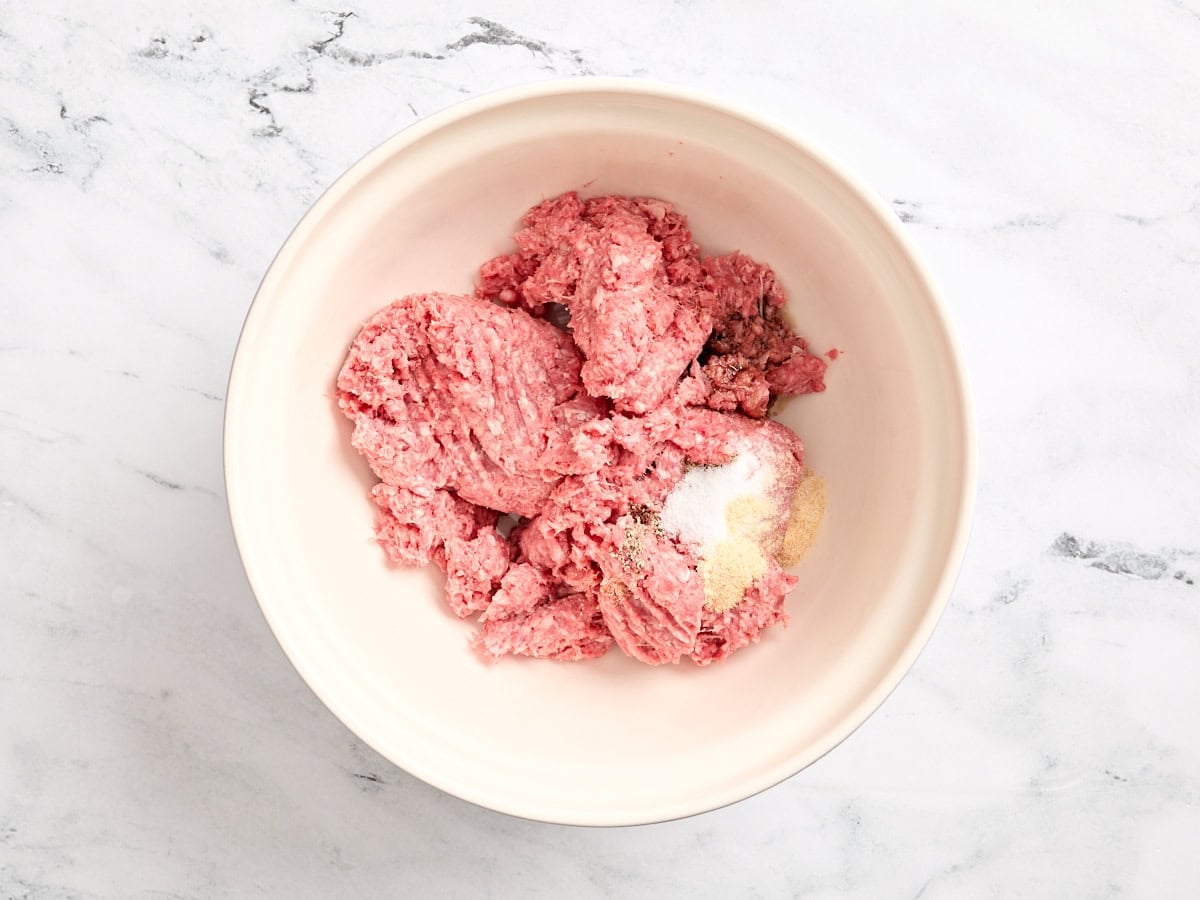
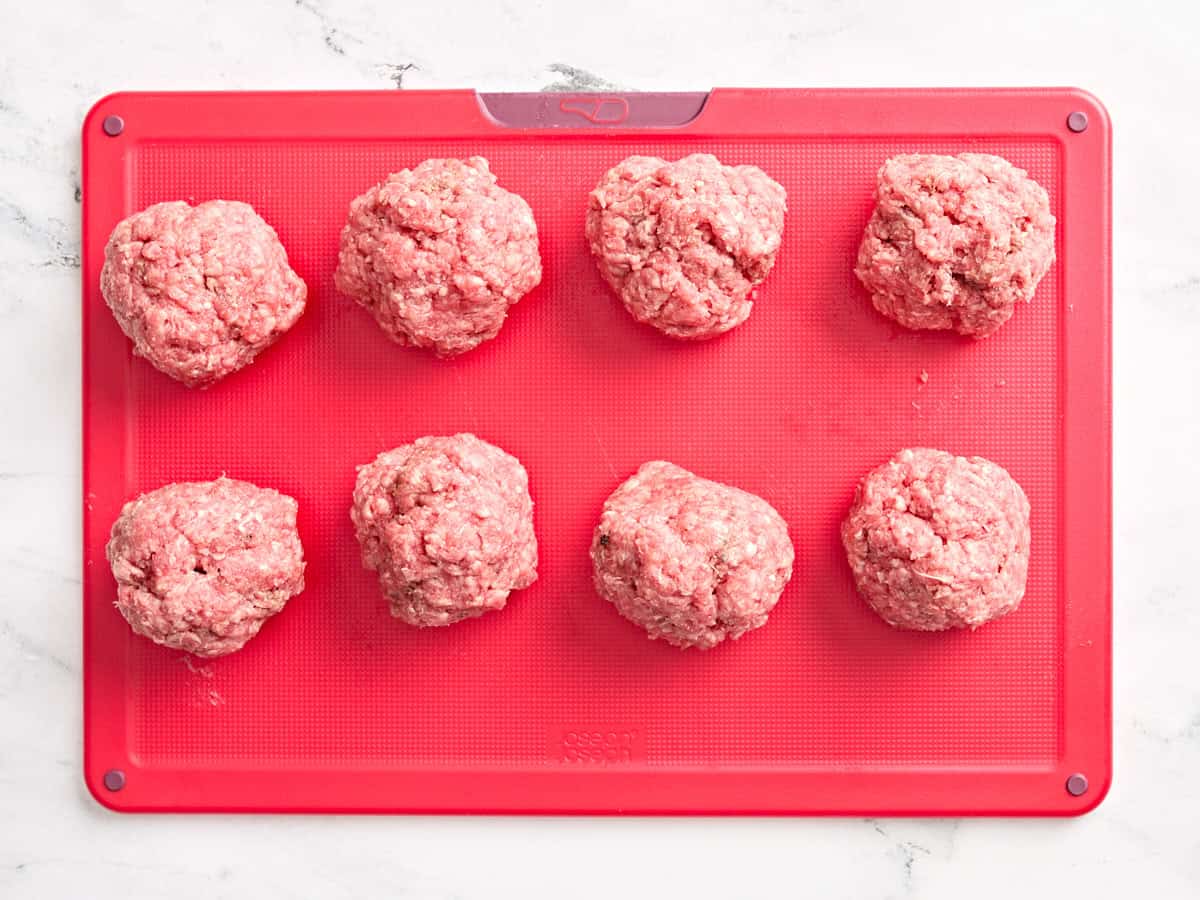
Start by seasoning 1.5 lbs of ground beef with Worcestershire sauce, garlic powder, salt, and pepper. Avoid overworking the meat; handling it too much will result in a dense, tough texture. Divide the meat into eight 3-ounce portions and roll them into balls.
2. The Smash Technique
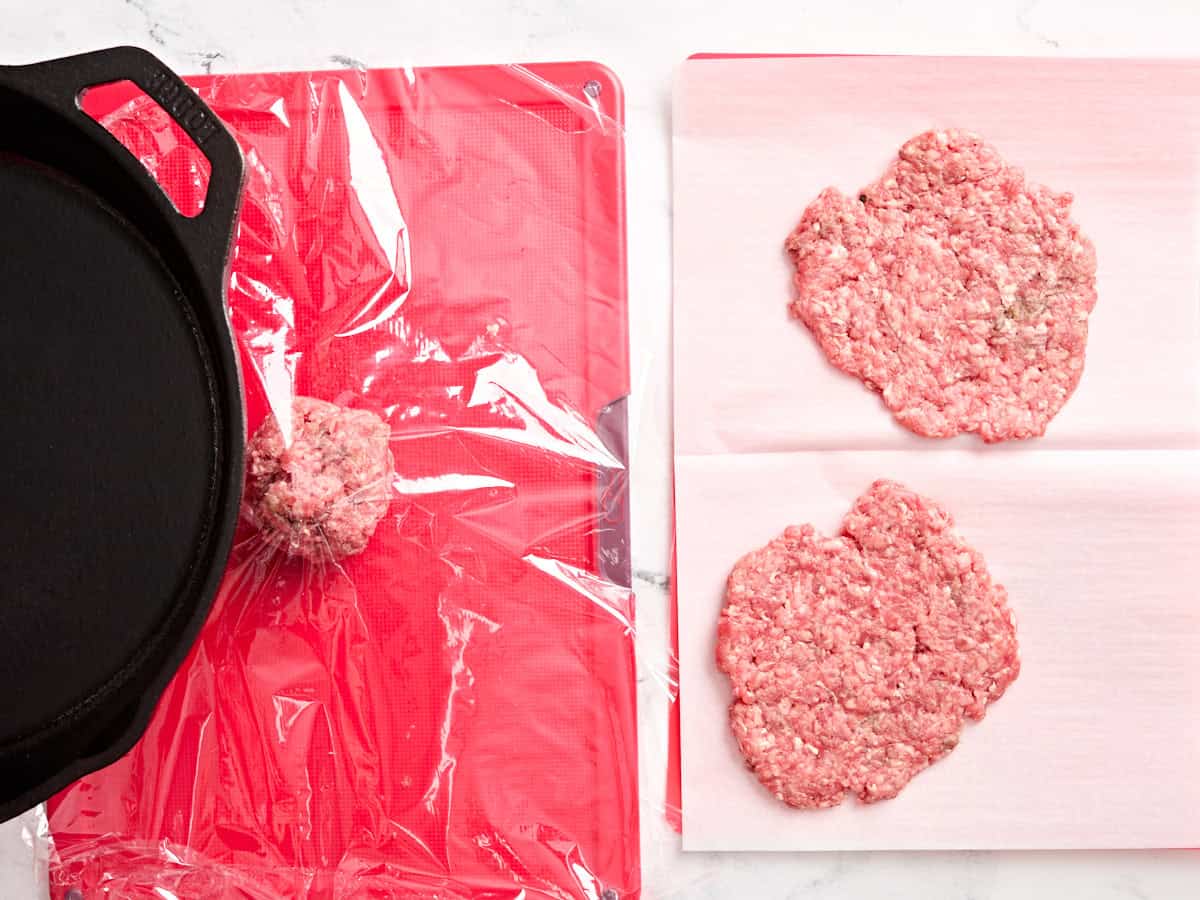
Using a heavy iron skillet or a burger press, flatten each ball into a thin patty between layers of parchment paper. The goal is to have two thin patties that, when joined, create a uniform thickness.
3. The Enclosure
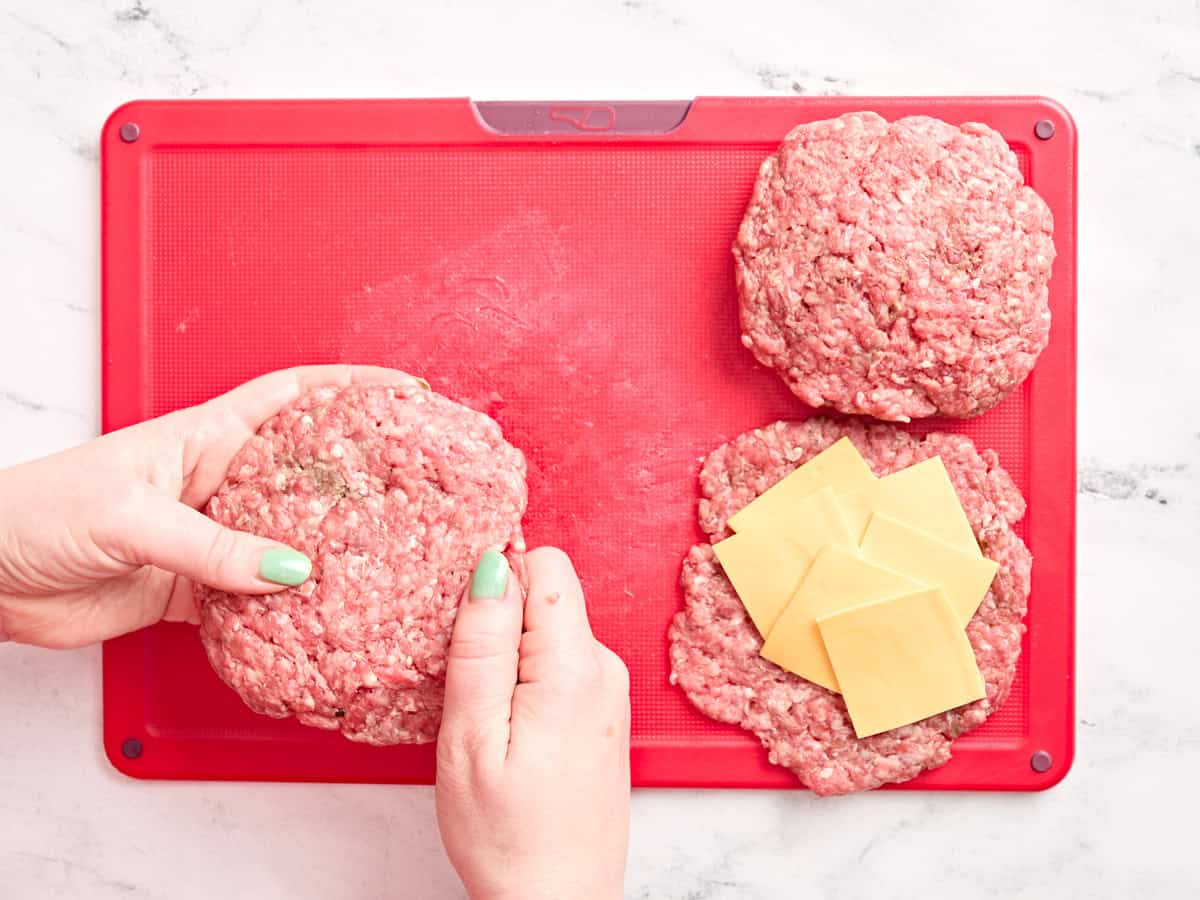
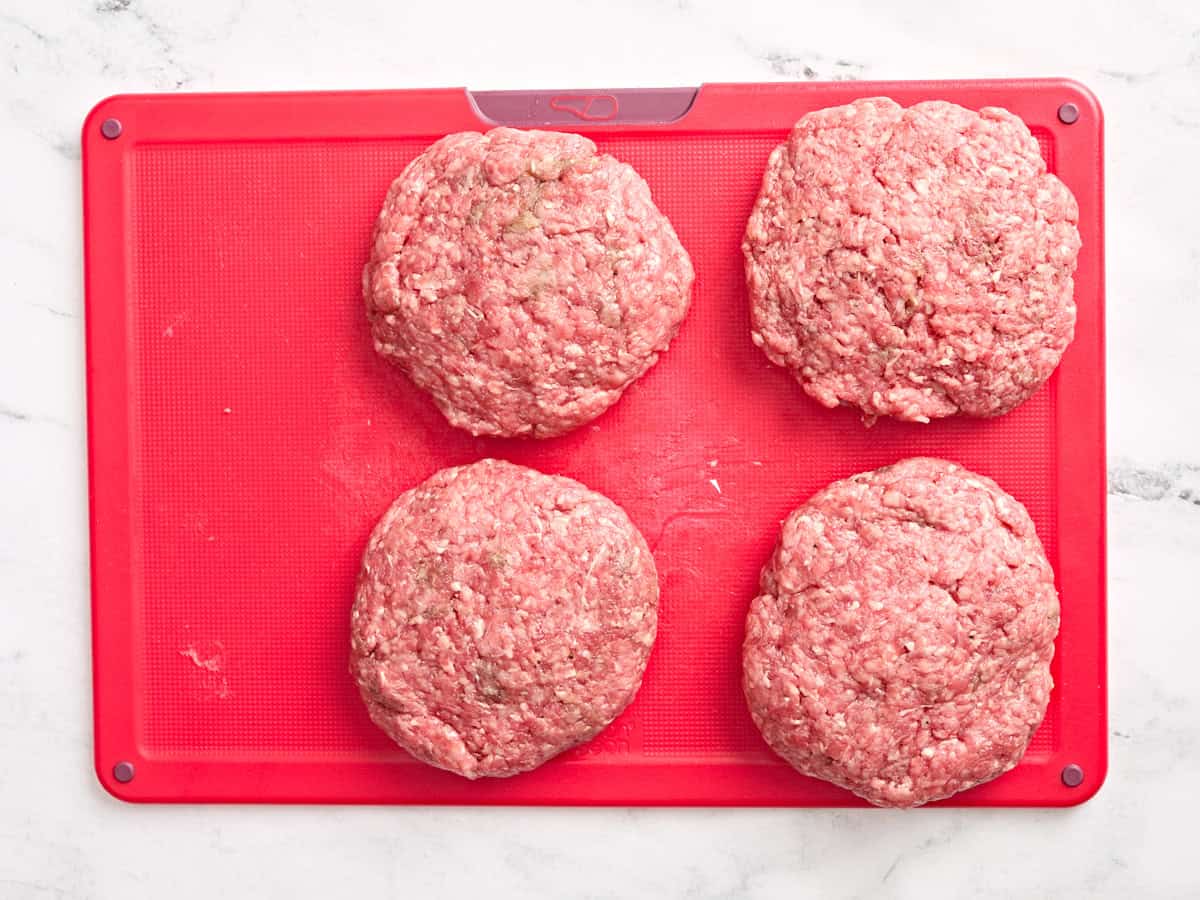
Place the cheese—roughly 1.5 slices of American cheese, quartered—into the center of one patty. Place the second patty on top. The most critical step is the sealing process: press and pinch the edges firmly. Use your fingers to smooth out any cracks or thin spots in the meat. If the seam is not airtight, the cheese will inevitably escape during the heating process.
4. The Heat Cycle
Cook the burgers in a cast-iron skillet over medium heat. A critical, often overlooked step is the "rest" period. After removing the burgers from the heat, allow them to sit for at least five minutes. This allows the internal pressure to subside, preventing the cheese from exploding outward upon the first bite.
Implications: The Social and Culinary Impact
The popularity of the Juicy Lucy has implications that reach beyond the dinner table. It reflects a growing desire for "experiential" home cooking—recipes that provide a "wow factor" through simplicity rather than expensive components.
The "Comfort Food" Phenomenon
In an era of rising food costs, the Juicy Lucy serves as a beacon of accessibility. It proves that culinary prestige is not derived from the cost of the ingredients, but from the mastery of technique. The "throwback" nature of the dish also taps into a sense of nostalgia, reminding diners of a time when the local diner was the center of community life.
Challenges for the Home Cook
The primary implication for those attempting this at home is the "leakage risk." Because the cheese creates a high-pressure environment, home cooks must be diligent. The temptation to "overstuff" is high, but the data suggests that restraint is the key to success. A single, well-sealed patty is superior to a massive, leaking burger that loses its molten core to the skillet.
Culinary Versatility
While the traditional recipe focuses on the beef-and-American-cheese combination, the structure of the Juicy Lucy allows for endless variations. However, chefs warn against using cheeses with low melting points or high moisture, as they can cause the burger to split. For those seeking variations, cheddar is a common, though less molten, alternative.
Conclusion: A Timeless Classic
The Juicy Lucy remains a marvel of American culinary history. It is a dish that requires nothing more than a skillet, a handful of seasonings, and a bit of patience. By respecting the physics of the meat-to-cheese ratio and mastering the art of the seal, the home cook can bring a piece of Minneapolis diner history into their own kitchen. Whether paired with creamy coleslaw or spicy sweet potato fries, the Juicy Lucy is more than just a burger; it is a testament to the idea that the best meals are often those that are the most straightforward, the most honest, and, above all, the most satisfying.