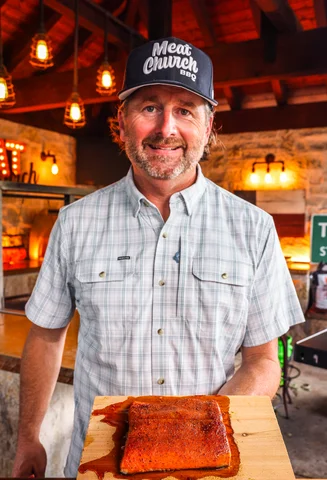
In the world of culinary innovation, the most compelling stories often begin far from the kitchen. For renowned pitmaster and Meat Church founder Matt Pittman, the genesis of his latest viral sensation did not occur in a test kitchen, but in the rugged, untamed wilderness of Alberta, Canada. By reimagining a staple of Tex-Mex comfort food—carne guisada—Pittman has sparked a nationwide conversation about the viability and superiority of wild game as a centerpiece for traditional family meals. His recent project, a masterclass in field-to-table cooking, challenges the status quo by replacing conventional beef with bear, leading to a bold, provocative conclusion: Bear, in the right hands, is better than beef.
The Evolution of a Texan Staple: Main Facts
Carne guisada—a rich, slow-cooked beef stew seasoned with cumin, garlic, and chilies—is as intrinsic to Texas culture as the brisket itself. Traditionally prepared with tough cuts of chuck roast that break down into succulent, gravy-drenched morsels over hours of low-heat simmering, it is the ultimate comfort food.
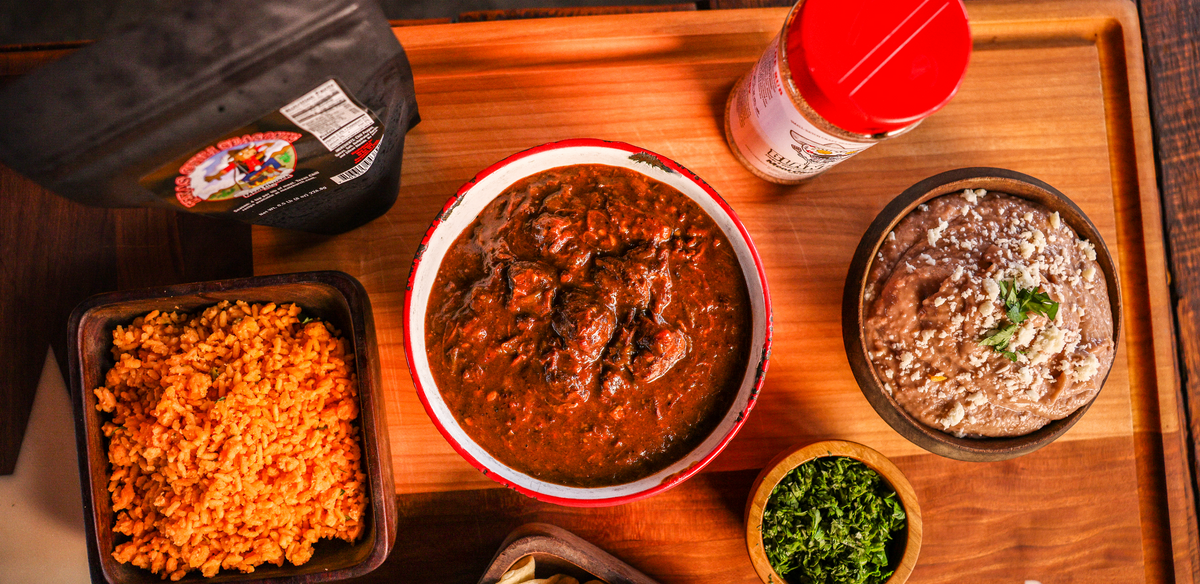
Pittman’s approach preserves the structural integrity of this dish while introducing a wild protein that is often misunderstood by the average consumer. The "Bear Guisada" project is not merely a recipe; it is a demonstration of how proper preparation can elevate wild game to a level of sophistication that rivals commercial livestock. By utilizing bear shank—a cut known for its intense connective tissue and deep, gamey profile—Pittman utilizes the "low and slow" method to transform the meat into fork-tender perfection. The result is a savory, complex gravy that highlights the richness of the meat, creating a dish that feels authentically Texan while pushing the boundaries of traditional hunting cuisine.
A Culinary Journey: The Chronology of the Harvest
The narrative of this dish begins in the Alberta backcountry, where Pittman harvested a black bear. This act serves as the foundational "field-to-table" ethos that defines his brand. The transition from the field to the dinner table requires a disciplined process of field dressing, butchery, and, crucially, the culinary application of heat.

The Preparation Phase
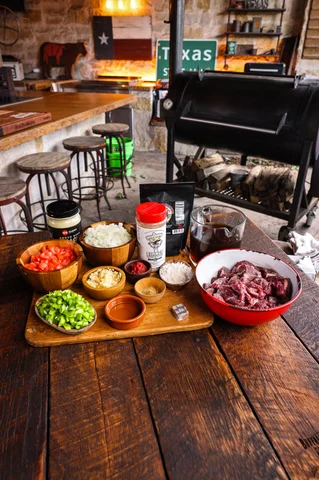
The process begins with the careful removal of the bear shank from the bone. Unlike the pristine cuts found in a supermarket, the shank is a challenging piece of anatomy, requiring patience and a sharp knife. Pittman cubes the meat into one-inch portions, ensuring that every piece is uniform to facilitate even cooking. A light dusting of "Blanco" seasoning provides the baseline flavor profile before the meat ever touches the heat.
The Sear and Deglaze
In a seasoned Dutch oven or a heavy-duty cast iron skillet, Pittman heats two tablespoons of beef tallow—a choice that honors the traditional fats used in Texan cooking. The searing process is critical. By browning the bear meat in batches, Pittman ensures a deep, caramelized crust, which forms the foundation of the final gravy. Following the sear, the pan is deglazed with a cup of beef broth, a move that captures the "fond"—the browned bits of flavor stuck to the bottom of the pan—and integrates them into the essence of the stew.

The Aromatics and the Build
With the meat set aside, the attention shifts to the "holy trinity" of Tex-Mex flavors: bell peppers, onions, and garlic. These are sautéed until translucent, followed by the addition of tomatoes. Once the base is established, the flavor profile is deepened with Meat Church Blanco and Chili seasonings, cumin, tomato paste, and beef bouillon. The addition of flour at this stage is a technical masterstroke; it creates a roux that thickens the broth into the iconic, velvety gravy that defines a great guisada.
The Long Simmer
The meat is returned to the vessel, submerged in additional beef stock, and brought to a gentle simmer. This four-hour endurance test is where the magic happens. The connective tissue in the bear shank melts, thickening the gravy and infusing the broth with a depth of flavor that beef simply cannot replicate. The final adjustment—a cornstarch slurry if necessary—ensures the perfect consistency before serving.

The Science of the Protein: Supporting Data
Why bear? While many hunters relegate bear meat to sausage or burger blends, Pittman’s success suggests a lack of culinary imagination in the general public.
Nutritionally, bear meat is an incredibly lean, nutrient-dense protein. Because bears are omnivores, their diet directly influences the flavor of the meat. In regions like Alberta, where bears feed on berries, roots, and grasses, the meat takes on a nuanced, slightly sweet profile that pairs exceptionally well with the earthy, smoky notes of cumin and chili.

When cooked properly, the fat content of a well-harvested bear provides a richness that is often lacking in venison or elk. In the context of a guisada, this fat acts as an emulsifier, binding the spices and the beef stock into a cohesive sauce. Pittman’s experiment demonstrates that the "gamey" reputation of bear is often a result of poor handling in the field rather than an inherent flaw in the meat itself. By treating it with the same respect as a premium cut of Wagyu or prime beef, the home cook can unlock a superior culinary experience.
The Verdict: Official Perspectives and Expert Opinion
The reaction to Pittman’s "Bear > Beef" claim has been overwhelmingly positive within the hunting and BBQ communities. For many, this represents a shifting tide in how we view wild game.

"The goal is to honor the animal," Pittman has stated in various forums. By turning a wild harvest into a dish that is deeply rooted in Texas culture, the hunter bridges the gap between the wild and the domesticated. Culinary experts note that the success of this recipe relies on the "low and slow" conversion of collagen to gelatin, a process that is essentially universal across all red meats. By adhering to the fundamental principles of braising, Pittman proves that the species of the animal is less important than the technique applied to it.
The Implications for the Modern Hunter
The success of this recipe carries significant implications for the future of hunting and home cooking.

- Sustainability and Ethics: As society moves toward more conscious eating, the ability to source one’s own protein—especially from a sustainable harvest—is becoming a point of pride. Pittman’s recipe provides a roadmap for hunters to maximize the utility of every animal they harvest.
- Expanding the Culinary Palette: By proving that bear can be the star of a complex, traditional dish, Pittman encourages others to experiment with wild game beyond the standard grill-and-sear approach. This creates a more appreciative relationship with the food chain.
- The "Guisada" Standard: This project elevates the humble carne guisada from a simple lunch counter staple to a dish worthy of a gourmet kitchen. It suggests that comfort food does not have to be stagnant; it can evolve, adapt, and incorporate new elements while maintaining its soul.
In conclusion, Matt Pittman’s Bear Guisada is more than a viral video or a catchy tagline. It is a testament to the fact that the finest ingredients are often those we seek out ourselves. Whether served over a bed of steaming white rice or tucked inside a fresh, flour tortilla, this dish invites us all to rethink our relationship with the wild. After four hours in the Dutch oven, the result is clear: if you are willing to put in the work, the backcountry offers a bounty that makes the supermarket aisle seem entirely, well, tame.