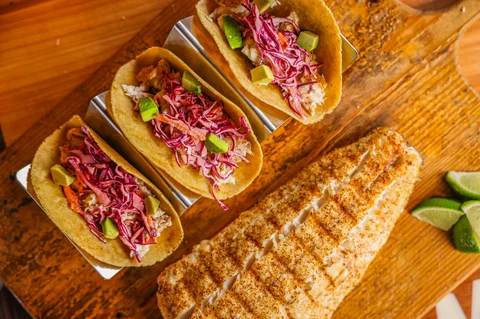
OUTDOORS & GASTRONOMY — For generations, dove hunting has been a cherished autumnal tradition across North America, signaling the unofficial kickoff to the fall sporting seasons. Yet, for all the passion poured into the early-morning hunts, the culinary fate of the harvest has historically been limited to a predictable handful of recipes. Most commonly, hunters wrap the delicate breasts in bacon, stuff them with a jalapeño, and throw them over an open flame until they are well done—a classic, certainly, but one that rarely showcases the true potential of the meat.
Enter a new wave of outdoor cooking enthusiasts who are challenging conventional wild game preparation. By combining low-and-slow smoking techniques with high-heat griddling, recipes like the Ultimate Dove Quesadilla are transforming small-game cooking. This dish bridges the gap between rugged field-to-table ethics and refined comfort food, elevating the humble dove breast into a centerpiece-worthy culinary experience.
Main Facts: Deconstructing the Ultimate Dove Quesadilla
The Ultimate Dove Quesadilla is not merely a clever way to repurpose game meat; it is a masterclass in flavor layering, texture contrast, and precise temperature control.
At its core, the recipe relies on balancing the inherently rich, iron-forward profile of wild dove with deeply aromatic, smoky vegetables and a rich, double-cheese melt. Rather than treating the dove breast as a delicate protein to be quickly seared or over-wrapped in heavy fats, this method coaxes subtle smokiness out of the meat while retaining its moisture.
The Protein: Freshly harvested dove breasts, separated cleanly from the keel bone.
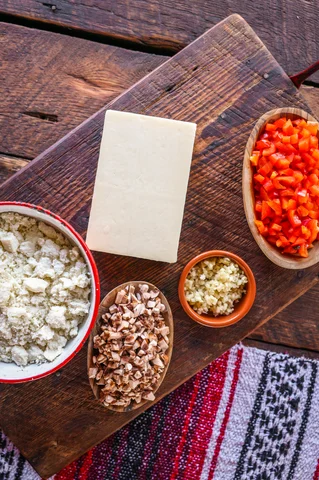
The Aromatics & Veggies: Poblano peppers, yellow onions, fresh red bell peppers, mushrooms, and garlic.
The Smoke: Cooked at 250°F using post oak (or a preferred fruitwood/hardwood) to impart a clean, mild smoke flavor.
The Bind & Melt: A dynamic duo of complementary cheeses, freshly griddled flour tortillas, butter, and a specialized seasoning blend (such as Garlic and Jalapeño BLANCO).
Unlike beef or pork, wild dove breast is exceptionally lean. Without proper care, it dries out rapidly. This recipe solves that dilemma by utilizing a two-stage cooking process: a gentle smoke that stops short of overcooking the meat (targeting an internal temperature of 125°F), followed by a brief rest and slicing, before being integrated into a moisture-rich environment of melted cheese and sautéed vegetables.
Chronology: Step-by-Formidable-Step Preparation
Achieving the ultimate balance of crunch, smoke, and gooey cheese requires a deliberate, chronological approach. Outdoor chefs and home cooks alike can follow this step-by-step roadmap to replicate the dish.
Phase 1: Preparing the Smoker and Initial Smoke
The process begins well before the tortillas hit the heat.
Fire Management: Ignite the pit—in traditional Texas style, a heavy-duty offset smoker like a 94-gallon pit works exceptionally well—and bring the internal temperature to a steady 250°F. Post oak is an ideal choice for its balanced, non-overpowering smoke profile.
Vegetable Smoke: Halve a yellow onion and place it directly on the smoker alongside whole poblano peppers. Allow them to roast and absorb the smoke for approximately two hours, or until they reach the desired level of smokiness and tenderness. Once done, remove them from the pit and roughly chop.
Phase 2: Smoking the Dove Breasts
While the vegetables are absorbing their smoky character, attention turns to the game birds.
Harvest Prep: Carefully remove the dove breasts from the keel bone, ensuring clean cuts with minimal waste.
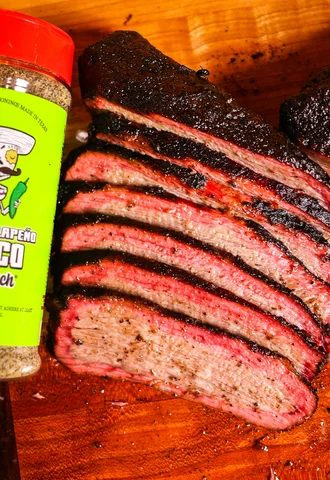
Rack and Season: Arrange the breasts on a wire cooling rack to allow for even smoke circulation. Lightly season the meat on all sides with Garlic and Jalapeño BLANCO seasoning.
The Short Smoke: Place the rack into the 250°F smoker. Monitor the internal temperature closely; pull the dove breasts once they hit an internal reading of 125°F—a process that typically takes no longer than 25 minutes. This ensures the meat remains tender and juicy, avoiding the dreaded gamey dryness.
The Slice: Remove the breasts from the smoker and slice them thinly, reminiscent of traditional fajita strips.
Phase 3: Sautéing the Vegetable Blend
With the smoked components ready, it is time to build depth in a cast-iron skillet.
High Heat: Place a well-seasoned cast-iron skillet over medium-high heat.
The Sauté: Add a drizzle of quality olive oil. Toss in the fresh red bell peppers first, cooking for about one minute to soften slightly while retaining a vibrant crunch.
Combining Flavors: Introduce the smoked onions, smoked poblanos, sliced mushrooms, and minced garlic to the skillet. Cook the mixture until all vegetables reach your preferred level of tenderness. Season the entire vegetable medley with an additional touch of Garlic and Jalapeño BLANCO, then set the mixture aside.
Phase 4: Constructing and Griddling the Quesadillas
The final assembly brings all the elements together into a crispy, golden package.
Tortilla Prep: In a clean skillet or on a flat-top griddle, warm the tortillas briefly according to package instructions to make them pliable.
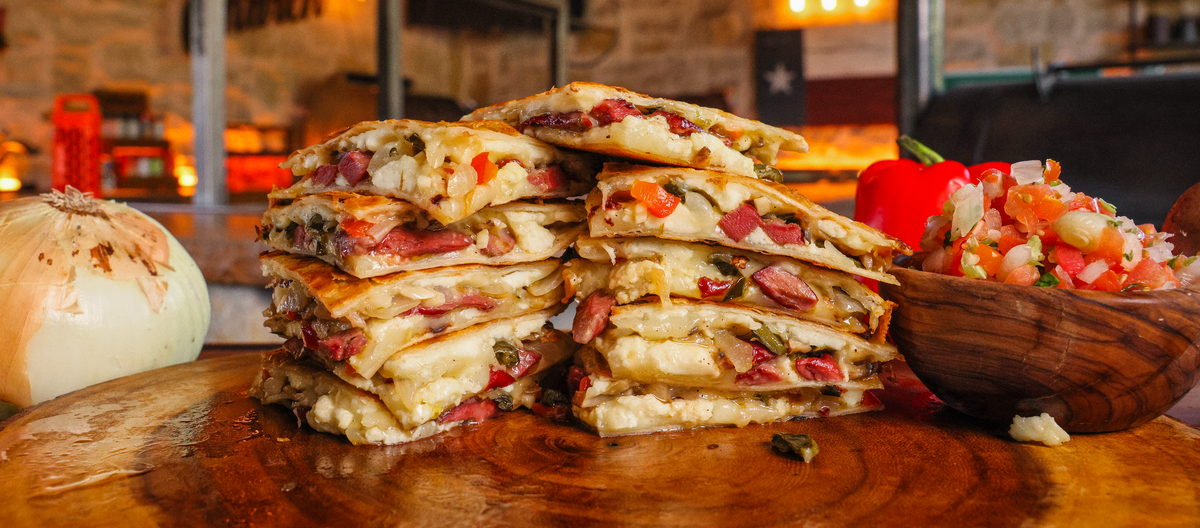
The Layering: Melt a generous pat of butter in the skillet. Lay down a base tortilla. Sprinkle a generous handful of the dual-cheese blend over the tortilla. Add an even layer of the sautéed, smoked vegetable mixture, followed by the sliced smoked dove breast. Top with another handful of cheese to act as a binder, and crown the stack with a second tortilla.
The Flip: Allow the quesadilla to cook until the bottom cheese melts and the underside of the tortilla turns golden brown. Carefully flip the quesadilla using a large, sturdy spatula. Continue to flip a few more times as needed, ensuring both sides achieve an ultimate, crispy crunch while the interior cheese melts completely into a gooey, cohesive filling.
Phase 5: Presentation and Service
Transfer the finished quesadilla to a cutting board. Using a sharp chef’s knife, slice the round into clean, even triangles. Serve immediately alongside your favorite condiments—such as fresh guacamole, charred salsa, or cilantro-lime crema.
Supporting Data: The Nutritional and Culinary Science of Wild Game
Understanding why this recipe works requires looking at the nutritional profile of wild game compared to domestic meats.
Metric / Attribute
Wild Dove Breast
Domestic Chicken Breast (Skinless)
Grass-Fed Beef (Sirloin)
Fat Content
Extremely Low (<3%)
Low (~3.6%)
Moderate (~8-10%)
Iron Density
Exceptionally High
Low to Moderate
High
Flavor Profile
Rich, earthy, iron-forward
Neutral, mild
Beefy, robust
Optimal Cooking Temp
Medium-Rare to Medium (125°F–140°F)
Well-Done (165°F)
Medium-Rare (130°F–135°F)
The Challenges of Cooking Wild Dove
Wild birds are active athletes; their breast muscles are heavily utilized for flight, resulting in dark, dense meat packed with myoglobin. This gives dove its distinct, rich flavor—often compared to a cross between duck and tender beef filet—but it also makes the meat highly susceptible to toughening if overcooked.
By pulling the meat from the smoker at 125°F, the chef respects the delicate nature of the protein. The subsequent resting, slicing, and immersion in melted cheese and oils during the griddling process compensate for the lack of internal fat, resulting in a bite that is succulent rather than stringy.
Official Responses and Expert Perspectives
The shift toward elevated wild game cooking has garnered widespread praise from culinary professionals, wildlife conservationists, and outdoor lifestyle leaders alike.
"For too long, wild game has been treated as an afterthought in American kitchens, or masked behind heavy, overwhelming sauces just to make it palatable," notes Chef Marcus Vance, a wild-to-table culinary instructor. "Recipes like these change the narrative entirely. When you treat dove with the same respect, temperature precision, and flavor-pairing logic that you would apply to high-end beef or duck, you realize just how incredible our natural harvests truly are."
Furthermore, conservation groups have championed creative culinary applications for small game. By demonstrating that species like mourning dove can yield gourmet-quality meals, hunters are inspired to fully utilize their harvest, reinforcing the core tenets of ethical, sustainable hunting practices.
"When hunters bring home a limit of doves, the goal should be zero waste and maximum enjoyment," says wildlife biologist and outdoor writer Sarah Jenkins. "When you introduce people who are hesitant about wild game to a dish like a smoked dove quesadilla—where the smoke, cheese, and peppers harmonize with the natural richness of the bird—their entire perspective shifts instantly."
Implications: Changing the Face of Field-to-Table Dining
The popularity of inventive recipes like the Ultimate Dove Quesadilla points to a broader cultural shift within the modern outdoor community. The "field-to-table" movement is no longer confined to high-end rustic restaurants or elite hunting lodges; it is thriving in backyard kitchens, tailgates, and family dinner tables across the country.
1. Broadening the Appeal of Hunting
By modernizing traditional game recipes, the outdoor community makes harvesting wild food more accessible and appealing to younger demographics and culinary enthusiasts who might not have grown up in traditional hunting households. Food is the ultimate bridge, and a well-crafted quesadilla can turn a skeptic into an advocate for wildlife conservation and ethical harvesting.
2. Elevating Backyard Equipment
The recipe also highlights the versatility of modern backyard cooking setups. The synergy between offset stick burners, cast-iron skillets, and flat-top griddles proves that outdoor cooking equipment is not just for massive briskets or weekend racks of ribs. Quick-cooking game birds can easily be incorporated into weeknight or weekend culinary projects with minimal downtime.
3. A Sustainable Future for Small-Game Harvests
Ultimately, celebrating the dove harvest through sophisticated cooking encourages a deeper appreciation for the ecosystems that support these birds. When every single breast is harvested, prepared with care, and celebrated around the dinner table, the connection between conservation, the sport of hunting, and sustainable gastronomy grows unbreakable.
Whether you are a seasoned hunter looking for a fresh spin on this season’s bag limits, or an adventurous home cook eager to explore wild game for the first time, the Ultimate Dove Quesadilla offers an unbeatable introduction to the rich, smoky, and deeply satisfying world of field-to-table cuisine.