Main Facts: The Timeless Appeal of the Classic Deviled Egg
Across centuries, continents, and countless culinary trends, few appetizers have retained their undisputed crown quite like the deviled egg. With its rich, velvety filling, bright tang, and inviting presentation, this simple party staple remains an absolute must-have for holiday spreads, Easter brunches, Thanksgiving feasts, summer potlucks, and neighborhood barbecues.
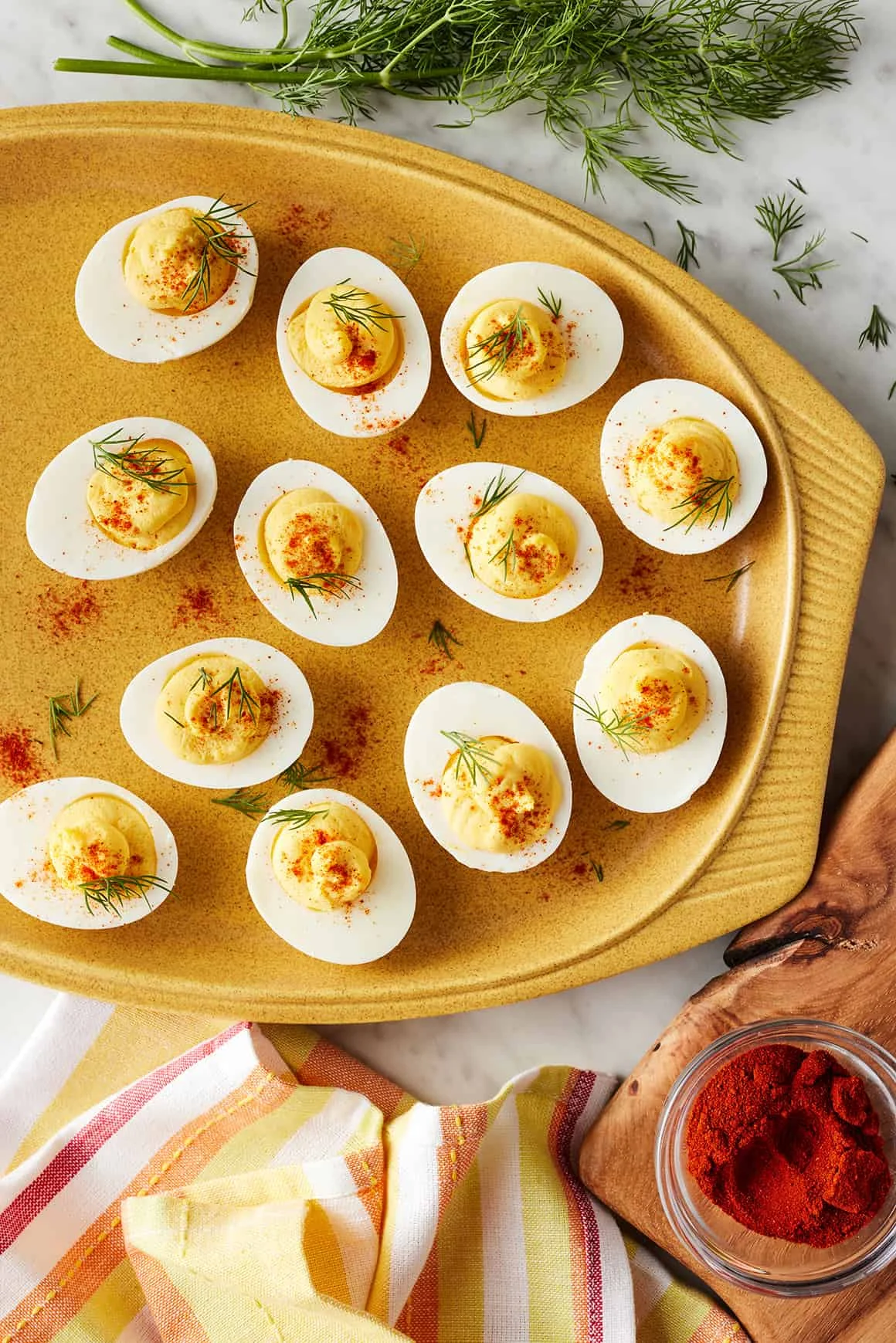
At its core, the classic deviled egg recipe relies on a remarkably humble cast of kitchen staples: hard-boiled eggs, mayonnaise, mustard, a dash of vinegar or hot sauce, and a final dusting of vibrant paprika. Yet, despite its modest ingredient list, a properly executed batch commands immediate attention at any gathering.
Culinary experts note that the beauty of the deviled egg lies in its balance of textures and flavors. The firm yet tender egg white provides a clean, neutral vessel, while the whipped yolk mixture delivers a luxurious creaminess underscored by a sharp, savory tang. According to standard nutritional profiles, a typical serving—roughly two halves—delivers around 111 calories, alongside a healthy dose of protein (approximately 6 grams), making it a surprisingly satisfying, low-carbohydrate finger food that appeals to modern dietary preferences without sacrificing old-school comfort.

Chronology: From Ancient Rome to the Modern Holiday Table
To truly appreciate the deviled egg, one must trace its surprisingly ancient lineage. The history of stuffing boiled eggs spans millennia, evolving through various cultures before arriving at the modern American favorite.
Antiquity and the Middle Ages
The earliest recorded precursors to deviled eggs date back to ancient Rome. Wealthy Romans frequently served boiled eggs seasoned with heavy spices, herbs, and sauces. Similar recipes appeared across medieval Europe, particularly in Andalusia during the 13th century, where cookbooks featured stuffed egg dishes flavored with cilantro, onion juice, coriander, and cheese, often bound with oil and fish paste.
The Origin of the "Devil"
The specific moniker "deviled" did not attach itself to eggs until much later. Food historians trace the term back to 18th-century Great Britain, where "deviling" became a culinary descriptor for dishes prepared with heavy, hot, or spicy seasonings—such as mustard, cayenne, pepper, or other pungent condiments. Over time, the name stuck to any cold, spicy egg preparation, cementing the "devilish" flavor profile defined primarily by the inclusion of zesty mustard.

The Mid-Century Potluck Era
By the mid-20th century, deviled eggs had transitioned from high-end dining tables into the American mainstream. They became a definitive fixture of mid-century homemaking, appearing prominently at church socials, Tupperware parties, family reunions, and holiday dinners. Standardizing around a reliable base of mayonnaise and yellow mustard, American home cooks began treating the dish as a canvas for regional twists—incorporating sweet pickle relish, bacon bits, or dashes of hot sauce. Today, the tradition continues to be passed down through generations, often anchored by cherished family recipes and time-tested preparation methods.
Supporting Data: Preparation Mechanics and Nutritional Breakdown
Achieving the ultimate deviled egg is less about complex culinary wizardry and more about mastering basic techniques—specifically, boiling and peeling.
The Chemistry of the Hard-Boiled Egg
Culinary scientists emphasize that the key to a smooth, lump-free filling begins with proper egg preparation. Overcooking hard-boiled eggs results in that dreaded sulfurous green-gray ring around the yolk and a chalky texture. To avoid this, chefs recommend a gentle boiling method: placing eggs in a pot, bringing the water to a boil, removing the pot from the heat, and letting them sit covered for roughly 10 to 12 minutes before transferring them immediately to an ice bath. This thermal shock halts the cooking process instantly and causes the egg to shrink slightly inside its shell, making peeling remarkably easy.

Comprehensive Nutritional Profile (Per Serving of 6 Halves)
- Calories: 111 kcal
- Calories from Fat: 81 kcal
- Total Fat: 9g (14% Daily Value)
- Saturated Fat: 2g (13% DV)
- Trans Fat: 0.03g
- Polyunsaturated Fat: 4g
- Monounsaturated Fat: 3g
- Cholesterol: 167mg (56% DV)
- Sodium: 116mg (5% DV)
- Potassium: 64mg (2% DV)
- Total Carbohydrates: 0.4g (0% DV)
- Dietary Fiber: 0.04g (0% DV)
- Sugars: 0.2g (0% DV)
- Protein: 6g (12% DV)
- Vitamins & Minerals: Vitamin A (5% DV), Iron (6% DV), Calcium (3% DV)
(Note: Percentage Daily Values are based on a standard 2,000-calorie daily diet.)
Culinary Perspectives: Expert Tips and Professional Insights
Professional chefs and home-cooking authorities alike praise the versatility and reliability of deviled eggs. Below are several insights and expert recommendations gathered from seasoned culinary instructors and recipe developers:
The Filling Technique
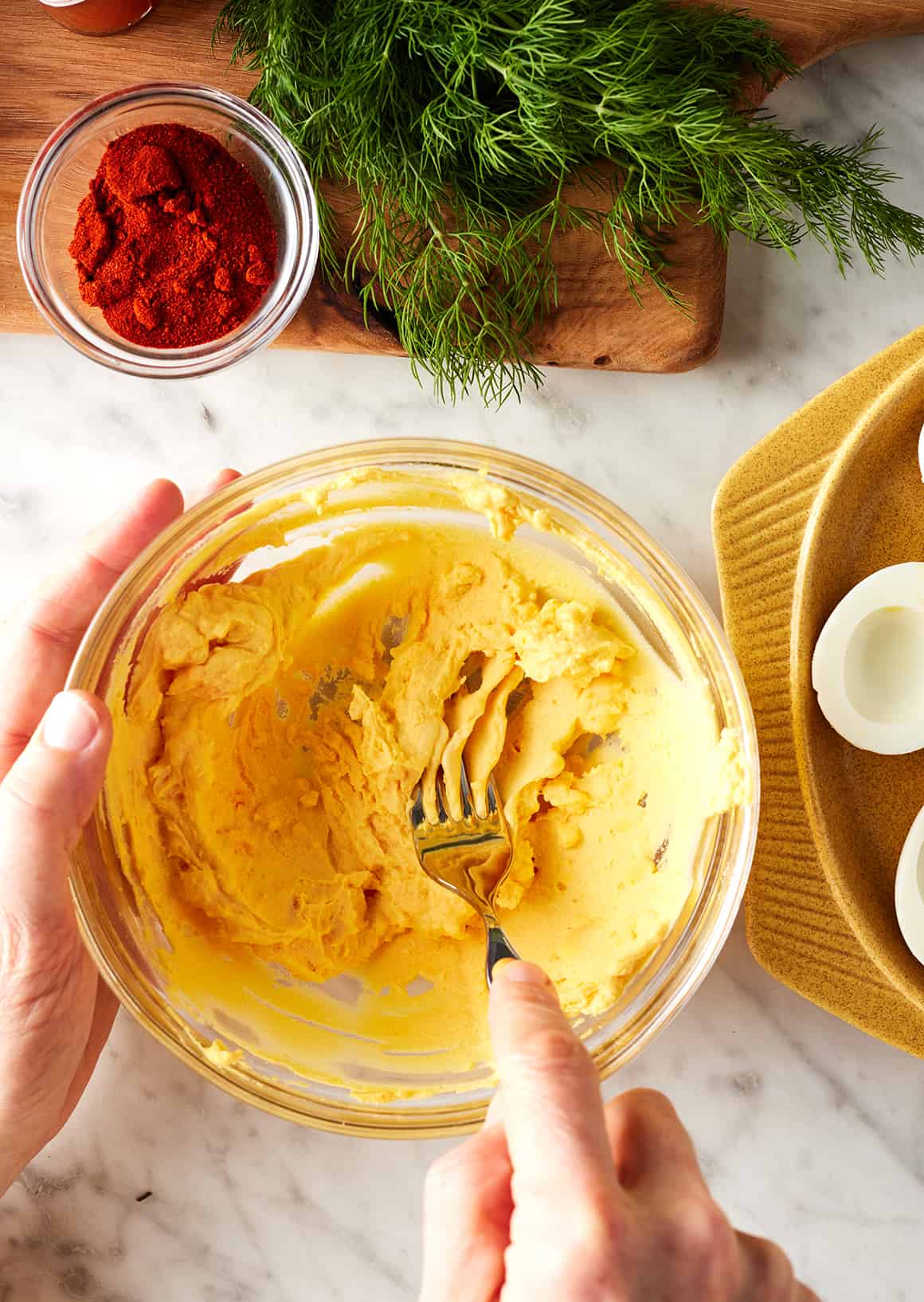
"Never underestimate the power of a fork versus a food processor," notes one veteran caterer. "While a food processor can yield a silky emulsion, traditional mashing with a sturdy fork leaves just enough rustic texture to help the filling cling to the egg white without turning completely gelatinous."
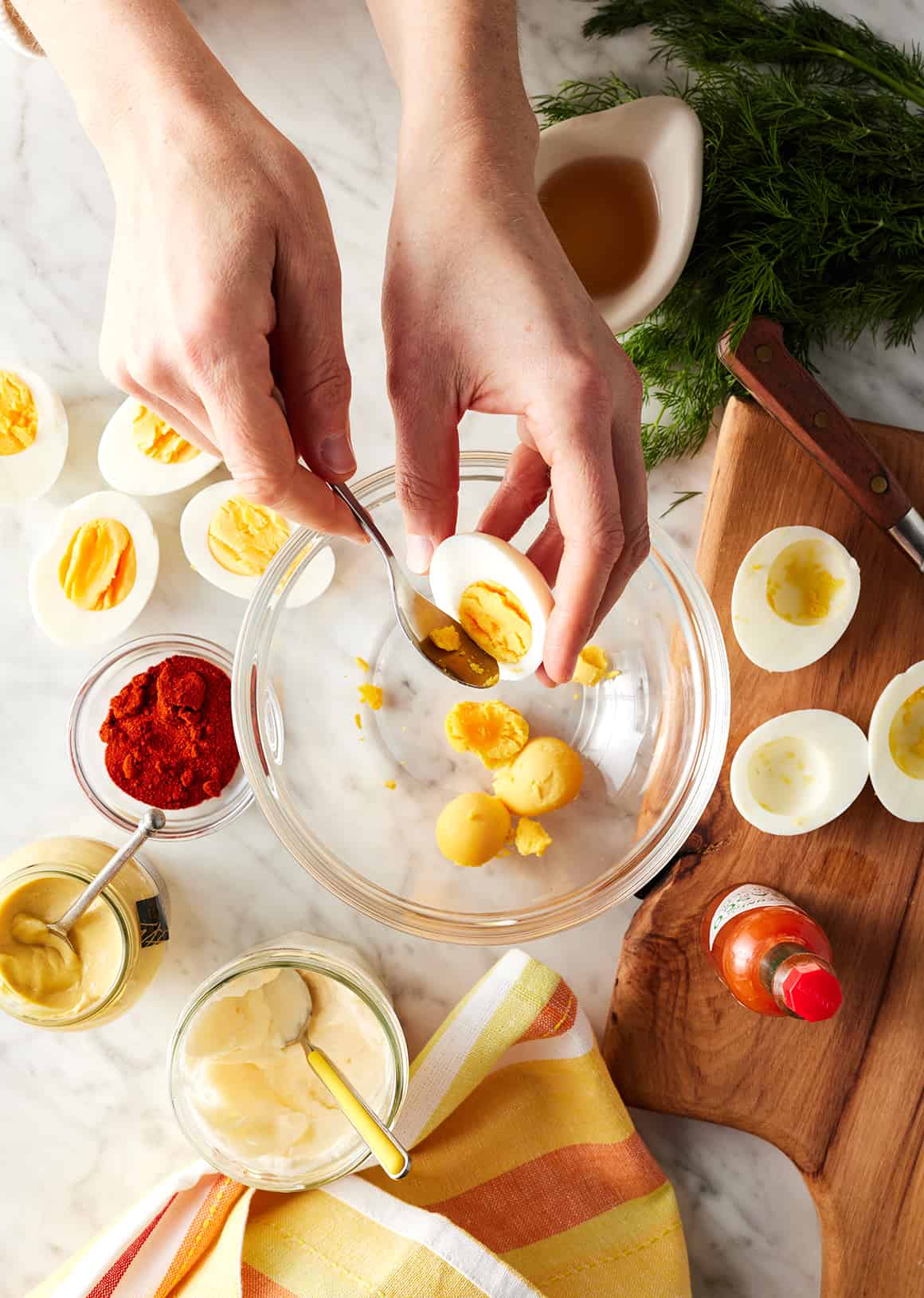
Furthermore, culinary experts suggest whisking the mayonnaise, mustard, a splash of apple cider vinegar, and a drop of hot sauce before incorporating the crumbly yolks. This prevents lumps and ensures an evenly distributed, creamy emulsion.
Presentation and Garnish
Visual appeal is paramount when serving finger foods. While a classic sprinkle of sweet or smoked Spanish paprika adds immediate warmth and color, contemporary chefs recommend elevating the presentation with fresh garnishes. Finely chopped chives, fresh dill fronds, minced capers, or even a tiny curl of crispy bacon can transform a retro appetizer into a modern gourmet bite. For an upscale look, piping the yolk mixture using a star-tipped pastry bag instantly elevates the dish from casual potluck fare to cocktail-party elegance.
Implications: Make-Ahead Strategies, Storage, and Modern Variations
For hosts orchestrating large holiday gatherings, time management in the kitchen is critical. Deviled eggs offer a distinct advantage because they can be successfully prepared in advance, provided proper food safety and storage protocols are followed.
Make-Ahead and Storage Guidelines
- The Component Method: Boil, peel, and slice the eggs up to two days in advance. Store the bare whites in a sealed container lined with a damp paper towel in the refrigerator. Separately, mix the yolk filling and store it in a piping bag or airtight container. Assemble just before serving.
- Fully Assembled Storage: If the eggs are already assembled, they can be stored in an airtight container in the refrigerator for up to 2 days. To prevent the filling from forming a dry crust, press plastic wrap gently against the surface of the piped yolks before sealing.
- Safety First: Because deviled eggs contain mayonnaise and dairy-based ingredients, they should not be left at room temperature for longer than two hours during a party or outdoor gathering.
Creative Modern Variations
While the classic recipe remains a beloved standard, adventurous home cooks frequently experiment with regional and fusion flavors. Popular variations include:
- Southern Style: Incorporating finely minced dill pickles or sweet pickle relish alongside a dollop of yellow mustard.
- Spicy Southwest: Blending the yolks with a touch of chipotle pepper in adobo sauce, topped with fresh cilantro and a dusting of chili powder.
- Bacon and Cheddar: Folding finely shredded sharp cheddar cheese into the yolk mixture and garnishing with smoky bacon crumbles.
- Everything Bagel Twist: Mixing cream cheese into the yolks and topping the finished eggs with toasted sesame seeds, poppy seeds, dried garlic, and onion flakes.
Whether served in a dedicated ceramic deviled egg platter at Easter dinner or handed around on a casual tray during a Sunday football watch party, this enduring culinary classic proves that simple, high-quality ingredients will always find a welcome home at the table.