By Investigative Food Science Desk
Published: October 2023
1. Main Facts
On a quiet Saturday morning in kitchens across the globe, the ritual of making pancakes rarely involves a second thought about agricultural supply chains, soil health, or biodiversity. Typically, a box of all-purpose wheat flour is retrieved from the pantry, mixed with milk, eggs, and a dash of baking powder, and whisked into a smooth batter. But behind this seemingly simple culinary routine lies a rigid industrial system optimized entirely for a single crop: monoculture wheat.
A growing movement among food scientists, agronomists, and sustainable farmers is challenging this status quo. The core issue is simple yet profound: to implement a regenerative farming system, agriculture cannot rely on wheat alone. Farmers must diversify their crop rotations to restore soil fertility, break pest cycles, and capture carbon. This means cultivating crops like rye, buckwheat, and ancient grains. However, agricultural diversification only works if there is a stable, commercial market for these alternative harvests. Consumers will only buy them if they have practical, delicious uses, and food manufacturers will only process them if the economics and logistics make sense.
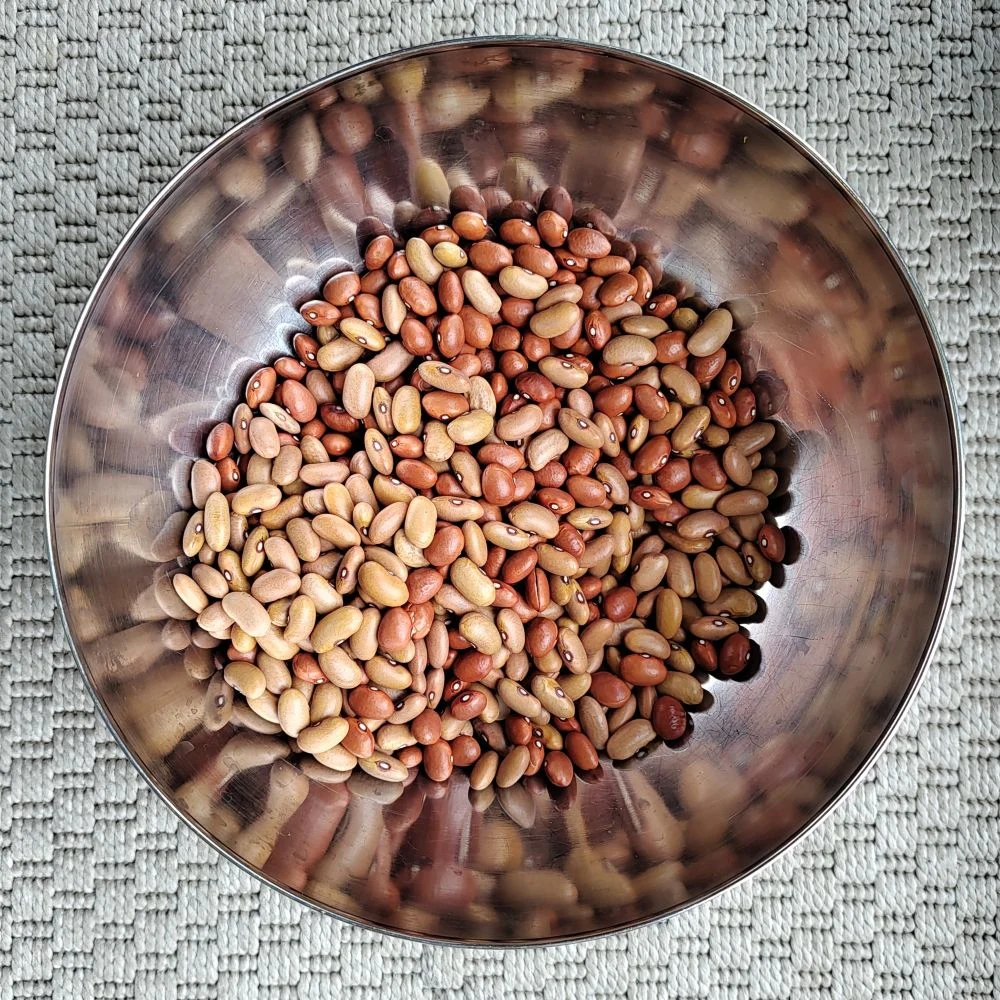
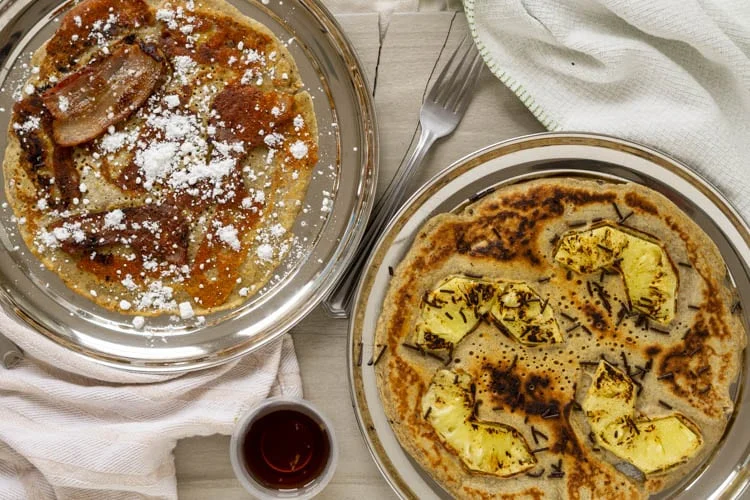
Recently, a food scientist decided to test this premise directly at home. By substituting half of the traditional wheat flour in a standard pancake recipe with regeneratively grown rye and buckwheat—sourced directly from specialized suppliers like the Dutch agricultural initiative Graanbroeders—the experiment yielded unexpected success. Despite yielding a slightly thicker initial batter that required a minor adjustment in water content, the resulting pancakes were light, fluffy, and successfully passed the stringent evaluation of an impromptu household taste panel.
Yet, translating a home kitchen success story into a multi-ton industrial reality reveals the profound structural hurdles facing the modern food supply chain. While consumers can easily mix diverse flours in their bowls, commercial food production operates on massive scales, utilizing towering silos, complex networks of pneumatic piping, and strict cost-efficiency models that currently favor single-source, highly subsidized wheat flour.
2. Chronology of a Pancake: From Silo to Skillet
To understand why supermarket shelves are dominated by standard wheat-based baking mixes, one must trace the intricate journey of how industrial pancake mix is actually manufactured. The process illuminates why introducing alternative, regenerative grains into mass production is far more complex than simply swapping labels.
The Industrial Genesis
The journey begins outside a nondescript, industrial processing facility dominated by towering, cylindrical metal silos. These structures stretch high into the sky, safely storing massive quantities of commodity wheat flour. Inside the plant, a vast web of closed-loop pneumatic pipes snakes through the ceilings and walls. When flour is needed for production, it is literally sucked out of the primary silo and transported dynamically through these pipes to whichever automated processing line requires it.
The Batching and Mixing Stage
Once the wheat flour arrives at the specific pancake batter production line, it is temporarily deposited into a large stainless steel hopper. Acting as a temporary holding zone, the flour rests momentarily before dropping by gravity into an industrial-scale mixer. Here, automated dosing systems or factory workers introduce minor ingredients—precise quantities of baking powder, salt, and occasionally milk powder or sugar.
Packaging and Distribution
The dry ingredients are thoroughly blended to ensure uniform texture and leavening distribution across every box. The final mix is then accurately weighed and dropped into carton boxes, sealed, and palletized for distribution to hungry consumers nationwide.
The Logistical Bottleneck for Alternative Flours
This streamlined industrial choreography highlights why food manufacturers hesitate to adopt regenerative, multi-grain recipes. Silos represent substantial capital investments. A factory cannot afford to dedicate a multi-story silo to a low-volume alternative grain like buckwheat or rye. Furthermore, alternative flours are generally more expensive than commodity wheat because they are not produced at the same hyper-optimized global scale. If a facility wishes to incorporate multiple grain varieties, it must either install complex, expensive multi-silo storage systems, rely on manual weighing for smaller batches—which increases labor costs—or risk ingredient spoilage due to lower turnover rates. Consequently, commercial inertia strongly favors the status quo of single-origin wheat.
3. Supporting Data: Market Realities and Consumer Trends
While industrial-scale manufacturing favors uniformity, consumer markets—particularly in Europe—show surprising pockets of diversity. A comparative analysis of retail inventories reveals stark regional differences in how alternative flours are utilized in processed pancake products.
The European Landscape vs. Global Standards
In typical online recipe databases globally, the vast majority of pancake formulations call strictly for all-purpose wheat flour. However, a digital audit of supermarket shelves in the Netherlands paints a different picture. Dutch grocery retailers display a surprisingly high concentration of ready-to-eat pancakes and dry batter mixes that intentionally incorporate rye and buckwheat.

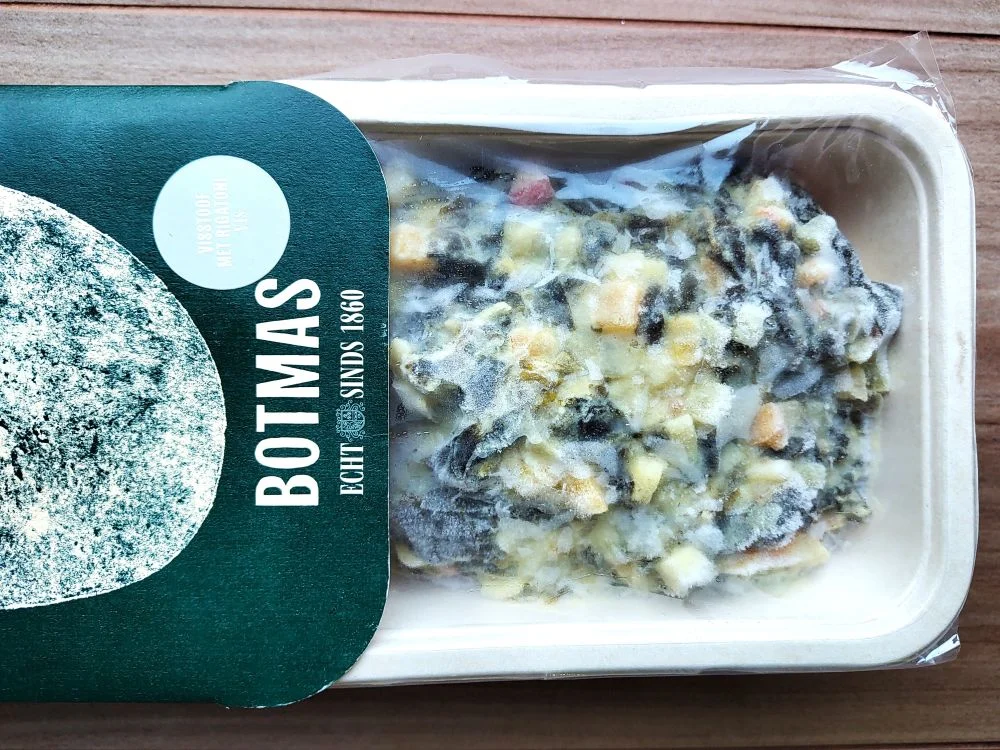
This regional anomaly is deeply rooted in culinary history. Buckwheat has long been a traditional staple in Dutch pancake culture (boekweitpannenkoeken), making the consumer base inherently more receptive to non-wheat variations. Furthermore, market analyses of contemporary Dutch retail shelves reveal an increasing willingness among food product developers to push ingredient innovation even further. Recent supermarket audits identified commercial pancake products incorporating unconventional agricultural byproducts and specialty crops, including mixes containing over 40% pumpkin puree and others utilizing 30% carrot puree. These formulations demonstrate that when consumer acceptance aligns with culinary tradition, industrial food processors can successfully engineer complex, multi-ingredient baking matrices.
Cost and Storage Dynamics
Data gathered from both home baking supply stores and industrial ingredient distributors highlight three primary economic barriers to widespread alternative flour adoption:
- Raw Material Costs: Economies of scale keep commodity wheat exceptionally inexpensive, whereas regenerative rye and buckwheat command higher market prices due to limited harvest volumes.
- Storage Footprint: Managing multiple grain varieties requires expanded warehouse and silo capacity, driving up fixed real estate and operational costs.
- Shelf-Life Vulnerability: Unlike highly refined, shelf-stable white wheat flour, whole-grain alternative flours contain higher oil content in their germ layers, making them significantly more susceptible to rancidity and spoilage if not rotated rapidly.
4. Official Responses and Industry Perspectives
The transition toward regenerative agriculture has sparked intense debate among agronomists, food system analysts, and corporate sustainability officers. The consensus emerging from agricultural think tanks is that transforming farm practices without altering downstream processing is bound to fail.
The Agronomic Viewpoint
Dr. Aris van der Meer, a sustainable agriculture researcher based in Wageningen, emphasizes that farming cannot reform in a vacuum.
"For decades, agricultural subsidies and global supply chains have locked farmers into growing high-yield, low-margin monocultures like wheat and corn," says Dr. van der Meer. "When we ask a farmer to adopt regenerative practices—such as cover cropping, reduced tillage, and diverse crop rotations—we are asking them to introduce rye, oats, buckwheat, and legumes into their fields. If those crops rot in the barn because no commercial buyer wants them, the farmer goes bankrupt. The supply chain must evolve in tandem with the farm."
The Food Industry Response
Representatives from major European milling and baking conglomerates offer a more pragmatic, caution-laden perspective. Speaking anonymously due to proprietary product development policies, a senior supply chain manager at a multinational baking mix corporation noted:
"We love the idea of regenerative sourcing. Our corporate sustainability goals demand it. But our production lines are engineered for continuous, high-speed output. Introducing a new flour type isn’t just a matter of changing a label; it changes the rheology of the dough, the moisture absorption rates, and the behavior of the leavening agents. Every adjustment requires extensive testing to ensure the end product performs identically in a consumer’s hot pan. Until raw material availability matches industrial scale, the price point remains a major hurdle for mass-market adoption."
5. Implications for the Future of Food Systems
The intersection of morning pancakes and regenerative agriculture serves as a micro-case study for the broader transformation required in global food systems. If society is serious about healing degraded soils, increasing agricultural biodiversity, and mitigating climate change through farming, the culinary and manufacturing sectors must undergo a parallel revolution.
Bridging the Gap Between Agriculture and Processing
To bridge the gap between regenerative fields and kitchen pantries, systemic changes must occur at multiple levels:
- Infrastructure Investment: Food processing plants must be retrofitted with flexible, modular batching systems that can seamlessly handle variable grain inputs without requiring dedicated, multi-million-dollar silos for every niche crop.
- Culinary Education: Home cooks and professional chefs alike must be encouraged to experiment with composite flours, rediscovering the rich flavor profiles and nutritional benefits of grains like rye, spelt, and buckwheat.
- Value-Chain Collaboration: Forward-thinking agricultural networks—such as Graanbroeders—are proving that direct relationships between regenerative farmers, specialty millers, and conscious consumers can bypass traditional bottlenecks, creating localized loops of supply and demand.
Conclusion: The Power of the Breakfast Table
Ultimately, changing how we eat starts with understanding where our food comes from. The simple Saturday morning pancake, long taken for granted as a product of industrial uniformity, holds the potential to become a vehicle for environmental restoration. By demanding products that incorporate regeneratively grown, diverse grains, consumers can send a powerful economic signal up the supply chain.
As food scientists and home bakers continue to tinker with their batters, the message is clear: true sustainability cannot be achieved solely on the farm. It requires an integrated culinary imagination that connects the health of the soil directly to the plate on our breakfast table.