WASHINGTON — In the modern culinary landscape, the quest for the ultimate holiday side dish is often a delicate balancing act. Home cooks must navigate the competing demands of oven space, preparation time, and dietary expectations, all while trying to deliver a dish that satisfies both nostalgic family traditions and contemporary palates.
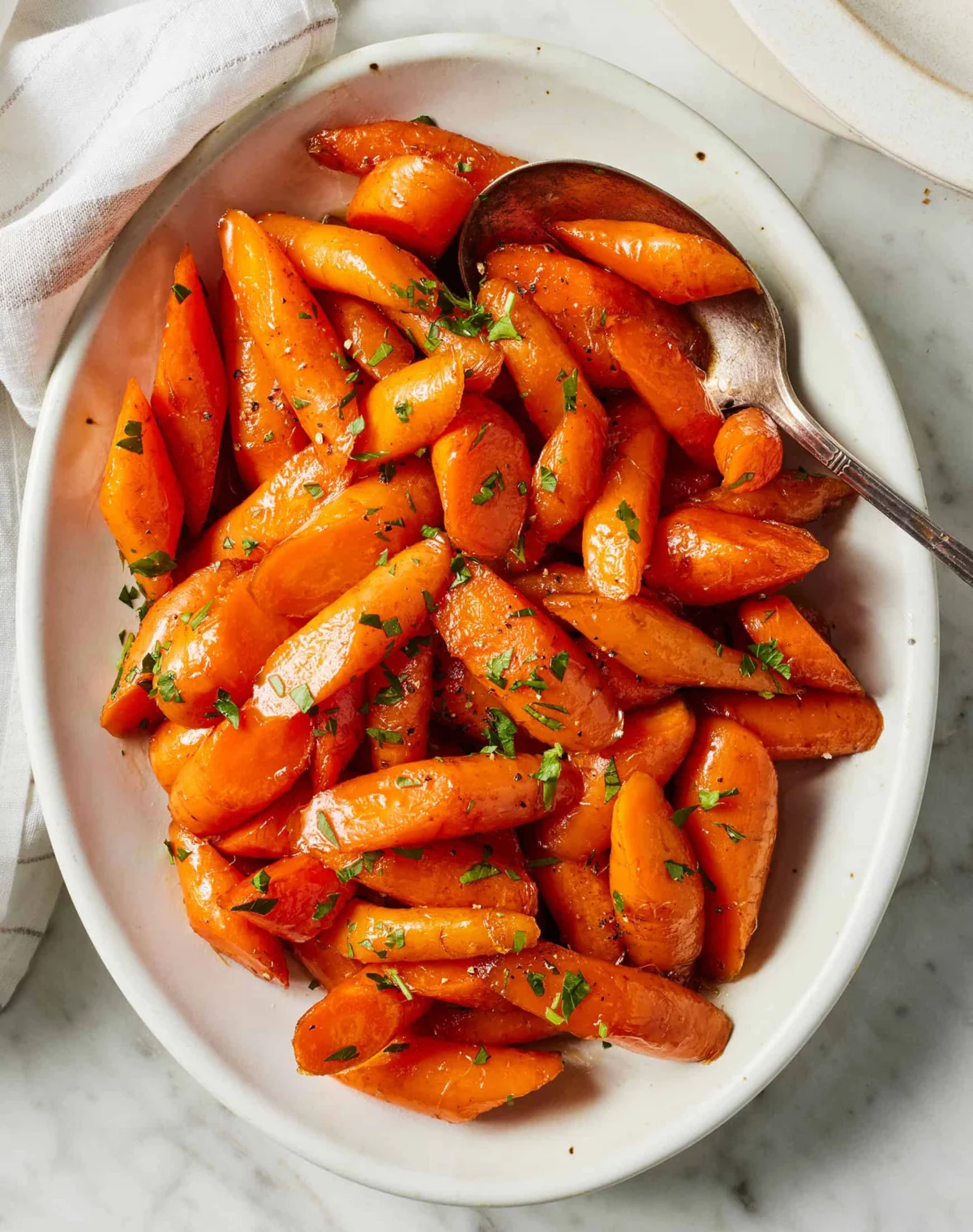
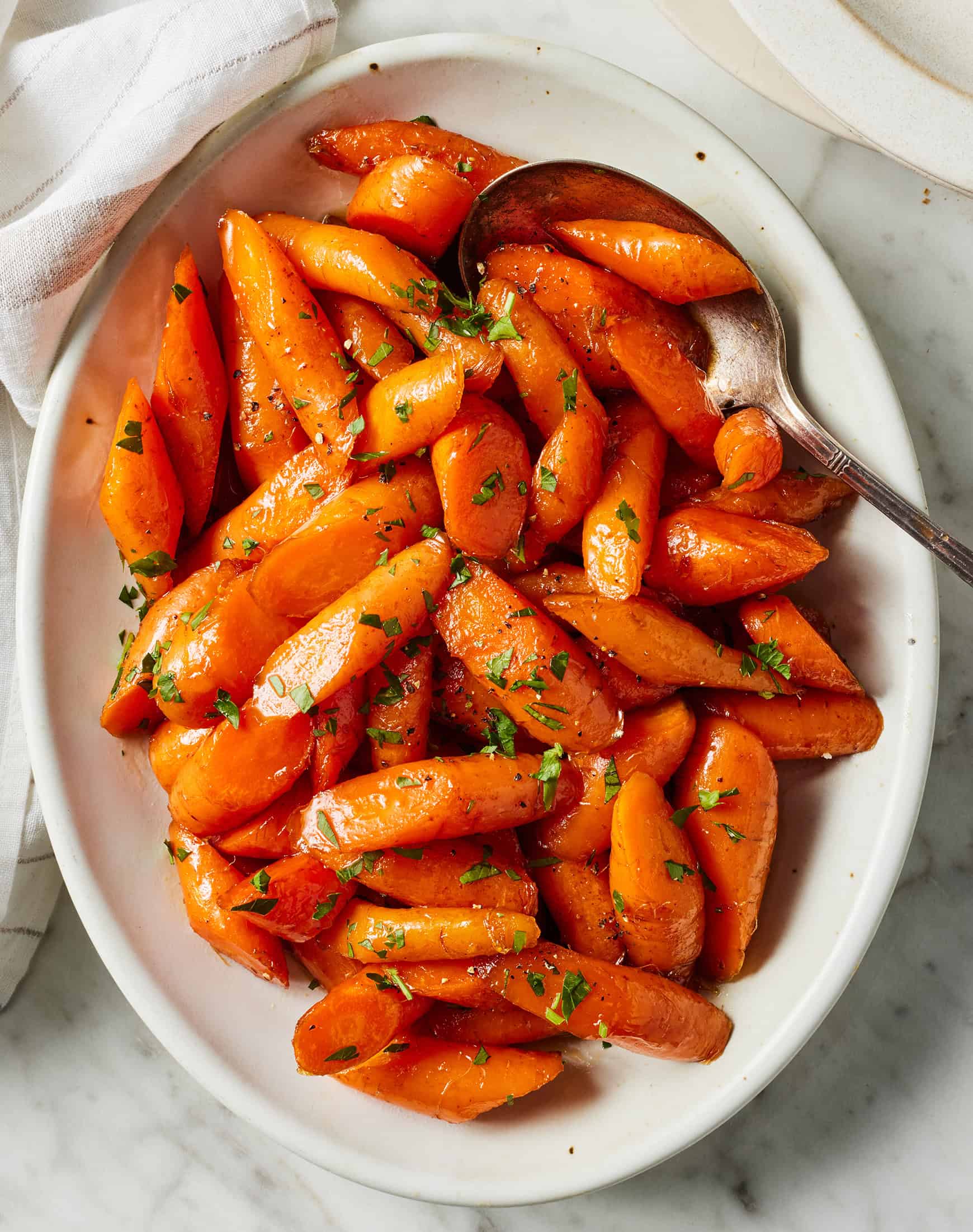
Enter the humble carrot—a dietary staple that has recently undergone a major kitchen renaissance. A newly popularized stovetop glazed carrots recipe, featuring options for rich brown sugar or floral honey, is challenging long-held assumptions about vegetable side dishes. By replacing the overly sweet, mushy preparations of the past with a vibrant, texturally balanced, and easily executed stovetop method, culinary experts are reshaping how households approach both weeknight dinners and grand holiday feasts.
Main Facts: A Modern Take on a Traditional Side Dish
The newly highlighted recipe offers a fresh blueprint for an age-old favorite. Designed primarily as a stovetop preparation, the dish takes approximately 10 minutes of active preparation time and 20 minutes of cooking time, yielding a total turnaround of just 30 minutes.
Key attributes of the recipe include:
- Dual Sweetener Options: Cooks can choose between the warm, molasses notes of brown sugar or the natural, aromatic sweetness of honey.
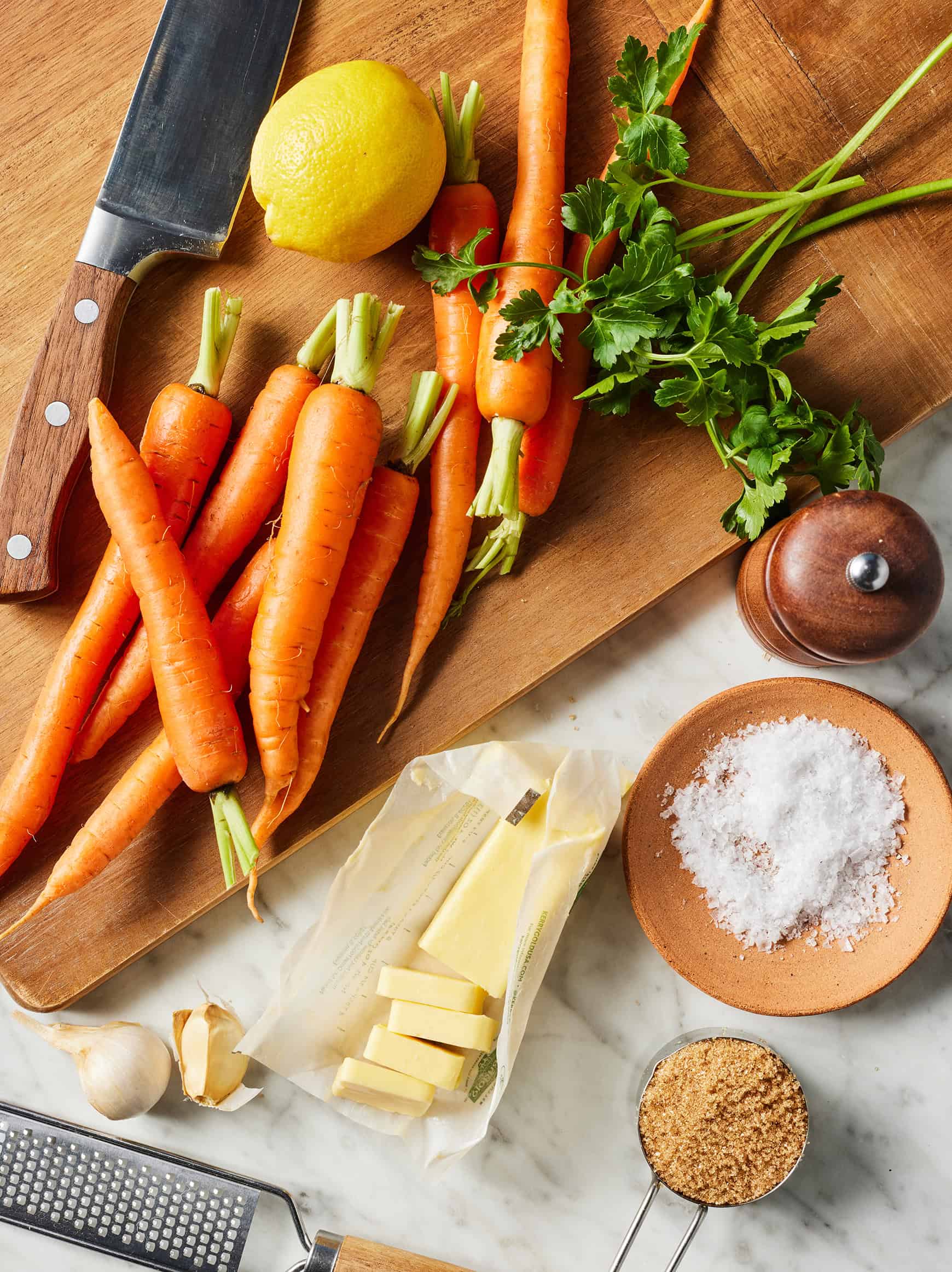
- Balanced Flavor Profile: Unlike traditional iterations that lean exclusively into sugary sweetness, this version incorporates savory and bright elements—including garlic, fresh lemon juice, and generous amounts of salt and pepper—to cut through the sugar.
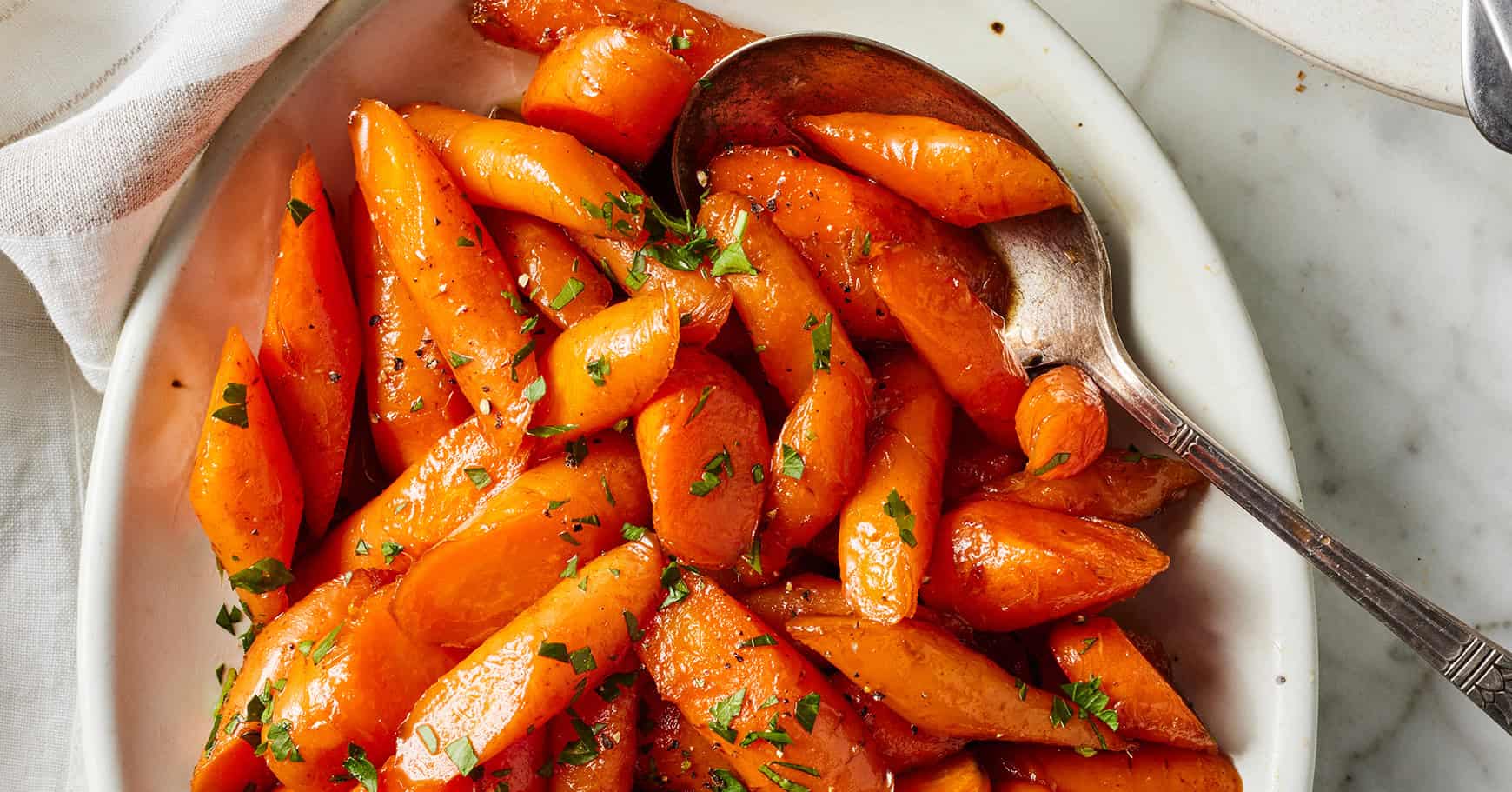
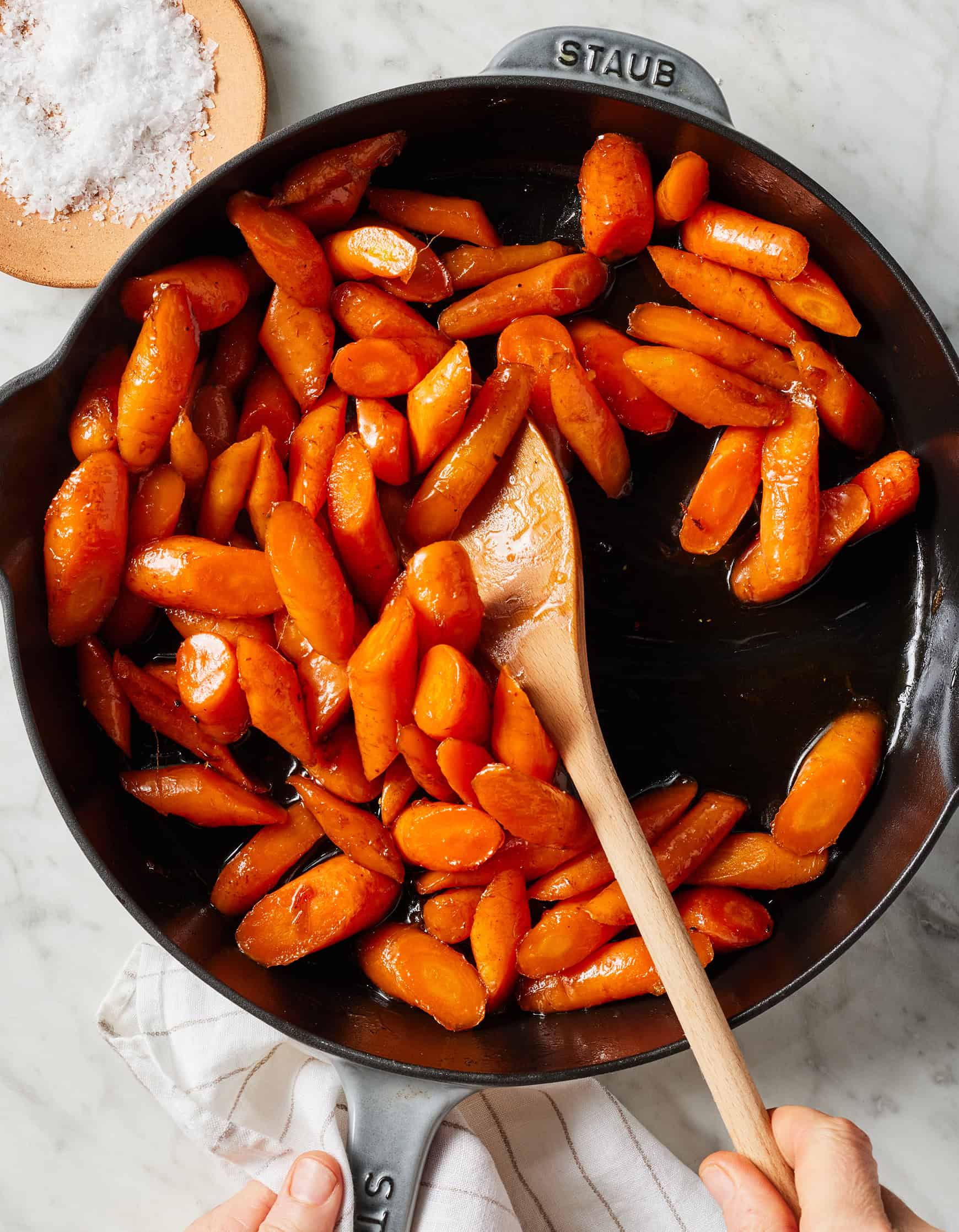
- Textural Integrity: Rather than boiling the carrots until they dissolve into a soft purée, the cooking method aims for an al dente bite, ensuring the vegetables retain their structure and natural vibrance.
- Oven Conservation: By utilizing the stovetop, the recipe preserves precious oven real estate during high-stress holiday cooking events such as Thanksgiving and Easter.
Nutritionally, a standard serving contains roughly 181 calories, 10 grams of fat, 24 grams of carbohydrates (with 4 grams of dietary fiber and 16 grams of sugar), and 1 gram of protein. Notably, a single serving packs an extraordinary nutritional punch, delivering over 500% of the recommended daily value of Vitamin A, alongside modest amounts of Vitamin C, calcium, and iron.
Chronology: The Journey From Childhood Memories to Culinary Innovation
To understand the appeal of this contemporary recipe, one must examine the evolution of the glazed carrot in domestic American cooking.
The Nostalgic Past (Mid-to-Late 20th Century)
For generations, glazed carrots occupied a steadfast position on holiday tables, particularly during Easter and Thanksgiving. In many family kitchens throughout the mid-to-late 1900s, the standard preparation method involved boiling sliced or whole carrots in water until exceptionally soft, then drenching them in a heavy concoction of refined white sugar, butter, and sometimes cornstarch to thicken the liquid into a glossy syrup.
While these dishes were reliably comforting, they often drew criticism from younger diners. Common complaints centered on an overwhelmingly cloying sweetness and a limp, mushy texture that stripped the root vegetable of its natural character.
The Turning Point (Early 2000s to 2010s)
As home cooking trends shifted toward farm-to-table freshness and bolder flavor balancing, traditional vegetable preparations began to face intense scrutiny. Culinary enthusiasts and food writers started experimenting with roasting vegetables at high temperatures to caramelize natural sugars naturally, bypassing the need for heavy, sugary syrups. However, oven roasting presented a logistical bottleneck: during major holidays, roasting pans filled with turkey, stuffing, casseroles, and pies left little to no room for side dishes.
The Contemporary Standard (Present Day)
The release of this refined stovetop method bridges the gap between old-school convenience and new-school flavor profiles. By re-engineering the sauce to include garlic, acid from fresh lemon juice, and precise cooking times, culinary developers have managed to recreate the visual appeal and comforting warmth of classic glazed carrots while correcting the texture and flavor imbalances of the past.
Supporting Data: Nutritional and Logistical Breakdown
For home cooks and dietary planners, understanding the metrics behind meal preparation is vital. The logistical and nutritional data for the stovetop glazed carrots recipe provide clear insights into its viability for various households.
Time Management Metrics
- Prep Time: 10 minutes (washing, peeling, slicing)
- Active Cook Time: 20 minutes (simmering and glazing in a skillet)
- Total Investment: 30 minutes
- Make-Ahead Window: Up to 24 hours in advance when stored in an airtight container in the refrigerator.
Nutritional Profile (Per Serving, Based on a 6-Serving Yield)
| Nutrient | Amount per Serving | Percentage of Daily Value (DV)* |
|---|---|---|
| Calories | 181 kcal | — |
| Total Fat | 10g | 15% |
| Saturated Fat | 1g | 6% |
| Monounsaturated Fat | 7g | — |
| Sodium | 398mg | 17% |
| Potassium | 501mg | 14% |
| Carbohydrates | 24g | 8% |
| Dietary Fiber | 4g | 17% |
| Sugars | 16g | 18% |
| Protein | 1g | 2% |
| Vitamin A | 25,259 IU | 505% |
| Vitamin C | 10mg | 12% |
| Calcium | 60mg | 6% |
| Iron | 1mg | 6% |
*Percent Daily Values are based on a standard 2,000-calorie daily diet.
Official Responses and Expert Culinary Perspectives
Culinary educators and home economists have widely praised the pivot toward balanced, stovetop vegetable preparations.
"The biggest mistake people make with root vegetables is treating them as blank canvases for pure sugar," notes Marcus Vance, a consulting home economist and culinary instructor based in Chicago. "Carrots possess a wonderful, earthy sweetness of their own. When you mask that with an unmitigated sugar syrup and cook them until they lose all structural integrity, you lose the essence of the vegetable."
Vance points out that the inclusion of acid—such as the lemon juice specified in the contemporary recipe—acts as a necessary culinary anchor. "Adding acid and garlic creates a complex flavor profile. It transitions the dish from a child-centric novelty to a sophisticated side that pairs seamlessly with roasted meats, poultry, or grain-based mains."
Furthermore, kitchen appliance and cookware manufacturers have welcomed recipes that alleviate oven congestion. "During peak holiday seasons, customer service inquiries routinely spike regarding oven management," says Clara Halloway, director of product development for a major kitchenware brand. "Recipes that successfully transition high-impact side dishes to the stovetop are invaluable. They reduce stress for the cook and ensure that every element of the meal is served at its optimal temperature."
Implications: What This Means for Modern Meal Planning
The growing popularity of this modernized glazed carrot recipe reflects broader shifts in domestic cooking habits. As consumers face increasingly busy schedules alongside a desire for elevated home-cooked meals, recipes that offer high culinary reward with low technical friction are becoming the gold standard.
1. Reclaiming Weeknight Vegetables
By proving that glazed carrots do not require hours of complex roasting or specialized equipment, the recipe encourages home cooks to incorporate vibrant root vegetables into standard Monday-through-Friday meal rotations. The 30-minute timeframe fits comfortably within the constraints of a busy worknight.
2. Streamlining Holiday Logistics
For major holidays, the ability to execute a traditional favorite entirely on the stovetop changes the scheduling calculus of the kitchen. Cooks can reserve the oven exclusively for main proteins and baked goods, reducing the risk of timing bottlenecks.
3. Educating Palates on Balance
Perhaps most importantly, recipes that consciously counter heavy sweetness with savory aromatics and bright acids help train everyday palates to appreciate balanced flavor profiles. By demonstrating that vegetables can be sweet, savory, bright, and tender all at once, modern cooking guides are helping to redefine comfort food for a new generation.

As families continue to look for ways to honor culinary traditions while meeting the demands of contemporary life, the humble glazed carrot stands out as a prime example of how classic dishes can be thoughtfully reinvented for the modern table.