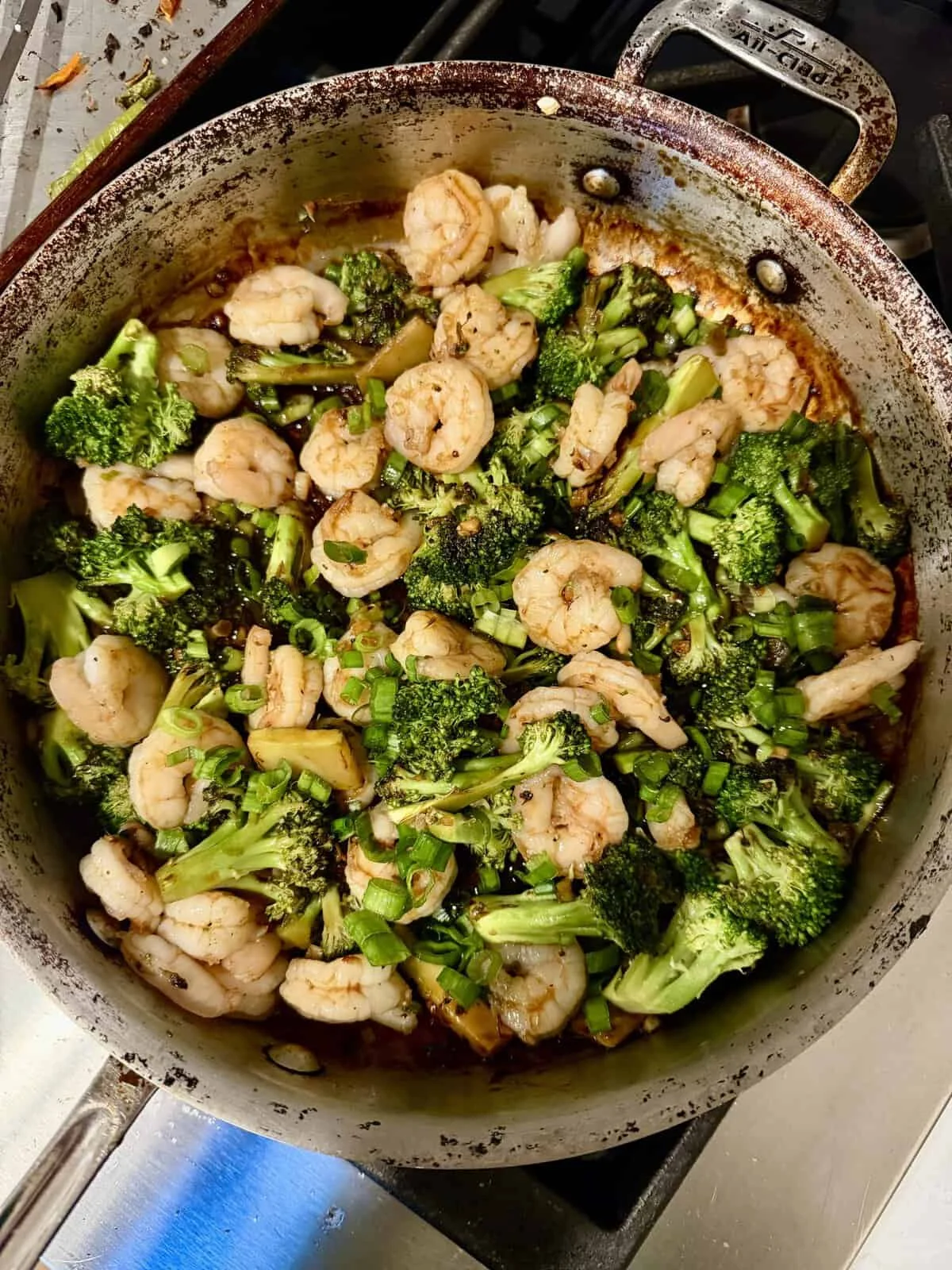
In the landscape of modern home cooking, the stir-fry occupies a unique and revered position. It represents the intersection of efficiency, nutrition, and bold flavor—a culinary trifecta that is often elusive for the busy professional or the home cook managing a tight schedule. Among the pantheon of classic stir-fry combinations, none is perhaps more iconic than the marriage of succulent, perfectly cooked shrimp and crisp-tender broccoli, all enveloped in a savory, aromatic garlic-ginger glaze.
This article explores the mechanics behind this classic dish, drawing on the expertise of renowned cookbook author Erin Clarke, whose approach to healthy, accessible home cooking has set a new standard for the genre. By deconstructing the cooking process, we can elevate a standard weeknight meal into a restaurant-quality experience.

The Core Philosophy: Why Stir-Frying Remains King
At its heart, the stir-fry is a masterclass in heat management and timing. The goal is to achieve a texture that is simultaneously tender and crunchy while ensuring the protein retains its moisture. Clarke, a leading voice in the "Well Plated" culinary sphere, emphasizes that the beauty of a stir-fry lies in its intentionality.
"I love stir-fries for busy weeknights," Clarke explains. "By definition, they are quick: the vegetables are meant to be tender-crisp and a blazing hot pan means the proteins need only a few minutes of cooking time."

The nutritional appeal is equally significant. By utilizing high-heat cooking for short durations, ingredients retain their structural integrity and, more importantly, their micronutrient profiles. Unlike long-simmering dishes that can degrade the delicate vitamins in vegetables like broccoli, the stir-fry locks in vibrancy and taste.
Chronology: The Science of the Perfect Sear
One of the most common pitfalls for home cooks attempting this dish is the inconsistent cooking of the ingredients. Shrimp, with its delicate protein structure, reaches its peak in mere minutes, while broccoli—a dense, cruciferous vegetable—requires a longer window of heat to reach a palatable state.

To achieve the "takeout vibe" that many home cooks crave, one must adopt a strategic approach to the pan.
1. The Pre-Cook Prep
The journey to a perfect meal begins before the stove is even turned on. The "mise en place" is critical. Your sauce—typically a balanced concoction of soy sauce, aromatics, ginger, garlic, and a touch of sweetness—should be whisked together and set within arm’s reach.

2. The Shrimp Sear
The protein should be the first resident of the pan. By heating half of your oil (canola is often preferred for its high smoke point) to medium-high, you create a searing environment that locks in the juices. The shrimp should be arranged in a single layer, ensuring they don’t crowd the pan, which would otherwise result in steaming rather than browning. Once they turn opaque and form a loose "C" shape, they should be removed immediately.
3. The Broccoli Transformation
With the shrimp removed, the broccoli takes center stage. A two-step cooking process is the gold standard here: first, an initial browning stage to develop flavor, followed by a steam stage. Adding a small amount of water to the hot pan and covering it allows the broccoli to become tender-crisp in just two minutes. This specific timing is the difference between a soggy, unappealing texture and the vibrant, snappy bite that defines a professional stir-fry.

4. The Aromatic Infusion
Once the broccoli is perfect, the aromatics—minced garlic, ginger, and the white parts of green onions—are introduced. This is a delicate stage; the goal is to sweat the aromatics, releasing their essential oils into the pan, without allowing them to scorch. Burnt garlic can impart an acrid, bitter note that can compromise the entire dish.
5. The Final Integration
The final act involves reuniting the shrimp with the broccoli, pouring in the sauce, and tossing everything together. The residual heat and the thickening properties of the sauce ensure that every piece is coated in a glossy, savory glaze.

Supporting Data: Nutrition and Scalability
When analyzing the nutritional profile of this dish, it is clear why it remains a staple for health-conscious families. A typical serving provides approximately 35 grams of protein, making it an excellent post-workout or muscle-recovery meal. With 11 grams of fiber per serving, it supports digestive health while keeping the consumer satiated.
However, the "yield" of a recipe is always subject to the appetites of the household. Clarke notes in her testing observations that the standard recipe serves three people with moderate appetites. "Ben and I polished off this shrimp and broccoli stir-fry," she notes, "so if you have big eaters, I’d suggest doubling the recipe or using 1.5 pounds of shrimp."

The caloric profile sits at roughly 469 kcal per serving, a manageable figure for those monitoring energy intake, though it can be adjusted by altering the sugar (honey) content in the sauce. For those who prefer a more savory, less sweet profile, the standard recipe works perfectly, while those with a sweeter palate can increase the honey to three tablespoons to achieve a more traditional "teriyaki" style finish.
Implications for the Modern Home Cook
The rise of the stir-fry in American households has significant implications for how we define "fast food." By mastering a few simple techniques—like the two-stage cooking method for mixed ingredients and the importance of high-heat aromatics—home cooks are successfully reclaiming the weeknight dinner.

This shift has also led to a diversification of cooking methods. While the traditional wok or skillet method remains the standard, innovators are now adapting these recipes for convenience. For instance, the "Sheet Pan" method—where the shrimp and broccoli are roasted in the oven—has emerged as a viable alternative for those who prefer a hands-off approach. While it lacks the direct sear of the skillet, it provides a consistent, reliable result that is equally nutritious.
The Role of Substitutions
Flexibility is a hallmark of the stir-fry. If shrimp is not available, the same sauce and cooking method work beautifully with chicken breast, tofu, or even thinly sliced beef. The key is in the timing; while shrimp takes only 3 minutes, beef or chicken may require slight adjustments to ensure safety and texture.

Conclusion: Elevating the Everyday
Ultimately, the shrimp and broccoli stir-fry is more than just a recipe; it is a framework for successful cooking. It teaches the importance of ingredient preparation, the chemistry of high-heat cooking, and the art of balancing flavors—sweet, salty, savory, and aromatic.
As Erin Clarke concludes in her professional guidance, the goal is to "save time, dirty fewer dishes, and feel great about what you’re eating, without overthinking it." By adhering to the principles outlined here, any home cook can transform a humble bag of frozen shrimp and a head of broccoli into a dinner that not only satisfies the hunger but delights the palate.

Whether you are a seasoned chef looking to streamline your weeknights or a beginner looking to build your kitchen confidence, this classic pairing remains the gold standard of efficient, flavorful, and healthy dining. Embrace the sizzle, honor the timing, and enjoy the result of a meal crafted with intent.