Main Facts
The culinary landscape of traditional comfort food is undergoing a quiet revolution. At the center of this movement is a reimagined American classic: the corn casserole. Traditionally known as a heavy-handed, holiday-table staple reliant on convenience items like boxed cornbread mixes (such as Jiffy) and canned creamed corn, the dish is receiving a fresh, from-scratch makeover.
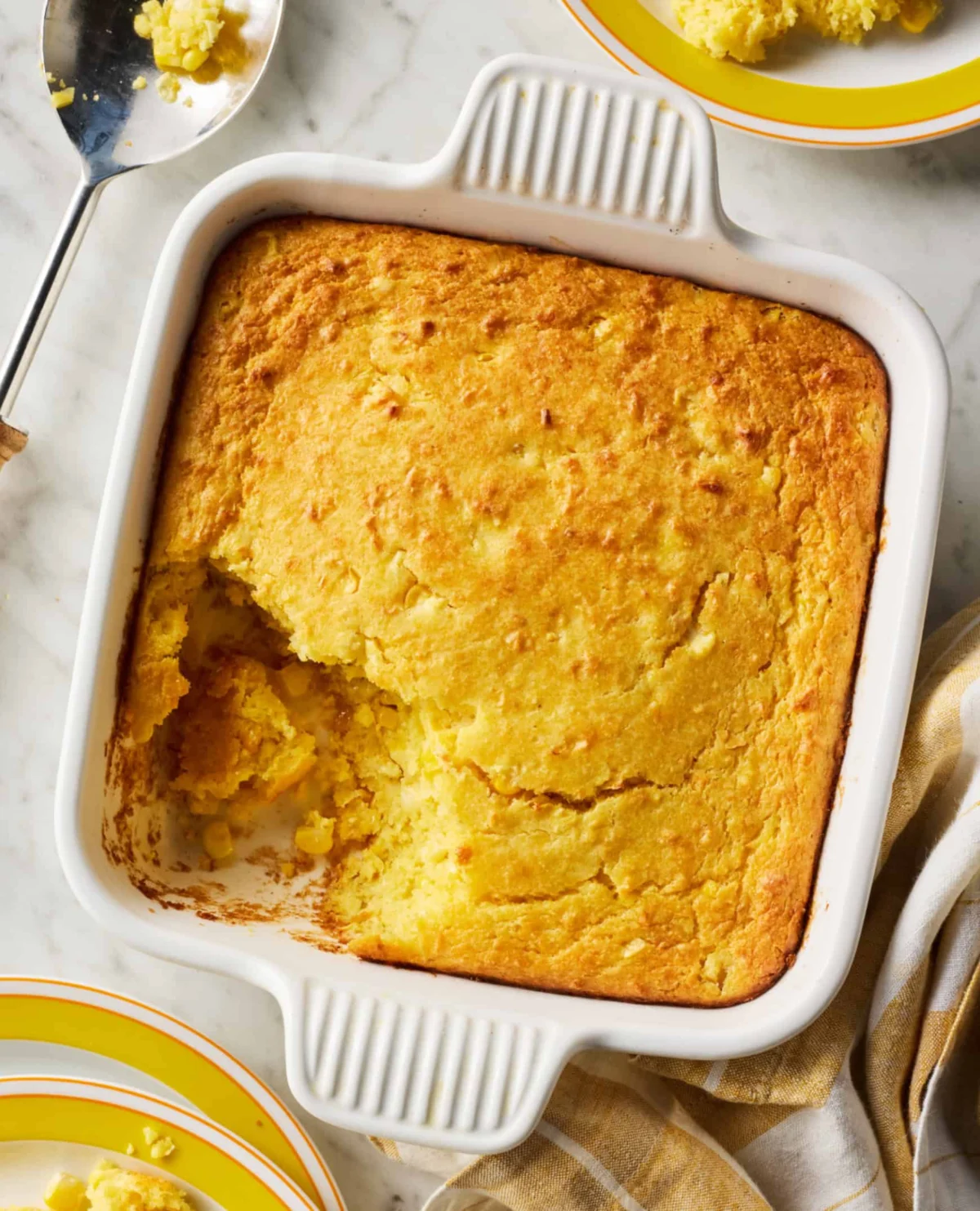
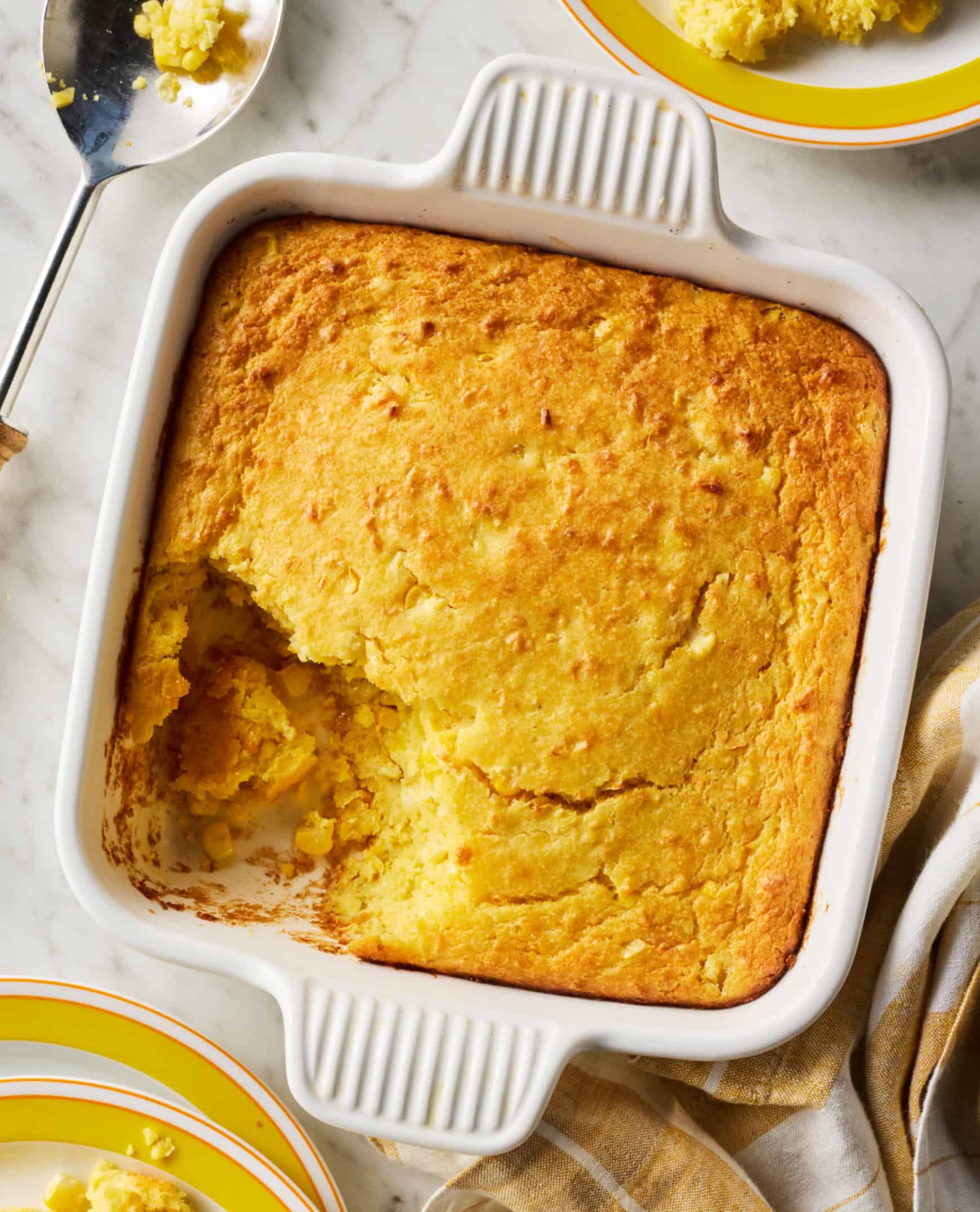
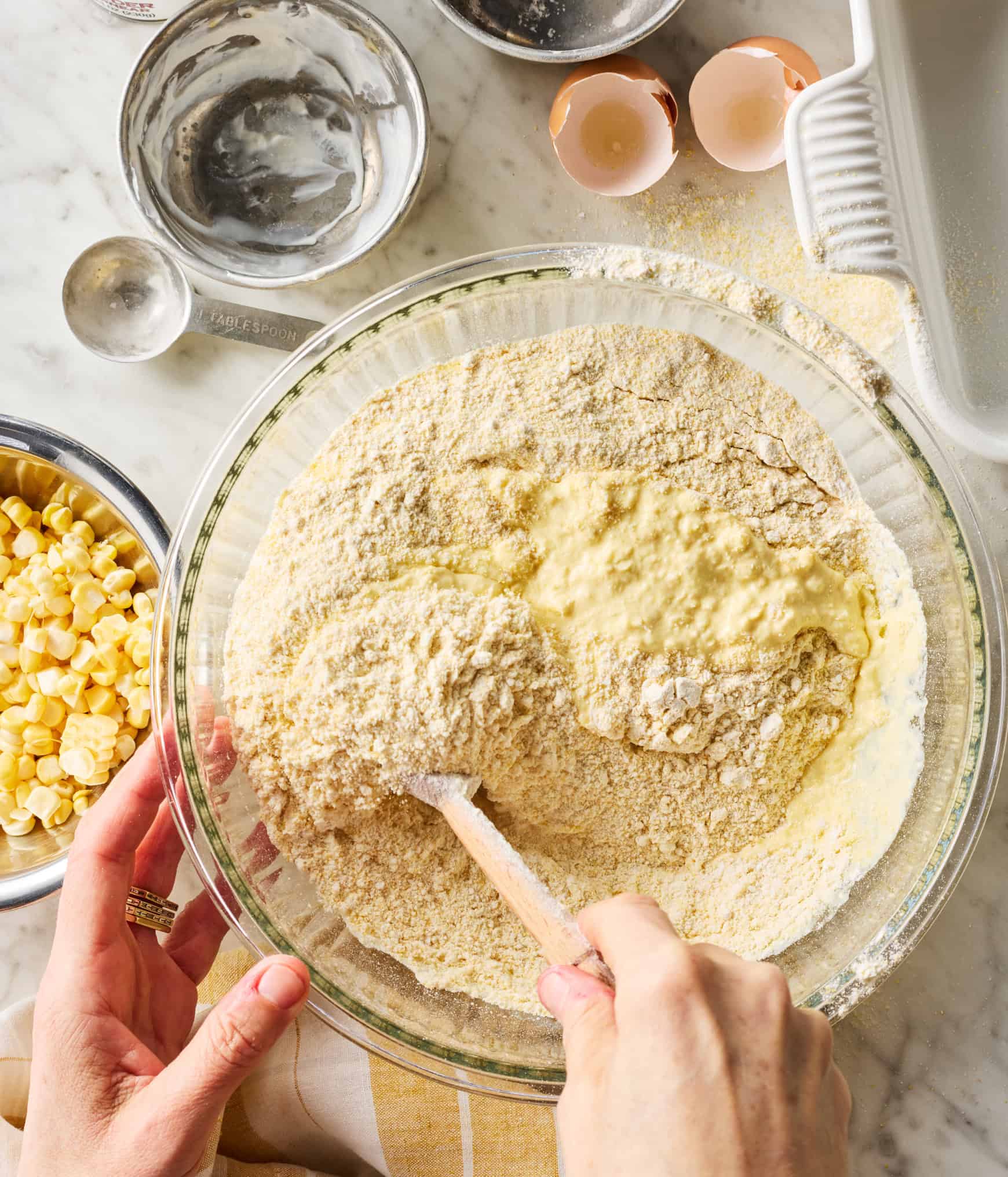
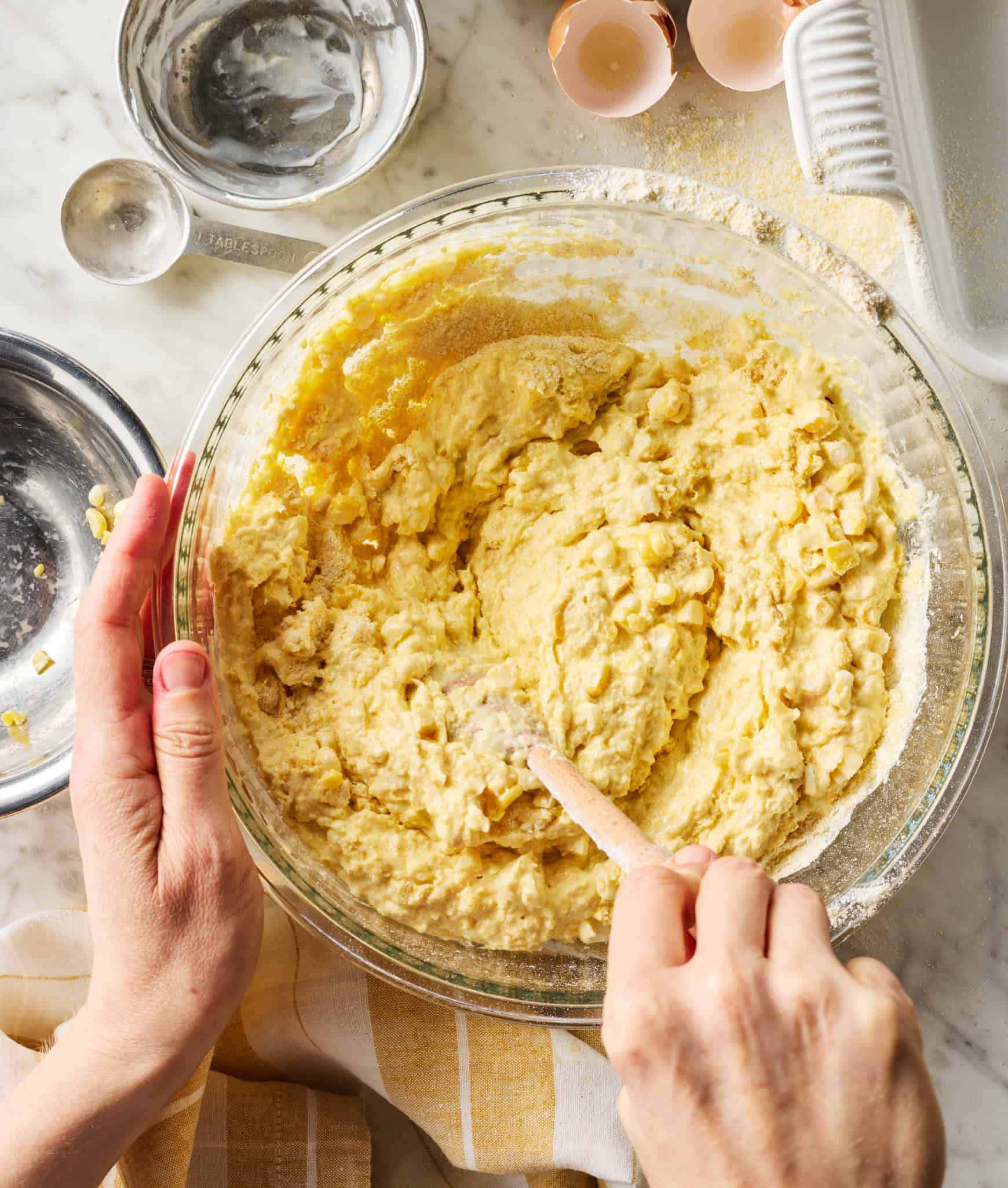
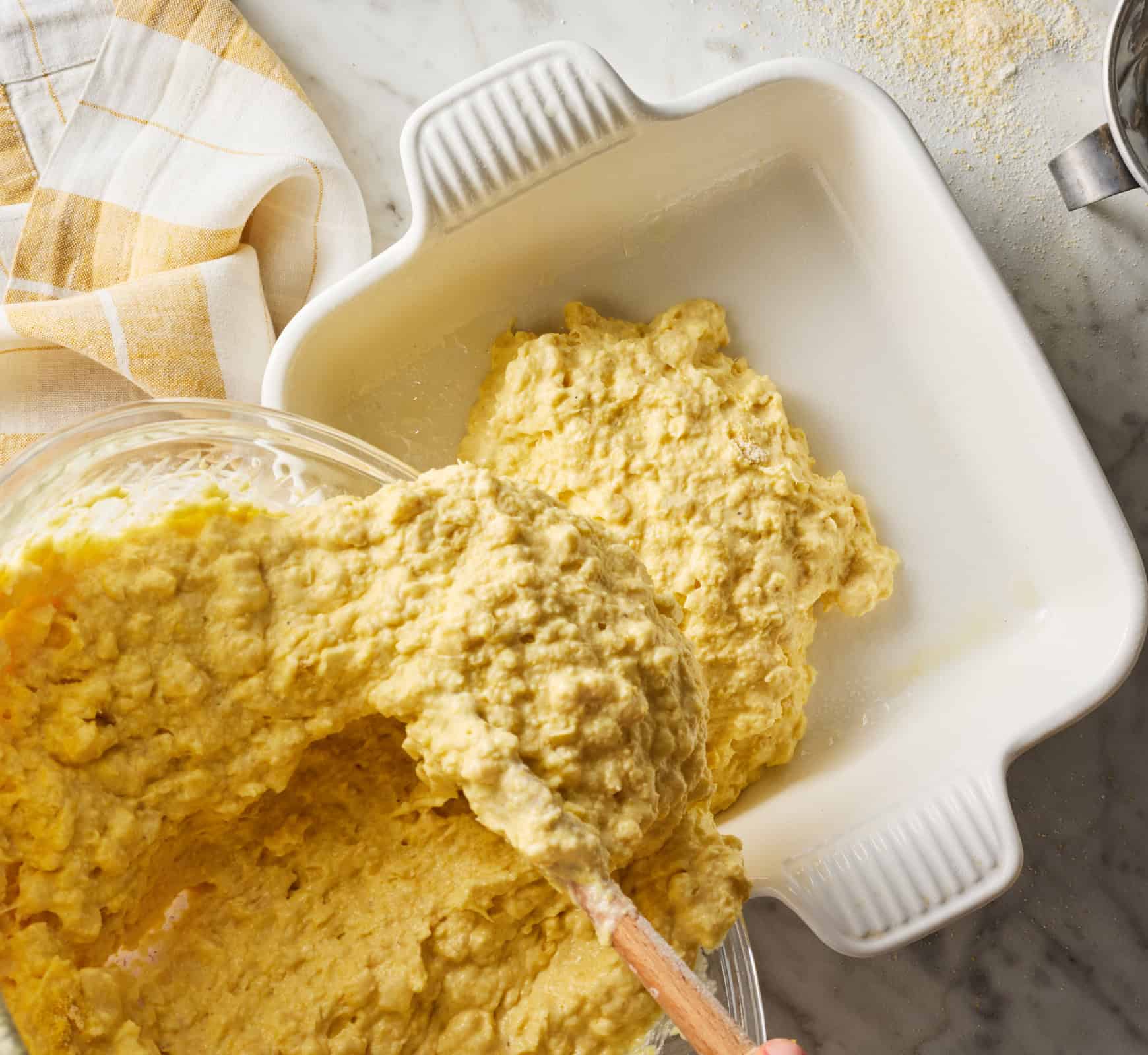
Culinary experts and home cooks alike are championing a new version of the recipe that swaps heavily processed shortcuts for wholesome, accessible ingredients. This modern iteration pairs a custom-blended base of flour, cornmeal, and baking powder with fresh, seasonal corn. By pureeing a portion of the corn kernels to naturally mimic the rich, velvety texture of canned creamed corn—while leaving the rest whole for a satisfying crunch—this upgraded casserole achieves a golden-brown, baked exterior and a luxuriously creamy, spoonable center.
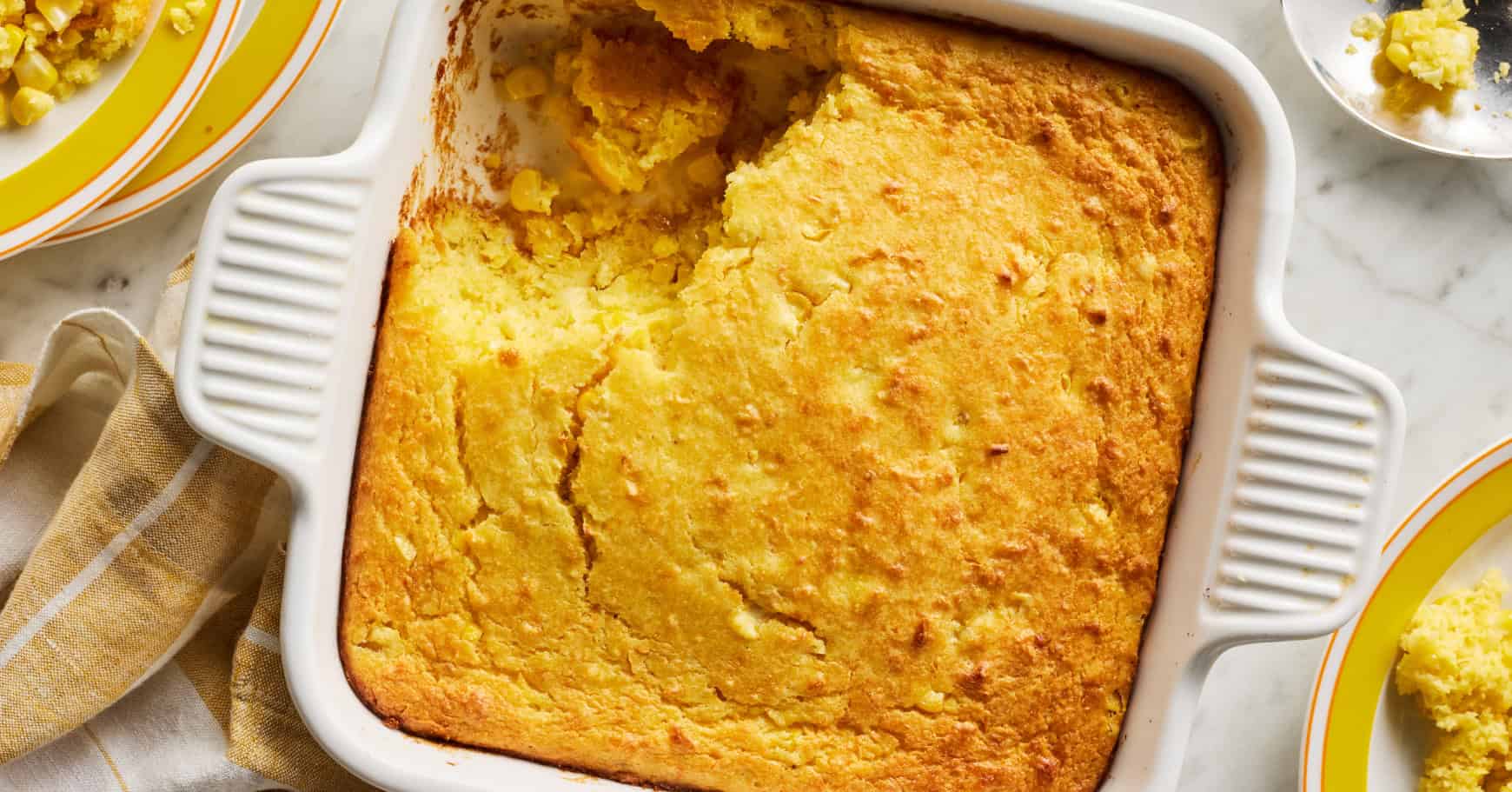
Despite its gourmet upgrade, the recipe remains remarkably approachable. Designed to yield nine generous servings, the dish takes approximately 15 minutes to prep and 45 minutes to bake, clocking in at a total time of one hour. Each slice contains roughly 292 calories, 17 grams of fat, 33 grams of carbohydrates, and 6 grams of protein, striking a balance between indulgence and wholesome home cooking. Furthermore, its adaptability is unmatched: while optimized for fresh early-fall corn, the recipe accommodates frozen and canned variations seamlessly, ensuring year-round appeal for weeknight dinners and major holiday feasts alike.
Chronology of the Comfort Classic
To understand the significance of this culinary evolution, it is helpful to look back at the timeline of the humble corn casserole and its journey into American kitchens.
- Mid-20th Century (The Rise of Convenience Cooking): Following the post-World War II boom, processed foods and packaged baking mixes surged in popularity. The original "corn pudding" or "spoon bread" evolved into a hyper-convenient casserole format largely anchored by commercial corn muffin mixes and canned goods. This version became a beloved fixture at potlucks and Thanksgiving tables due to its foolproof nature and sweet, comforting flavor profile.
- Late 20th Century (The Standard Potluck Staple): By the 1980s and 90s, the standard "four-ingredient" corn casserole—typically combining a box of Jiffy mix, a can of whole kernel corn, a can of creamed corn, sour cream, and melted butter—was cemented as a regional and national holiday tradition.
- The Modern Farm-to-Table Shift (Early 2020s): As home cooks grew increasingly conscious of ingredient quality, sodium levels, and artificial additives in boxed mixes, a demand for from-scratch alternatives arose. Home economists and food bloggers began experimenting with homemade dry-ingredient blends that matched the comforting texture of the original without sacrificing culinary integrity.
- The Present Day (The Best of Both Worlds): Today’s modern recipe bridges the gap between nostalgia and culinary craftsmanship. By utilizing a food processor to puree fresh corn—emulating the exact moisture and starch profile of canned creamed corn—cooks can achieve an authentic texture entirely from fresh produce, while retaining flexible "backup" guidelines for those who still prefer canned or frozen alternatives.
Supporting Data and Nutritional Profile
When evaluating comfort food side dishes, home cooks are increasingly paying attention to the nutritional breakdown and make-ahead capabilities of their recipes. The modern corn casserole is engineered to meet the demands of busy modern households, particularly during high-stress cooking holidays like Thanksgiving.
Nutritional Breakdown Per Serving (1 Slice)
- Calories: 292 (Calories from Fat: 153)
- Total Fat: 17g (26% Daily Value)
- Saturated Fat: 9g (56% Daily Value)
- Trans Fat: 0.4g
- Polyunsaturated Fat: 1g
- Monounsaturated Fat: 4g
- Cholesterol: 75mg (25% Daily Value)
- Sodium: 368mg (16% Daily Value)
- Potassium: 287mg (8% Daily Value)
- Carbohydrates: 33g (11% Daily Value)
- Dietary Fiber: 3g (13% Daily Value)
- Sugars: 10g (11% Daily Value)
- Protein: 6g (12% Daily Value)
- Vitamins & Minerals: Vitamin A (13% DV), Vitamin C (6% DV), Calcium (11% DV), Iron (6% DV).
(Note: Percent Daily Values are based on a 2,000-calorie daily diet.)
Preparation and Storage Metrics
- Prep Time: 15 minutes
- Cook Time: 45 minutes
- Total Time: 1 hour
- Yield: 9 servings (baked in a standard 9×9-inch casserole dish)
- Make-Ahead Window: Fully baked casseroles can be stored at room temperature, covered, and refrigerated for up to 2 days before being gently reheated in a 300°F oven for 10 to 20 minutes.
- Freezing Guidelines: Leftovers or make-ahead batches can be tightly wrapped in heavy-duty aluminum foil or sealed in an airtight container for up to 3 months. For best results, thaw overnight in the refrigerator prior to reheating.
Official Responses and Culinary Expert Insights
Professional chefs, food historians, and home-cooking authorities have weighed in on why this specific update to the corn casserole is resonating so strongly with modern audiences.
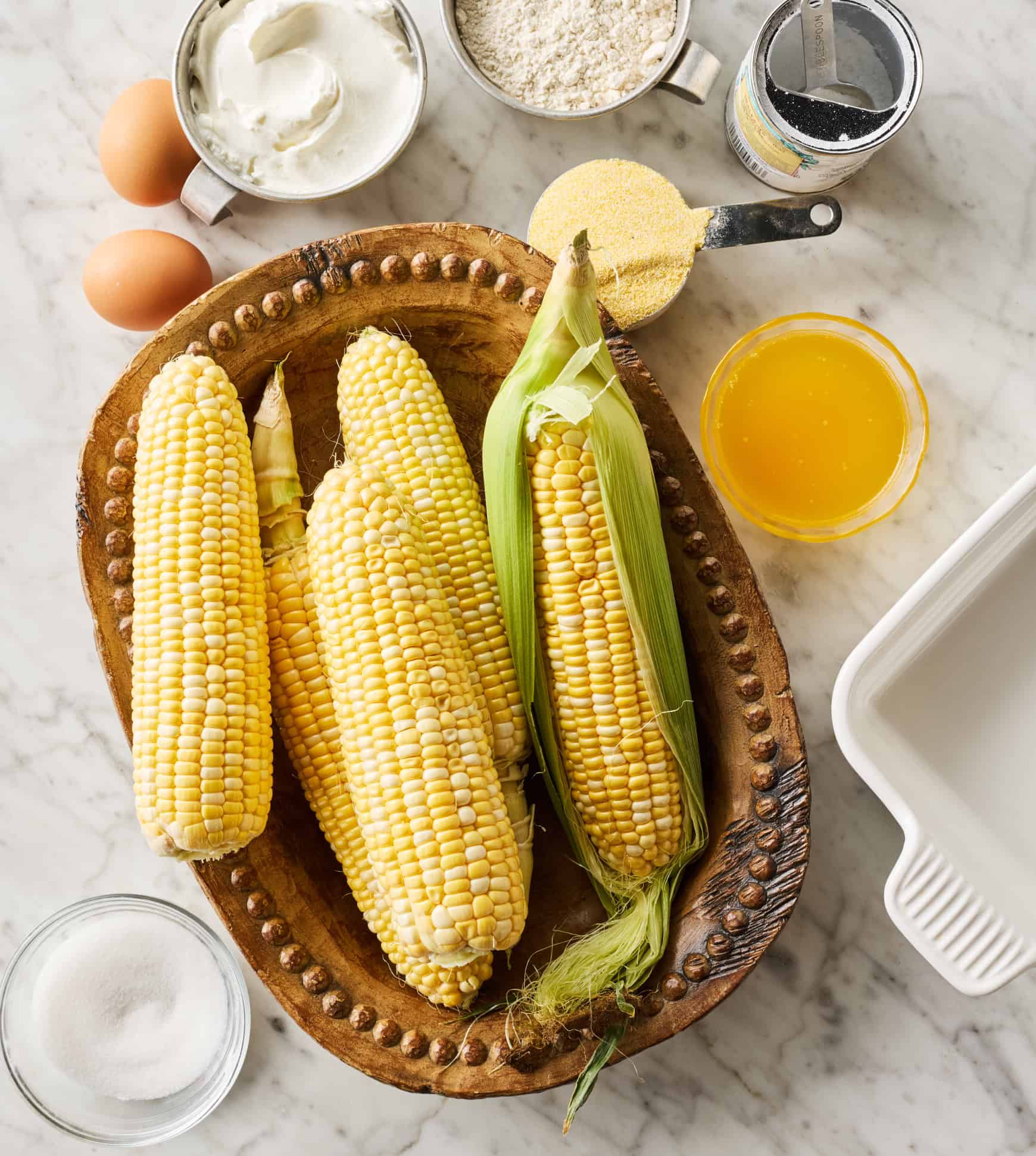
"There is an undeniable emotional attachment to the traditional, box-mix corn casserole," explains one leading recipe developer and food author. "People grew up eating it at family gatherings. However, palates have evolved. Home cooks today want to taste real food—they want the authentic sweetness of fresh sweet corn, the richness of real butter and sour cream, and the satisfaction of knowing every ingredient in their pan came from a pantry or a farm stand, rather than a cardboard box."
Nutritionists also note the shift toward transparency in holiday cooking. While traditional comfort foods are rarely classified as "health food," utilizing fresh produce instead of heavily processed canned bases introduces natural dietary fiber (3 grams per serving) and vital micronutrients like Vitamin A and C, without sacrificing the rich, savory-sweet profile that defines the dish.
Furthermore, kitchen management experts have praised the recipe’s structural resilience. "Holiday cooking is all about time management," notes a prominent culinary logistics coordinator. "The fact that this casserole can be completely baked two days in advance, stored in the refrigerator, and brought back to life in a low-temperature oven without losing its signature creamy center is a game-changer for home cooks juggling multiple dishes on Thanksgiving Day."
Implications for Modern Holiday Cooking and Family Traditions
The resurgence of the from-scratch corn casserole carries broader implications for how families approach cooking, tradition, and entertaining in the 21st century.
1. The Bridge Between Convenience and Craft
For decades, convenience foods were viewed as the enemy of culinary craftsmanship, or vice versa. The success of this updated corn casserole demonstrates that modern cooking is evolving into a hybrid space. By providing clear instructions on how to replicate the dish using either fresh produce or emergency pantry staples (like frozen or canned corn, or even a box of Jiffy mix), the recipe respects the realities of busy modern lives while encouraging kitchen creativity.
2. Elevating Everyday Produce
By utilizing a food processor to transform whole kernels into a creamy puree, the recipe teaches home cooks a valuable kitchen technique: how to manufacture rich textures without relying on processed additives. This technique can be applied to other seasonal vegetables, encouraging a broader movement toward scratch cooking that minimizes food waste and maximizes natural flavors.
3. Preserving and Reimagining Heritage Recipes
Food is deeply tied to cultural identity and family memory. When classic recipes are updated rather than replaced entirely, it allows families to honor their culinary heritage while adapting to healthier, higher-quality standards. The soft, spoonable texture of the corn casserole—reminiscent of traditional Southern corn pudding—serves as a comforting reminder that the best foods are those that bring people together around the table.
As home cooking continues to value both flavor and flexibility, the upgraded corn casserole stands out as a triumph of modern comfort food: deeply respectful of the past, brilliantly adapted to the present, and guaranteed to remain a holiday favorite for generations to come.