Introduction: Main Facts
Few dishes bridge the gap between casual backyard barbecues and formal holiday gatherings quite like the deviled egg. Boasting a rich history, deceptively simple ingredients, and a universal crowd-pleasing appeal, this classic hors d’oeuvre remains a permanent fixture on American tables. At its core, the traditional deviled egg recipe relies on a remarkably straightforward foundation: perfectly hard-boiled eggs, high-quality mayonnaise, tangy mustard, a splash of vinegar, and a thoughtful dusting of paprika.
Despite its humble components, the dish commands a prominent culinary footprint. Whether served on specialized, dimpled glass platters at Easter Sunday dinners, transported in plastic containers to summer neighborhood potlucks, or plated as elegant finger foods at Thanksgiving and Christmas celebrations, deviled eggs continue to captivate generations of home cooks and professional chefs alike.
Culinary enthusiasts and home cooking experts emphasize that the secret to a superior deviled egg lies not in complex culinary techniques, but in precision, balance, and ingredient quality. With a typical preparation time of just 10 minutes and a cooking time of 25 minutes, the recipe yields a velvety, savory filling encased in delicate white shells. Yet, beneath this simplicity lies a fascinating history and a surprising amount of culinary science.

Historical Chronology: From Ancient Rome to the Modern Holiday Table
To understand the enduring popularity of the deviled egg, one must trace its surprisingly ancient lineage. The chronology of the stuffed egg spans millennia, evolving from Roman delicacies to the modern comfort food we recognize today.
Ancient Origins
Food historians note that seasoned, stuffed eggs were documented as early as Ancient Rome. Wealthy Romans frequently served egg dishes flavored with spicy sauces, herbs, and complex seasonings at the beginning of meals—a course known as gustatio. These early iterations laid the groundwork for combining cooked eggs with robust, flavorful condiments.
Medieval Europe and the Andalusian Influence
During the Middle Ages, variations of stuffed eggs spread across Europe, heavily influenced by Andalusian cookbooks from the 13th century. These recipes often featured beaten egg yolks mixed with cilantro, onion juice, cheese, oil, and fermented fish sauces or vinegar, then stuffed back into the whites and warmed or served cold.

The Evolution of the Term "Deviled"
The descriptor "deviled" did not enter the culinary lexicon until the 18th century. Etymologists and culinary historians point out that in British and American food terminology, "deviling" came to mean preparing food with hot, zesty, or spicy seasonings—such as cayenne pepper, mustard, or various types of heavy pepper. While traditional deviled eggs are rarely considered tongue-burningly hot by modern standards, the sharp bite of yellow or Dijon mustard provides that historical, "devilish" kick.
Mid-Century American Renaissance
The modern era of the deviled egg truly blossomed in mid-20th-century America. As commercially produced mayonnaise became a grocery store staple, and refrigerators made food storage safer and more reliable, deviled eggs became the undisputed star of potlucks, church suppers, and family reunions. Specially molded deviled egg platters emerged as wedding registry must-haves, cementing the dish’s status as a quintessential American party food.
Anatomy of the Recipe: Supporting Data and Preparation Methods
Achieving the ultimate deviled egg requires a delicate balance of chemistry and technique. Professional home economists and culinary instructors break down the process into three distinct phases: boiling, mixing, and garnishing.

Nutritional Profile (Per Serving of 6 Halves)
- Calories: 111 kcal
- Total Fat: 9g (14% Daily Value)
- Saturated Fat: 2g (13% Daily Value)
- Cholesterol: 167mg (56% Daily Value)
- Sodium: 116mg (5% Daily Value)
- Total Carbohydrates: 0.4g (0% Daily Value)
- Dietary Fiber: 0.04g (0% Daily Value)
- Sugars: 0.2g (0% Daily Value)
- Protein: 6g (12% Daily Value)
The Science of the Hard-Boiled Egg
The foundation of any good deviled egg is a properly cooked hard-boiled egg. Overcooking results in the dreaded sulfurous, chalky green ring around the yolk, while undercooking leaves a runny center that cannot be mashed into a smooth paste.
Culinary best practices recommend placing eggs in a saucepan, covering them with cold water, bringing the water to a rolling boil, and then removing the pan from the heat to let the eggs sit covered for a precise amount of time. Submerging the cooked eggs immediately into an ice water bath stops the cooking process instantly and causes the egg contents to shrink slightly away from the inner shell membrane, ensuring an effortless peel.
Crafting the Filling
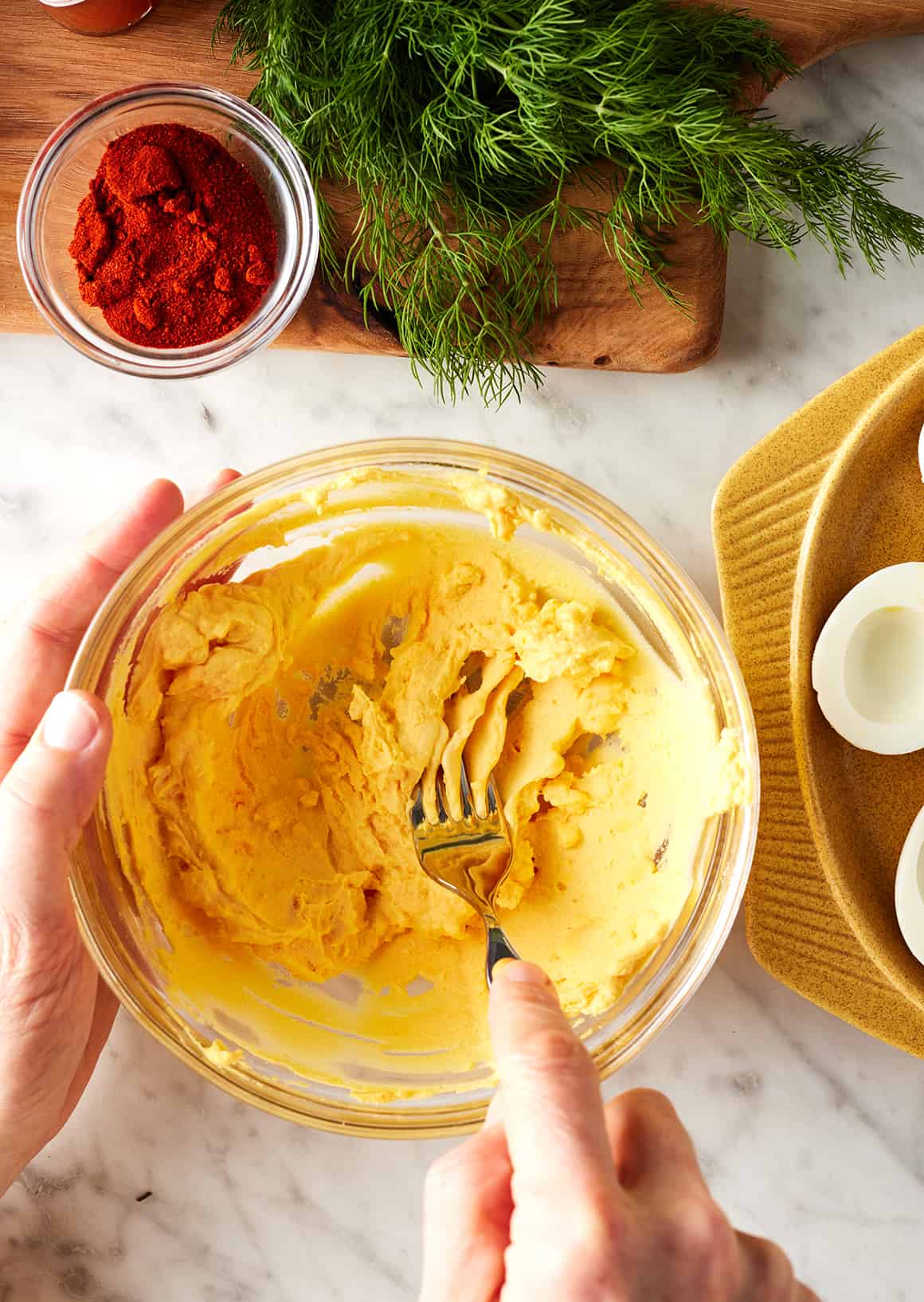
Once peeled, the eggs are sliced cleanly in half lengthwise. The yolks are gently scooped out into a mixing bowl, leaving the delicate white cups intact. The yolks are then mashed thoroughly with a fork or blended with:
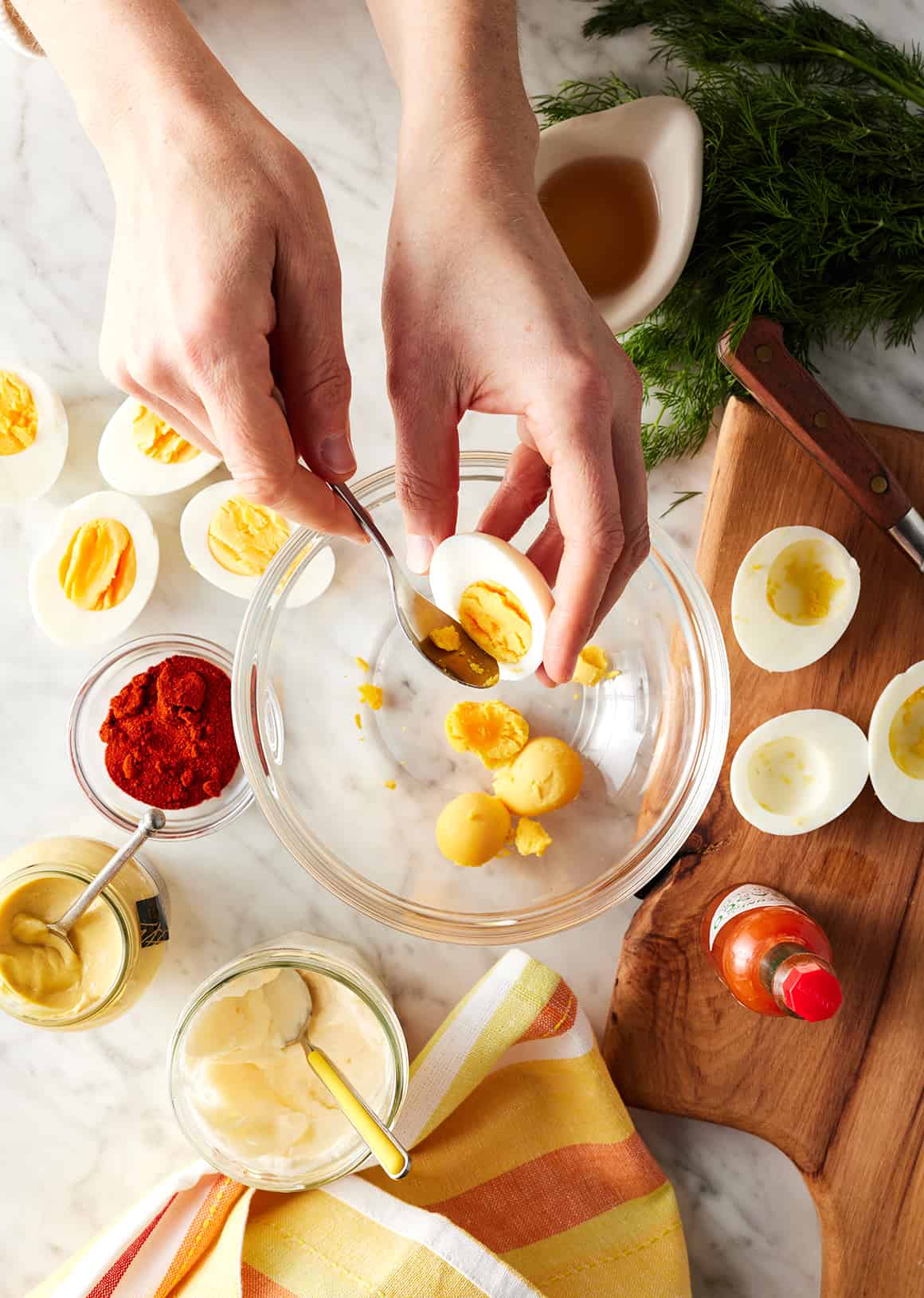
- Mayonnaise: Provides the essential creamy structure and moisture.
- Mustard: Adds a sharp, tangy counterpoint to the rich fats. Standard yellow mustard offers classic flavor, while Dijon or grainy mustards provide a sophisticated punch.
- Vinegar: A splash of white vinegar or apple cider vinegar brightens the flavor profile, cutting through the richness of the egg yolks and mayonnaise.
- Hot Sauce: An optional addition for those seeking an extra layer of savory warmth.
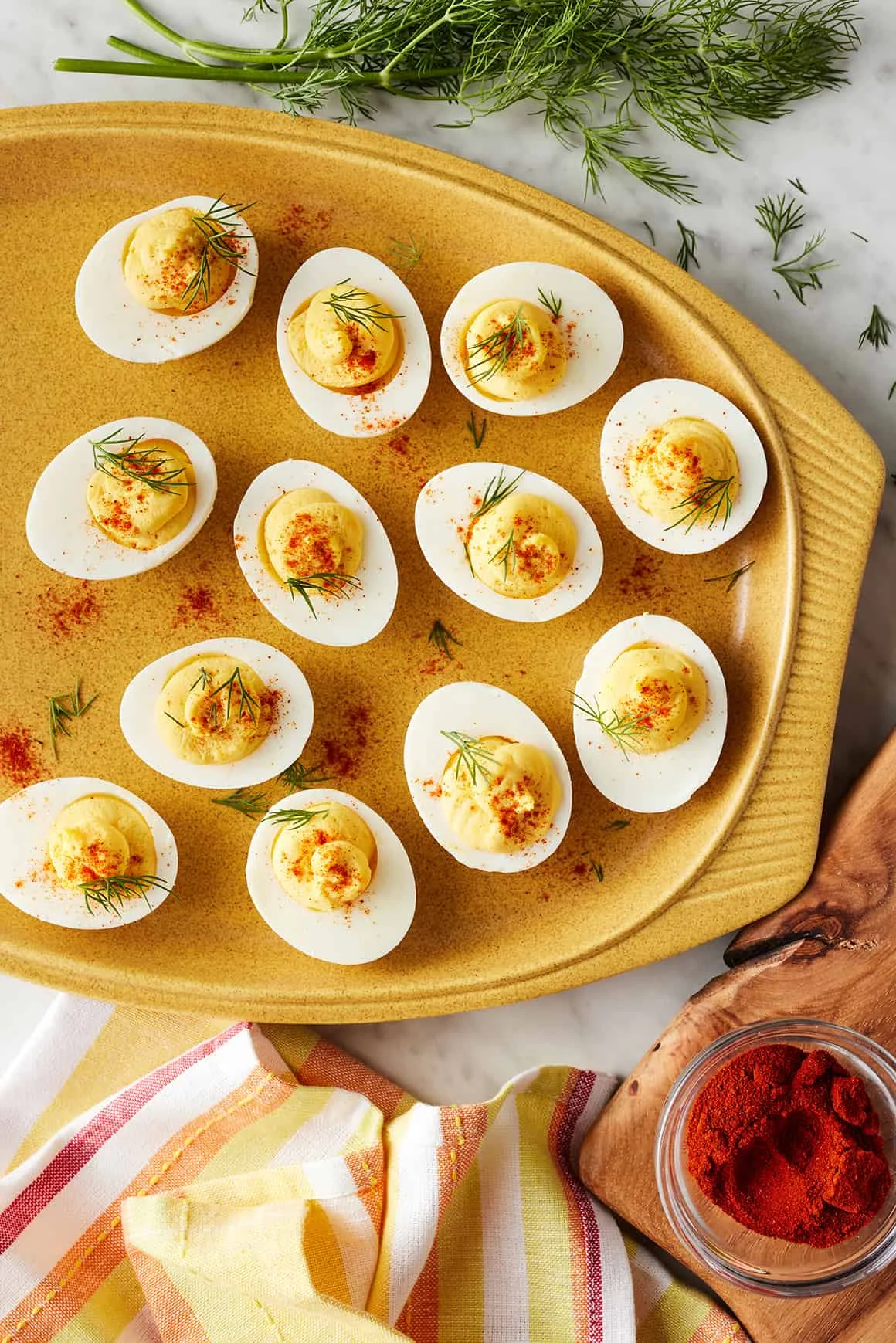
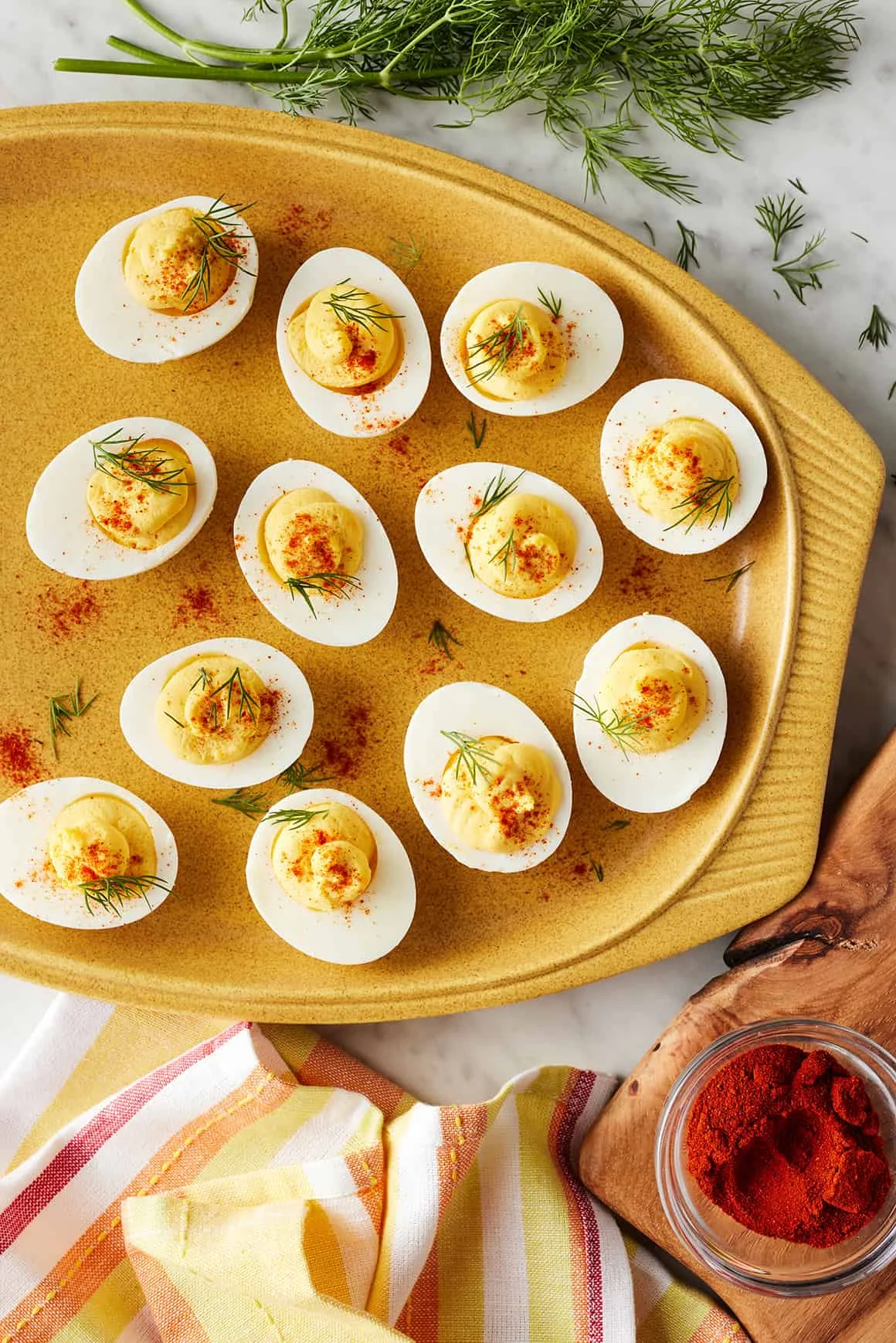
The resulting mixture is piped or spooned neatly back into the egg white cavities, ensuring each bite delivers an optimal ratio of velvety filling to tender white.
Culinary Variations and Modern Adaptations
While the traditional recipe remains beloved, home cooks and restaurant chefs alike frequently experiment with variations to suit modern palates and seasonal availability.
Global and Regional Twists
- Southern Style: Often incorporates finely minced sweet pickle relish or dill pickle juice, adding a pleasant textural crunch and a sweet-and-sour element.
- Bacon and Chive: Crumbled smoky bacon layered on top of the yolk mixture introduces a savory crunch that pairs exceptionally well with the creamy filling.
- Spicy Jalapeño or Sriracha: Incorporating finely diced pickled jalapeños or a swirl of Asian-inspired chili paste dials up the heat significantly, leaning further into the "devilish" nomenclature.
- Avocado Deviled Eggs: Replacing a portion of the mayonnaise with ripe mashed avocado imparts a vibrant green hue, a silky texture, and heart-healthy monounsaturated fats.
Garnish Innovations
Beyond the traditional dusting of smoked or sweet Spanish paprika, contemporary plating often features fresh herbs such as dill fronds, finely snipped chives, microgreens, or even a dusting of everything bagel seasoning for added texture and visual appeal.
Make-Ahead Strategies and Food Safety Implications
Because eggs are a perishable protein, understanding proper storage, food safety, and make-ahead logistics is vital when preparing deviled eggs for large gatherings.
Professional Make-Ahead Options
For busy hosts preparing holiday spreads, executing the entire recipe days in advance can lead to watery fillings or rubbery whites. Culinary experts recommend a staged approach:
- The Component Method: Hard-boil and peel the eggs up to two days in advance, storing the un-sliced whole eggs in an airtight container in the refrigerator. Prepare the yolk mixture separately, cover it tightly, and store it in a piping bag or bowl. Assemble the dish just hours before serving.
- The Assembled Method: Fully assembled deviled eggs can be stored in an airtight, specialized deviled egg carrier for up to two days. However, to prevent weeping or sogginess, it is advisable to hold off on adding final herb garnishes until just before presentation.
Food Safety Guidelines
The United States Department of Agriculture (USDA) advises that cooked eggs and egg dishes should not be left at room temperature for more than two hours (or one hour if ambient temperatures exceed 90°F / 32°C). At potlucks and outdoor summer barbecues, placing the serving platter over a bed of ice ensures the mayonnaise-based filling remains safely chilled and appetizing.

Conclusion: The Enduring Legacy of a Kitchen Classic
The deviled egg occupies a unique, cherished space in culinary culture. It is an equalizer among foods—equally at home on paper plates at a community picnic or arrayed on fine china during formal holiday dinners. By combining basic pantry staples like mayonnaise and mustard with precise kitchen techniques, home cooks can consistently produce an appetizer that delights guests of all ages. As food trends come and go, the simple, creamy, tangy deviled egg proves that timeless flavors never go out of style.