NEW YORK — For millions of home bakers navigating celiac disease, gluten intolerance, or intentional dietary shifts, the quest for a genuinely indulgent baked treat often ends in disappointment. Traditional gluten-free alternatives are frequently criticized for being dry, crumbly, or lacking the complex flavor profiles of their wheat-based counterparts.
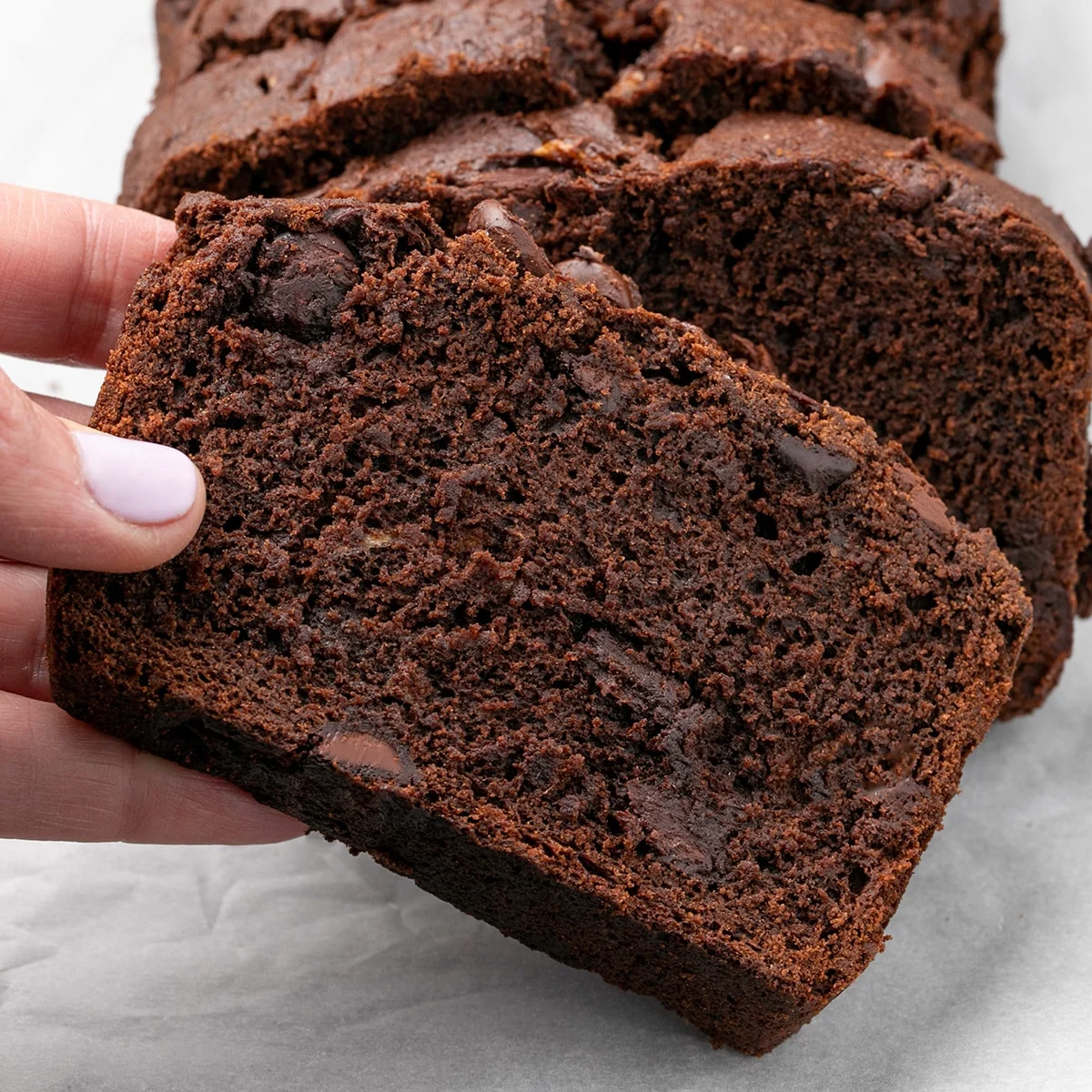
However, a breakthrough in alternative-flour baking is challenging these long-held culinary assumptions. Recipe developer Nicole Hunn, founder of Gluten Free on a Shoestring, has unveiled a new standard for specialty quick breads: a gluten-free chocolate banana bread that marries deep, fudgy cocoa notes with the unmistakable, moist sweetness of ripe fruit.
Far from a standard banana loaf simply dusted with cocoa powder, this recipe represents a sophisticated approach to structural food science, leveraging exact ingredient ratios, dual-chocolate integration, and precise thermodynamic baking techniques to deliver a professional-grade dessert right to the home kitchen.
Main Facts: Engineering the Ultimate Fudgy Loaf
At its core, standard banana bread relies heavily on the structural integrity of wheat gluten to trap gases, maintain moisture, and provide a springy crumb. When gluten is removed, bakers typically face structural failure—either a dense brick or a crumbly mess that collapses upon slicing.
Hunn’s formulation overcomes these traditional obstacles through a strategic multi-pronged approach:
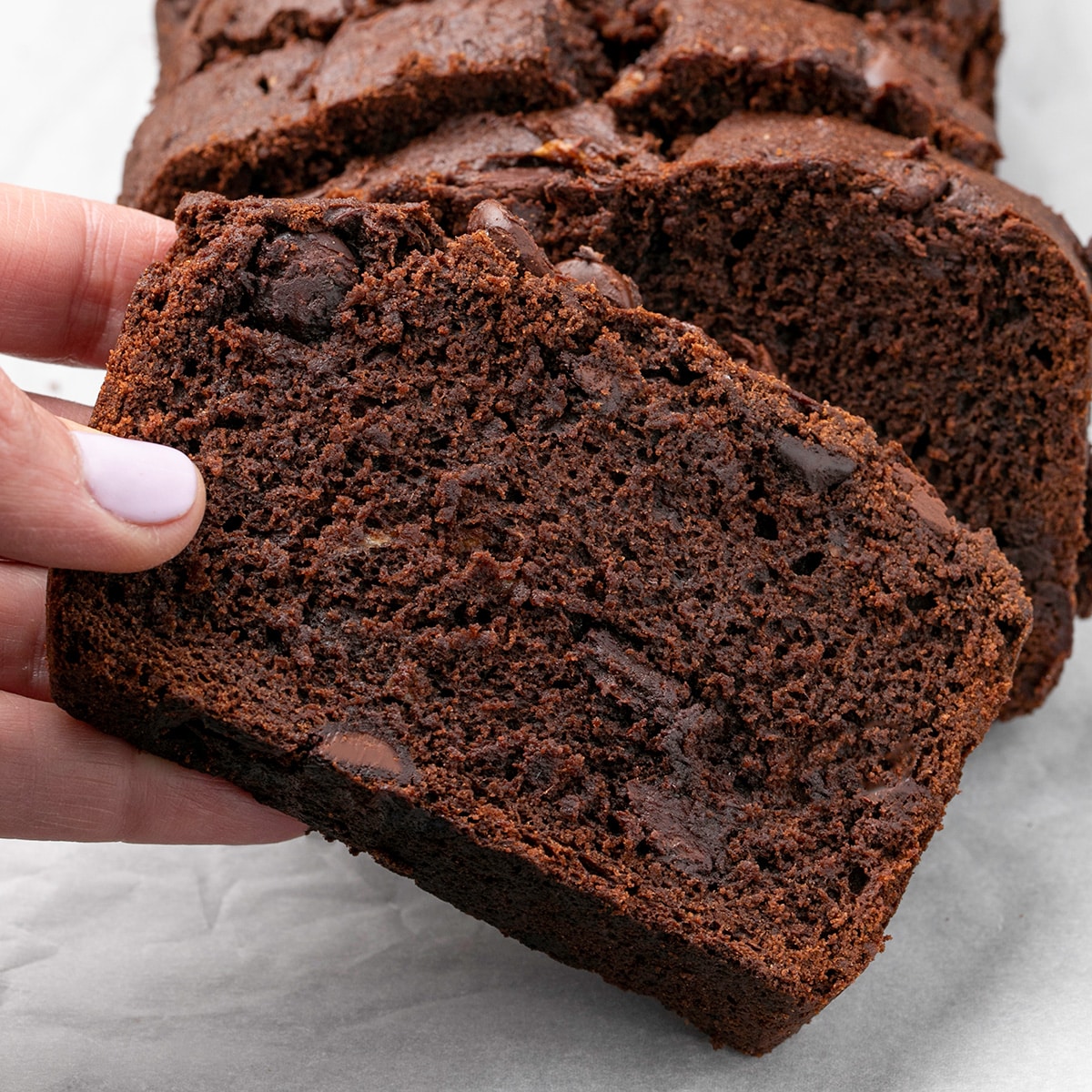
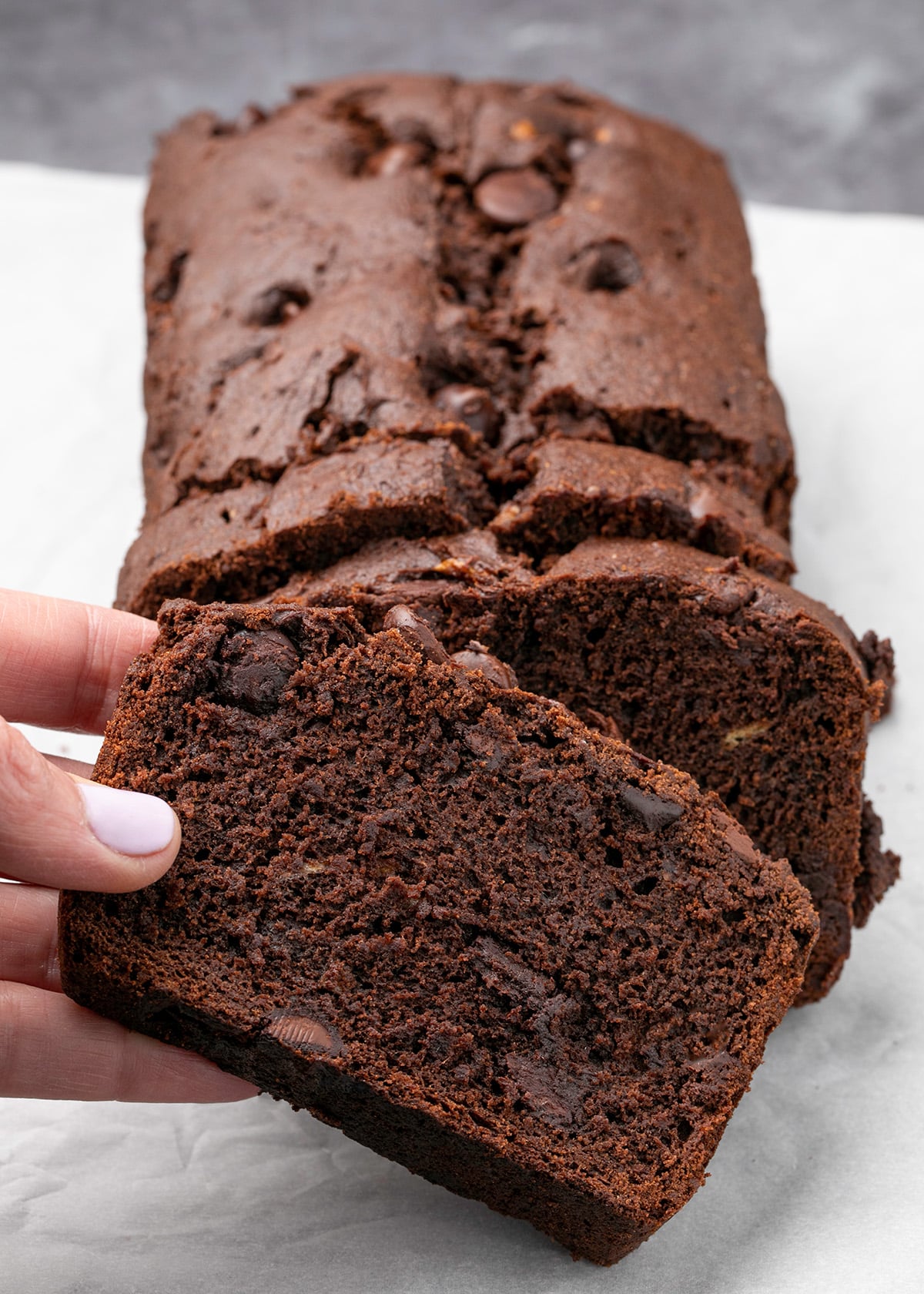
- Dual-Chocolate Delivery: Rather than relying solely on cocoa powder, the recipe incorporates both cocoa powder and melted dark or unsweetened chocolate (ideally containing roughly 65% cacao butter). This combination provides a rich, complex flavor profile while contributing necessary fats for a fudgy texture.
- Moisture Management: The recipe utilizes beaten mashed bananas integrated directly into the wet ingredients, allowing them to release vital moisture into a batter that would otherwise be dried out by heavy cocoa solids.
- Structural Support: The introduction of sour cream provides acidity to activate the leavening agents while maintaining a tender crumb. Furthermore, bakers have the option of utilizing one or two eggs; empirical testing shows that two eggs provide the necessary structural lift to prevent mid-cooling collapse.
- Carefully Curated Flour Blends: Success hinges on specific commercial flour blends—such as Better Batter’s original blend or Bob’s Red Mill 1-to-1 Gluten Free Baking Flour supplemented with additional xanthan gum—to mimic the elasticity and binding power of traditional wheat flour.
Chronology: The Evolution of Specialty Quick Breads
The journey toward a high-performing chocolate banana bread reflects the broader evolution of the gluten-free baking movement over the past two decades.
Phase One: Early Adaptation (Late 2000s – Early 2010s)
In the nascent stages of widespread gluten-free awareness, baking at home was largely an exercise in substitution. Bakers would take standard family recipes and swap wheat flour for single-ingredient alternatives like rice flour or potato starch, usually resulting in gritty textures and rapid staleness.
Phase Two: The Rise of Commercial Blends (Mid-2010s)
The introduction of commercially pre-mixed all-purpose gluten-free flours—often combining ancient grains, starches, and binding agents like xanthan gum—stabilized the market. Home bakers could finally produce basic white sandwich breads and standard quick breads with reliable results. However, rich, highly reactive flavor profiles like deep chocolate combined with acidic fruits remained notoriously difficult to balance without compromising the rise.
Phase Three: Precision Baking and Specialized Profiles (Present Day)
Today’s culinary landscape moves beyond mere replication into innovation. Modern gluten-free baking focuses on exploiting the unique chemical properties of alternative fats, chocolates, and dairy products. Hunn’s chocolate banana bread represents this current zenith: a recipe engineered from the molecular level up, accounting for the moisture absorption rates of cocoa, the melting points of high-cacao baking bars, and the thermal conductivity of baking pans.
Supporting Data: Nutritional Profile & Analytical Breakdown
While quick breads are inherently decadent treats rather than health food staples, understanding the nutritional composition helps home bakers integrate them into balanced dietary regimens.
Based on a standard yield of 10 equal servings, the estimated nutritional breakdown per slice is as follows:
- Serving Size: 1 slice
- Calories: 363 kcal
- Total Carbohydrates: 52 g
- Dietary Fiber: 5 g
- Sugars: 25 g
- Protein: 4 g
- Total Fat: 17 g
- Saturated Fat: 10 g
- Monounsaturated Fat: 5 g
- Polyunsaturated Fat: 1 g
- Trans Fat: 0.2 g
- Cholesterol: 53 mg
- Sodium: 224 mg
- Potassium: 219 mg
- Micronutrients: Vitamin A (290 IU), Vitamin C (2 mg), Calcium (50 mg), Iron (1 mg)
Note: Nutrition information is calculated automatically via recipe management software and serves as an approximation based on standard commercial ingredient metrics.
Official Recommendations & Expert Protocols
Achieving professional results with this specialized recipe requires strict adherence to professional baking protocols. Culinary experts emphasize several critical steps throughout the preparation, baking, and cooling phases:
1. The Melting Process
Bakers must melt unsweetened or dark chocolate in a heat-safe bowl using reduced microwave power in 30-second intervals, stirring vigorously between cycles. This prevents the chocolate from seizing and ensures smooth emulsification into the wet batter.
2. Dry-First Integration
Cocoa powder has a natural resistance to liquids. Whisking the cocoa powder together with the gluten-free flour, baking powder, baking soda, and salt prior to liquid introduction ensures a uniform, lump-free distribution.
3. Pan Selection and Thermal Dynamics
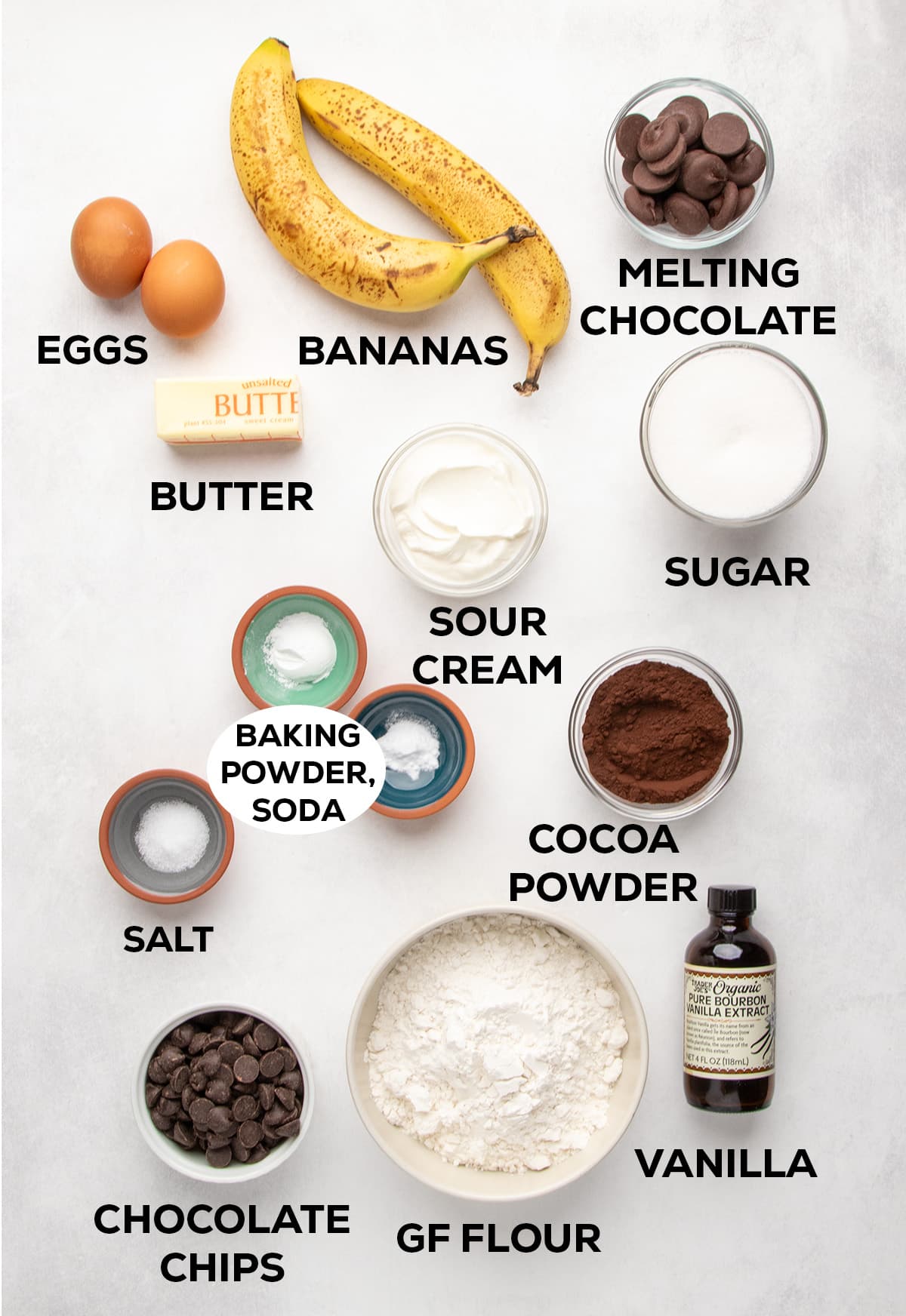
Experts strongly advise against using dark-colored metal loaf pans. Dark pans absorb and radiate excess heat rapidly, which can burn the exterior of a dark chocolate loaf long before the internal starches have fully set. Light-colored cast aluminum nonstick pans are recommended. Furthermore, scoring the top of the batter lengthwise about 1/4-inch deep allows controlled steam release during the 350°F bake time.
4. The Cooling Mandate
Because the batter is dense and rich in starches, the baked loaf requires a strict cooling timeline. After 10 minutes in the pan, the bread must be transferred to a wire rack with its paper liner removed to allow 360-degree air circulation. Cutting into the loaf too early—before the 45-minute cooling mark—risks compressing and destroying the internal crumb structure.
Implications: The Future of Inclusive Baking
The widespread popularity of advanced gluten-free recipes like this chocolate banana bread signals a broader cultural shift in modern gastronomy. Inclusive dining is no longer viewed as a matter of restriction or clinical necessity, but rather as an opportunity for culinary creativity.
Culinary Normalization
When specialty diets yield products that equal or surpass conventional counterparts in taste, texture, and visual appeal, the social friction of dietary restrictions dissolves. Families can share a single loaf at the breakfast table or dessert spread without requiring separate, inferior accommodations for gluten-sensitive members.
Technical Empowerment for Home Cooks
By demystifying the science behind alternative baking—explaining why two eggs provide structural elasticity, why light-colored pans prevent burning, and why specific flour blends require extra binders—recipe developers are elevating the skill set of the average home baker.
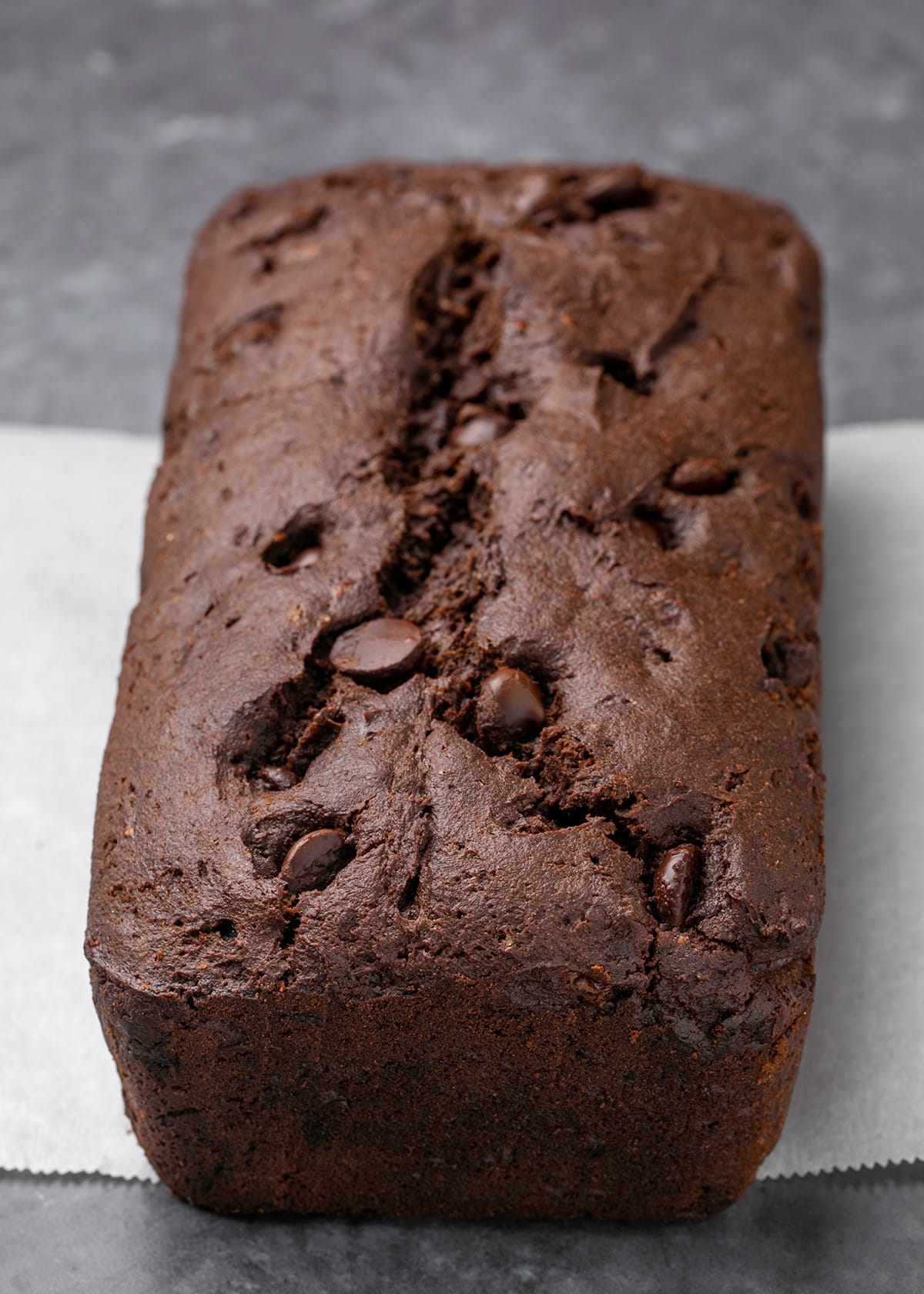
Ultimately, innovations in gluten-free quick breads prove that dietary constraints do not have to put a ceiling on culinary excellence. As techniques continue to advance, the boundary between "traditional" baking and "alternative" baking grows ever fainter, leaving behind only what matters most: exceptional flavor and shared enjoyment around the table.