The seasonal shift is upon us, and as temperatures fluctuate, produce markets are beginning to see a vibrant influx of one of Mexico’s most beloved culinary treasures: the tomatillo. Often misunderstood by novice cooks as merely a "green tomato," the Physalis philadelphica is, in fact, a distinct botanical powerhouse that serves as the backbone for some of the world’s most iconic sauces. As these green beauties flood the stalls, culinary enthusiasts are encouraged to stock their pantries, as the coming weeks offer the prime window for securing the freshest harvest.
The Botanical Profile and Market Significance
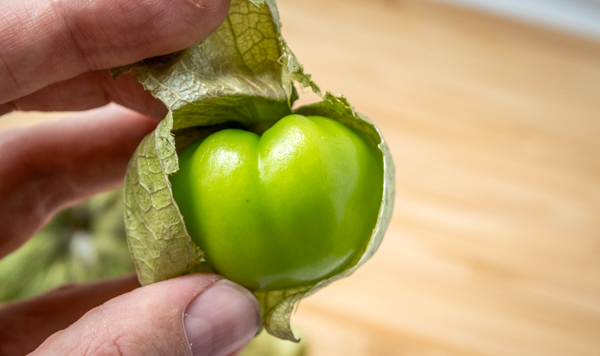
Unlike the standard tomato, the tomatillo is encased in a papery, dry husk. This husk is not merely packaging; it is a protective barrier that preserves the fruit’s integrity from the field to the kitchen. Once the husk is pulled back, the fruit reveals a sticky, vibrant green surface—a hallmark of its freshness.
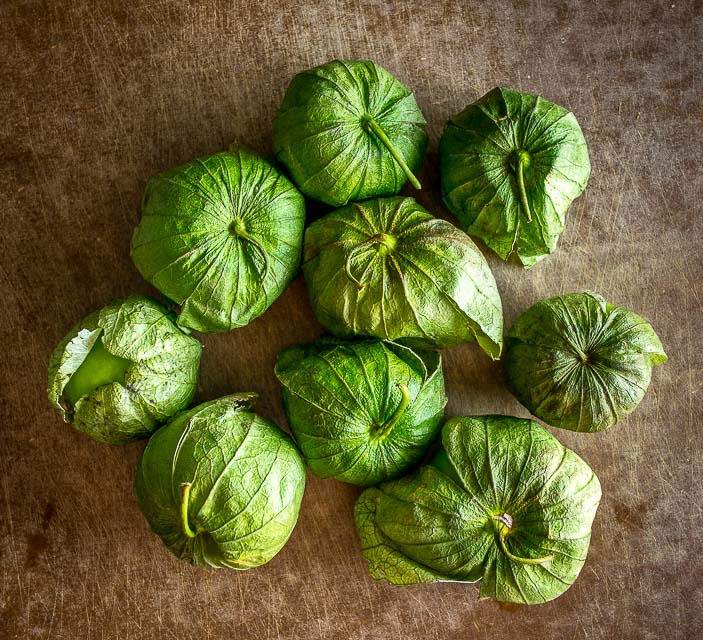
In the culinary arts, the tomatillo is prized for its high pectin content and its uniquely tart, acidic flavor profile. This acidity is the engine that drives the brightness of salsa verde, providing a necessary contrast to the richness of pork, the earthiness of beans, and the creaminess of avocado. From a market perspective, the tomatillo’s availability is cyclical. Savvy home cooks and professional chefs alike understand that the peak of the harvest season is the optimal time to experiment with the fruit’s versatility, as the quality and concentration of flavor are at their height.
Chronology of Preparation: From Husk to Sauce
Understanding the proper preparation of a tomatillo is the first step toward achieving authentic Mexican flavors at home. The process follows a strict sequence:
- Selection and Inspection: When shopping, look for firm, bright green fruit encased in a dry, intact husk. Avoid fruit that feels mushy or displays significant discoloration on the skin beneath the husk.
- The De-husking Phase: Upon arriving home, pull back the husks. It is common to find a sticky, resinous film on the surface of the fruit; this is entirely natural and harmless.
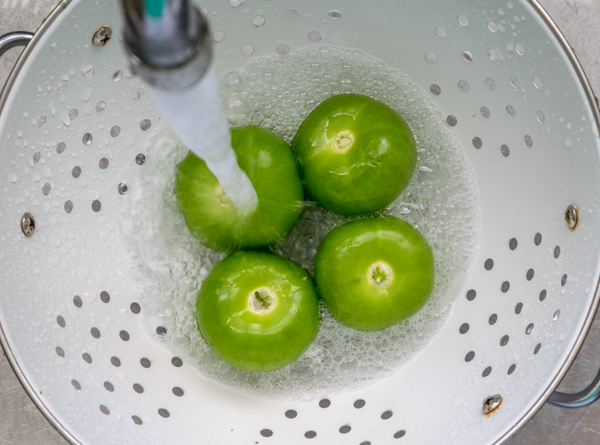
- The Deep Clean: A thorough rinse is non-negotiable. Using warm water, gently scrub the surface of the tomatillo to remove the sticky residue. Failure to clean the fruit adequately can result in a bitter undertone in the final dish.
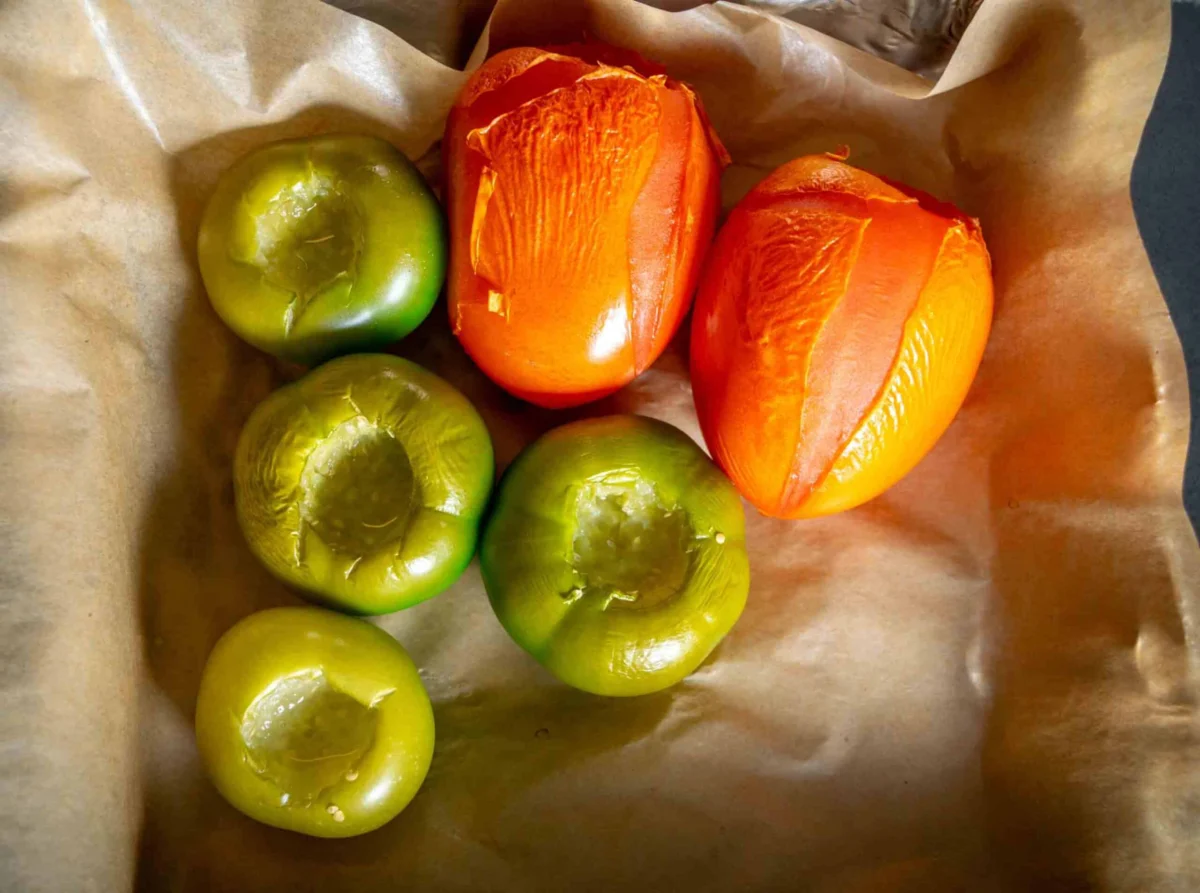
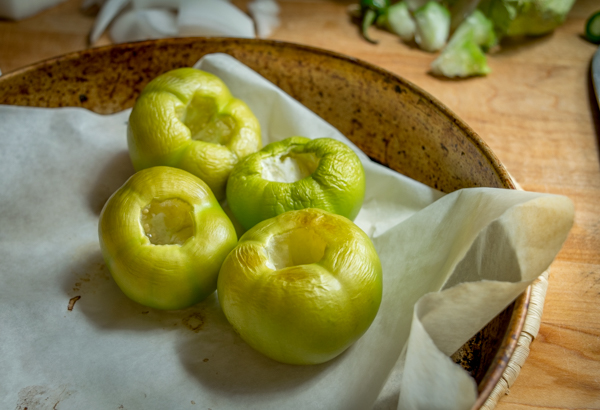
- The Roasting Catalyst: While tomatillos can be used raw in some preparations, the vast majority of authentic recipes require roasting. Applying heat is a chemical necessity—it tames the raw, aggressive acidity of the fruit and encourages the natural sugars to caramelize. Whether using an oven at 400°F (approx. 200°C) or a dry skillet, the goal is to achieve an "army green" color with slight charring or wrinkling of the skin.
- Integration: Once roasted, the fruit is ready to be blended, simmered, or mashed into the desired sauce or stew.
Supporting Data: Why the Tomatillo Dominates
The popularity of the tomatillo is supported by its sheer versatility. Unlike many specialty ingredients that serve only one function, the tomatillo is a multi-purpose tool.
The Chemistry of Flavor
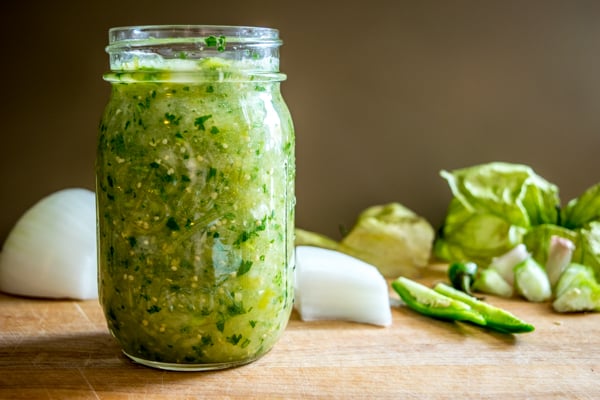
The tartness of the tomatillo is derived from citric and malic acids. When paired with the heat of serrano peppers, the richness of fats like lard or avocado, and the aromatics of garlic and cilantro, the tomatillo creates a balanced profile that triggers multiple taste receptors simultaneously.
Preservation and Longevity
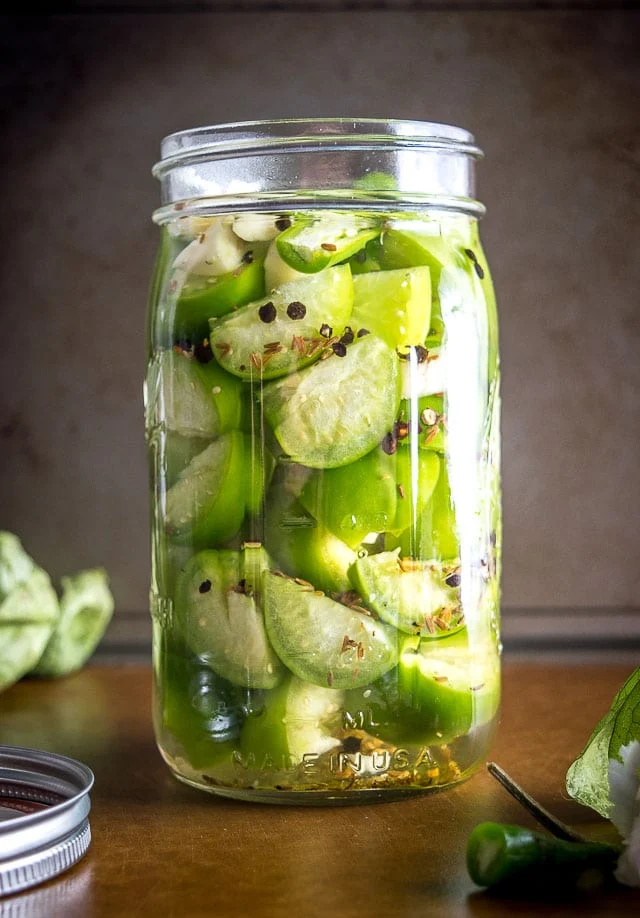
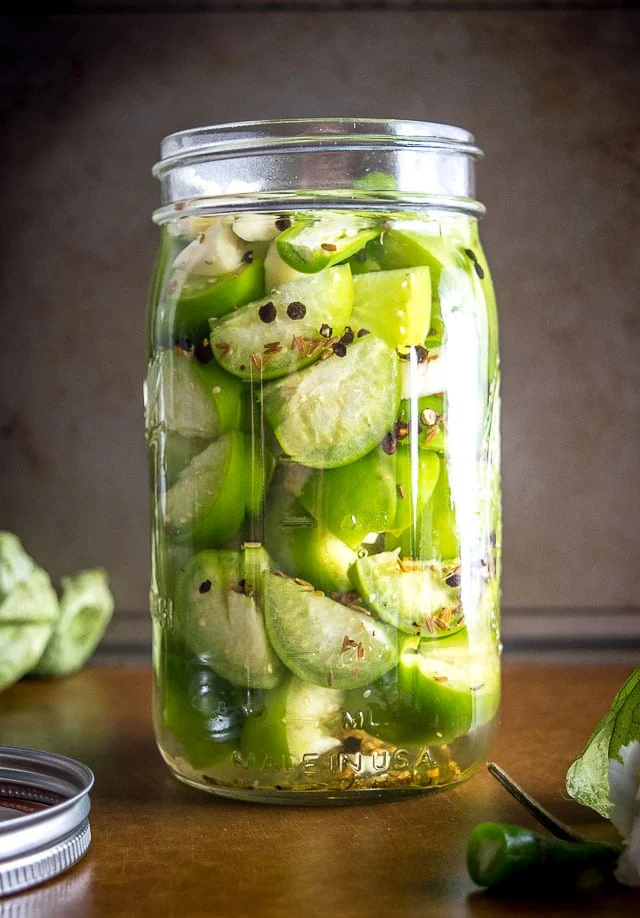
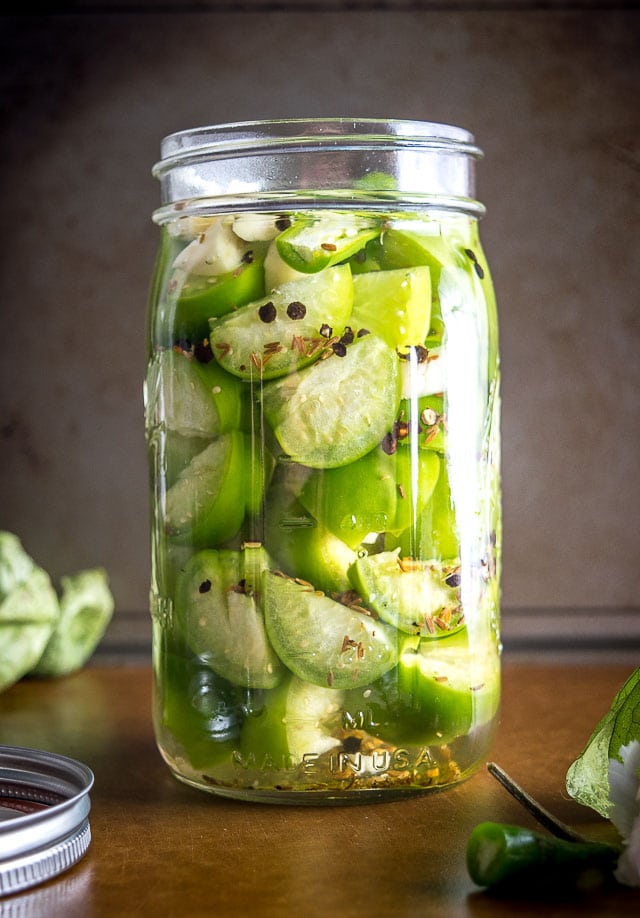
Data on produce management indicates that the tomatillo is remarkably hardy. When stored in their husks in the crisper drawer of a refrigerator, they can remain fresh for several weeks. For those who find themselves with a surplus, the preservation method of pickling is a highly recommended strategy. Pickled tomatillos retain their signature "snap" while taking on the brine’s vinegar and spice profile, offering a sharp, sophisticated garnish for everything from tacos to artisanal pizzas.
Essential Culinary Applications
For those looking to master the art of the tomatillo, the following 18 recipes represent a comprehensive masterclass in Mexican cuisine:
- Authentic Salsa Verde: The foundational recipe. A blend of roasted tomatillos, serrano peppers, onion, and cilantro.
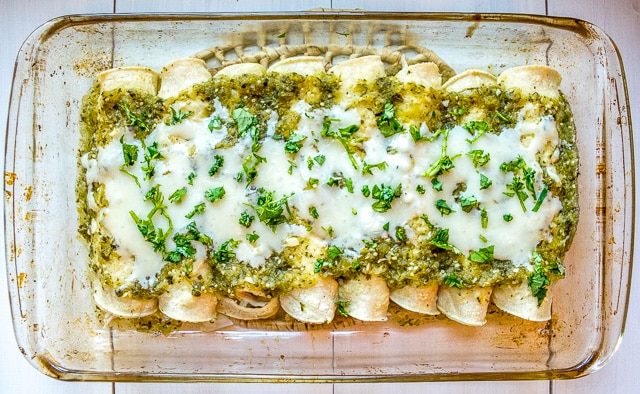
- Enchiladas Suizas: A luxurious application where green sauce is balanced with heavy cream, resulting in a velvety coating for chicken-filled tortillas.
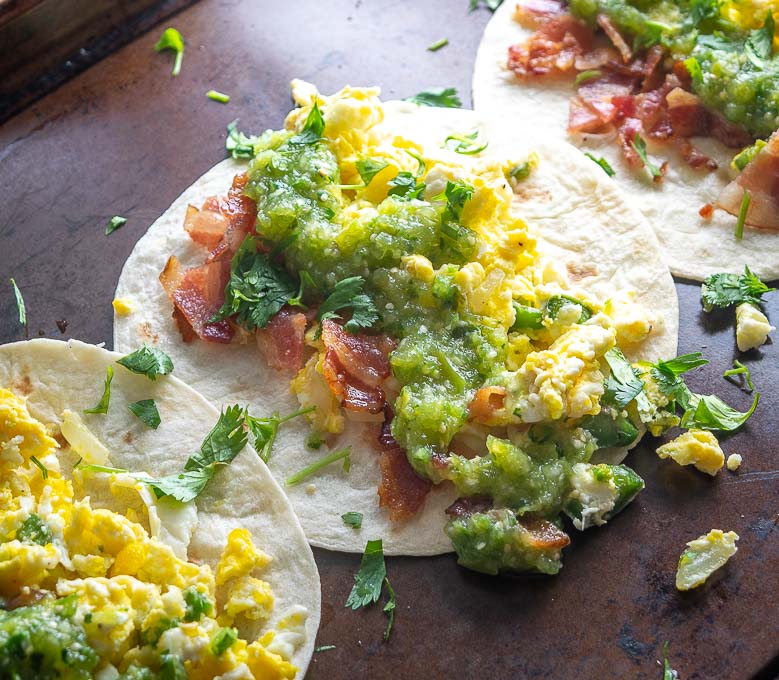
- Breakfast Tacos: A testament to the speed and efficiency of the tomatillo. A quick drizzle of salsa verde elevates standard eggs and bacon into a gourmet breakfast.
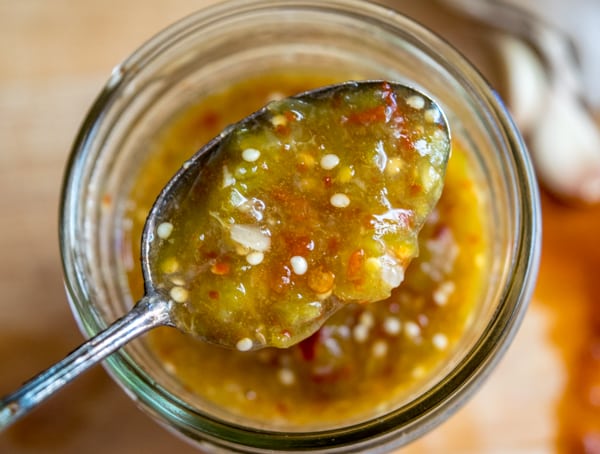
- Pickled Tomatillos: An essential technique for preservation that adds a punch of acidity to any dish.
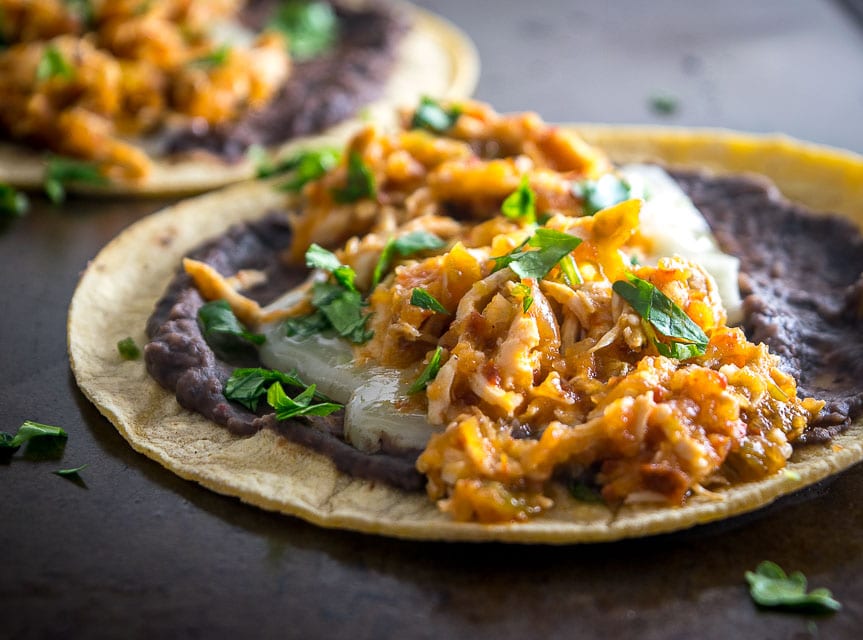
- Spicy Chicken Tinga: By incorporating tomatillos into the traditional tomato-chipotle base, the flavor profile is lifted, providing a "brighter" finish.
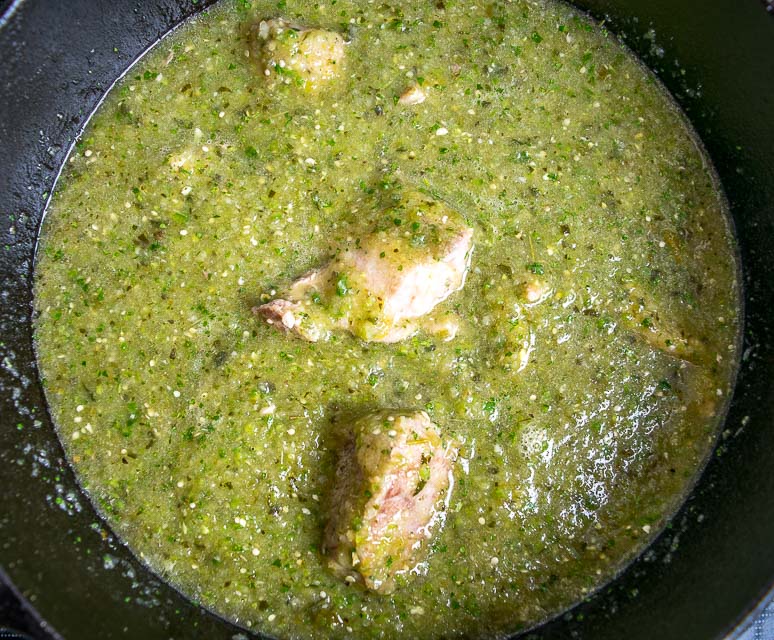
- Chile Verde: A slow-simmered pork shoulder dish that relies on the tomatillo’s acidity to cut through the rendered pork fat.
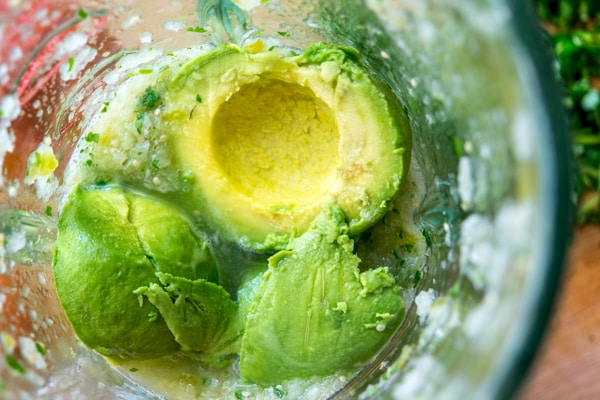
- Avocado Salsa Verde: The ultimate creamy emulsion. By blending an avocado with a standard salsa verde, you achieve a sauce that is both rich and vibrant.
- Migas: A classic Mexican comfort food featuring crispy tortilla strips scrambled with eggs and topped with salsa verde.
- Tomatillo Chipotle Salsa: A smoky, complex variant that highlights the synergy between the tart fruit and the deep, earthy heat of chipotle peppers in adobo.
- Pozole Verde: A hearty hominy-based soup that gains its signature color and flavor from a tomatillo and roasted poblano base.
- Roasted Tomato and Tomatillo Salsa: A hybrid approach that balances the sweetness of tomatoes with the tartness of tomatillos.
- Chicken Burritos with Avocado Salsa Verde: A modern, handheld application of the creamy green sauce.
- Huevos Divorciados: A playful dish that uses both red (tomato) and green (tomatillo) salsas to dress two fried eggs.
- Chicken Chile Verde: A lean, protein-forward version of the classic stew.
- Chile Verde Rice and Beans: A simple, high-flavor vegetarian meal that demonstrates the sauce’s ability to carry a dish.
- Enchiladas Verdes: A lighter, more acidic variation on the Suizas, perfect for those who prefer a sharp, clean finish.
- Quesadillas with Avocado Salsa Verde: Proof that the simplest dishes are often the most satisfying when paired with the right sauce.
- Easy Carnitas: The essential pairing. The fatty, crispy nature of carnitas is perfectly offset by a bright, acidic salsa verde.
Implications for the Home Cook
The integration of tomatillos into one’s weekly grocery routine signifies a transition from casual cooking to authentic culinary exploration. The implications are clear: by mastering the simple roasting and blending techniques required for these 18 recipes, the home cook gains the ability to produce restaurant-quality meals with minimal ingredient overhead.
Furthermore, as consumers become more conscious of the origins and seasonality of their food, the tomatillo serves as an excellent entry point into seasonal eating. It is a crop that rewards the cook who respects the cycle of the seasons.
Expert Tips for Success
If you find yourself overwhelmed by the variety of methods for roasting, remember the primary directive: sustained heat. Whether you prefer the oven, the broiler, or a cast-iron pan, the objective is to ensure the fruit softens completely. If the tomatillo is not fully cooked, it will retain a raw, vegetal bite that can overpower other ingredients.
Additionally, don’t be afraid to experiment with your heat sources. Substituting jalapeños for serranos will alter the heat level but maintain the structural integrity of your sauces. The same applies to the inclusion of various aromatics like Mexican oregano or white onion versus yellow onion.

Conclusion: A Call to Action
The market window for fresh, high-quality tomatillos is precious and finite. By prioritizing these green, husked gems during their seasonal peak, you are not only supporting sustainable agricultural practices but also ensuring your kitchen is stocked with the most versatile ingredient in the Mexican pantry.
Whether you are a seasoned expert in the art of the molcajete or a beginner just learning to peel your first husk, there is a recipe in the list above that will transform your next meal. Should you encounter difficulties or have specific inquiries regarding the nuances of these preparations, the community of Mexican cuisine enthusiasts remains a robust and welcoming resource. Start your journey today—your palate will thank you.