In the vast, often intimidating world of professional pastry, few creations bridge the gap between architectural marvel and culinary comfort quite like the chiffon cake. Renowned for its ethereal, cloud-like texture and its signature ability to remain moist for days, the chiffon cake is a testament to the science of leavening and the precision of the home baker. While modern trends often lean toward heavy, buttercream-laden confections, the resurgence of this mid-century classic speaks to a growing appreciation for desserts that offer both sophistication and delicate, melt-in-your-mouth flavor.
Main Facts: Decoding the Chiffon Identity
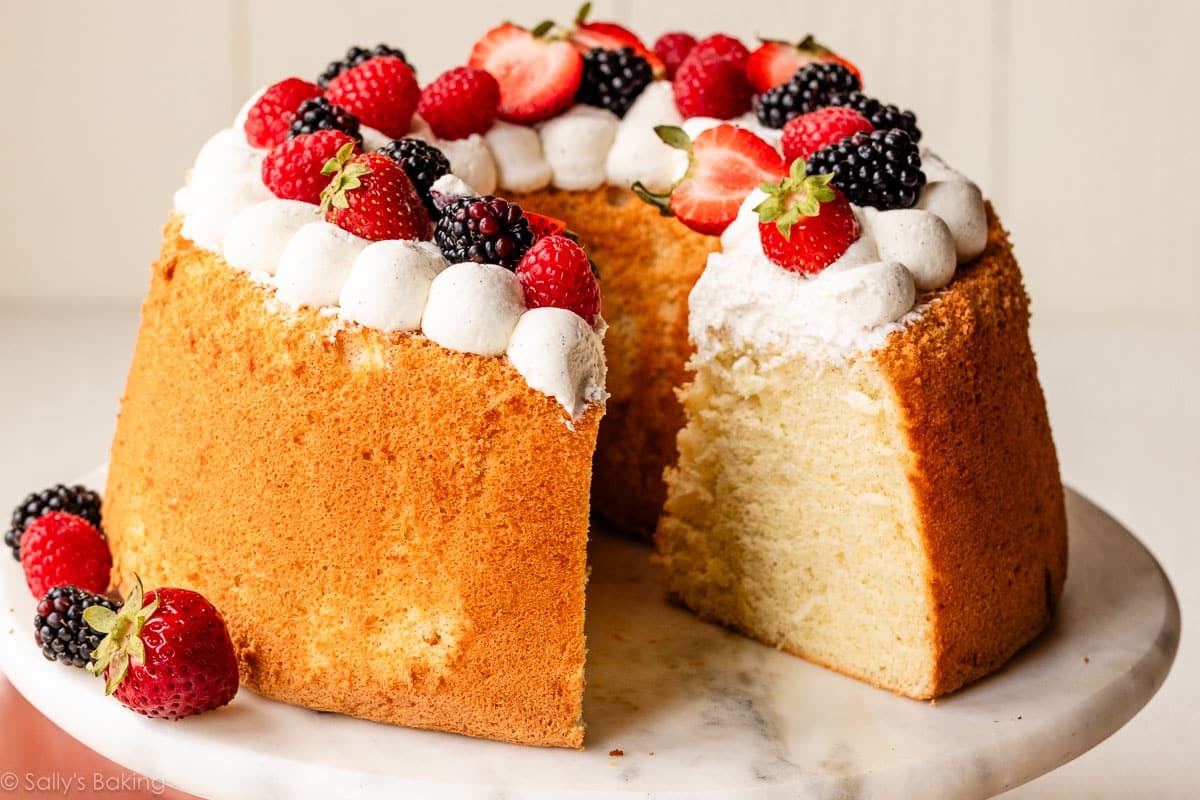
To understand the chiffon cake, one must first look at its lineage. Often confused with its cousins—the sponge cake and the angel food cake—the chiffon is, in fact, a hybrid that borrows the structural integrity of the former and the lightness of the latter.
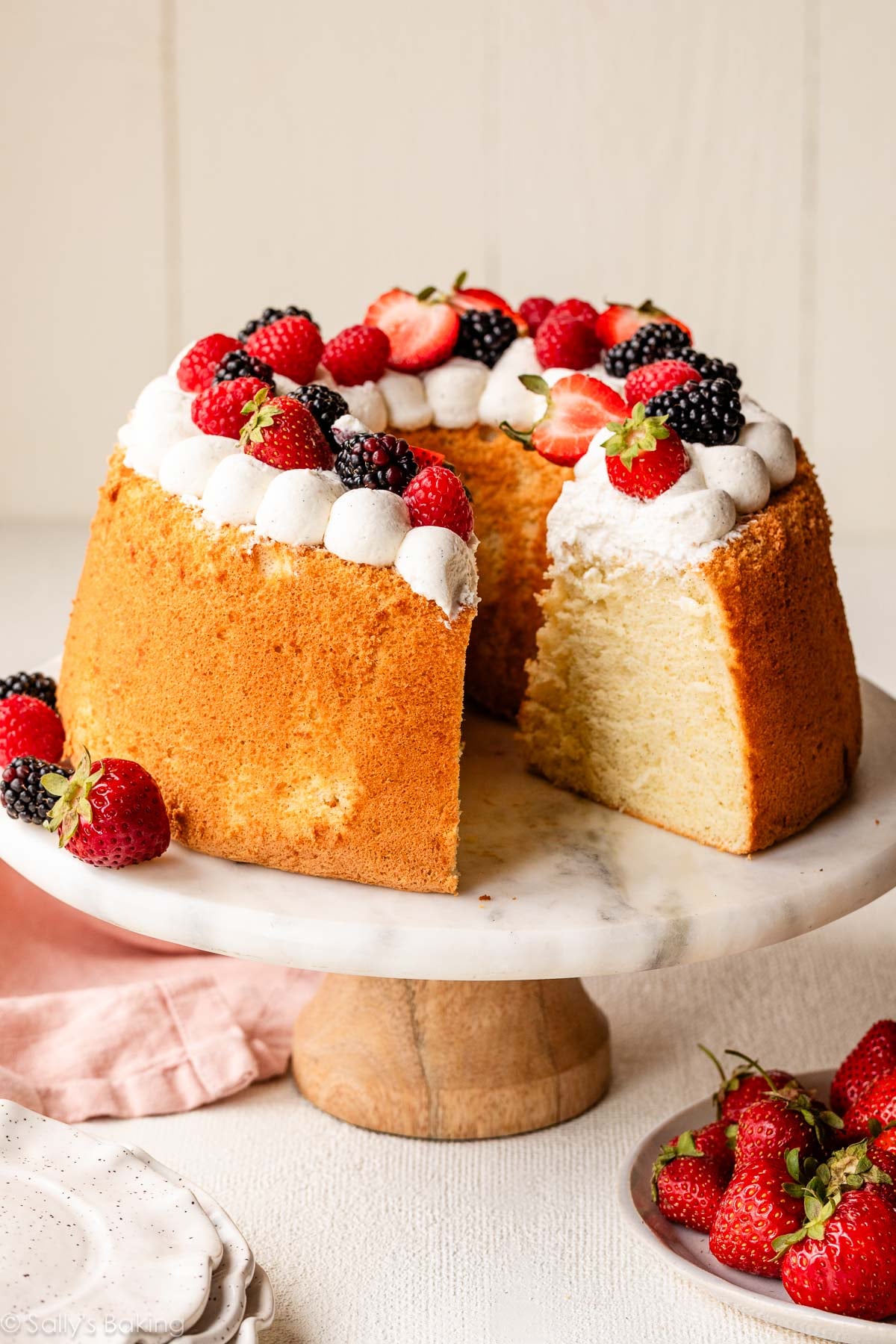
At its core, the chiffon is defined by a specific chemical profile: it is a sponge cake that utilizes vegetable oil rather than butter. This distinction is critical. Because oil remains liquid at room temperature, it coats the flour proteins more effectively than solid fats, resulting in a crumb that feels exceptionally tender and stays moist long after the cake has left the oven.
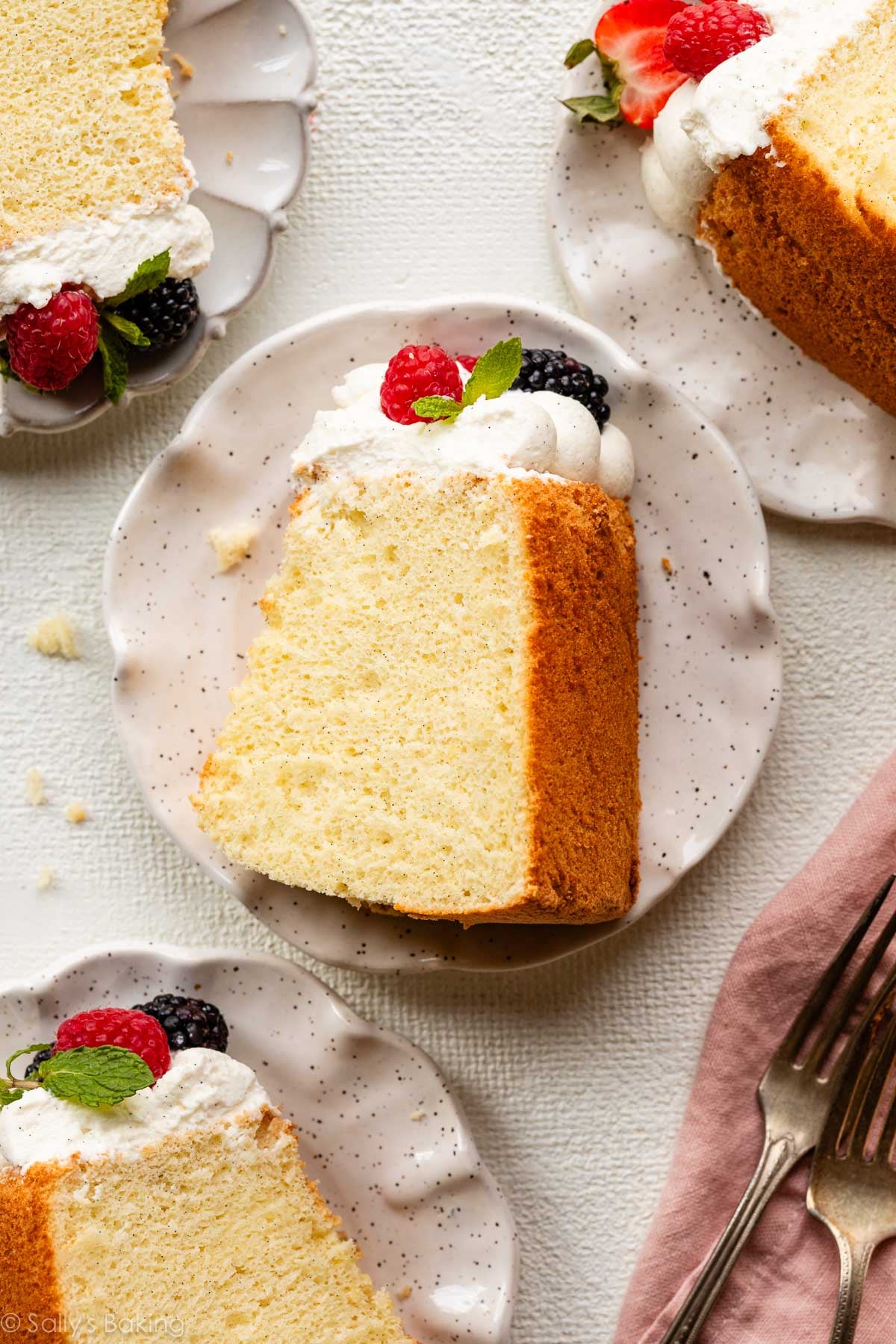
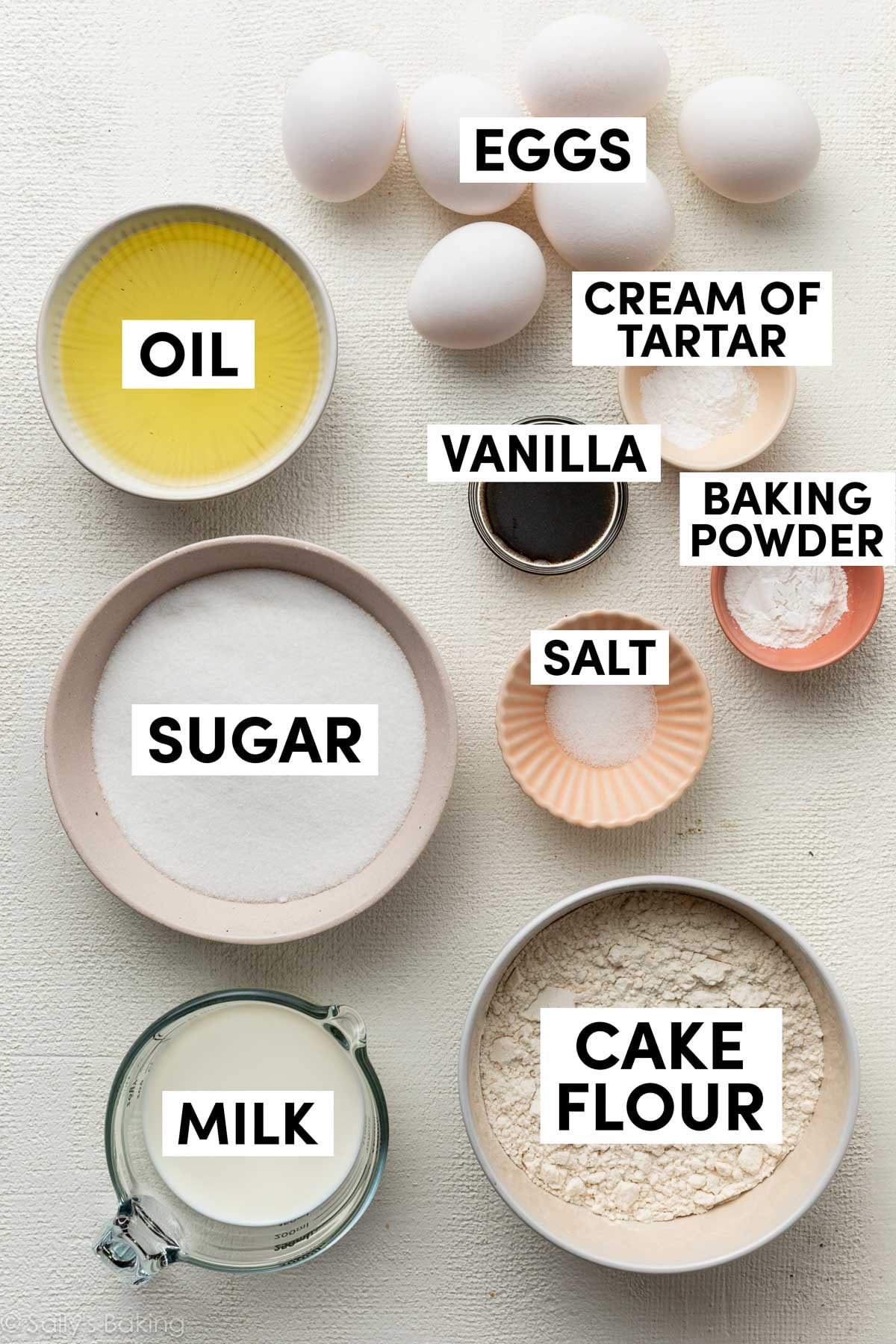
The structural "lift" is achieved through the mechanical aeration of egg whites. By whipping the whites into a glossy, stiff-peaked meringue and folding them into a base of egg yolks, flour, sugar, and baking powder, the baker creates a batter that is teeming with air bubbles. These bubbles expand in the oven’s heat, forcing the batter to rise vertically. The inclusion of baking powder acts as a secondary leavening agent, ensuring that the cake achieves the height and uniformity expected of a high-end dessert.
The Chronology of Perfection: Step-by-Step Execution
Mastering the chiffon is less about complex ingredients and more about the strict adherence to process. The journey begins with the separation of eggs—a task that requires absolute purity; even a trace of yolk in the whites will prevent them from achieving the necessary volume.
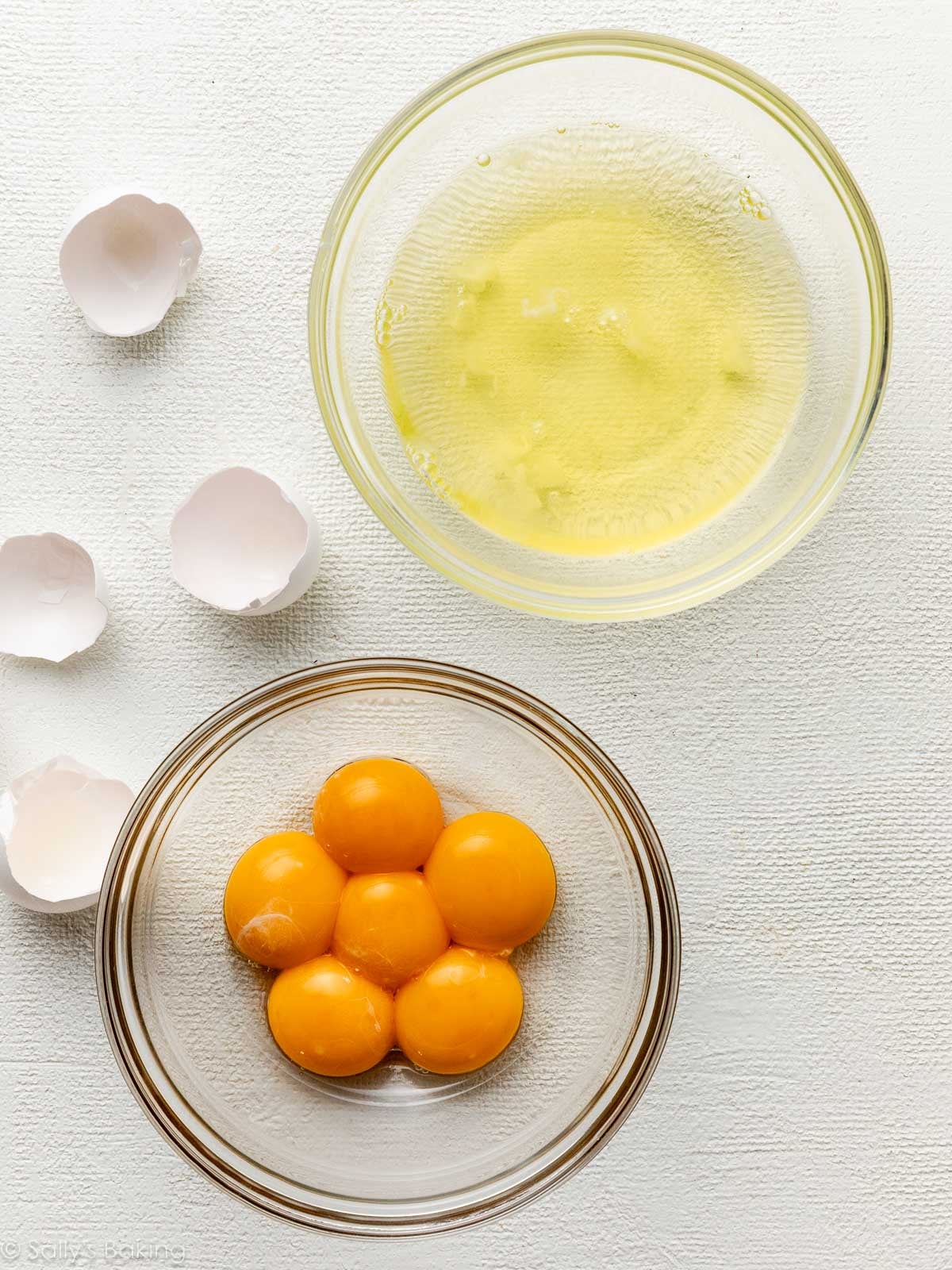
The Preparation Phase
- Sifting and Aerating: The dry ingredients, including flour and a portion of the sugar, must be sifted multiple times. This is not merely a suggestion; it is a vital step to ensure that the flour is light and free of clumps, facilitating an easier fold later in the process.
- The Meringue Build: The egg whites are whipped with cream of tartar, a stabilizer that keeps the protein structure intact. Once the whites reach a foamy stage, the remaining sugar is added gradually. The goal is to reach "stiff, glossy peaks"—a stage where the meringue holds its shape firmly when the whisk is lifted.
- The Emulsion: Simultaneously, the egg yolks, oil, and liquid components are whisked until smooth. The dry ingredients are then incorporated into this base to form a thick, concentrated batter.
The Folding and Baking Process
The most delicate stage involves "folding" the meringue into the yolk base. A common error is over-mixing, which deflates the air bubbles so carefully created. One should start by sacrificing a small portion of the meringue to lighten the base, then gently folding in the remainder using a wide spatula, moving in a circular, bottom-to-top motion.
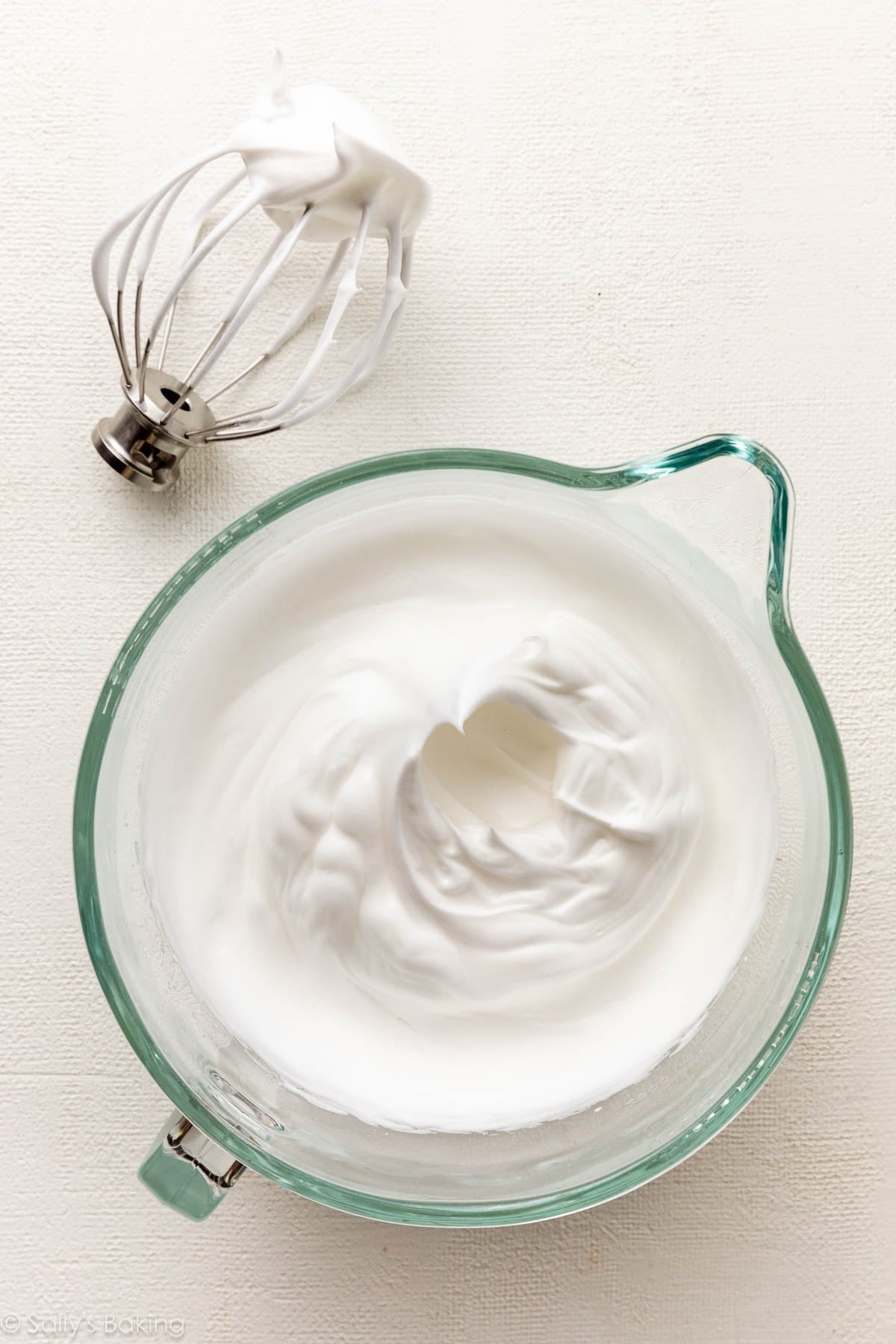
The choice of vessel is arguably the most counterintuitive part of the process. A chiffon cake requires an ungreased tube pan. While conventional baking wisdom dictates that pans must be greased to prevent sticking, the chiffon requires friction. As the cake rises, it must "climb" the sides of the pan. A slick, greased surface would cause the cake to slide downward, resulting in a dense, flat failure.
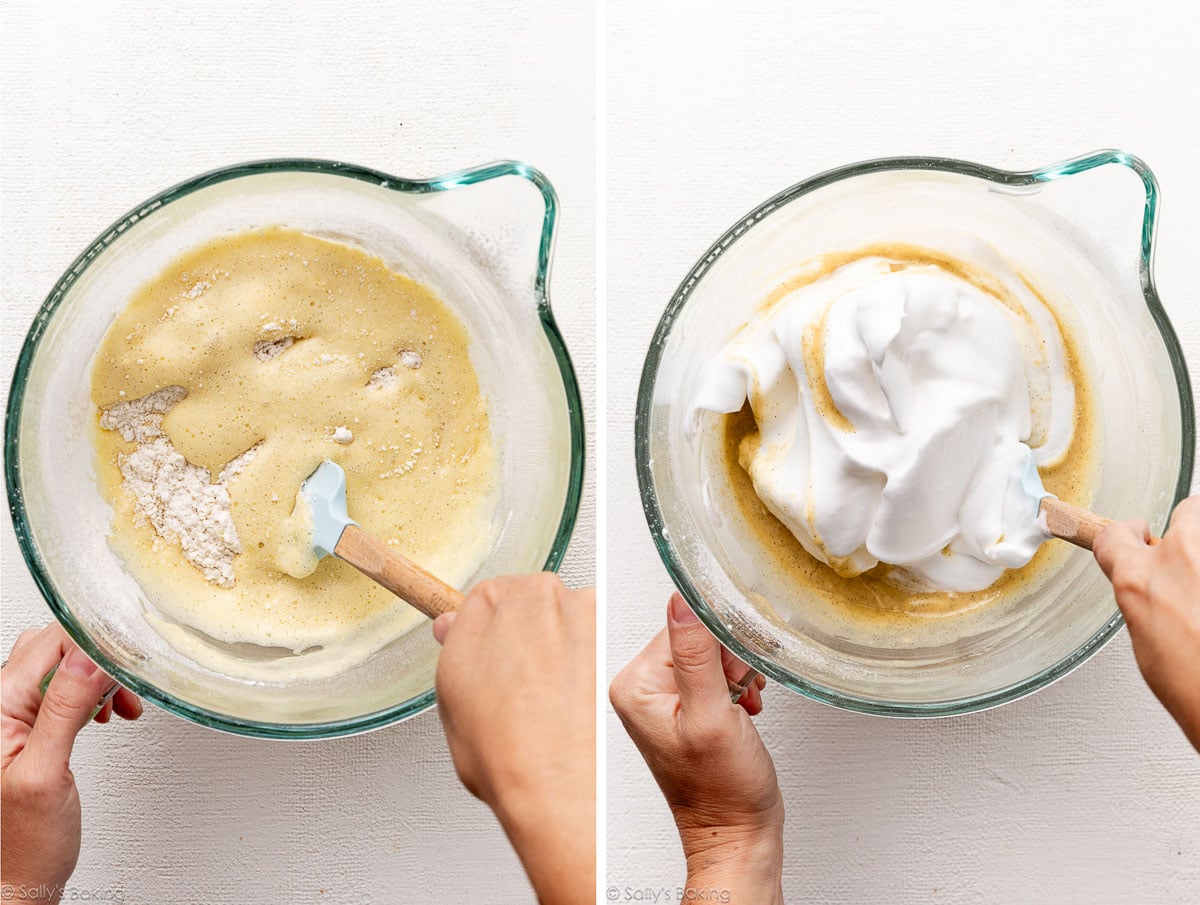
Supporting Data: The Science of Structural Integrity
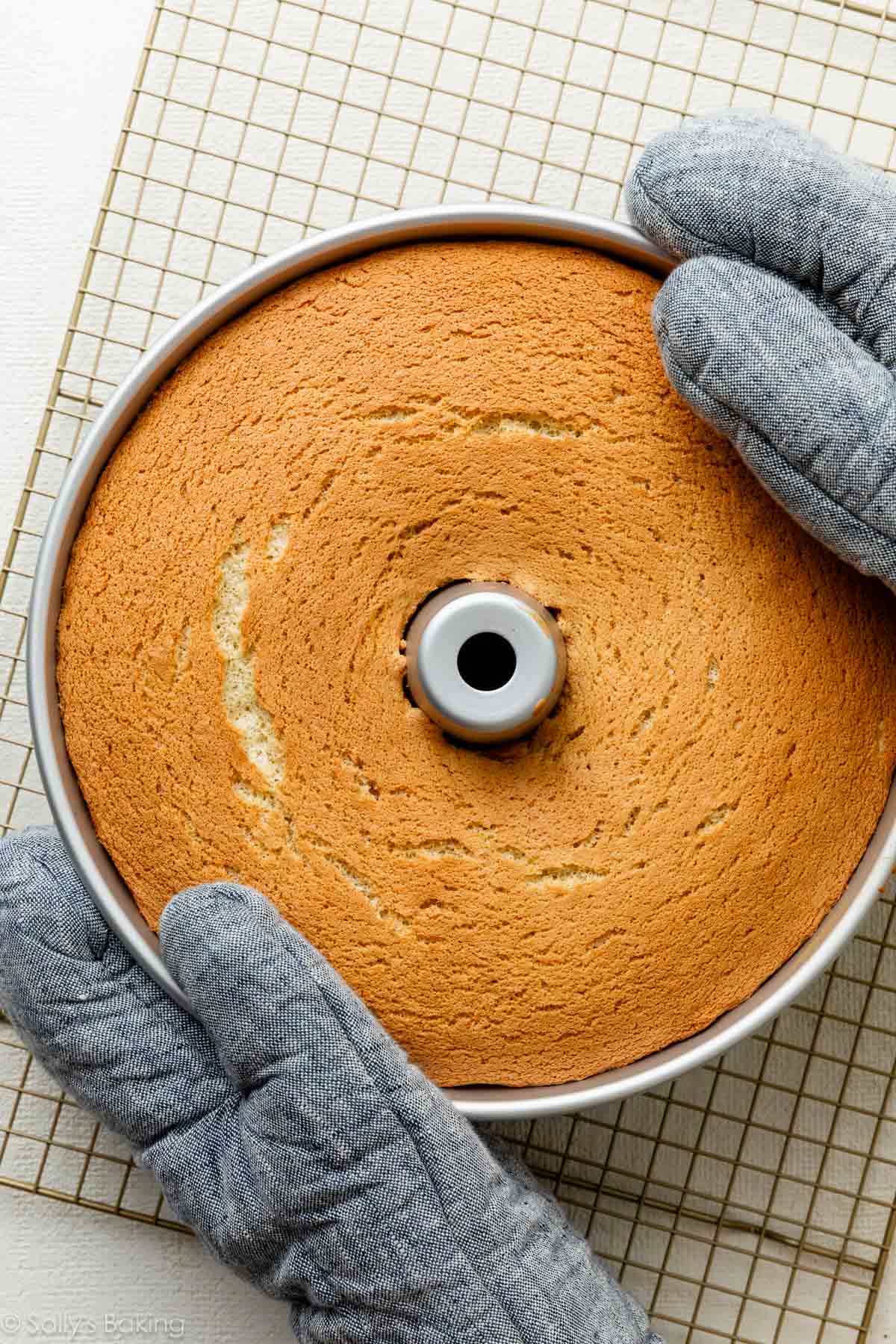
Why does the cake not collapse upon cooling? The secret lies in the inversion of the pan. Because the cake is held up by its internal structure rather than a heavy, fat-laden crumb, it is susceptible to gravity while warm. By inverting the pan onto a cooling rack immediately after it leaves the oven, the cake’s structure is allowed to "set" while upside down. This prevents the top from sinking into the delicate center, ensuring a perfectly lofty dome.
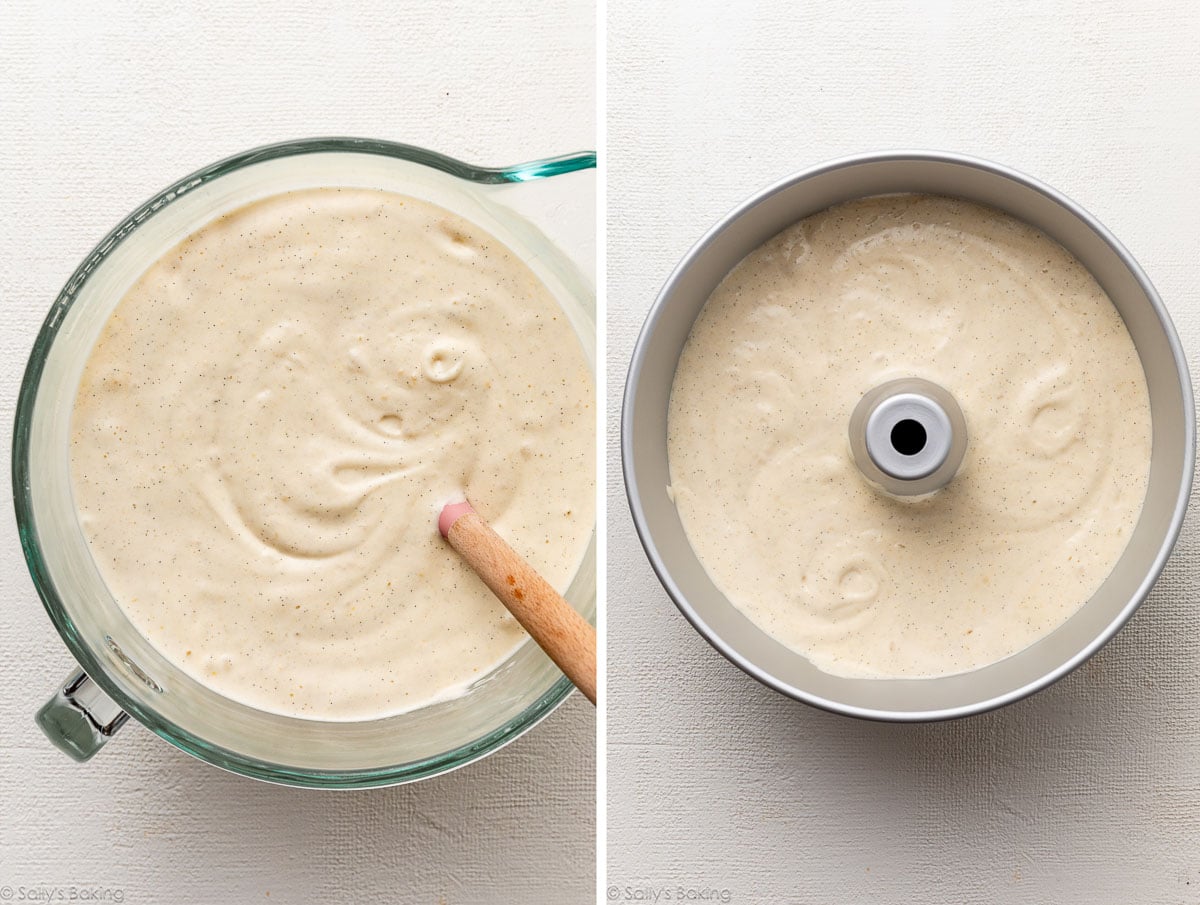
From a nutritional and texture standpoint, the substitution of oil for butter is a calculated trade-off. Butter provides a distinct dairy flavor, but it also creates a crumb that hardens when chilled. Oil, conversely, maintains its liquid state even in the refrigerator. This is why a properly stored chiffon cake can maintain its signature texture for several days, making it an ideal choice for bakers who prefer to prepare their desserts in advance.
Official Perspectives: Expert Consensus on Technique
Professional pastry chefs and resources like the King Arthur Baking company emphasize that the chiffon is a "technique-heavy" bake. The consensus is clear: temperature and patience are the two most important variables. Ingredients, particularly the eggs, should be at room temperature to ensure proper emulsification.
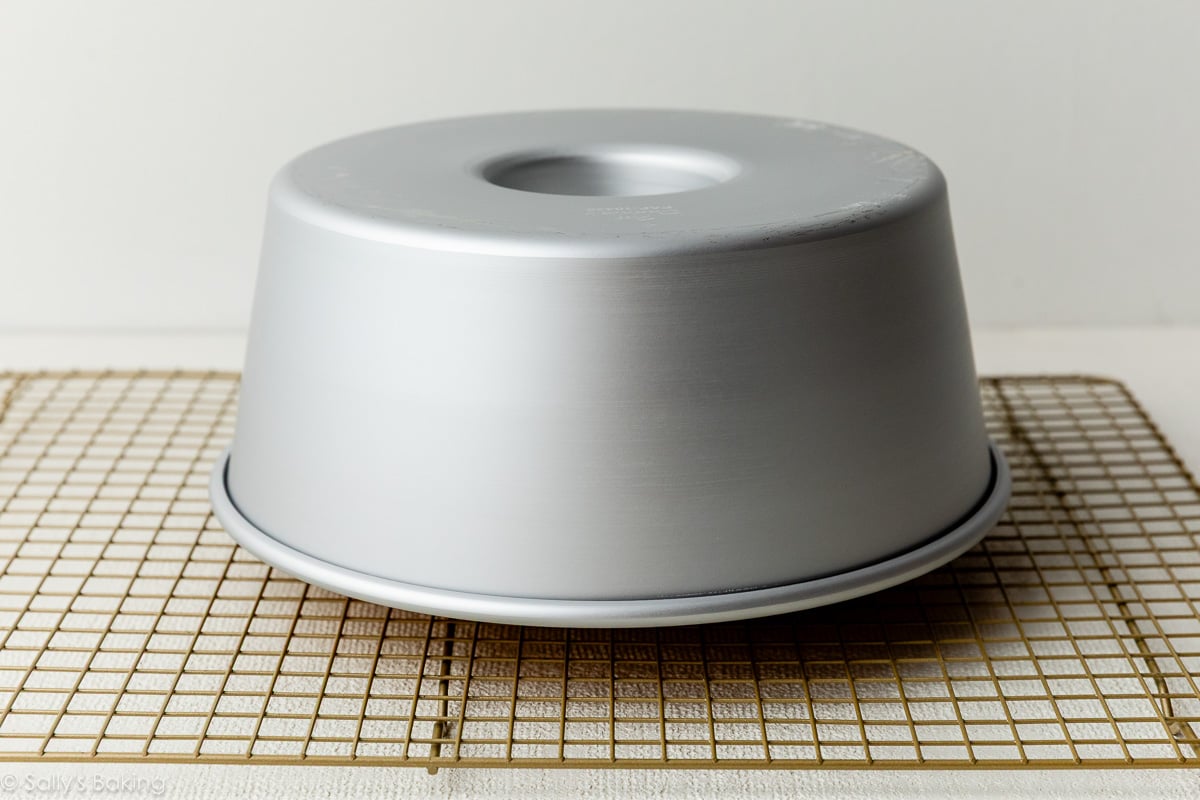
Experts also stress the importance of the tube pan. The center tube is not merely for aesthetics; it provides an additional surface for the batter to grip as it rises and acts as a conduit for heat, ensuring that the center of the cake bakes at the same rate as the edges. Without this central heat distribution, the exterior would be overcooked and dry by the time the center had fully set.
Implications for the Modern Baker
The implications of mastering the chiffon cake extend far beyond the recipe itself. It teaches the baker the nuances of protein structures, the role of fats in crumb stability, and the importance of mechanical leavening.
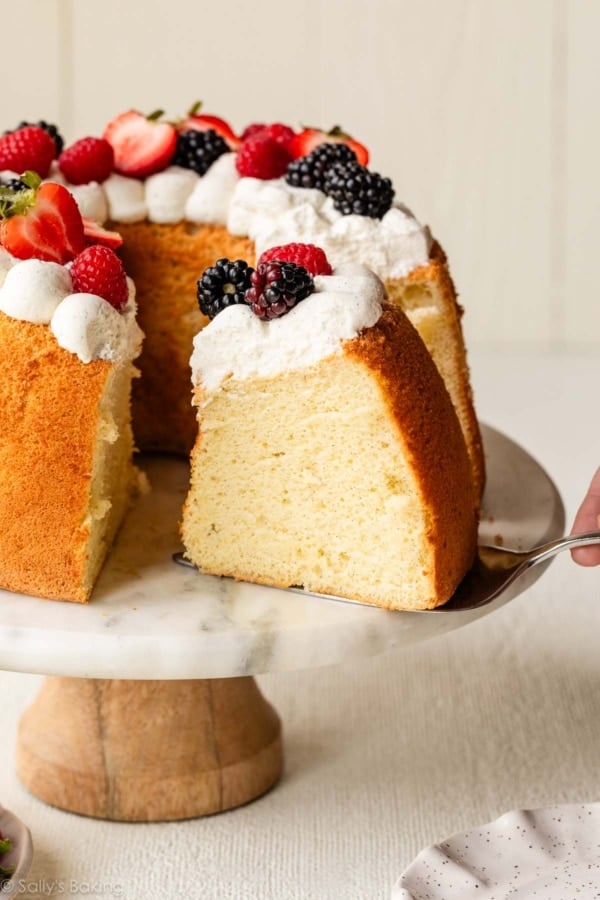
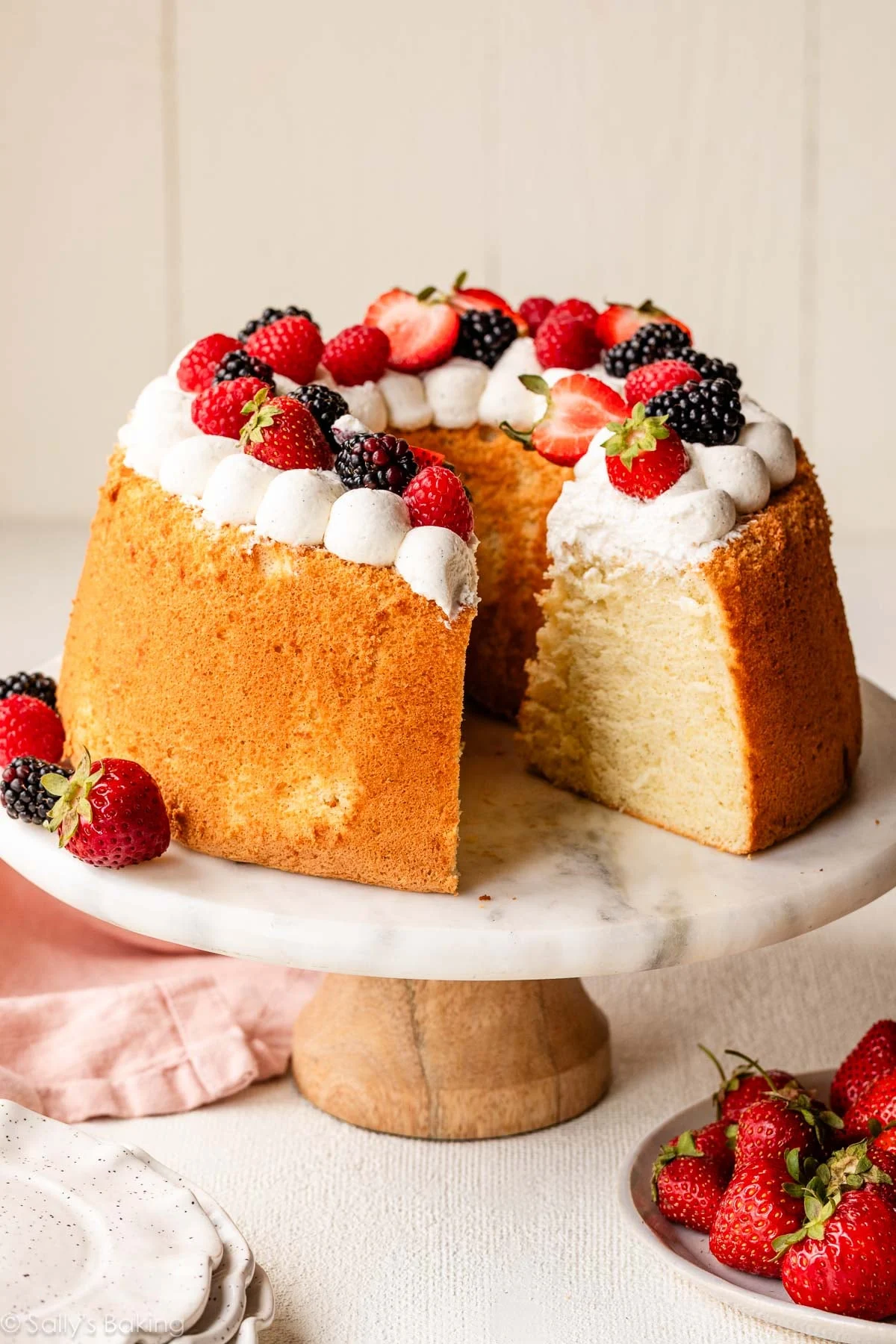
Furthermore, the chiffon is a versatile canvas. While a classic vanilla version paired with fresh berries and a stabilized cream cheese whipped cream is the gold standard, the recipe can be adapted to accommodate citrus zest, cocoa powder, or even matcha. Because of its sturdy yet light structure, it has become the preferred base for multi-layered celebration cakes. Whether sliced horizontally or baked in multiple smaller pans, it provides the structural integrity needed for stacking without the heavy, cloying mouthfeel of a traditional pound cake.
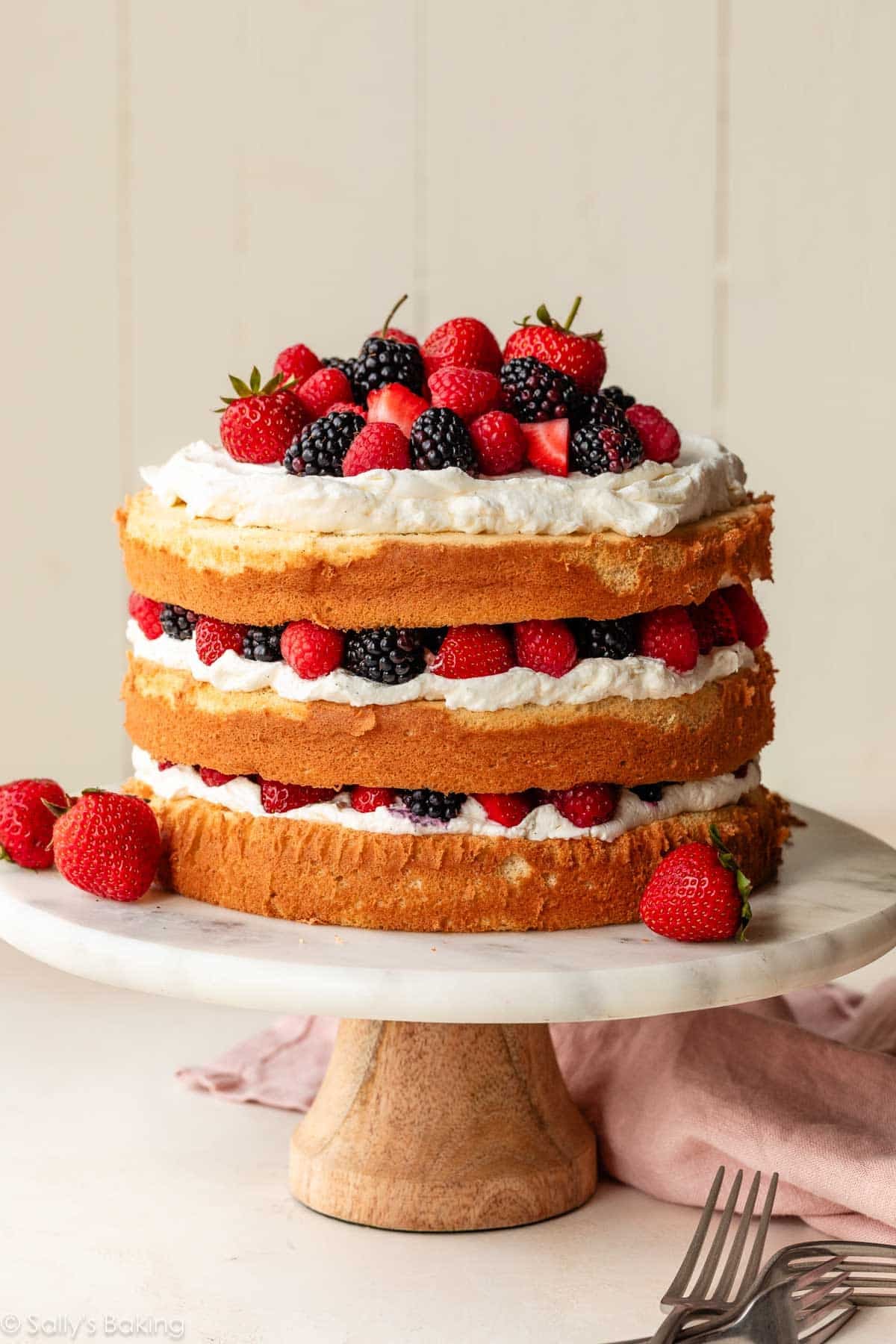
As we look toward the future of home baking, the chiffon cake serves as a reminder that the most elegant desserts are often those that rely on fundamental chemistry rather than complicated, artificial additives. It is a dish that rewards precision with a result that is, quite literally, as light as air. By moving away from the "grease-and-flour" mentality and embracing the specific needs of a sponge-based cake, the home baker can produce professional-quality results that elevate any occasion, from simple afternoon tea to the most elaborate of celebrations.
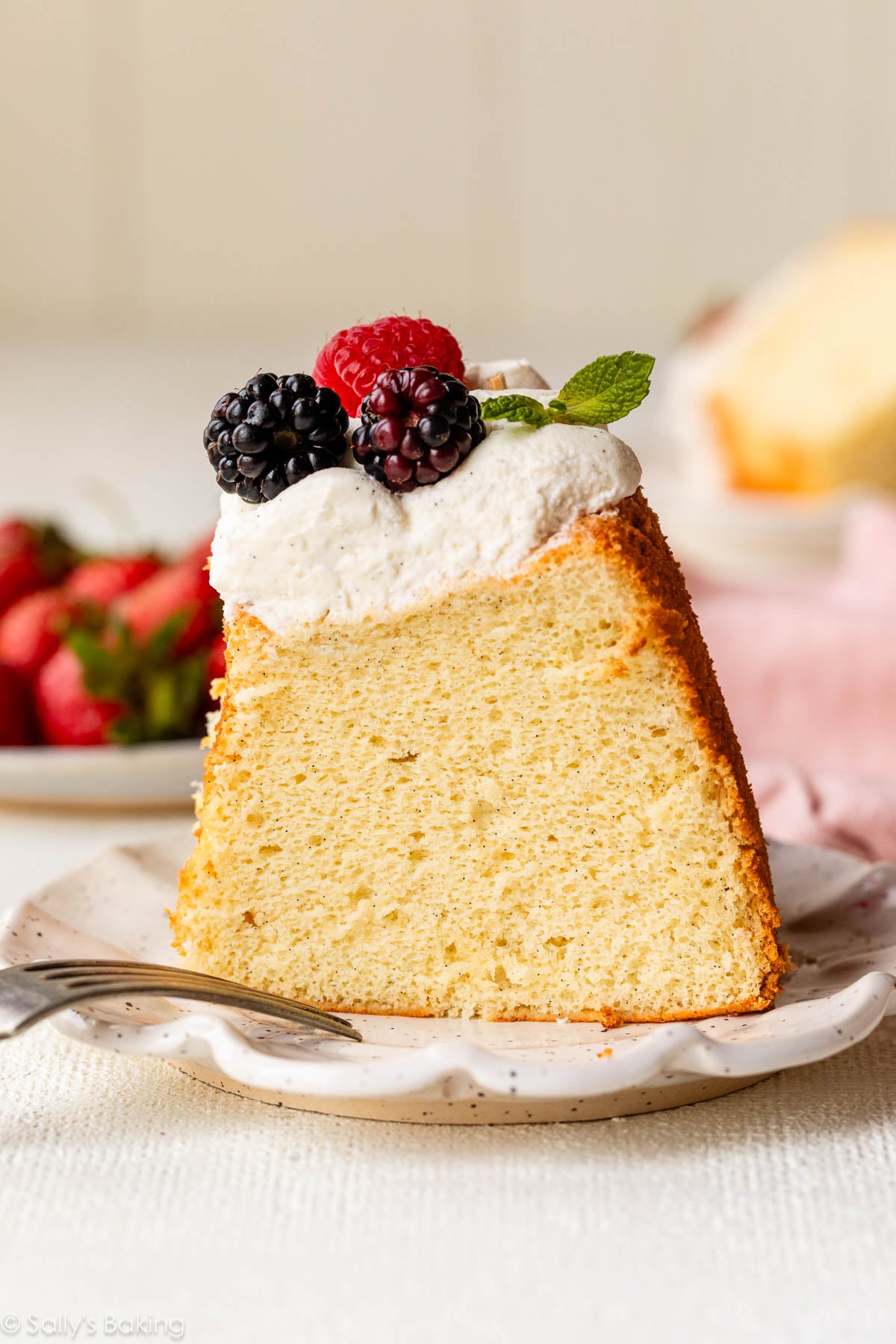
In conclusion, the chiffon cake remains a triumph of culinary engineering. It is an invitation to slow down, measure precisely, and respect the delicate balance of ingredients—a process that ultimately yields one of the most rewarding and sophisticated experiences a baker can provide.