In the landscape of modern home cooking, the struggle to balance time, budget, and flavor is a constant battle. Between the frantic pace of the work week and the rising costs of grocery staples, families are increasingly turning away from complicated, labor-intensive meals in favor of "one-dish wonders." Enter the Taco Casserole—a culinary bridge between the festive, communal joy of traditional taco night and the efficiency required by a busy lifestyle.
By deconstructing the taco into a layered, baked format, home cooks can achieve the same Tex-Mex profile without the repetitive assembly line of individual tortillas. This dish has emerged as a cornerstone of budget-conscious, high-reward home dining, proving that a satisfying, restaurant-quality meal is possible for as little as $1.70 per serving.
The Evolution of the Taco: From Street Food to Casserole
The traditional taco, while a staple of global cuisine, is inherently a "build-your-own" experience. While this allows for customization, it often leaves the cook tethered to the stove, frying or warming tortillas and managing individual components while the rest of the table waits. The Taco Casserole shifts this paradigm.
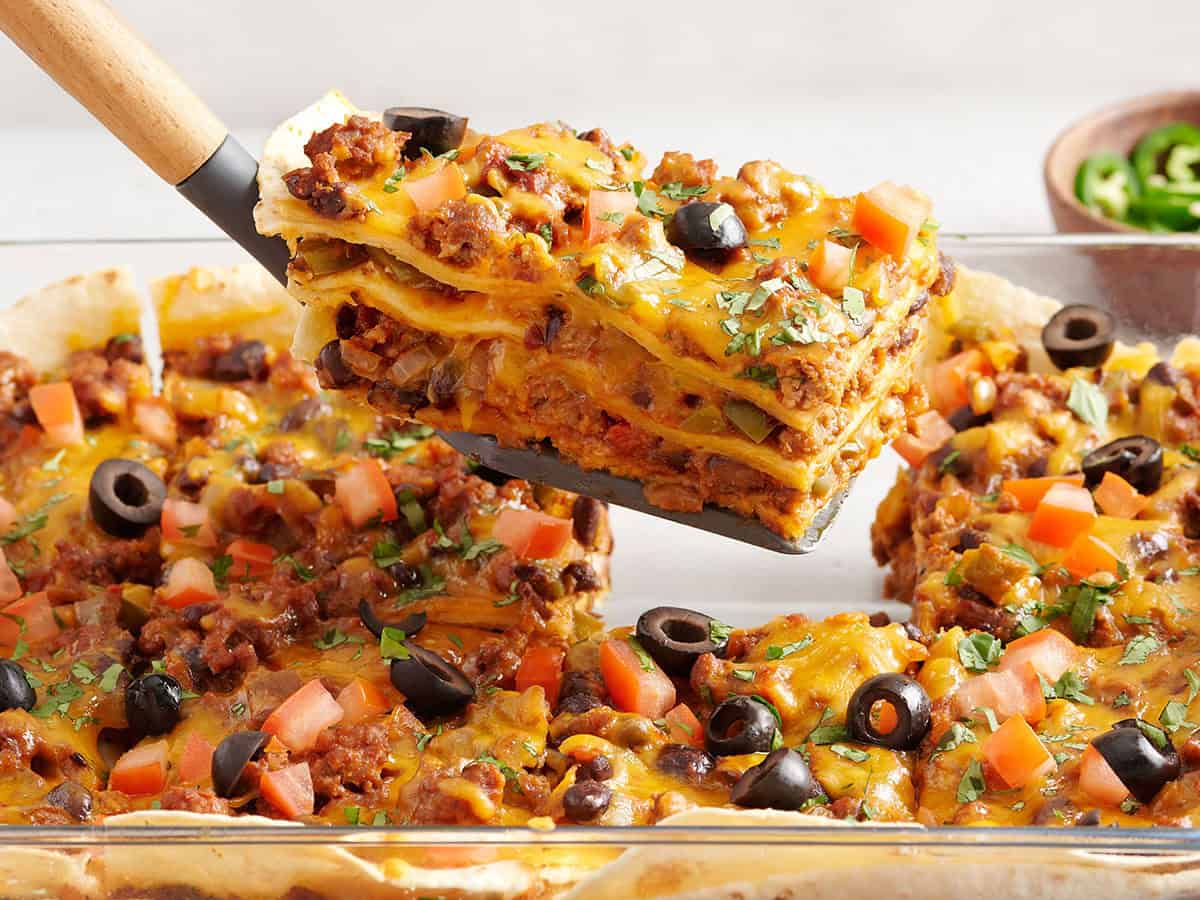
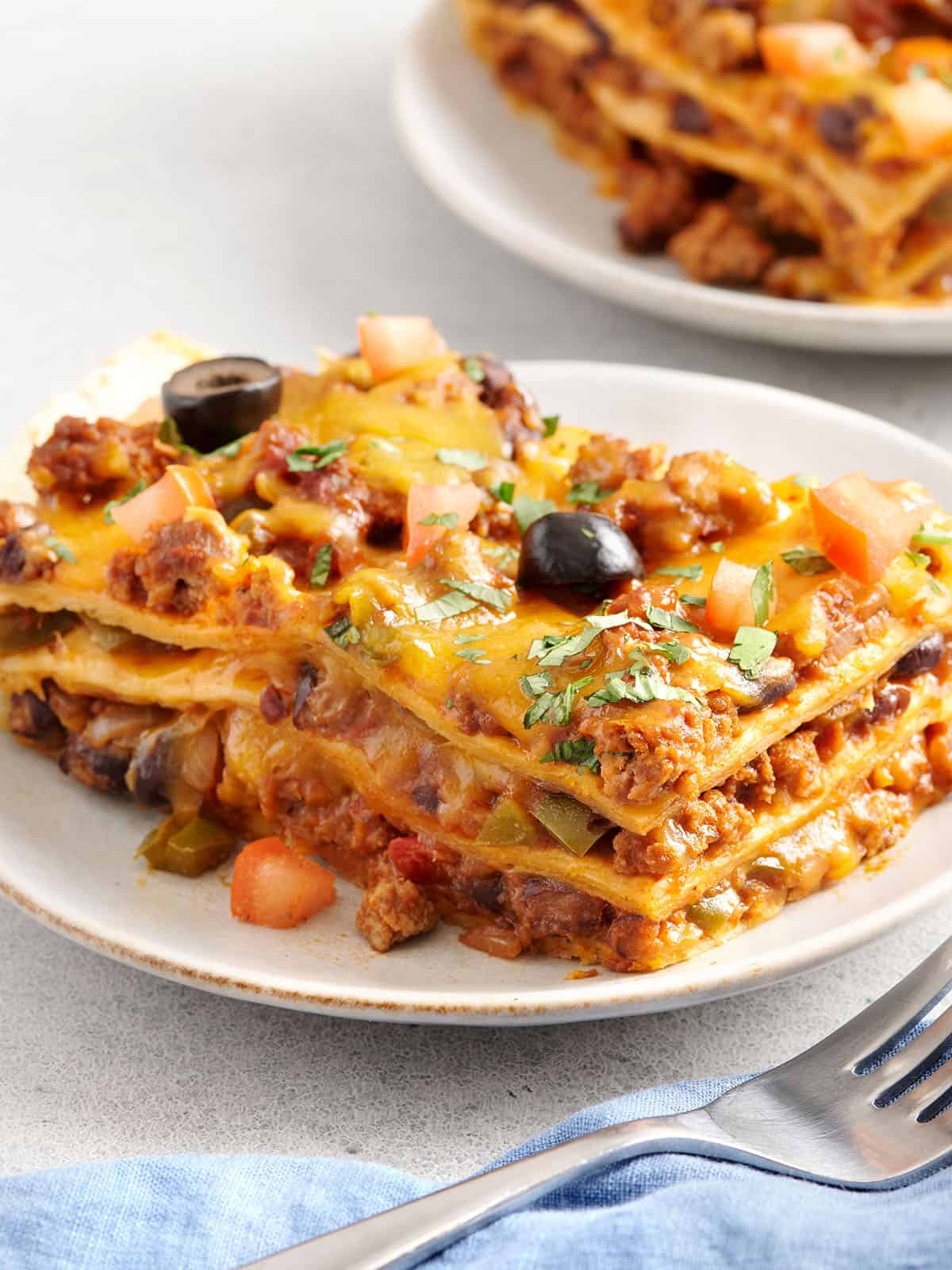
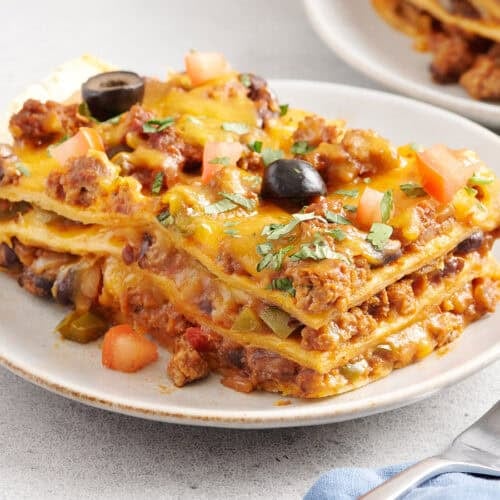
By stacking flour tortillas with a robust, protein-heavy filling and generous layers of cheese, the dish transforms into a cohesive, sliceable comfort food. This method allows the flavors—seasoned beef, black beans, and zesty salsa—to meld during the baking process, creating a depth of flavor that is often lost in individual tacos. The result is a hearty, 45-minute dinner that feeds eight, making it an ideal candidate for large families or meal-prep enthusiasts.
Chronology of Preparation: The 45-Minute Workflow
The efficiency of this recipe lies in its streamlined preparation. Unlike slow-cooked stews or complex roasts, the taco casserole is designed for rapid execution.
Phase 1: The Flavor Base (Minutes 0–15)
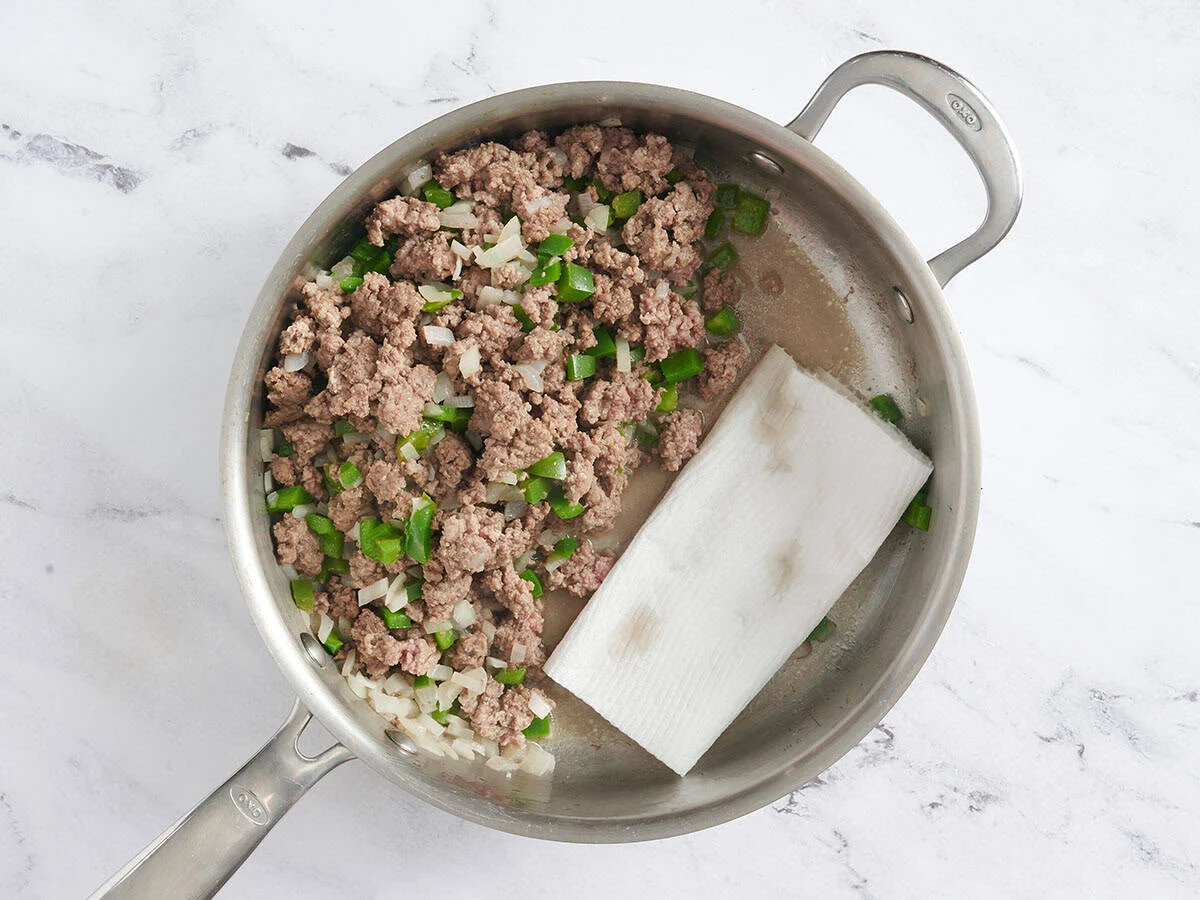
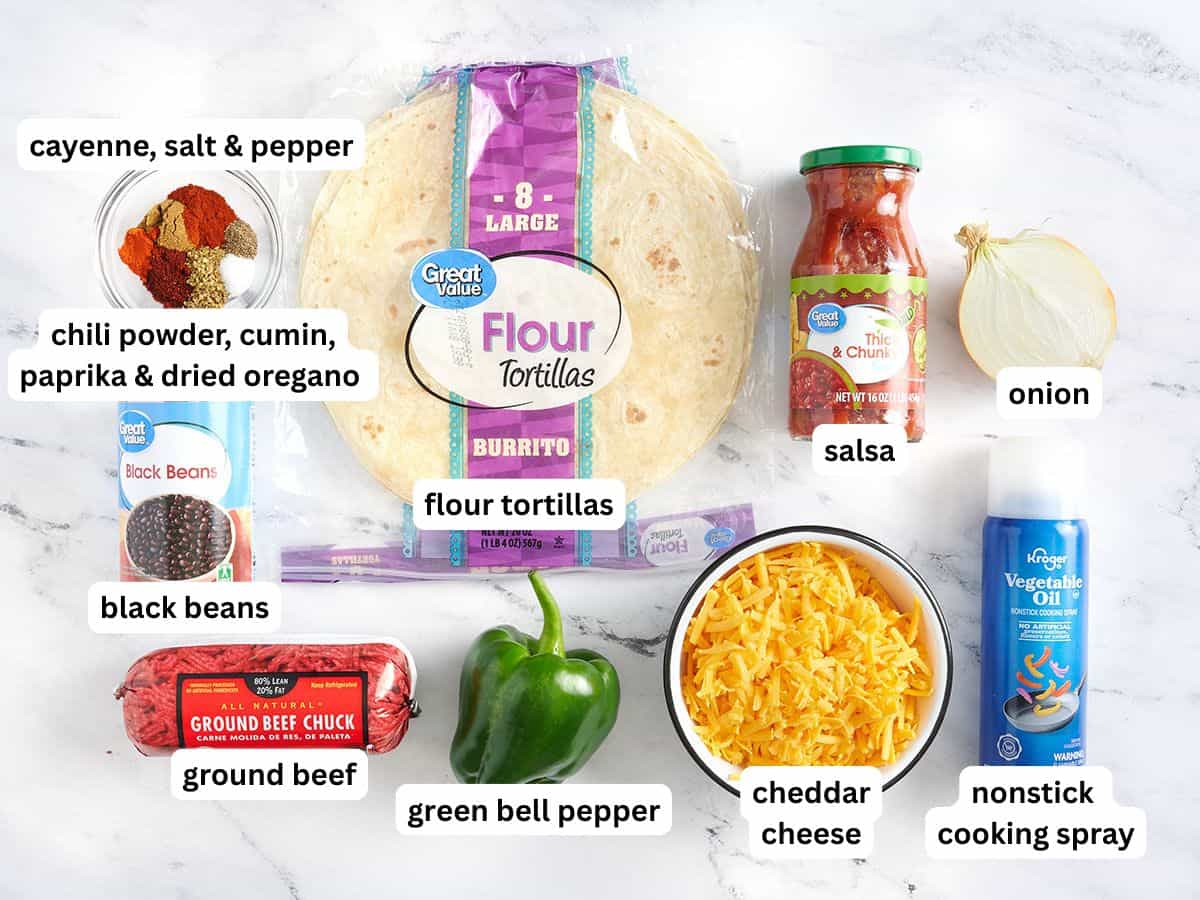
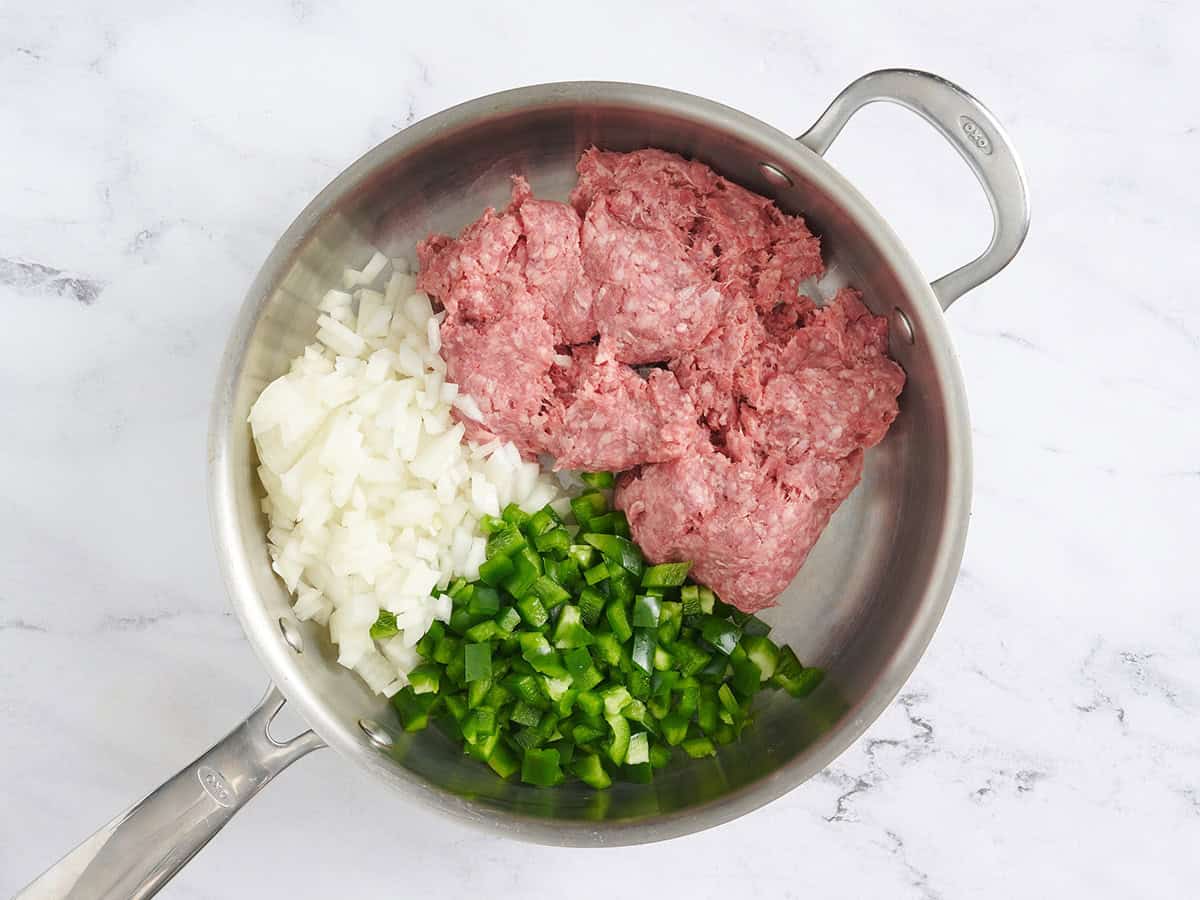
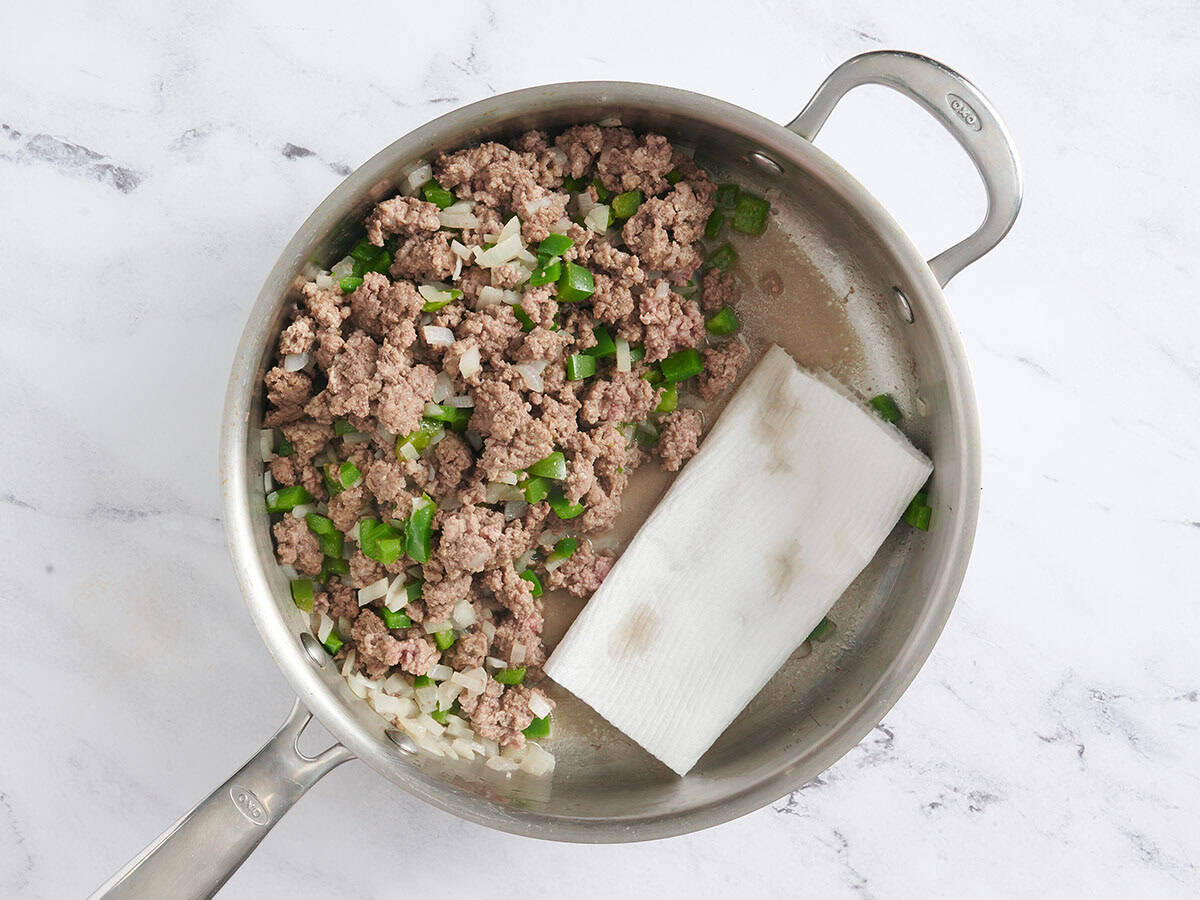
The foundation of the dish begins in a medium skillet. One pound of 80/20 ground beef is browned with finely diced onions and green bell peppers. The goal here is not just cooking, but building texture. Once the meat is browned and the vegetables are tender, any excess fat is carefully drained or blotted—a crucial step for maintaining the integrity of the layers and preventing the tortillas from becoming overly soggy.
Phase 2: The Spice Infusion (Minutes 15–20)
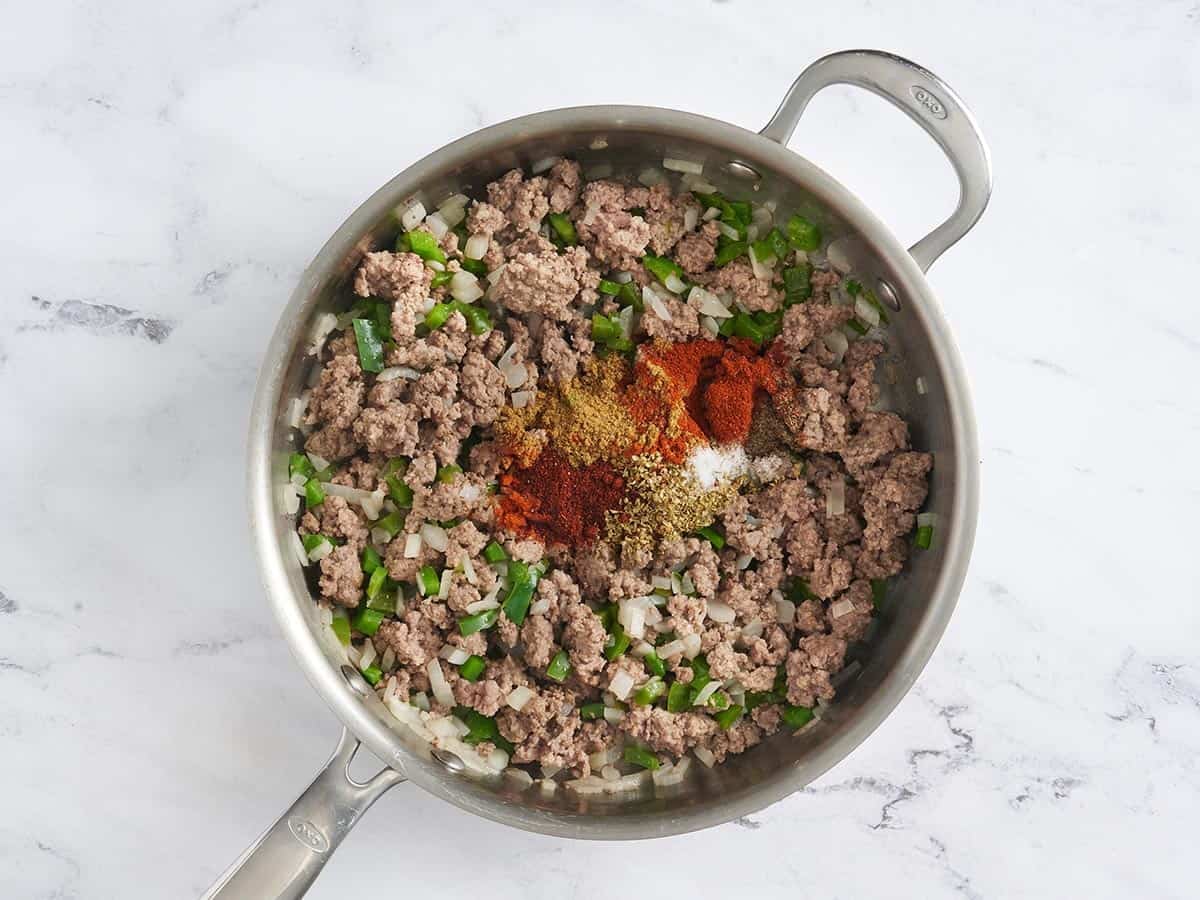
Rather than relying on store-bought packets filled with preservatives, the recipe utilizes a custom blend of pantry staples: chili powder, cumin, paprika, oregano, cayenne, salt, and black pepper. By toasting these spices directly with the beef and vegetables for one minute, the cook releases the volatile oils, resulting in a more vibrant, aromatic profile.
Phase 3: The Binding Agent (Minutes 20–25)
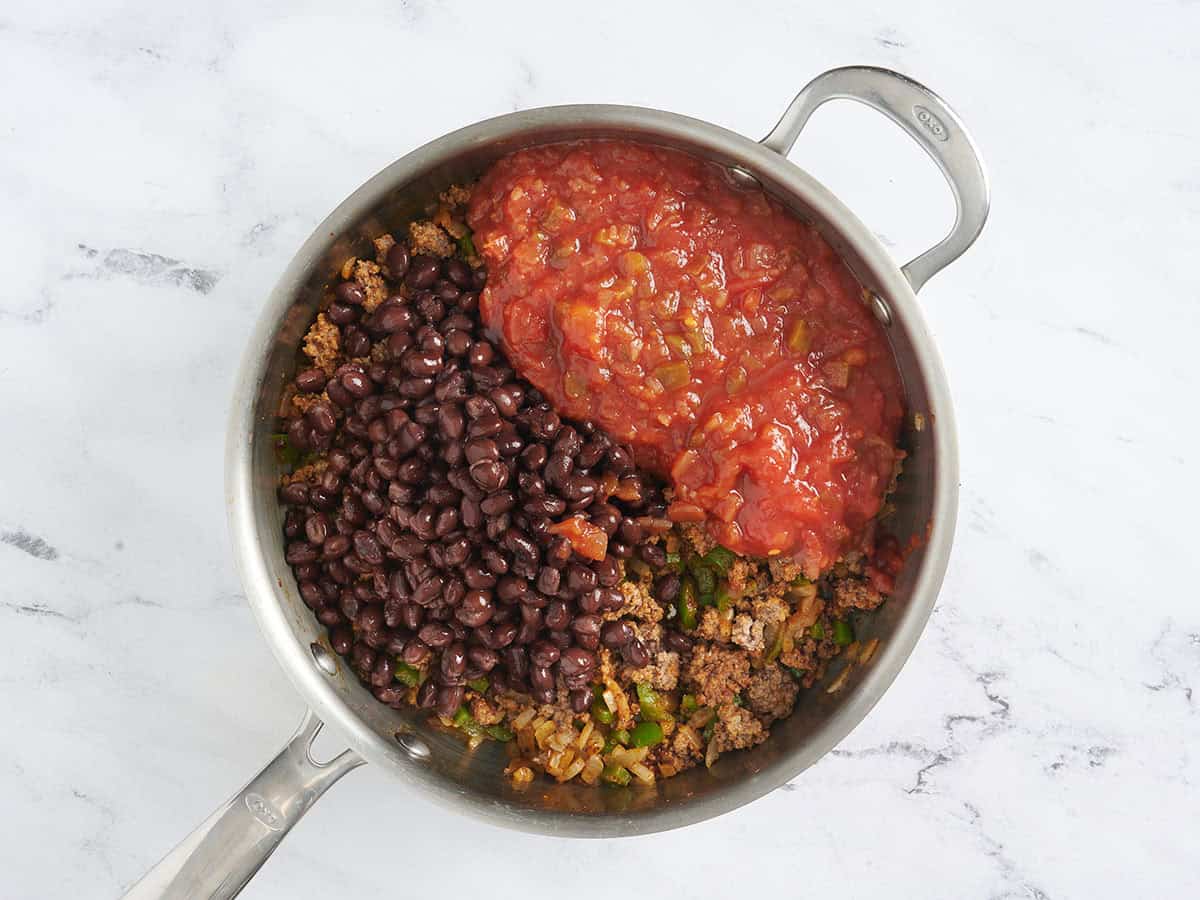
A 16-ounce jar of thick, chunky salsa is introduced alongside a 15-ounce can of black beans. The secret to success here is reduction; the mixture is simmered until the liquid is fully incorporated into the beef and beans. When a spatula leaves a clean, dry trail through the skillet, the filling is ready.
Phase 4: Construction and Baking (Minutes 25–45)
The assembly is methodical: a layer of tortillas, a portion of the beef filling, and a sprinkle of cheddar cheese. This is repeated to create three distinct layers. A 20-minute stint in a 350°F oven serves to melt the cheese and crisp the edges of the top tortilla, resulting in a golden-brown finish that offers a satisfying crunch against the soft, savory center.
Supporting Data: Why It Works
The popularity of the Taco Casserole is backed by both nutritional balance and economic viability.
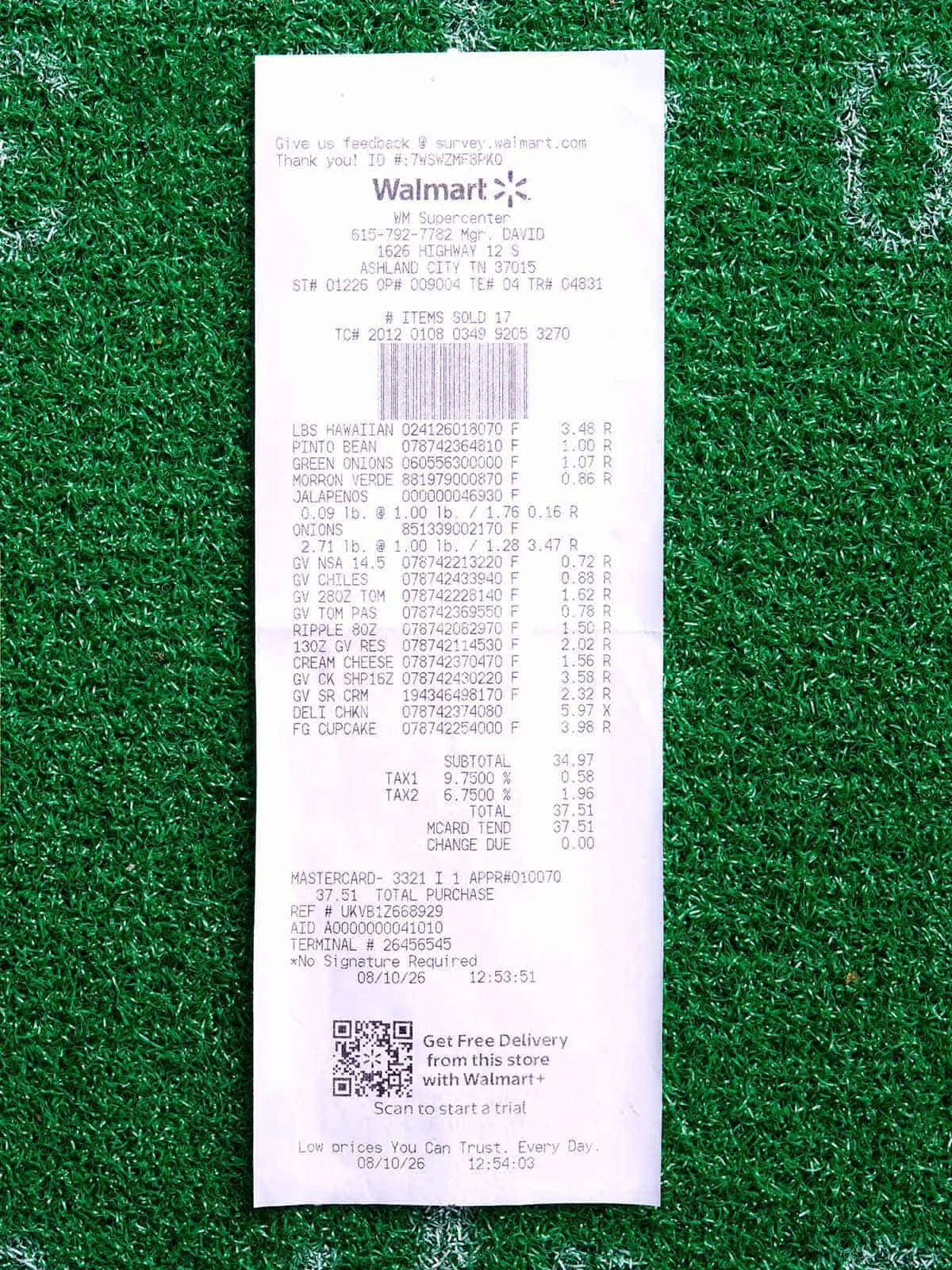
- Economic Impact: At a total cost of approximately $13.62 for a recipe that serves eight, the $1.70 per serving price point makes it one of the most cost-effective dinner options in a modern household.
- Nutritional Profile: Each serving provides roughly 425 calories, 24 grams of protein, and 7 grams of fiber, largely driven by the inclusion of lean ground beef and black beans. This profile makes it a satiating meal that avoids the "empty calorie" trap often associated with convenience foods.
- Versatility: The recipe is highly adaptable. While ground beef is the traditional choice, the structure holds up equally well with ground chicken, turkey, or even plant-based meat substitutes, allowing cooks to pivot based on dietary needs or pantry availability.
Expert Insight: Tips from the Nashville Test Kitchen
Recipe development experts emphasize that the success of this casserole depends on moisture management.
"The most common failure in a casserole of this type is excess moisture," says lead recipe developer Melissa Nolan. "Using a ‘thick and chunky’ salsa is non-negotiable. If you use a thin, watery salsa, the bottom layer of tortillas will fail to hold their structure."
Furthermore, the team advises against pre-assembling the casserole. Because tortillas act as sponges, they will absorb the salsa and soften significantly if left in the refrigerator for extended periods before baking. To achieve the best results, developers recommend preparing the filling and shredding the cheese in advance, storing them in separate airtight containers, and assembling the layers immediately before they hit the oven.
Implications for the Home Cook
The Taco Casserole represents a broader shift toward "intelligent convenience." As food costs remain a concern for the average family, the ability to stretch one pound of protein into eight substantial servings is a vital skill.
Beyond the economics, the dish addresses the social aspect of dining. By setting out a variety of fresh toppings—diced tomatoes, cilantro, green onions, black olives, and avocado—the cook transforms the dinner into an interactive experience. This allows individual diners to customize their own slice, effectively solving the "picky eater" problem without requiring the host to cook multiple meals.
Looking Ahead: Storage and Sustainability
While the casserole is best enjoyed fresh, it demonstrates remarkable longevity. Leftovers can be stored for 3–4 days in the refrigerator. For those interested in long-term storage, freezing individual portions is recommended over freezing the whole dish, as it allows for easier thawing and reheating.
The dish also serves as a perfect base for "next-day" transformations. Reheated slices can be crumbled into a bowl with fresh greens for a taco salad, or even used as a filling for breakfast burritos the following morning.
In a world of increasingly complex culinary trends, the Taco Casserole stands as a testament to the power of simplicity. By utilizing foundational cooking techniques—browning, toasting spices, and controlled reduction—the home cook can create a meal that is as reliable as it is delicious, proving that you don’t need a professional kitchen to turn an ordinary night into a celebration.