NEW YORK — French gastronomy has long labored under an intimidating reputation. For generations, home cooks across the globe have associated the cuisine of France with ultra-precise knife skills, endless copper pots, hours of simmering stocks, and an air of unrelenting culinary snobbery.
Yet, according to prominent cookbook author and food writer Erin Clarke, that perception couldn’t be further from the truth.
Drawing from a quarter-century of culinary travels throughout France, Clarke is on a mission to dismantle the myth of the "fussy" French kitchen. Her latest culinary innovation—a clever, time-saving twist on the traditional Alsatian onion tart—aims to prove that some of the world’s most sophisticated and deeply satisfying flavors originate from the humblest of pantry staples.
Main Facts: The Beauty of Simplicity and the Humble Onion
At the core of Clarke’s culinary philosophy is a simple premise: French cooking is not exclusively about elaborate sauces or caviar-topped canapés. Instead, its true genius lies in transformative alchemy—the ability to take everyday, unpretentious ingredients and elevate them into extraordinary culinary centerpieces through patience, technique, and respect for flavor.
No ingredient exemplifies this philosophy better than the humble onion.
"French cooking has the reputation of being fussy—and some of it is," Clarke notes, reflecting on her extensive travels across the French countryside over the last 25 years. "I’ve traveled all over France, however, and I can tell you that much of it really is simple. In fact, the French dishes I love most are the ones that transform a humble ingredient, like onions, into something special."
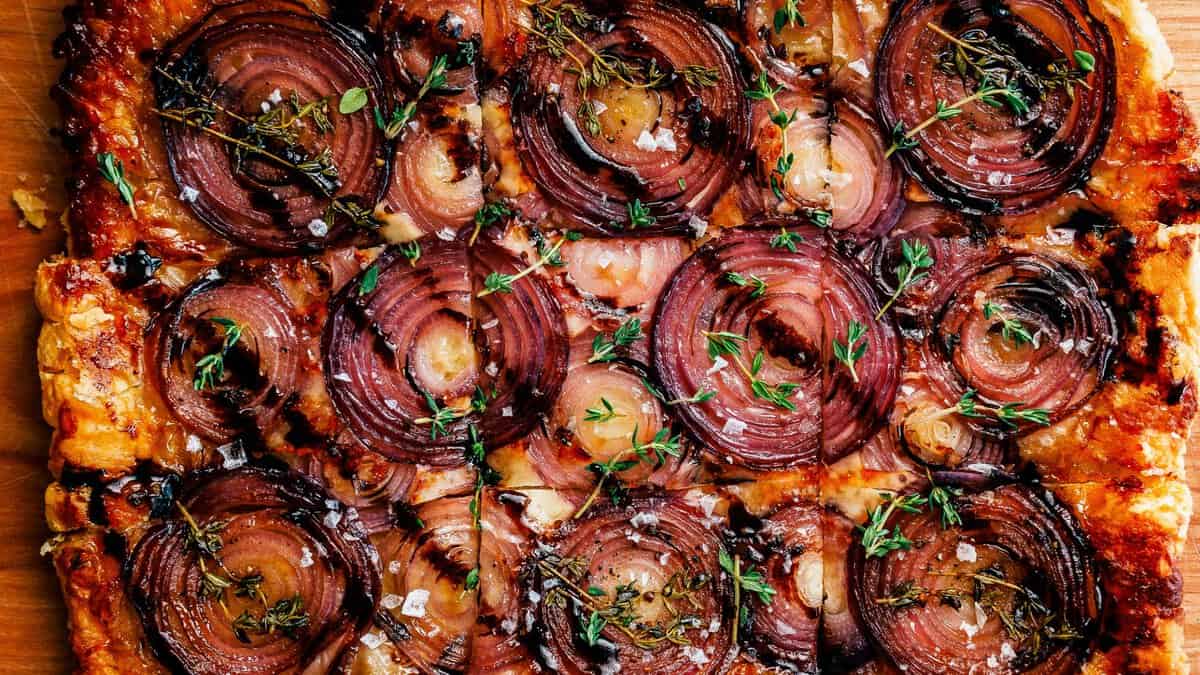
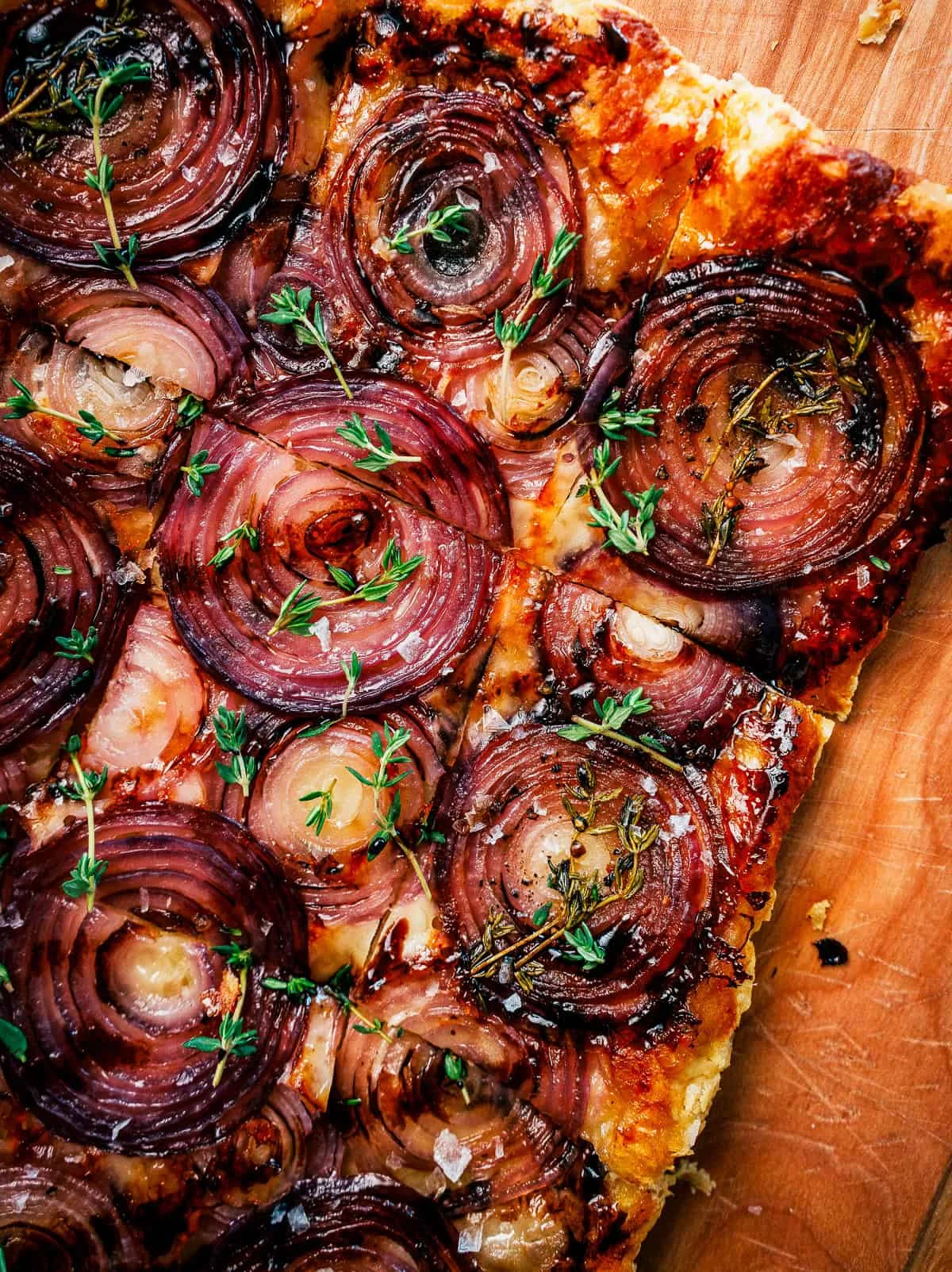
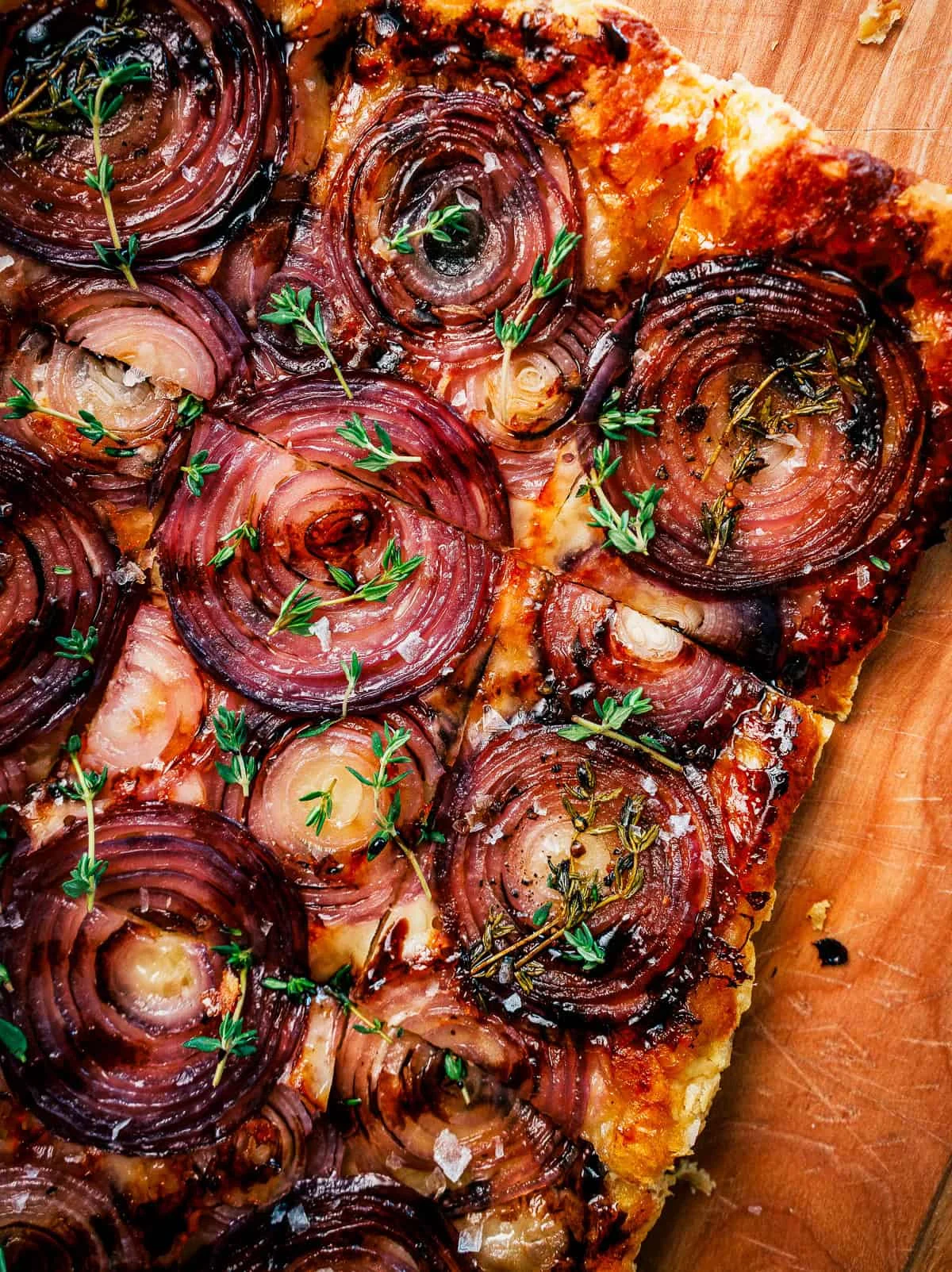
A prime example of this phenomenon is tarte à l’oignon, a regional specialty of the picturesque Alsace region in northeastern France. When Clarke visited the area, she fell instantly in love with the rustic pastry. Composed of little more than pastry dough, onions, cheese, and cream, the dish delivers a flavor profile that is nothing short of spectacular.
Similarly, classic French onion soup relies on the most basic elements—onions, broth, bread, and melted cheese—yet yields a depth of flavor so complex and deeply satisfying that it remains a timeless global favorite.
Chronology: A Culinary Evolution Inspired by Travel
Clarke’s journey toward simplifying French classics did not happen overnight; it is the culmination of decades of immersion in European food culture.
- The 2000s—Present: Over the span of 25 years, Clarke embarked on repeated culinary expeditions across various regions of France, studying local techniques, visiting neighborhood boulangeries, and dining in provincial bistros. It was during these travels that she realized the massive disconnect between how French people actually eat at home and how French cuisine is perceived abroad.
- The Alsace Discovery (Last Year): During a trip to the Alsace region, Clarke encountered authentic tarte à l’oignon. This traditional tart cemented her fascination with allium-based comfort foods and sparked the idea to create an accessible, American home-kitchen adaptation.
- The Viral Upside-Down Trend (Recent Months): Capitalizing on the viral success of upside-down pastry trends—such as her popular Upside-Down Apple Tart—Clarke began experimenting with reverse-engineering savory tarts, paving the way for her revolutionary quick-caramelized onion tart technique.
- Present Day: Clarke continues to publish approachable recipes via her platform Well Plated, bridging the gap between professional culinary techniques and the time-constrained realities of modern home cooks.
Supporting Data & Culinary Science: Hacking Caramelization
To understand the genius of Clarke’s latest recipe, one must understand the science of the onion.
The secret to unlocking an onion’s natural sweetness and complex flavor profile is caramelization—the slow breakdown of natural sugars under steady heat. However, traditional caramelization is notoriously labor-intensive.
The Time Barrier of Traditional Methods
In a standard French kitchen, caramelizing onions properly requires:

- Slicing large quantities of onions evenly.
- Sautéing them over low-to-medium heat in butter or oil.
- Stirring constantly or frequently for anywhere from 30 minutes to a full hour to prevent burning while the moisture evaporates and sugars brown.
For busy weeknight cooks, dedicating an hour simply to coaxing raw onions into golden submission is often a dealbreaker.
Clarke’s Time-Saving Method
To "cheat the clock" without sacrificing flavor, Clarke engineered a brilliant inversion technique:
- Precision Slicing: Onions are sliced ultra-thin using a mandoline to ensure uniform cooking and rapid moisture release.
- Artificial Sweetening Support: A light drizzle of honey is added to the baking sheet to mimic and accelerate the natural caramelized sugars.
- The Upside-Down Assembly: Instead of cooking the onions on the stove and then transferring them to a crust, the raw, honey-kissed onions are laid directly onto the baking sheet first.
- Puff Pastry on Top: Store-bought or prepared puff pastry is layered directly on top of the onion bed.
- Simultaneous Baking & Caramelizing: As the tart bakes in the oven, the onions caramelize against the hot pan underneath the pastry crust.
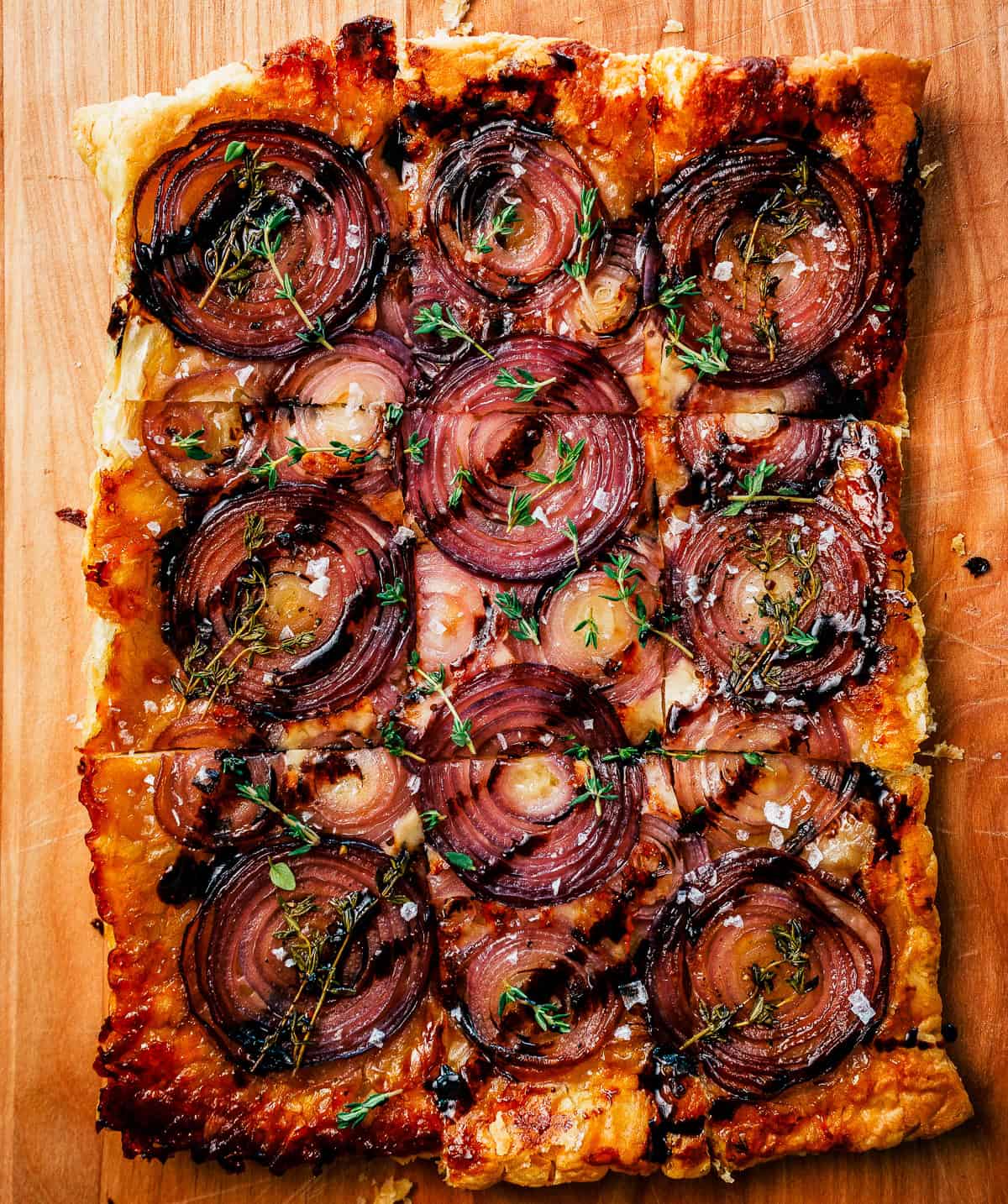
- The Reveal: Once baked, the entire tart is flipped upside down, revealing a glossy, perfectly caramelized onion topping atop a flaky, golden-brown crust.
"It works like a dream!" Clarke says, noting that the technique delivers the decadent taste of slow-cooked French onion dishes in a fraction of the time.
Official Responses and Industry Reception
As food media and home cooks alike react to Clarke’s modern spin on French classics, the culinary community has responded with widespread enthusiasm.
Professional chefs and food bloggers have praised the recipe for lowering the barrier to entry for complex-tasting French cuisine. By utilizing modern kitchen tools—such as the mandoline—and leveraging smart baking physics (upside-down sheet pan baking), home cooks no longer need formal culinary school training to achieve restaurant-quality results.
"People are intimidated by French cooking because they think they need to spend all day chained to a stove," says a prominent food industry analyst. "What Erin Clarke is doing is cutting through the intimidation factor. She is respecting the integrity of French flavor profiles while adapting them for the reality of modern schedules."
Furthermore, culinary historians note that simplicity has always been the true backbone of French peasant food (cuisine bourgeoise and cuisine de terroir). Dishes like French onion soup and onion tarts were originally created by working-class citizens who had to make the most of inexpensive, locally available ingredients. In that sense, Clarke’s shortcut is not a departure from French tradition, but a return to its democratic roots.
Implications for the Modern Home Cook
The broader implication of Clarke’s work extends far beyond a single tart recipe. It represents a cultural shift in how home cooks approach global cuisine in the 21st century.
- Democratization of Gourmet Food: By proving that high-end flavor profiles can be achieved with smart shortcuts rather than arduous labor, home cooks are empowered to step out of their comfort zones.
- Reduction of Kitchen Intimidation: Simplifying techniques like caramelization encourages more people to cook from scratch, reducing reliance on heavily processed convenience foods.
- The Rise of "Smart Rusticity": Combining traditional flavor combinations (like caramelized onions, thyme, cheese, and pastry) with modern baking hacks (like sheet-pan inversions) points to a future where weeknight cooking can be both lightning-fast and deeply sophisticated.
For those eager to test the waters of French-style cooking without dedicating their entire evening to a stove, Clarke recommends starting with her streamlined French Onion Soup or diving straight into the fast-caramelized upside-down onion tart.
As Clarke herself proves, you don’t need to cross the Atlantic to experience the magic of French cuisine—you just need a sharp knife, a baking sheet, and a fresh perspective on the humble onion.