In an era of rising food costs and shrinking grocery budgets, the intersection of "gourmet quality" and "frugal accessibility" is often where the most significant culinary innovations occur. A prime example of this trend is the emergence of the Creamy Butternut Squash Orzo, a one-pot meal that has captured the attention of home cooks by offering a high-end restaurant experience for a remarkably low price point. At approximately $1.94 per serving, this dish challenges the notion that sophisticated, comforting, and nutrient-dense meals require a substantial financial investment.
Main Facts: The Anatomy of a Budget-Friendly Masterpiece
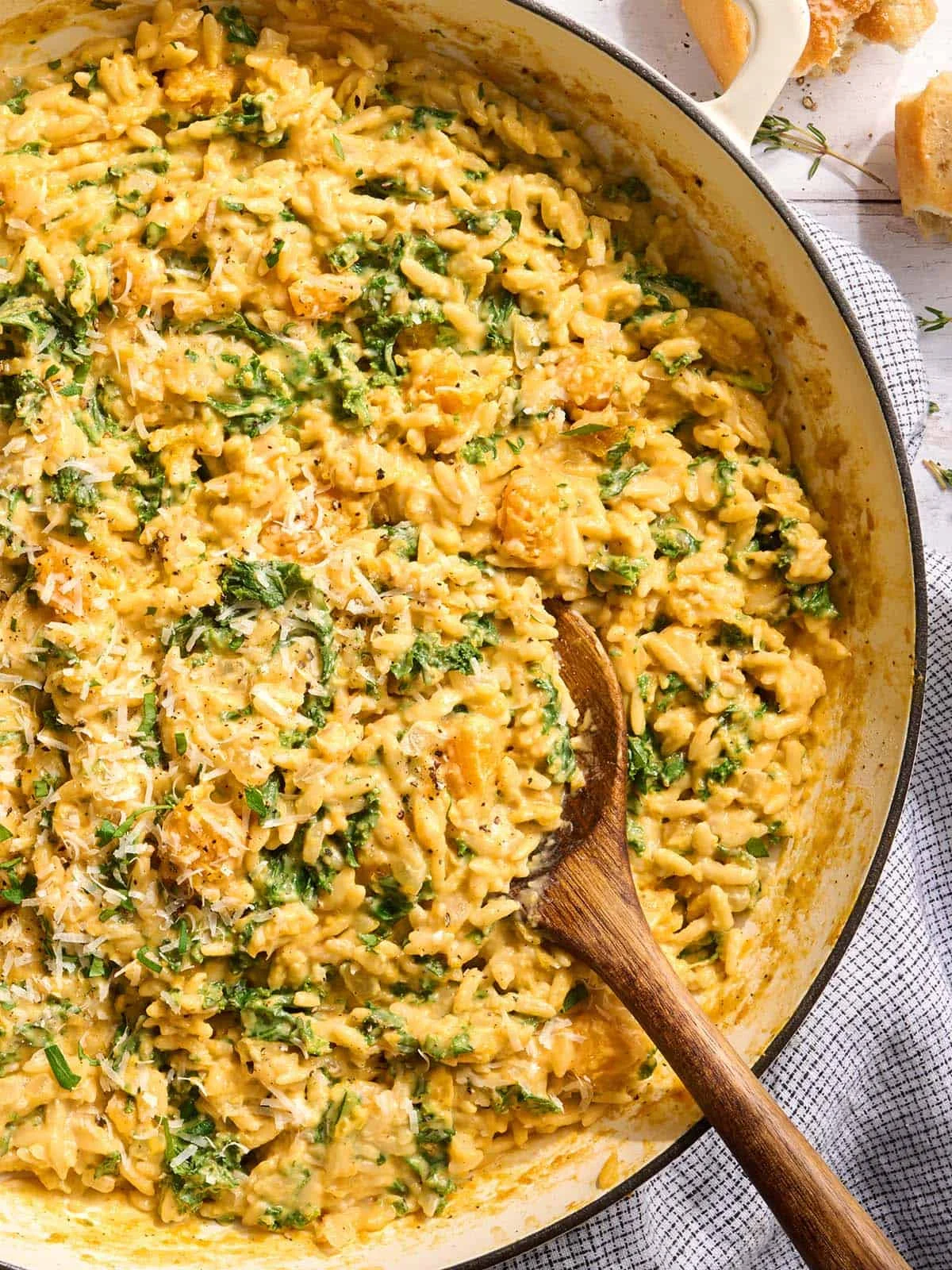
The Creamy Butternut Squash Orzo is not merely a pasta dish; it is a calculated exercise in texture and flavor balance. Developed in the rigorous environment of the Nashville Test Kitchen, the recipe serves as a masterclass in utilizing seasonal produce—specifically butternut squash—and pantry staples to achieve a level of richness usually reserved for laborious risotto preparations.
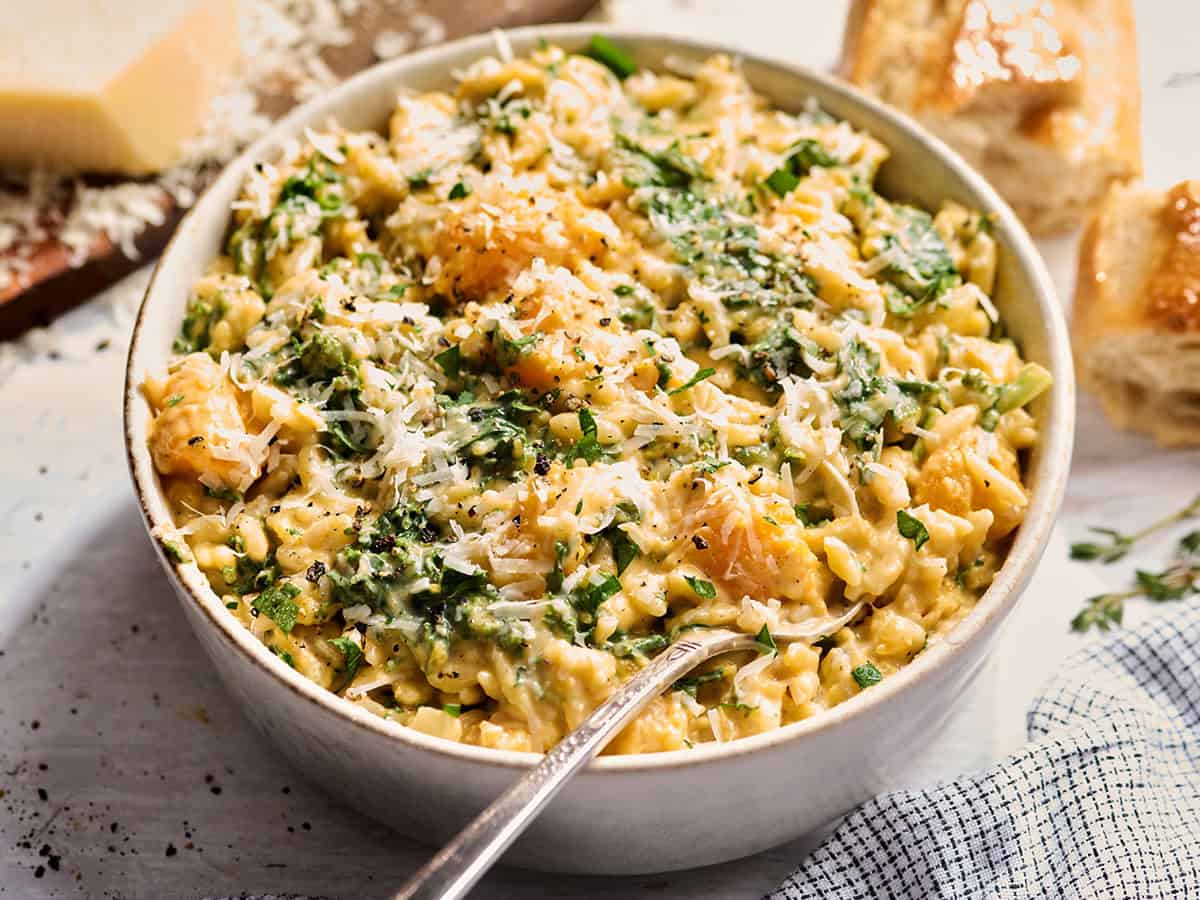
The dish is defined by four core pillars:
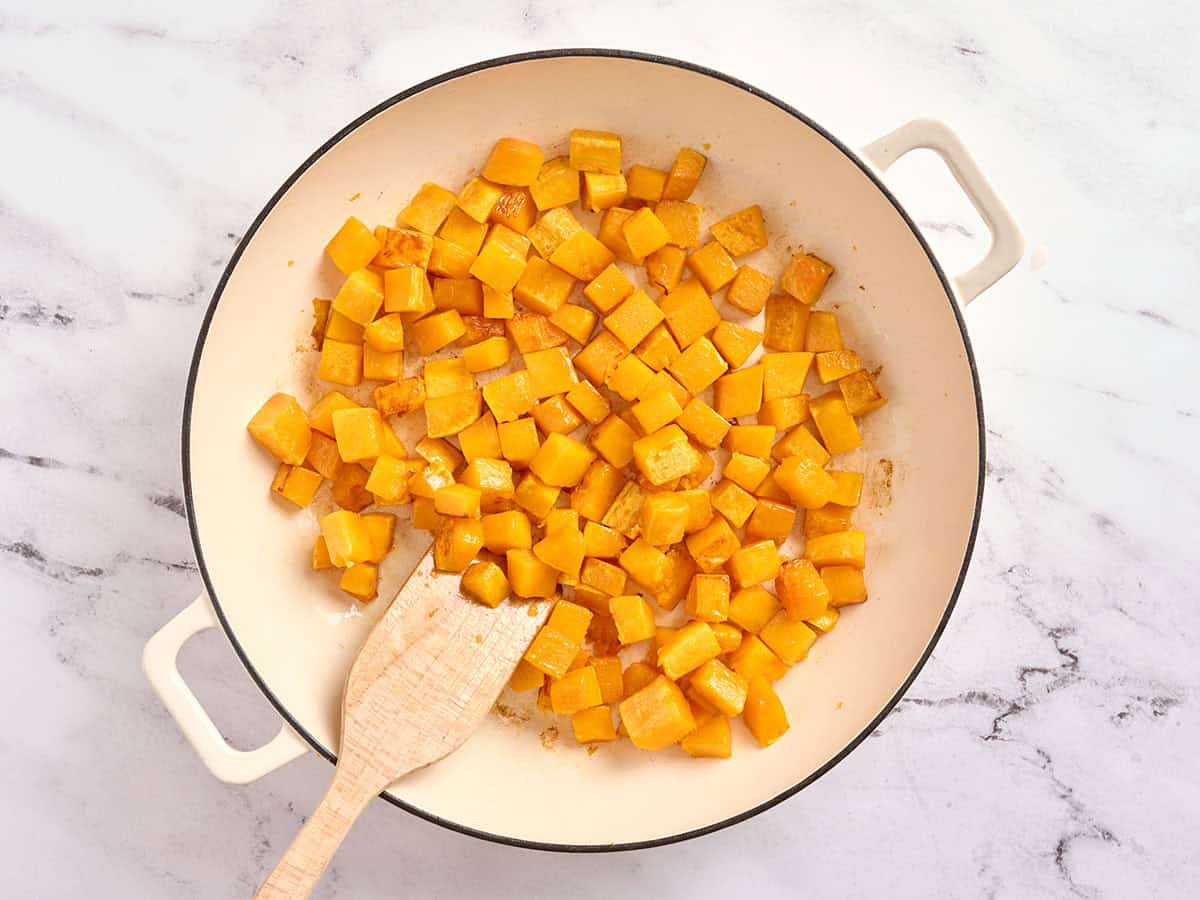
- The Squash Base: By browning the squash, the cook achieves a caramelized sweetness that provides a deep, earthy foundation for the sauce.
- The Orzo Technique: Utilizing the starch released by the orzo during the simmering process, the sauce achieves a velvety consistency without the need for excessive fats.
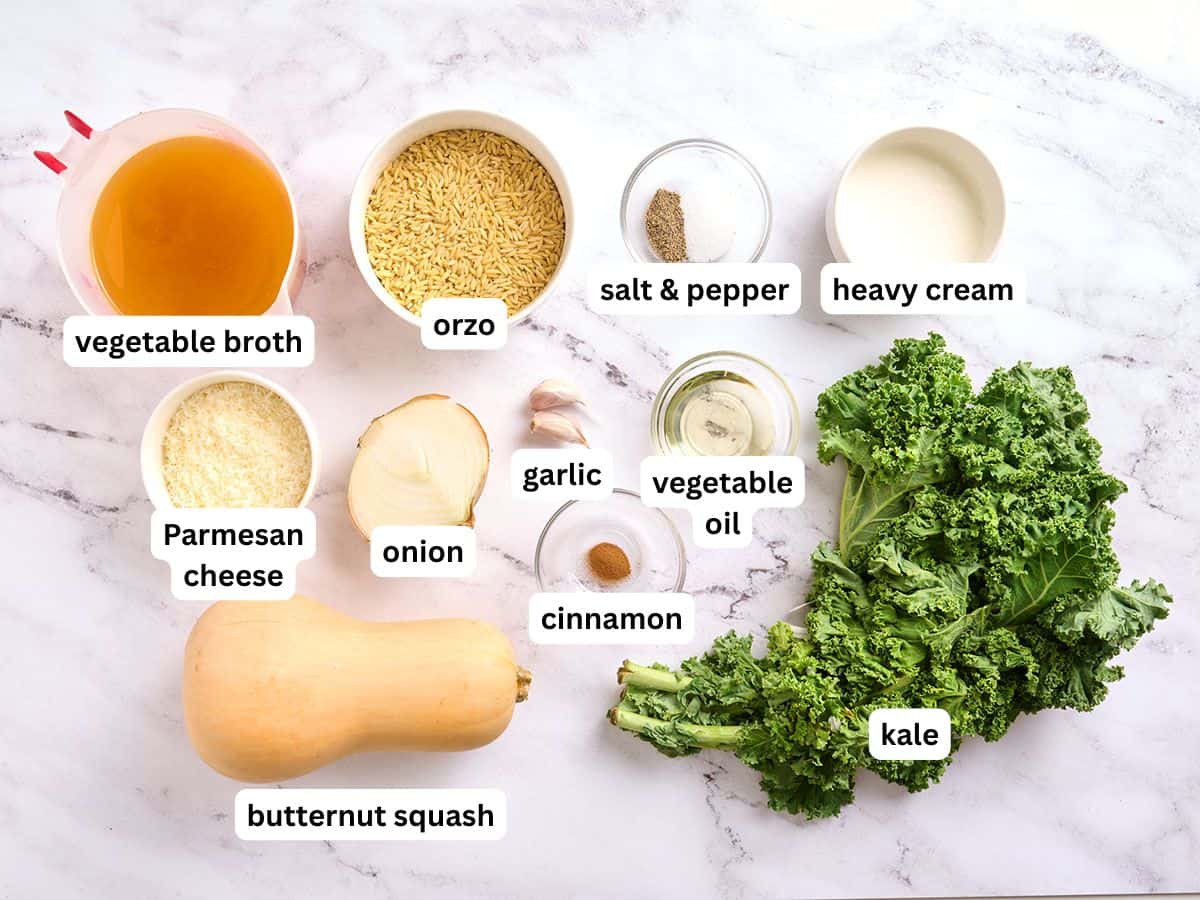
- Aromatic Complexity: A precise blend of sautéed onions, garlic, and a surprising, subtle hint of cinnamon elevates the profile from "simple pasta" to "autumnal comfort."
- Economic Efficiency: By relying on vegetable broth, affordable kale, and fresh Parmesan, the recipe keeps total costs at roughly $7.74 for a family-sized portion.
Chronology: The Evolution of a One-Pot Staple
The preparation of this dish follows a deliberate, methodical process designed to maximize flavor extraction within a single vessel. Understanding the chronology of the cooking steps is essential to mastering the recipe:
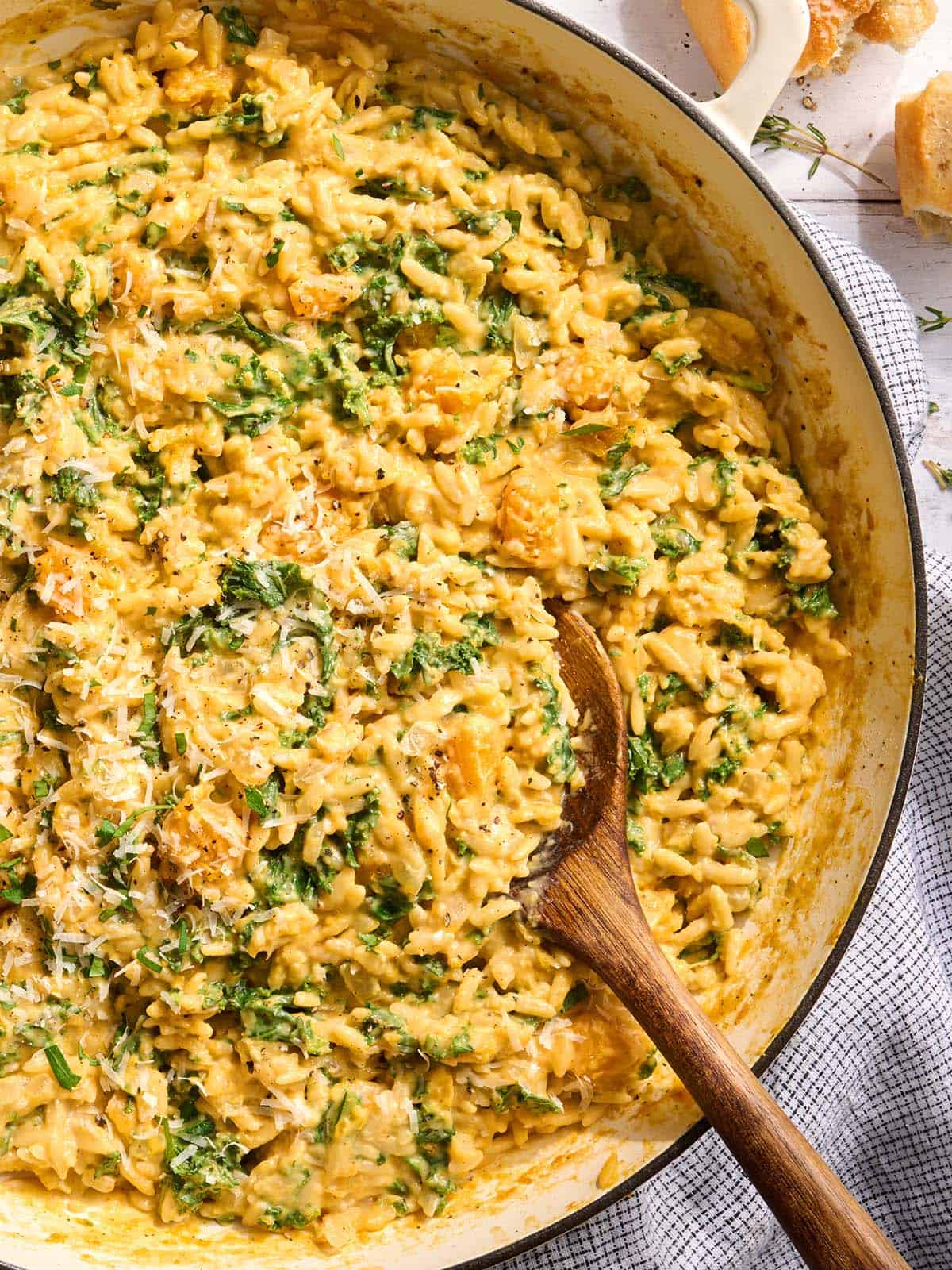
Phase 1: Preparation and Browning (Minutes 0–20)
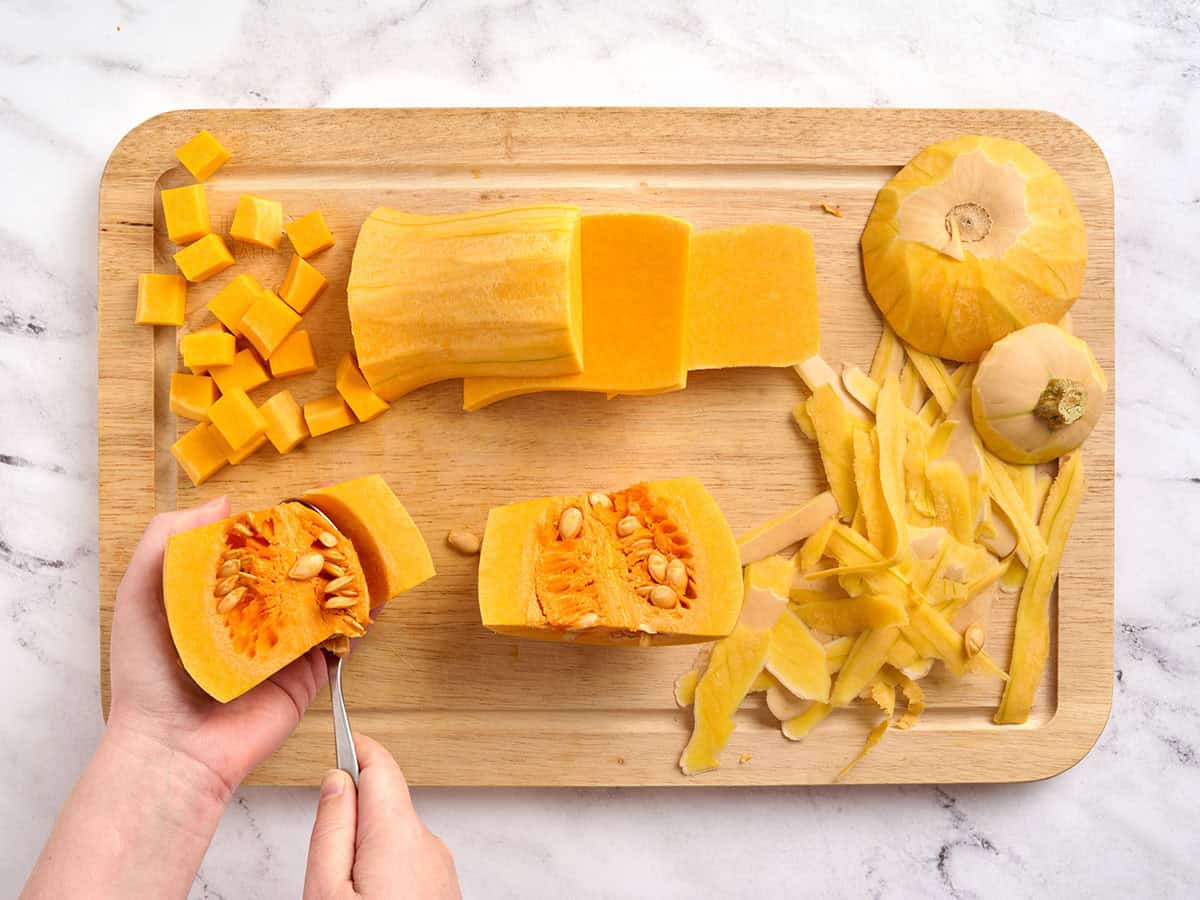
The process begins with the structural breakdown of the butternut squash. Chefs emphasize that peeling and dicing the squash into uniform cubes is the most labor-intensive step. Once prepared, the squash is sautéed in vegetable oil. The critical success factor here is the "browning phase." By allowing the squash to sit undisturbed in the pan for the first five minutes, the Maillard reaction creates the golden crust that defines the final flavor profile. A total of 15 minutes of browning is recommended to ensure the squash is soft enough to partially dissolve into the sauce later.
Phase 2: The Aromatic Build (Minutes 20–25)
Once the squash has achieved its golden hue, the aromatics—onions and garlic—are introduced. This step is designed to soften the onions and release the essential oils of the garlic, creating a fragrant base that will permeate the pasta.
Phase 3: The Simmer (Minutes 25–40)
With the orzo added to the pan, the dish enters its most important phase. The vegetable broth and seasonings are introduced, and the constant stirring begins. This is the "risotto-style" technique; the agitation of the pasta releases its starches into the broth, thickening it naturally. The squash cubes continue to break down, acting as a natural thickener.
Phase 4: Finishing Touches (Minutes 40–45)
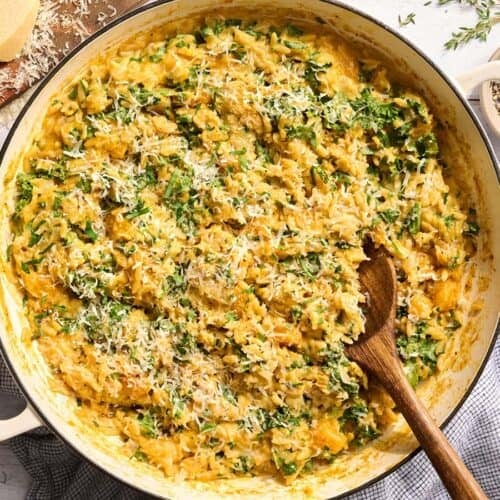
The final, and perhaps most distinct, step involves the addition of chopped kale, heavy cream, and a pinch of cinnamon. The kale provides a necessary textural contrast and a vibrant color pop, while the cream provides the final binding agent for the sauce. The result is a dish that mimics the mouthfeel of a high-end, cream-heavy Italian classic while remaining grounded in simple, accessible ingredients.
Supporting Data: Nutrition and Cost Analysis
For the budget-conscious consumer, transparency in pricing is vital. According to the internal metrics provided by the recipe developers, the dish is designed to feed four, with each serving coming in at roughly $1.94.
Nutritional Profile (Per Serving):
- Calories: 524 kcal
- Carbohydrates: 77g
- Protein: 15g
- Fat: 19g
- Fiber: 8g
These figures demonstrate that the dish is not only cost-effective but also provides a balanced macronutrient profile. The inclusion of kale adds essential micronutrients, while the orzo provides a sustained energy source through carbohydrates. The use of heavy cream and Parmesan ensures a high satiety factor, which is essential for "budget" meals that need to keep a family full without requiring excessive portions.
Official Perspectives: The Chef’s Philosophy
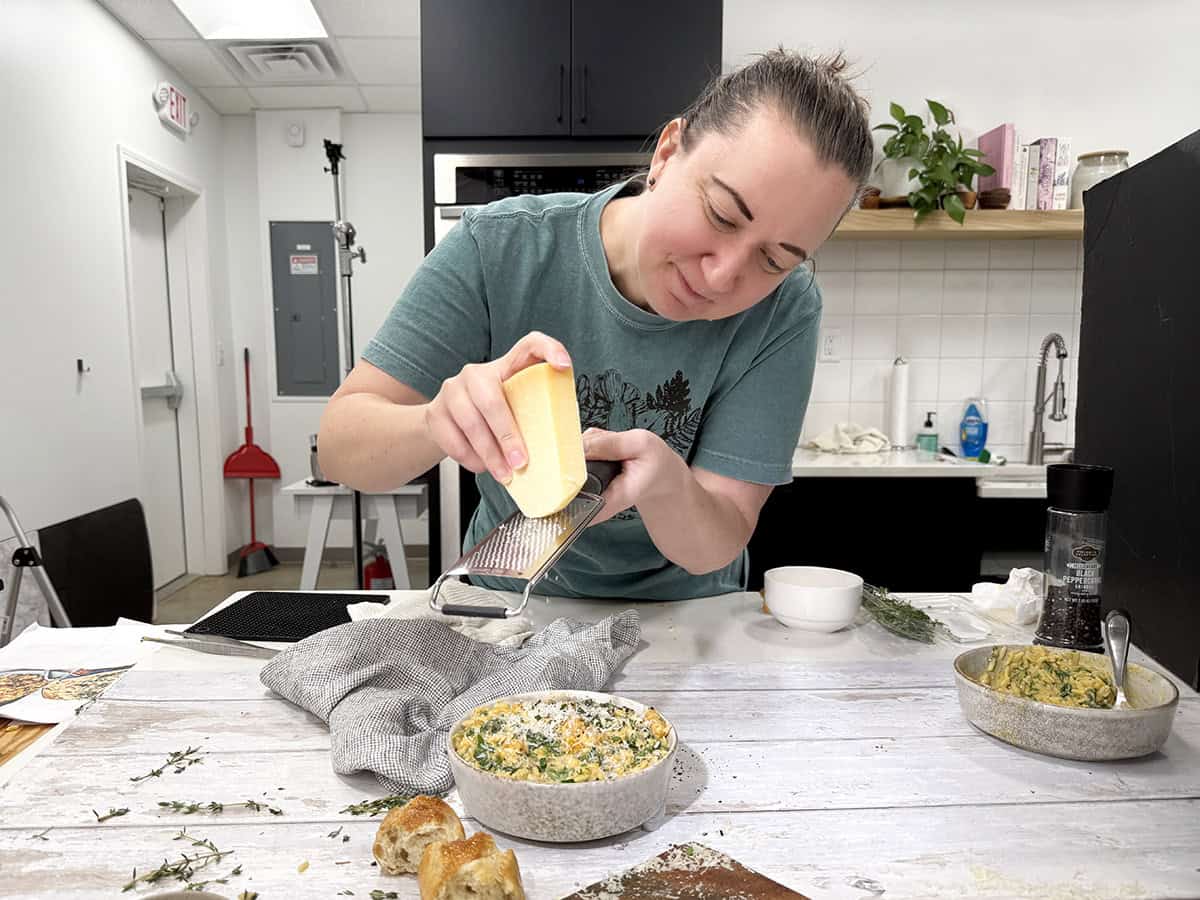
Melissa Nolan, the lead developer behind this recipe, notes that the goal of such dishes is to bridge the gap between "home cooking" and "restaurant-grade dining." Having trained at prestigious institutions like the Per Se restaurant in New York City, Nolan brings a high-level culinary background to the realm of home economics.
"The goal is to demystify fine dining," Nolan explains. "When you understand the science of starch release in pasta and the importance of properly caramelizing vegetables, you don’t need expensive cuts of meat to create a dish that feels special." The Nashville Test Kitchen emphasizes that every recipe is tested multiple times to ensure it can be replicated by a home cook with minimal equipment.
Implications: The Future of "Budget-Bytes" Cooking
The success of the Creamy Butternut Squash Orzo signals a broader shift in home food consumption. As inflation continues to impact grocery bills, consumers are increasingly seeking "low-cost, high-reward" recipes. This dish proves that:
- One-Pot Cooking is Resurgent: The simplicity of using one vessel appeals to the modern, busy household, reducing both the time spent cooking and the time spent cleaning.
- Seasonal Cooking Saves Money: By focusing on ingredients like butternut squash and kale, which are often at their lowest price points during the fall, consumers can eat high-quality food without paying premium prices for out-of-season produce.
- Technique Over Ingredients: This recipe demonstrates that a home cook can achieve superior results by employing professional techniques (like slow-simmering and proper sautéing) rather than relying on expensive pre-packaged or gourmet ingredients.
Strategic Variations and Adaptability
One of the most compelling aspects of this recipe is its adaptability. For those looking to further customize the dish based on dietary restrictions or personal taste, the developers offer several expert-backed modifications:
- Protein Additions: While the dish is a robust vegetarian meal, it can easily be elevated by adding seared chicken breast, pork chops, or even smoky bacon. The salinity of the bacon, in particular, cuts through the richness of the cream sauce.
- Dietary Adjustments: For those seeking a dairy-free or vegan version, the heavy cream can be swapped for a high-quality plant-based alternative. While the consistency may be slightly different, the base of the squash and pasta remains a strong foundation.
- Vegetable Swaps: If kale is unavailable or unappealing, spinach, Swiss chard, or collard greens are excellent alternatives. These hearty greens provide the same nutrient density and visual appeal.
- Pasta Flexibility: While orzo is the preferred choice for its unique, rice-like texture and starch content, other shapes like penne or rigatoni can be used. Note, however, that these larger shapes may require slight adjustments to the broth ratio to ensure the sauce coats the pasta adequately.
Final Verdict
The Creamy Butternut Squash Orzo serves as a reminder that sophisticated cooking is accessible to everyone. By prioritizing technique and seasonal, affordable produce, this dish transcends its "budget" label, offering a meal that is, in every sense, elevated. As more households look for ways to navigate the current economic climate without sacrificing the joy of a good meal, this one-pot wonder stands as a blueprint for the future of home cooking. It is a testament to the fact that with a little patience, a few simple ingredients, and a touch of culinary knowledge, anyone can create a masterpiece in their own kitchen.