CULINARY TRENDS — In the ever-evolving landscape of home cooking, few dishes evoke the immediate, profound comfort of a warm corn casserole. Often heralded as the softer, spoonable cousin of traditional cornbread, this beloved side dish has long been a staple of holiday spreads, Sunday suppers, and autumn potlucks across the United States.
However, a modern culinary shift is underway. While generations of home cooks have relied on convenience-driven shortcuts—most notably boxed cornbread mixes and canned creamed corn—a growing movement of food enthusiasts and culinary experts are returning to their roots. The latest recipe taking the culinary blogosphere by storm reimagines the classic dish from the ground up, utilizing fresh, whole ingredients while retaining the nostalgic, sweet-and-savory flavor profile that families have cherished for decades.
This comprehensive report examines the anatomy of this viral corn casserole recipe, tracing its preparation from scratch, analyzing its nutritional profile, exploring its versatility with ingredient substitutions, and detailing why it has quickly become an indispensable make-ahead side dish for autumn and holiday gatherings.
Main Facts: Deconstructing the Modern Corn Casserole
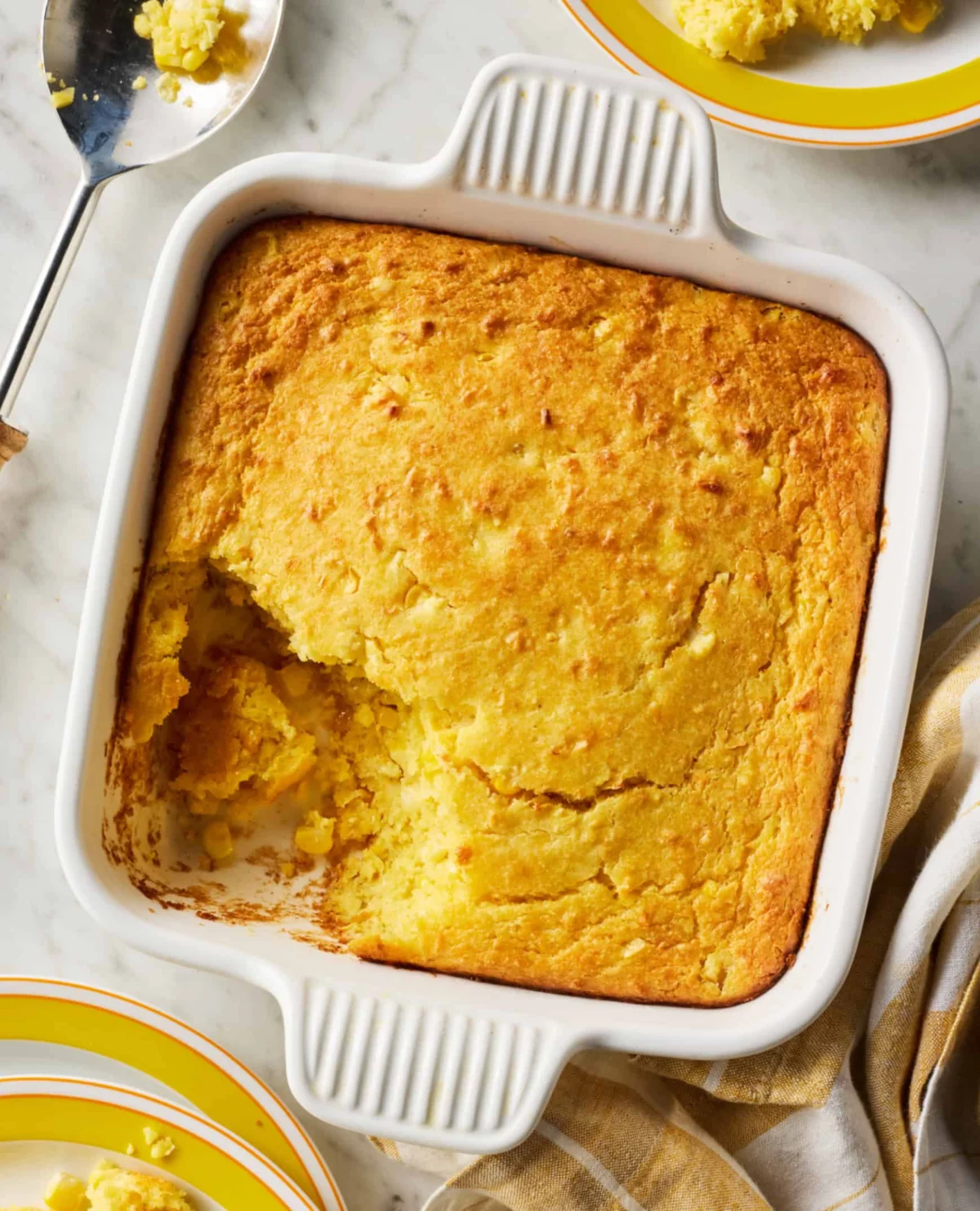
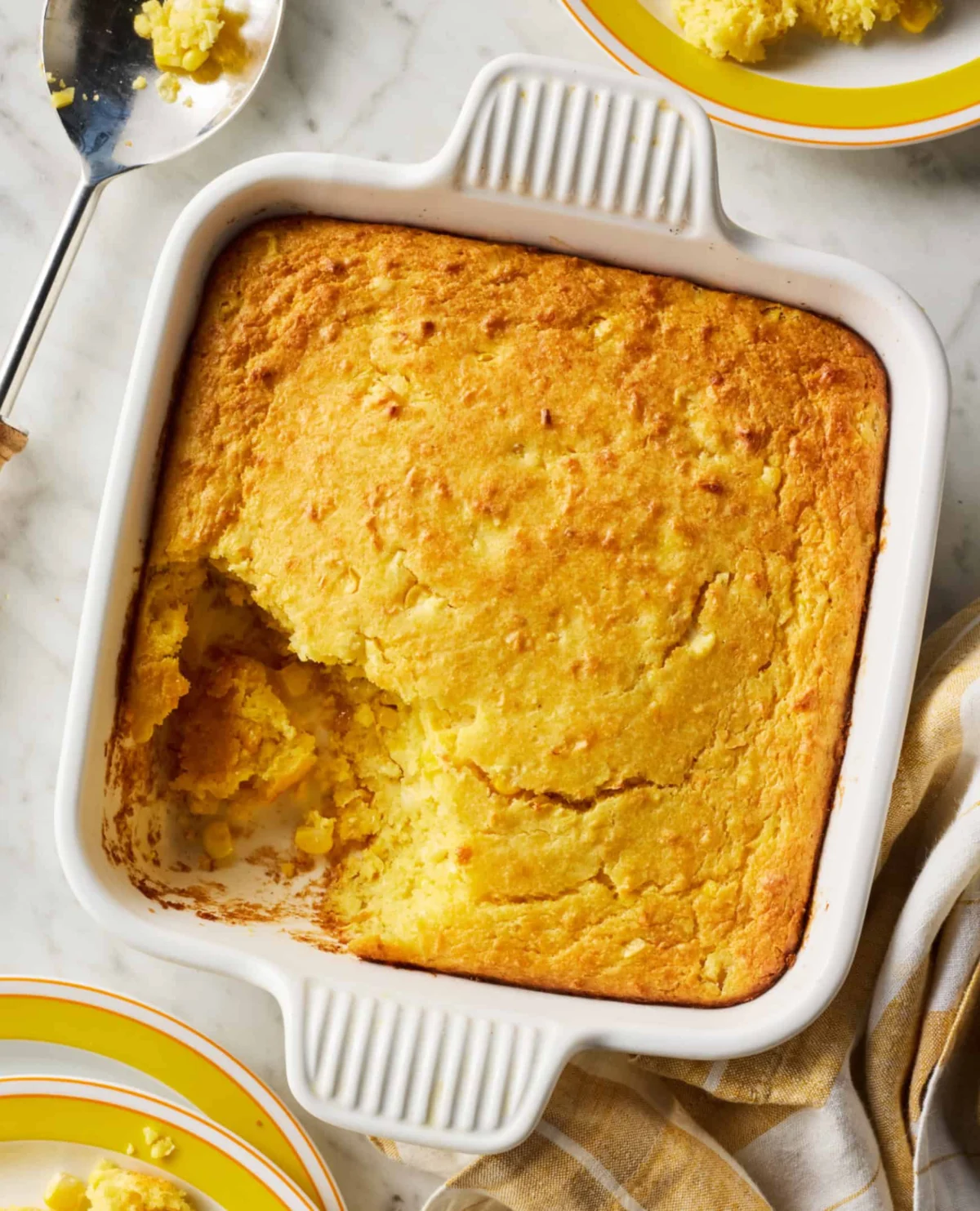
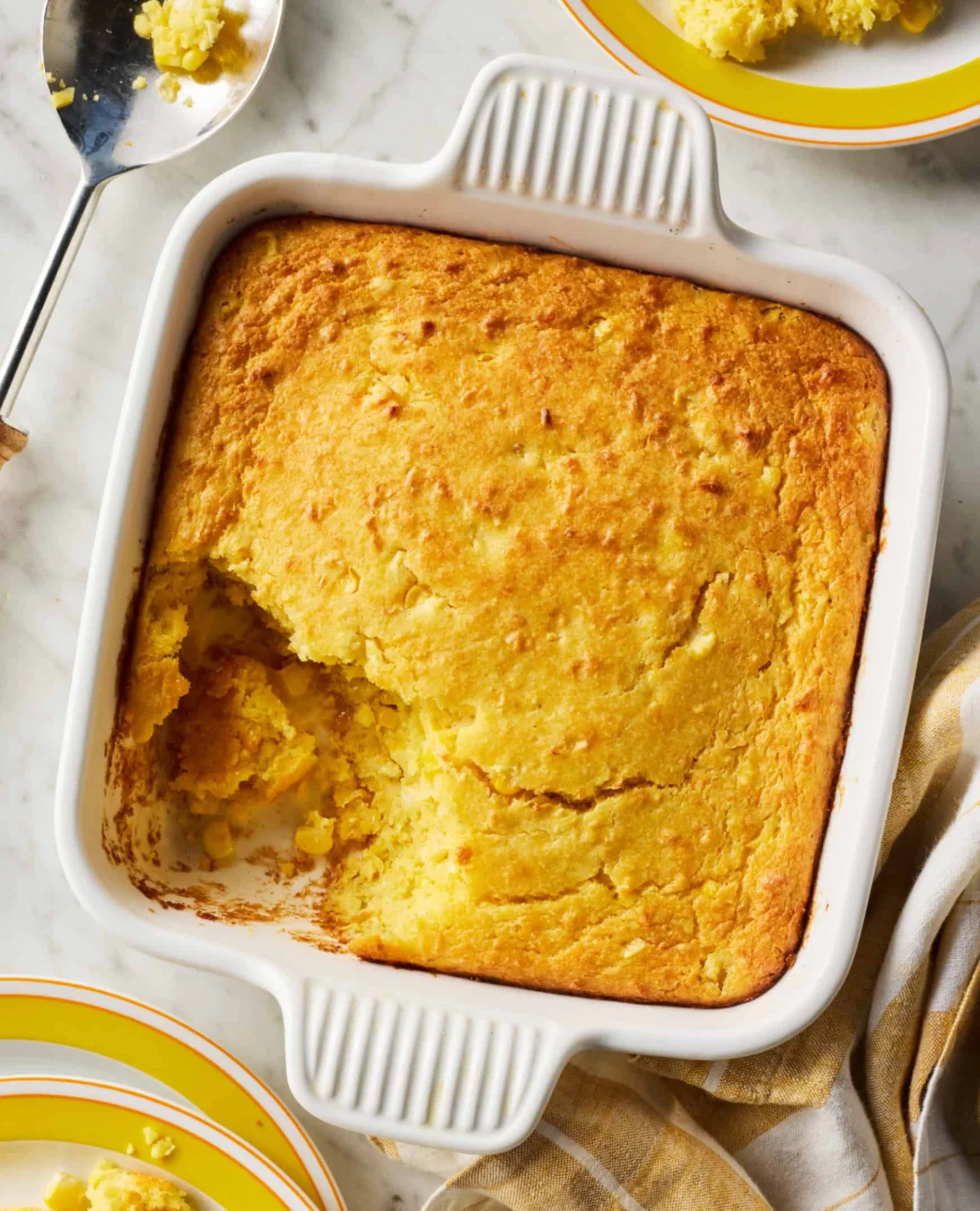
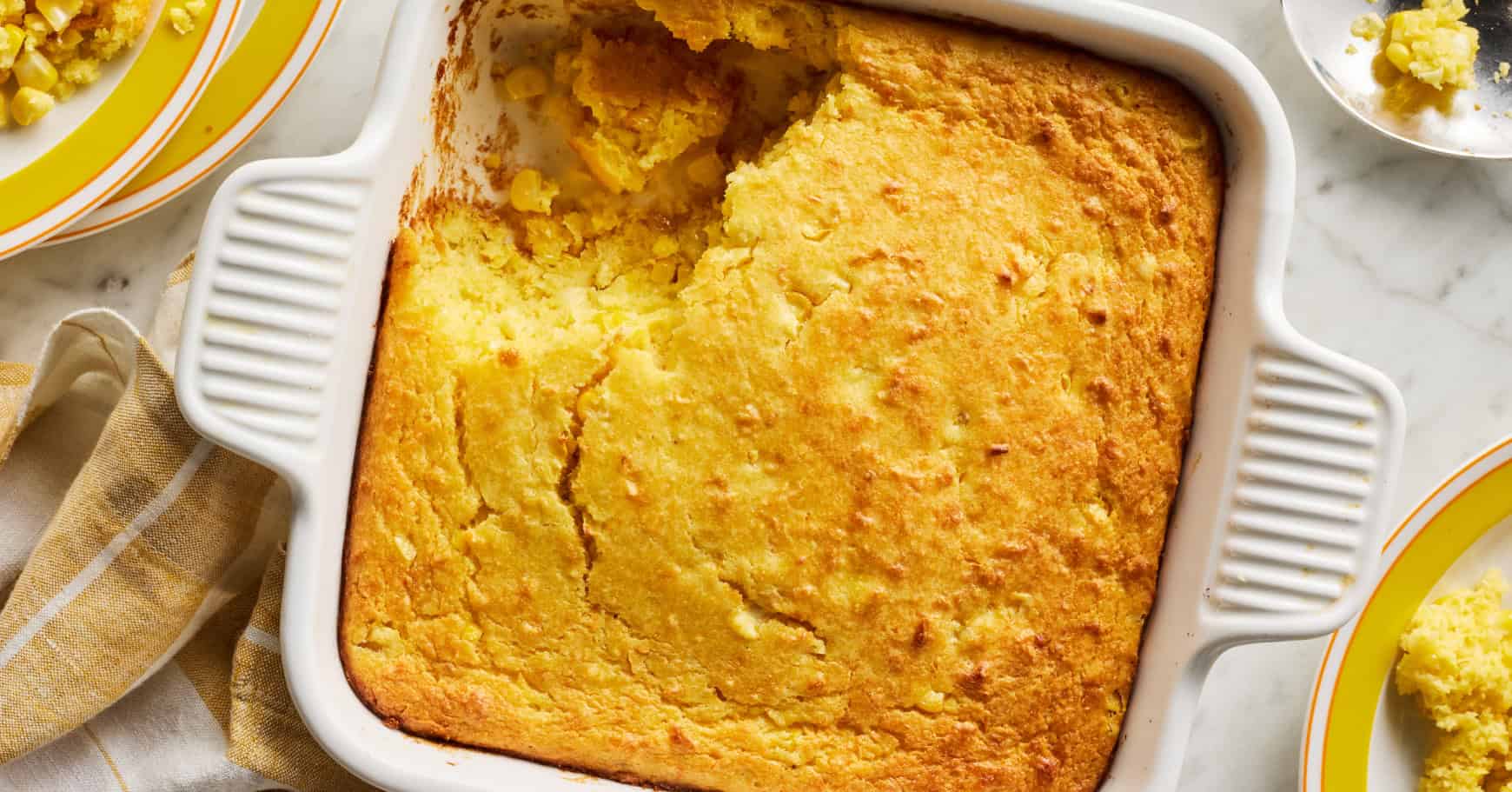
At its core, corn casserole occupies a unique space between bread and pudding. It offers the structural integrity of a baked bake combined with the luscious, custard-like interior of a traditional spoonbread.
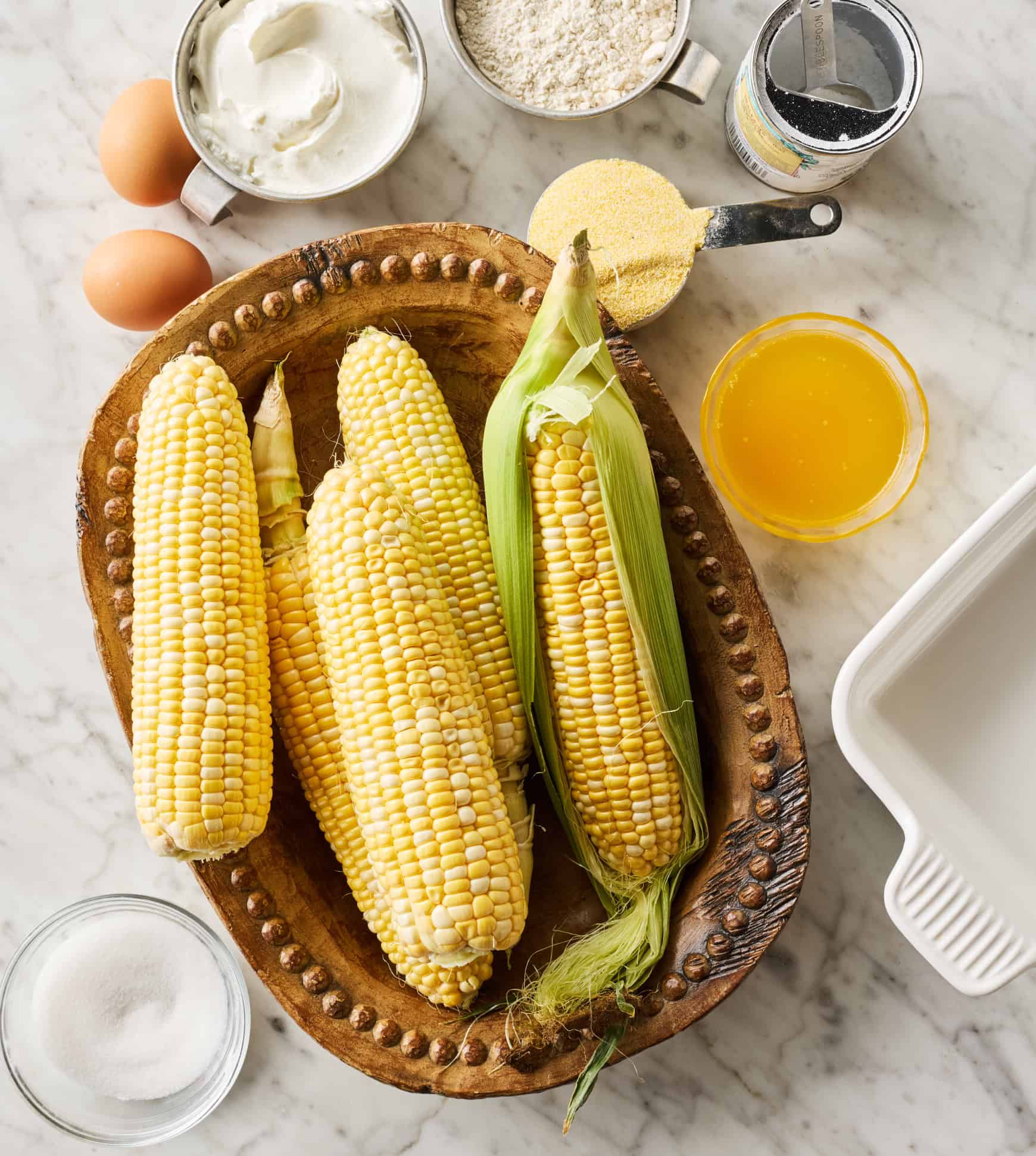
The standout feature of this new-wave recipe is its departure from commercial boxed mixes. Instead of relying on pre-packaged sodium-heavy bases, this iteration constructs its foundation using a custom blend of all-purpose flour, fine cornmeal, sugar, baking powder, and salt.
The texture is achieved through a two-step preparation of the corn itself:
- The Corn Puree: Three cups of corn kernels are pulsed in a food processor until completely smooth. This step cleverly replicates the rich, starchy moisture of canned cream-style corn without relying on canned additives, ensuring the casserole sets with a velvety, creamy center.
- The Whole Kernels: An additional one and a half cups of whole corn kernels are folded directly into the batter at the final stage, providing essential structural crunch and bursts of natural sweetness in every bite.
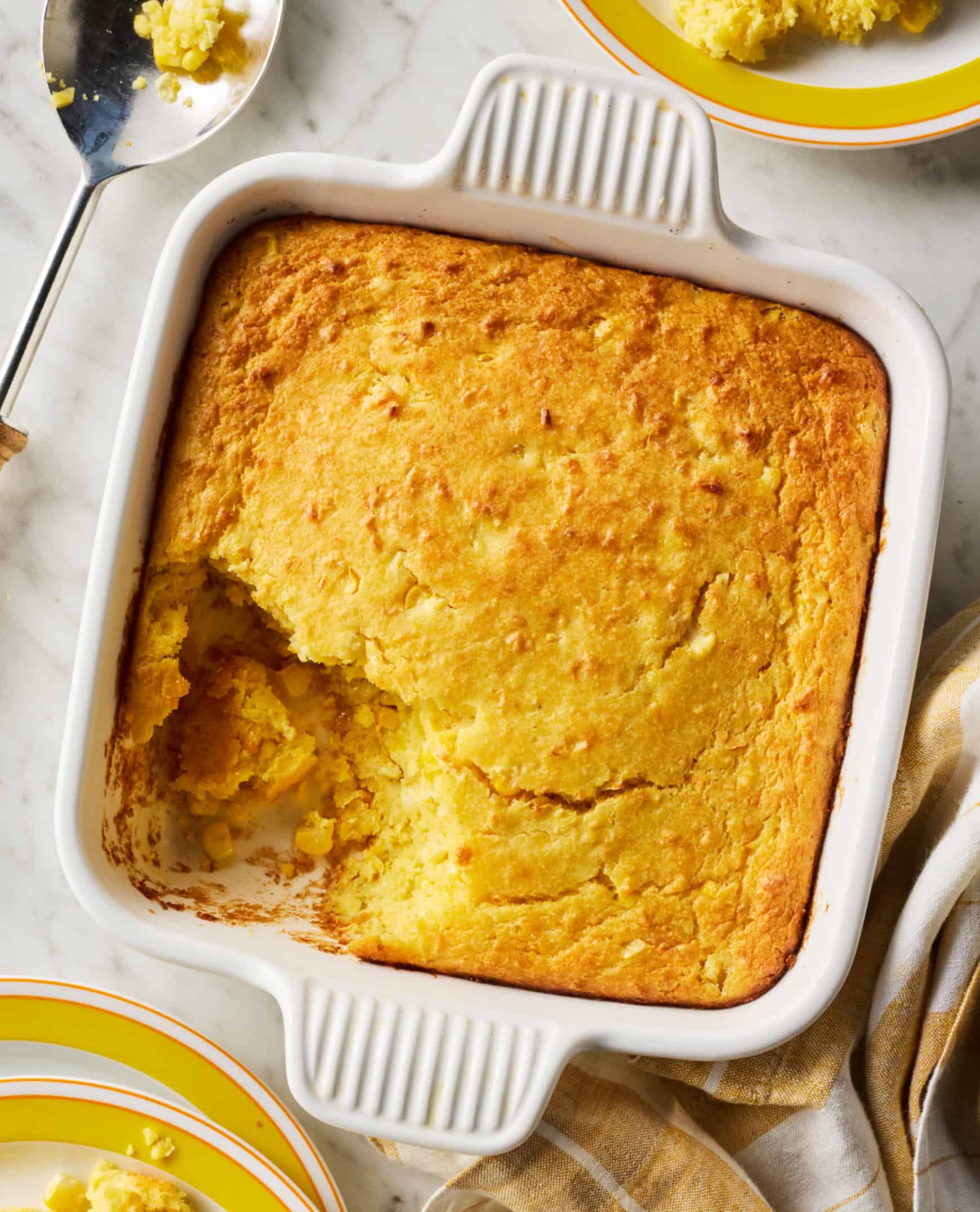
Combined with melted butter, farm-fresh eggs, and rich sour cream, the resulting batter bakes into a 9×9-inch dish boasting crisp, golden-brown edges and a tender, moist interior.
Chronology: A Step-by-Step Guide to Crafting the Dish
For home cooks looking to master this comforting side dish, the preparation process is remarkably straightforward, requiring approximately 15 minutes of active prep time and 45 minutes in the oven.
Phase 1: Mixing the Dry Components
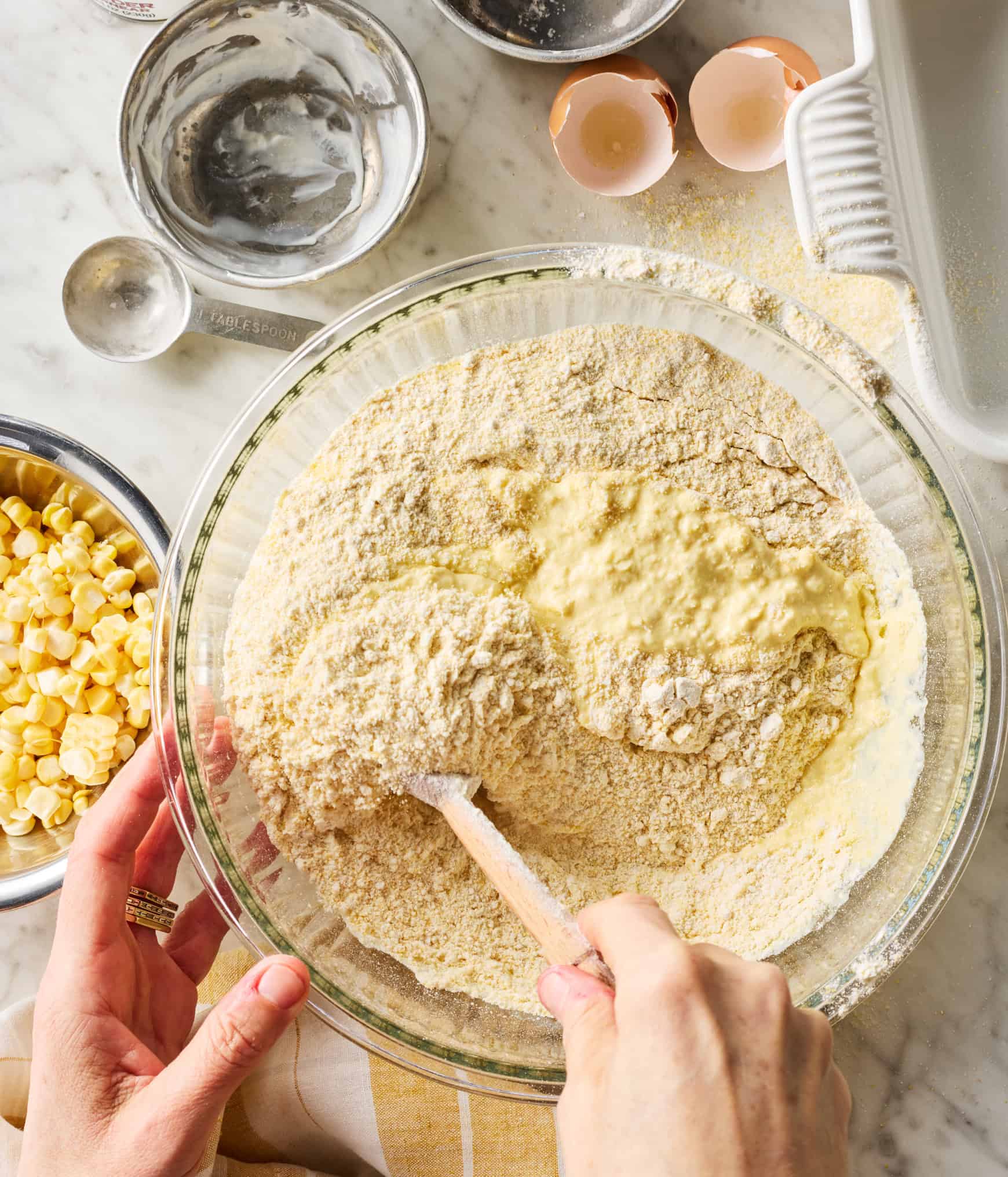
The process begins in a medium-sized mixing bowl. Cooks whisk together the foundational dry ingredients: all-purpose flour, cornmeal, sugar, baking powder, and salt. Ensuring an even distribution of the leavening agent and cornmeal is critical for achieving a uniform rise and texture.
Phase 2: Processing the Corn
Next, the fresh corn is divided. Three cups are transferred to a food processor and blended into a smooth purée. This acts as the primary hydrating agent, infusing the batter with concentrated sweet corn flavor. The remaining kernels are set aside to be folded in later.
Phase 3: Emulsifying the Wet Ingredients
In a separate, larger bowl, whole eggs and melted butter are vigorously whisked together. The corn purée and full-fat sour cream are then incorporated into the wet mixture, creating a rich, homogenous base.
Phase 4: Combining and Folding
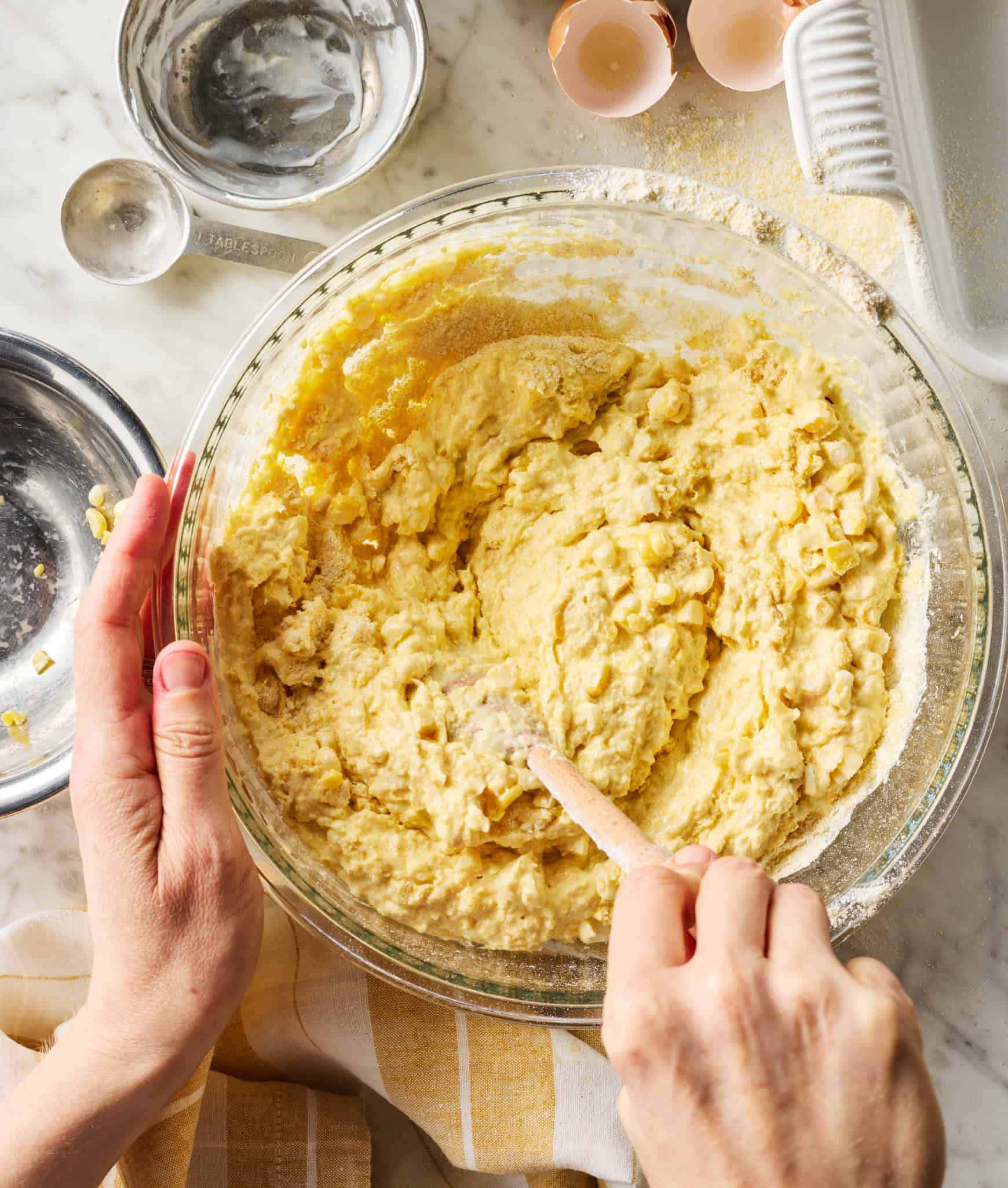
The dry ingredient mixture is gently folded into the wet ingredients. Culinary experts emphasize the importance of restraint here: much like making pancake batter, overworking the gluten will result in a dense, tough casserole. A few minor lumps are entirely acceptable. Finally, the reserved whole corn kernels are folded into the thick batter.
Phase 5: Baking and Resting
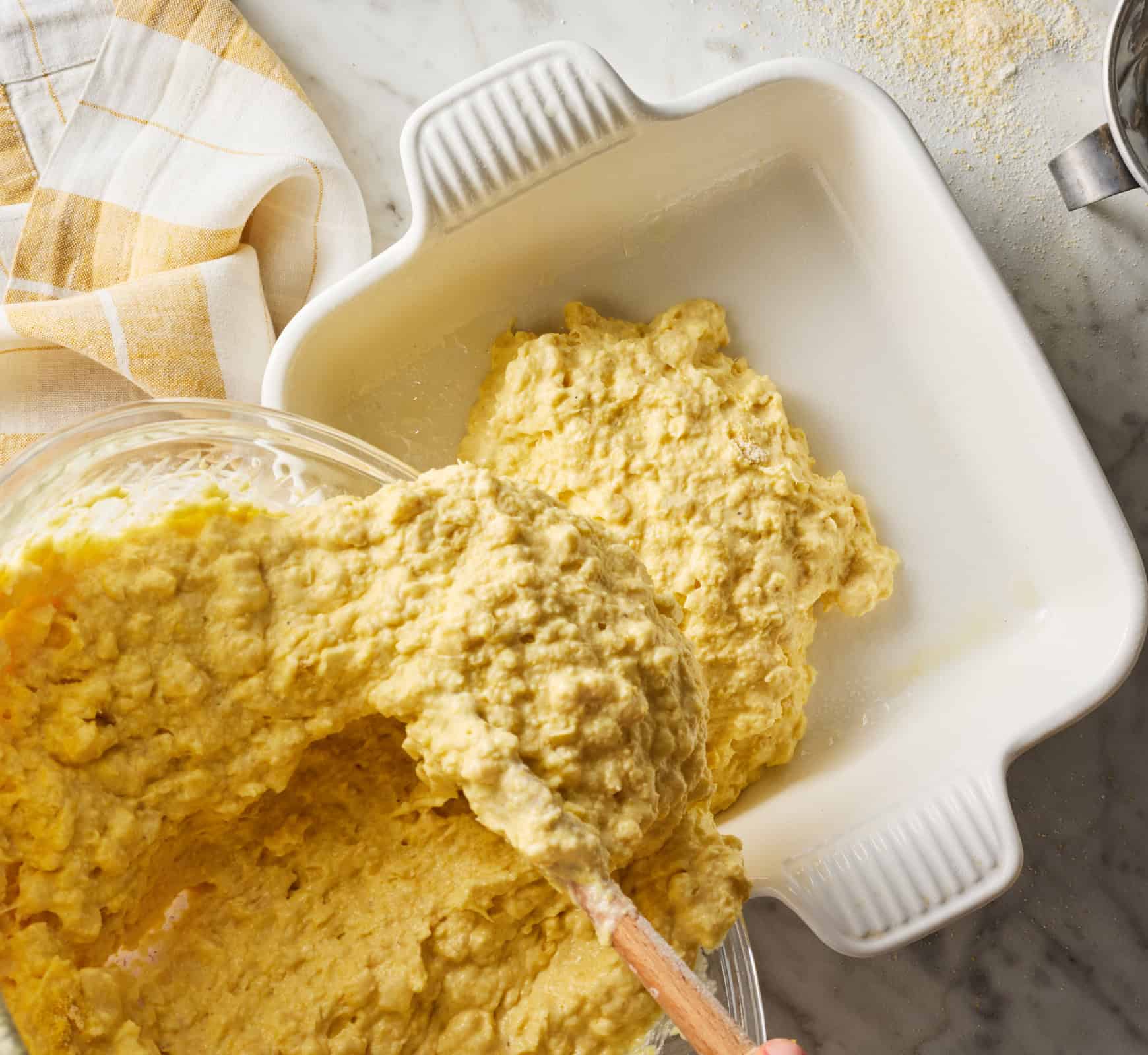
The batter is transferred to a greased 9×9-inch casserole dish (with cooks occasionally utilizing a bit of the melted butter to coat the pan). Baked in a preheated oven at 350°F for 45 to 50 minutes, the casserole is ready when the edges turn a deep, caramelized golden brown and the center remains delightfully soft and slightly unset.
Following extraction from the oven, a crucial 10-minute resting period allows the starches to settle, ensuring clean slices or scoops upon serving.
Supporting Data: Nutritional Breakdown and Yields
Designed to serve nine hungry guests, the casserole provides a balanced, albeit indulgent, profile typical of classic comfort foods.
Per-Serving Nutritional Analysis (Based on 1 Slice):
- Calories: 292 kcal (Calories from Fat: 153)
- Total Fat: 17g (26% Daily Value)
- Saturated Fat: 9g (56% Daily Value)
- Trans Fat: 0.4g
- Polyunsaturated Fat: 1g
- Monounsaturated Fat: 4g
- Cholesterol: 75mg (25% Daily Value)
- Sodium: 368mg (16% Daily Value)
- Potassium: 287mg (8% Daily Value)
- Total Carbohydrates: 33g (11% Daily Value)
- Dietary Fiber: 3g (13% Daily Value)
- Sugars: 10g (11% Daily Value)
- Protein: 6g (12% Daily Value)
- Micronutrients:
- Vitamin A: 631 IU (13% DV)
- Vitamin C: 5mg (6% DV)
- Calcium: 110mg (11% DV)
- Iron: 1mg (6% DV)
(Note: Percentage Daily Values are calculated based on a standard 2,000-calorie daily diet.)
Culinary Adaptations and Official Recommendations
While purists champion the from-scratch method utilizing fresh early-autumn corn, recipe developers acknowledge the practical realities of modern home cooking, particularly during the fast-paced holiday season. Extensive testing has proven that the recipe readily adapts to various pantry staples without sacrificing its signature texture.
Ingredient Substitutions and Flexibility
- The Corn Source: While fresh corn yields the most vibrant seasonal flavor, home cooks can seamlessly substitute frozen corn (thawed and drained) or canned corn (drained) with equivalent success.
- The "Jiffy" Shortcut: For those pressed for time who prefer the nostalgic flavor of commercial mixes, the homemade flour-and-cornmeal base can be swapped out in favor of boxed cornbread mix, though adjustments to sugar and dairy may be required to balance the sweetness.
- Dairy Alternatives: Full-fat sour cream provides the signature tang and moisture required for the custard-like center, though Greek yogurt can serve as a viable substitute for home cooks seeking a slightly tangier flavor profile or a minor protein boost.
Implications: The Make-Ahead Advantage for Holiday Hosts
Beyond its flavor and nutritional profile, the true triumph of this corn casserole lies in its logistical convenience. Holiday hosting often hinges on oven space and time management on Thanksgiving Day or Christmas afternoon.
Culinary testing confirms that this dish is exceptionally friendly to advance preparation. Cooks can fully bake the casserole up to two days in advance, allow it to cool completely to room temperature, cover it tightly, and store it safely in the refrigerator.
When it is time for the meal, the casserole can be gently reheated in a 300°F oven for 10 to 20 minutes until warmed through. For long-term meal planning, the unbaked or fully baked casserole freezes exceptionally well for up to three months when wrapped tightly in heavy-duty foil or sealed in an airtight container. Simply thaw overnight in the refrigerator before reheating.
As home cooks continue to seek out recipes that balance rustic authenticity with practical execution, this versatile corn casserole stands out as a triumph of comfort food engineering—proving that with just a few simple ingredients, a timeless classic can be made even better.