As the summer sun reaches its zenith and orchard boughs begin to sag under the weight of ripening stone fruit, the culinary world turns its attention to the humble peach. While traditional deep-dish pies have long served as the centerpiece of American dessert culture, a more portable, elegant, and efficient alternative is capturing the attention of home bakers and professional pastry chefs alike: the Peach Hand Pie. Combining the nostalgic, buttery comfort of classic pastry with the convenience of a modern, single-serving format, these golden-crusted delights have become the definitive treat of the season.
The Anatomy of the Perfect Hand Pie: Core Facts
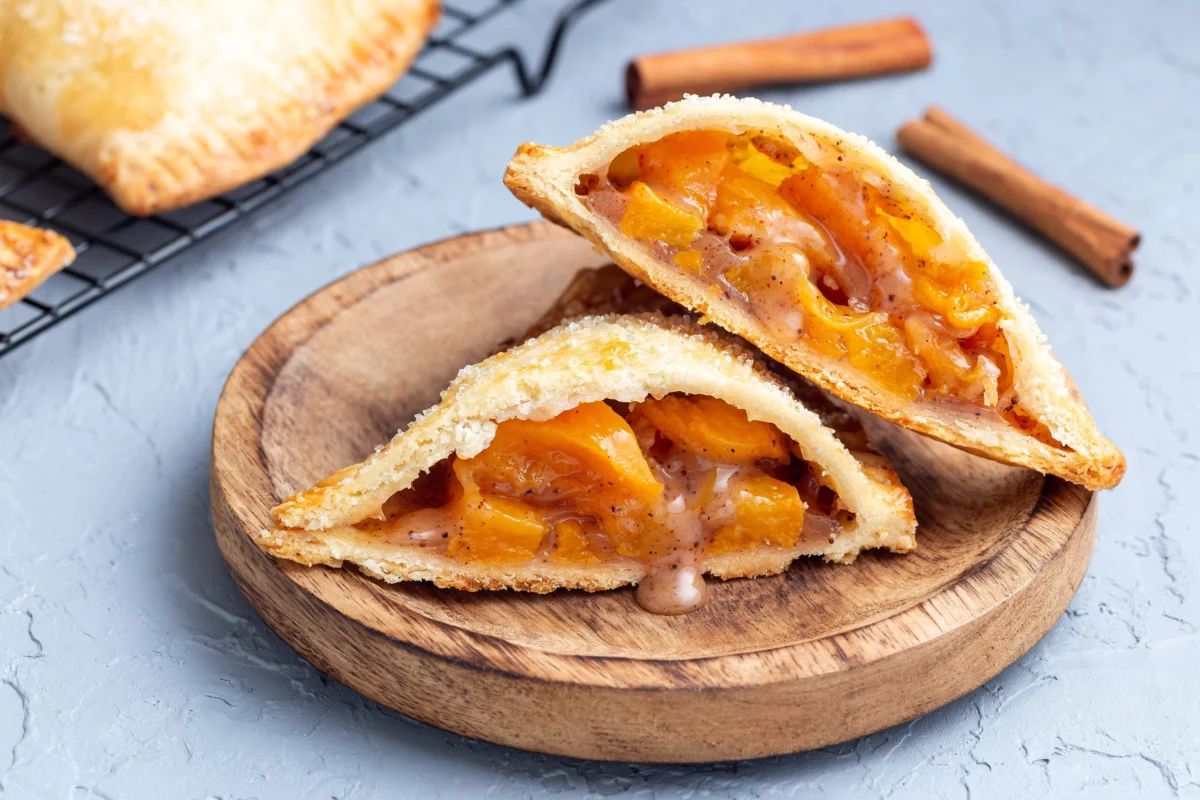
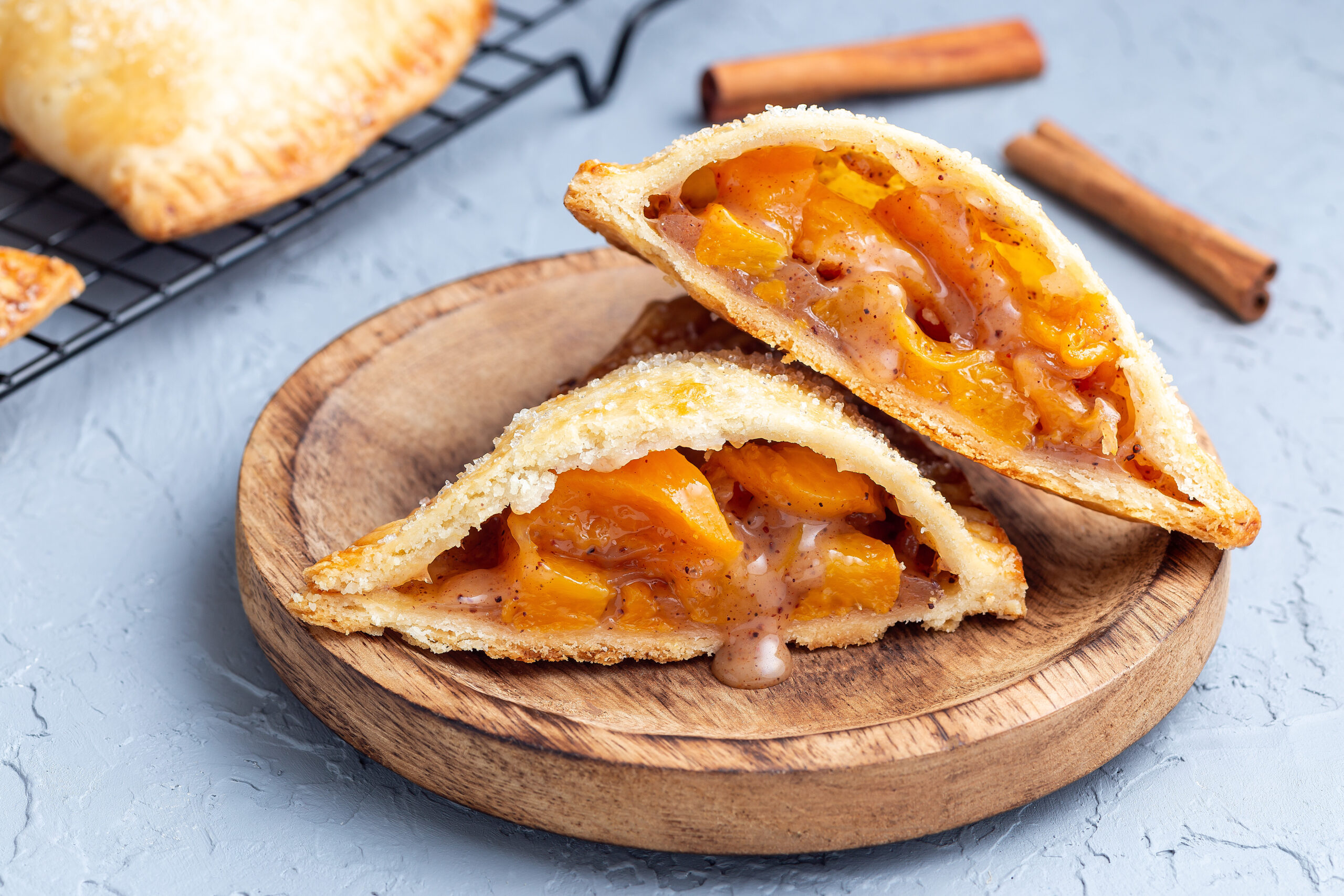
At their essence, Peach Hand Pies are a masterclass in structural baking. They are defined by a dual-component architecture: a high-fat, flaky pastry crust—typically a shortcrust or puff pastry—and a concentrated, macerated peach filling. Unlike a full-sized pie, which relies on a dense base to hold its structural integrity, a hand pie is designed to be consumed without the need for plates or cutlery.
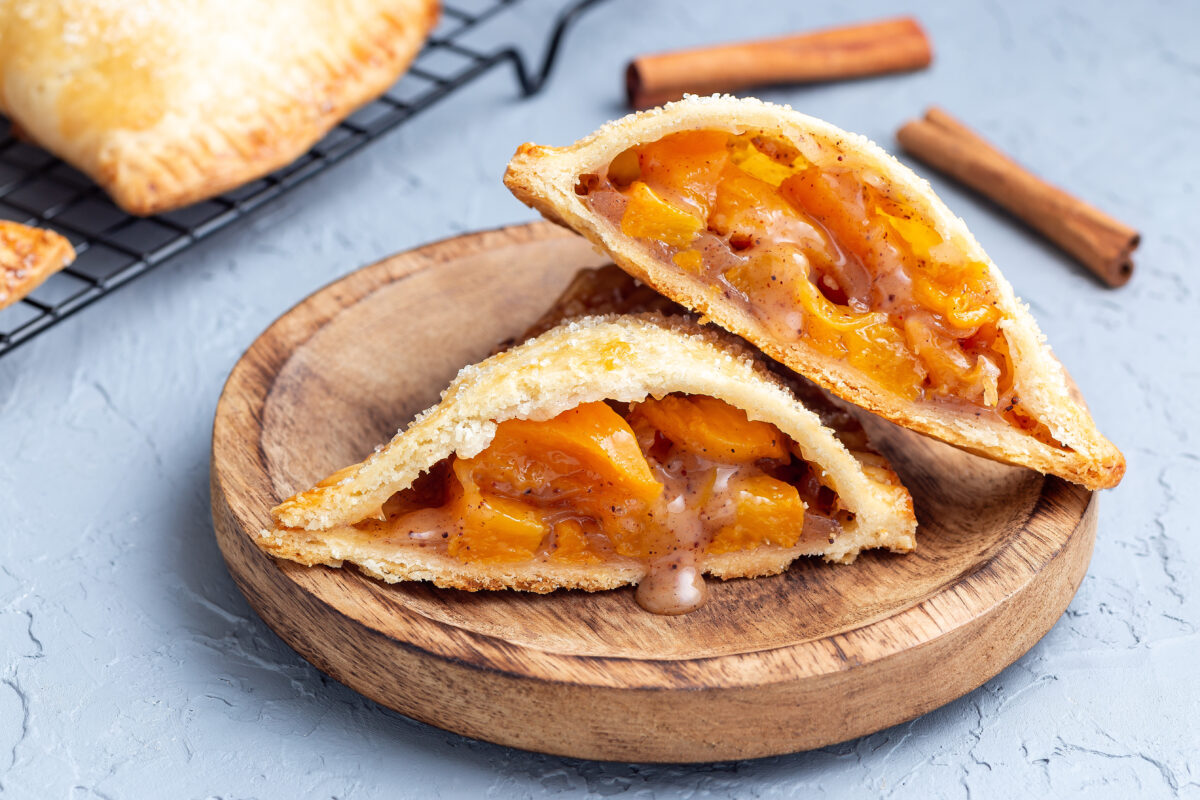
The engineering behind the hand pie is precise. The crust must be robust enough to hold the fruit, yet delicate enough to shatter upon the first bite. The filling requires a delicate balance of acidity and sweetness to ensure that the natural pectin of the peaches thickens properly, preventing the dreaded "soggy bottom" that plagues amateur efforts. When prepared correctly, these pies offer a concentrated burst of summer—a symphony of warm, jammy fruit encased in a crisp, golden shell.
A Chronology of the Modern Hand Pie
The history of the hand pie, or "turnover," traces its roots back to medieval European traditions where portable, preserved food was essential for travelers. However, the iteration we see today—specifically the peach-forward, dessert-focused hand pie—has evolved significantly over the last century.
- Early 20th Century: The hand pie began as a practical solution for agricultural workers, serving as a calorie-dense, portable meal that could be consumed in the field.
- The Mid-Century Shift: With the advent of convenience baking, the focus moved from hearty, meat-filled pasties to sweeter, fruit-based desserts. Recipes began to appear in community cookbooks across the American South, where peach orchards were prolific.
- The 2020s Renaissance: Following a global shift toward "comfort baking," the hand pie underwent a professional elevation. High-end bakeries began experimenting with artisanal crusts, using cultured butter and sea salt, while the rise of the air fryer revolutionized the cooking process, allowing for a crisp finish without the need for a large-scale oven.
Supporting Data and Nutritional Context
While often considered a decadent treat, the peach hand pie offers significant nutritional value when compared to processed snacks. Peaches are an excellent source of Vitamin C, potassium, and dietary fiber. When using fresh, peak-season fruit, the sugar content of the filling can be significantly reduced, relying instead on the natural fructose of the fruit.
For those tracking caloric intake, a standard 10-serving recipe—as categorized by culinary standards—yields a balanced dessert portion. Data from nutritional databases suggests that a standard hand pie, if baked rather than fried, contains approximately 250–300 calories. By choosing whole-wheat flour alternatives or incorporating fiber-rich fruits like blueberries or raspberries into the filling, bakers can further enhance the nutrient density of this seasonal staple.
Expert Insights: The Professional Approach
Top-tier pastry chefs advocate for a rigorous adherence to the "Cold-Chain" method when preparing these pies. The primary failure point in hand pie construction is the temperature of the dough.
"The secret is in the fat," notes one culinary consultant. "If your butter melts into the flour before it hits the oven, you lose the lamination that creates the flake. Keep the dough at near-freezing temperatures until the final moment of assembly."
Furthermore, industry experts emphasize the importance of the "cool-down" phase. Putting warm, cooked fruit filling onto raw dough is a recipe for disaster, as the heat renders the butter in the crust, resulting in a greasy, tough exterior. Cooling the filling to room temperature—or even chilling it slightly—is the professional standard for ensuring a perfect seal and a crisp bite.
Implications for Modern Culinary Habits
The resurgence of the Peach Hand Pie speaks to a broader cultural trend: the desire for "mindful indulgence." As consumers move away from mass-produced, highly processed snacks, they are gravitating toward recipes that allow for portion control and the use of locally sourced, seasonal ingredients.
The Sustainability Factor
Buying peaches at the height of their season from local farmers’ markets reduces the carbon footprint associated with long-haul transportation. Moreover, the hand pie is an excellent vehicle for food waste reduction. Overripe peaches, which are often discarded by grocery stores, are ideal for pie filling because their sugar content is at its peak and their texture is naturally softer, requiring less cooking time to reach the desired consistency.
The Social Dimension
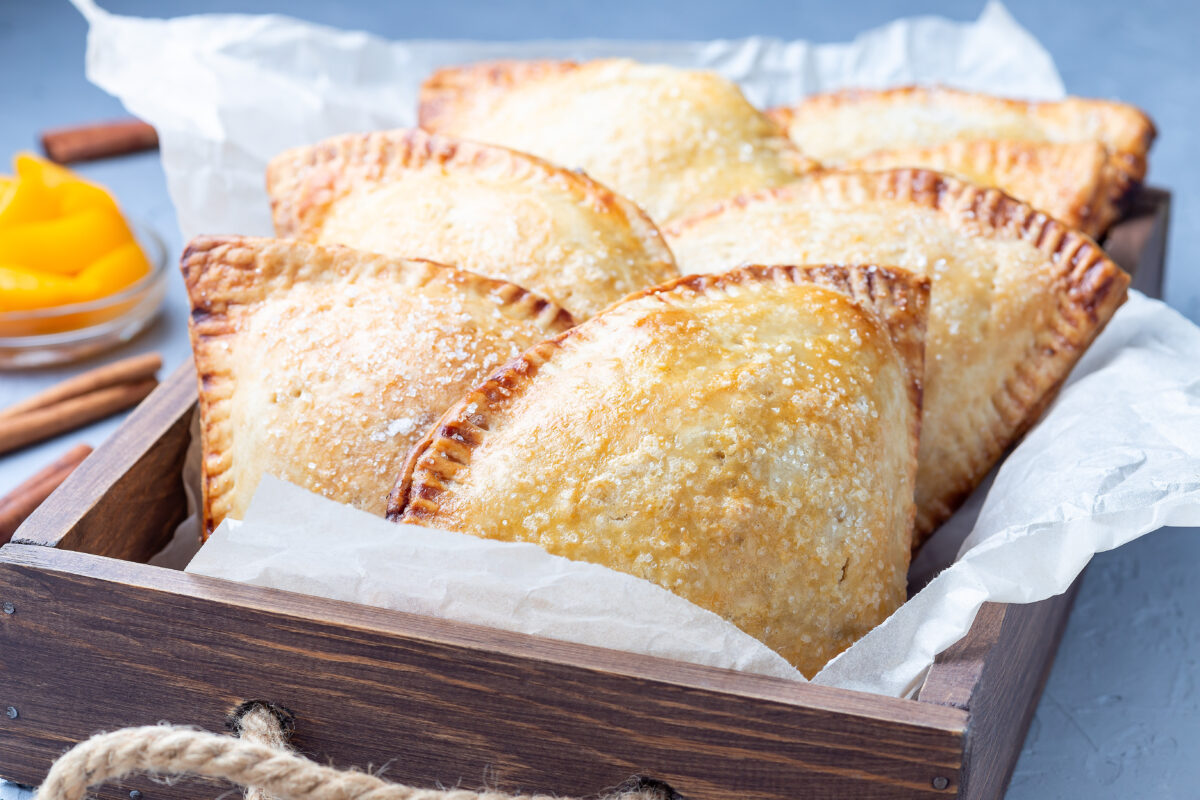
The hand pie has emerged as the premier catering item for social gatherings. Its ability to be made in advance, frozen, and reheated makes it a stress-free option for hosts. Whether served as a picnic staple or a sophisticated addition to a dessert board, the hand pie offers a level of convenience that the traditional, difficult-to-slice pie simply cannot match.
Troubleshooting and Technical Guidance
To achieve the professional results seen in test kitchens, home bakers should observe the following technical guidelines:
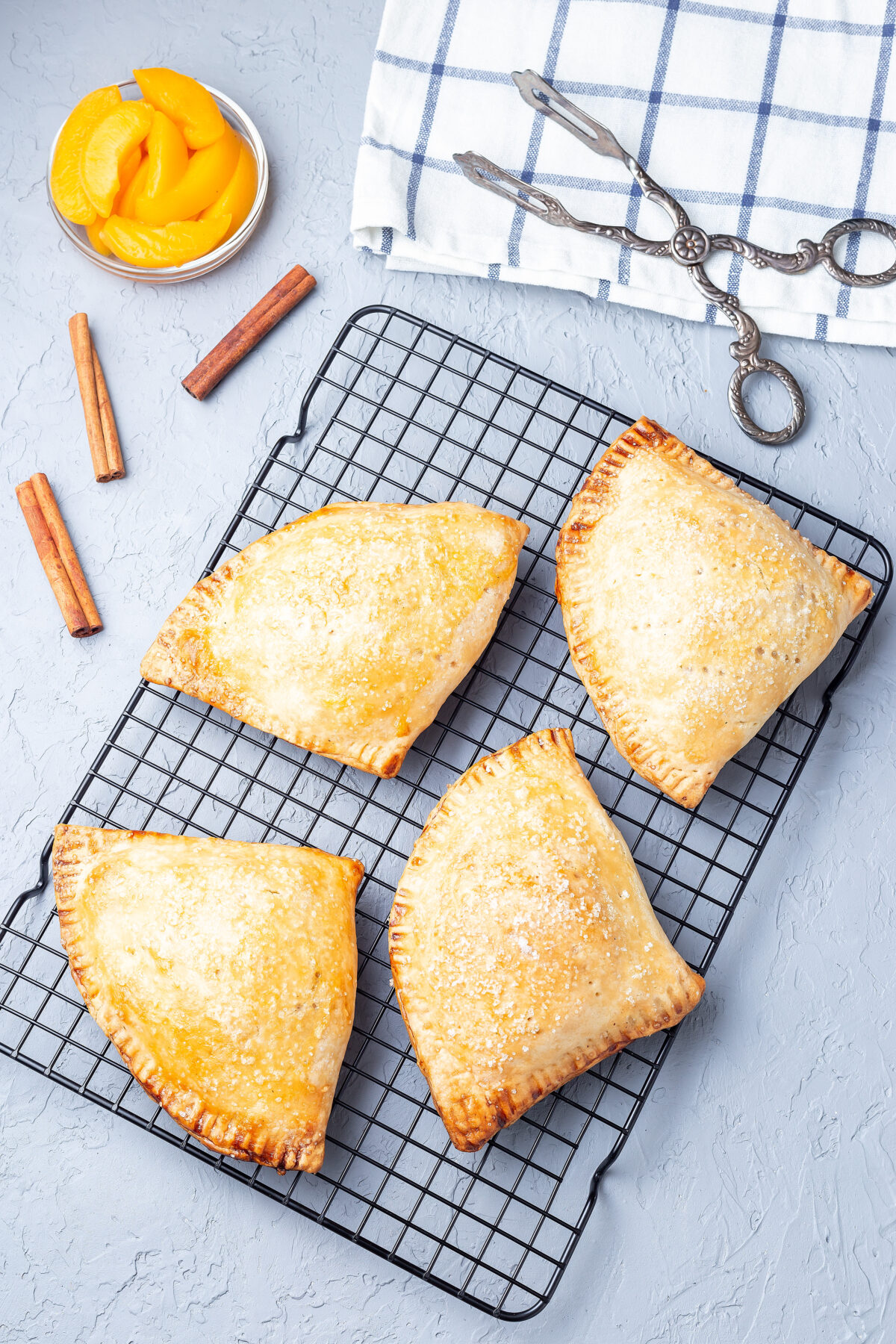
- The Seal: Always use a fork to crimp the edges. This is not merely decorative; it creates a mechanical lock that prevents the steam—generated by the bubbling fruit—from forcing the seams open.
- The Vent: Never skip the steam vent. Without a small slit in the top crust, the internal pressure will cause the pastry to burst, resulting in an unattractive and messy product.
- The Wash: An egg wash (one egg beaten with a splash of milk or water) is essential for that signature mahogany-gold sheen. Sprinkling the top with coarse "turbinado" sugar adds a necessary textural crunch that contrasts with the soft filling.
- The Air Fryer Variable: When utilizing an air fryer, the internal convection currents are much stronger than those in a traditional oven. Reduce temperatures by 25°F and shorten cooking times by approximately 20% to avoid burning the delicate crust before the fruit is cooked through.
Future Outlook: Beyond the Classic Peach
The culinary future of the hand pie is wide open. As fusion cuisine continues to influence home baking, we are seeing the rise of "savory-sweet" iterations. Imagine a peach hand pie infused with fresh basil, thyme, or even a hint of jalapeño for a complex flavor profile. The integration of cream cheese, mascarpone, or even a goat cheese base underneath the peaches has already begun to shift the perception of the dessert from a simple fruit treat to a complex, multi-layered pastry experience.
As we look toward future summers, the Peach Hand Pie remains a testament to the idea that the best things come in small, thoughtfully crafted packages. It is a dish that honors tradition while embracing the speed and convenience of the modern lifestyle, proving that even in a fast-paced world, there is always room for a little bit of buttery, fruit-filled joy. Whether you are a novice in the kitchen or an experienced baker, the path to the perfect hand pie is paved with fresh fruit, cold butter, and a little bit of patience.