By Culinary & Outdoor Living Desk Published: October 2026
Main Facts
The art of outdoor cooking is undergoing a quiet revolution, pivoting away from standard beef and pork cuts toward sustainably harvested, lean wild game. At the forefront of this culinary movement is a recipe that bridges the gap between rugged field-to-table hunting culture and refined backyard barbecue: Smoked Elk Meatballs.
Crafted to maximize the distinct, rich flavors of wild game without sacrificing moisture, this dish utilizes a traditional offset smoker operating on low-and-slow principles. The recipe calls for ground elk—though substitutions like venison, wild boar, or high-grade ground beef are entirely viable—blended with savory sausage, aromatic breadcrumbs, grated parmesan, and signature seasonings. Cooked at a steady 250°F using clean-burning hardwood, the meatballs absorb layers of smoke before being glazed in a sticky, caramelized barbecue sauce.
The resulting dish yields a high-protein, incredibly juicy appetizer that has quickly become a focal point for tailgating events, deer camp gatherings, and weekend backyard pitmasters.
Chronology: The Evolution of Wild Game Barbecue
While smoking meats is an ancient culinary tradition, the application of low-and-slow barbecue techniques to wild game like elk is a relatively recent phenomenon driven by the modern surge in outdoor cooking content and accessible high-end smoking equipment.
Phase 1: The Field Harvest and Preparation
The lifecycle of this dish begins long before the smoker is fired up. Successful wild game cooking relies heavily on proper field care, clean butchering, and conscious fat management. Because elk is inherently lean—often containing a fraction of the fat found in grain-fed cattle—culinary experts emphasize the importance of blending the ground elk with a higher-fat binding agent, such as pork sausage. This addition prevents the meatballs from drying out during the extended smoking process.
Phase 2: Fire Management and Stabilization
In the featured outdoor cooking demonstration, pitmasters utilized a 94-gallon offset smoker fueled by post oak splits, maintaining a steady cooking chamber temperature of 250°F. Achieving this stable thermal environment is critical; too much heat will rapidly dry out the lean elk meat, while too little heat prevents proper rendering and bark formation.
Phase 3: The Binding and Seasoning Process
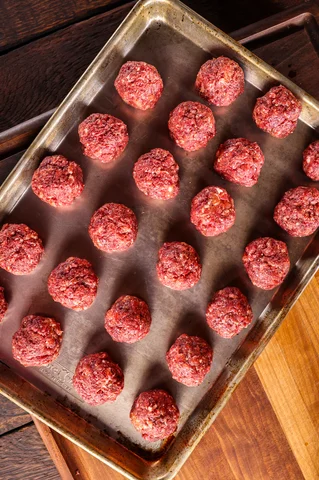
Before hitting the grates, the meat undergoes a meticulous mixing phase. Ground elk and sausage are combined in a large basin with breadcrumbs for structural integrity, fresh parmesan for umami depth, eggs and milk for moisture retention, and a robust rub—such as a specialized all-purpose seasoning blend. The mixture is then rolled into uniform portions, ensuring even cooking times across the entire batch.
Phase 4: The Smoke and the Glaze
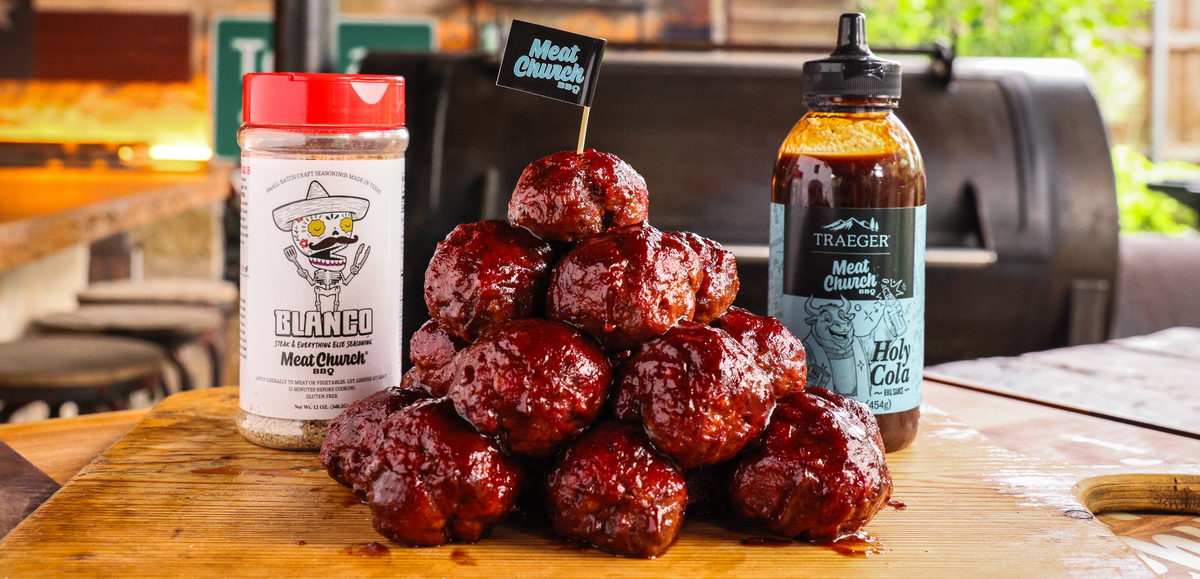
Once loaded onto a rimmed baking sheet or placed directly on the smoker grates, the meatballs absorb ambient smoke until reaching an internal temperature of 150°F, monitored carefully via an instant-read digital thermometer. At this milestone, the meatballs are transferred back into a mixing basin, tossed thoroughly in a generous coating of sweet and tangy barbecue sauce, and returned to the heat source for roughly five minutes. This final step allows the sugars in the sauce to caramelize, or "tack up," creating an irresistible, sticky exterior shell that locks in the juices.
Supporting Data & Culinary Mechanics
Understanding why this recipe succeeds requires looking at the science of meat composition, thermal dynamics, and smoke penetration.
Moisture Retention Strategies: Elk meat boasts a very high protein-to-fat ratio. Without intervention, lean game meats toughen quickly under direct or prolonged heat. By incorporating a binder matrix containing milk, eggs, and fat-rich sausage, home cooks create an internal emulsion that traps moisture vapor inside the meatball matrix.
Thermal Thresholds: Cooking to an internal temperature of 150°F ensures food safety while preserving tenderness. Pulling the meat slightly below standard well-done beef thresholds keeps the game meat from turning chalky.
Wood Selection: Post oak, utilized in the baseline preparation, is prized by pitmasters for its clean, medium-intensity smoke profile. Unlike heavy mesquite, which can easily overpower the delicate, earthy flavor profile of wild game, oak provides a balanced backdrop that complements both the elk and the sweet barbecue glaze.
The Maillard Reaction and Sugar Caramelization: The secondary cook phase—where the sauced meatballs return to the smoker for five minutes—triggers the caramelization of sugars within the barbecue sauce. This creates a textural contrast between the soft, savory interior and the sticky, glossy exterior.
Official Perspectives and Expert Insights
Outdoor cooking authorities and culinary experts have increasingly championed wild game as a sustainable, premium alternative in the American barbecue landscape.
"Wild game represents the ultimate farm-to-table—or rather, field-to-table—experience," notes a leading outdoor cooking instructor and pitmaster. "For a long time, people were intimidated by cooking elk or venison because they feared it would taste too gamey or dry out completely. Recipes like these Smoked Elk Meatballs shatter those misconceptions. By blending the lean game with the right fats, utilizing a low-and-slow offset smoke, and finishing with a sticky glaze, you elevate a traditional comfort food into something extraordinary."
Game conservation groups and hunting advocates also view the growing popularity of wild game recipes as a positive cultural shift. As more consumers discover the rich flavor profiles and health benefits of ethically harvested venison and elk, interest in outdoor sports, wildlife conservation, and culinary resourcefulness continues to expand.
Broader Implications for Modern Outdoor Cooking
The rise of recipes like Smoked Elk Meatballs points to several broader trends shaping contemporary food culture:
1. The Democratization of Advanced BBQ Techniques
Offset smokers and high-end pellet grills are no longer confined to the backyards of professional competitors. As instructional videos and digital recipes become more accessible, backyard cooks are increasingly willing to experiment with non-traditional proteins, translating techniques once reserved for brisket and pork shoulders into creative appetizers and finger foods.
2. Sustainability and Conscious Eating
With an increased global focus on sustainable food systems, wild game offers an ethically sound protein source with a minimal carbon footprint compared to industrial livestock farming. Utilizing every part of a harvested animal through innovative recipes aligns with modern zero-waste culinary philosophies.
3. Elevating Tailgate and Game-Day Culture
Standard stadium-style appetizers are rapidly being replaced by gourmet craft barbecue. Whether served at a deer camp in the crisp autumn air, a Sunday afternoon football tailgate, or a neighborhood block party, dishes that combine the rugged heritage of hunting with the universal appeal of barbecue serve as powerful social catalysts, bringing people together around the fire.
Summary Recipe Checklist for Pitmasters
For those inspired to try this dish at home, keep the following core tenets in mind:
Protein Blend: Combine lean ground elk with a higher-fat sausage to maintain juiciness.
Uniformity: Roll meatballs to consistent sizes to ensure they finish cooking simultaneously.
Temperature Control: Maintain a steady 250°F smoking environment utilizing a clean-burning hardwood like post oak.
The Glaze Window: Monitor internal temperatures closely; remove and sauce at 150°F, then return to the smoker just long enough for the sauce to tack up (approx. 5 minutes).
As outdoor cooking continues to evolve, the integration of wild game into everyday barbecue proves that traditional pits and modern creativity make for a timeless combination.