Main Facts
The art of the backyard barbecue has reached a flavorful new plateau with the introduction of a high-impact, deeply aromatic grilled chicken taco recipe that relies on a surprisingly simple yet bold marinade: canned pickled jalapeños. Designed to infuse poultry with both vibrant heat and a tangy punch, this culinary approach transforms ordinary cuts of chicken into a smoky, mouthwatering centerpiece fit for any gathering.
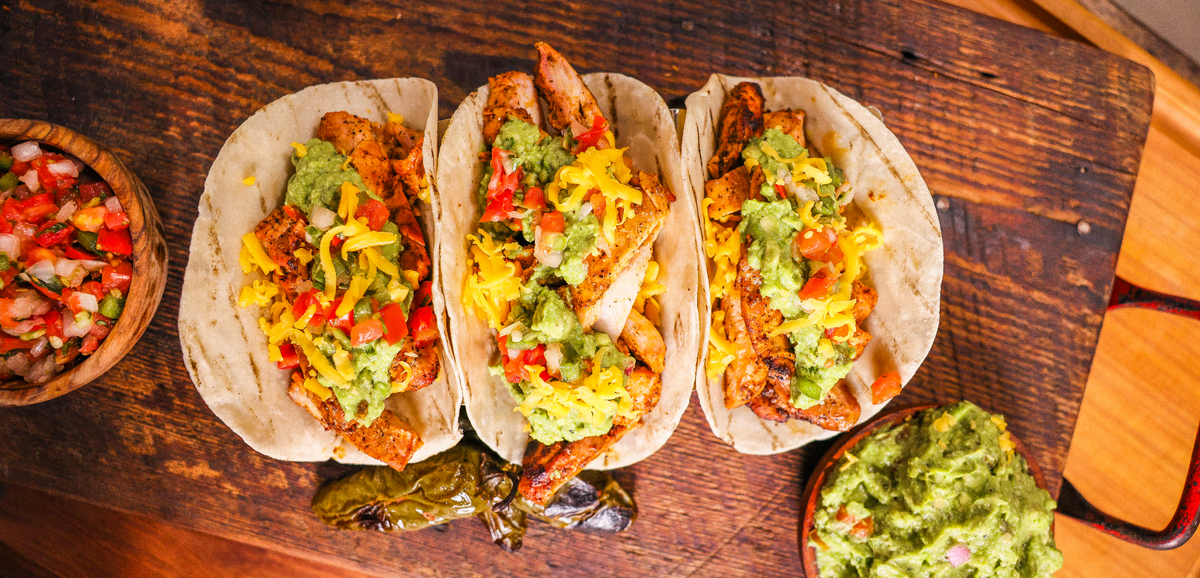
Captured in a popular cooking demonstration utilizing a Traeger Ranger pellet grill fueled by a blend of Meat Church pecan and cherry wood pellets, this recipe bridges traditional Mexican flavor profiles with contemporary backyard grilling techniques. The core methodology centers on a specialized protein-infusion window, a precise butter-and-hot-sauce basting routine, and careful temperature management to achieve the coveted bien doradito (extra crispy) exterior while maintaining optimal interior juiciness. Whether utilizing white or dark meat, home cooks are equipped with a step-by-step blueprint that culminates in a fully loaded taco featuring freshly made guacamole, melted cheddar cheese, and vibrant pico de gallo.

Chronology: Step-by-Step Culinary Breakdown
Phase 1: Preparation and the Jalapeño Soak
The journey to exceptional tacos begins well before the fire is lit.

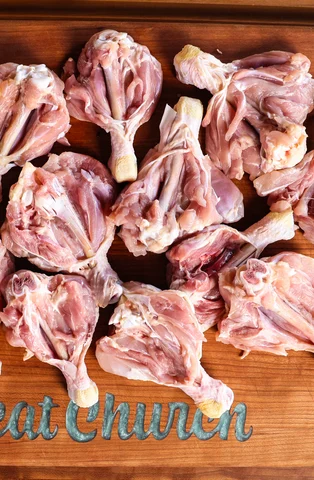
- Trim and Clean: The process starts by trimming any excess fat away from the chicken to ensure clean flavors and prevent unwanted flare-ups on the grill.
- The Marinade: The prepared chicken is placed into a food-safe container, a vacuum-sealed bag, or a heavy-duty ziplock bag alongside the entire contents of a can of La Costeña pickled jalapeños—brine, peppers, and all.
- Timing the Heat: The chicken must marinate for a minimum of 4 hours. However, cooks can customize the heat profile by extending this window up to 24 hours. Note of caution: A full 24-hour soak yields a deeply spicy profile that may overpower younger palates.
Phase 2: Firing Up the Cooker
While the chicken absorbs the acidic, spicy brine, attention turns to the heat source.

- Grill Setup: The grill is prepared for medium-to-high direct heat grilling. In the reference demonstration, a portable Traeger Ranger pellet grill is utilized, burning a sweet and savory mix of Meat Church pecan and cherry wood pellets. However, any reliable smoker, pellet grill, charcoal kettle, or gas grill capable of maintaining steady, direct heat will suffice.
- Seasoning Adhesion: Once removed from the marinade, the chicken is seasoned (allowing the rub to adhere for at least 15 minutes) while a rich basting sauce is whipped together by melting a stick of butter and whisking in a preferred volume of hot sauce.
Phase 3: The Grilling and Basting Dance
- The Sear: The chicken is placed directly onto the hot grill grates. To build an even, caramelized crust, the pieces are flipped and constantly shifted across the cooking surface. Leftover pickled peppers can be tossed onto the grates alongside the chicken for an extra smoky garnish.
- The Glaze: Throughout the cooking process, the chicken is continuously basted with the warm butter-and-hot-sauce mixture, creating a rich, self-basting barrier that locks in moisture while building layers of savory depth.
- Temperature Control: Using a reliable instant-read digital thermometer (such as those provided by ThermoWorks), the cook monitors the internal temperature. White meat should reach at least 165°F (74°C). For dark meat, cooks are encouraged to push past this baseline; allowing dark meat to cook to a higher internal temperature renders out collagen and fat without drying it out, achieving the prized bien doradito texture.
Phase 4: Resting, Chopping, and Assembly
- The Rest: Once target temperatures are met, the chicken is removed from the heat source and allowed to rest undisturbed for approximately 10 minutes to let the internal juices redistribute. The meat is then finely sliced or chopped.
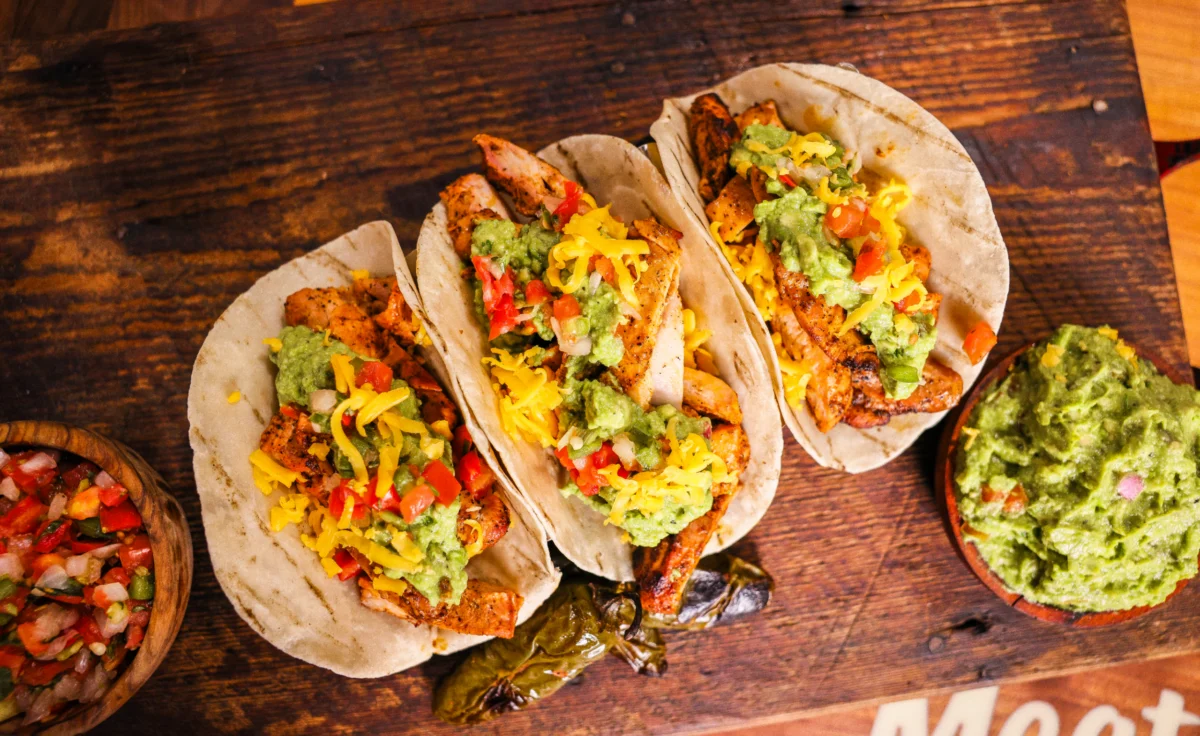
- The Build: Warm tortillas serve as the foundation, piled high with the freshly chopped grilled chicken. The taco is then crowned with generous scoops of homemade guacamole, shredded cheddar cheese, and a refreshing pico de gallo to balance the rich, spicy notes of the meat.
Supporting Data and Culinary Metrics
To successfully execute this recipe, understanding the quantitative elements of timing, temperature, and ingredient ratios is essential:

- Marinade Duration:
- Minimum: 4 hours (subtle heat, safe for general audiences).
- Maximum: 24 hours (intense, deeply penetrated spice profile; recommended primarily for spice enthusiasts).
- Target Internal Temperatures:
- Chicken Breast (White Meat): Minimum 165°F (74°C).
- Chicken Thighs/Legs (Dark Meat): 165°F+ (can be cooked higher to achieve bien doradito crispness).
- Resting Period: 10 minutes mandatory post-grill rest time.
- Fuel Profile: Pecan and cherry wood pellets (or equivalent fruit/nut hardwoods for mild, sweet smoke influence).
- Basting Base: 1 full stick of butter combined with hot sauce to taste.
Official Responses and Expert Insights
Culinary experts and pitmasters emphasize that utilizing acidic brines like canned pickled jalapeños serves a dual purpose in poultry preparation. Not only does the brine act as a powerful flavor carrier, introducing acetic acid and capsaicin deep into the muscle fibers, but it also functions as a natural tenderizer.

According to outdoor cooking authorities, the integration of a butter-and-hot-sauce baste during direct grilling is a classic technique borrowed from wing-cooking traditions. When animal fats and dairy fats meet high heat alongside capsicum oils, they undergo mild caramelization, forming a sticky, savory lacquer that standard dry rubs alone cannot achieve.

Furthermore, culinary traditionalists note the significance of the term bien doradito. While conventional American barbecue often treats over-cooking chicken as a cardinal sin, Mexican street-food culture embraces well-done, deeply charred edges on dark meat poultry. Allowing chicken thighs to ride past standard safety thresholds on a hot grill melts away connective tissue, resulting in a texturally superior taco filling that is simultaneously tender on the inside and crispy on the outside.

Implications for Backyard Pitmasters and Home Cooks
The popularity of jalapeño-marinated grilled chicken tacos points to a broader shift in home cooking: the democratization of regional street food flavors through accessible supermarket ingredients. By utilizing everyday pantry staples—such as a canned product like La Costeña pickled jalapeños—home cooks can bypass complex, multi-ingredient spice pastes without sacrificing authenticity or depth of flavor.

Moreover, this recipe highlights the versatility of modern portable pellet grills, proving that complex, wood-fired flavor profiles are no longer exclusive to massive offset smokers. As outdoor cooking enthusiasts continue to experiment with cross-cultural flavor blending—such as combining American BBQ smoking wood (pecan and cherry) with Mexican-style marinades and finishing techniques—the backyard taco has firmly established itself as a canvas for culinary innovation. Whether served at a summer block party or a weeknight family dinner, mastering this technique elevates simple poultry into an unforgettable dining experience.