In the pantheon of American barbecue, the "whole hog" occupies a mythical status. It is the gold standard of pitmasters, a culinary feat that requires a massive offset smoker, hours of painstaking labor, and a level of technical precision that can intimidate even seasoned backyard cooks. However, Matt Pittman, the pitmaster behind Meat Church, is challenging the notion that authentic whole-hog flavor is reserved for those with commercial-grade pits. Through a stripped-down, back-to-basics approach, Pittman has developed a method to transform a standard, affordable pork butt into a dish that captures the smoky, salty, and texturally complex essence of a Carolina-style whole hog roast.
This method eschews the modern "cheats" of the barbecue world—no injections, no foil wrapping, and no heavy-handed spice rubs. By focusing exclusively on the interplay of smoke, salt, and fat, Pittman has created a blueprint for home cooks to replicate a legendary barbecue experience without the need for a half-ton of pork or a thousand-dollar pit.
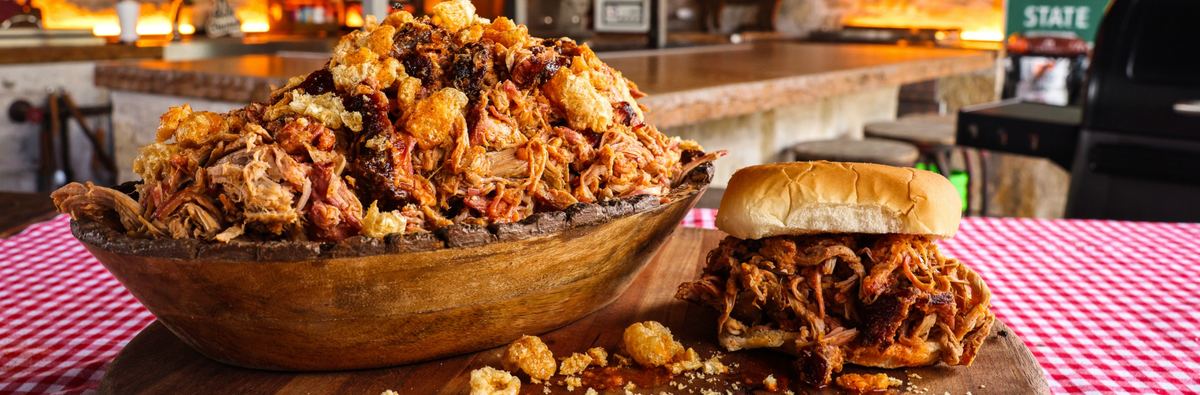
Main Facts: The Philosophy of Minimalist Barbecue
The core premise of Pittman’s technique is "less is more." While the barbecue industry has become saturated with complex injections, multi-step rubs, and precise wrapping stages—often referred to as the "Texas Crutch"—Pittman argues that these additions actually mask the natural flavor of the meat.
The Ingredients of Simplicity
- The Protein: A standard pork butt (pork shoulder).
- The Seasoning: Pure iodized salt. That is all.
- The Smoke: A high-quality wood pellet blend (Pecan and Cherry are recommended for their mild, fruit-forward profiles).
- The Sauce: A classic, thin, vinegar-based Carolina mop.
- The Secret Weapon: Crispy pork rinds (chicharrones).
The most striking departure from standard barbecue wisdom is the rejection of the "spritz" or the "wrap." By letting the pork butt ride in the smoker for a full 12 hours without interference, the exterior bark develops a deep, dark, and robust texture that is essential for replicating the "crunchy bits" found on a whole hog.

Chronology: A 12-Hour Journey to Perfection
Achieving the perfect whole-hog-style pork butt requires patience, but the physical labor involved is surprisingly minimal.
Phase I: Preparation (The 15-Minute Window)
The process begins with the structural preparation of the meat. The fat cap on the pork butt is scored in a one-inch diamond pattern. This is not merely aesthetic; it increases the surface area for the fat to render and for the smoke to penetrate the meat. Once scored, the butt is seasoned liberally with iodized salt. Pittman emphasizes letting the salt adhere for 15 minutes, allowing it to begin the process of osmosis, drawing out surface moisture and preparing the meat for the smoke.

Phase II: The Low and Slow Smoke
The smoker is preheated to 250°F. Using a Traeger wood-fired grill, Pittman suggests a blend of pecan and cherry pellets. Once the meat hits the grates, the "hands-off" phase begins. For the next 12 hours, the pork remains undisturbed. There is no opening the lid to spritz with apple juice or vinegar, and there is no wrapping the meat in butcher paper or foil. This allows the bark to develop naturally, achieving a level of mahogany darkness that would otherwise be softened by moisture or steam.
Phase III: Reaching the Goal
The cook is concluded not by a timer, but by internal temperature and feel. The target is 203°F, or until the meat reaches "probe tender" status—the point at which the thermometer slides into the meat with no more resistance than it would into a jar of room-temperature peanut butter.

Phase IV: The Assembly
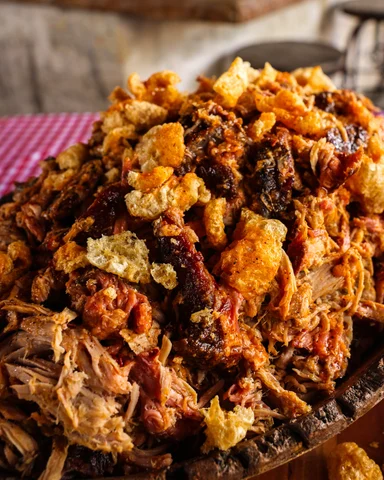
Once the meat is pulled from the smoker and rested, the transformation begins. The pork is pulled into shreds, maintaining a mix of the dark, crunchy bark and the succulent, tender interior. This is the moment where the Carolina vinegar sauce—a punchy mixture of apple cider vinegar, Texas Pete hot sauce, and red pepper flakes—is folded in. Finally, the crushed chicharrones are incorporated, providing the necessary crunch to mimic the crackling skin of a whole pig.
Supporting Data: Why This Method Works
The science behind Pittman’s method rests on the Maillard reaction and the structural breakdown of collagen.

- Surface Texture: By not wrapping the meat, the humidity level on the surface of the pork remains low. This is critical for the development of the "bark." In a wrapped environment, the meat steams in its own juices, which creates a softer exterior. By opting for an open-air cook, the surface dehydrates and caramelizes, resulting in the deep, savory crust characteristic of authentic hog pits.
- Flavor Profile: Carolina-style barbecue is defined by its acidity. The use of a vinegar-based sauce acts as a digestive aid and a flavor balancer. The fat of the pork butt is rich and heavy; the acetic acid in the vinegar cuts through that richness, preventing palate fatigue and ensuring that every bite remains bright and lively.
- Texture Mimicry: The inclusion of chicharrones is an ingenious culinary hack. In a true whole-hog roast, the skin is rendered down until it is brittle and crispy. In a pork butt, there is no skin. By adding chicharrones, the cook introduces a contrasting texture that tricks the brain into perceiving the presence of rendered hog skin, completing the sensory experience of a whole-hog meal.
Official Responses and Culinary Impact
Within the professional barbecue community, Pittman’s approach has been hailed as a return to "honest" cooking. Experts note that as pellet grills have gained popularity, there has been a tendency for users to over-complicate the process with digital monitoring and additives.
"Matt’s approach reminds us that barbecue was born out of necessity and simplicity," says one industry observer. "When you remove the crutches, you are forced to learn how your smoker actually performs. It is a masterclass in heat management rather than chemical manipulation."

Furthermore, the "Whole Hog" method has gained traction among home cooks who are intimidated by the sheer scale of professional barbecue. By scaling down the technique, Pittman has democratized the craft, allowing the average person to produce a restaurant-quality meal on a patio grill.
Implications: The Future of Home Barbecue
The success of the "Pork Butt like Whole Hog" method has broader implications for the future of the backyard barbecue scene.

A Shift Toward Minimalism
As the "Instagram-era" of barbecue—which often prioritizes visual perfection—begins to wane, there is a growing appetite for substance over style. Pittman’s method proves that the most "authentic" flavors often come from the simplest ingredients. This shift suggests that future recipes will likely move away from the "injected and wrapped" trends of the last decade, focusing instead on high-quality smoke and raw, high-quality proteins.
Accessibility and Sustainability
By showing that a single pork butt can yield the same flavor profile as a whole animal, Pittman has provided a more sustainable and accessible path for barbecue enthusiasts. A whole hog requires a significant financial investment and a massive amount of planning. A pork butt, conversely, is readily available in any grocery store, making this style of "traditional" barbecue something that can be executed on a whim.

The Role of Texture
Finally, the use of chicharrones as a textural component is likely to influence other barbecue recipes. The trend of "textural layering"—using crispy elements to offset the soft, fatty nature of slow-cooked meat—is an area of culinary exploration that is ripe for further development.
Conclusion
Matt Pittman’s take on the pork butt is more than just a recipe; it is a philosophy. By stripping away the noise of the modern barbecue industry, he has invited home cooks to engage with the elemental aspects of the craft: fire, salt, time, and fat. Whether you are a seasoned pitmaster or a beginner looking to impress at your next gathering, this method offers a reliable, delicious, and deeply rewarding way to bring the spirit of the Carolina hog pit into your own backyard.

The result is a sandwich that is not just a copy of a whole hog, but a celebration of the pork itself—honored with nothing more than the patience to wait for the perfect bark. As Pittman proves, you don’t need the pig to capture the spirit; you just need to know how to listen to the fire.