Do you believe that seafood is a culinary luxury best reserved for white-tablecloth restaurants? If you are a seasoned home chef who can masterfully sear a ribeye or roast a whole chicken but finds yourself paralyzed by the prospect of cooking a simple scallop, you are not alone. There is a persistent, widespread myth that seafood is temperamental, difficult, and prone to ruin.
The reality, however, is quite the opposite. When approached with the right foundational knowledge, seafood is arguably the most approachable protein in the home kitchen. It is time to demystify the process and transform your weekly meal rotation with the speed, health benefits, and elegance that only a well-prepared seafood dish can provide.

The Case for Seafood: Speed, Simplicity, and Sophistication
One of the greatest revelations for the modern home cook is the discovery that seafood is significantly faster to prepare than almost any other protein. While a thick-cut steak requires careful monitoring of internal temperatures and a whole chicken demands hours of oven time, the majority of fish fillets can be cooked to perfection in under 15 minutes.
Shrimp, the quintessential quick-fix protein, can be ready in less than five minutes, and delicate scallops often require even less time in the pan. By integrating seafood into your weekly menu, you are not just adding variety; you are reclaiming your time. Even for those on a budget, incorporating high-quality seafood once or twice a week elevates a standard Tuesday night dinner into an experience that feels remarkably "fancy" without the corresponding restaurant price tag.

The Great Myth: Fresh Versus Frozen
A significant barrier for many home cooks is the obsession with "fresh" fish. There is a deeply ingrained belief that if it wasn’t swimming in the ocean this morning, it isn’t worth cooking. However, for those of us who do not live within walking distance of a coastal dock, this mindset is often counterproductive.
The reality of the supply chain is that much of the seafood sold at grocery store display counters was previously frozen and then thawed by the store. In contrast, purchasing high-quality frozen seafood often yields a superior product. Modern flash-freezing technology allows processors to preserve fish at the peak of its quality, locking in nutrients and texture immediately after the catch. By buying frozen, you are essentially "pausing" the freshness, whereas "fresh" fish at the counter may have been sitting on ice for several days, slowly degrading in quality.
Selecting the Right Catch
When you find yourself at the fish counter or browsing the freezer aisle, keep these professional standards in mind:
- Aroma: Fresh seafood should smell clean, like the ocean or a sea breeze. Any hint of a sharp, "fishy," or ammonia-like odor is a clear indicator that the product is past its prime.
- Texture: If purchasing whole fish, the flesh should be firm and spring back when pressed. Avoid any product that feels mushy or leaves an indentation.
- Eyes and Gills: For whole fish, look for clear, bright eyes—not cloudy or sunken ones—and vibrant red gills.
- The "Flash-Frozen" Advantage: Look for labels that specify "individually quick frozen" (IQF). This allows you to thaw only the portion you need for a single meal, preventing waste.
Storage and Preservation: The Perishable Reality
Seafood is highly perishable. If you aren’t cooking it immediately, you need a strategy. If you buy fresh fish, aim to prepare it within 24 hours of purchase. Store it in the coldest part of your refrigerator, ideally on a bed of ice if possible, and ensure it is wrapped tightly to prevent odor transfer and moisture loss.
If you are thawing frozen seafood, the golden rule is to do it slowly. Move the fish from the freezer to the refrigerator 12 to 24 hours before cooking. Avoid the temptation to thaw fish in warm water or at room temperature, as this encourages bacterial growth and destroys the integrity of the flesh.
The Chemistry of Success: General Cooking Principles
Why do people fail with seafood? Usually, it comes down to two factors: overcooking and lack of moisture management.
The "Ten-Minute Rule"
A helpful rule of thumb for beginners is the "10-Minute Rule": measure the fish at its thickest point and cook it for 10 minutes per inch of thickness at 450°F (232°C). While every oven and stove is different, this provides a reliable baseline that prevents the "rubbery" texture associated with overcooked proteins.
Moisture Control: The Secret to the Sear
If you are pan-searing scallops or a firm white fish like cod, the biggest mistake is failing to pat the surface dry. Any excess moisture on the exterior of the fish will turn into steam the moment it hits the hot pan, preventing that beautiful, golden-brown crust (the Maillard reaction) from forming. Use a paper towel to remove all surface moisture before seasoning.
Understanding Internal Temperature
Stop guessing if your fish is done. Use an instant-read thermometer. For most fish, an internal temperature of 145°F (63°C) is considered the safety standard by the USDA, but many chefs prefer pulling it off the heat at 135°F–140°F, allowing the residual heat to finish the cooking process as it rests.
Curating Your Seafood Repertoire: Essential Techniques
To transition from "trepidation" to "mastery," start with these proven techniques and recipes.
1. The Forgiving Nature of Shrimp
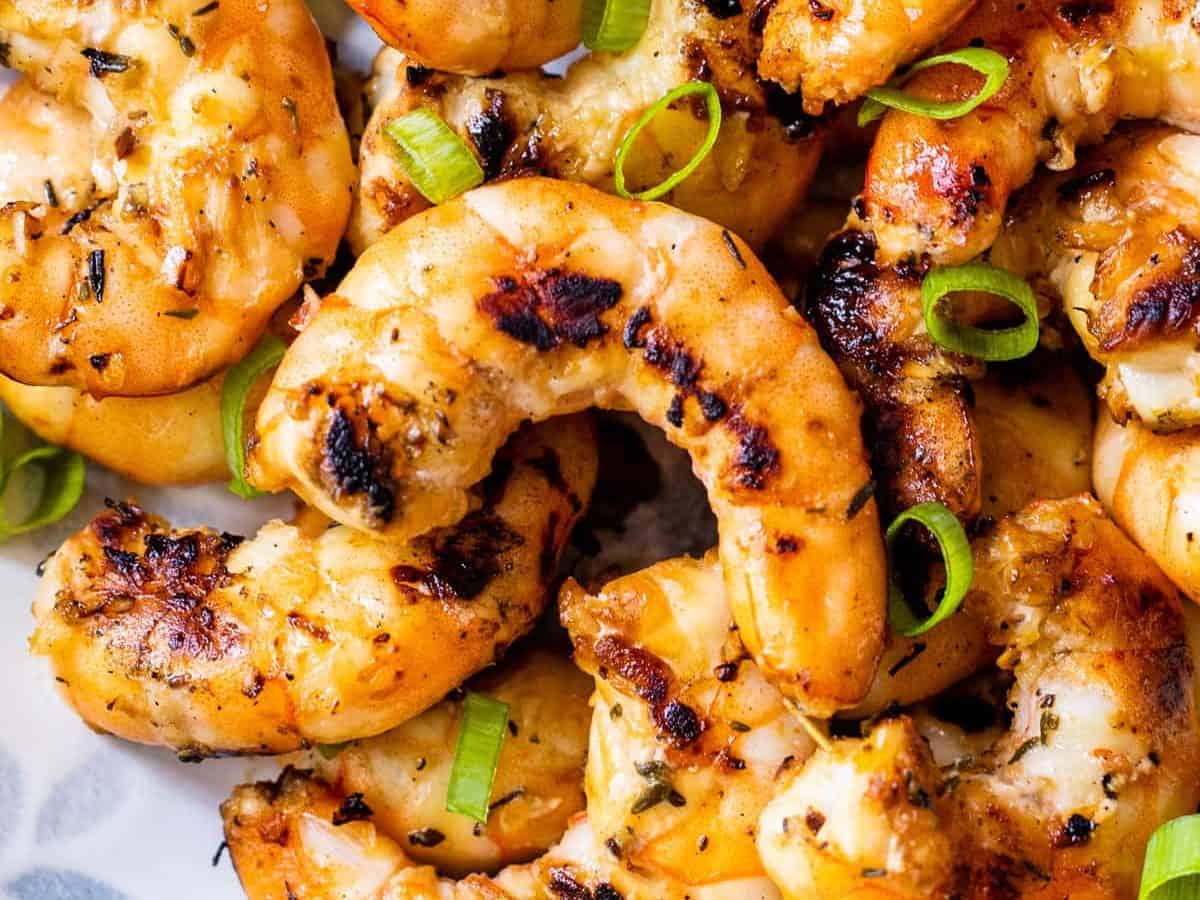
Shrimp are the perfect starting point for any seafood novice. Because they are small and naturally forgiving, they are difficult to ruin. A simple marinade of olive oil, lemon, garlic, and fresh herbs can transform them for a quick grill. Because they turn from translucent to opaque pink when cooked, they provide a visual cue that is nearly impossible to misinterpret.
2. Mastering the 400°F Baked Salmon
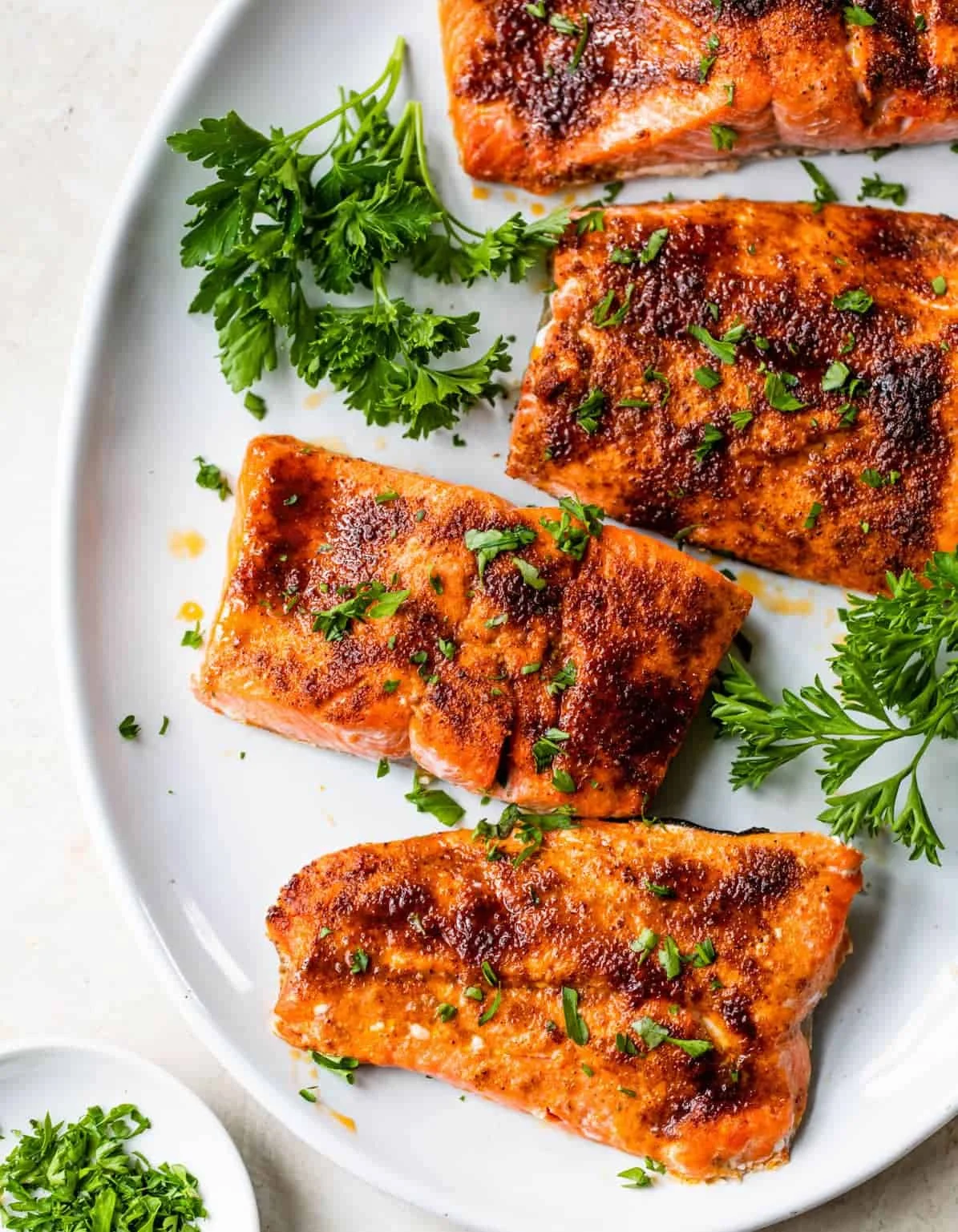
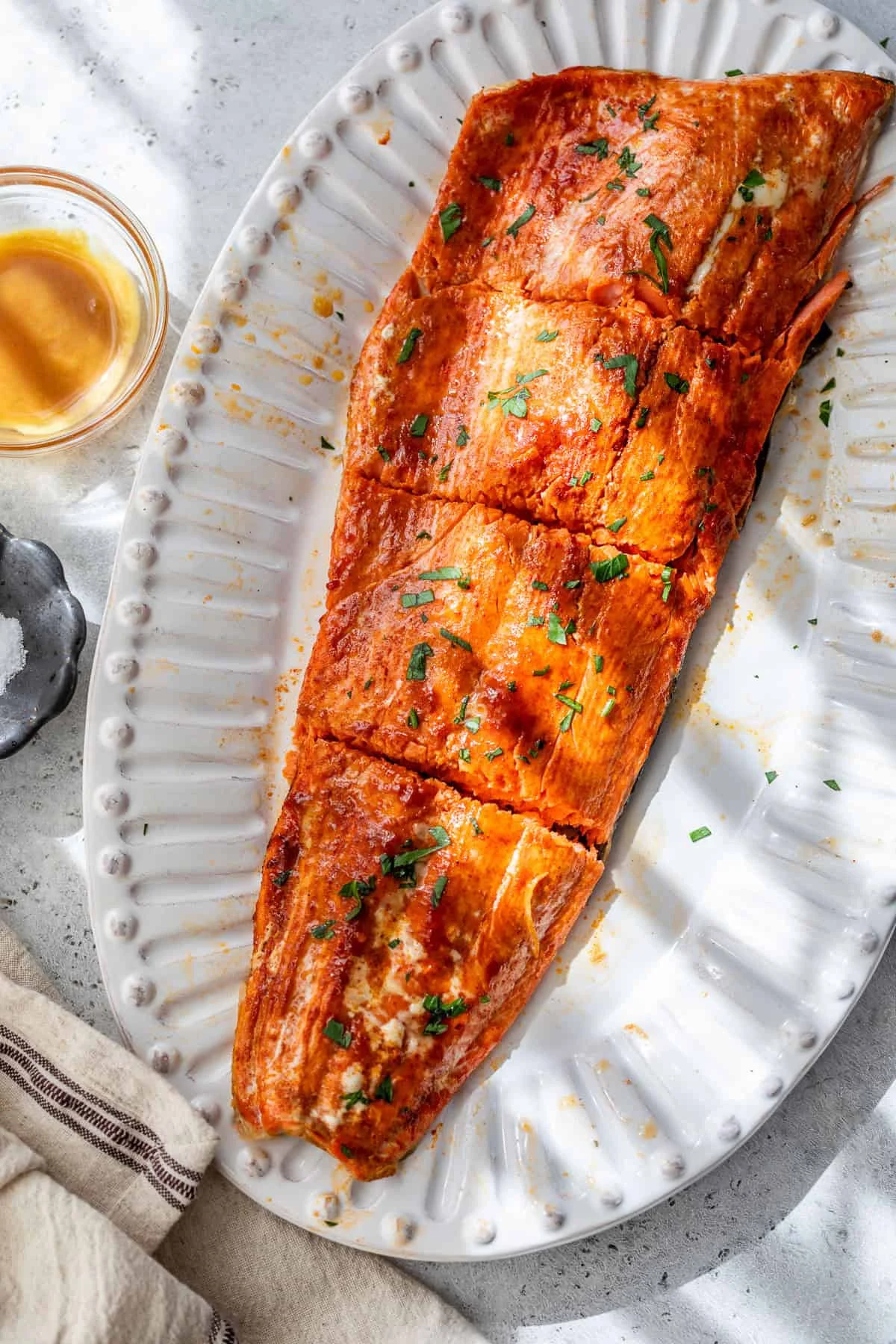
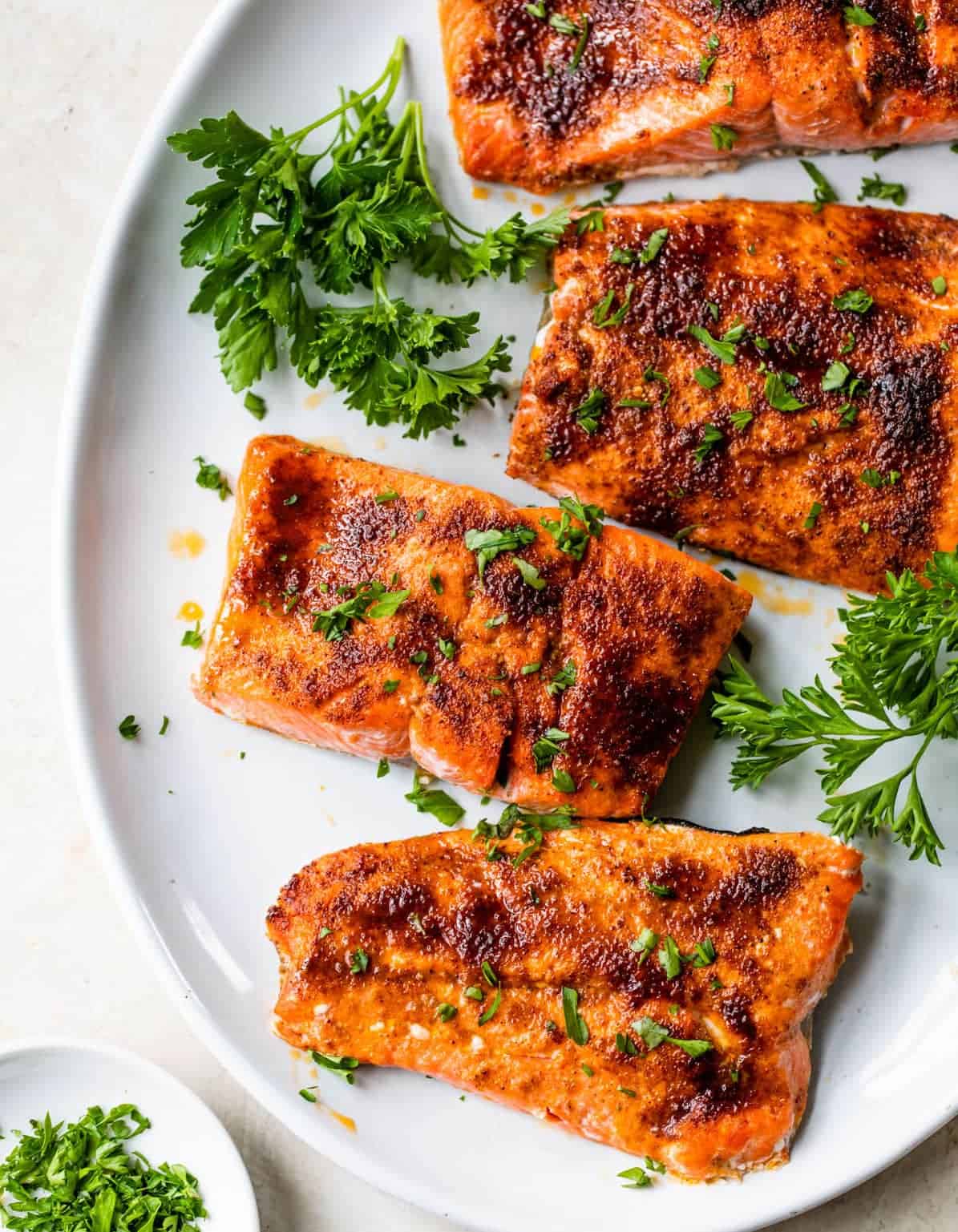
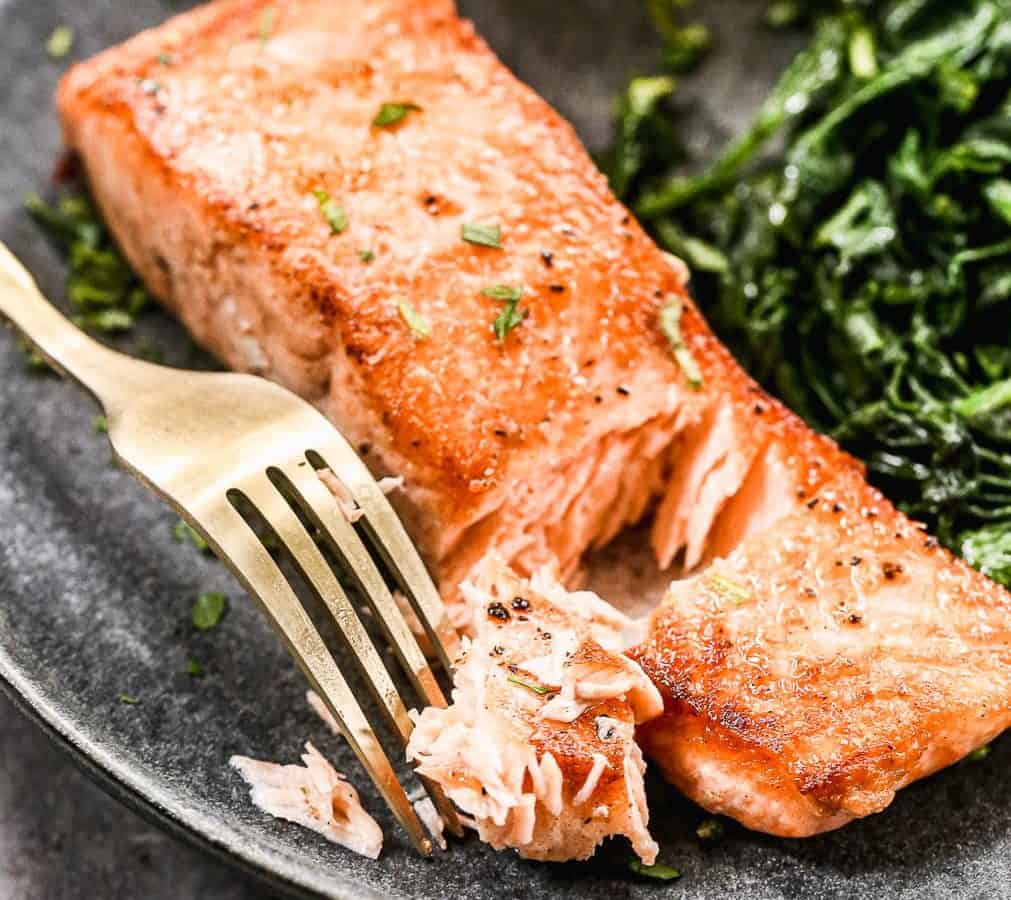
Salmon is a nutritional powerhouse, but it can dry out if treated carelessly. Baking salmon at a consistent 400°F allows the fat to render properly, keeping the fillet moist and tender. When the flakes separate easily with a fork, you know you have achieved perfection.
3. The Elegance of Scallops
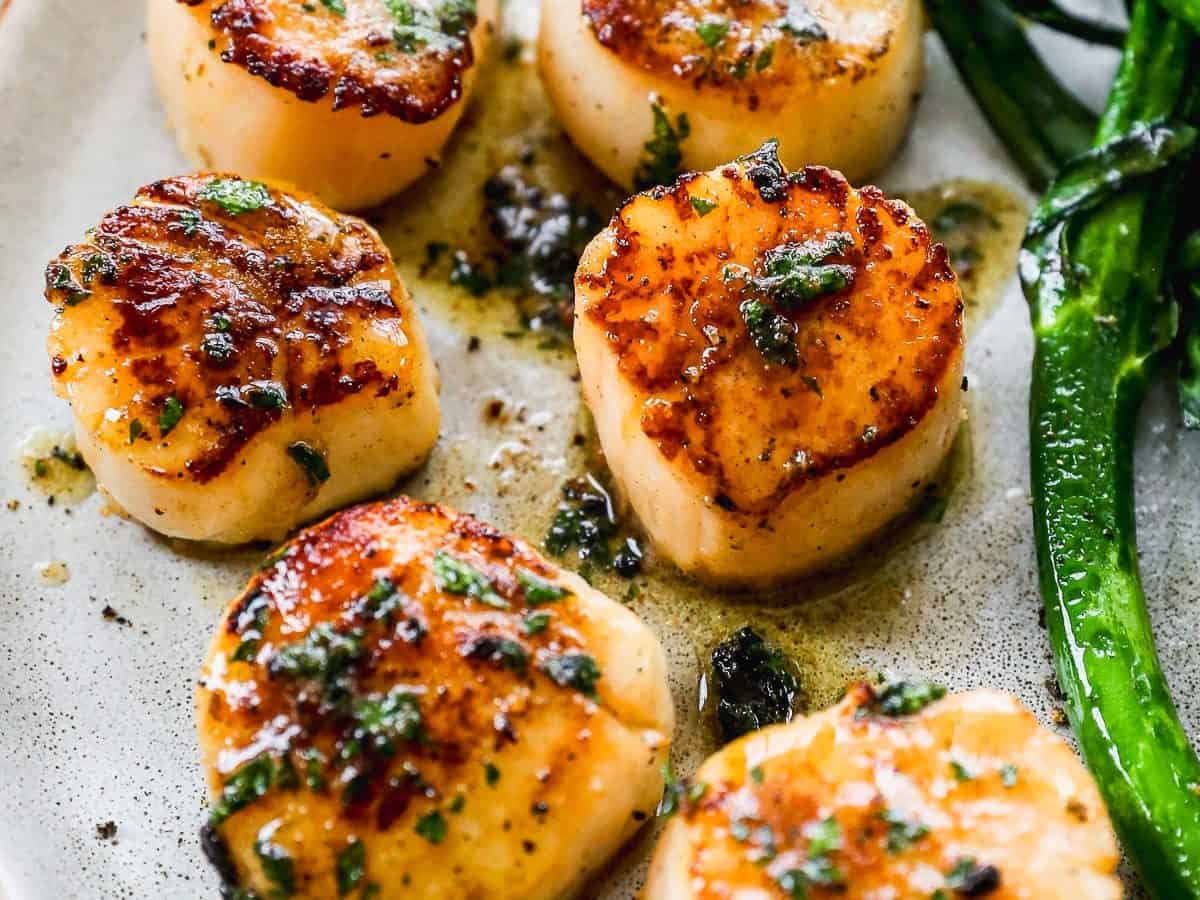
Scallops are often feared because of their price point, but they are incredibly simple. The technique is singular: high heat, a heavy pan, and patience. Do not move the scallop once it hits the pan; let the crust develop naturally. When it releases from the pan easily, it is time to flip.
4. Cod: The Approachable White Fish
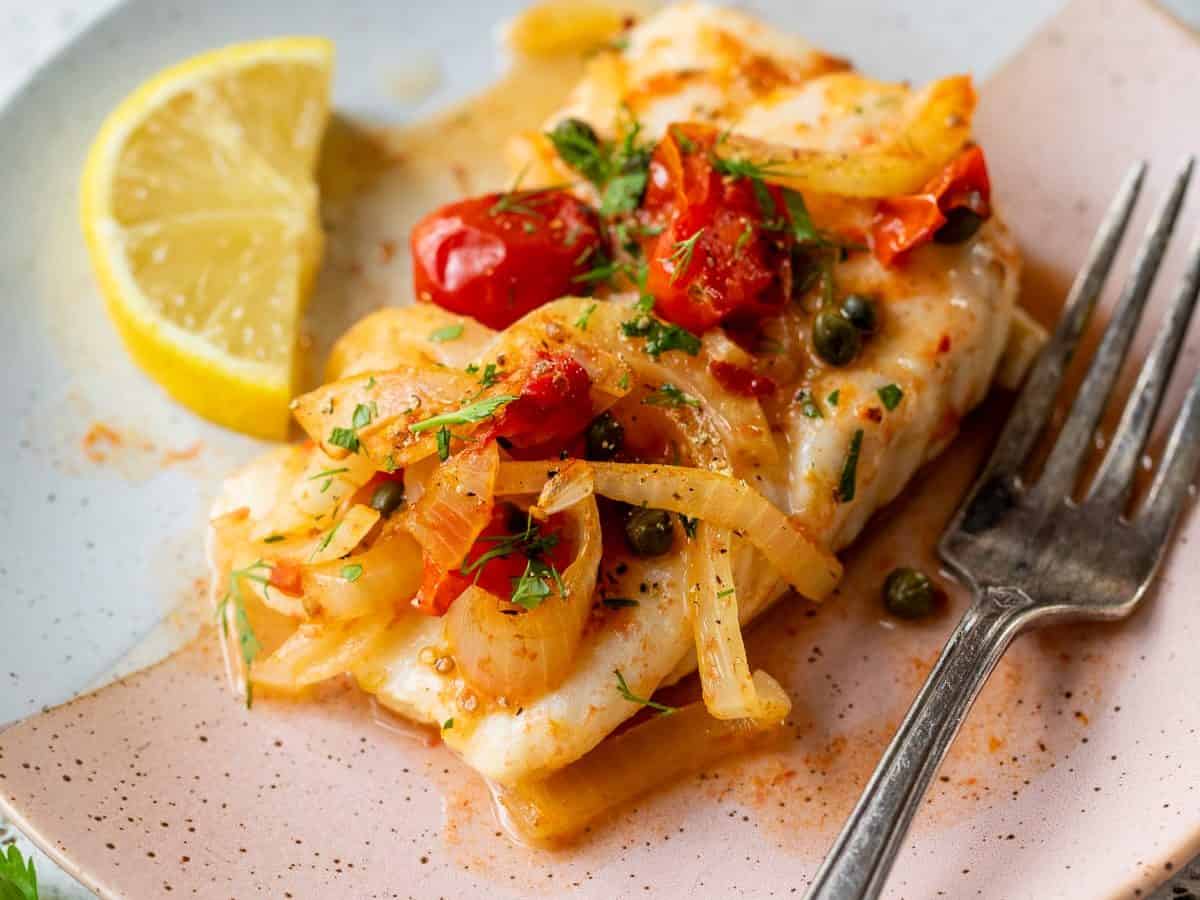
Cod is the workhorse of the seafood world. Its mild, clean flavor and flaky texture make it the ideal canvas for various sauces. Baked with roasted tomatoes and lemon, it becomes a light, Mediterranean-style meal that requires almost zero active kitchen time.
Implications for the Modern Diet
The shift toward incorporating more seafood is not merely a trend; it is a fundamental improvement in dietary health. Rich in Omega-3 fatty acids, high-quality protein, and essential minerals like iodine and selenium, seafood provides the nutrients that many modern diets lack.
By overcoming the psychological barrier of "seafood is hard," you unlock a new world of culinary possibilities. You save time, you reduce your reliance on processed meats, and you gain the satisfaction of creating restaurant-quality dishes in your own home. The "mastery" of seafood does not come from complex French techniques or expensive equipment; it comes from understanding the product, respecting the cooking times, and having the confidence to try.

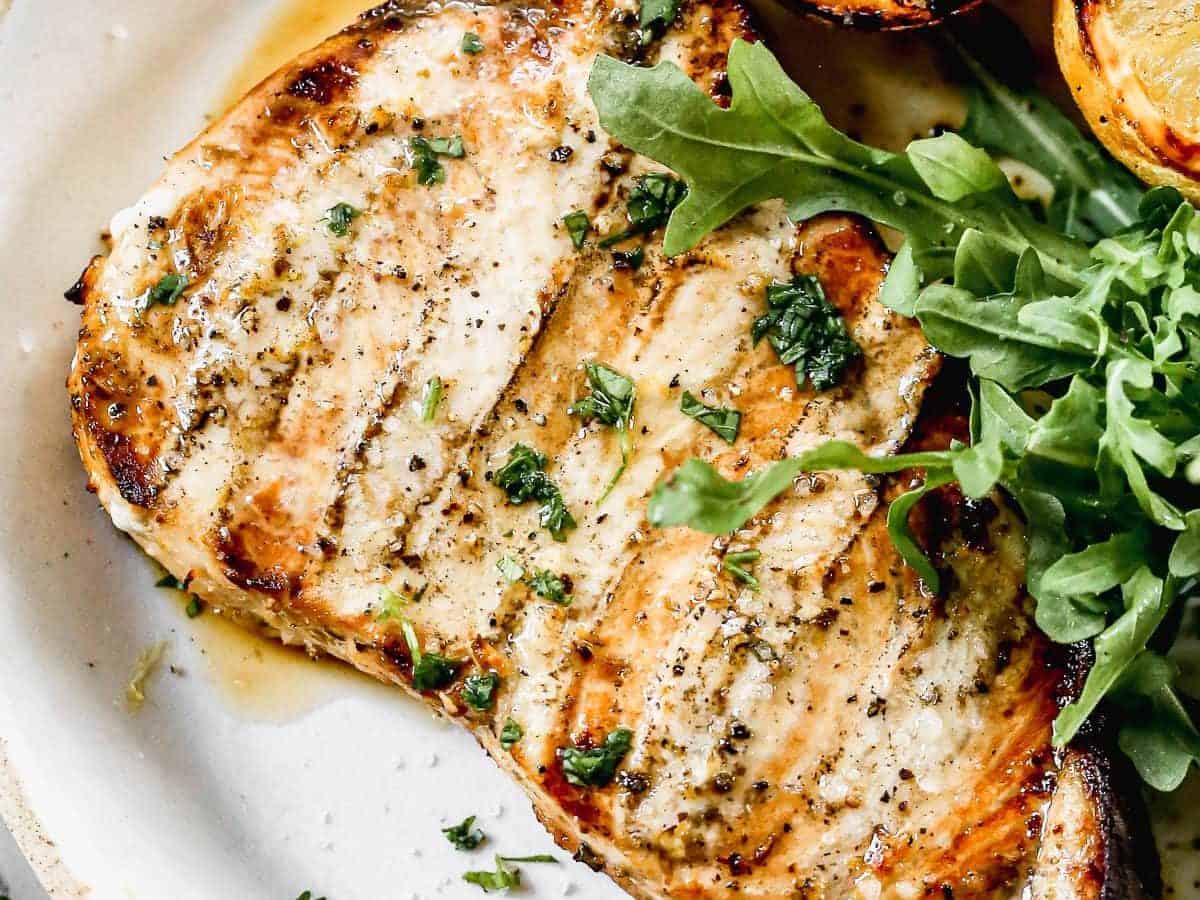
Whether you start with a simple grilled shrimp marinade or a perfectly seared piece of swordfish, the journey to becoming a seafood master begins with your next grocery trip. Embrace the process, keep it simple, and enjoy the bounty of the sea.