Main Facts
In the ever-evolving world of American barbecue, few cuts of meat polarize pitmasters quite like the tri-tip. Traditionally treated as a West Coast staple—frequently grilled hot and fast like a steak or roasted to a medium-rare finish—the triangular, lower-sirloin cut has often been overlooked by traditionalists of the low-and-slow, Central Texas-style barbecue movement. However, renowned pitmaster and Meat Church founder Matt Pittman is turning conventional wisdom on its head.
In his latest viral culinary demonstration, Pittman has popularized a technique that transforms the modest tri-tip into a "brisket-style masterpiece." By marrying the quick-cooking nature of sirloin with the rigorous, time-tested methodologies of smoking a whole packer brisket, home cooks can now achieve the buttery tenderness, rich bark, and unctuous juiciness of prime Texas barbecue without the hefty price tag, long-term commitment, or specialized equipment required for a 15-pound beef brisket.
At the heart of Pittman’s method is a precise balance of modern seasoning, traditional wood smoke, and post-stall wrapping with beef tallow. Utilizing Meat Church’s brand-new Garlic Jalapeño BLANCO seasoning—applied directly to the meat without a liquid binder—Pittman smokes the tri-tip low and slow over post oak. The meat is then wrapped in heavy-duty aluminum foil alongside rich beef tallow to push through the cooking stall until it reaches probe-tender perfection.
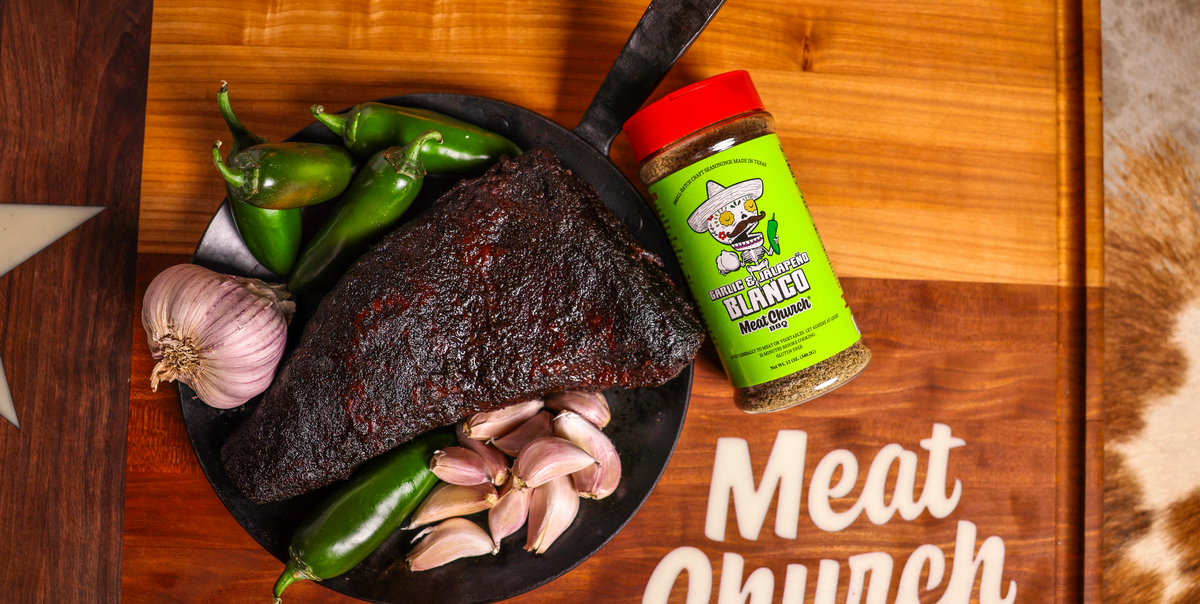
The resulting dish bridges the gap between gourmet steakhouse fare and rustic smokehouse tradition, offering a budget-friendly alternative that is capturing the attention of backyard grillers and culinary enthusiasts nationwide.
Chronology of the Cook: A Step-by-Step Breakdown
Achieving brisket-style tenderness from a leaner cut of beef requires patience, precision, and strict adherence to a chronological timeline. Pittman’s method can be meticulously broken down into five distinct phases:
1. Trimming the Cut
The process begins before the smoker is even fired up. Using a sharp boning knife, the pitmaster meticulously trims away any hard, unrendered fat and the thin, fibrous silver skin from the surface of the raw tri-tip. Unlike fat caps on briskets that slowly melt down during a 12-hour cook, hard fat on a tri-tip will fail to render during the shorter smoking window, creating an unpleasant, chewy texture in the final bite.

2. Seasoning and Adhesion
Skipping the traditional mustard or hot sauce binder often used to help rubs stick, Pittman opts for a bare-meat approach, claiming the natural moisture of the cut is more than sufficient. He dusts the tri-tip evenly on all sides with the Garlic Jalapeño BLANCO seasoning. The meat is then left to rest on the counter for 15 minutes, allowing the salt and spices to draw out minor surface moisture and form a tacky layer known as the "pellicle," which ensures optimal smoke and rub adhesion.
3. The Smoke Phase
With the smoker preheated to a steady 250°F, the tri-tip is placed directly in the center of the cooking grate. Post oak—the gold standard of Central Texas barbecue—is utilized to impart a clean, robust, yet balanced smoke flavor that complements the beef without overpowering it. The meat remains untouched in the smoker for approximately 3.5 hours, or until the internal temperature reaches 165°F and a dark, aromatic bark has formed on the exterior.
4. The Foil Wrap and Tallow Boost
To power through the inevitable cooking stall and retain maximum moisture, the tri-tip is removed from the smoker and placed squarely in the center of two overlapping sheets of heavy-duty aluminum foil. A generous spoonful of rendered beef tallow is added directly on top of the meat before it is wrapped as tightly as possible to trap internal steam and juices. The wrapped package goes back onto the smoker for roughly two more hours, cooking until the internal temperature climbs to 203°F and a meat probe slides in with zero resistance ("probe-tender").

5. Resting, Slicing, and Serving
Perhaps the most crucial step in achieving the signature brisket mouthfeel is the resting period. The tri-tip is pulled from the smoker, tented loosely in its foil, and allowed to rest at room temperature for 45 minutes to let the internal juices redistribute throughout the muscle fibers.
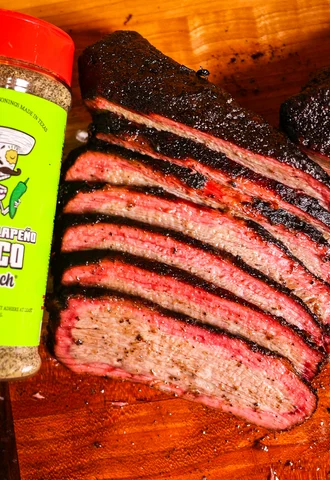
Because a tri-tip is uniquely composed of two distinct muscles whose grain runs in different directions, slicing requires a keen eye. Pitmasters must first cut down the exact middle where the two muscle grains meet, and then slice each portion individually against the grain to guarantee a tender, melt-in-your-mouth bite. Any excess tallow reserved from the wrap can be lightly drizzled over the slices before serving.
Supporting Data: The Economics and Anatomy of the Tri-Tip
To truly understand why Pittman’s brisket-style tri-tip has struck a chord with the barbecue community, one must analyze the economic and structural differences between traditional brisket and tri-tip cuts.

| Metric / Feature | Traditional Packer Brisket | Brisket-Style Tri-Tip |
|---|---|---|
| Average Weight | 12 to 16 pounds (trimmed) | 2 to 3.5 pounds |
| Average Cook Time | 10 to 14 hours | 5 to 6 hours |
| Cost Efficiency | High total cost; variable per-pound pricing | Low total investment; accessible for weeknight cooks |
| Equipment Demand | Large smoker capacity required | Fits easily on pellet grills, kettles, and offset smokers |
| Muscle Structure | Flat and Point (complex grain) | Two intersecting muscles requiring directional slicing |
| Fat Content | Substantial natural intermuscular fat | Leaner cut; requires added tallow for moisture |
The data highlights a clear consumer shift. While a full packer brisket remains the ultimate symbol of barbecue endurance and communal feasts, its steep price tag, massive proportions, and 12-plus-hour time commitment make it impractical for smaller households or spontaneous weekend gatherings.
Conversely, the tri-tip—historically popular in California’s Santa Maria style of grilling—typically weighs between 2 and 3.5 pounds. By introducing beef tallow during the wrap phase, Pittman successfully compensates for the tri-tip’s naturally leaner profile, mimicking the rich, gelatinous mouthfeel of a brisket’s "point" muscle while keeping total cook times down to a manageable 5 to 6 hours.
Official Responses and Industry Reaction
The reception from the culinary community and barbecue enthusiasts has been overwhelmingly positive. Industry insiders note that Matt Pittman’s experiment reflects a broader trend of culinary cross-pollination, where regional barbecue traditions are continuously adapted for the modern home kitchen.

In statements released across social media platforms and digital barbecue forums, fans and fellow pitmasters praised the accessibility of the recipe. "People have been trying to make quick brisket substitutes for years using chuck roasts or beef plate ribs, but the tri-tip offers a unique geometry and tenderness profile that changes the game," noted one prominent competition pitmaster. "When you pair a well-marbled sirloin cut with a savory, garlic-and-jalapeño-forward rub and post oak smoke, you aren’t just making a cheap brisket clone—you’re creating an entirely new category of barbecue."
Furthermore, representatives for seasoning brands have highlighted how specialty rubs like Garlic Jalapeño BLANCO are engineered specifically to handle the extended hours of low-and-slow heat without burning or turning bitter. The inclusion of balanced garlic notes paired with the mild, earthy heat of jalapeño cuts through the heavy richness of the added beef tallow, providing a complex flavor profile that elevates simple beef into a gourmet experience.
Implications for Backyard Pitmasters and the Future of Barbecue
The viral success of Pittman’s brisket-style tri-tip carries significant implications for home cooks, local butcher shops, and the broader barbecue ecosystem.

1. Democratizing Gourmet Barbecue
For decades, mastering Texas-style brisket was viewed as an elite rite of passage that required expensive commercial-grade smokers, precise wood-management skills, and a high tolerance for financial loss if a cut dried out during an overnight cook. By lowering the barriers to entry—both in terms of cost and time—techniques like this democratize gourmet barbecue. Families who previously only enjoyed authentic smokehouse flavors on special restaurant outings can now replicate them on standard backyard pellet grills or kettle setups on a regular Tuesday evening.
2. Shifting Butcher Shop Demands
As recipes showcasing underrated cuts gain mainstream traction, local butchers are reporting shifts in inventory demand. Cuts like the tri-tip, once regional novelties largely confined to the Western United States or specialty steakhouses, are now stocking regularly in supermarkets nationwide. Consumers are increasingly asking butchers for trimmed tri-tips specifically designated for smoking rather than grilling, altering how beef carcasses are broken down and marketed at the retail level.
3. Endless Innovation in Rubs and Techniques
Finally, Pittman’s method proves that traditional barbecue rules are meant to be bent. By combining West Coast cuts with Central Texas smoking principles, modern pitmasters are actively expanding the vocabulary of American barbecue. As new spice blends enter the market and home cooks continue to share experimental adaptations online, the backyard barbecue scene is entering a golden age of creativity, flexibility, and mouth-watering flavor.