In the landscape of modern home cooking, few dishes strike the balance between nutritional density, culinary sophistication, and time-efficiency quite like Honey Mustard Salmon. As busy households continue to search for weeknight dinner solutions that eschew processed convenience foods in favor of fresh, whole-food ingredients, this classic preparation has emerged as a gold standard.
Whether you are a seasoned home chef or a novice looking to master the art of seafood, the honey mustard glaze offers a foolproof method for achieving moist, flaky, and flavor-packed results every single time.
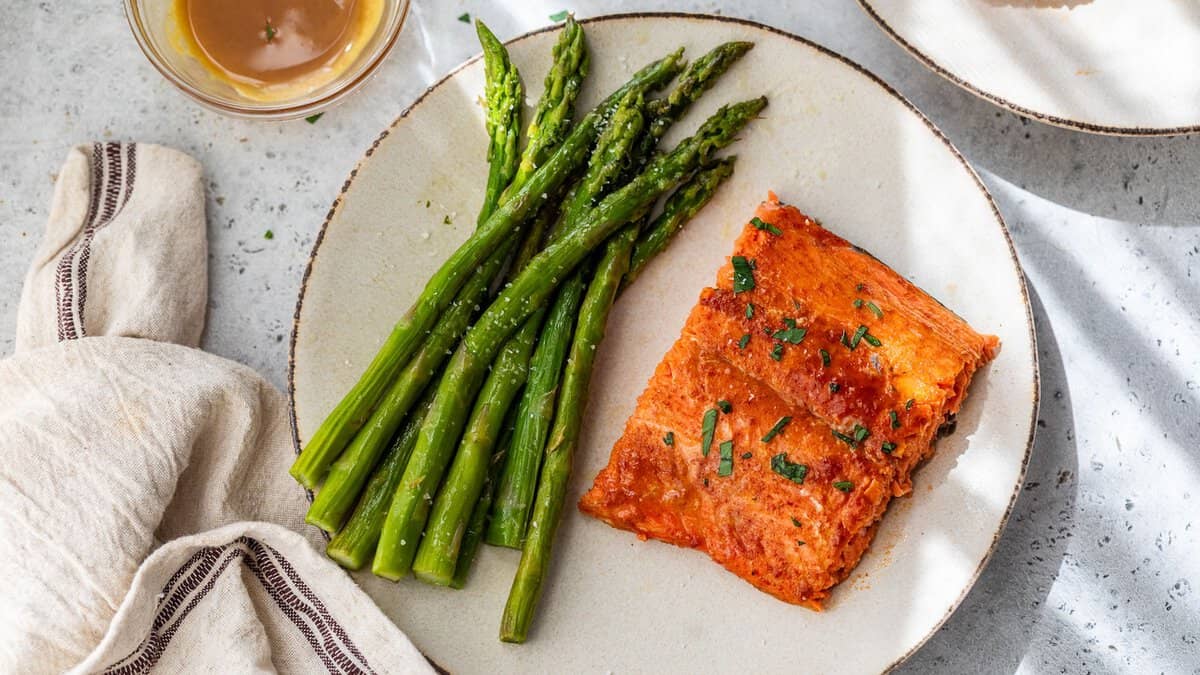
The Core Concept: Why Honey Mustard Salmon Works
At its essence, the success of this dish lies in the chemistry of the glaze. Salmon, a rich, fatty fish, provides a substantial foundation that can handle bold, contrasting flavors. By pairing the natural, earthy sweetness of honey with the sharp, acidic bite of Dijon mustard, the chef creates a flavor profile that effectively cuts through the richness of the salmon’s natural oils.
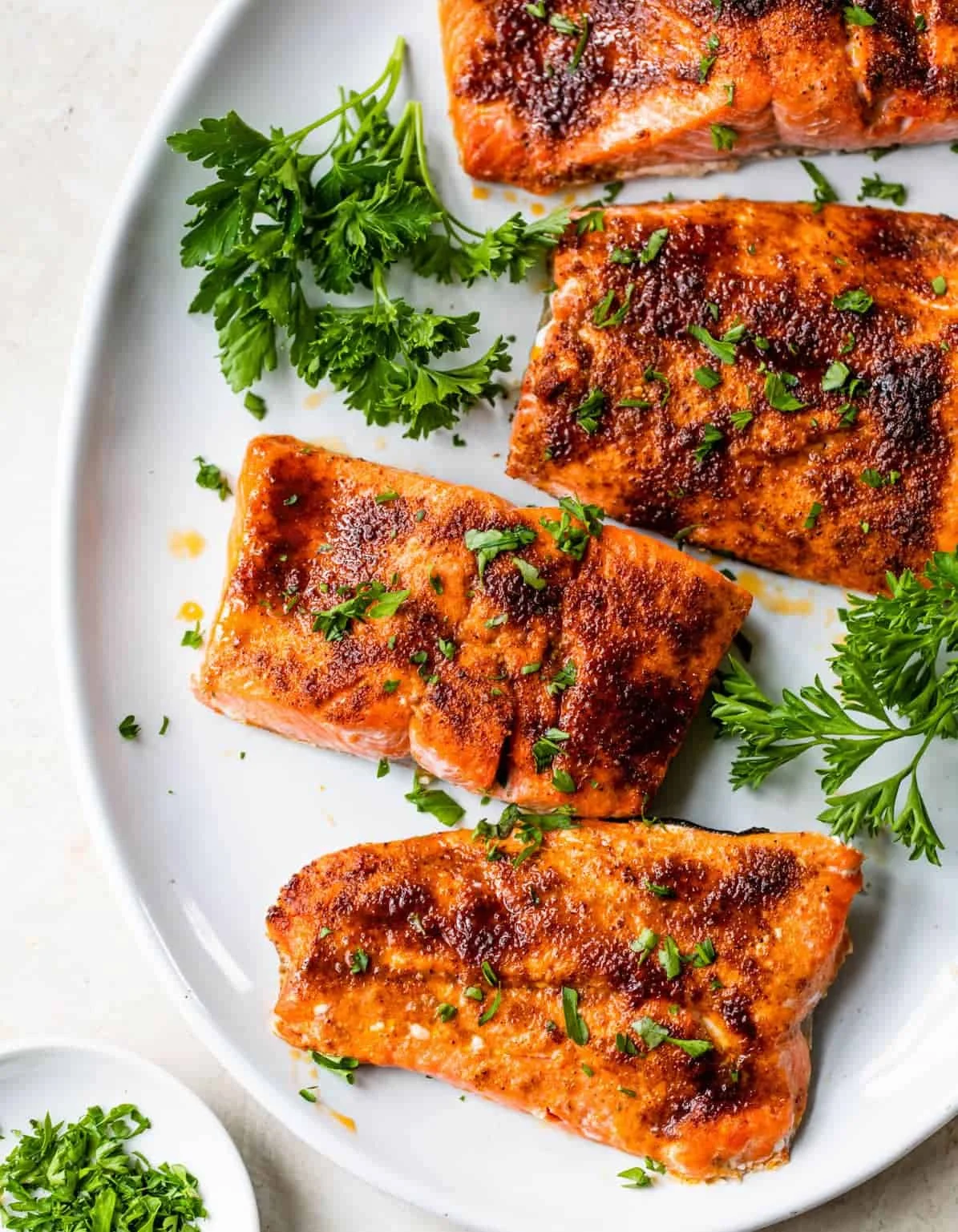
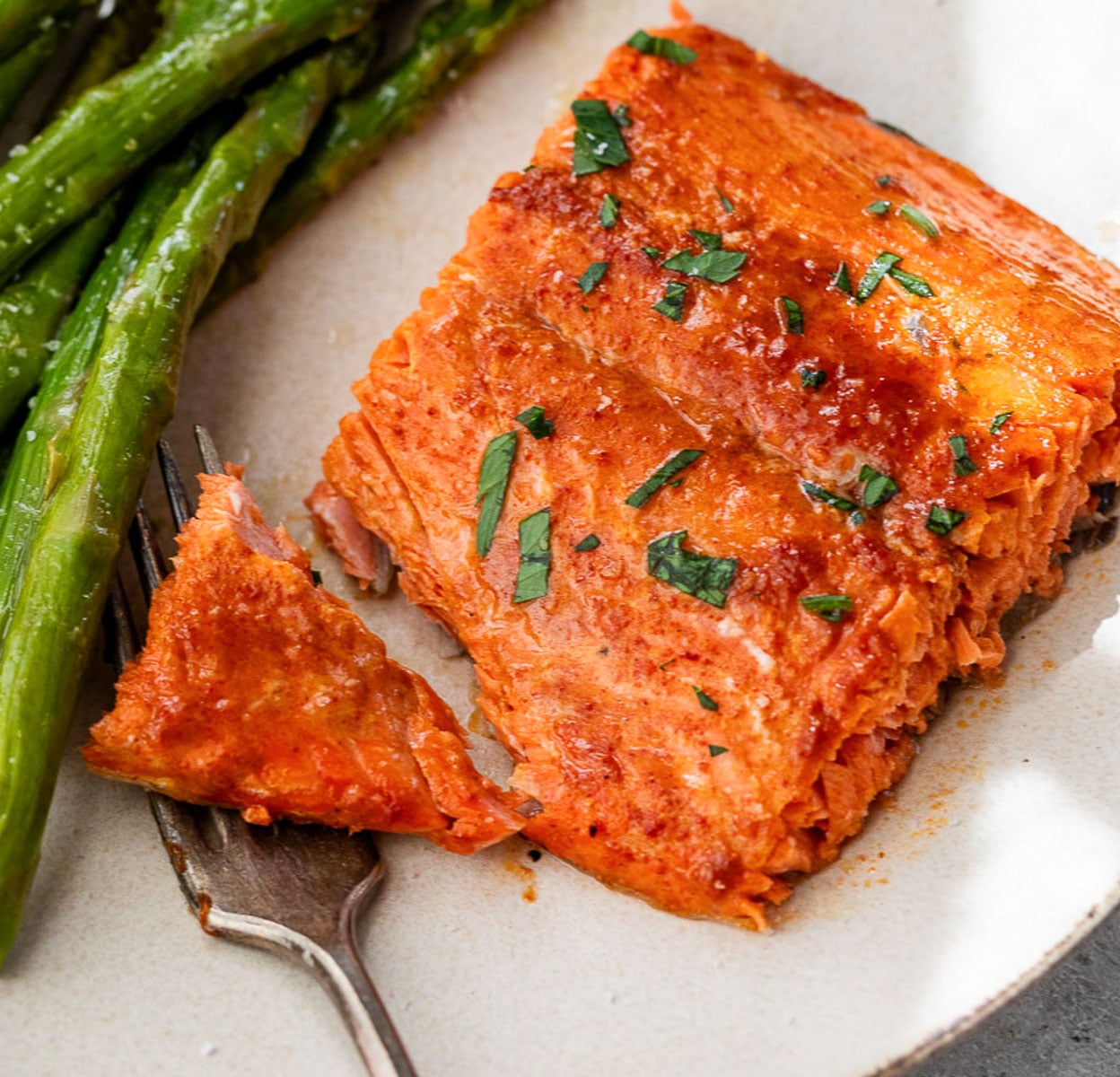
When baked at high heat, the sugars in the honey undergo a mild caramelization process, forming a tacky, golden-brown crust on the exterior of the fish. This not only adds a depth of flavor through the Maillard reaction but also creates a moisture barrier, ensuring that the interior of the fillet remains succulent and tender.
A Chronology of the Culinary Process
Achieving the perfect result is not a matter of luck, but rather a structured approach to preparation and heat management. The following steps outline the standard professional method for preparing this dish at home.
Phase 1: Preparation and Mise en Place
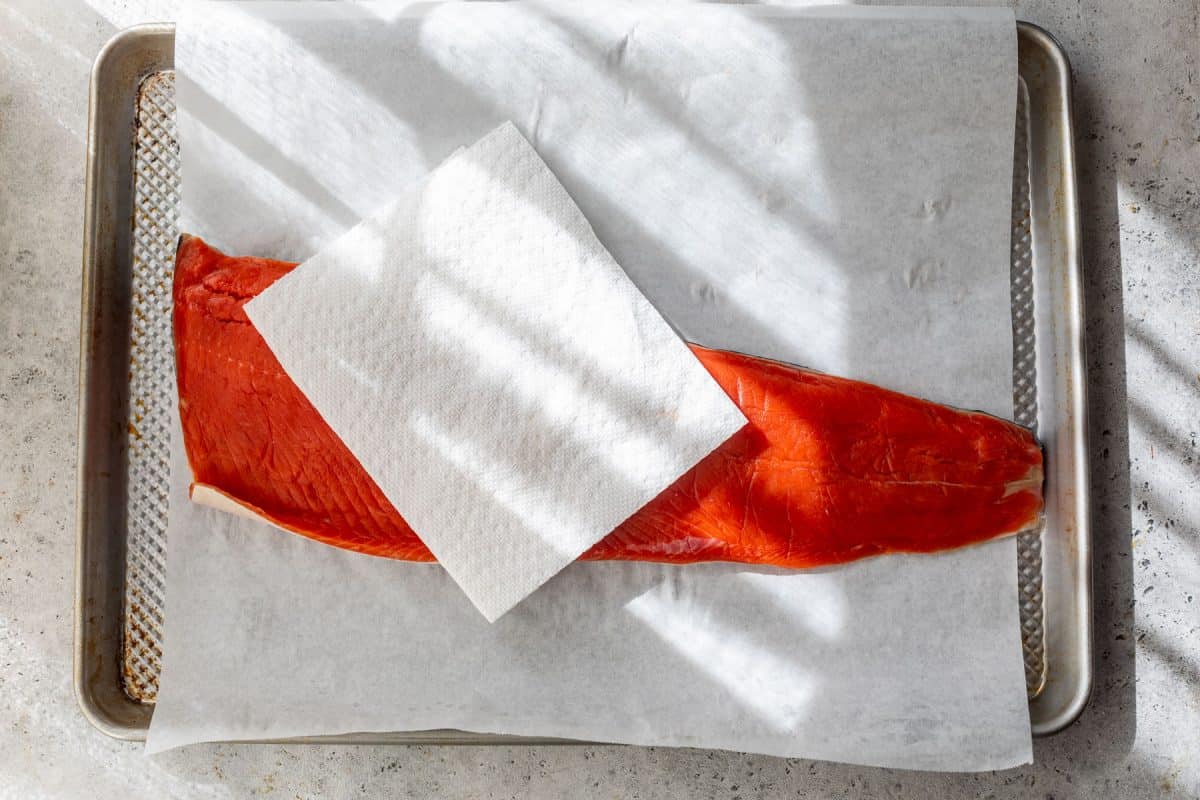
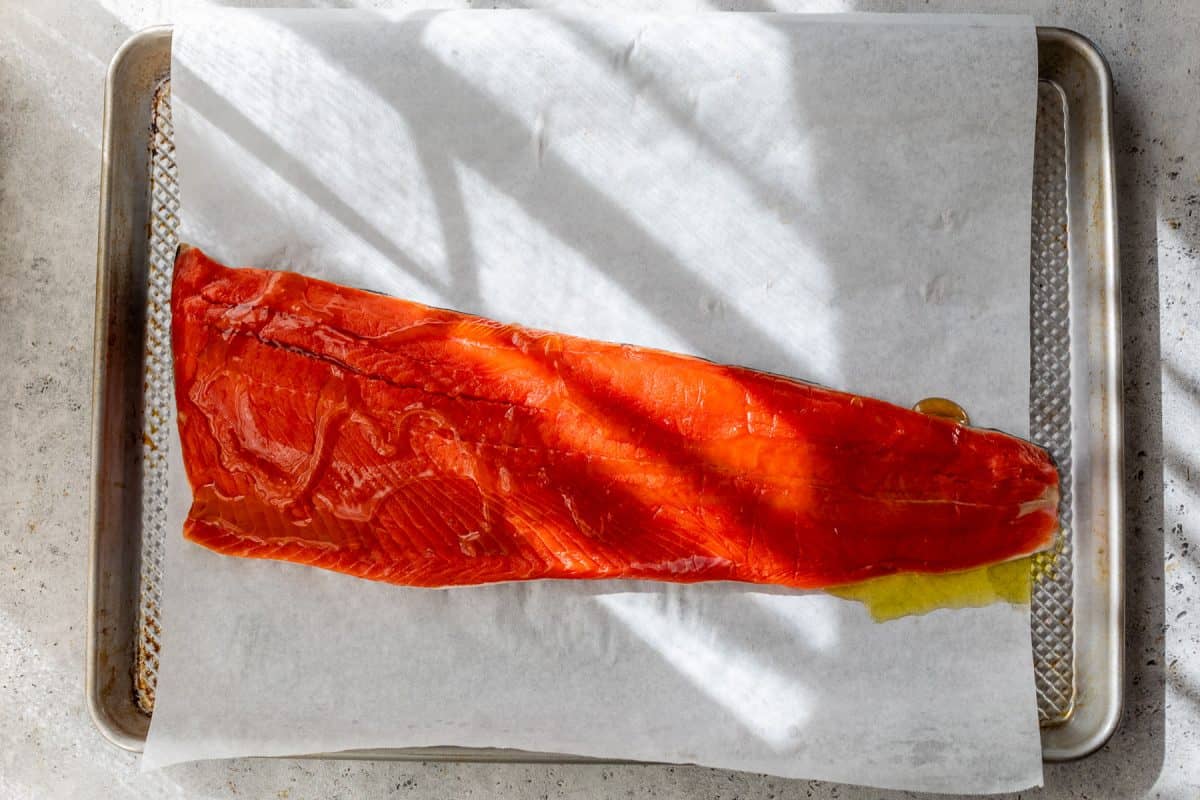
The process begins with the physical preparation of the protein. Regardless of whether you are using a whole side of salmon or individual portions, the fillet must be patted dry with paper towels. Removing excess surface moisture is a critical step; if the surface is wet, the fish will steam rather than sear or glaze effectively. Once dried, the fish should be placed on a baking sheet lined with parchment paper to prevent sticking and facilitate an easy cleanup.

Phase 2: The Glaze Application
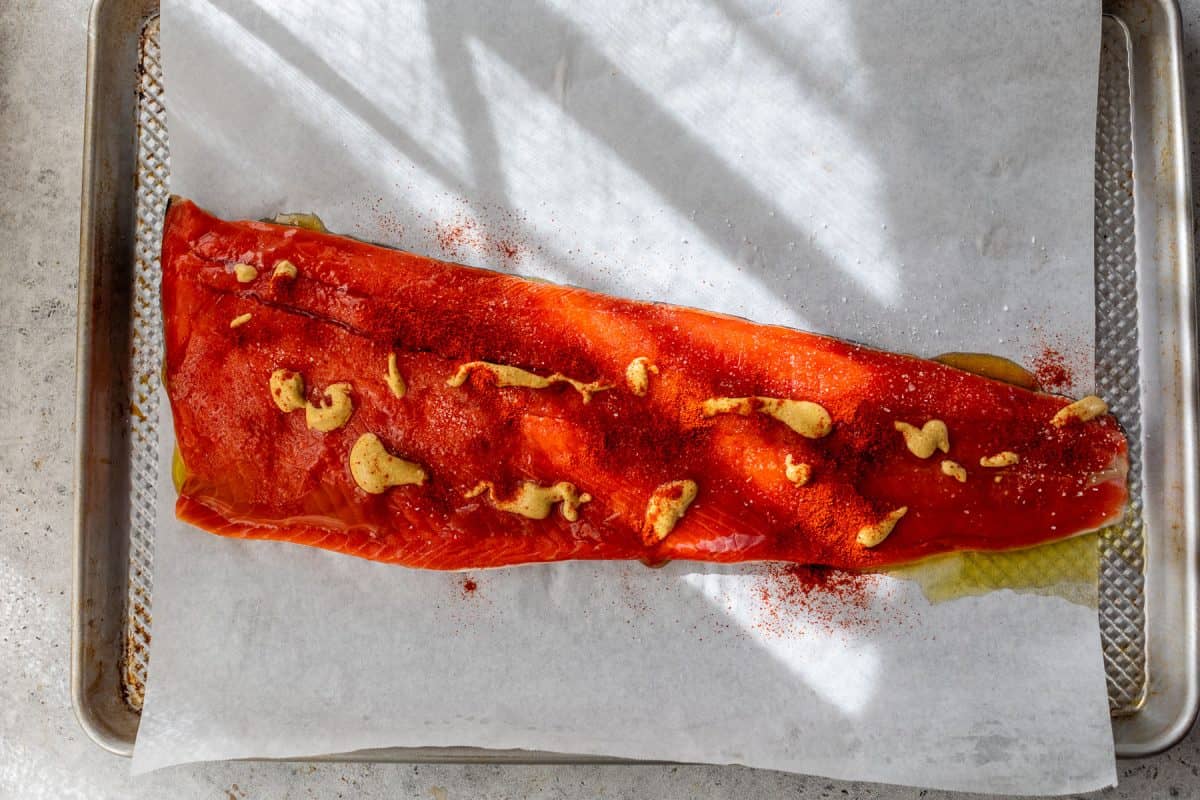
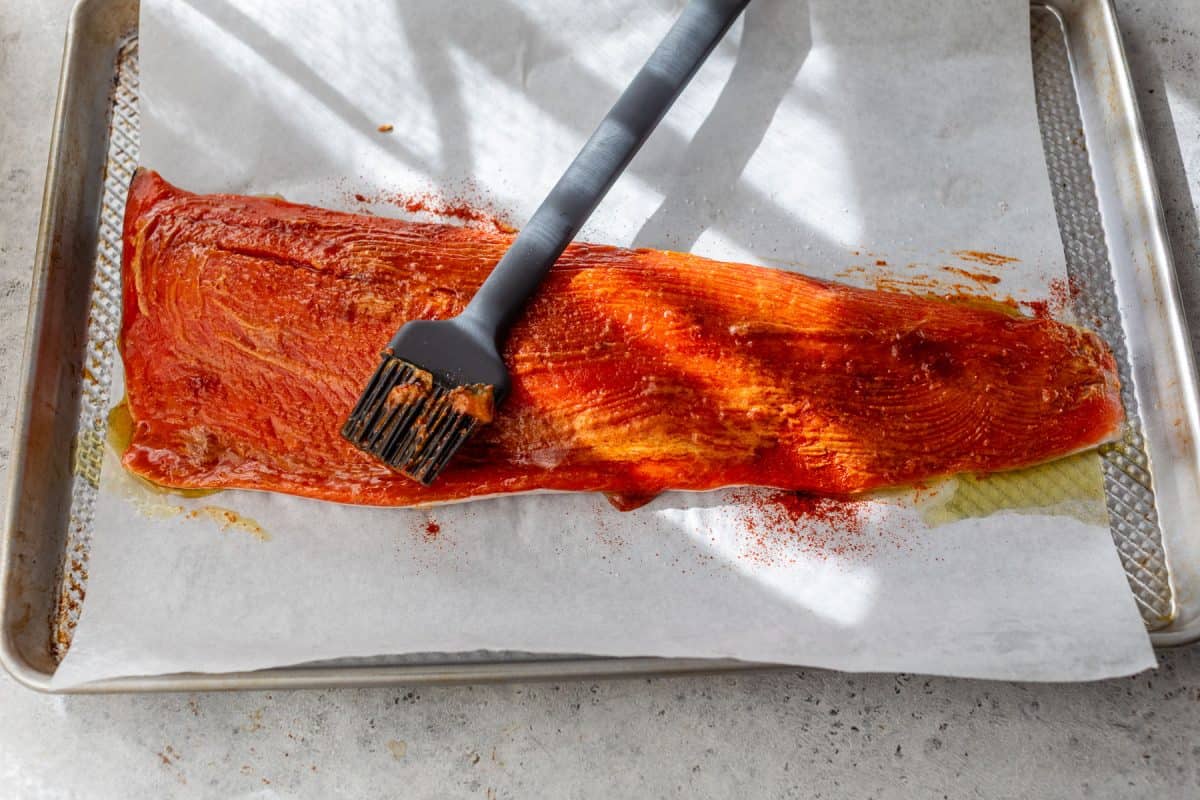
The glaze itself is deceptively simple. By whisking together high-quality Dijon mustard, honey, a touch of olive oil, and a dusting of paprika, one creates a balanced emulsion. The inclusion of paprika serves a dual purpose: it adds a subtle, smoky undertone and contributes to the vibrant, appetizing color of the finished dish. Using a pastry brush, the glaze should be applied in an even layer across the top and sides of the fillet.
Phase 3: The Thermal Transformation
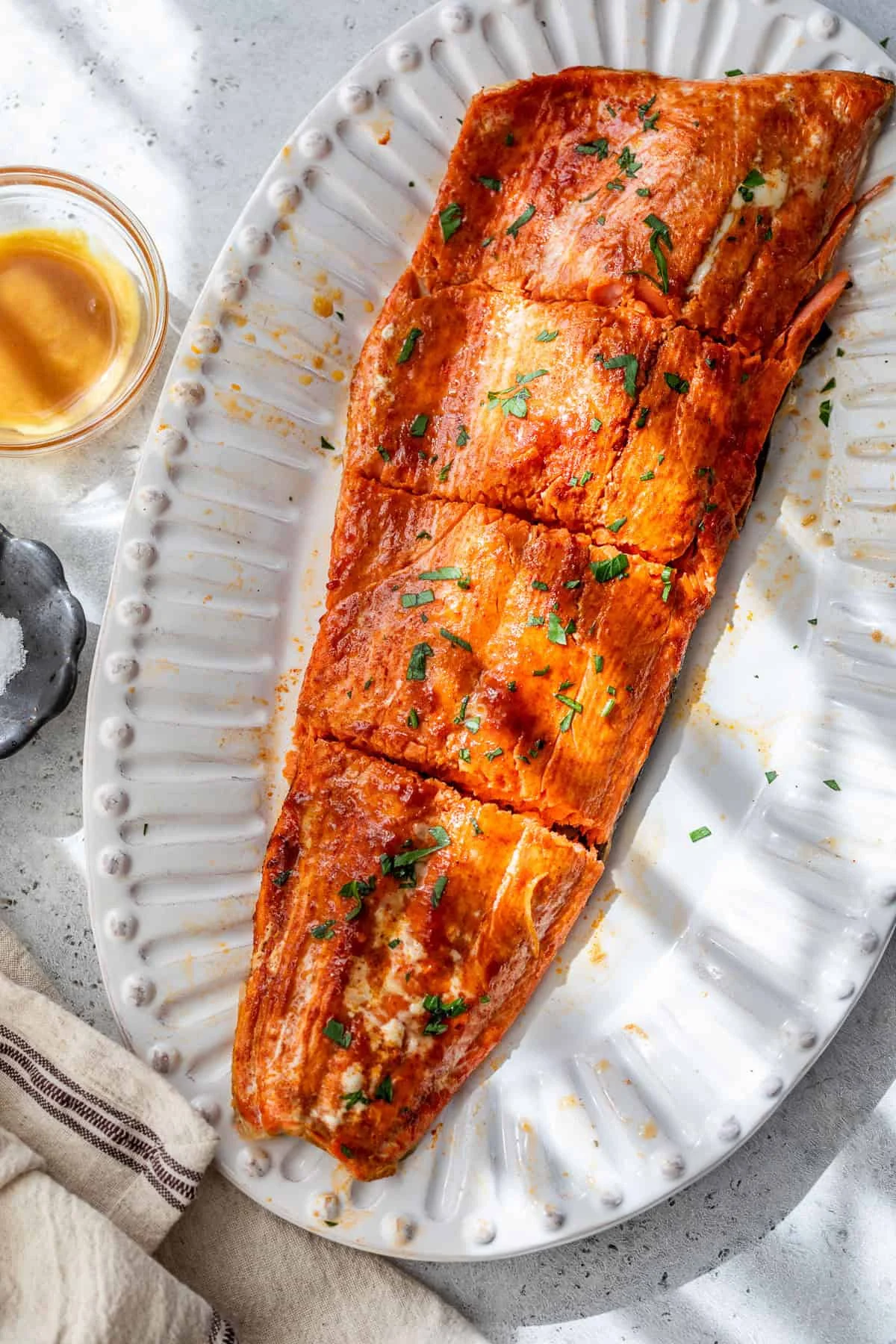
The oven should be preheated to 425 degrees Fahrenheit. This higher temperature is essential for the rapid caramelization of the honey. Depending on the thickness of the fillet, the baking time typically ranges from 10 to 15 minutes. It is a common mistake to overcook salmon, which leads to a dry, chalky texture. The goal is to reach an internal temperature of 145 degrees Fahrenheit, at which point the protein will flake effortlessly under the gentle pressure of a fork.
Supporting Data: Nutritional and Economic Efficiency
The rise of honey mustard salmon as a household staple is backed by both nutritional research and economic reality.
The Nutritional Profile
Salmon is a powerhouse of essential nutrients, most notably Omega-3 fatty acids, which have been linked to improved cardiovascular health and cognitive function. A standard serving of this dish provides approximately 45 grams of protein, making it an ideal post-workout or recovery meal. Furthermore, because the ingredients are minimal, the sodium content can be easily controlled by the cook, allowing for a heart-healthy dinner that does not sacrifice taste.
The Time-Saving Factor
In an era where "time-poor" is a common descriptor for the modern professional, the 30-minute window for this recipe is highly attractive. Because the fish does not require a long marinade—as the glaze is applied immediately before the bake—the total "hands-on" time for the cook is rarely more than five minutes. This efficiency allows families to pivot away from takeout and toward home-cooked, nutrient-dense meals without adding significant stress to the evening routine.
Expert Perspectives: The Philosophy of Simple Cooking
Erin Clarke, a prominent cookbook author and authority in the home-cooking space, emphasizes that the longevity of a recipe like honey mustard salmon in one’s "dinner rotation" is not an accident. According to Clarke, the primary barrier to home cooking is often "decision fatigue."
"When you have a repertoire of recipes that require minimal oversight and use ingredients that are likely already in the pantry, you remove the friction that prevents people from cooking," Clarke notes. Her philosophy suggests that by mastering a few core techniques—such as the honey-mustard glaze—home cooks can feel empowered to experiment with other variations, such as incorporating fresh herbs like dill or parsley, or adding a pinch of red pepper flakes for a spicy kick.
Broader Implications for the Home Kitchen
The popularity of this dish reflects a broader movement toward "conscious consumption." When families prepare their own salmon, they are better able to source sustainable options, such as wild-caught varieties or responsibly farmed Atlantic salmon.
Furthermore, the versatility of the dish serves as a "catch-all" for refrigerator cleanouts. The honey-mustard flavor profile pairs exceptionally well with a wide array of side dishes. Whether one chooses to serve the fish alongside roasted asparagus, steamed broccoli, a crisp quinoa salad, or even leftover roasted potatoes, the dish remains cohesive. This flexibility reduces food waste, as the salmon can be easily adapted to whatever produce happens to be in the crisper drawer.
Troubleshooting Common Issues
Even in a simple recipe, there are nuances to consider:
- Preventing Burning: Because honey has a high sugar content, it can burn if the oven temperature is too high or the rack is too close to the heating element. If you notice the glaze darkening too quickly, tent the fish loosely with foil.
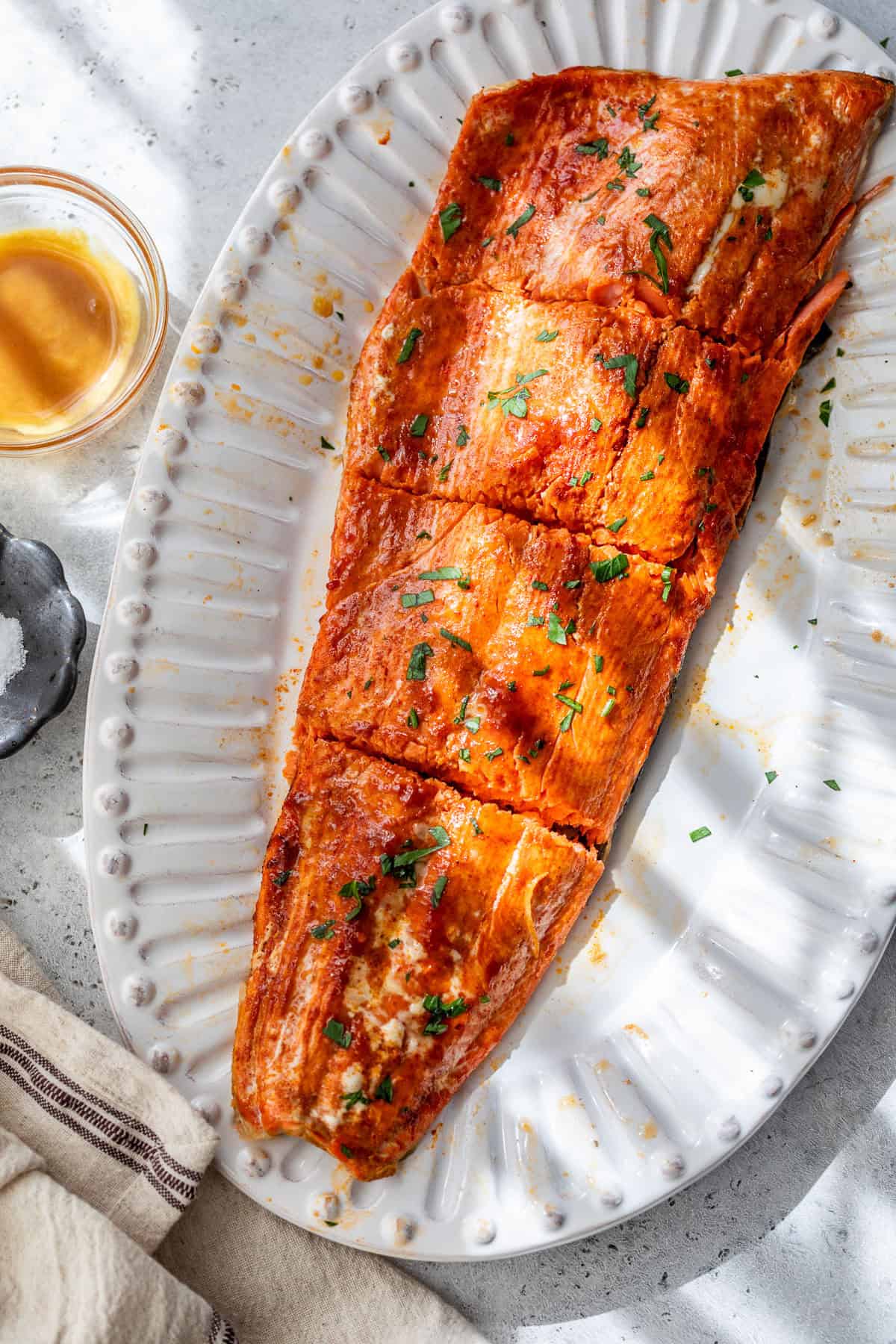
- Uniformity: Always ensure that your fillets are of similar thickness. If you are cooking a tail piece alongside a center-cut piece, the tail piece will cook faster. To compensate, tuck the thinner tail end under itself to create a uniform thickness.
- The "Flake" Test: While a thermometer is the gold standard for accuracy, the "flake" test is a reliable visual indicator. When the protein fibers separate easily along the natural lines of the fish, it is perfectly cooked.
Conclusion: A Sustaining Tradition
Honey mustard salmon represents the intersection of accessibility and excellence. It requires no specialized culinary training, yet it yields results that feel like a restaurant-quality meal. By understanding the balance of sweet and savory, respecting the cooking time, and utilizing high-quality ingredients, any home cook can transform a humble piece of fish into a celebratory dinner.
As we continue to navigate the demands of modern life, the importance of the family dinner table remains paramount. Dishes that facilitate this gathering—without requiring hours of labor—are more than just recipes; they are the tools that allow us to maintain our health, our budgets, and our connection to one another. Whether it’s a Tuesday night rush or a weekend gathering, this salmon remains a reliable, delicious constant.