In the pantheon of American culinary traditions, few pairings are as sacred as the marriage of slow-smoked meats and chilled, creamy desserts. While the debate over dry rubs versus wet sauces may rage on for eternity, there is one consensus that remains largely unchallenged across the Southern barbecue circuit: banana pudding is the undisputed king of the dessert table.
Pitmaster Matt Pittman, a titan of the modern barbecue scene, is doubling down on this legacy. By stripping away the modern reliance on boxed mixes and instant shortcuts, Pittman is championing a return to the "old-school" Southern method—a labor of love that transforms simple pantry staples into a transformative experience.
Main Facts: A Return to Scratch-Made Roots
The essence of a truly great banana pudding lies not in the speed of its preparation, but in the integrity of its custard. Pittman’s approach rejects the convenience culture of the 21st century in favor of a technique that requires patience, precision, and an appreciation for traditional chemistry.
At its core, this recipe relies on a handmade vanilla custard. Unlike store-bought alternatives that often lean on artificial thickeners and stabilizers, the authentic Southern method utilizes the protein-rich structure of egg yolks and the delicate starch-thickening process of a stovetop reduction. When combined with perfectly ripe bananas and high-quality vanilla wafers, the result is a textural masterpiece. As the wafers soak up the custard and the natural sugars of the bananas, they soften into a cake-like consistency that defines "comfort food magic."

For Pittman, this is more than just a sweet finish to a meal; it is an essential component of the barbecue identity. The sharp, savory, and often spicy profiles of brisket, ribs, and smoked chicken require a cooling, creamy, and mildly sweet counterpoint. Banana pudding acts as a palate cleanser, providing a nostalgic anchor to a heavy, smoke-forward feast.
Chronology: The Evolution of a Southern Staple
To understand the gravity of Pittman’s recipe, one must look at the evolution of banana pudding in the American South. Historically, banana pudding emerged as a status symbol in the late 19th century. As bananas became more widely available through improved trade routes, the dish transformed from a luxury to a community staple.

- Late 1800s: Early recipes began appearing in community cookbooks, often utilizing a simple sponge cake or ladyfingers.
- The Mid-20th Century: The rise of the vanilla wafer as a commercial product streamlined the process, turning the dessert into a "dump-and-go" potluck favorite.
- The Modern Era: With the rise of the internet and the "foodie" movement, many home cooks shifted toward instant pudding mixes. This convenience, while time-saving, often sacrificed the velvety mouthfeel and depth of flavor found in traditional custards.
- The Pittman Method: By reverting to the stovetop custard technique, Pittman is effectively participating in a culinary "revivalist" movement, proving that the extra thirty minutes of whisking is the difference between a mediocre dessert and an unforgettable one.
Supporting Data: The Science of the Perfect Custard
The chemistry behind Pittman’s custard is a masterclass in thermal management and emulsification. Achieving the "gold standard" texture involves several distinct phases of thermodynamic reaction.
The Starch Activation
The process begins with the integration of sugar and cornstarch into milk. The cornstarch acts as the primary thickening agent. When heated, the starch granules absorb the liquid and swell, a process known as gelatinization. Stirring constantly is not merely a suggestion—it is a requirement to ensure that the granules disperse evenly, preventing the formation of lumps that can ruin the texture of the finished pudding.

The Tempering Process
Perhaps the most critical phase is the introduction of egg yolks. Because eggs coagulate rapidly under high heat, adding them directly to the boiling milk would result in scrambled eggs rather than a smooth custard. Pittman’s methodology emphasizes the "tempering" technique: slowly whisking a small amount of hot custard into the yolks to gradually raise their temperature. This subtle increase in thermal energy allows the yolks to incorporate seamlessly, providing the rich, golden hue and decadent fat content that gives the dessert its signature mouthfeel.
The "Spoon Test"
The hallmark of a properly cooked custard is its ability to coat the back of a spoon. In culinary terms, this is referred to as nappé consistency. When the mixture reaches this stage—usually after 2–3 minutes of final cooking—the starch has reached its full hydration potential and the egg proteins have set just enough to provide structure without becoming rubbery.

Official Perspectives: The Philosophy of the Pitmaster
Matt Pittman’s approach is not born of a desire to be difficult, but out of a respect for the craft. In his view, a backyard barbecue is a celebration of time. "You don’t rush the brisket for twelve hours just to serve it with an instant pudding mix," Pittman suggests. The dedication required to smoke a perfect rack of ribs should be mirrored in the dedication to the final course.
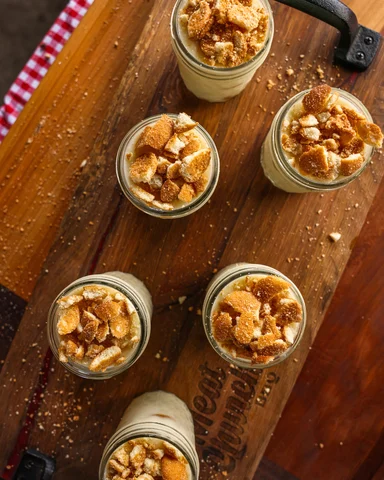
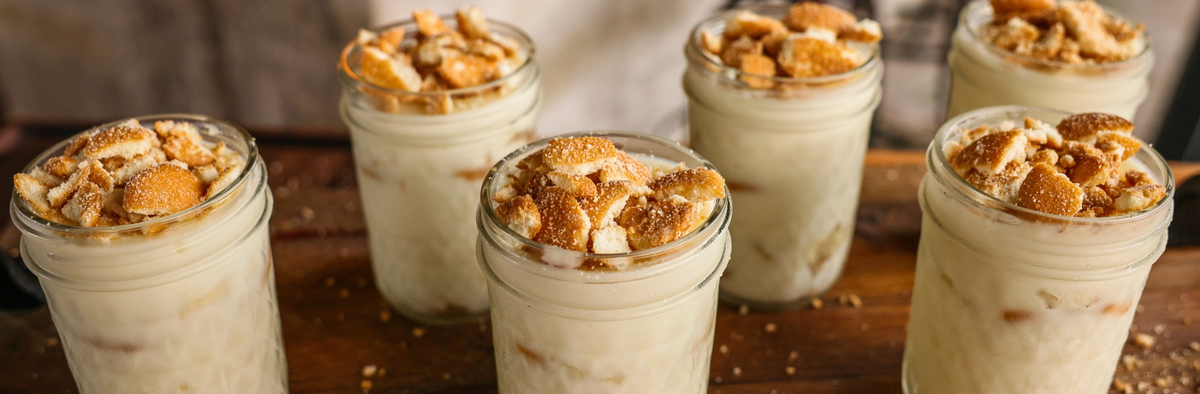
His decision to use individual vessels—mason jars or ramekins—is also a strategic choice. By serving the pudding in portions, the baker controls the structural integrity of the dish. It prevents the "soggy bottom" phenomenon often found in large, deep-dish trays where the weight of the custard can crush the bottom layers of wafers into an indistinguishable paste.

Implications: The Future of BBQ Desserts
The push for "from-scratch" desserts has significant implications for the barbecue community at large. As artisanal barbecue continues to gain prestige, the expectations of the consumer are rising. No longer satisfied with store-bought sides or mass-produced sweets, diners are looking for a cohesive experience where every element of the menu reflects the same level of care.
Community and Tradition
This revivalist approach encourages a new generation of cooks to learn fundamental kitchen skills. Mastering a custard, understanding how to temper eggs, and learning the timing of fruit ripening are foundational skills that translate across all areas of cooking. When the younger generation learns these methods, they are preserving a piece of Southern cultural history that might otherwise be lost to the convenience of the grocery store aisle.

The Aesthetic Shift
The shift toward individual serving vessels (like the mason jars shown in Pittman’s demonstration) also speaks to the "Instagrammable" nature of modern food culture. However, the benefits are not merely aesthetic; they are functional. These vessels allow for a precise ratio of wafer to banana to custard, ensuring that every bite contains the perfect balance of flavors.
Conclusion: A Timeless Tradition
Banana pudding is more than just a collection of ingredients; it is a bridge between generations. By bypassing the shortcuts and committing to the process, Matt Pittman is reminding us that the best things in life—like the best brisket—require time, patience, and a willingness to do things the right way.

As you prepare your next backyard feast, consider this: the guests may remember the smoke ring on your brisket, but they will be talking about the creamy, scratch-made banana pudding for years to come. Whether you serve it in a rustic mason jar or a classic glass bowl, the philosophy remains the same: treat your ingredients with respect, keep your whisk moving, and never settle for anything less than the gold standard.
Quick Reference for Success
- Prep Time: 15 minutes.
- Cook Time: 15-20 minutes.
- Cooling Time: 4 hours to overnight.
- Key Tip: Always use fresh, ripe bananas. If they are slightly overripe, the natural sweetness will intensify, complementing the sugar in the custard.
- Storage: Keep refrigerated to maintain the structural integrity of the egg-based custard.
By following this disciplined approach, you are not just making a dessert; you are upholding a standard of excellence that defines the very best of Southern hospitality. So, the next time the coals are hot and the meat is resting, remember the custard. The king of BBQ desserts deserves nothing less than your absolute best.