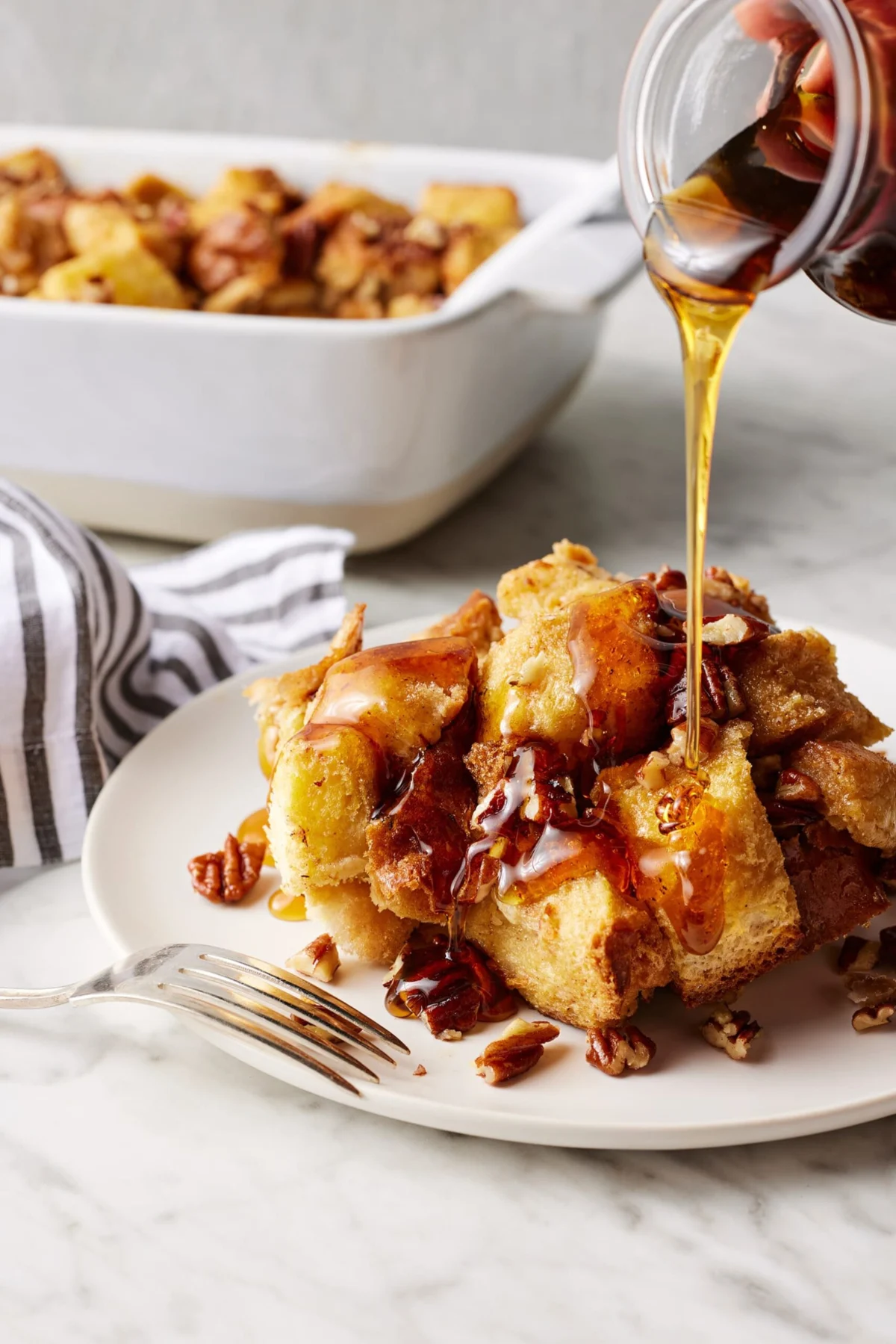
CULINARY LIVING — When it comes to hosting family, friends, or a bustling holiday morning crowd, the morning routine can quickly morph into a high-stress logistical challenge. Juggling multiple pans, flipping endless pancakes, and scrambling individual eggs while guests wait hungry in the living room is a recipe for hosting exhaustion. Enter the ultimate solution: a hearty, vegetable-packed, make-ahead breakfast casserole that has recently taken the culinary world by storm.
Adapted from a cherished multi-generational family recipe traditionally served on Easter and Christmas mornings, this golden, cheesy bake combines fluffy eggs, savory roasted potatoes, and a vibrant medley of fresh vegetables. Designed to effortlessly feed up to 12 guests, this dish redefines morning hospitality by marrying convenience with gourmet flavor.

Main Facts: Anatomy of the Crowd-Pleasing Casserole
At its core, this breakfast casserole is designed to eliminate morning chaos without sacrificing nutritional value or rich flavor profiles. Built on four distinct culinary layers—crispy roasted potatoes, rich melted cheese, sautéed aromatic vegetables, and a light, whisked egg-and-milk custard—the dish offers a balanced, satisfying start to the day.
Culinary experts note that the secret to the casserole’s structural integrity and rich texture lies in its preparation. Unlike traditional bread-based stratas that can sometimes become heavy or soggy, this vegetable-forward and potato-anchored version highlights natural, whole-food ingredients.

- Yield: Serves 12 hungry guests.
- Total Time: 1 hour and 15 minutes (with 15 minutes of active prep).
- Nutritional Profile (Per Serving): Approximately 205 calories, 13g of fat, 11g of protein, and 11g of carbohydrates, providing a substantial source of vitamins A, C, and essential calcium.
- Key Adaptability: Fully customizable with options to swap fresh potatoes for frozen hash browns, incorporate various cheeses, or fold in leftover meats like bacon, sausage, or ham.
Chronology: Step-by-Step Execution of the Recipe
Achieving the perfect breakfast casserole requires precision, timing, and proper layering. Professional home cooks and recipe developers break down the preparation into manageable, sequential phases.
Phase 1: Roasting the Potato Base
The foundation of the casserole begins with the potatoes. To maximize texture, the potatoes must be carefully chopped into uniform, quarter-inch cubes.
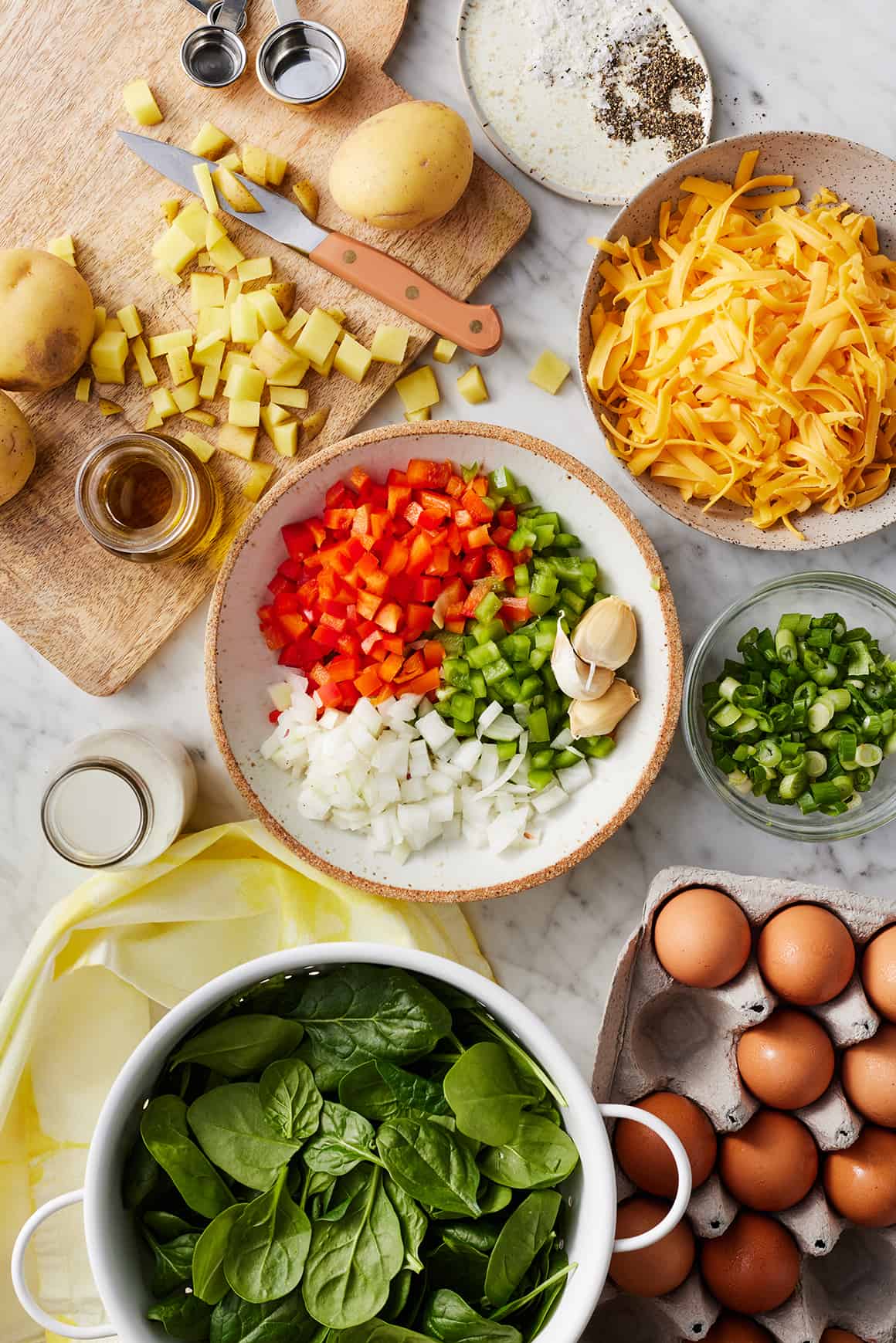
- The Chef’s Tip: Smaller cubes maximize the surface area, yielding extra-crisp, golden-brown edges.
- Toss the cubed potatoes on a parchment-lined baking sheet with high-quality olive oil, kosher salt, and freshly cracked black pepper. Roast them in a preheated oven at 425°F for 20 to 25 minutes until they are fork-tender and deeply browned.
Phase 2: Whisking the Custard
While the potatoes roast, prepare the egg binding agent. In a large mixing bowl, whisk together whole eggs, milk, and a quarter teaspoon of salt until fully combined and slightly aerated. This mixture will act as the silken blanket that holds the casserole components together during baking.
Phase 3: Sautéing the Aromatics and Vegetables
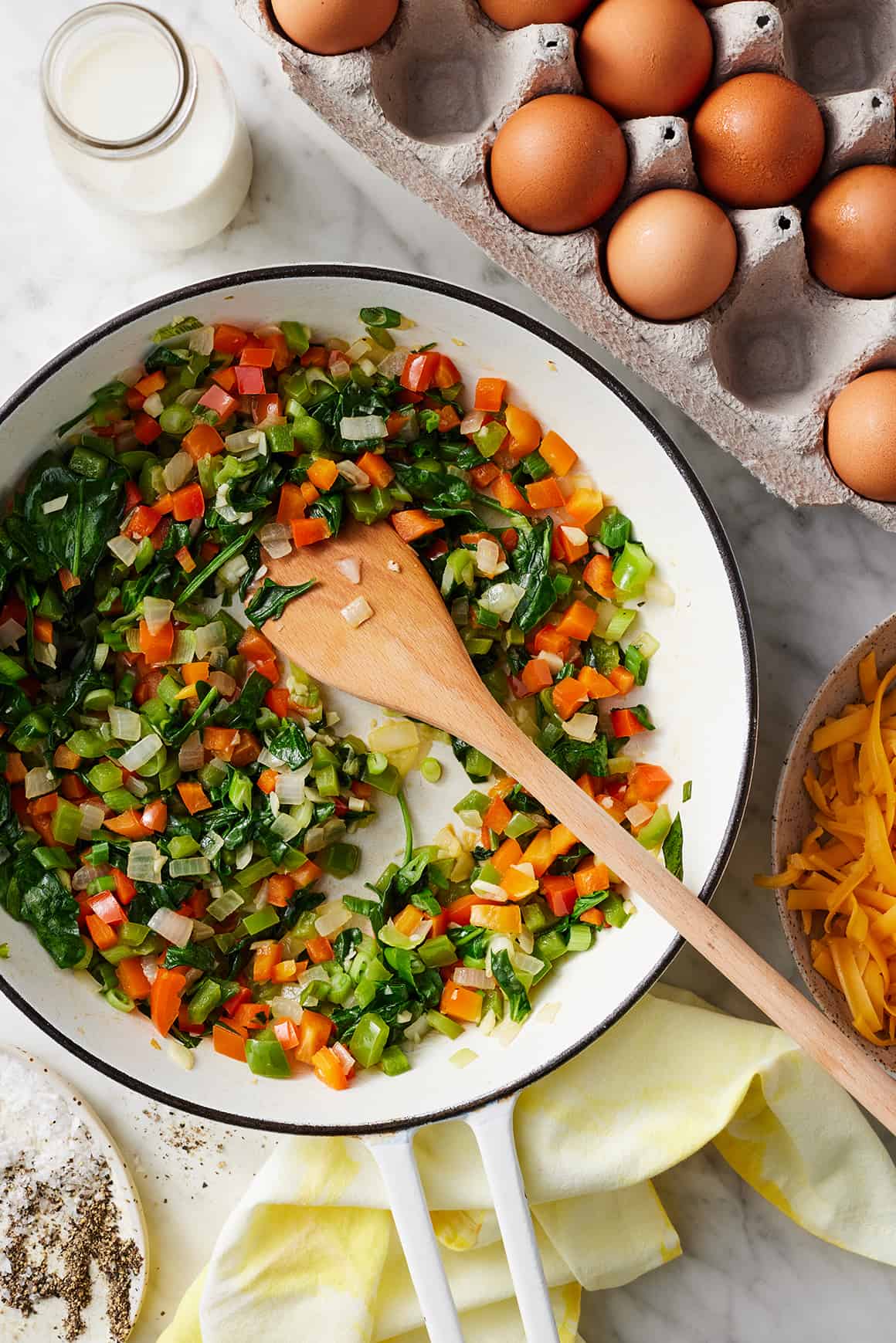
In a large skillet, sauté finely diced onions over medium heat until translucent and soft. Introduce bell peppers and freshly minced garlic, cooking for an additional two minutes to release their aromatic oils. Finally, fold in fresh baby spinach and half of the chopped green onions, cooking just until the spinach wilts into the vegetable medley.

Phase 4: Assembly and Baking
Oil a standard 9×13-inch baking dish. Lay down the roasted potatoes evenly across the bottom. Cover the potatoes with two-thirds of the shredded cheddar cheese, followed directly by the sautéed vegetable mixture. Pour the whisked egg-and-milk mixture evenly over the layers, ensuring the liquid permeates the potatoes and vegetables. Top the entire dish with the remaining shredded cheese and reserved green onions.
Bake uncovered at 350°F for 40 to 45 minutes until the center is completely set and the edges bubble. Allow the casserole to rest for five minutes before slicing to ensure clean portions.
Supporting Data and Make-Ahead Flexibility
For hosts seeking to minimize morning labor, the true value of this recipe lies in its advanced preparation windows and exceptional shelf life.
Advanced Prep Options
- The Overnight Method: Assemble the complete casserole the night before, cover it tightly, and store it in the refrigerator. In the morning, transfer it straight to the oven (you may need to add 5 to 10 minutes to the total baking time since the dish is cold).
- The Component Method: Roast the potatoes and sauté the vegetables a day or two in advance, storing them in separate airtight containers until assembly morning.
Storage and Reheating Protocols
- Refrigeration: Leftovers can be stored safely in an airtight container in the refrigerator for up to five days. Individual slices reheat seamlessly in the microwave or in a 350°F oven for 10 to 15 minutes.
- Freezing: For long-term meal prep, slice the baked casserole, wrap individual portions tightly in aluminum foil or plastic wrap, and store them in freezer-safe bags for up to three months. Thaw overnight in the refrigerator before reheating.
Culinary Adaptations and Official Responses
Culinary and lifestyle experts have long praised versatile breakfast bakes for their ability to accommodate various dietary preferences and kitchen constraints.

Kitchen Modifications and Substitutions
- The Time-Saver Shortcut: For busy weeknights or mornings when roasting fresh potatoes is unfeasible, home cooks can substitute one pound of thawed, diced frozen hash browns. Note: Using frozen hash browns may require an extra 3 to 5 minutes of baking time to ensure the excess moisture evaporates and the eggs set properly.
- Cheese Variations: While sharp cheddar provides a classic, robust flavor profile, substitutions such as Gruyère, Monterey Jack, feta, or pepper jack can dramatically alter the flavor profile to mimic French or Southwestern cuisines.
- Protein Additions: Though naturally vegetarian, the casserole readily welcomes cooked breakfast sausage, crumbled bacon, diced ham, or plant-based protein alternatives layered in alongside the vegetables.
Brunch Pairing Recommendations
While substantial enough to stand entirely on its own, food stylists and event coordinators recommend pairing the savory casserole with lighter, contrasting elements to round out a brunch spread. Ideal accompaniments include:
- A bright, refreshing seasonal fruit salad dressed with fresh lime and mint.
- Sweet brunch counterparts such as cinnamon rolls, blueberry scones, or fluffy buttermilk pancakes to balance the savory, protein-rich profile of the eggs and cheese.
Implications for Modern Entertaining
The resurgence of classic, make-ahead breakfast casseroles points to a broader cultural shift in how modern households approach entertaining. As work-life balances grow increasingly complex and weekend time becomes precious, consumers are actively rejecting high-maintenance menus that trap the host in the kitchen away from their guests.

By shifting the labor-intensive steps—chopping, roasting, and sautéing—to the night before, hosts reclaim the morning hours. This culinary trend emphasizes hospitality over hassle, proving that impressive, restaurant-quality meals can be achieved through smart preparation rather than frantic morning labor.
Whether serving an intimate gathering of family on a lazy Sunday or managing a chaotic holiday morning with dozens of visiting relatives, this versatile breakfast casserole proves that comfort food, tradition, and modern convenience can effortlessly bake into one unforgettable dish.