While the brisket is undeniably the sovereign of the Texas barbecue circuit, a secondary, perhaps more soulful, tradition has been quietly simmering in the background of the Lone Star State’s culinary landscape. The Texas BBQ pork steak—a thick-cut, bone-in slab of pork shoulder rendered to buttery, smoky perfection—is moving from the category of "pitmaster’s secret" to a celebrated staple. Championed by icons like Tootsie Tomanetz of the legendary Snow’s BBQ, this cut offers a masterclass in how fire, time, and quality meat can transform a humble ingredient into a transcendental dining experience.
The Anatomy of the Cut: Why Shoulder Reigns Supreme
To understand the allure of the pork steak, one must first look at the biology of the pig. The pork shoulder, or "Boston butt," is a complex muscle group rich in intramuscular fat and connective tissue. In traditional barbecue, this cut is usually reserved for pulled pork, smoked for ten to twelve hours until it yields to a light tug.
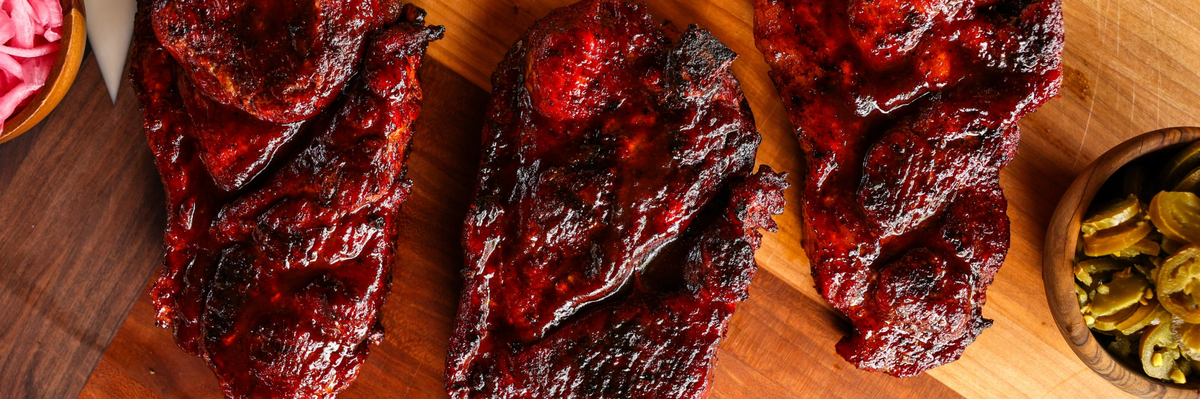
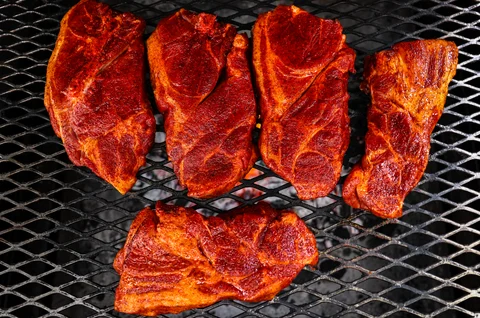
However, the pork steak changes the physics of the cook. By slicing the shoulder perpendicular to the bone into 1.5- to 2-inch thick portions, pitmasters create a unique cross-section. Each slice contains a generous portion of the "money muscle"—the prized, marbled section of the shoulder—alongside portions of the shoulder blade. When cooked properly over live fire, the fat renders into the meat, basting it from the inside out, while the exterior develops a savory, caramelized bark.
The Chronology of the Cook: From Raw to Rendered
The process of crafting the perfect Texas pork steak is as much about patience as it is about technique. For those looking to replicate this at home, the timeline is precise.

Phase 1: The Setup
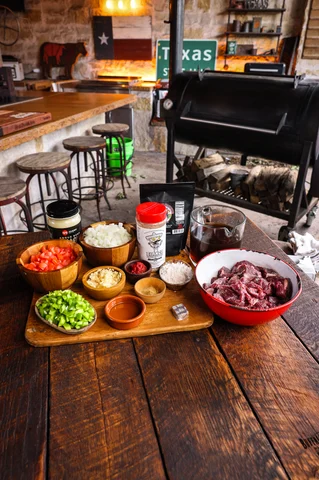
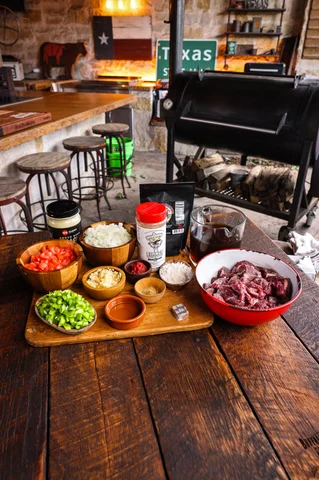
Preparation begins with the pit. Whether utilizing a specialized hog cooker or a high-capacity offset smoker, the goal is a consistent temperature of 275°F. Using high-quality fuel, such as Meat Church lump charcoal, is paramount. The objective is to achieve a direct heat environment where the flame is sufficiently distanced from the cooking grate to prevent scorching, ensuring a steady, convective flow of smoke and heat.
Phase 2: The Butchery
Precision is the difference between a tough chop and a tender steak. Using a sharp, professional-grade butcher knife, the pitmaster slices 1.5-inch thick pieces perpendicular to the bone. Because the shoulder blade is dense, many professional pitmasters utilize an electric hand saw to ensure the cut is clean and the integrity of the "money muscle" remains intact.

Phase 3: The Seasoning
Minimalism is the hallmark of Texas BBQ. A liberal coating of a high-quality all-purpose rub, such as The Gospel, is applied to all sides. The salt, sugar, and spices in the rub act as a catalyst for the Maillard reaction—the chemical process that creates the flavorful, dark-brown crust known as "bark." Once seasoned, the steaks must rest for at least 15 minutes to allow the spices to draw moisture to the surface, a process known as "sweating," which aids in flavor penetration.
Phase 4: The Smoke
The steaks are placed directly over the heat source. Consistency is key; the steaks should remain on the grate until they reach an internal temperature of 185°F. This high finish temperature is crucial; unlike a beef steak, which is often served medium-rare, the pork shoulder requires a higher temperature to break down the collagen and connective tissues that would otherwise render the meat chewy.

Phase 5: The Glaze
Around the 90-minute mark, the final transformation occurs. The steaks are brushed with a high-quality barbecue sauce—Meat Church Holy Cola is a preferred choice for its balance of sweetness and acidity—and allowed to "tack up" for another 30 minutes. This creates a sticky, lacquer-like finish that balances the savory smoke of the pork.
Supporting Data: The Science of the "Low and Slow"
The culinary success of the pork steak is rooted in the thermodynamics of collagen. Collagen, the structural protein in pork shoulder, begins to dissolve into gelatin at approximately 160°F to 170°F, but the process is time-dependent. By maintaining a pit temperature of 275°F, the pitmaster provides enough energy to melt the intramuscular fat and soften the connective tissue without drying out the lean fibers of the meat.

Data from the USDA suggests that while pork is safe to consume at 145°F, "barbecue-style" pork—cuts with higher fat content—reaches its peak texture at higher temperatures. In a 275°F smoker, a 1.5-inch steak generally requires 2 to 3 hours of cook time to reach that optimal 185°F threshold. This timing allows for the "render-to-moisture" ratio to balance, resulting in a product that is juicy, tender, and robustly flavored.
Official Perspectives: The Philosophy of the Pit
The rise of the pork steak as a standalone item has been documented by various culinary historians and pitmasters. In Texas, the ethos of the pit is one of efficiency and respect for the animal. As noted by those who have trained under the likes of Tootsie Tomanetz, the pork steak is a way to celebrate the entirety of the shoulder, rather than simply shredding it.

"It’s about the bite," says one pitmaster. "When you cook a whole shoulder, you get a mix of textures. When you slice it into steaks, you give every guest a uniform piece of heaven. You get the bark, you get the fat, and you get the smoke in every single mouthful."
This philosophy has been echoed by industry influencers like Matt of Meat Church, whose instructional videos have brought this regional specialty to a national audience. The focus is not on complicated recipes or proprietary secrets, but on the fundamentals of fire management and ingredient quality.

Implications for the Modern Backyard Pitmaster
The adoption of the pork steak as a standard menu item has significant implications for the home cooking community. First, it democratizes the pork shoulder. For families who find a whole packer brisket or a 12-pound pork butt too daunting or time-consuming, the pork steak offers a manageable, shorter-duration alternative that yields high-end results.
Second, it highlights the shift in consumer preferences toward "butcher-cut" meats. As consumers become more educated about where their food comes from, they are increasingly seeking cuts that allow them to practice traditional butchery and cooking methods.

Finally, the pork steak serves as a bridge between the traditional, multi-day brisket smoke and the quick-fire nature of grilling. It proves that one does not need eighteen hours of smoke to produce authentic Texas flavor. With the right cut, the right seasoning, and a commitment to temperature control, the backyard pitmaster can elevate a simple dinner into a masterclass of barbecue tradition.
As the barbecue world continues to evolve, the Texas pork steak stands as a testament to the fact that innovation is often found in the refinement of the old ways. It is a dish that honors the animal, the pit, and the history of the Lone Star State, ensuring that the legacy of low-and-slow cooking remains as vibrant as ever.