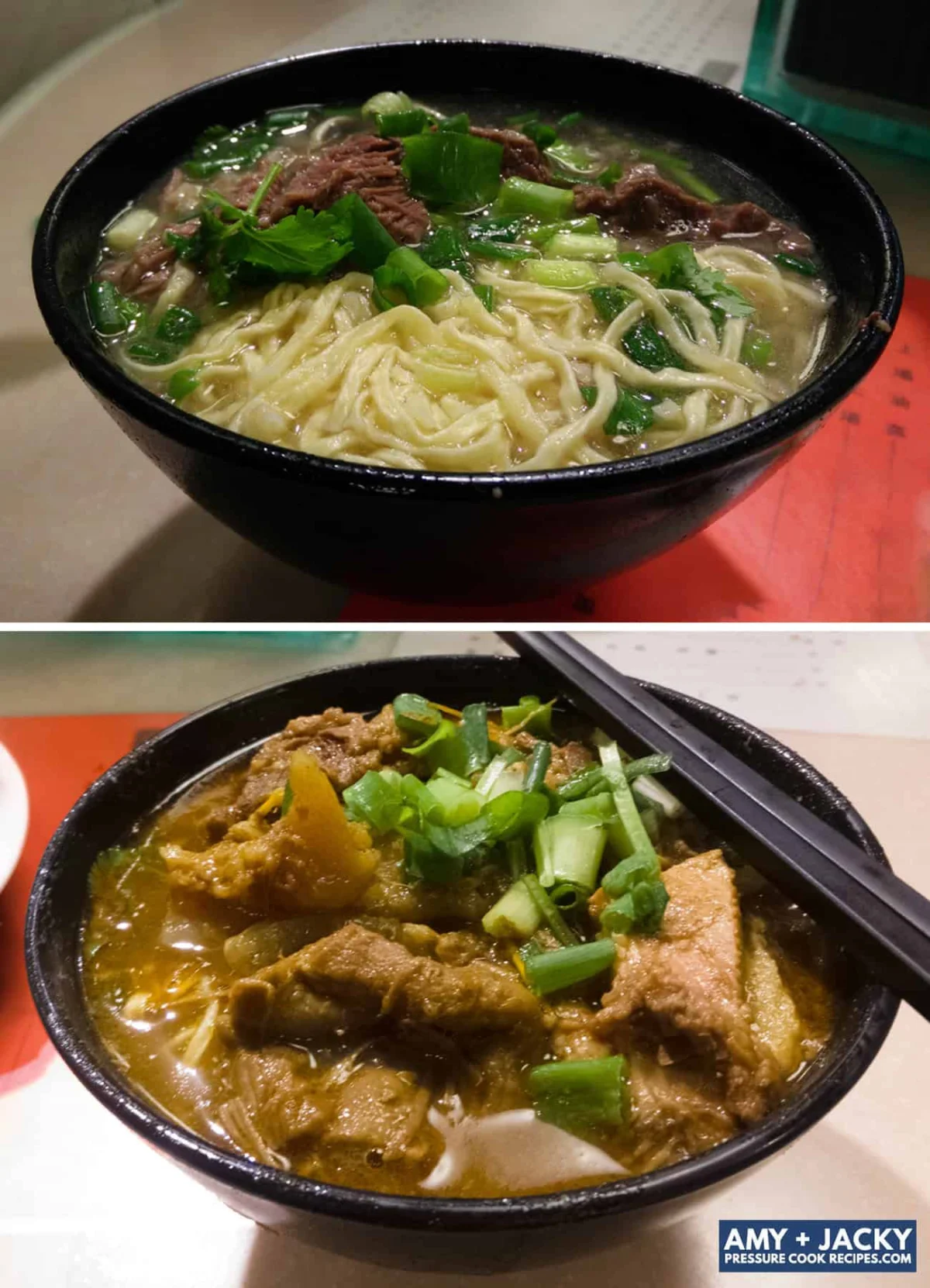
In the labyrinthine streets of Hong Kong, the aroma of star anise, ginger, and slow-simmered beef is a sensory landmark. Noodle shops—ranging from centuries-old family-run institutions to modern, bustling eateries—are the backbone of the city’s culinary identity. Among the vast pantheon of Cantonese comfort foods, none commands as much reverence as the classic Beef Brisket Noodle Soup (牛腩麵). Traditionally a dish that demands hours of vigilant stovetop monitoring, this hallmark of Hong Kong comfort food has finally been demystified for the modern home cook through the precision of the Instant Pot.
Main Facts: A Culinary Icon Reimagined
The essence of a great Beef Brisket Noodle Soup lies in the marriage of three distinct elements: the cut of the meat, the clarity and depth of the broth, and the texture of the accompanying noodles. Traditionally, the process involves hours of simmering to break down the tough connective tissues of the brisket into a melt-in-the-mouth texture while coaxing every ounce of umami from the beef.
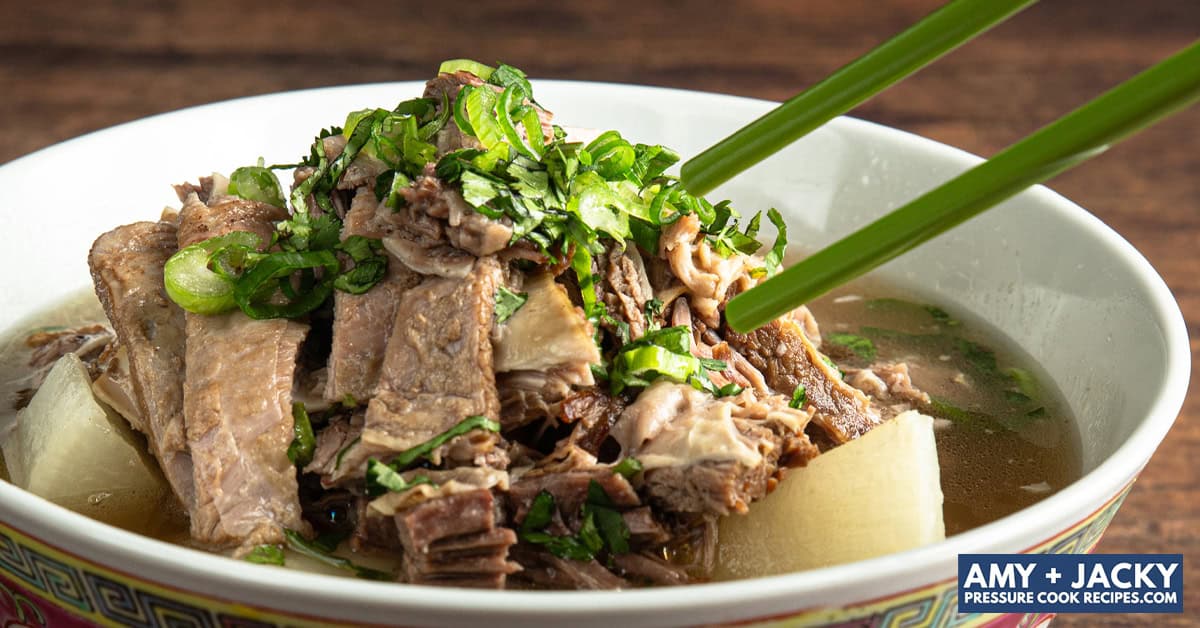
By utilizing an Instant Pot, home cooks can replicate the "slow-cooked for hours" profile in a fraction of the time. The pressure cooking environment ensures that the collagen within the beef transforms into a luxurious, gelatinous texture that remains juicy rather than stringy. When paired with tender daikon radish—which acts as a sponge for the flavorful broth—and a choice of springy egg noodles or smooth rice noodles, the dish becomes a complete, soul-warming meal.
Chronology: The Evolution of the Recipe
The journey from raw ingredients to the final, steaming bowl of brisket soup follows a precise, science-backed methodology designed to maximize flavor extraction.
Phase 1: The Foundation of Flavor (Preparation)
The process begins with the careful selection of meat. While traditional recipes often call for a mix of brisket and tendon, this contemporary version focuses on "beef finger meat" (boneless rib fingers). These strips, sourced from between the ribs, offer superior marbling and an intense beefy flavor profile. The initial phase involves browning the meat in the Instant Pot using the "Sauté More" function. This Maillard reaction is critical; it creates a flavorful crust that forms the base of the soup’s complexity.
Phase 2: The Aromatics and Deglazing
Once the meat is browned and removed, the pot is used to sweat the aromatics: crushed garlic, fresh ginger slices, and the white segments of green onions. The "deglazing" step—adding Shaoxing wine and scrubbing the bottom of the pot—is the most vital technical moment. It lifts the caramelized bits, ensuring that no flavor is left behind on the steel.
Phase 3: Pressure Extraction
The spices—star anise, Chinese cinnamon (cassia bark), Sichuan peppercorns, bay leaves, and black cardamom—are introduced alongside rock sugar and umami-boosters like fish sauce and dashi powder. The meat returns to the pot with fresh cold water. Pressure cooking at high heat for 15 minutes, followed by a natural release, ensures the proteins are perfectly tender.
Phase 4: The Daikon Infusion
Daikon radish is added in a secondary, shorter pressure cycle. This ensures the radish becomes tender and translucent, absorbing the essence of the beef broth without disintegrating into mush.
Supporting Data: Why This Method Works
The success of the Instant Pot approach is rooted in the physics of pressure cooking. At higher atmospheric pressures, the boiling point of the liquid inside the vessel increases, allowing for faster collagen hydrolysis.
- Collagen Breakdown: Unlike standard boiling, where evaporation can lead to uneven cooking, the sealed environment of the pressure cooker keeps moisture levels constant. This results in a 40-50% increase in tenderness compared to conventional simmering for the same duration.
- Nutrient Retention: By maintaining a closed system, volatile aromatic compounds from the ginger and spices are trapped within the liquid rather than escaping as steam, resulting in a more potent, fragrant broth.
- Efficiency: The total preparation and cook time, including the natural release cycles, hovers around two hours, compared to the traditional four to six hours required on a stovetop.
Expert Insights and Culinary Nuances
For those looking to achieve restaurant-quality results, there are several nuances to consider. "Amy + Jacky," noted experts in pressure cooker gastronomy, emphasize that seasoning should be avoided during the initial browning phase to prevent the salt from drawing out moisture prematurely, which could toughen the meat.
Furthermore, the choice of ingredients is paramount:
- The Cinnamon Factor: Distinguishing between Ceylon cinnamon and Chinese cassia bark is crucial. Cassia is the authentic choice; it is darker, harder, and possesses a more robust, woodsy flavor that stands up to the heavy beef profile.
- Rock Sugar vs. Table Sugar: Rock sugar provides a mellow, rounded sweetness that acts as a flavor balancer. It creates a subtle, crystalline sweetness that does not overpower the savory notes of the soy and fish sauce.
- The Role of Dashi: While not a traditional component in Cantonese cooking, the addition of dashi powder provides a concentrated burst of glutamate-driven umami, which bridges the gap between the beefy broth and the earthy daikon.
Implications: The Future of Home-Style Comfort
The ability to produce a dish as complex as Beef Brisket Noodle Soup in a home kitchen has significant implications for culinary preservation. In an era where many traditional, labor-intensive dishes are being lost to the convenience of fast food, technology like the Instant Pot acts as a bridge. It encourages a new generation of cooks to engage with authentic, time-honored recipes that might otherwise be deemed "too difficult" for a weeknight dinner.
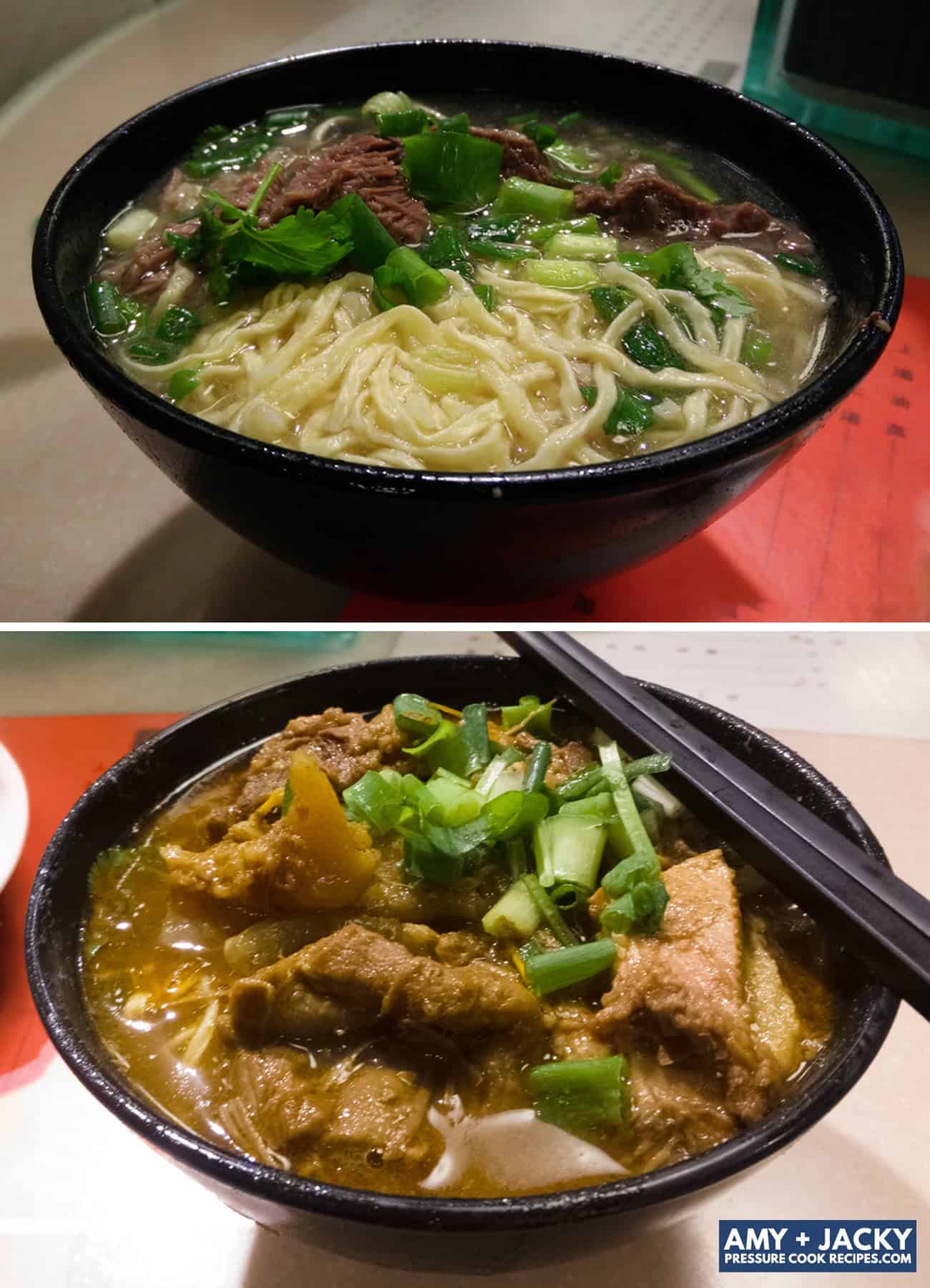
Moreover, the versatility of the recipe—allowing for variations in noodle types, from the thin, alkaline-rich egg noodles of a classic Wonton shop to the wider, silkier Ho Fun (rice noodles)—means that the dish remains customizable. Whether served with a side of Chinese broccoli with oyster sauce or enjoyed as a standalone, the "modernized" brisket soup serves as a testament to the fact that convenience does not have to come at the expense of heritage or taste.
Final Checklist for the Perfect Bowl:
- Preparation: Always pat the beef dry before browning to ensure a good sear.
- Deglazing: Do not rush the scrubbing of the pot; those brown bits are the "soul" of your soup.
- Resting: Allow for the full natural release cycle. This "carry-over" cooking is essential for the beef’s final texture.
- Refining: Always taste the broth after the final cycle. A small pinch of salt can transform the profile from "good" to "extraordinary."
By following these professional standards, the home kitchen becomes a space where the history of Hong Kong’s iconic noodle shops can be honored and enjoyed with ease. The result is more than just a meal; it is a bowl of history, rendered in broth, spice, and tender beef.