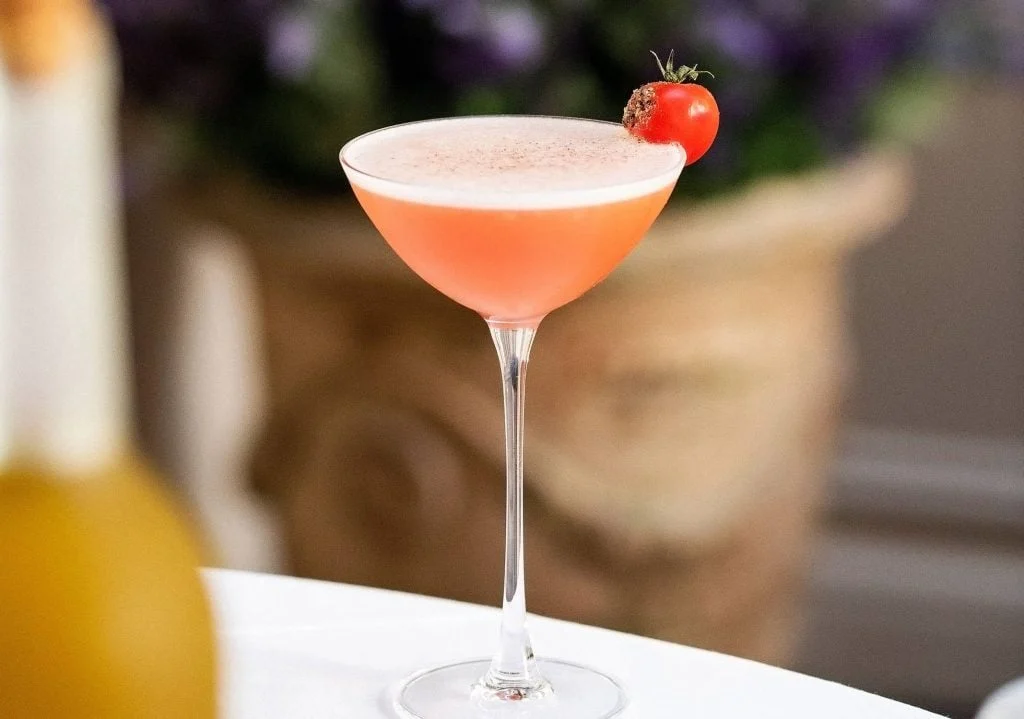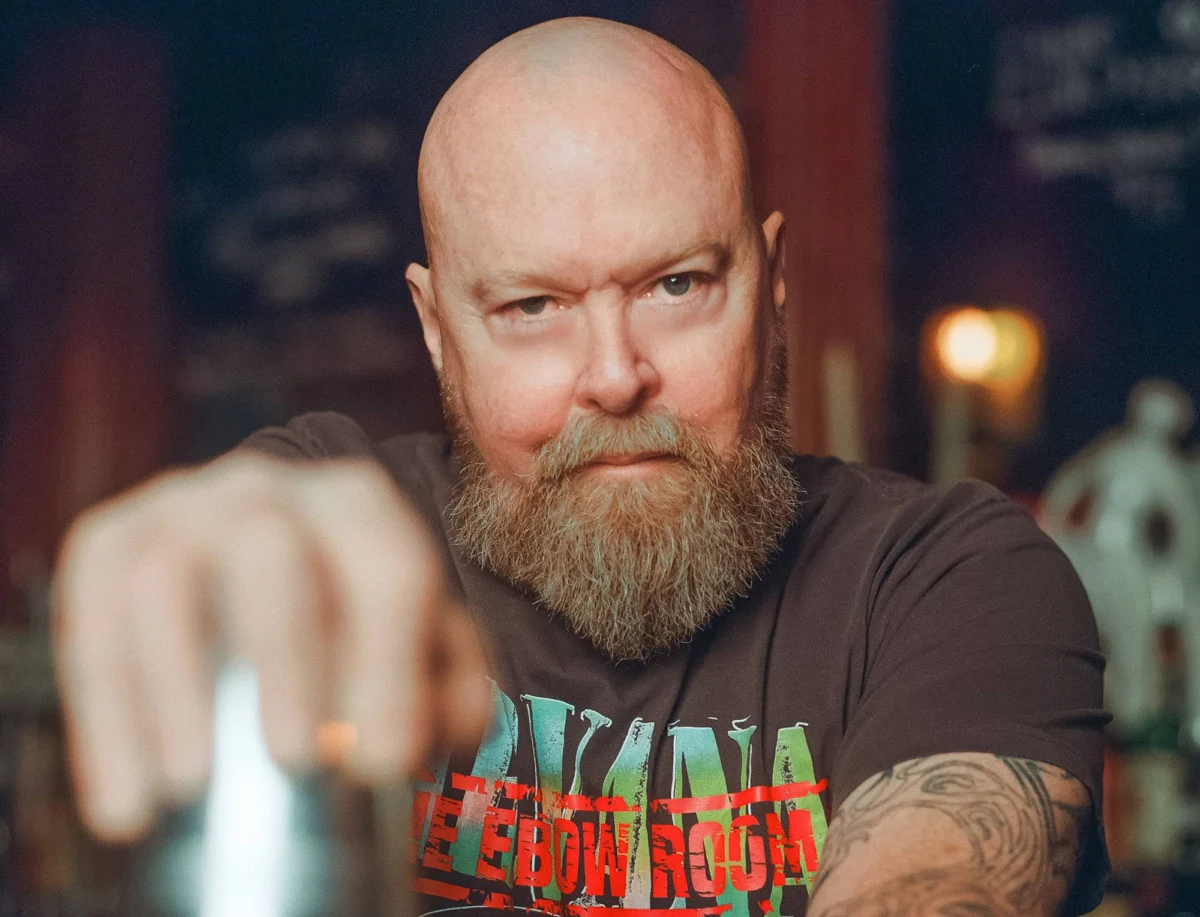
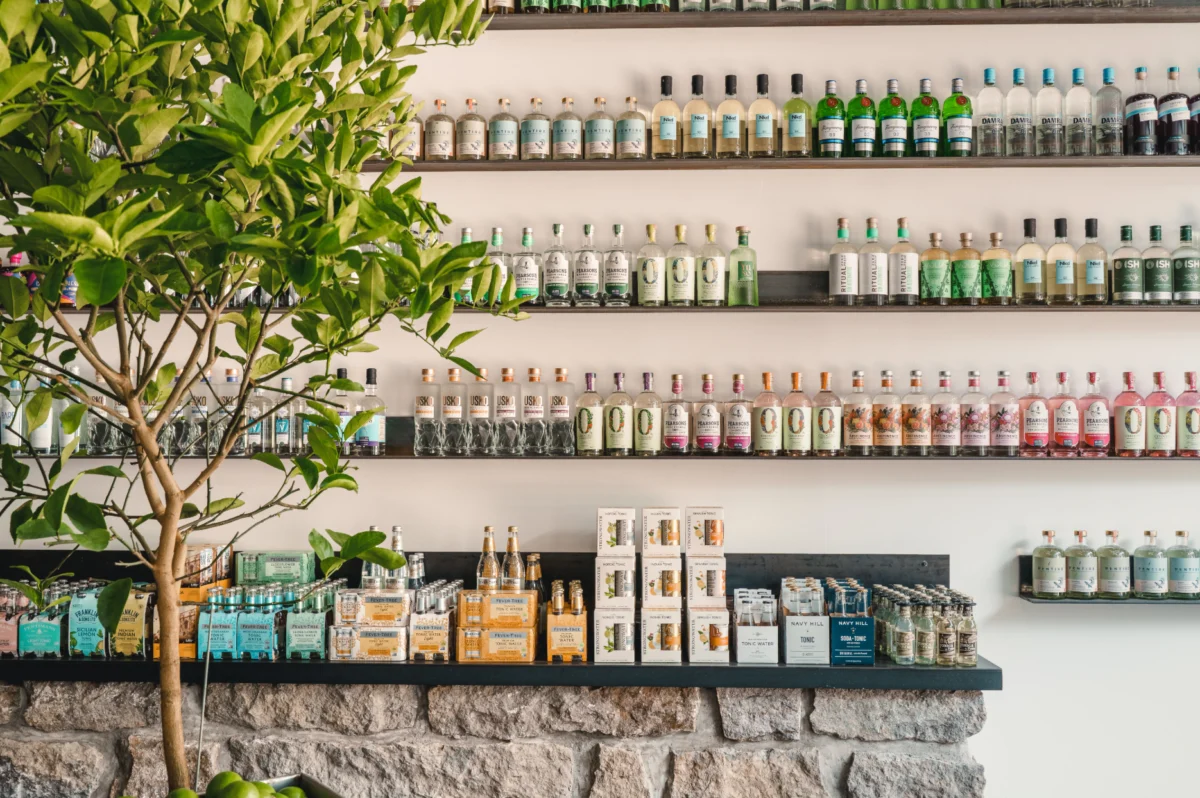
For decades, the social landscape of the United States was bifurcated: you were either drinking, or you were relegated to the "dusty back shelf" of soft drinks and club soda. Today, that binary structure is collapsing. The alcohol-free (NA) category is no longer a niche curiosity; it is a thriving, multi-billion-dollar industry that is fundamentally altering how we socialize, celebrate, and unwind. From sophisticated bottle shops in Brooklyn to converted horse-trailer bars in Phoenix, the "sober-curious" movement has ushered in a new era of complex, adult-centric beverages that prioritize flavor and ritual over intoxication.
The State of the Industry: Beyond the Mocktail
The current spirit-free landscape is defined by a commitment to craft. Modern consumers are no longer satisfied with sugary, one-dimensional mocktails. They are demanding the same complexity, mouthfeel, and "grown-up" flavor profiles found in premium spirits, wines, and craft beers.
This shift is driven by a convergence of health-conscious lifestyle choices, the rise of functional beverages—drinks infused with adaptogens, nootropics, and CBD—and a cultural pivot toward mindfulness. As the category matures, the stigma surrounding not drinking has largely evaporated, replaced by a sophisticated appreciation for the art of the pour.
A Chronology of the Sobriety Shift
The rapid expansion of the NA market is a relatively recent phenomenon, largely catalyzed by a series of shifts in the late 2010s and early 2020s.
- 2019–2020: The "Sober Curious" movement gained significant mainstream traction. As consumers began to evaluate their relationship with alcohol, entrepreneurs—many of whom had recently quit drinking themselves—began to experiment with home-crafted recipes and small-batch distribution.
- 2020–2021: The COVID-19 pandemic acted as an unexpected accelerant. With bars closed and home consumption rising, people sought healthier alternatives to combat the "quarantini" fatigue. This period saw the launch of many of the industry’s stalwarts, including The Zero Proof, Better Rhodes, and Open Road.
- 2022–2023: The market transitioned from online-only to brick-and-mortar. Entrepreneurs like Joshua James of Ocean Beach Cafe and the team at Kindred Spirits realized that the tactile experience—smelling, touching, and tasting—was essential to building consumer trust in a new product category.
- 2024–Present: The industry is currently in a phase of consolidation and maturation. Retailers like Boisson have pivoted to refined, e-commerce-first models, focusing on nationwide accessibility and sophisticated curation rather than expansive physical footprints.
Regional Snapshots: The New Centers of Spirit-Free Life
The geography of the alcohol-free movement is as diverse as the products themselves. Below are key hubs that are defining the culture.
The West Coast: Innovation and Atmosphere
In San Francisco, Ocean Beach Cafe is leading the charge. Owner Joshua James initially sought a traditional beer and wine license, but when his initial inventory of zero-proof options sold out during opening week, he pivoted entirely. Today, he manages a sprawling inventory of over 50 brands and is currently developing a dedicated NA Speakeasy Lounge. In Eugene, Oregon, High Street Tonics offers a similar experiential model, allowing customers to sample botanical elixirs before committing to a bottle.
The Southwest: Education and Craft
In Phoenix, The Nixer (So)Bar represents the "artisan" wing of the movement. Founders Brad and Tamara Bridwell operate out of a converted horse trailer, focusing on creating original, complex beverages rather than attempting to replicate existing alcoholic spirits. Their focus on education helps demystify the category for the "sober-curious" in the Arizona heat.
The Northeast: Community and Sophistication
New York City has become the de facto capital of the NA movement. Spirited Away in Manhattan and Minus Moonshine in Brooklyn serve as community hubs. Minus Moonshine, in particular, emphasizes inclusivity, hosting yoga sessions and new moon meditations, and fostering a safe, supportive environment for the LGBTQ+ community. Meanwhile, Hudson Dry in the Hudson Valley caters to the refined entertainer, offering not just spirits, but a full suite of bar tools, artisanal ice programs, and membership-based access to exclusive events.
The Mid-Atlantic: Normalizing Alternatives
In Pittsburgh, Open Road exemplifies the adaptability of the modern entrepreneur. Mel Babitz’s venture began as a pop-up, transitioned into an e-commerce giant capable of shipping to 43 states, and currently stocks over 230 unique products, focusing heavily on the intersection of functional ingredients like CBD and traditional craft brewing styles.
Official Responses: What the Founders Say
The entrepreneurs driving this industry are remarkably aligned in their mission: they aren’t just selling drinks; they are selling a new way of living.
- On Sophistication: Melissa Irisarri of Minus Moonshine emphasizes that the modern consumer has a discerning palate: "We carry beverages for a sophisticated palate, such as Acid League wine proxies and Solbrü elixirs."
- On Inclusivity: Payal Thaker of A Fresh Sip notes, "From day one, our mission is to reshape drinking culture by normalizing not drinking alcohol and giving people access to quality non-alcoholic options from all over the world in one place."
- On Curation: Sean Goldsmith of The Zero Proof captures the industry’s shift toward quality over quantity: "We’re more concerned with having the right choices, not just more choices."
Supporting Data and Market Trends
While the specific product preferences vary, certain trends have emerged across all major marketplaces:
- Functional Ingredients: Consumers are increasingly looking for "more" from their drinks. Whether it’s the calming effects of CBD, the adaptogenic properties of mushrooms in Three Spirit or Kin Euphorics, or the gut-health benefits of various tonics, the "functional" segment is seeing massive growth.
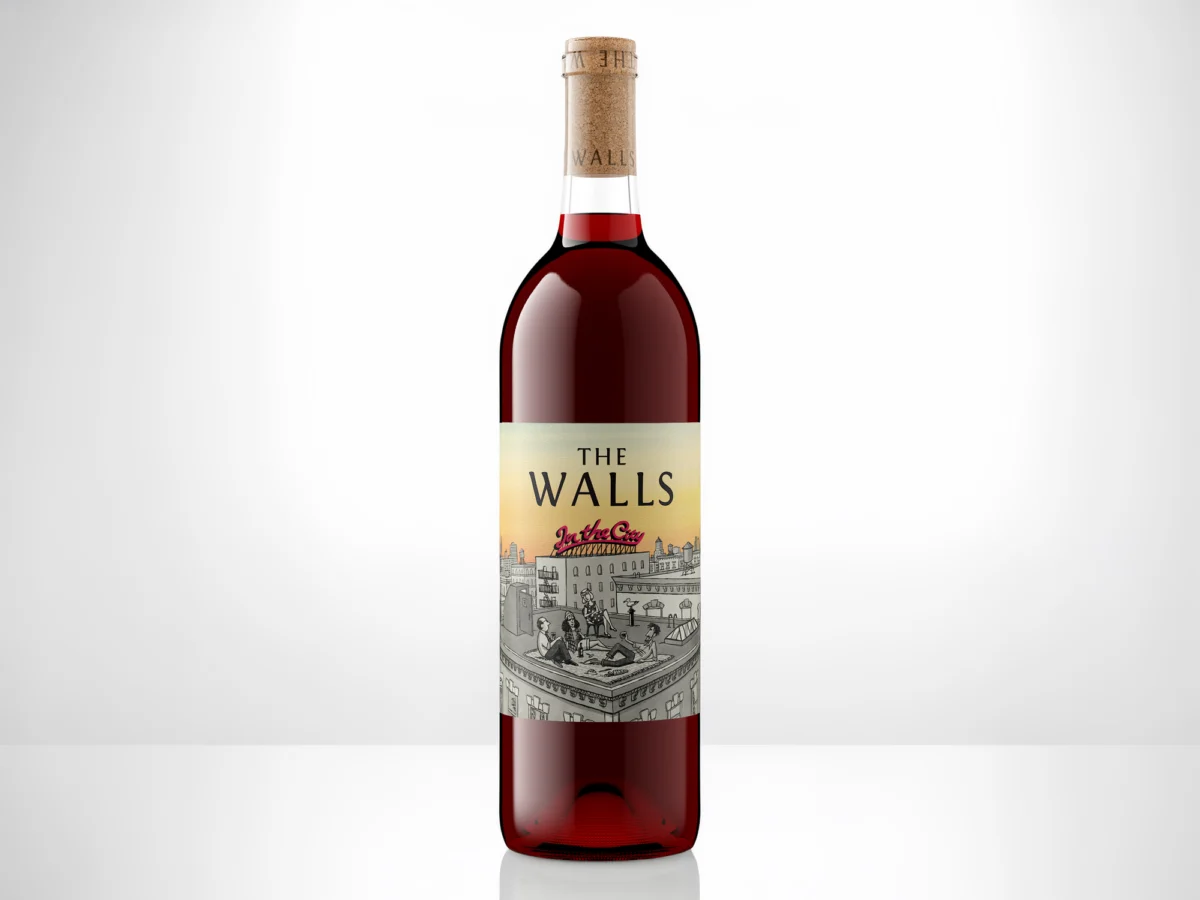
- The Rise of Wine Proxies: High-quality, non-alcoholic wine alternatives (like Acid League) are surging in popularity, successfully bridging the gap for diners who want the ritual of wine with dinner but without the alcohol.
- Subscription Models: As the market becomes more crowded, consumers are relying on services like Better Rhodes to curate their monthly experiences, reducing the "choice paralysis" that comes with hundreds of new brands entering the market.
- The "Third Space" Effect: Bottle shops are evolving into social spaces. By offering tastings, events, and community programming, these stores are replacing the traditional bar as a place for connection.
Implications for the Future
The implications of this movement are profound. As non-alcoholic options become standard in restaurants and bars, the "all-or-nothing" binary of social drinking is disappearing. This is creating a more inclusive environment for people in recovery, those who are pregnant, individuals taking medications, or simply those who want to be clear-headed the next morning.
The transition of companies like Boisson from physical retail to e-commerce suggests that the industry is entering a phase of stabilization. We can expect to see further integration of these products into mainstream grocery chains, which will further normalize the category.
Ultimately, the alcohol-free revolution is a testament to the fact that human social rituals—clinking glasses, savoring complex flavors, and gathering in shared spaces—do not require alcohol to be meaningful. The movement has succeeded because it has recognized a fundamental truth: the "ritual" of the drink is just as important as the liquid inside it. By elevating the quality, presentation, and accessibility of non-alcoholic options, the industry has ensured that the "dry" lifestyle is no longer a sacrifice, but a lifestyle choice that is as indulgent and sophisticated as any other.
As the industry continues to innovate, the focus will likely shift toward sustainability, hyper-local sourcing, and the continued refinement of "proxies"—drinks that don’t just pretend to be alcohol, but stand alone as entirely new, valid culinary experiences. The "dusty back shelf" is officially a thing of the past.