In the modern culinary landscape, the struggle to balance nutritional integrity with the demands of a time-strapped lifestyle has become a defining challenge for the contemporary home cook. As the popularity of takeout continues to rise, so does the demand for "better-for-you" alternatives that replicate the complex, savory profiles of restaurant-quality meals. Among the most enduring staples of this movement is the classic Shrimp and Broccoli stir-fry—a dish that, when executed correctly, offers a harmonious blend of lean protein and vibrant, fiber-rich vegetables.
Cookbook author and culinary strategist Erin Clarke, the visionary behind Well Plated, has recently spotlighted a refined approach to this dish. By focusing on precision in cooking times and a balanced aromatic profile, Clarke has transformed what was once a hit-or-miss weeknight effort into a reliable, high-reward culinary routine.

The Main Facts: Why Stir-Frying Remains the Gold Standard
Stir-frying is fundamentally an exercise in efficiency. At its core, the technique relies on high heat and rapid movement to ensure that proteins remain tender and vegetables retain their structural integrity. For the home cook, the appeal of the shrimp and broccoli combination is multifaceted. Shrimp provides a high-protein, low-calorie foundation, while broccoli acts as a robust vessel for sauce, offering both a satisfying crunch and a dense concentration of vitamins C and A.
The "takeout vibe" often sought after in these dishes is achieved through a specific calibration of garlic and ginger—the aromatic backbone of Cantonese-inspired stir-fry. When these elements are properly toasted, they infuse the cooking oil, creating a base that elevates the entire dish from simple sautéed ingredients to a cohesive, restaurant-grade meal.

A Chronological Breakdown of the Perfect Stir-Fry
The common pitfall in preparing shrimp and broccoli lies in the disparity between their cooking times. Shrimp is notoriously unforgiving; overcook it by even a minute, and the texture shifts from succulent to rubbery. Conversely, raw broccoli requires significant heat exposure to lose its fibrous, "raw" quality. To master this dish, one must employ a staged cooking process, a method refined through rigorous kitchen testing.
Phase 1: Preparation and Mise en Place
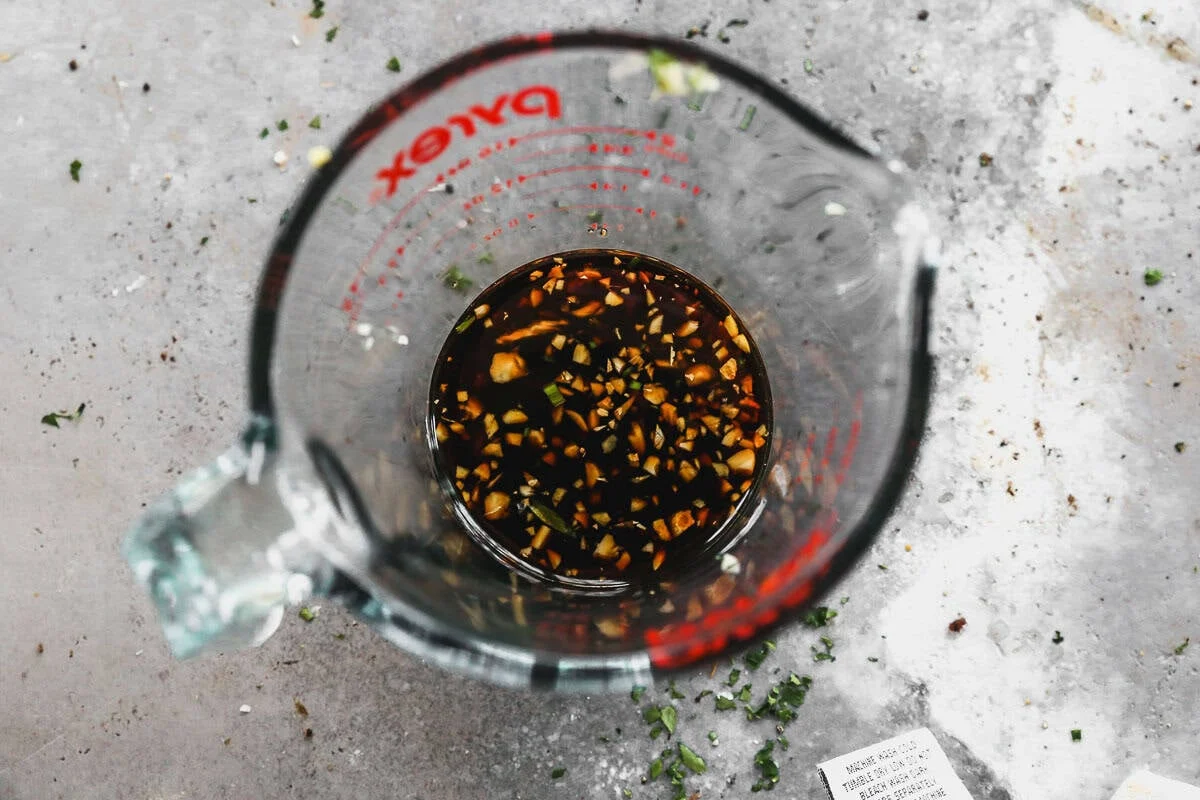
The success of a 30-minute meal is predicated on preparation. Before the heat is applied, the sauce—a critical mixture of soy sauce, aromatics, and a touch of sweetness—must be whisked and set aside. This ensures that the final assembly phase is seamless and prevents the aromatics from burning while the cook searches for ingredients.

Phase 2: The Protein Sauté
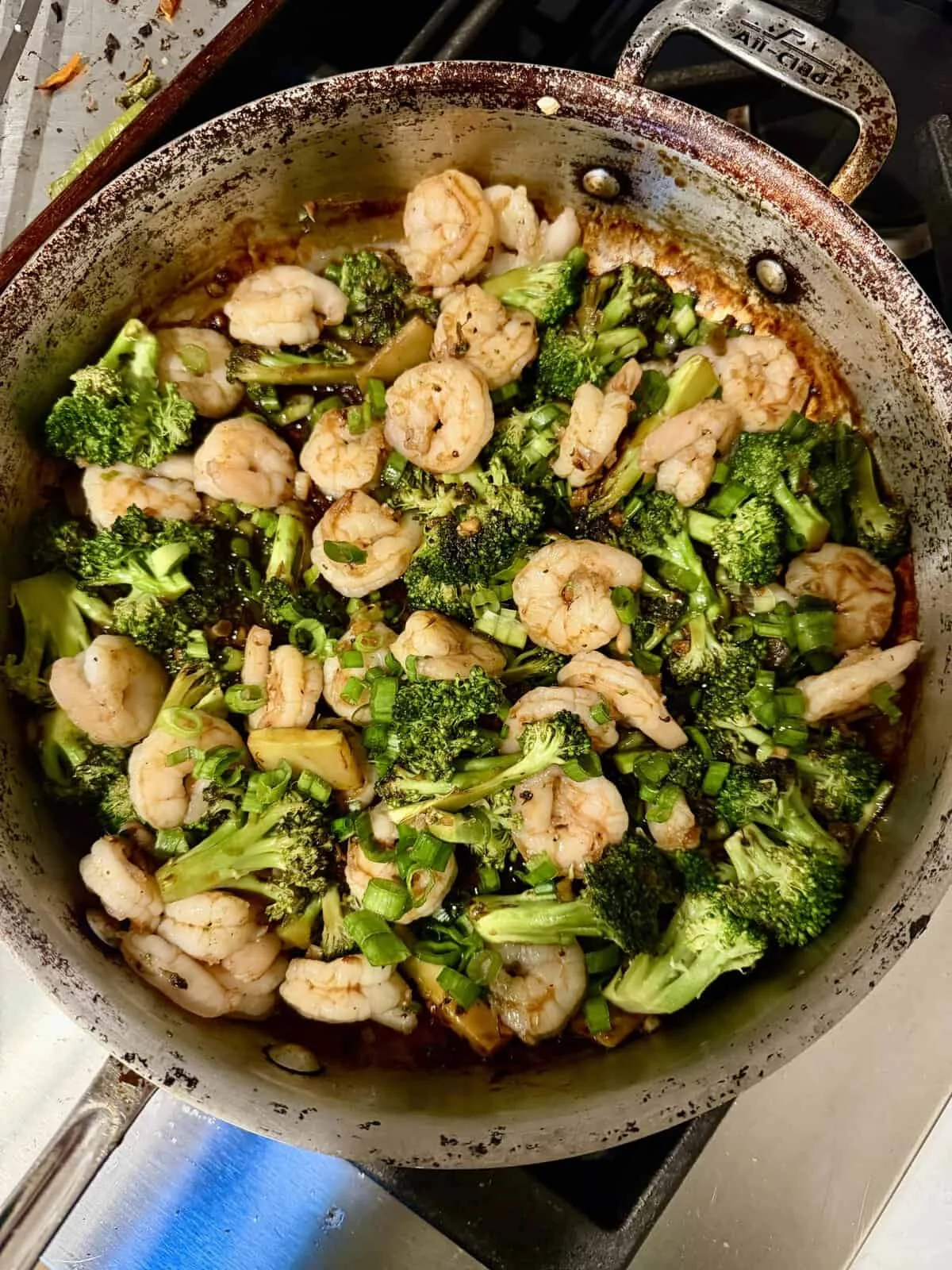
The shrimp are introduced to the wok or skillet first. Using a medium-high heat, they are seared in canola oil until they turn opaque and form a loose "C" shape. Crucially, they are removed from the pan immediately. This "staged" removal is the most important technical aspect of the recipe; it allows the shrimp to remain in a state of perfect doneness while the pan is reclaimed for the vegetables.
Phase 3: The Broccoli Steam-Brown Hybrid
With the shrimp set aside, the broccoli is introduced to the pan. Rather than a simple steam, the technique involves a brief dry-sear to achieve a golden-brown exterior, followed by the addition of water and a tight cover. This dual-action process ensures the florets are tender-crisp rather than mushy, maintaining a vibrant green hue that is as visually appealing as it is nutritionally dense.

Phase 4: Final Assembly and Emulsification
The final act involves the reintroduction of the shrimp and the pouring of the sauce. As the sauce hits the hot pan, the starch content (typically provided by a slurry or the sauce’s own properties) begins to thicken, creating a glossy, savory glaze that clings to the ingredients. The dish is finished with fresh scallions, providing a sharp, vegetal contrast to the deep, umami-rich sauce.
Supporting Data: Nutritional and Dietary Considerations
From a nutritional perspective, this dish is a powerhouse for the busy professional. Analysis of the provided recipe data indicates that a single serving offers approximately 35 grams of protein and 11 grams of dietary fiber, with a relatively low saturated fat content of 2 grams.

The inclusion of broccoli—a cruciferous vegetable—provides substantial cardiovascular and digestive benefits. Furthermore, the use of fresh ginger and garlic offers natural anti-inflammatory properties, making the meal not just a convenience option, but a genuinely restorative choice for the end of a long day.
- Protein Profile: 35g per serving, primarily derived from lean crustacean protein.
- Micronutrient Density: High levels of Vitamin C and Calcium, essential for immune health and bone density.
- Caloric Efficiency: At roughly 469 kcal per serving, it offers a balanced macronutrient split that is suitable for most dietary frameworks, including those focused on weight management.
Expert Insight: The "Testing Notes" from the Kitchen
Erin Clarke notes that while the base recipe is optimized for the average household, culinary flexibility is encouraged. For households with larger appetites, the primary adjustment is simple: increasing the shrimp volume to 1.5 pounds ensures that protein satiety remains high.

There is also the matter of flavor profile modulation. The provided recipe is designed with a savory-first approach, keeping the sugar content moderate. However, for those who prefer the sweet-and-savory profile typical of many regional Chinese-American dishes, increasing the honey content to three tablespoons is a recommended modification. This highlights the importance of the "tasting stage," where the cook adjusts the sauce balance based on individual preference before the final toss.
Implications for the Modern Home Cook
The persistence of the "30-minute dinner" trend is not merely a reflection of a lack of time; it is a reflection of a shift in how we perceive domestic labor. By adopting professional techniques—such as staged cooking and the "mise en place" approach—the home cook can reclaim the kitchen as a space of efficiency rather than a source of stress.

This recipe serves as a template for broader culinary independence. By mastering the fundamental stir-fry method (sear protein, remove, steam/brown vegetables, add aromatics, combine with sauce), the cook is no longer tethered to a single recipe. They gain the ability to swap proteins—using chicken, tofu, or beef—and adjust vegetables based on seasonal availability.
Conclusion: The Value of Simplicity
Ultimately, the success of a meal like the Shrimp and Broccoli stir-fry is measured by its accessibility. In an era where food delivery apps and processed convenience foods are just a click away, the ability to produce a meal that is healthier, cheaper, and faster than the alternative is a significant achievement. As Clarke suggests, the goal is not to spend hours over a stove, but to create a system where high-quality, delicious food is a default outcome of one’s weekly routine. By respecting the nuances of heat and timing, the home cook can turn a simple weeknight dinner into a consistent, reliable, and deeply satisfying experience.