CULINARY DESK — In the ever-expanding universe of weeknight cooking, few dishes offer the effortless versatility and aggressive flavor profile of traditional Chicken Tinga. Known for its smoky, fiery bite and rich, sauce-drenched shredded poultry, this staple of Mexican home cooking has recently undergone a calculated upgrade. Culinary researchers and home cooks alike are revisiting the classic recipe, introducing a game-changing brine-and-bake technique and leaning into the bright, acidic punch of fresh tomatillos to elevate a dish traditionally dominated by canned or all-tomato bases.
For culinary enthusiasts looking to streamline their meal prep without sacrificing authenticity, this updated formulation bridges the gap between fast weeknight assembly and deep, layered regional flavors.
Main Facts: The Anatomy of an Upgraded Tinga
At its core, Chicken Tinga is a shredded chicken dish steeped in a vibrant tomato-and-chile sauce. However, standard iterations often suffer from a monochromatic flavor profile—tasting flat, overly sweet, or simply one-note spicy.
The newly optimized recipe pivots on three foundational pillars:
- The Brine-and-Bake Method: Moving away from quick poaching or reliance on store-bought rotisserie chickens, raw chicken breasts undergo a 30-to-60-minute salt water bath before being oven-roasted. This ensures moisture retention and internal seasoning.
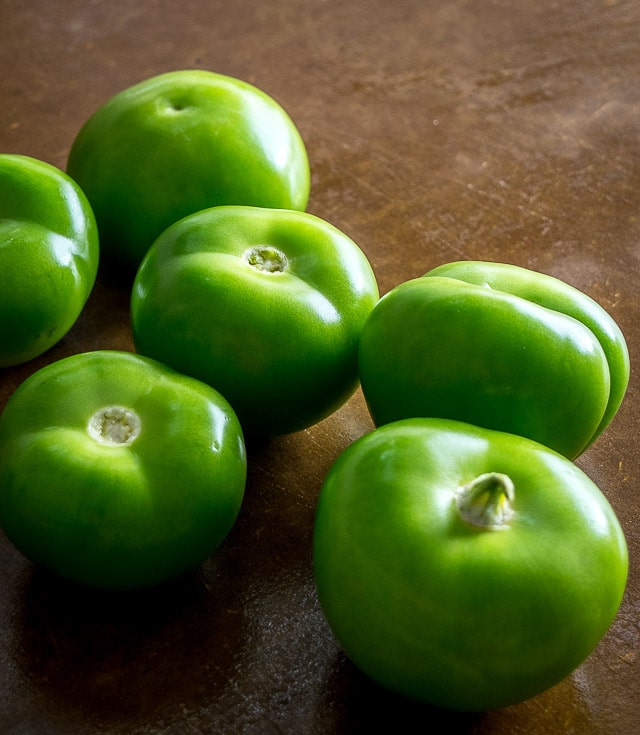
- The Tomatillo Secret: Rather than relying exclusively on plum tomatoes, the sauce incorporates 5 to 6 fresh tomatillos. Their natural tartness cuts through the richness of the meat and balances the smoke of the chiles.
- Ample Adobo Heat: Utilizing up to five chipotles in adobo (with seeds removed for texture control), the dish commands a serious, warming heat level that can be scaled back for sensitive palates.
Beyond the ingredients, the resulting Tinga is engineered to be delightfully saucy, designed specifically to hold its own when layered onto tostadas, folded into enchiladas, or spooned inside warm corn tortillas for an instant, no-thinking-required meal.
Chronology: Step-by-Step Culinary Execution
Achieving restaurant-quality Chicken Tinga at home relies on a precise sequence of preparation, transforming raw ingredients into a cohesive, deeply seasoned filling.
Phase 1: The Brine
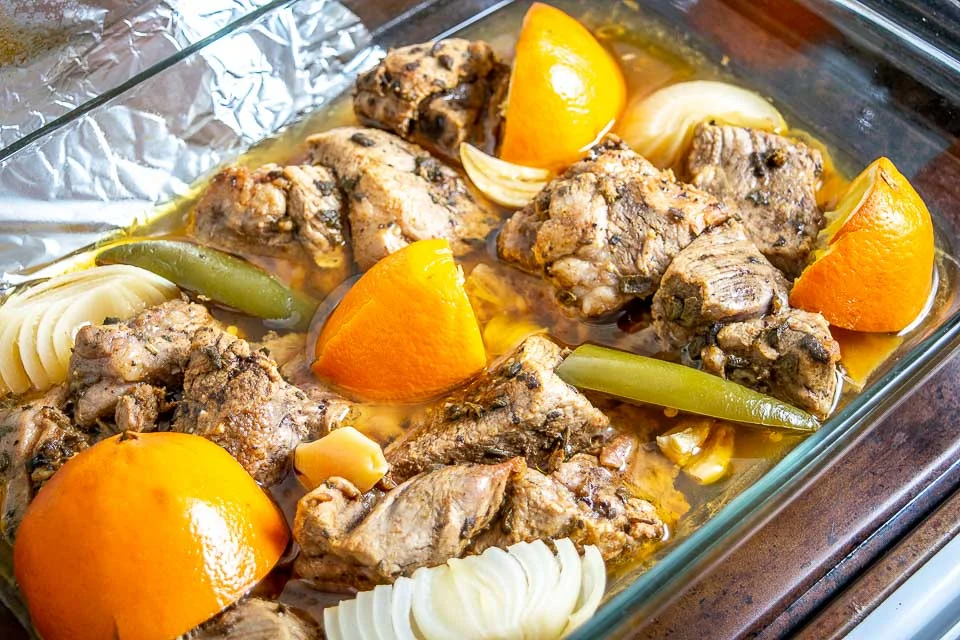
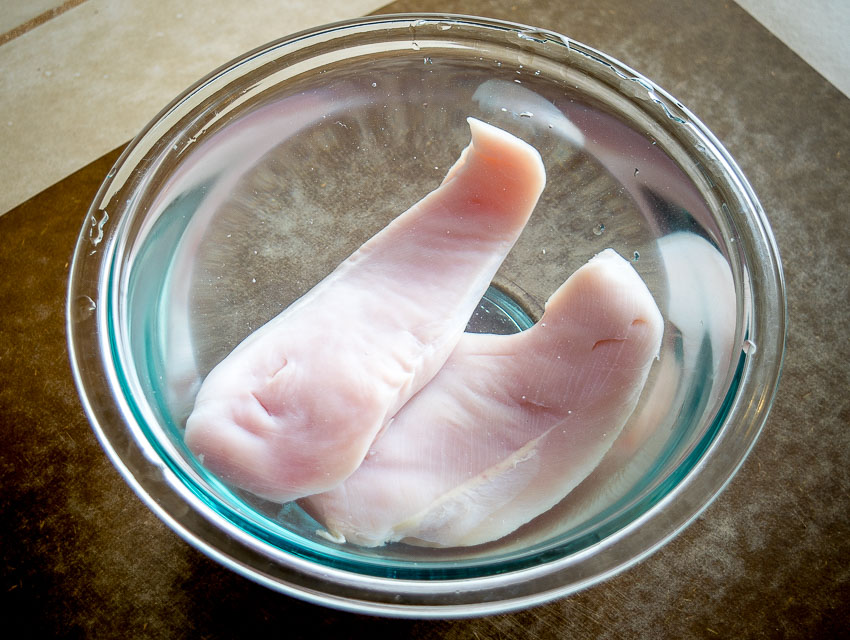
The process begins with the poultry. A quarter-cup of Kosher or sea salt is dissolved into a quart of water. Chicken breasts are submerged, covered, and transferred to the refrigerator. While a full one-hour soak yields optimal flavor penetration and juiciness, even a 30-minute swim provides a noticeable upgrade in texture. Once finished, the chicken is patted dry and baked at 400°F (205°C) for roughly 20 minutes until reaching an internal temperature of 160°F (71°C).
Phase 2: Roasting the Produce
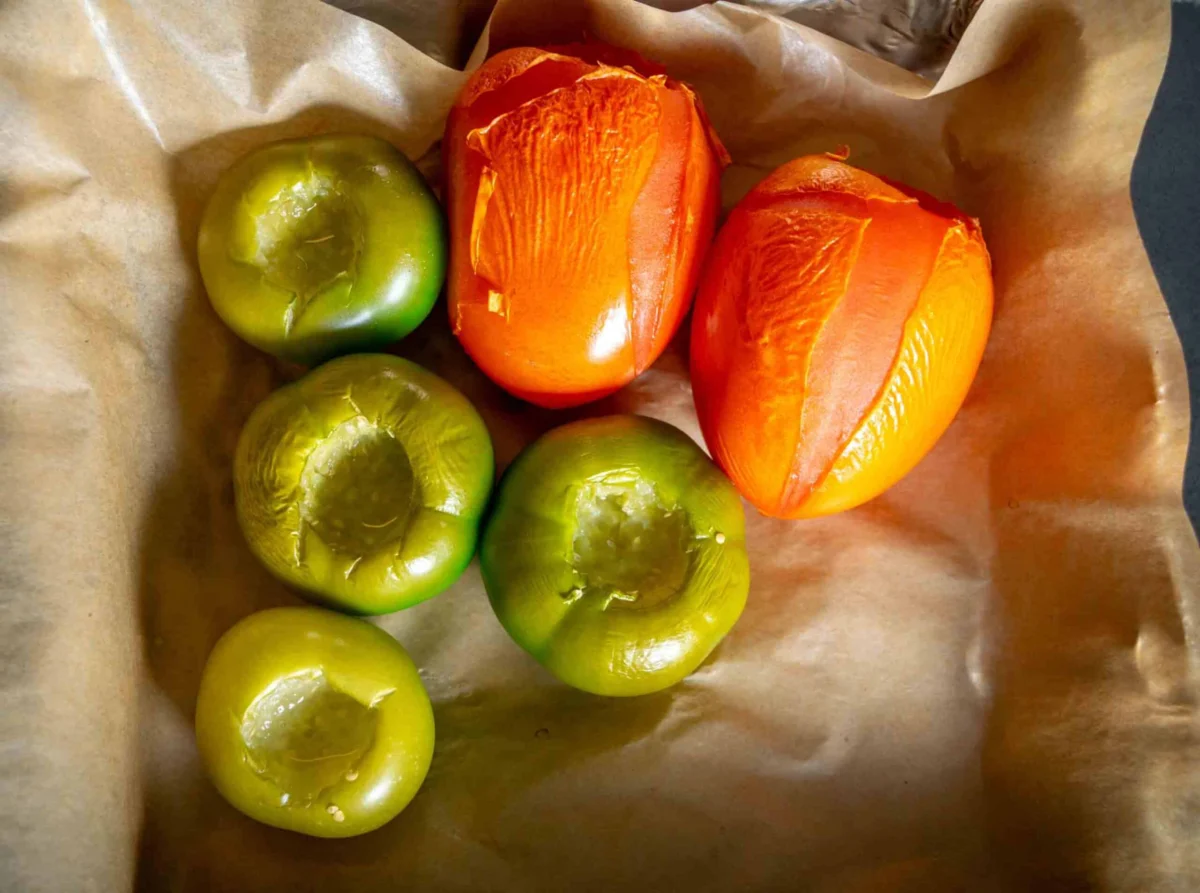
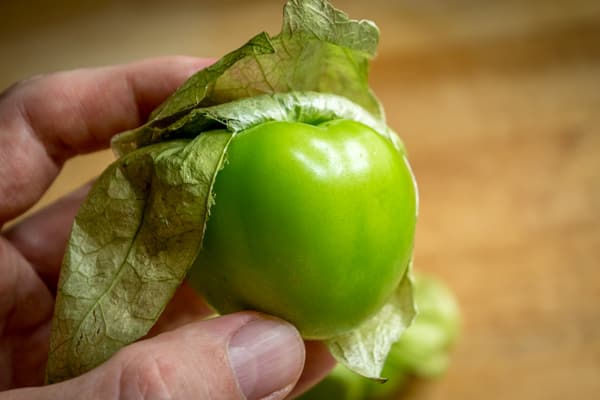
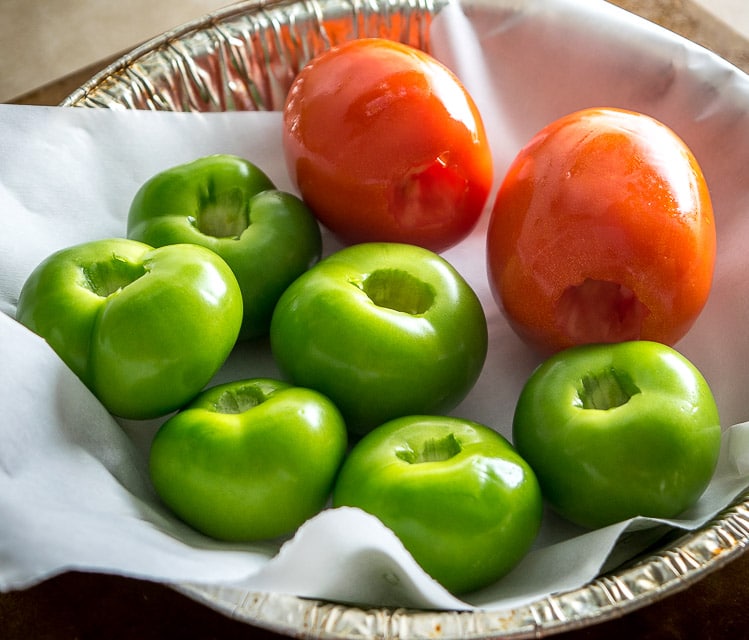
Simultaneously, the sauce components are prepared. Two plum tomatoes and five to six fresh tomatillos—with stems removed—are placed in the oven alongside the chicken at 400°F to roast and char. Selecting tomatillos with taut, green husks rather than wrinkled, past-their-prime specimens guarantees a bright, acidic foundation. Any flavorful juices left in the roasting pan are reserved for the blender.
Phase 3: Aromatics and Blending
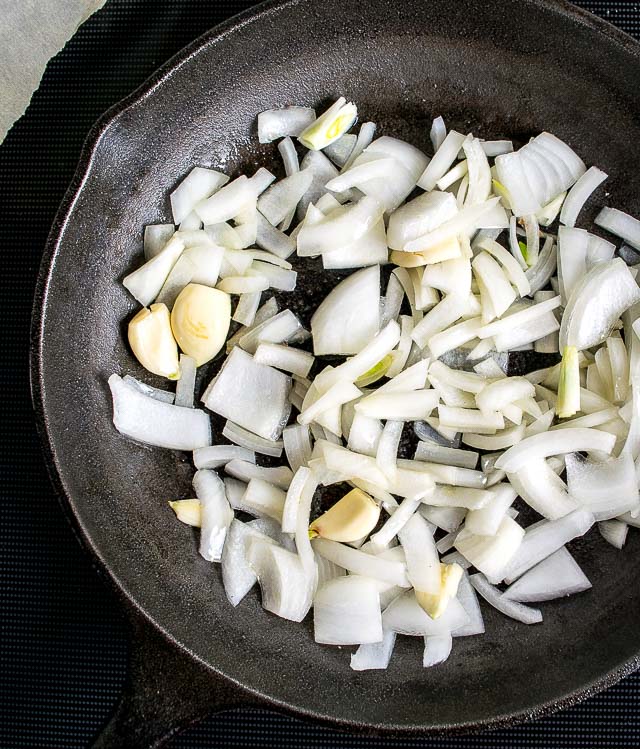
While the chicken and vegetables cook, half an onion and four whole garlic cloves are sautéed in oil over medium heat for five to eight minutes until the onions begin to caramelize and turn golden brown.
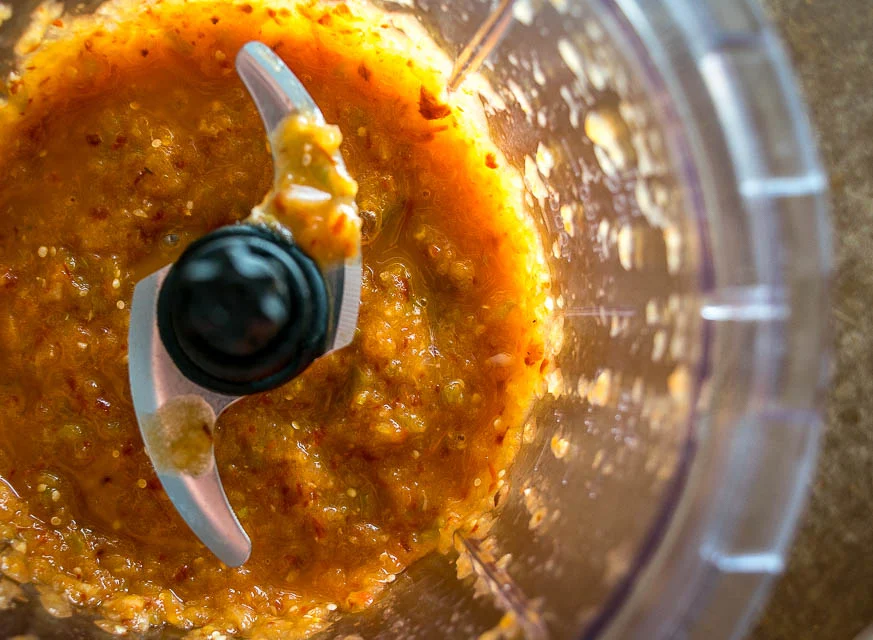
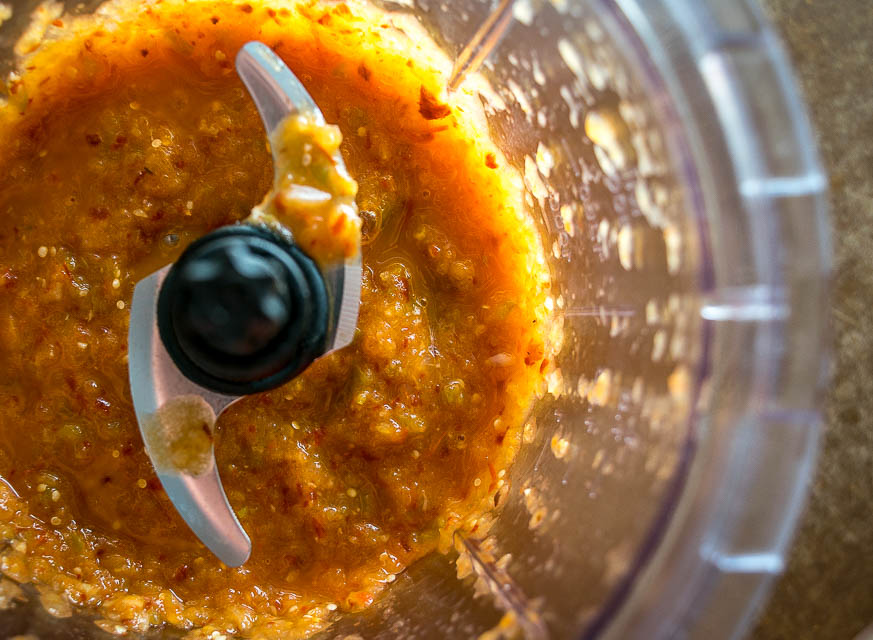
The roasted tomatoes, roasted tomatillos, sautéed onion, garlic, and pan juices are transferred to a blender alongside five chipotles in adobo (with seeds cleared to prevent hard bits in the sauce). Using a pulse setting, the ingredients are blended into a rich, slightly chunky sauce rather than a smooth purée.
Phase 4: Simmering and Shredding
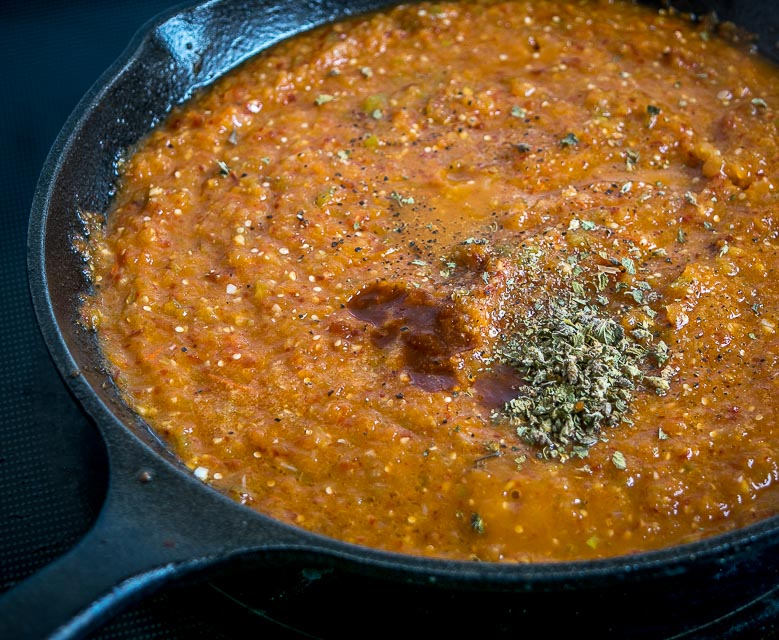
A glug of oil is heated in a saucepan over medium heat, and the blended sauce is poured in. Spices are introduced directly to the pan:
- 2 tablespoons of adobo sauce
- 1 teaspoon of Mexican oregano
- 1/2 teaspoon of salt
- Freshly cracked black pepper
- A dash of cumin (optional)
After a brief simmer, the baked chicken—now shredded—is folded directly into the bubbling sauce. The mixture continues to simmer until unified in temperature, inviting a final taste test to adjust salt or spice levels before storage.
Supporting Data: Ingredient Breakdown and Customization
For those looking to replicate or adjust the recipe, understanding the structural ratios is essential. The preparation yields approximately four hearty servings, easily scalable for larger meal-prep batches.
| Ingredient Category | Component | Quantity / Specification | Culinary Purpose |
|---|---|---|---|
| The Poultry | Chicken Breasts | 1–2 large breasts | Primary protein; holds moisture best when brined. |
| The Brine | Kosher/Sea Salt & Water | 1/4 cup salt per 1 quart water | Penetrates muscle fibers to lock in moisture and flavor. |
| The Base | Tomatillos & Plum Tomatoes | 5-6 tomatillos, 2 plum tomatoes | Provides tartness and body; balances acidity. |
| The Heat | Chipotles in Adobo | 5 whole chiles (seeds removed) | Delivers characteristic smoke and fiery heat. |
| Aromatics | Onion & Garlic | 1/2 onion, 4 cloves | Builds savory depth through sautéing. |
| Spices | Mexican Oregano, Salt, Cumin | 1 tsp oregano, 1/2 tsp salt, dash | Enhances herbal and earthy undertones. |
Customization Note: Cooks desiring a milder flavor profile are advised to scale back to one or two chipotles initially, as heat can easily be added via extra adobo sauce later, but is difficult to reverse once introduced.
Official Recommendations and Serving Styles
Culinary authorities emphasize that the true beauty of Chicken Tinga lies in its exceptional shelf-stability and versatility. Stored in an airtight container in the refrigerator, a batch of Tinga serves as the anchor for an entire week of quick, satisfying lunches and dinners.
Rather than serving the chicken as a standalone protein, traditional pairings elevate the dish through contrasting textures and temperatures:
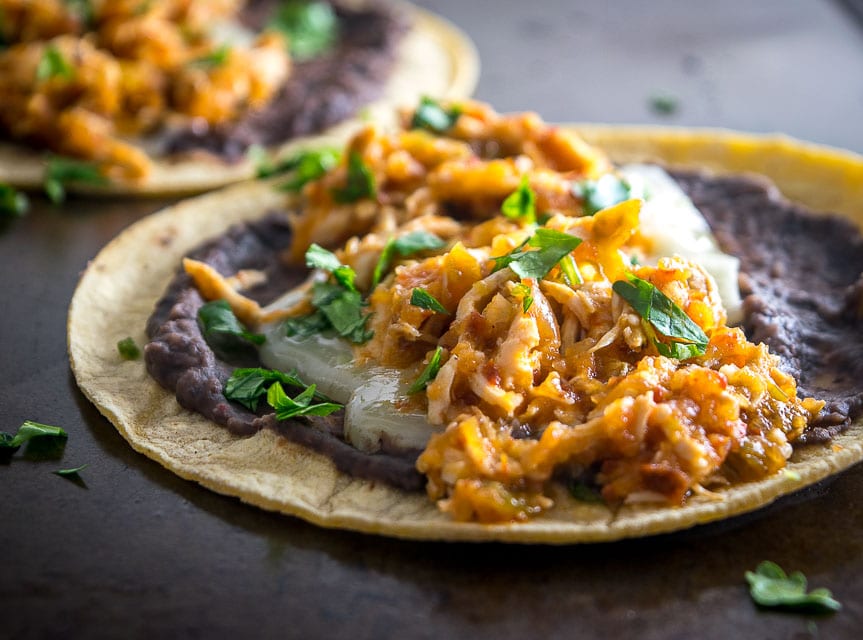
- Tinga Tostadas: Spread a thin layer of black bean puree and melting cheese onto a corn tortilla, toast it in a dry skillet or comal until brown spots appear, and top with piping hot Tinga, fresh cilantro, and a squeeze of lime or pickled onions.
- Enchiladas and Tacos: Roll the shredded chicken into corn tortillas for baked enchiladas, or serve simply in warm tortillas as goopy, comforting tacos.
- Tortas and Burritos: Use the saucy chicken as a high-impact filling for Mexican sandwiches layered with avocado and cilantro-lime mayo.
Implications: The Future of Weeknight Mexican Cooking
The widespread adoption of upgraded techniques like the brine-and-bake method signals a broader shift in domestic cooking culture. Home cooks are increasingly unwilling to sacrifice quality for speed, instead demanding methods that optimize both.
By applying precision techniques typically reserved for fine dining—such as precise meat brining and vegetable roasting—to rustic street foods like Chicken Tinga, home kitchens are bridging the gap between convenience and gourmet execution. As demand grows for make-ahead, versatile refrigerator staples, recipes that prioritize bold acids, smoky chiles, and tender proteins are poised to remain permanent fixtures in modern culinary routines.