In the fast-paced landscape of modern home cooking, the challenge is rarely about finding a recipe—it is about finding the right one. Specifically, home cooks are perpetually hunting for the "holy grail" of weeknight meals: a dish that mirrors the savory, umami-rich complexity of restaurant takeout while maintaining the nutritional integrity and speed required for a Tuesday night. Enter the classic Shrimp and Broccoli stir-fry, a dish that has recently seen a resurgence in popularity among culinary enthusiasts and busy families alike.
According to cookbook author and culinary creator Erin Clarke, the secret to this dish lies not in complex techniques, but in the meticulous management of heat and timing. By deconstructing the traditional stir-fry method, Clarke has developed a streamlined approach that solves the age-old problem of balancing the disparate cooking times of delicate proteins and fibrous vegetables.

Main Facts: The Anatomy of a Better Stir-Fry
At its core, a successful Shrimp and Broccoli stir-fry is defined by two primary components: the integrity of the produce and the balance of the sauce.
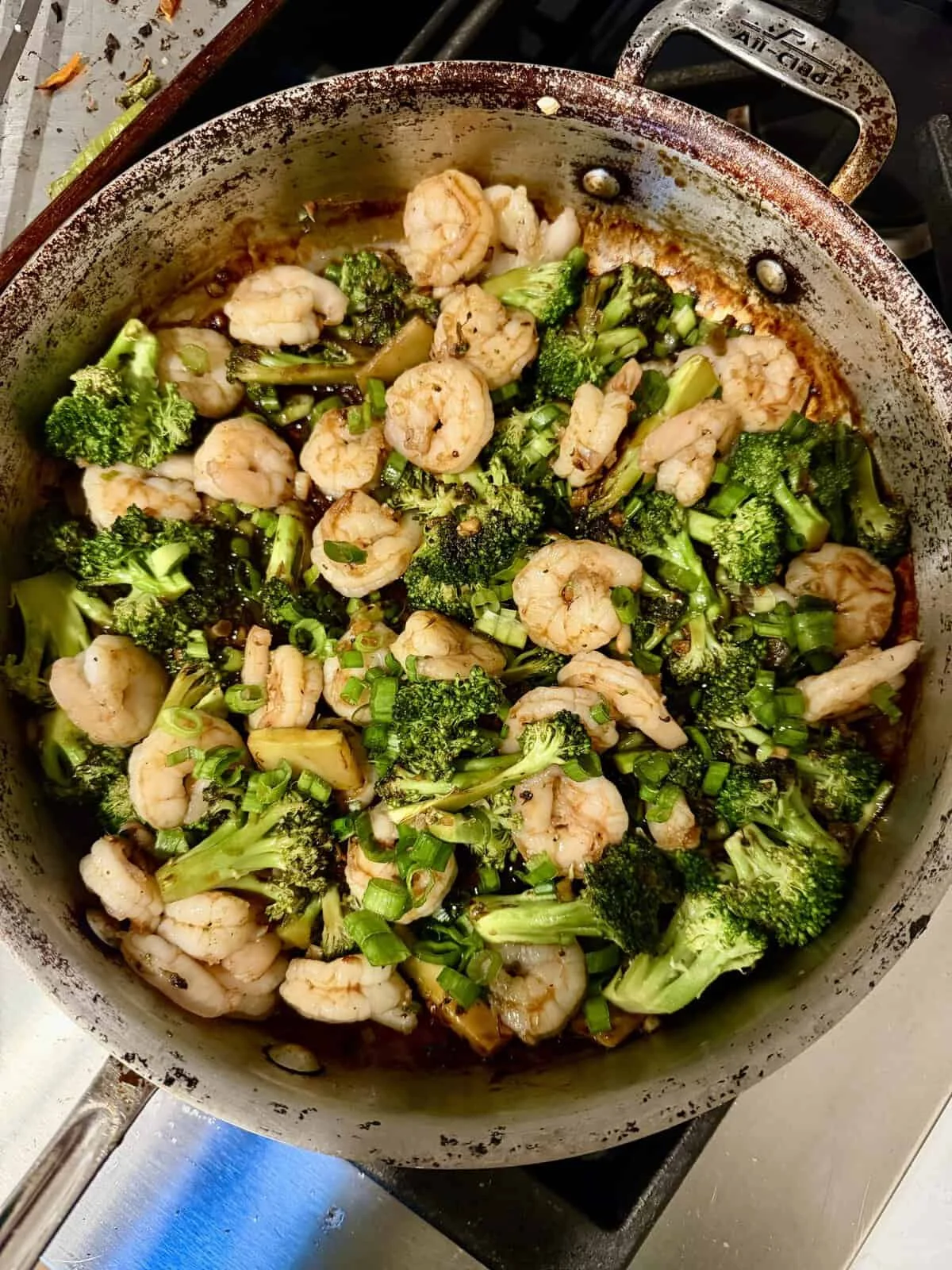
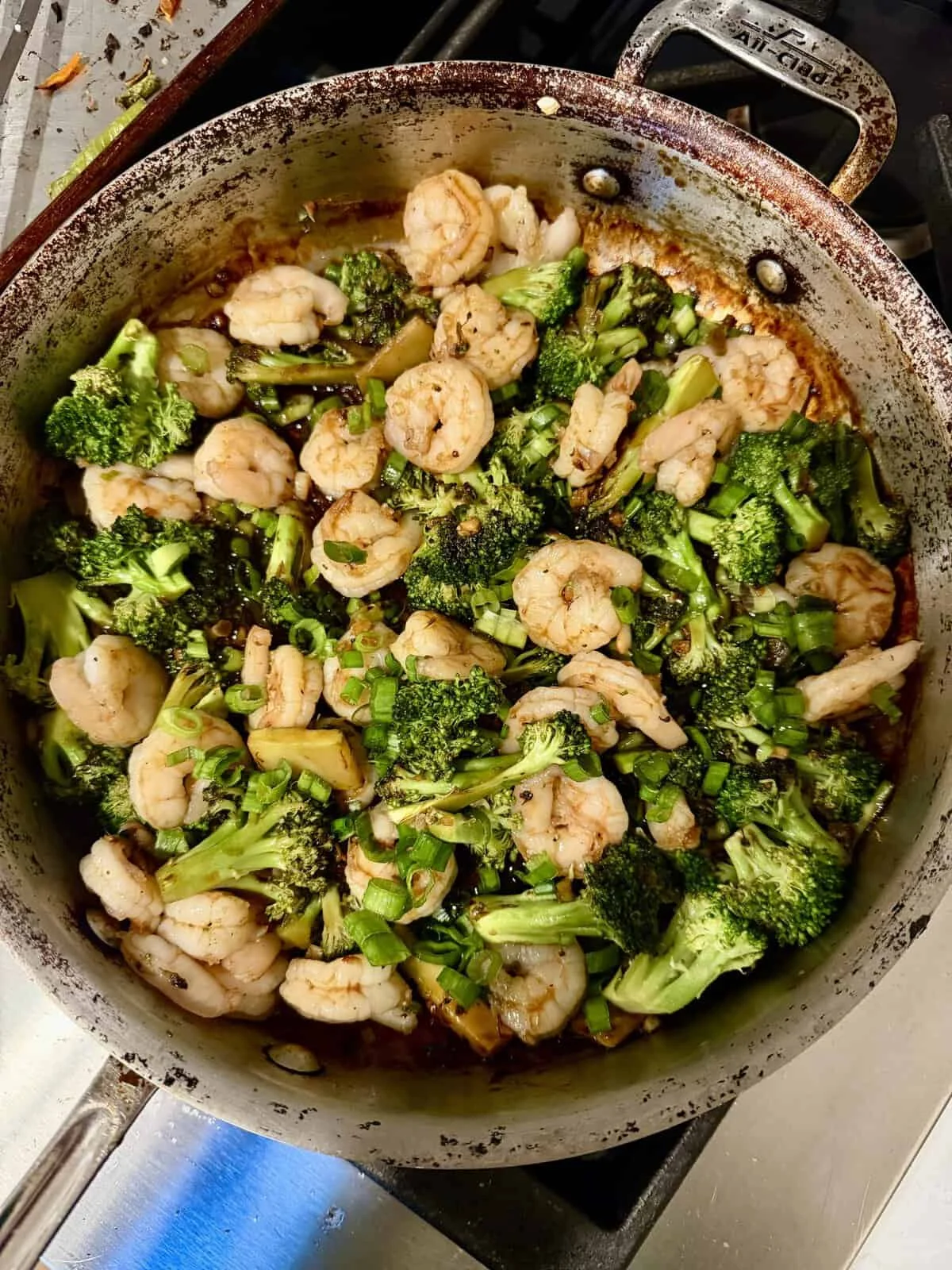
The dish is centered on high-protein, low-fat shrimp, which provide a clean canvas for a robust, ginger-garlic-infused sauce. Broccoli serves as the structural foundation, offering a satisfying "tender-crisp" texture that contrasts with the softness of the shrimp. The preparation is remarkably efficient, clocking in at under 30 minutes from prep to plate.

The primary innovation in this specific culinary method is the "two-stage cooking process." Rather than throwing all ingredients into a wok simultaneously—a common mistake that leads to either rubbery, overcooked shrimp or soggy, mushy broccoli—the recipe requires the cook to remove the protein once it hits the "C-curl" stage of doneness. This allows the broccoli to be sautéed and steamed to perfection without the risk of the shrimp becoming tough or losing its moisture.
Chronology: A Step-by-Step Culinary Workflow
Achieving the perfect stir-fry requires a disciplined approach to the "mise en place." To replicate the results favored by professional home cooks, the following chronological steps should be observed:

- The Sauce Foundation: Begin by whisking together the sauce components in a small bowl or liquid measuring cup. Having this ready before the heat is turned on is essential, as the subsequent cooking stages occur rapidly.
- The Protein Sear: Heat a neutral, high-smoke-point oil (such as canola or grapeseed) in a large skillet or wok over medium-high heat. The shrimp should be arranged in a single layer to ensure even contact with the heat. Cook for 60 to 120 seconds per side. Once the shrimp have turned opaque and formed a loose "C" shape, they must be removed from the pan immediately.
- The Vegetable Steam: With the shrimp safely removed, add a fresh splash of oil to the pan. Add the broccoli florets, allowing them to remain undisturbed for two minutes to develop a slight char—a crucial step for depth of flavor. A small amount of water is then added to the pan, which is quickly covered to steam the broccoli until it turns a vibrant, brilliant green.
- Aromatic Infusion: Once the broccoli is tender-crisp, incorporate the minced garlic, fresh ginger, and the white/light green portions of the scallions. This aromatic stage should last no more than 60 to 90 seconds. It is imperative to prevent the garlic from browning, as burnt garlic can introduce an acrid, bitter profile that ruins the sauce.
- The Final Marriage: Whisk the sauce one final time to incorporate any settled starches or sugars, then pour it over the broccoli. Return the cooked shrimp to the pan. Toss the mixture gently for one to two minutes until the sauce has reduced into a glossy, thick glaze that clings to every surface. Garnish with the dark green scallion tops for a fresh, sharp finish.
Supporting Data and Nutritional Context
The appeal of this dish extends beyond flavor; it is a masterclass in nutritional density. A single serving of this stir-fry provides a significant amount of protein (approximately 35 grams) while maintaining a moderate caloric profile (around 469 kcal).
The inclusion of broccoli provides a substantial boost of fiber (11 grams) and vitamins A and C, essential for immune function and digestive health. The total fat content is kept in check by the use of heart-healthy oils and the naturally lean nature of the shrimp.

Furthermore, the "sweet-savory" balance of the sauce is customizable. While the standard recipe provides a subtle savory profile, home cooks can adjust the honey or sweetener content to suit individual preferences. Testing indicates that increasing the honey to three tablespoons provides a more traditional "takeout-style" sweetness, catering to those who prefer a more caramelized glaze.
Official Perspectives: Expert Tips from Erin Clarke
Erin Clarke, who has spent years refining home-cooked meals for millions of followers, emphasizes that the most common failure in stir-frying is the crowding of the pan. "If you overload the skillet, you lose the sear," she notes. "You end up steaming your ingredients in their own juices rather than browning them, which is where the real flavor lives."

Her testing notes also address the issue of scale. "If you are cooking for a family of four or for those with larger appetites, do not be afraid to double the recipe," she advises. "However, if you double the quantity, ensure you have a sufficiently large wok or skillet. If the surface area isn’t there, cook in two separate batches to maintain the integrity of the texture."
Implications: The Shift Toward "Better-for-You" Takeout
The popularity of this recipe signals a broader shift in consumer behavior. As food costs rise and health awareness increases, the home cook is increasingly looking to replicate the "restaurant experience" within their own kitchen.

The implication of this trend is significant: it empowers the home cook to control sodium levels, source higher-quality ingredients (such as wild-caught shrimp or organic broccoli), and eliminate the unnecessary additives often found in commercial restaurant sauces. By mastering these foundational stir-fry techniques, the home cook is no longer reliant on delivery apps or processed frozen meals.
Moreover, the versatility of this method cannot be overstated. Once the "shrimp-first, broccoli-second" technique is mastered, it becomes a template that can be applied to almost any protein-vegetable combination. Whether substituting chicken for shrimp, or snap peas and bell peppers for broccoli, the workflow remains the same, providing a sustainable, repeatable, and healthy blueprint for daily nutrition.

In conclusion, the Shrimp and Broccoli stir-fry is more than just a quick dinner; it is a fundamental skill that elevates the home kitchen. By prioritizing heat management, timing, and fresh aromatics, the home cook can achieve a standard of quality that rivals the best of local takeout, all while fostering a healthier, more sustainable lifestyle. The next time the craving for takeout strikes, the solution is not a phone call away—it is likely already in your pantry and refrigerator, ready to be transformed in under 30 minutes.