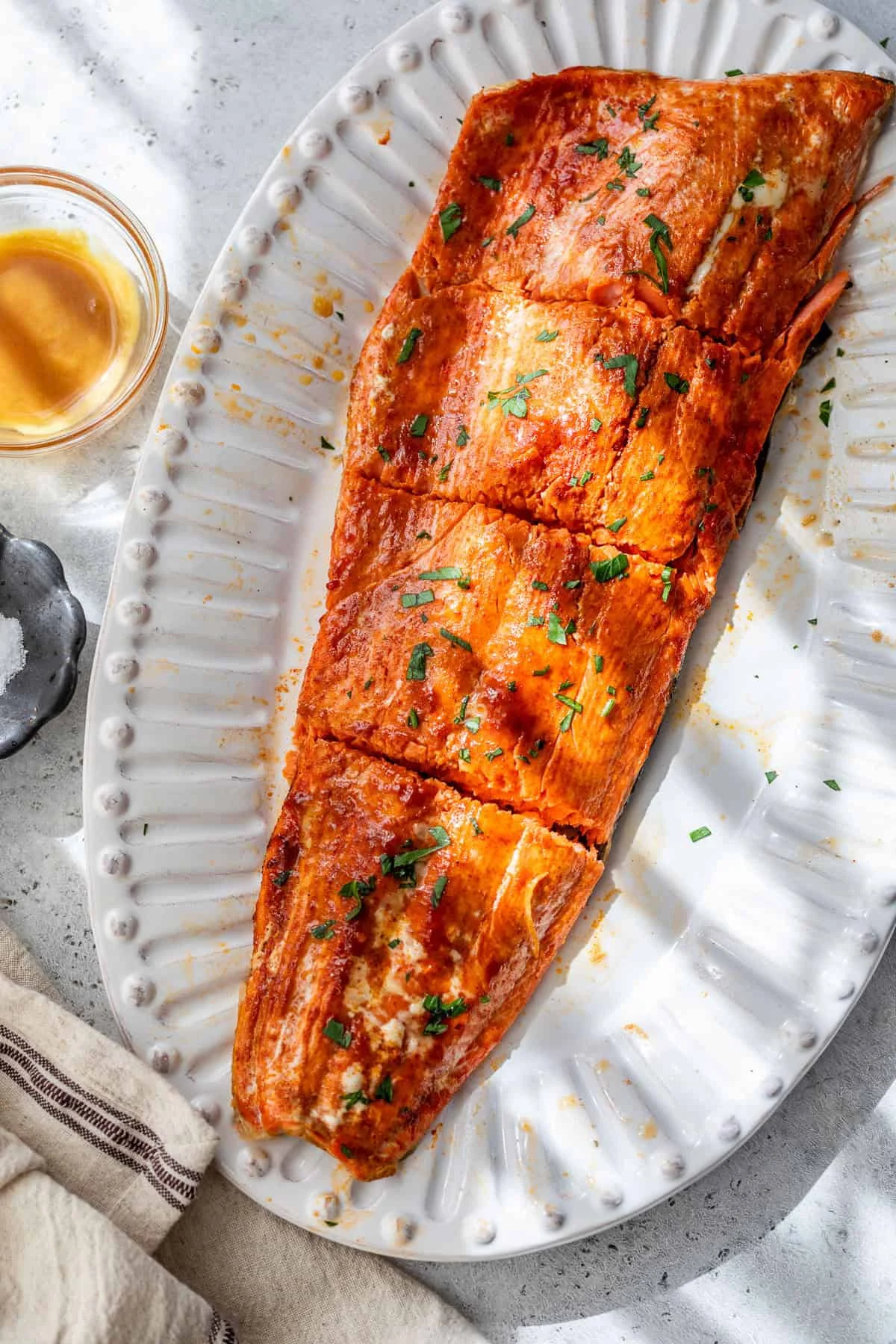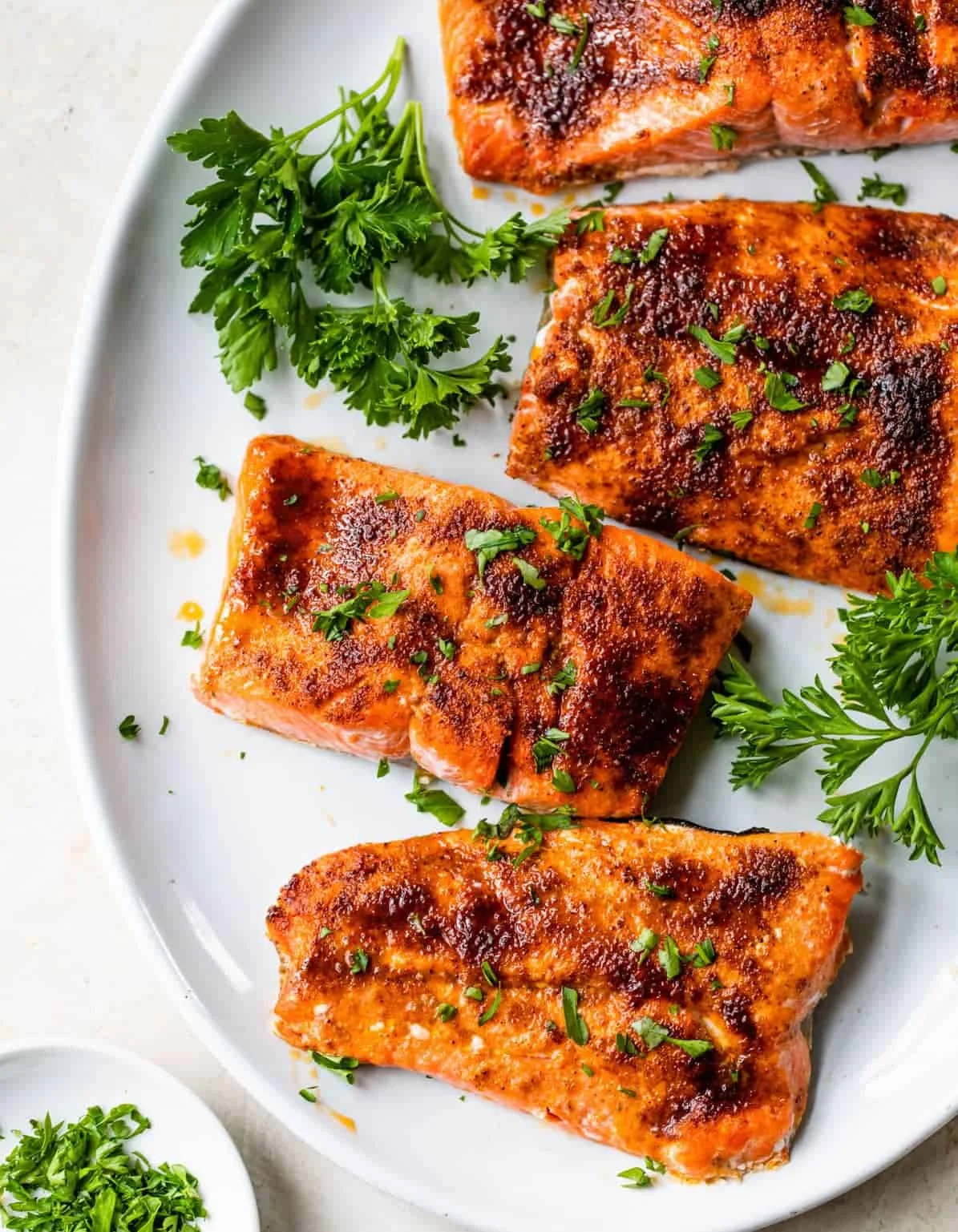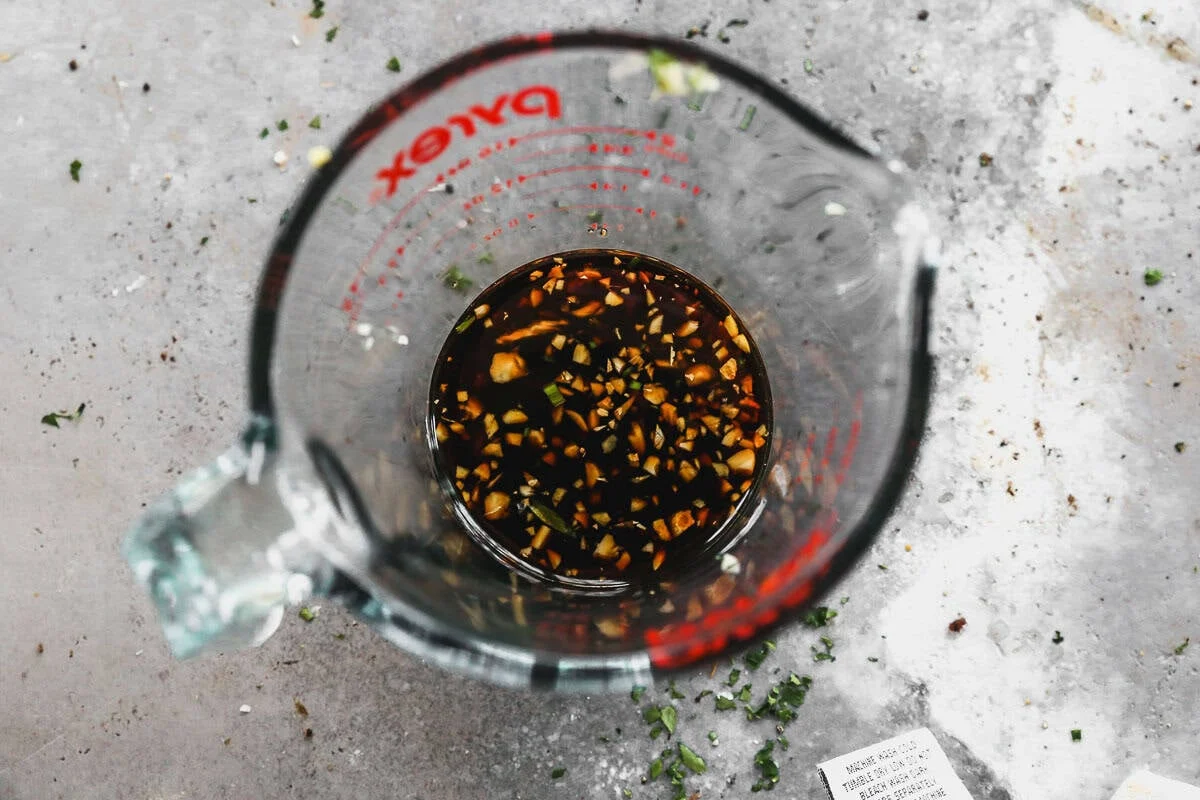
For many home cooks, the prospect of preparing a high-quality fish dinner can be a source of significant culinary anxiety. Despite its reputation as a "superfood" packed with essential omega-3 fatty acids and high-quality protein, salmon is frequently avoided by the average cook due to fears of overcooking, unwanted fishy odors, or the perceived complexity of the preparation process. However, the secret to achieving a succulent, flaky, and restaurant-quality salmon fillet does not lie in professional culinary training; it lies in the mastery of a simple, foolproof technique: baking in foil.
The Foundation of Culinary Success: Why Baking in Foil Works
The primary challenge in cooking salmon is moisture control. Because salmon is a relatively lean protein compared to red meats, it can transition from perfectly cooked to dry and chalky in a matter of minutes. By utilizing a "foil packet" method, the cook creates a self-contained, miniature oven environment.

As the salmon heats, the moisture released by the fish and the accompanying aromatics—such as lemon slices, garlic, and fresh herbs—is trapped within the foil. This steam-roasting effect ensures that the fish remains hydrated, tender, and infused with the flavors of the seasonings. Beyond the culinary benefits, the foil method provides a significant logistical advantage: it is remarkably easy to execute and leaves virtually no mess behind, as the entire cooking process occurs within the disposable packet.
Chronology of a Perfect Meal: A Step-by-Step Methodology
To replicate this process at home, one must follow a precise, albeit simple, sequence of steps to ensure consistent results.

1. Preparation and Tempering
Begin by removing your salmon fillets from the refrigerator approximately 10 to 15 minutes before cooking. Allowing the fish to reach room temperature ensures more even cooking throughout the thickness of the fillet. Preheat your oven to 375°F (190°C), a temperature chosen specifically for its ability to cook the fish gently without scorching the exterior.
2. Establishing the Flavor Base
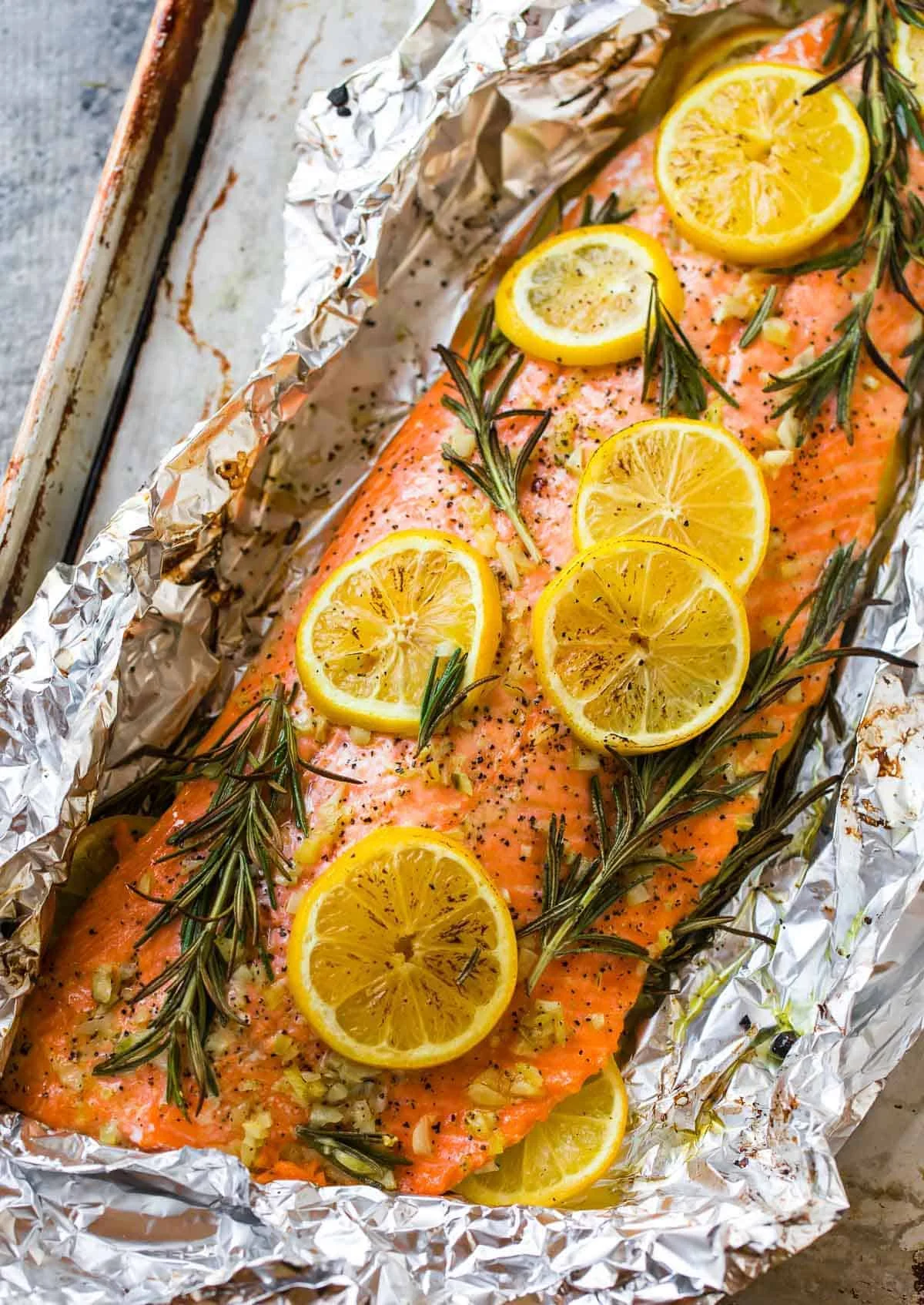
Line a sturdy baking sheet with a generous piece of aluminum foil and lightly coat it with a non-stick cooking spray. Construct a "bed" for the salmon by laying down fresh rosemary sprigs followed by a layer of thinly sliced lemon. This serves two purposes: it prevents the skin from sticking to the foil and acts as an aromatic infusion base that flavors the fish from the bottom up.

3. Seasoning and Assembly
Place the salmon fillets on the herb and lemon bed. Drizzle the fish with high-quality extra virgin olive oil and season liberally with kosher salt and freshly cracked black pepper. Rub these into the fish to ensure even distribution. Add minced fresh garlic across the top, followed by additional lemon slices and rosemary sprigs. A final squeeze of fresh lemon juice over the top adds a bright, acidic finish.
4. The Seal and Bake
Fold the edges of the foil up and over the salmon to create a sealed packet. It is crucial to leave a small amount of headspace within the foil to allow for air circulation and steam expansion. Bake for 15 to 20 minutes.

5. The Broil Finish
To achieve a slightly firmer, more visually appealing top, open the foil packet once the fish is nearly cooked. Switch the oven to the "broil" setting and expose the salmon for approximately three minutes. This light browning adds depth of flavor.
Supporting Data and Nutritional Value
Salmon is frequently cited by nutritionists and health organizations as a cornerstone of a heart-healthy diet. A single 5.3-ounce serving of salmon contains approximately 180 calories, 28 grams of high-quality protein, and only 6 grams of fat, most of which are heart-healthy unsaturated fats.

The inclusion of salmon in a weekly diet has been linked to improved cardiovascular health, reduced inflammation, and better cognitive function due to its high concentration of EPA and DHA omega-3 fatty acids. By preparing the fish at home using the foil method, cooks avoid the heavy oils, excess sodium, and butter often used in restaurant preparations, making this a truly "clean" meal.
Expert Insights: Achieving Consistency
Cooking is as much about science as it is about intuition. When asked about the "fear factor" associated with fish, culinary experts point to one major mistake: overcooking.

"The most important rule when working with salmon is to respect the cook time," notes Erin Clarke, author and culinary developer. "If you are unsure of doneness, look for the ‘flake test.’ When a fork can gently separate the flesh along the white lines of the muscle, it is ready. If you rely on internal temperature, aim for 145°F at the thickest point, or pull it slightly earlier if you prefer a more translucent center."
Furthermore, when choosing a piece of salmon, consumers are advised to look for fish that smells fresh—like the ocean—and has bright, firm flesh. If the fish appears dull or has a strong, pungent odor, it is likely past its peak freshness.

Implications for the Modern Household
The adoption of the foil-baked method has profound implications for the modern, busy household. In an era where many families struggle to find time for nutritious home-cooked meals, this recipe serves as a vital tool for efficiency.
Because salmon cooks in under 20 minutes, it fits easily into a hectic weeknight schedule. Moreover, the versatility of the method allows for constant innovation. By changing the herbs—using dill instead of rosemary, or adding capers and butter instead of olive oil—the same basic technique can result in entirely different flavor profiles, preventing the monotony that often leads to ordering takeout.

Leftovers, which are often a point of contention with seafood, are also easily managed. Baked salmon stores well in an airtight container for up to two days. When reheated gently, it can be flaked into salads, tossed with pasta, or used as a protein topper for grain bowls, effectively turning a single dinner into multiple future meals.
Conclusion: A Shift in Culinary Perspective
The "fancy" dinner party standard has historically been something reserved for weekends or special occasions. However, by demystifying the preparation of salmon, home cooks can reclaim the weeknight dinner. The transition from intimidated beginner to confident cook is not defined by complex techniques or expensive equipment; it is defined by the simplicity of a single piece of foil and a fresh piece of fish.

Whether cooking for a solo meal, a partner, or a large gathering, the baked salmon method offers a consistent, healthy, and sophisticated result that proves that great food does not require great effort. It is time to move past the intimidation and embrace the ease of the oven. Your weeknight dinner table is about to become significantly more "fancy," one packet at a time.