By Culinary Correspondent & Barbecue Editor Published: Special Food & Culture Feature
Main Facts: The Ultimate Budget-Friendly Barbecue Hack
For decades, authentic Texas-style barbecue has commanded both a mythical status in the culinary world and a hefty price tag at the register. A full packer brisket—the undisputed king of the pit—often requires a significant financial investment, hours upon hours of meticulous trimming, and a 12-to-16-hour commitment at the smoker. For everyday backyard pitmasters, achieving that melt-in-your-mouth, bark-crusted, smoke-infused luxury has traditionally been a high-stakes, expensive endeavor.
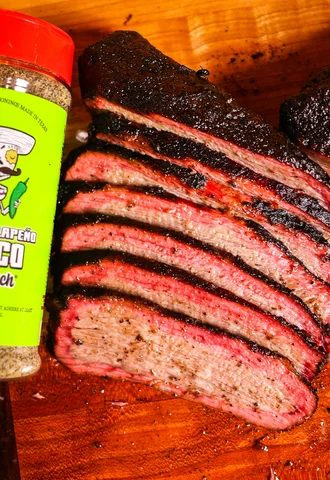
Enter Matt Pittman, the master pitmaster and creative force behind Meat Church. In his latest viral culinary experiment, Pittman has upended conventional barbecue wisdom by taking one of the meat counter’s most historically misunderstood and underappreciated cuts—the tri-tip—and transforming it into a "brisket-style" masterpiece.
By employing traditional low-and-slow smoking techniques, utilizing a heavy-hitting regional wood, and introducing a clever post-stall wrap with nutrient-dense beef tallow, Pittman has unlocked a way to mimic the rich, unctuous texture and deep flavor profile of a prime packer brisket. Best of all? It can be executed in a fraction of the time and at a fraction of the cost, signaling a major shift for home cooks looking to elevate their weekend barbecue game without breaking the bank.
Chronology: Step-by-Step Through the Smoke
To successfully execute Pittman’s brisket-style tri-tip, precision and patience are paramount. While tri-tip is traditionally cooked hot and fast like a steak—rare to medium-rare—treating it like a brisket requires a complete paradigm shift in temperature control and muscle breakdown. Here is the exact chronological blueprint of the cook.
Phase 1: Trimming and Prepping
The journey begins at the cutting board with a sharp boning knife. Unlike a thick packer brisket that boasts a massive fat cap capable of rendering down over a 14-hour cook, a tri-tip features a leaner, irregularly shaped profile.
Removing Obstacles: Pittman meticulously trims away any hard, unrendered fat and the thin, rubbery silver skin. Leaving these elements intact creates an impenetrable barrier for seasonings and results in a chewy, unappealing bite once cooked.
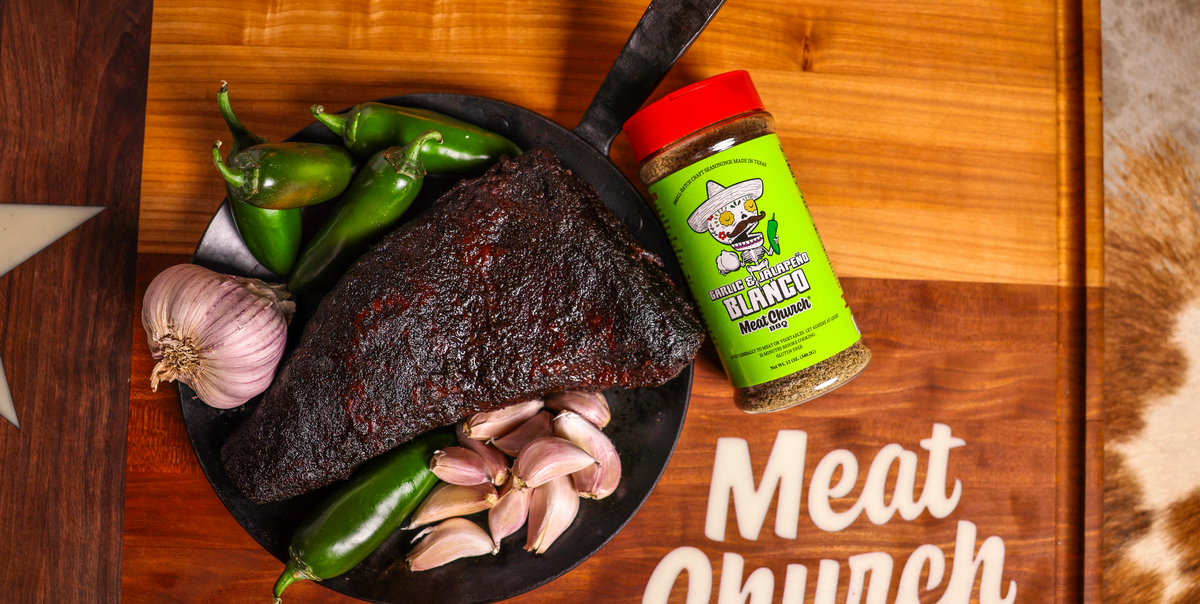
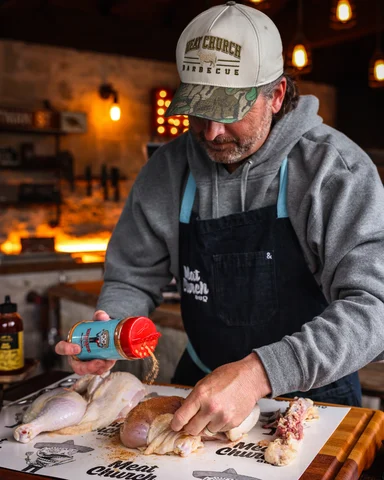
The Seasoning Strategy: Skipping the conventional mustard or hot sauce binder, Pittman applies an even, generous coat of the brand-new Meat Church Garlic Jalapeño BLANCO seasoning directly to the naked meat. The natural moisture of the beef is more than enough to anchor the rub. Once seasoned, the meat rests on the counter for 15 minutes, allowing the coarse spices to begin drawing out surface moisture and adhering securely to the protein.
Phase 2: The Low-and-Slow Smoke
Firing the Pit: The smoker is preheated and stabilized at a gentle 250°F. To achieve authentic Central Texas flavor, post oak is the wood of choice, selected for its clean, balanced smoke profile that won’t overpower the beef.
The First Leg: The seasoned tri-tip is placed dead center on the cooker’s grate. It is left undisturbed for approximately 3.5 hours, absorbing layers of smoke until the internal temperature hits a crucial milestone of 165°F.
Phase 3: The Tallow Wrap and Finish
Locking in Moisture: Once the meat reaches 165°F and has developed a rich, mahogany bark, it is removed from the smoker and transferred to the center of two overlapping sheets of heavy-duty aluminum foil.
The Secret Weapon: A generous dollop of pure beef tallow is placed directly on top of the tri-tip before it is wrapped tightly, creating an airtight vessel that traps escaping steam and renders the internal connective tissues.
Pushing to Tender: The wrapped package goes back onto the smoker for another two hours. The target internal temperature is 203°F, but as Pittman emphasizes, temperature is merely a guideline; the true test is "probe-tenderness"—when a digital meat thermometer slides into the thickest part of the meat with zero resistance, akin to slipping into warm butter.
Phase 4: The Crucial Rest and Precise Slicing
The Counter Rest: Rushing the slice is the ultimate pitmaster sin. The tri-tip is pulled from the cooker and left to rest at room temperature, loosely tented in its foil, for 45 minutes. This allows the boiling internal juices to redistribute evenly throughout the muscle fibers. Any excess liquid tallow left in the foil is reserved for serving.
Navigating the Grain: Slicing a tri-tip requires a keen anatomical eye because it is composed of two distinct muscle fibers running in perpendicular directions. Pittman advises cutting directly down the middle where the two grain patterns meet, and then meticulously slicing each half against the grain to guarantee a tender, effortless bite.
Supporting Data: The Economics and Science of Tri-Tip
To understand why this recipe is turning heads across the barbecue community, one must look at the numbers and the science of the cut.
Cost Efficiency: While a prime or choice packer brisket can easily weigh anywhere from 12 to 18 pounds—costing anywhere from $60 to over $100 depending on regional market prices—a standard tri-tip roast typically weighs between 2 to 3 pounds. At a fraction of the cost per pound, the barrier to entry for home cooks drops significantly, reducing food waste and financial risk for beginners.
Time Management: Traditional Texas barbecue demands an overnight vigil, often requiring pitmasters to stay up tending fires for 12 to 16 hours. Pittman’s method compresses this timeline dramatically. From trimming to slicing, the entire process takes roughly 6 hours, making it an achievable Saturday afternoon project rather than a multi-day culinary expedition.
Fat and Collagen Breakdown: Tri-tip originates from the bottom sirloin subprimal. While it is naturally leaner than a brisket’s point or flat, it contains enough internal marbling to withstand a long cook. The addition of beef tallow during the foil-wrap phase artificially introduces the rendered beef fats that a lean cut lacks, mimicking the gelatinous unctuousness characteristic of a slow-cooked brisket.
Official Responses and Industry Reaction
The culinary world’s response to Matt Pittman’s brisket-style tri-tip has been overwhelmingly positive, sparking intense debates across digital pitmaster forums, social media channels, and professional barbecue circles.
Industry insiders note that blurring the lines between regional barbecue styles—taking a cut popularized in California’s Santa Maria valleys and cooking it via Central Texas methodology—represents the modern evolution of American cue.
"What Pittman has done here isn’t just invent a recipe; he’s democratized the backyard barbecue experience," notes a prominent Texas pitmaster and competition judge. "For years, people felt intimidated by the sheer scale of a brisket. By taking a smaller, more forgiving cut and treating it with the same respect, science, and patience, he’s given every amateur cook the tools to replicate that holy grail barbecue texture in their own backyard."
Furthermore, the launch of Meat Church’s new Garlic Jalapeño BLANCO seasoning alongside this recipe has created a synergistic marketing wave, proving that product innovation and culinary technique can go hand in hand to drive consumer engagement.
Implications: What This Means for the Future of Backyard Barbecue
As grocery prices fluctuate and consumer habits shift toward efficient, high-impact cooking at home, recipes like Matt Pittman’s brisket-style tri-tip carry profound implications for the culinary landscape.
The Democratization of Craft BBQ: The intimidation factor of cooking great barbecue is rapidly dissolving. Home cooks no longer need a massive offset smoker, a cord of post oak, and a hundred-dollar cut of beef to impress guests. Standard pellet grills, vertical smokers, and even high-end kitchen ovens paired with a cast-iron setup can now yield results that rival boutique smokehouses.
Redefining Regional Boundaries: Traditionalists once drew hard lines in the sand between California tri-tip (grilled direct over red oak, served medium-rare with salsa) and Texas brisket (smoked indirect over post oak, served soft and unctuous). By cross-pollinating these techniques, contemporary pitmasters are opening the door to a new era of borderless, inventive American barbecue.
Sustainable Meat Utilization: Encouraging consumers to explore underrated, secondary cuts like the tri-tip for long-cook applications reduces pressure on the heavily demanded brisket market. As demand for alternative cuts grows, butchers and grocers may begin stocking these items with greater frequency and specialized trimming options.
Ultimately, Pittman’s latest endeavor serves as a delicious reminder that great barbecue is not defined by the size of the cut or the hours spent awake tending a fire. It is defined by respect for the meat, an understanding of heat and smoke, and the willingness to push culinary boundaries one slice at a time.