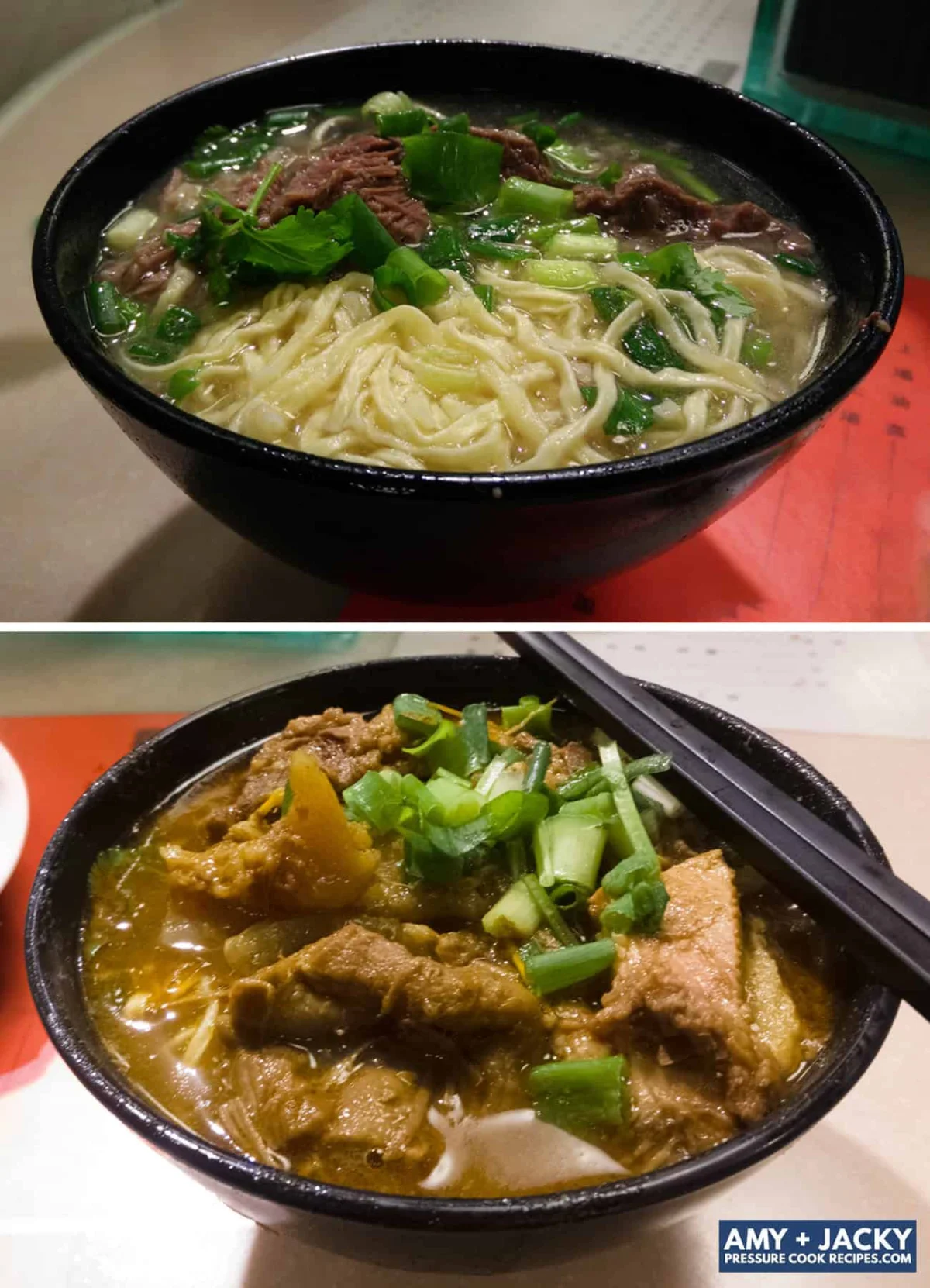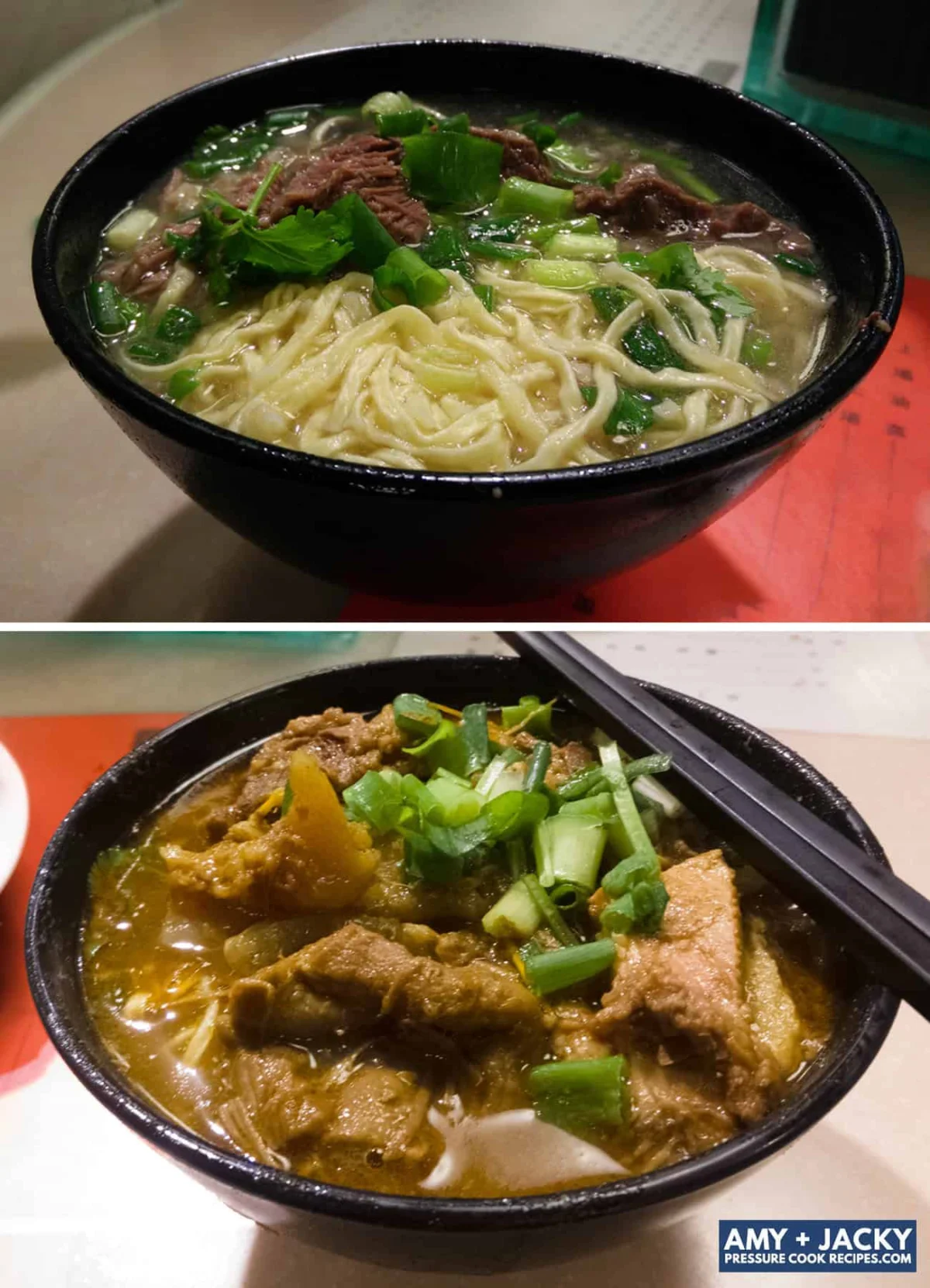
In the bustling, neon-lit corridors of Hong Kong, few culinary institutions hold as much cultural weight as the local noodle shop. From the legendary, long-standing mom-and-pop stalls that have served the same recipe for generations to the sleek, modern eateries dominating the city’s financial districts, the humble bowl of Beef Brisket Noodle Soup—or Ngau Lam Min—remains a crowning achievement of Cantonese comfort food. It is a dish defined by its patience: a deep, aromatic broth, tender, slow-braised beef, and the signature bite of perfectly cooked noodles.
While achieving this level of depth traditionally requires hours of vigilant stovetop simmering, the modern kitchen has a secret weapon. By utilizing the precision of an Instant Pot, home cooks can now replicate the complex, umami-rich profiles of a professional noodle shop in under two hours. This guide explores the history, the science, and the precise methodology behind creating this Hong Kong classic at home.
The Cultural Significance of Beef Brisket Noodle Soup
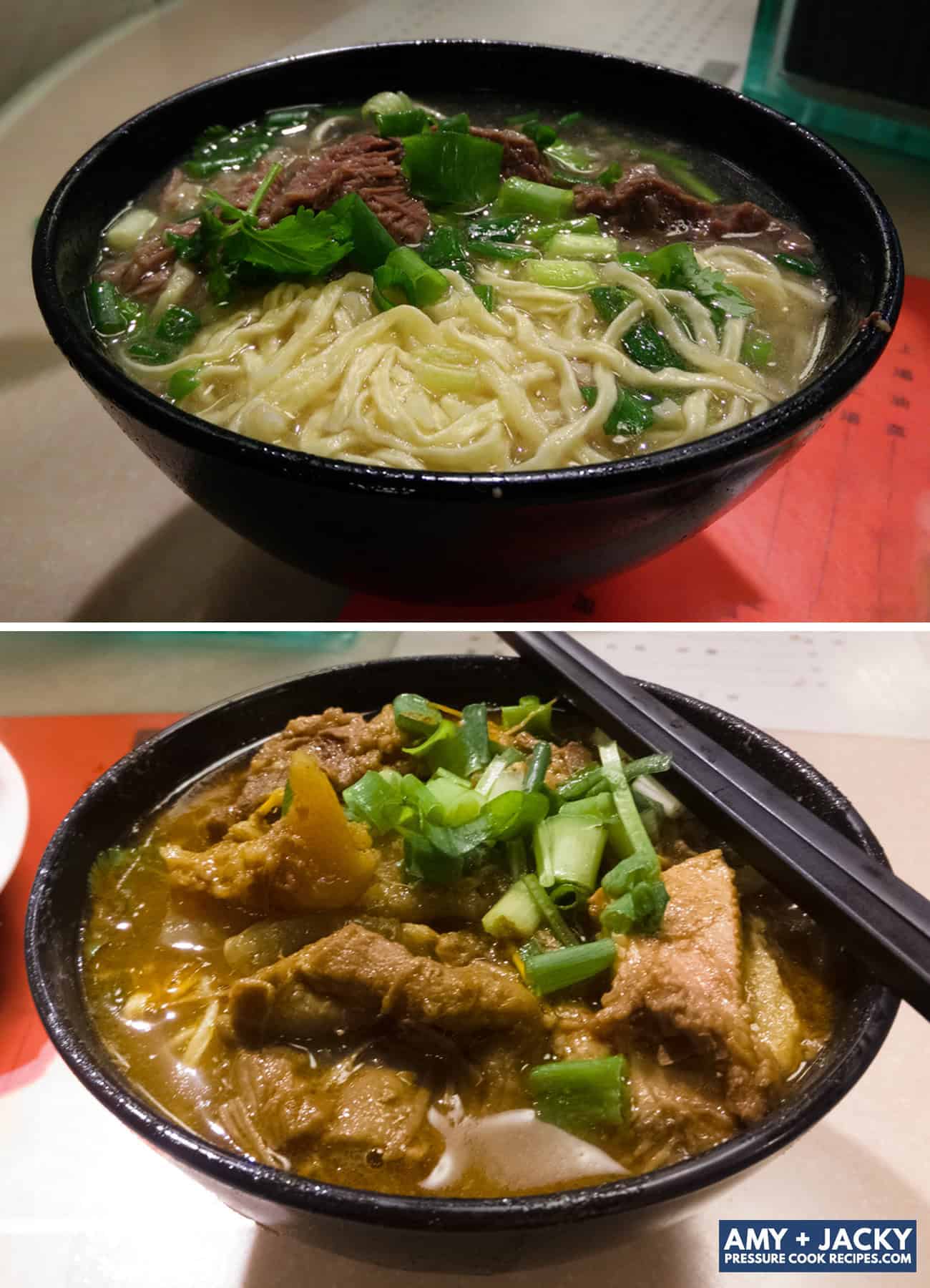
To understand why this soup is so beloved, one must look at the diversity of Hong Kong’s culinary landscape. The city is a mosaic of noodle traditions, ranging from the delicate, alkaline snap of Wonton noodles to the hearty, customizable chaos of "Cart noodles." Yet, the Beef Brisket Noodle Soup stands apart as a benchmark of craftsmanship.
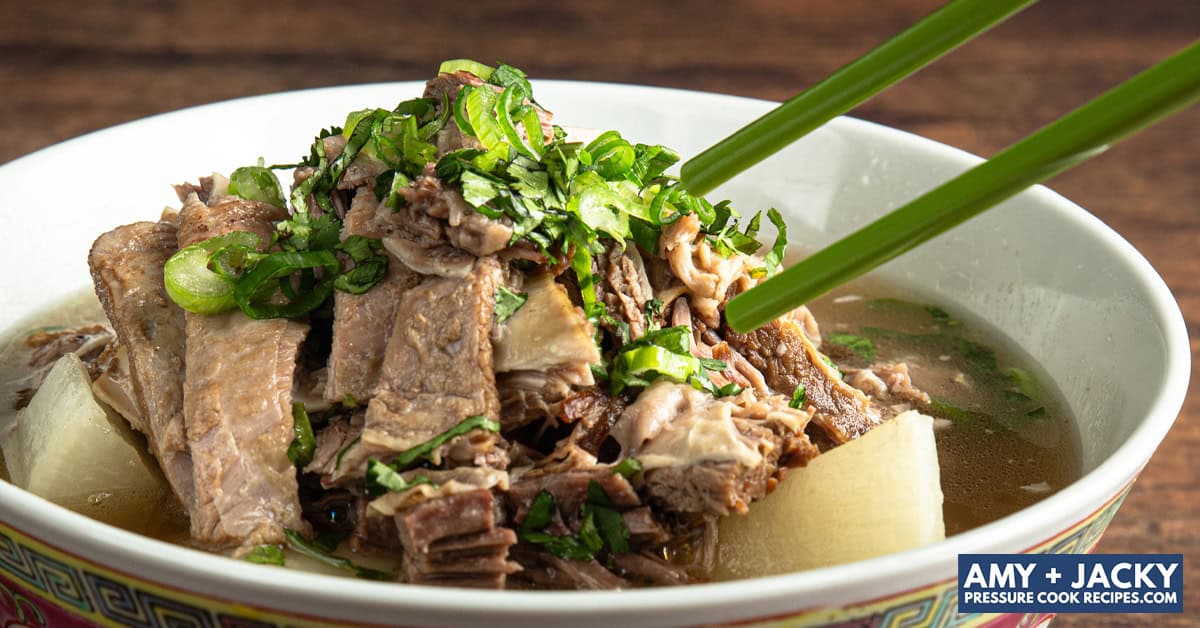
A truly great bowl is judged by two primary metrics: the clarity and complexity of the broth, and the texture of the meat. In traditional shops, the broth is often a master stock, seasoned over years, resulting in a liquid that is simultaneously light on the palate and heavy with flavor. The addition of daikon radish is non-negotiable; it acts as a sweet, absorbent sponge that cuts through the richness of the beef, creating a balanced, heartwarming experience.
Chronology: A Step-by-Step Breakdown of the Process
The transition from a raw cut of meat to a tender, gelatinous brisket requires a systematic approach. By utilizing the Instant Pot’s pressure-cooking capabilities, we can accelerate the breakdown of collagen while retaining the integrity of the aromatics.
Phase 1: The Maillard Reaction
The process begins with the sear. Using the "Sauté" function, one must ensure the Instant Pot is sufficiently hot—indicated by the "HOT" display—before adding the beef. Whether using beef finger meat (the rich, marbled strips between the ribs) or traditional brisket, browning is essential. This caramelization creates the flavor base upon which the entire soup is built.
Phase 2: The Aromatic Infusion
Once the beef is set aside, the pot is deglazed with Shaoxing wine. This step is critical; it lifts the fond—the browned bits stuck to the bottom of the pot—and incorporates them into the liquid. Following this, the introduction of garlic, ginger, and the white parts of green onions creates the foundational scent profile of Cantonese cuisine.
Phase 3: The Pressure Cycle
The beauty of the Instant Pot lies in its ability to force aromatics into the fibers of the meat. With the addition of star anise, Sichuan peppercorns, bay leaves, a Chinese cinnamon stick (cassia bark), and rock sugar, the pot is sealed. A 15-minute high-pressure cook, followed by a natural release, allows the meat to reach the ideal level of tenderness without losing its shape.
Phase 4: The Daikon Integration
Daikon is a porous vegetable that thrives under pressure. By adding it for a shorter second cycle (5 minutes at high pressure), the radish becomes succulent and translucent, absorbing the essence of the beef-infused broth.
Supporting Data: Understanding the Ingredients
The success of this recipe relies on the quality and specificity of the ingredients.
- Beef Selection: Beef finger meat (often labeled as boneless rib fingers) is highly recommended for its high fat-to-meat ratio. The marbling ensures that even after a long braise, the meat remains juicy rather than dry or stringy.
- Chinese Cassia vs. Ceylon Cinnamon: This is a frequent point of confusion for home cooks. Authentic Chinese Beef Brisket soup requires Chinese cassia bark. It is darker, thicker, and possesses a much more intense, woodsy spice profile than the common Ceylon cinnamon sticks found in baking aisles.
- The Role of Rock Sugar: Unlike refined white sugar, rock sugar is raw and imparts a mellow, rounded sweetness. It is the secret to balancing the salinity of the soy sauce and the slight numbing heat of the Sichuan peppercorns.
- Umami Boosters: While not strictly traditional, the addition of Dashi powder (HonDashi) or fish sauce provides a modern "shortcut" to the deep, aged flavor profile that usually takes hours of traditional simmering to achieve.
Official Recommendations and Pro-Tips
Expert chefs often emphasize the importance of fat management. Because beef brisket is a fatty cut, the resulting broth can be overly oily.
- The Fat Separator: After the pressure cooking cycle, the broth will contain a significant layer of rendered fat. Using a fat separator or a simple ladle to skim the surface is essential to achieving that "clear broth" (ching tong) look that defines the dish.
- The Noodle Choice: The choice of noodle can alter the eating experience entirely. For a classic experience, look for thin, springy alkaline egg noodles. For a heartier bowl, thick noodles or even Ho Fun (wide rice noodles) provide a wonderful contrast to the tender beef.
- Temperature Control: Always allow the beef and daikon to rest briefly before cutting. Cutting immediately can cause the juices to run out, leading to a loss of moisture. Cutting against the grain is also vital for the perfect mouthfeel.
Implications: A New Standard for Home Comfort
The ability to produce this dish at home in under two hours has significant implications for the home cook. It removes the barrier to entry for what was once considered a "restaurant-only" meal.
By mastering this recipe, you are not just making soup; you are participating in a culinary tradition that emphasizes patience and balance. The combination of the sweet daikon, the savory, star-anise-scented beef, and the custom-cooked noodles creates a meal that is nutritionally dense and emotionally satisfying.
Furthermore, the versatility of the base broth means that it can be adapted. Leftover broth can be used as a foundation for other soups, or the brisket can be served alongside steamed jasmine rice for a different, equally satisfying dinner.
Nutritional Profile
For those tracking their intake, a single serving of this dish provides approximately 456 kcal, with a robust 50g of protein. The fiber from the daikon and the balanced fat content make it a hearty, well-rounded meal.
Conclusion
Whether you are a novice looking to improve your Instant Pot skills or a seasoned cook seeking to replicate the flavors of Hong Kong, this recipe offers a reliable path to excellence. It is a testament to how modern technology can honor traditional methods, bringing the warmth of a bustling Hong Kong noodle shop directly into your own kitchen. By respecting the aromatics, selecting the right cut of beef, and allowing the natural pressure release to do its work, you will find that the best bowl of beef brisket soup is the one you make yourself.
Enjoy the process, savor the aroma, and share the bowl.