In the vast landscape of American regional cuisine, few dishes evoke the sense of "home" quite like a properly simmered pot of Chili Verde. It is a dish defined by its simplicity, its reliance on fresh, earthy ingredients, and its ability to transform humble cuts of meat into something transcendent. Recently, the culinary world saw a remarkable intersection of barbecue tradition and country music storytelling as Meat Church’s Matt Pittman teamed up with Flatland Cavalry frontman Cleto Cordero to recreate a classic West Texas staple.
The collaboration, which highlights the deeply rooted traditions of the Lone Star State, serves as more than just a recipe demonstration; it is a masterclass in how fire, patience, and heritage converge to create the ultimate comfort food.
The Intersection of Barbecue and Roots Music
At its core, the project was born from a shared appreciation for the slow-paced, deliberate nature of life in West Texas. Matt Pittman, known globally for his mastery of live-fire cooking and his "Meat Church" brand, sought to capture the specific flavor profile that Cordero grew up with.
"West Texas comfort food doesn’t get any better than this," Pittman noted during the production of the video feature. For Cordero, whose songwriting often reflects the rugged, honest landscapes of Texas, the Chili Verde was a nostalgic anchor. By blending the high-heat, smoky techniques of modern pellet grilling with the low-and-slow, Dutch-oven traditions of the ranch, the duo created a dish that feels both authentic and elevated.

Chronology: The Anatomy of the Cook
The preparation of this Chili Verde is a multi-stage process that prioritizes flavor development at every turn. To understand the complexity of the final result, one must look at the progression of the cook.
Phase 1: The Char
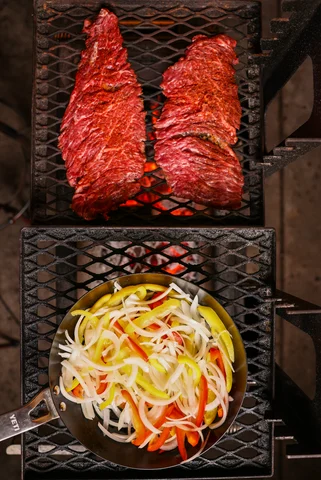
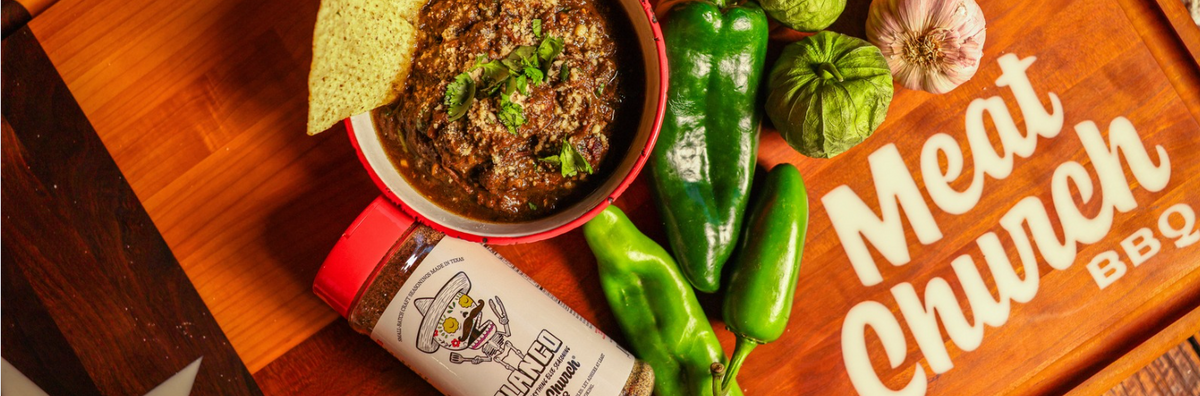
The foundation of any great Chili Verde is the pepper base. The process began with high-heat grilling. Using a mix of Anaheim, poblano, and jalapeño peppers, the team utilized a charcoal fire to achieve a deep, charred exterior. This blistering process is critical; it doesn’t just cook the peppers, it imparts a smoky, volatile character that is essential to the dish’s complexity. Once charred, the peppers were sequestered in a sealed container for 20 minutes—a crucial "steam" phase that loosens the skin and intensifies the flavor.

Phase 2: Building the Foundation
While the peppers steamed, the focus shifted to the protein. Chuck roast, chosen for its intramuscular fat and connective tissue, was cubed into uniform one-inch pieces. After a generous application of Meat Church BLANCO seasoning—a blend designed to enhance the natural profile of the beef without overpowering it—the meat was seared in a hot Dutch oven. This Maillard reaction provided the necessary crust that would later serve as the backbone of the stew’s body.
Phase 3: The Slow Simmer
With the beef seared and set aside, the aromatic base was constructed. Onions were softened, garlic was bloomed, and a deglazing process using beef broth lifted the flavorful "fond" from the bottom of the pot. The inclusion of fresh tomatillos, cilantro, cumin, Mexican oregano, and allspice created a bright, acidic, and savory base. The beef was reintroduced, the chopped, peeled peppers were added, and the Dutch oven was placed into the Traeger.

Phase 4: The Finishing Touch
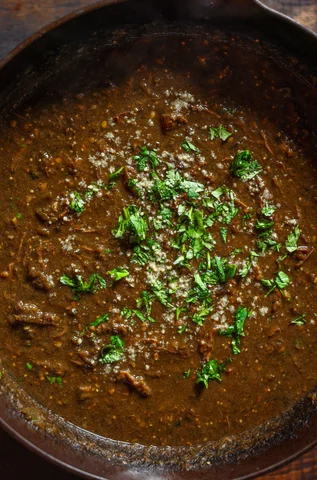
Three hours of smoke and heat allowed the collagen in the chuck roast to break down, resulting in a tender, succulent texture. The final step involved thickening the sauce with a masa harina slurry—a traditional technique that provides a velvety mouthfeel and a subtle corn-like sweetness—before finishing the dish with a splash of fresh lime juice and a garnish of cilantro, Cotija cheese, and tortilla chips.
Supporting Data: Why This Method Works
From a culinary science perspective, the success of this recipe relies on three distinct pillars:

- Thermal Management: By using a Traeger grill set to 375°F, the team ensured the Dutch oven maintained a steady, consistent temperature. This environment allows the liquid to maintain a gentle simmer rather than a violent boil, which prevents the meat from becoming tough.
- The Role of Acid: The use of tomatillos is not merely for color. The high acidity of the tomatillo acts as a tenderizer for the beef and provides a necessary counterbalance to the richness of the fat and the smoke of the wood pellets.
- The "Meat Church" Influence: While traditional recipes rely on standard salt and pepper, the integration of specialized seasonings like BLANCO adds a layer of depth that standardized spices sometimes miss. This is the hallmark of modern barbecue—respecting the roots while utilizing current-day tools to enhance the result.
Official Perspectives: The Philosophy of the Dish
In discussing the project, the collaborators emphasized that the dish is not meant to be rushed. "It’s the kind of food that feels like home," Cordero stated. This sentiment is echoed by the broader culinary community in West Texas, where the "big pot" mentality is a staple of social gatherings.
Pittman’s approach—bringing in live-fire techniques like the use of the Oak and Hickory pellet blend—adds a layer of professional nuance. By choosing a wood profile that is neither too sharp nor too mild, the smoke flavor supports the peppers rather than competing with them. This balance is the primary reason the dish succeeds; it is a harmonious blend of acid, heat, smoke, and salt.

Implications: The Evolution of Texas Comfort Food
The collaboration between Pittman and Cordero signals a broader trend in the food industry: the "democratization" of professional culinary techniques. By documenting the entire process, from the initial charcoal prep to the final ladle-serve, they are providing home cooks with the tools to replicate restaurant-quality comfort food in their own backyards.
A Cultural Touchstone
The implications of this recipe reach beyond the kitchen. It reinforces the idea that food is a primary vehicle for storytelling. As Cordero shares stories of his upbringing and the influence of family traditions, the act of cooking becomes a narrative performance. This is the essence of "comfort food"—it is rarely about the complexity of the technique and almost always about the memories attached to the flavors.

Future Outlook for Regional Cooking
As interest in regional American cuisines continues to surge, we can expect to see more collaborations that bridge the gap between niche experts and cultural influencers. The success of this Chili Verde recipe suggests that there is a massive audience eager to return to the basics: high-quality ingredients, fire, time, and the patience to let a dish develop its own soul.
Whether one is a seasoned pitmaster or a beginner looking to impress at a weekend gathering, the lessons provided by the Pittman-Cordero collaboration are clear: respect the ingredients, trust the slow process, and never underestimate the power of a well-seasoned pot of chili.

Final Thoughts: Bringing it to the Table
The beauty of this Chili Verde lies in its versatility. While it follows a strict methodology, it remains an forgiving dish that welcomes the personality of the cook. Whether you choose to serve it in a traditional bowl with a side of flour tortillas or load it up with all the garnishes, the result is the same: a meal that grounds you, sustains you, and reminds you why the simple act of cooking over a fire remains the most primal and satisfying human experience.
As Matt Pittman often reminds his audience, "It’s not just about the meat; it’s about the memories." In this instance, he and Cleto Cordero have certainly delivered a memory worth repeating.