For many home bakers, the quest for the "holy grail" of cookie recipes—one that is both gluten-free and dairy-free without sacrificing the signature texture of a bakery-style treat—has long been a source of frustration. Too often, these dietary-restricted versions end up either thin and greasy or crumbly and flavorless. However, a new approach to ingredient management and temperature control is changing the narrative, proving that restrictive diets do not have to result in compromised indulgence.
Main Facts: The New Standard for Dietary-Inclusive Baking
The primary challenge in creating a gluten-free and dairy-free (GF/DF) cookie lies in the physics of fat and structure. Traditional wheat flour provides the gluten network necessary for chewiness, while dairy butter offers a specific melting point and water-to-fat ratio that dictates the spread of the cookie. When these are removed, the resulting dough often loses its integrity.
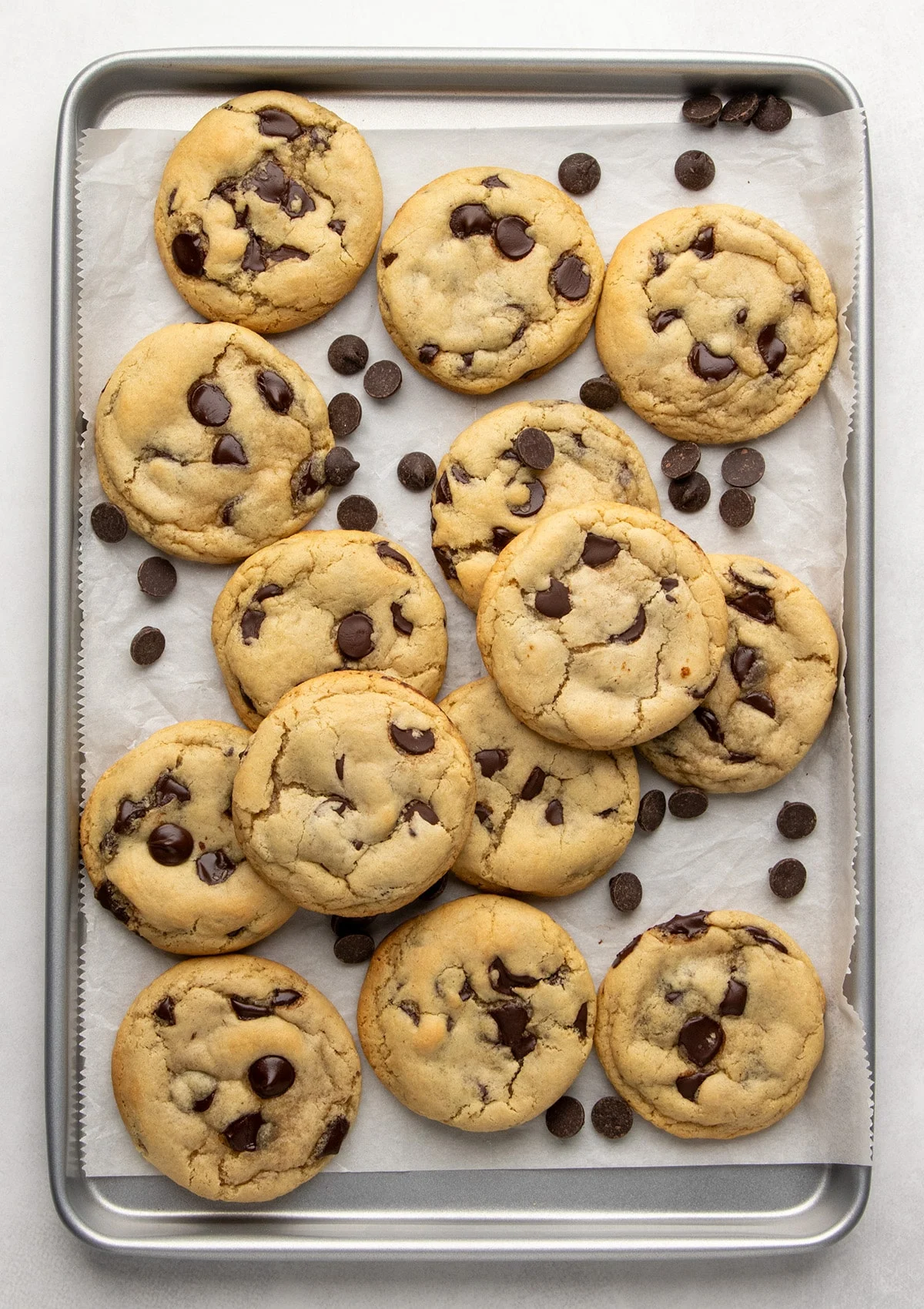
The latest culinary methodology, championed by experts such as Nicole Hunn of Gluten Free on a Shoestring, utilizes a strategic "cut-in" technique rather than the traditional creaming method. By treating vegan butter similarly to how one would treat cold butter for a pie crust, bakers can maintain the structural integrity of the fat. When combined with the moisture-retaining properties of almond flour, the result is a cookie that boasts thick, crisp edges and a soft, chewy center—a profile that mirrors high-end traditional cookies.

Chronology: A Step-by-Step Culinary Breakdown
To achieve professional-grade results, the sequence of operations is critical. The following chronology outlines the process required to prevent the common pitfalls of GF/DF baking:
- Dry Ingredient Integration: The process begins by whisking the gluten-free flour blend—ensuring it contains xanthan gum—with almond flour, baking soda, and sugars. This ensures that the leavening agents and flavorings are distributed uniformly before the introduction of fat.
- The "Cut-In" Technique: Unlike traditional cookie recipes that call for creaming softened butter with sugar, this method requires cold, block-style vegan butter. By cutting the cold fat into the dry ingredients using a fork, the butter remains in small, solid pockets. This prevents the "grease-out" phenomenon common in vegan baking, where the fat melts prematurely, leading to flat, oily cookies.
- Binding and Flavoring: Once the fat is incorporated, the eggs and flavorings (such as vanilla or butter emulsion) are added. The dough is mixed only until it becomes cohesive, preventing the development of excessive heat that could compromise the texture.
- Portioning and Chilling: Before baking, the dough is divided into precise portions—ideally two ounces each—using a kitchen scale for consistency. A brief chill period (approximately 10 minutes) is essential. This step allows the fats to firm up, ensuring that the cookies maintain their shape and thickness during the initial phase of baking.
- The Precision Bake: Cookies are baked at 350°F. The removal window is narrow; the cookies must be pulled when the edges are golden but the centers remain slightly "wet." This relies on carryover cooking to finish the center, ensuring the final product does not dry out.
Supporting Data: Why the Chemistry Works
The success of this recipe is rooted in the specific interaction between almond flour and the gluten-free flour blend. Gluten-free flour blends, while essential for structure, can often be dry. The high oil content in almond flour acts as a tenderizer, adding the moisture and richness usually provided by dairy milk solids and milk fats.
Furthermore, the choice of "block-style" vegan butter is statistically significant. Tub-style vegan margarines contain higher water content and emulsifiers that break down too quickly under oven heat. Block-style fats are engineered to remain stable, which is the primary reason these cookies achieve the desired "thick" profile rather than spreading across the baking sheet.
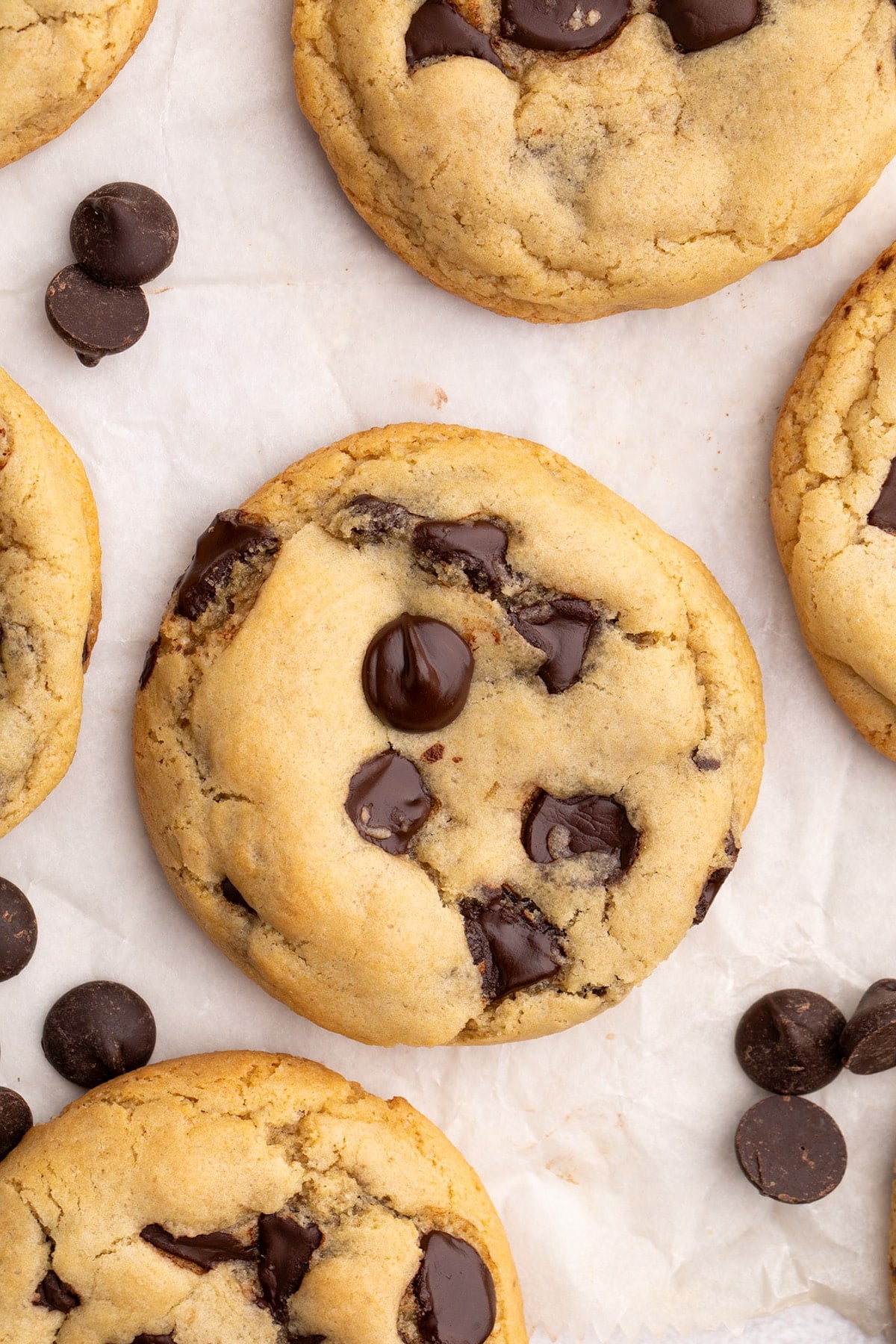
According to nutritional profiles, these cookies clock in at approximately 264 calories per serving. While they contain 13 grams of fat, the shift away from dairy cholesterol—replaced by plant-based fats—represents a common goal for those managing dairy-free lifestyles.
Official Responses and Culinary Expert Insight
Professional bakers have long noted that "good, for gluten-free" is an unacceptable standard. Nicole Hunn, a pioneer in the field, emphasizes that the issue is rarely the dietary requirement itself, but rather the failure to adjust techniques to match the ingredients.
"Vegan butter doesn’t bake like dairy butter," Hunn explains. "If you don’t account for the fact that its melting point is lower and its water content is different, you are setting yourself up for failure. By treating the butter as a cold solid rather than a creamed liquid, we change the entire chemistry of the cookie."
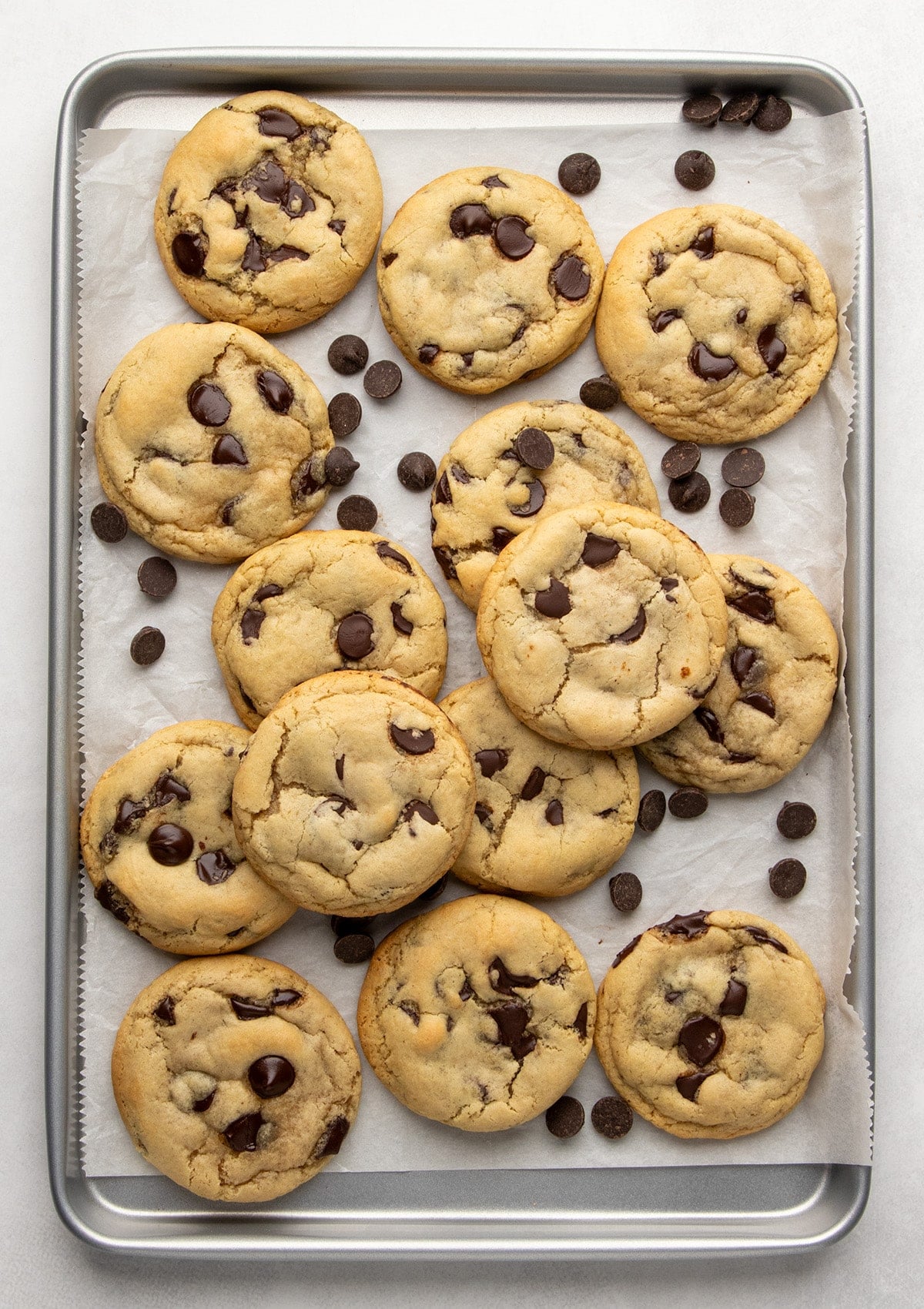
Other industry experts suggest that the inclusion of butter bakery emulsion is an "optional but transformative" step. This flavoring agent replicates the aromatic compounds found in real creamery butter, effectively masking the sometimes "earthy" or "flat" aftertaste that can be present in certain plant-based fats.
Implications for the Home Baker
The adoption of these techniques has broad implications for the home kitchen. First, it eliminates the need for "specialty" separate meals for those with dietary restrictions. By perfecting a recipe that mimics the sensory experience of a traditional cookie, the host can serve one dessert that satisfies both gluten-intolerant guests and those without restrictions.
Second, the storage capabilities of this dough provide convenience. Because the dough is designed to be chilled, it can be prepared up to a week in advance and stored in the refrigerator. This allows for "on-demand" fresh-baked cookies, which is a major advantage for busy families or those who enjoy hosting.
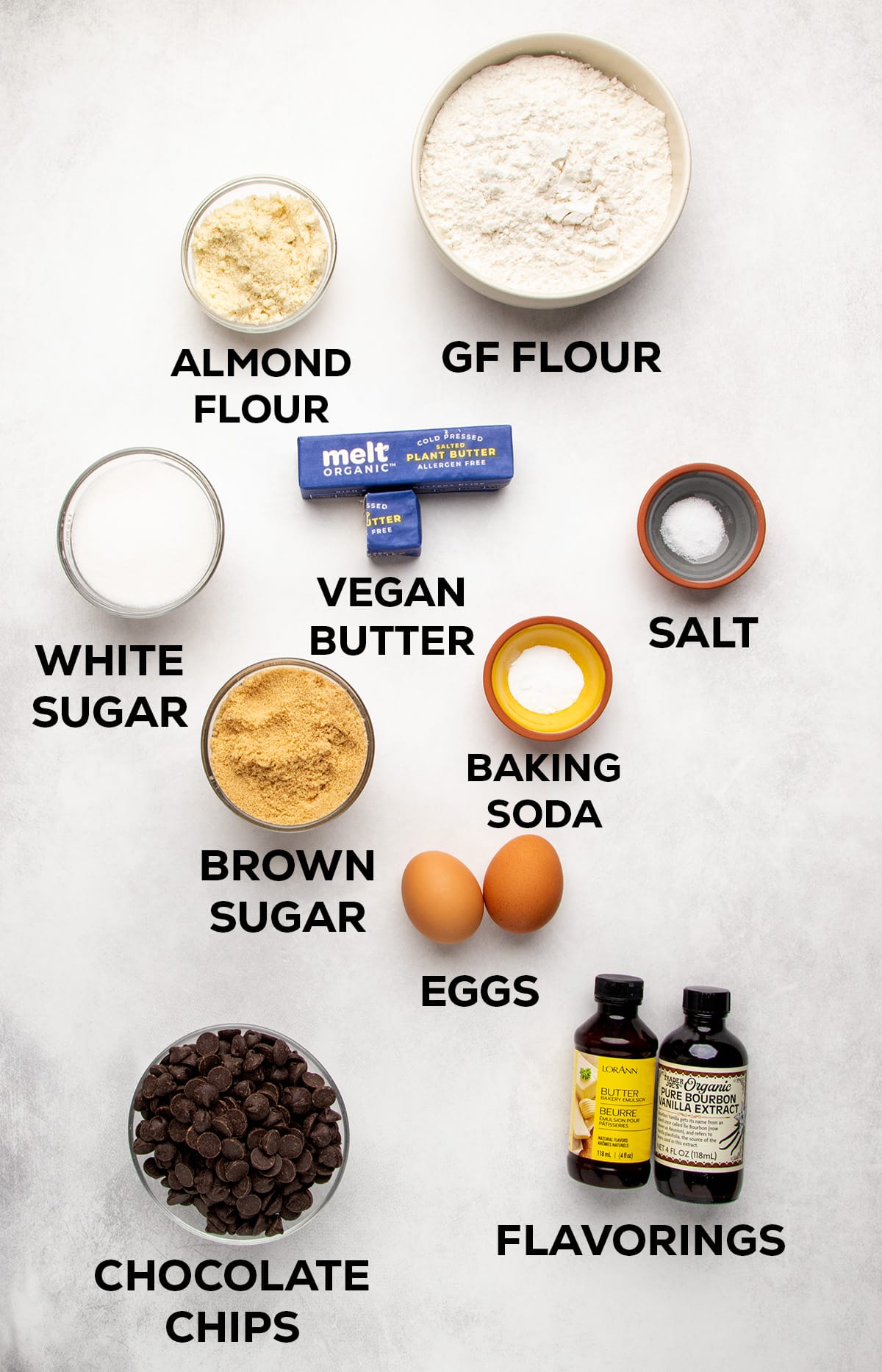
Finally, this approach encourages ingredient experimentation. Once the foundational technique is mastered, the baker can swap in different inclusions—such as dark chocolate chunks, sea salt, or even chopped nuts—without fear that the cookie structure will collapse.
Addressing Common Challenges
- Egg Substitutions: For those who are also vegan, the recipe is adaptable. Replacing eggs with a "chia egg" (ground chia seeds mixed with water) or commercial egg replacers like JustEggs has been shown to produce a stable, albeit slightly different, texture.
- Nut Allergies: For those who cannot use almond flour, finely ground hazelnut or oat flour are viable alternatives. However, bakers should be aware that these substitutions may slightly alter the browning rate of the cookie.
- Equipment Precision: Using a kitchen scale remains the most important variable. Volume measurements can lead to density issues, particularly with gluten-free flours which can vary wildly in weight per cup. Using grams ensures that the fat-to-flour ratio remains optimal, preventing the cookies from becoming either too powdery or too dense.
In conclusion, the evolution of gluten-free and dairy-free baking is a testament to the fact that with enough understanding of the underlying science, dietary limitations need not be a barrier to culinary excellence. By moving away from "simple substitutions" and toward a deliberate, technique-driven process, the modern home baker can produce chocolate chip cookies that are indistinguishable from their conventional counterparts.