For many home cooks, the delicate, paper-thin French crepe represents a culinary threshold that seems daunting to cross. Often associated with bustling Parisian street corners or upscale brunch bistros, these golden, buttery delights are frequently misunderstood as requiring professional training or specialized equipment. However, the reality is far more accessible. With just eight basic pantry staples and a standard kitchen skillet, anyone can replicate the restaurant-quality experience at home.
Whether you are looking to elevate a weekend breakfast, prepare an elegant dessert, or craft a sophisticated savory dinner, the mastery of the crepe is a foundational skill that offers endless creative versatility.
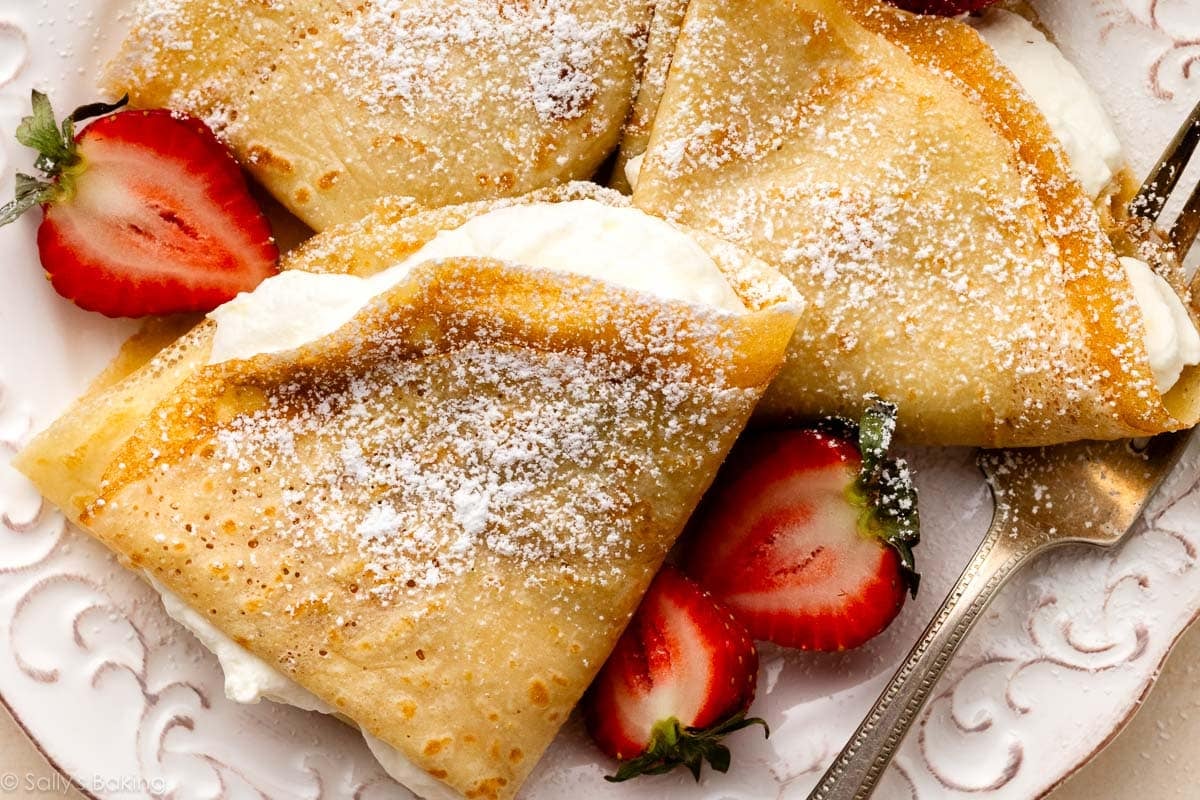
Main Facts: The Anatomy of a Perfect Crepe
At its core, a crepe is a simple, unleavened pancake. Unlike American-style pancakes, which rely on chemical leaveners like baking powder or baking soda to achieve a fluffy, airy texture, crepes are intentionally thin, tender, and flexible. This structural simplicity is their greatest strength; because they lack the "puff" of traditional pancakes, they are the perfect vehicle for a wide array of sweet and savory fillings.
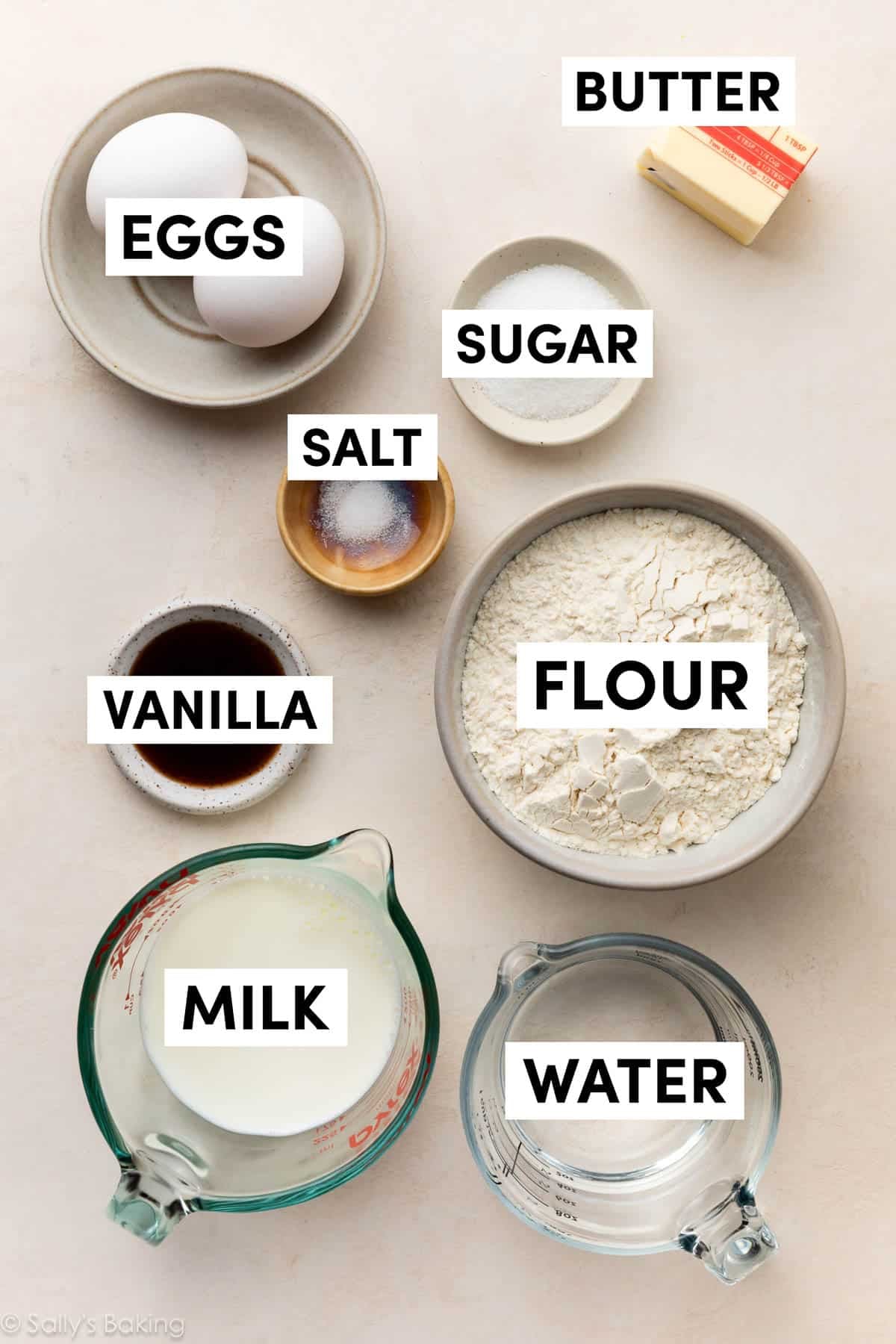
The fundamental ingredients are remarkably modest: flour, eggs, milk, water, butter, sugar, and a touch of salt. The secret to success does not lie in complex components, but rather in the technique and the "rest" of the batter. A properly executed crepe should feature a delicate, lace-like structure with edges that turn crisp and buttery in the pan, while the center remains soft and pliable.
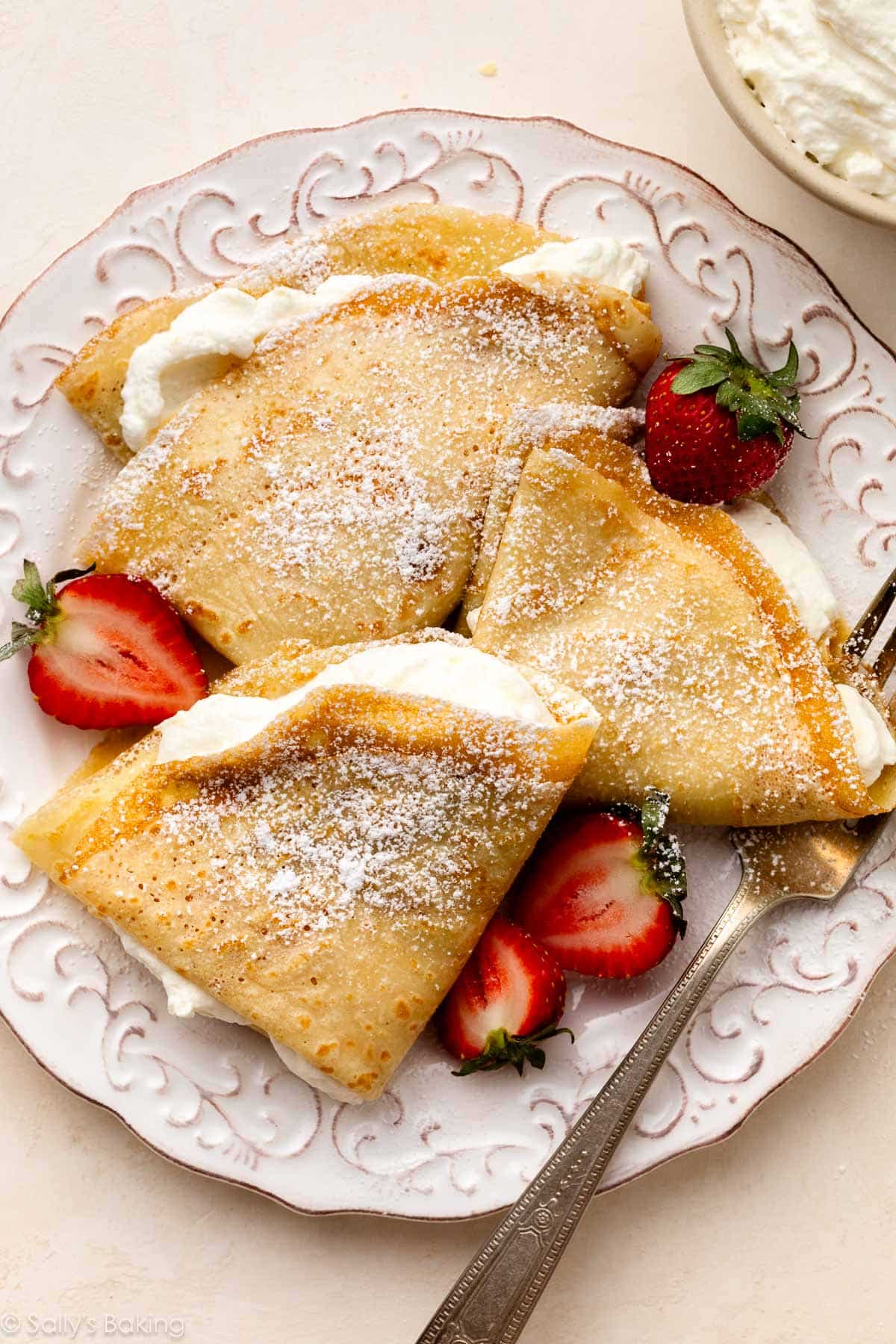
Chronology: The Evolution of a Culinary Staple
While crepes have been a staple of French cuisine for centuries—with roots tracing back to the Brittany region of northwestern France—they have evolved from humble peasant food to a global culinary icon. Originally made with buckwheat flour, these "galettes" were historically served as a nutritious meal for laborers.
Over the last decade, the accessibility of home-cooking resources has seen a surge in the popularity of the "master recipe." The methodology provided in this guide, refined and polished over years of testing, focuses on modernizing the process for the home kitchen. By utilizing a blender to ensure a perfectly smooth, lump-free batter and embracing the necessity of a resting period, the home cook can achieve a consistency that rivals the most seasoned crepe-makers.
Supporting Data: The Science of the Batter
The chemistry behind a perfect crepe is fascinating. Because the batter contains no leavening agents, the proteins in the flour and the structure provided by the eggs are the primary factors in its texture.
Why the Blender is Essential
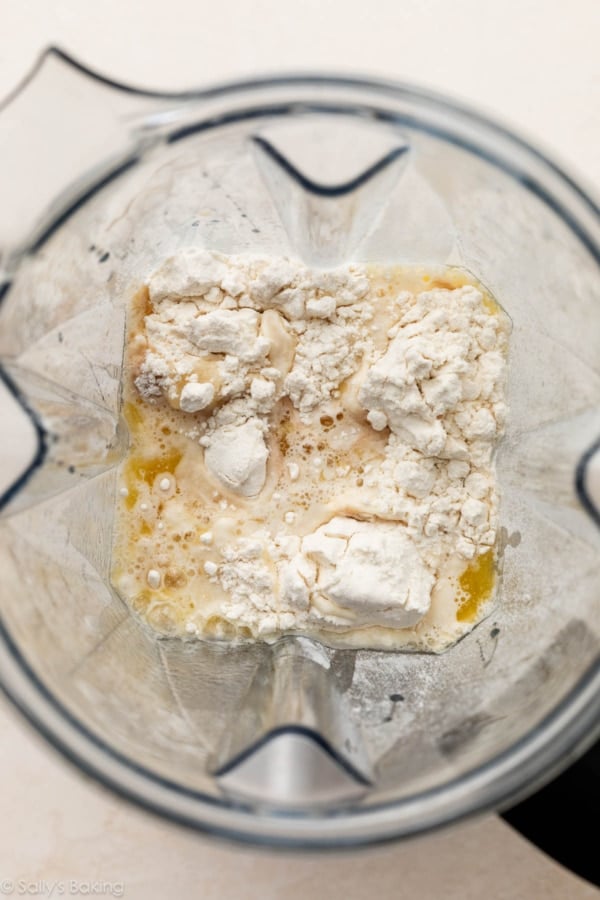
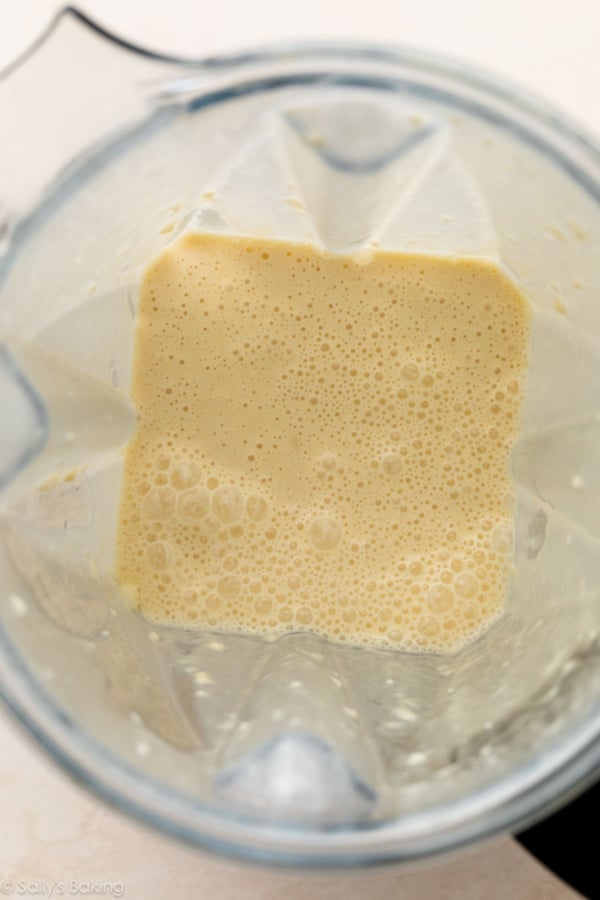
Using a blender serves a dual purpose. First, it ensures the complete hydration of the flour particles, eliminating any possibility of clumps that would ruin the delicate, thin texture. Second, the high-speed aeration of the blender helps emulsify the melted butter into the liquid, creating a batter that is silky and uniform.
The Importance of the Resting Phase
Perhaps the most crucial step in the entire process is the resting period. Allowing the batter to sit in the refrigerator for at least 30 to 60 minutes—or even overnight—is not a mere suggestion; it is a scientific necessity. During this time, the flour fully absorbs the liquid, allowing the gluten network to relax. This prevents the crepes from becoming "rubbery" or tough, ensuring that they remain tender and elastic enough to roll or fold without tearing.
Thermal Dynamics of the Skillet
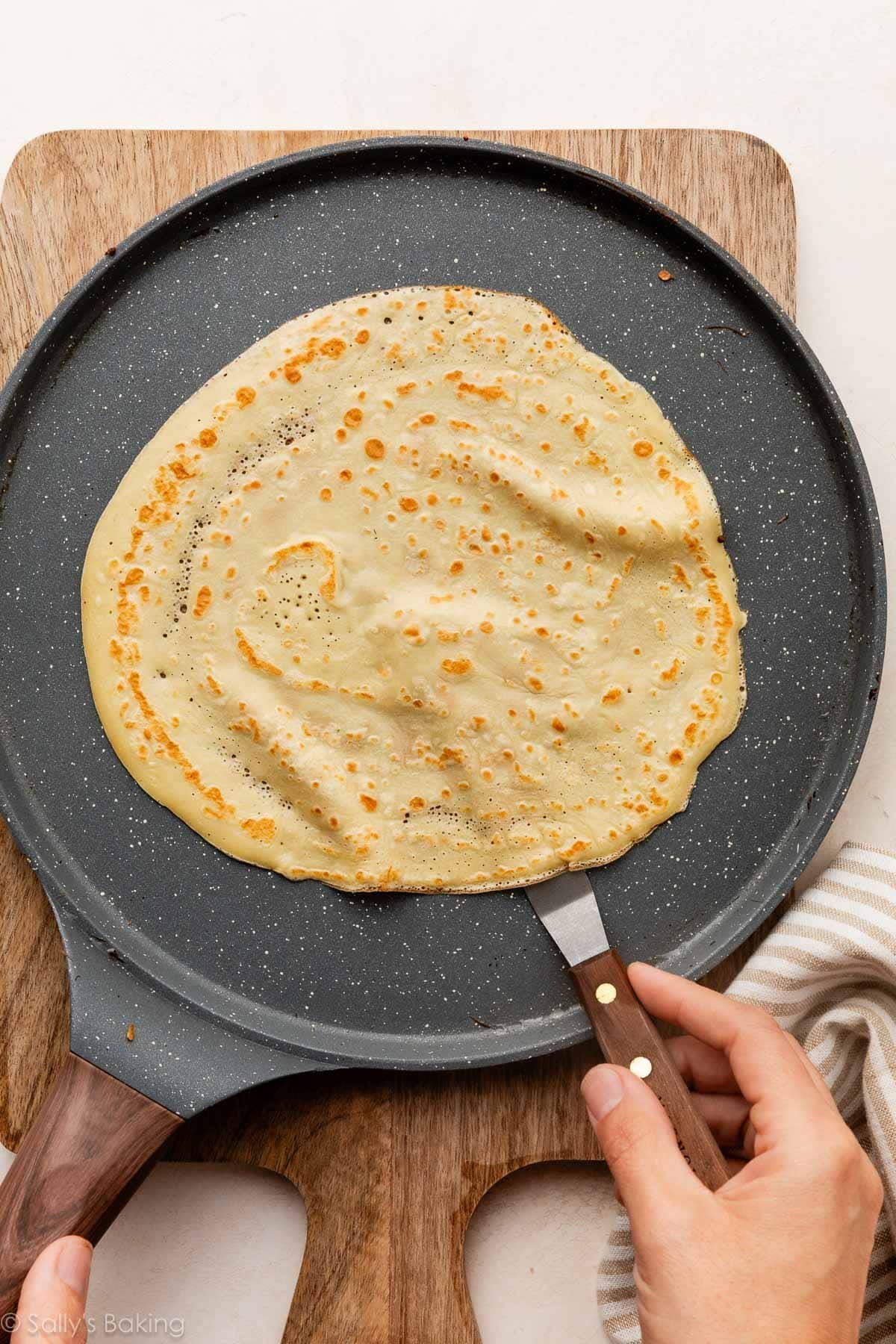
When cooking, the heat must be carefully managed. A small, 8-inch skillet is ideal for beginners, as it provides a manageable surface area. Using approximately 3 to 4 tablespoons of batter is the "golden ratio" for a standard-sized pan. The most critical physical action is the "swirl." As soon as the batter hits the hot, buttered surface, the pan must be tilted and rotated in a circular motion to allow the liquid to coat the bottom completely before it sets. This technique is what distinguishes a crepe from a thick, tortilla-like pancake.
Official Perspectives: Expert Tips and Troubleshooting
Even with a perfect recipe, the transition from novice to expert involves learning to troubleshoot common issues. Industry experts and experienced home bakers often cite the following points as the difference between a "good" crepe and a "perfect" one:
- Temperature Control: If the pan is too hot, the batter will set before it can be swirled to the edges, resulting in a thick, uneven crepe. Medium heat is the sweet spot.
- The "Flip" Timing: Patience is required. The edges will begin to lift and turn a light, golden brown when the crepe is ready to be flipped. Typically, this takes about 60 to 90 seconds. The second side requires significantly less time—usually no more than 30 seconds—as it is already partially cooked.
- Preventing Tears: If your crepes are tearing, the batter likely didn’t rest long enough for the gluten to relax, or you are attempting to flip them before the protein structure has fully set.
- Storage and Reheating: Crepes are best eaten fresh, but they are remarkably resilient. They can be stacked with parchment paper between layers and stored in the refrigerator for up to two days. To reheat, a quick stint in a 275°F (135°C) oven, covered in foil, restores their original flexibility.
Implications: The Versatility of the Crepe
The true beauty of the crepe lies in its neutrality. Because the batter itself is not overly sweet, it acts as a blank canvas.
Sweet Applications
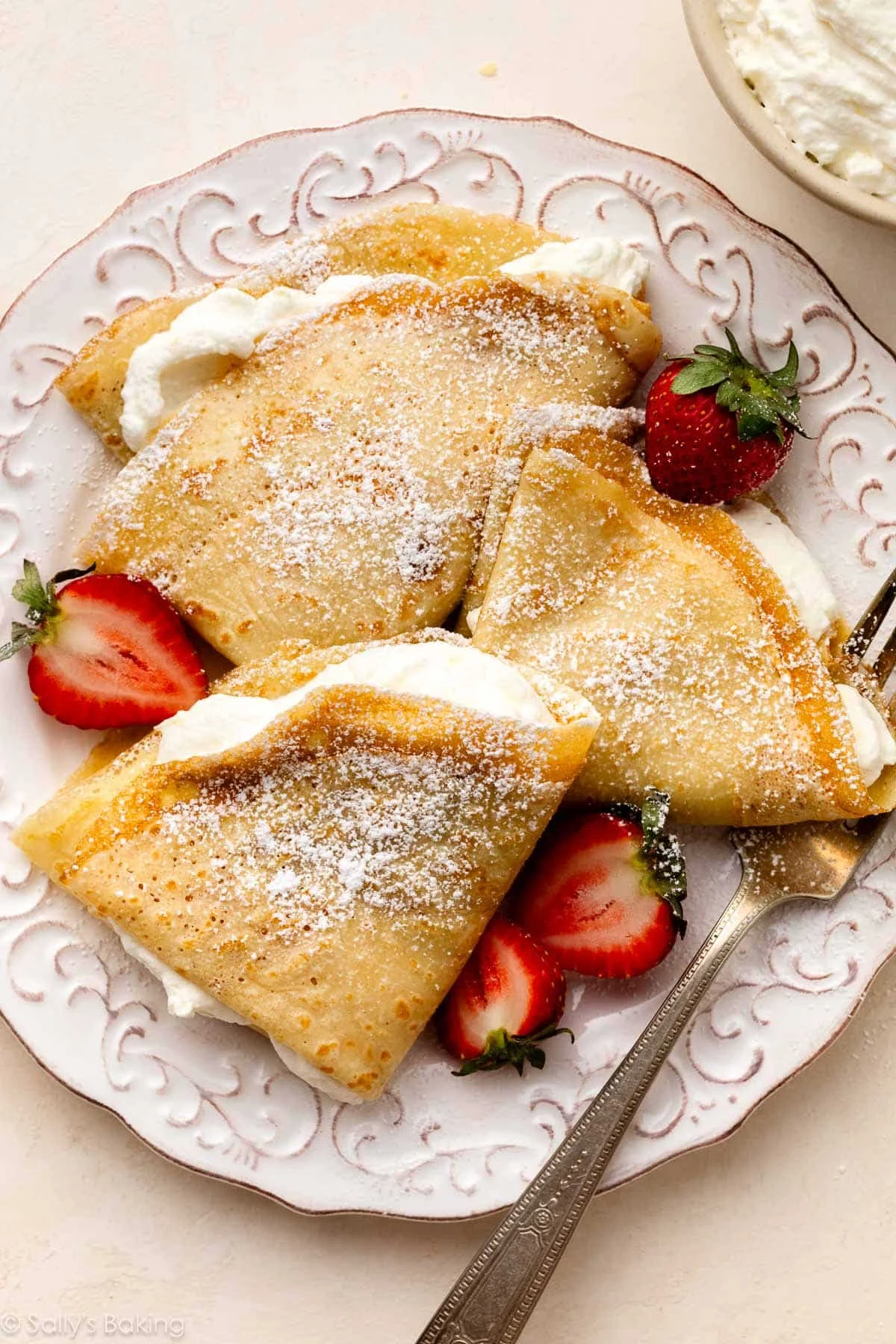
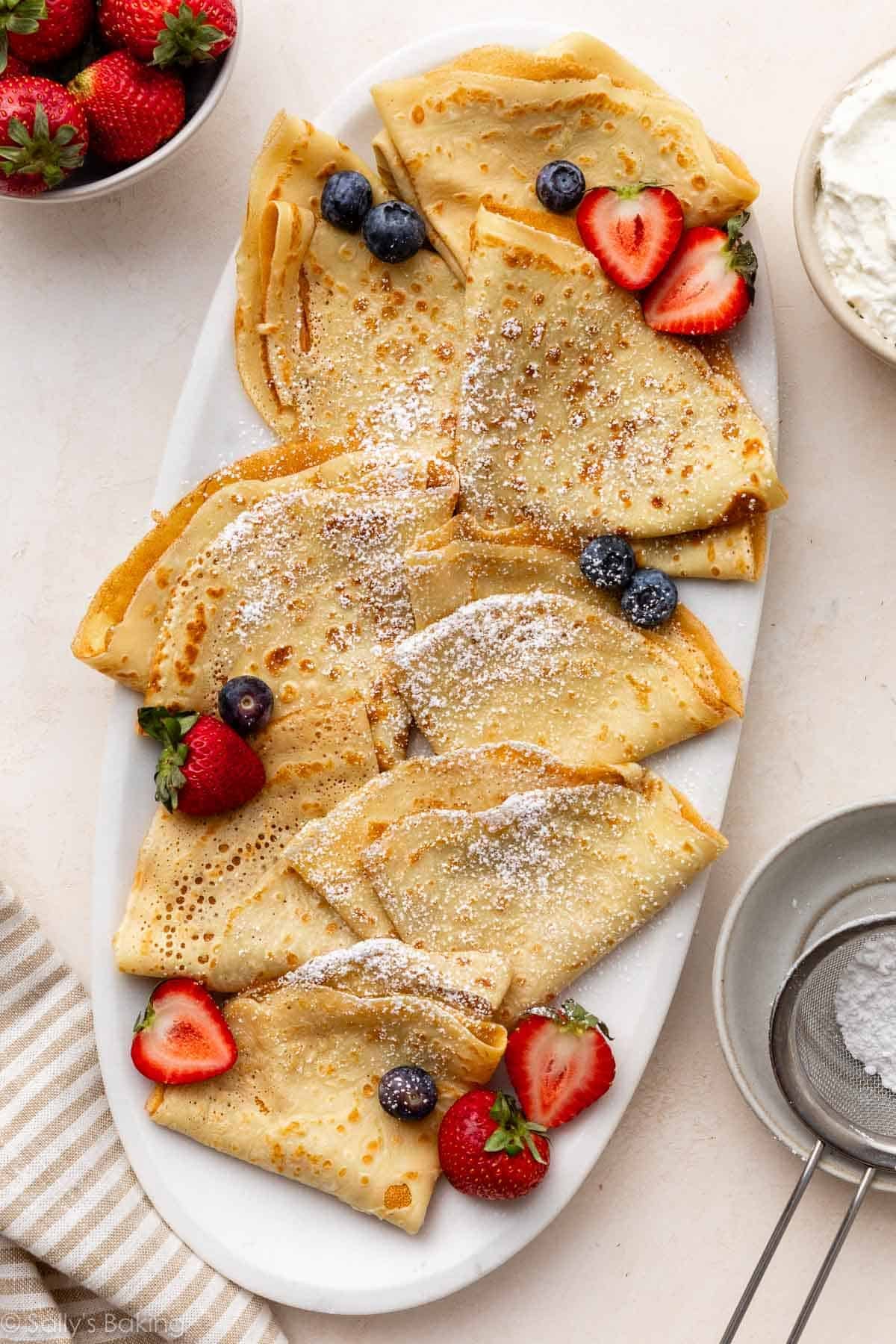
For dessert or breakfast, the possibilities are boundless. A classic preparation involves a simple dusting of powdered sugar and a squeeze of fresh lemon juice, which cuts through the richness of the butter. For those with a sweeter tooth, the combination of whipped cream, fresh macerated strawberries, or a decadent chocolate hazelnut spread remains the gold standard.
Savory Innovations
The savory potential of the crepe is often overlooked. By omitting the sugar in the batter, one can create a sophisticated base for a lunch or dinner. Filled with Gruyère cheese, sautéed mushrooms, spinach, or thinly sliced ham and a fried egg, the crepe becomes a complete, gourmet meal. The ability to customize the filling for each individual diner makes crepes an excellent choice for hosting brunch or dinner parties, where guests can participate in the assembly of their own creations.
The "Crepe Cake" Phenomenon
For those looking to push their skills further, the "crepe cake" is the ultimate application of this technique. By stacking 20 or more thin crepes with layers of pastry cream or mousse in between, one can create a multi-textured dessert that is visually stunning and structurally impressive. This application highlights the consistency of the recipe; when executed correctly, the stack holds together beautifully, offering a refined, layered bite.
Conclusion
Mastering the crepe is a rite of passage for the home baker. By moving past the intimidation factor and focusing on the simple, scientific principles of batter hydration, resting time, and heat management, you unlock a skill that provides value for a lifetime. Whether you are folding them into neat triangles for a quick breakfast or stacking them into an elaborate cake for a special occasion, the humble crepe remains one of the most rewarding and versatile staples in the culinary world. With the right technique, the professional-grade results you see in bistros are now well within your reach.