As the winter season settles in, bringing with it a calendar packed with festivities—from the shimmering anticipation of New Year’s Eve to the intimate exchanges of Valentine’s Day—the search for the perfect seasonal cocktail often leads back to the classics. However, there is a modern iteration currently taking center stage in home bars and professional mixology circles alike: the Pomegranate Martini.
Striking a sophisticated balance between the sharp, bracing cold of winter and the vibrant, ruby-red warmth of the holidays, this four-ingredient masterpiece is more than just a drink; it is a seasonal essential. Whether you are hosting a sophisticated dinner party or enjoying a quiet "girls’ night in," the pomegranate martini offers a versatile, visually stunning, and remarkably simple solution to your hosting needs.
Main Facts: The Anatomy of a Perfect Pour
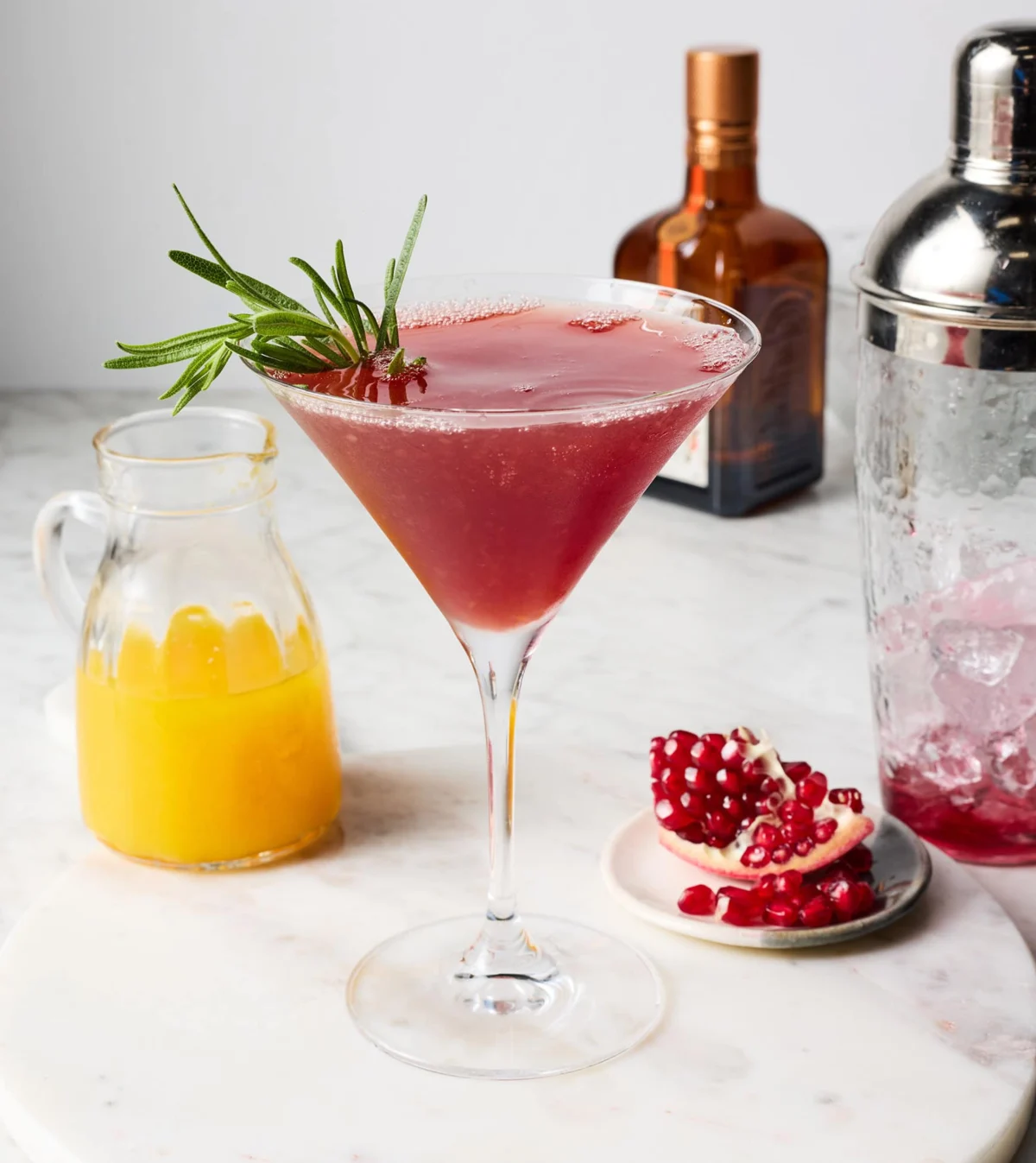
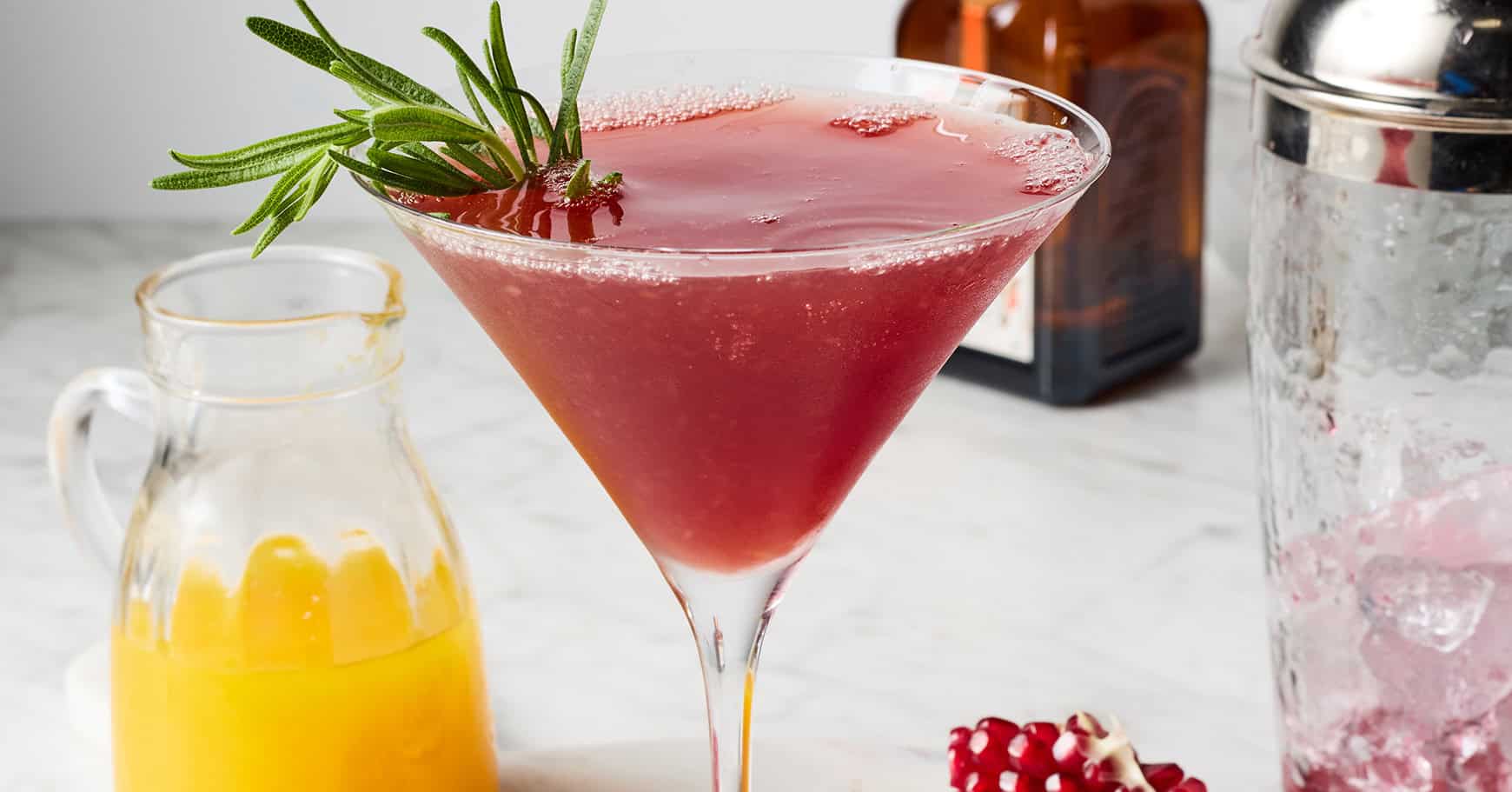
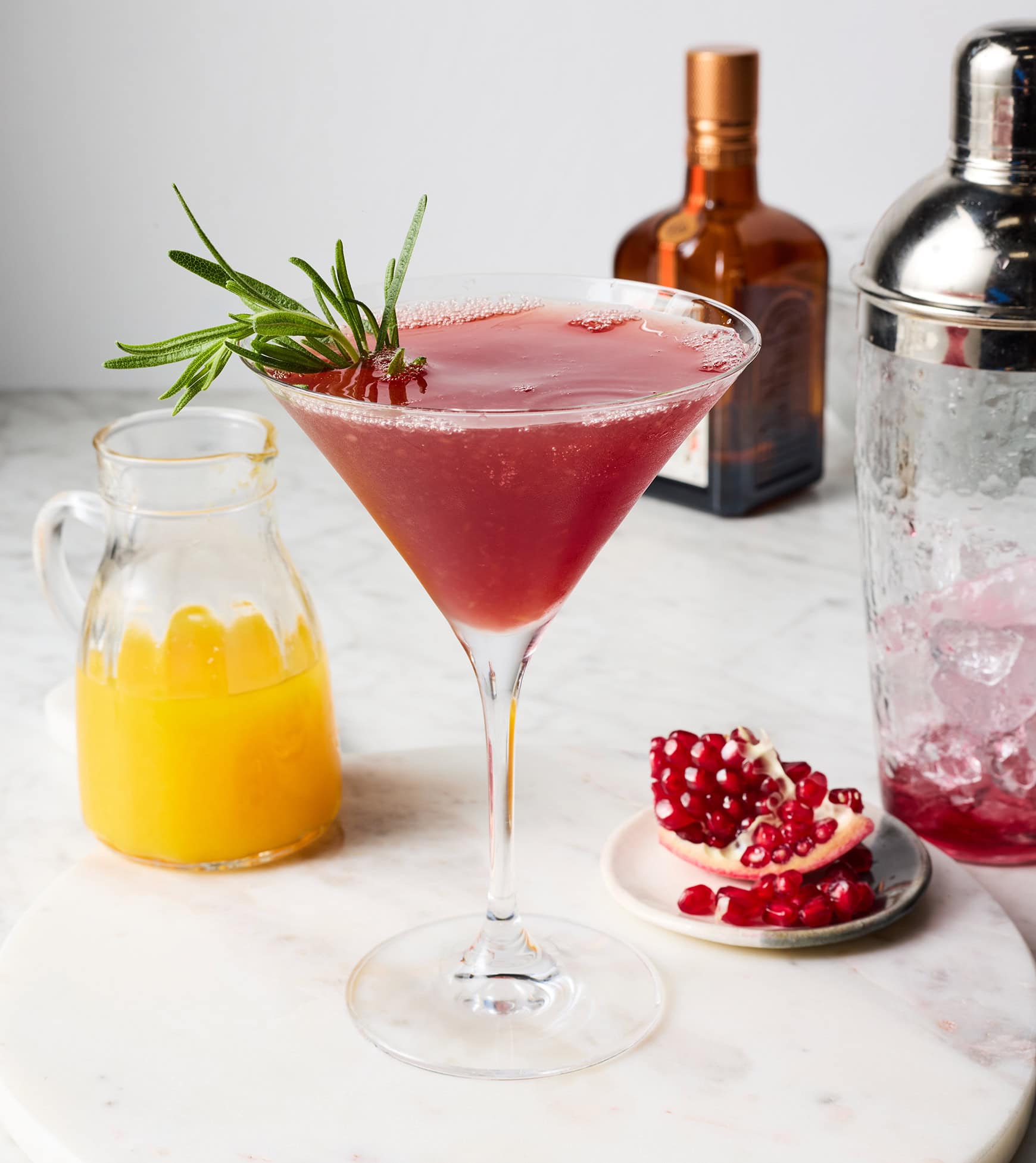
At its core, the pomegranate martini is a masterclass in minimalism. While many craft cocktails require an encyclopedic knowledge of bitters, tinctures, and exotic infusions, this recipe relies on the synergy of just four primary components: high-quality vodka, a premium orange liqueur, pure pomegranate juice, and a bright splash of fresh orange juice.
The Ingredients Breakdown
- Vodka: Acts as the clean, neutral canvas that allows the botanical and fruity notes to shine without interference.
- Pomegranate Juice: The soul of the drink, providing the signature deep-red hue and that essential sweet-tart profile that keeps the palate engaged.
- Orange Liqueur: Often sourced from Cointreau or similar triple secs, this provides the necessary complexity and depth.
- Fresh Orange Juice: A crucial "secret" ingredient that cuts through the acidity of the pomegranate, bridging the gap between the tart fruit and the alcohol.
The cocktail is traditionally finished with a garnish—typically a sprig of fresh rosemary, which adds an aromatic, pine-forward nose that perfectly complements the winter theme, or an elegant orange twist for those who prefer a classic citrus finish.
Chronology: The Evolution of the Seasonal Martini
The martini, historically a composition of gin and vermouth, has seen countless iterations over the last century. From the mid-century "Vodka Martini" boom to the late 90s "Cosmopolitan" craze, the cocktail has always been a reflection of the era’s tastes.
The Rise of the "Fruit-Forward" Martini
In the early 2000s, mixologists began to pivot away from the ultra-sweet, neon-colored "tini" era and toward more nuanced, ingredient-focused drinks. The Pomegranate Martini emerged as a bridge between these two worlds. It offered the visual appeal of the iconic red cocktail but traded the cloying artificiality of cranberry-based drinks for the complex, antioxidant-rich flavor of the pomegranate.
In recent years, the recipe has been refined further. Modern home mixologists have moved toward "dryer" versions, emphasizing high-quality juices and fresh herbs, cementing the drink’s status as a staple for holiday hosting in the 2020s.
Supporting Data: Why This Cocktail Works
The enduring popularity of the pomegranate martini is not merely a matter of aesthetics; it is rooted in the chemistry of flavor.
Flavor Profiling
Culinary science suggests that the "sweet-tart" combination is one of the most palatable profiles for a wide demographic. The pomegranate juice contains tannins—the same compounds found in red wine—which provide a slight bitterness that prevents the drink from becoming one-dimensional. When paired with the citrus oils from the orange liqueur and the clean bite of vodka, the resulting flavor profile is refreshing rather than heavy.
Nutritional Context
While a cocktail should always be consumed in moderation, the pomegranate martini is often favored for its "cleaner" ingredient list. Compared to heavy cream-based winter cocktails or sugar-laden eggnogs, this drink is relatively light.
- Average Calories: Approximately 164 calories per serving.
- Nutritional Highlights: The drink provides a trace amount of Vitamin C (approx. 7mg) and potassium, derived from the fruit juices. While not a health tonic, it stands as a more transparent choice for those conscious of their intake during the holiday season.
Official Recommendations: Mastering the Craft
Professional mixologists and culinary experts emphasize that the success of a four-ingredient drink lies entirely in the quality of the ingredients used.
The "Taste and Adjust" Methodology
The most important rule in cocktail preparation is the final tasting before service. Because the acidity of pomegranate juice can vary based on the brand and the harvest, you should never blindly follow a recipe without a final check.
- The Base: Start with the standard ratio (vodka, juice, liqueur).
- The Adjustment: If the drink feels too sharp, a half-ounce of simple syrup can round out the edges. If it is too sweet, a splash of lime juice can provide an immediate lift.
- The Temperature: Always shake with ample ice. The dilution is not just about cooling the drink; it is about integrating the ingredients and achieving that perfect, silky texture that defines a well-made martini.
The Art of the Presentation
For those looking to impress, the "sugared rim" is a highly recommended variation. By rubbing an orange wedge around the circumference of a chilled martini glass and dipping it into granulated sugar, you create a beautiful, sparkling border. This not only elevates the visual presentation but provides a sweet "entry point" to the tart sip that follows.
Implications: The Role of the Cocktail in Modern Socializing
The pomegranate martini acts as a "social lubricant" that is perfectly suited for the current landscape of home entertainment.
The "At-Home" Renaissance
Following the global shifts in social behavior over the last several years, there has been a massive migration back to the home as the primary venue for socialization. The pomegranate martini fits this shift perfectly. It is sophisticated enough to feel like a "night out," yet simple enough that the host is not tethered to the bar area for the entire evening.
Versatility Across Celebrations
The drink’s deep, ruby-red color makes it a chameleon of the calendar:
- New Year’s Eve: Its festive, jewel-toned appearance fits the glitz and glamour of the holiday.
- Valentine’s Day: Its romantic hue and balanced profile make it the ideal accompaniment to an intimate dinner.
- Winter Gatherings: The use of fresh rosemary provides a forest-like scent that grounds the cocktail in the winter season, making it an excellent pairing for heavy winter appetizers like charcuterie boards or baked brie.
Conclusion: A Timeless Classic for Your Repertoire
The beauty of the pomegranate martini lies in its honesty. It does not hide behind complicated infusions or difficult techniques. Instead, it invites the home bartender to appreciate the intersection of simple, high-quality components. By mastering this recipe, you are not just learning how to mix a drink; you are equipping yourself with a versatile, reliable, and universally loved centerpiece for your next celebration.
Whether you are shaking one up for yourself after a long day or batching a pitcher for a room full of guests, remember the core principles: use fresh ingredients, chill your glassware, and always—always—taste before you serve. The result will be a vibrant, refreshing, and sophisticated cocktail that perfectly captures the spirit of the season. Cheers to your next perfect pour.