In the landscape of culinary traditions, few comfort foods command the universal appeal of the loaded baked potato. It is a dish that balances the simplicity of the earth’s most versatile staple with the indulgent, savory punch of cheese, bacon, and aromatics. However, the labor-intensive nature of preparing individual stuffed potatoes—scooping, mixing, refilling, and rebaking—often relegates this classic to special occasions or high-effort weekend meals.
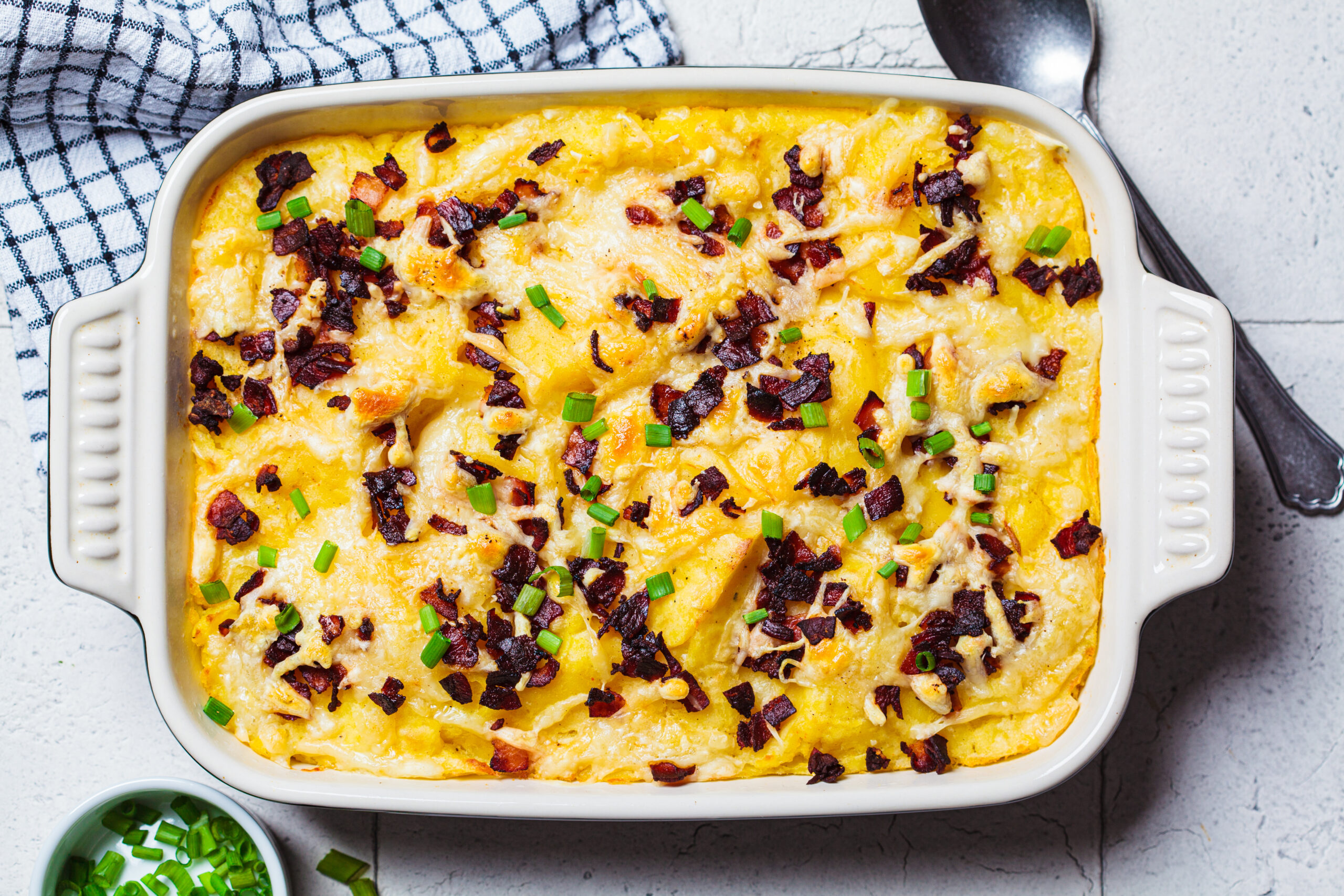
Enter the "Twice Baked Potato Casserole," a modern culinary adaptation that has recently surged in popularity. By streamlining the assembly process into a single, cohesive vessel, home cooks are discovering a more efficient way to deliver the familiar, soul-warming flavors of the classic twice-baked potato to a larger table. This shift represents more than just a recipe change; it marks a broader trend in home cooking that prioritizes efficiency without sacrificing the sensory richness required for a successful family meal.
The Evolution of a Classic Side Dish
The concept of the twice-baked potato is rooted in the mid-20th-century American kitchen, where the aesthetic appeal of a potato served in its own skin became a hallmark of upscale comfort dining. Yet, for the modern parent or the host of a large-scale gathering, the "individual" approach is inherently flawed. It is time-consuming, prone to uneven cooling, and often results in a significant amount of food waste if portion sizes aren’t perfectly aligned with the appetite of every guest.
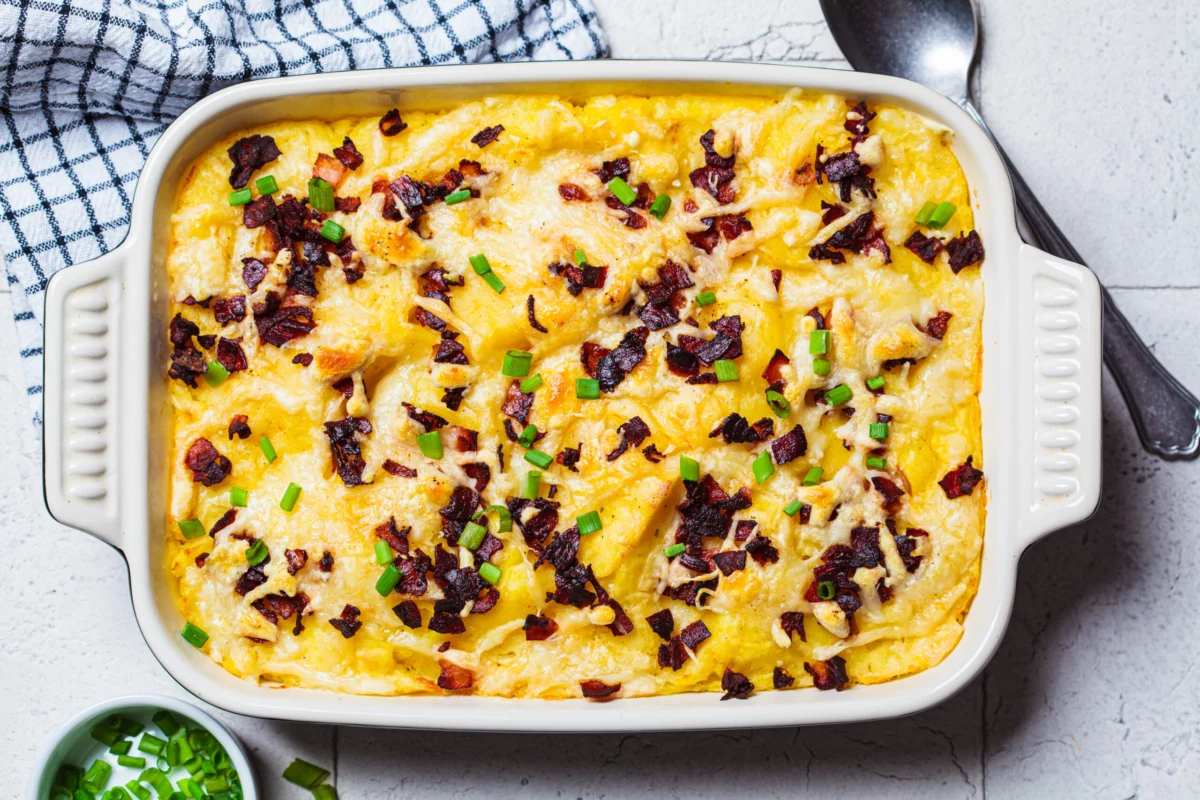
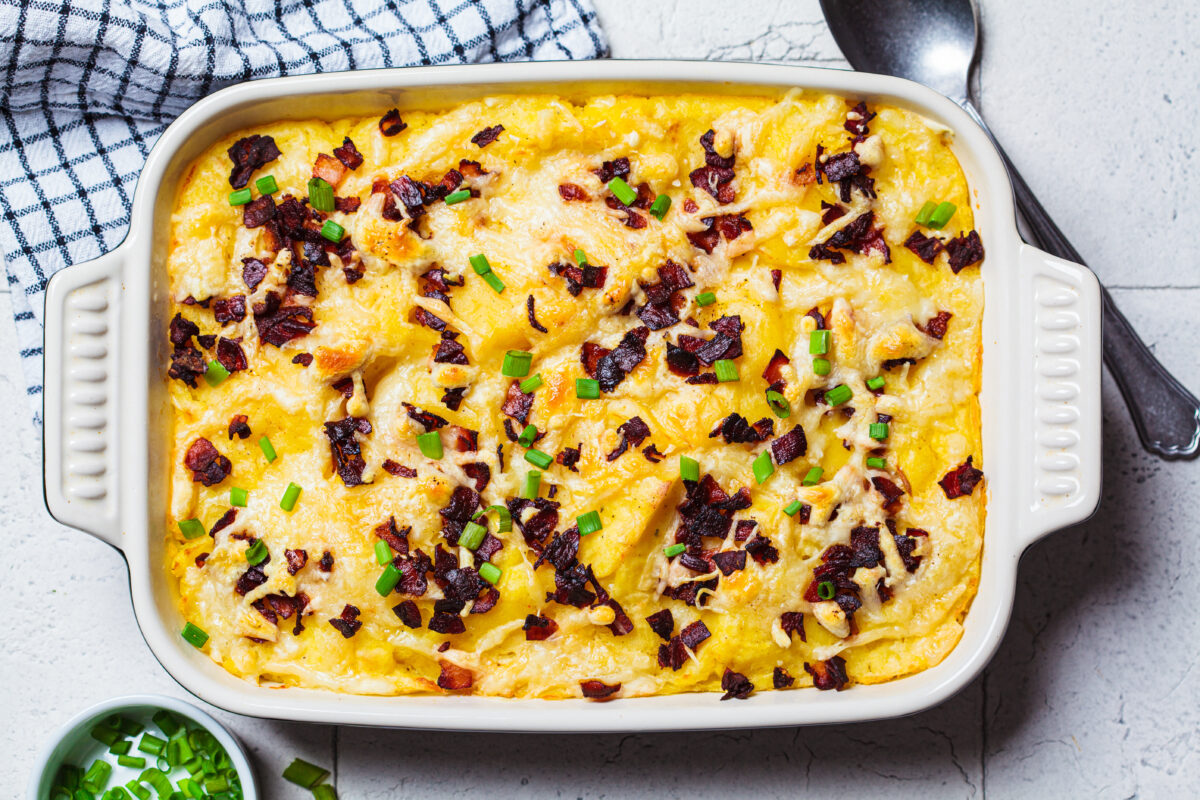
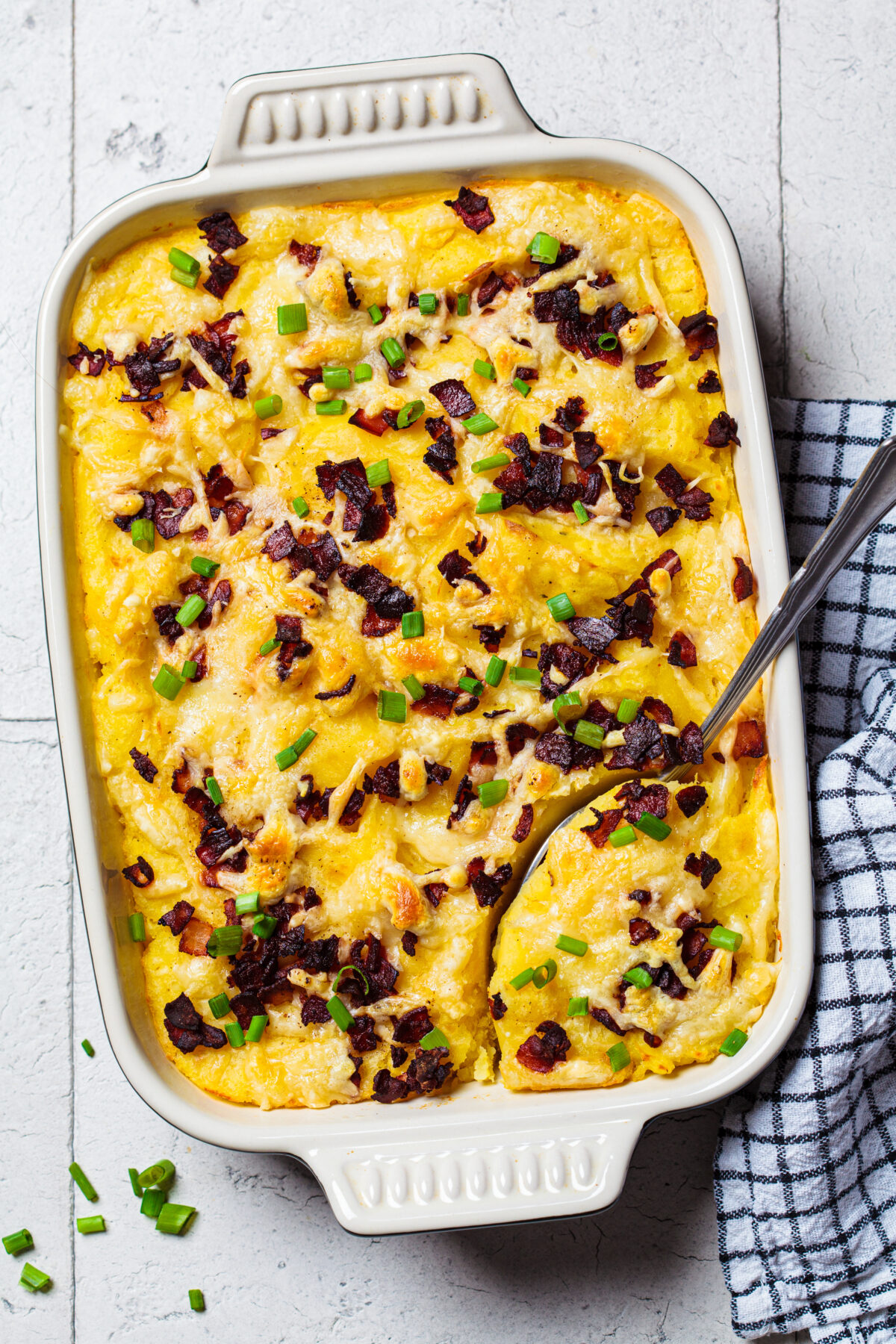
The casserole format addresses these logistical pain points. By mashing the baked potatoes and folding in the traditional accouterments—sharp cheddar, sour cream or Greek yogurt, crispy bacon, and scallions—the cook creates a homogenized, consistent dish. This method ensures that every scoop of the casserole carries the perfect ratio of creamy potato to savory topping, effectively eliminating the "dry bite" often found in poorly executed individual stuffed potatoes.
Chronology of Preparation: A Masterclass in Efficiency
For those looking to integrate this dish into their repertoire, understanding the timeline is essential. The preparation of a truly superior twice-baked potato casserole follows a specific, logical sequence:
- The Initial Roast: The process begins with high-quality Russet or Yukon Gold potatoes. They must be baked until fully tender—usually at 400°F for an hour. The key here is to allow the steam to escape during the final minutes of baking to ensure the interior is fluffy rather than waterlogged.
- The Cooling and Processing Phase: Once cooled enough to handle, the skins are removed (or kept, for those desiring a rustic texture). The mashing phase is critical; it must be done with a manual masher rather than an electric mixer to avoid destroying the starch cells, which leads to a gummy, unpleasant texture.
- The Integration: Incorporating the binder—typically a mixture of butter, milk, and a healthier alternative like Greek yogurt—provides the signature creaminess. This is when the flavor profile is established.
- The Final Bake: Unlike the original, which requires a precise second bake to crisp the skin, the casserole is baked just long enough to marry the flavors and melt the cheese on top into a golden, bubbling crust.
Supporting Data: Why Greek Yogurt is the Game-Changer
A significant development in recent recipe testing involves the substitution of traditional heavy cream or excessive amounts of sour cream with plain Greek yogurt. Nutritional analysis indicates that this swap significantly increases the protein content of the side dish while maintaining the necessary acidity to cut through the richness of the bacon and cheese.
Furthermore, culinary experts point out that the acidity in yogurt serves as a tenderizer for the potato starch, resulting in a lighter, more whipped consistency. For families focusing on balanced nutrition, this modification allows for a "rich-tasting" experience that doesn’t leave diners feeling overly lethargic, effectively bridging the gap between indulgence and daily nutritional goals.
Expert Culinary Perspectives: The "Shred-It-Yourself" Rule
Professional chefs consistently advocate for one specific practice when preparing potato casseroles: shredding your own cheese. Pre-shredded cheese, while convenient, is coated in cellulose or potato starch to prevent clumping in the bag. This anti-caking agent prevents the cheese from melting into the smooth, silky consistency required for a high-end casserole.
"When you buy a block of sharp cheddar and shred it yourself, you are getting the purest fat-to-protein ratio," notes a culinary consultant in the field of family-style meal planning. "In a casserole, where the cheese is the structural glue, this distinction is not just aesthetic—it is functional."
Implications for Modern Meal Planning
The rise of this casserole format has significant implications for modern meal planning, particularly regarding the "prep-ahead" economy. In an era where time is the most valuable commodity for families, dishes that can be assembled 24 hours in advance are becoming the gold standard for home entertaining.
This casserole is exceptionally stable when refrigerated. The starch retrogradation that occurs in the potato during refrigeration actually improves the structure of the dish upon reheating. This makes it an ideal candidate for holiday meal planning, where oven space is at a premium. By preparing the casserole on the morning of a holiday or even the night before, a host can clear their workspace for the main protein, placing the potatoes in the oven only when the meat is resting.
Addressing Common Pitfalls: A Troubleshooting Guide
Despite its simplicity, the twice-baked potato casserole is not immune to failure. Experienced cooks frequently cite three primary errors:
- Overworking the Potatoes: The use of food processors is the most common culprit for "gummy" potatoes. The high-speed blades break down the potato cells too aggressively, releasing excessive starch. The rule of thumb remains: use a hand masher.
- Insufficient Seasoning: Potatoes are a blank canvas. They require significantly more salt and black pepper than the average cook realizes. Because this dish includes rich elements like bacon and cheese, it is vital to taste the mixture before it enters the oven to ensure the base is adequately seasoned.
- Moisture Imbalance: If the potatoes seem dry after being pulled from the refrigerator, the error occurred during the initial mixing. A splash of warm milk or even a small amount of chicken stock can be folded in before the final reheat to restore the original, decadent texture.
Versatility: From Basic Side to Main Event
Perhaps the most compelling aspect of this dish is its modular nature. While the base recipe relies on the classic bacon-chive-cheddar profile, it serves as a platform for culinary creativity.
For families looking to incorporate more vegetables, the addition of steamed, finely chopped broccoli or sautéed spinach transforms the dish into a more rounded meal. For those seeking a heartier, one-pan dinner, the inclusion of shredded rotisserie chicken or even bits of smoked ham turns the side dish into a substantial main course. The underlying starch-and-dairy structure is robust enough to support almost any flavor profile, including the inclusion of ranch seasoning for a more contemporary, "game-day" appeal.
Conclusion: A Staple for the Future
The twice-baked potato casserole is more than a fleeting food trend; it is a pragmatic solution to a common domestic challenge. By simplifying the labor of a classic dish while elevating the quality of ingredients—through the use of Greek yogurt and fresh, hand-shredded cheese—it satisfies the modern demand for food that is both convenient and deeply comforting.
Whether it is destined for a crowded Sunday dinner table, a bustling holiday potluck, or a quiet weeknight meal, this dish offers a reliability that few others can match. It proves that with the right technique, the most traditional of ingredients can be reimagined to fit the pace of modern life, ensuring that the comfort of a loaded potato remains a staple in kitchens for generations to come.