CLEVELAND, OH — In the realm of comfort food, few side dishes evoke the immediate, universal warmth of a traditional corn casserole. Often associated with holiday potlucks, Sunday family dinners, and autumn feasts, this beloved dish bridges the gap between cornbread and corn pudding. Now, home cooks are turning away from heavily processed shortcuts in favor of a vibrant, from-scratch approach that elevates the classic recipe to new culinary heights.
Featuring golden-brown, caramelized edges, a decadently creamy center, and a balanced sweet-and-savory flavor profile, this modern take on corn casserole relies on simple, wholesome ingredients. While inspired by the legendary convenience of boxed mixes like Jiffy, culinary experts and home cooks alike are discovering that fresh components—and a clever blending technique—make all the difference.
Main Facts: Deconstructing the Modern Corn Casserole
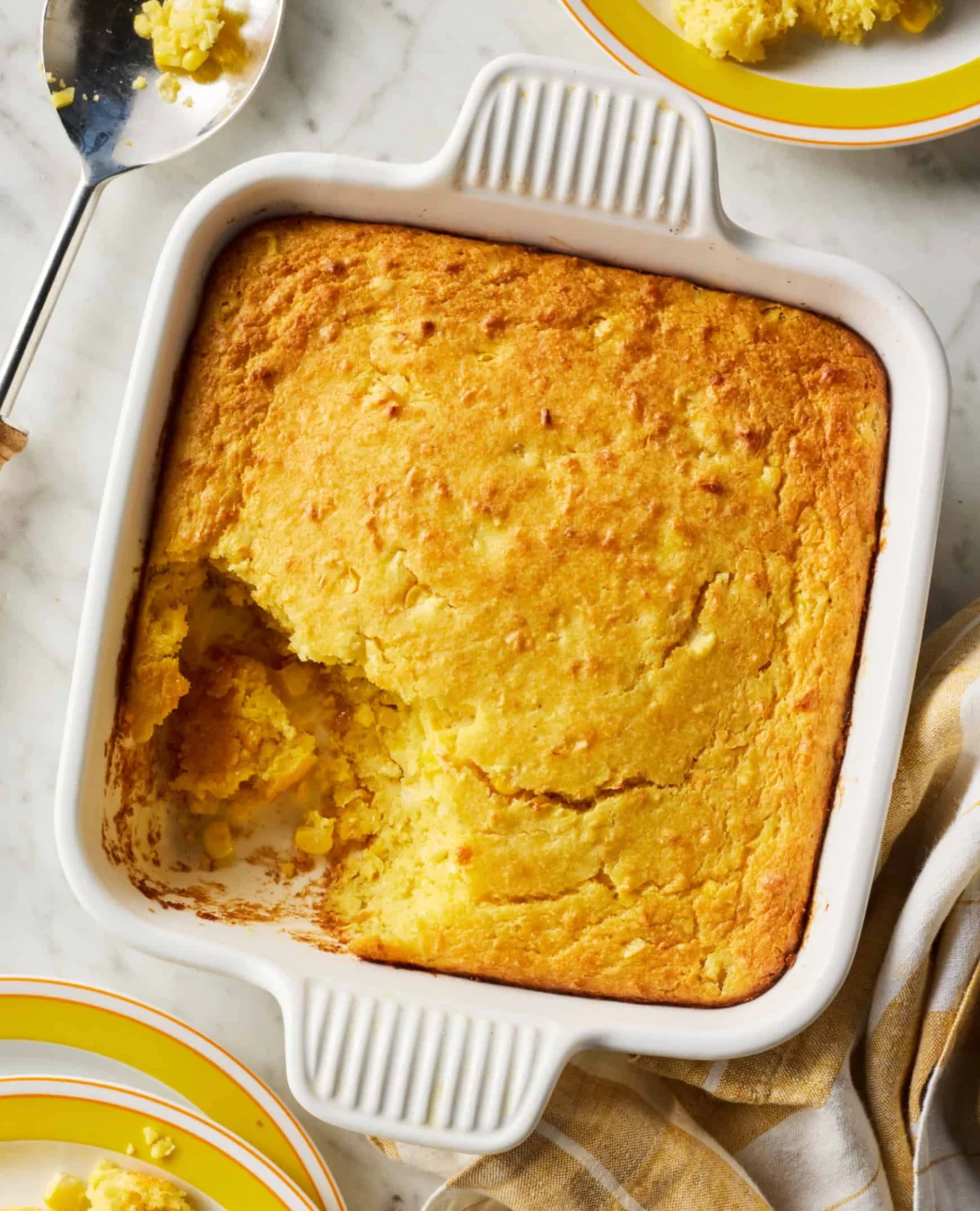
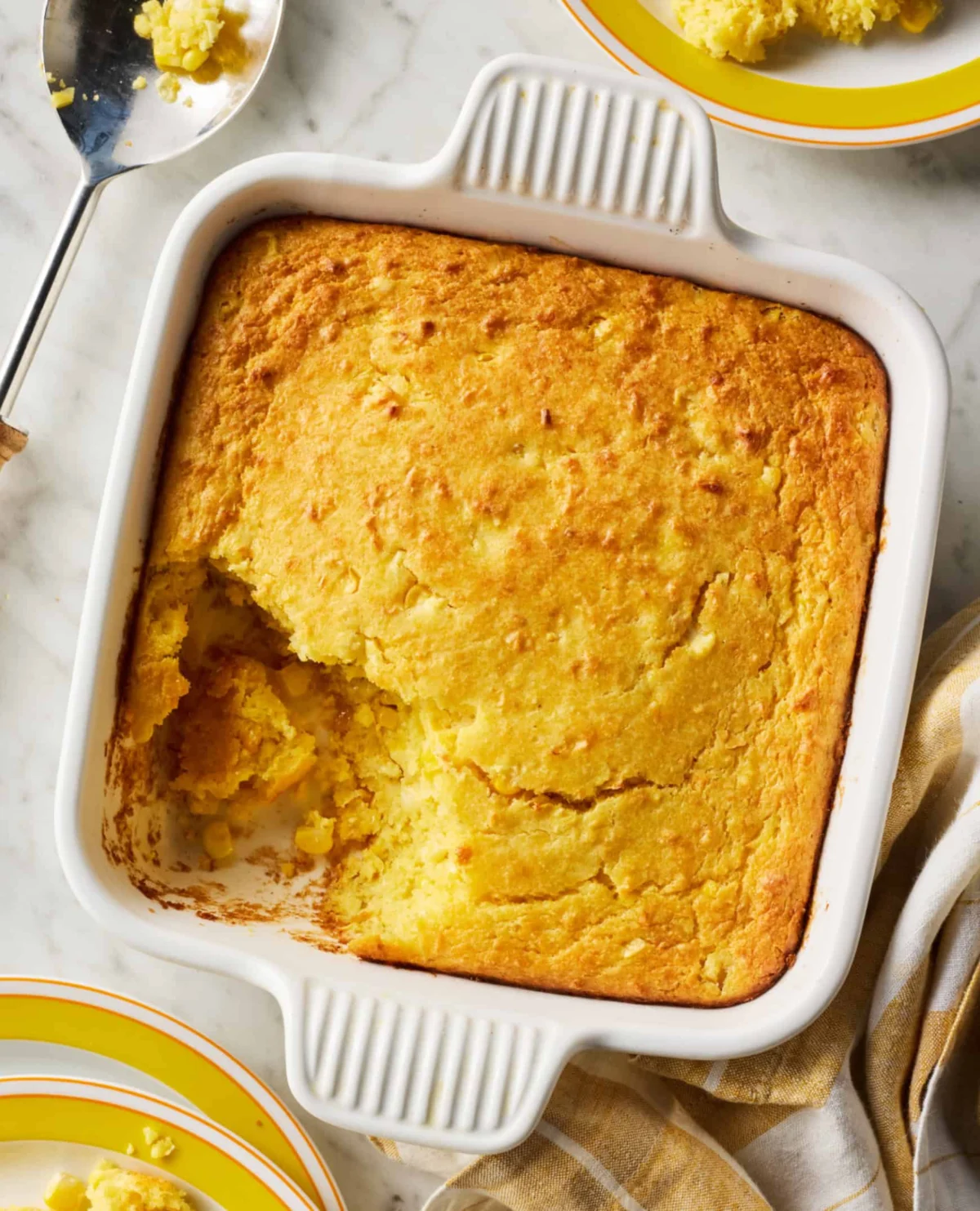
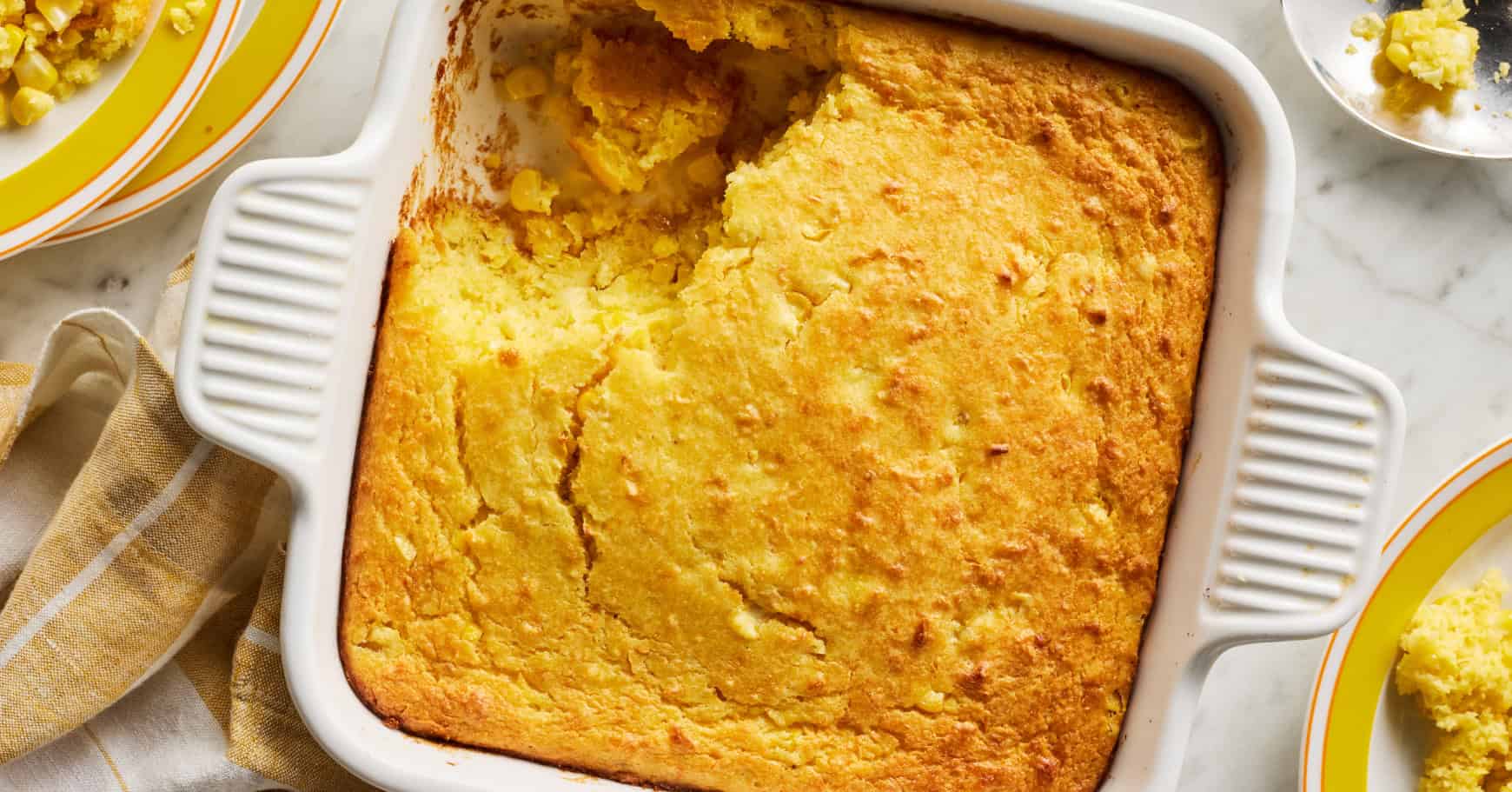
At its core, a great corn casserole is designed to offer textural contrast: a slightly crisp, buttery exterior giving way to a soft, spoonable interior studded with whole corn kernels.
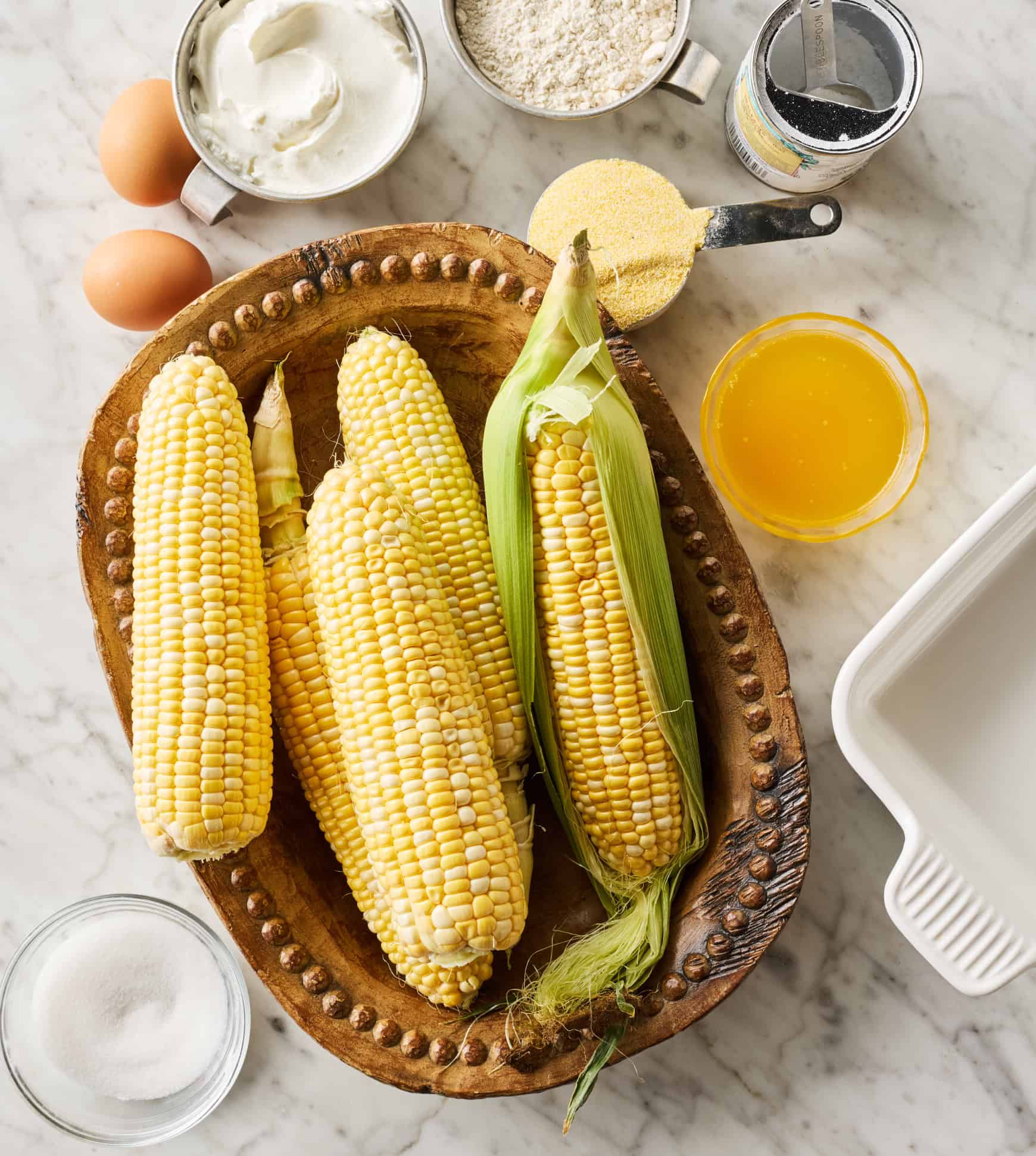
The standout feature of this elevated recipe is how it handles its primary ingredient. Rather than relying entirely on canned creamed corn, the recipe calls for fresh corn kernels (though frozen or canned varieties easily substitute). To achieve that signature luscious, custardy texture without processed shortcuts, three cups of corn kernels are pureed in a food processor until completely smooth. This homemade corn puree mimics the moisture and binding qualities of canned cream-style corn while delivering a fresher, more robust flavor.
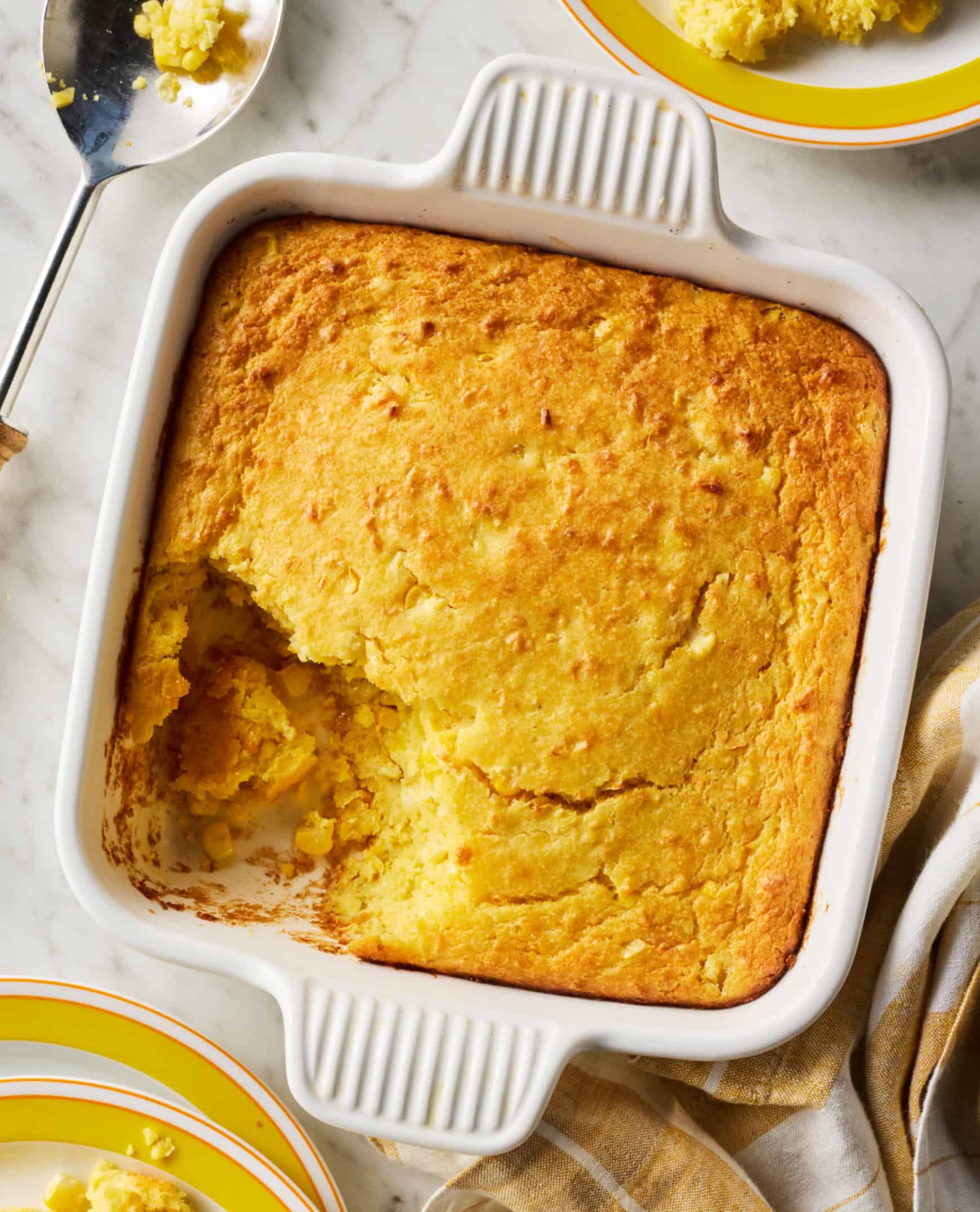
Combined with a homemade blend of flour, cornmeal, sugar, baking powder, and salt, the wet ingredients—eggs, melted butter, and sour cream—create a thick, rich batter. Folded with the remaining one and a half cups of whole kernels, the mixture bakes into a side dish that serves nine, boasting approximately 292 calories, 17 grams of fat, and 6 grams of protein per generous slice.
Chronology: From Boxed Convenience to Culinary Craft
The evolution of the corn casserole is a fascinating study in American comfort food history.
The Mid-20th Century: The Rise of Convenience
For decades, traditional corn casserole recipes across the United States were inextricably linked to convenience products. The standard formula—often referred to interchangeably as corn pudding or spoon bread—relied heavily on a box of commercial cornbread mix, a can of whole-kernel corn, a can of creamed corn, eggs, sour cream, and a generous stick of melted butter. While undeniably delicious and endlessly reliable, this mid-century iteration leaned heavily on processed pantry staples.
The Contemporary Shift: The From-Scratch Movement
In recent years, home cooks and food bloggers have begun re-examining classic comfort foods through a lens of ingredient transparency and fresh-market seasonality. Early fall, marked by the peak of the fresh corn harvest, has become the premier season for crafting this dish from scratch.
The modern process is streamlined yet intentional:
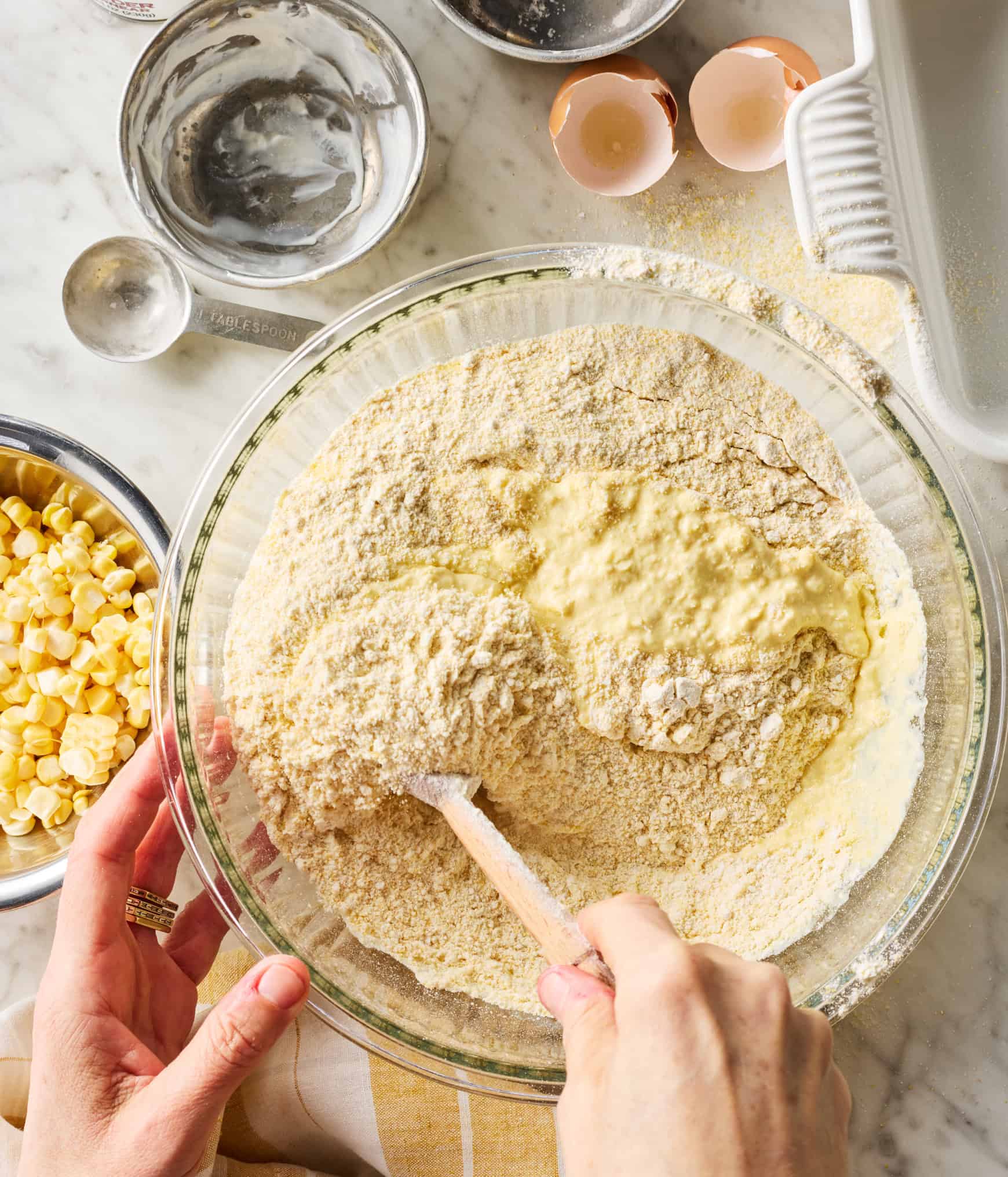
- The Dry Mix: Whisking together flour, cornmeal, sugar, baking powder, and salt in a medium bowl.
- The Corn Prep: Pureeing a portion of the corn to create a velvety base, preserving the rest for textural crunch.
- The Wet Emulsion: Whisking eggs and melted butter, then incorporating the corn puree and sour cream.
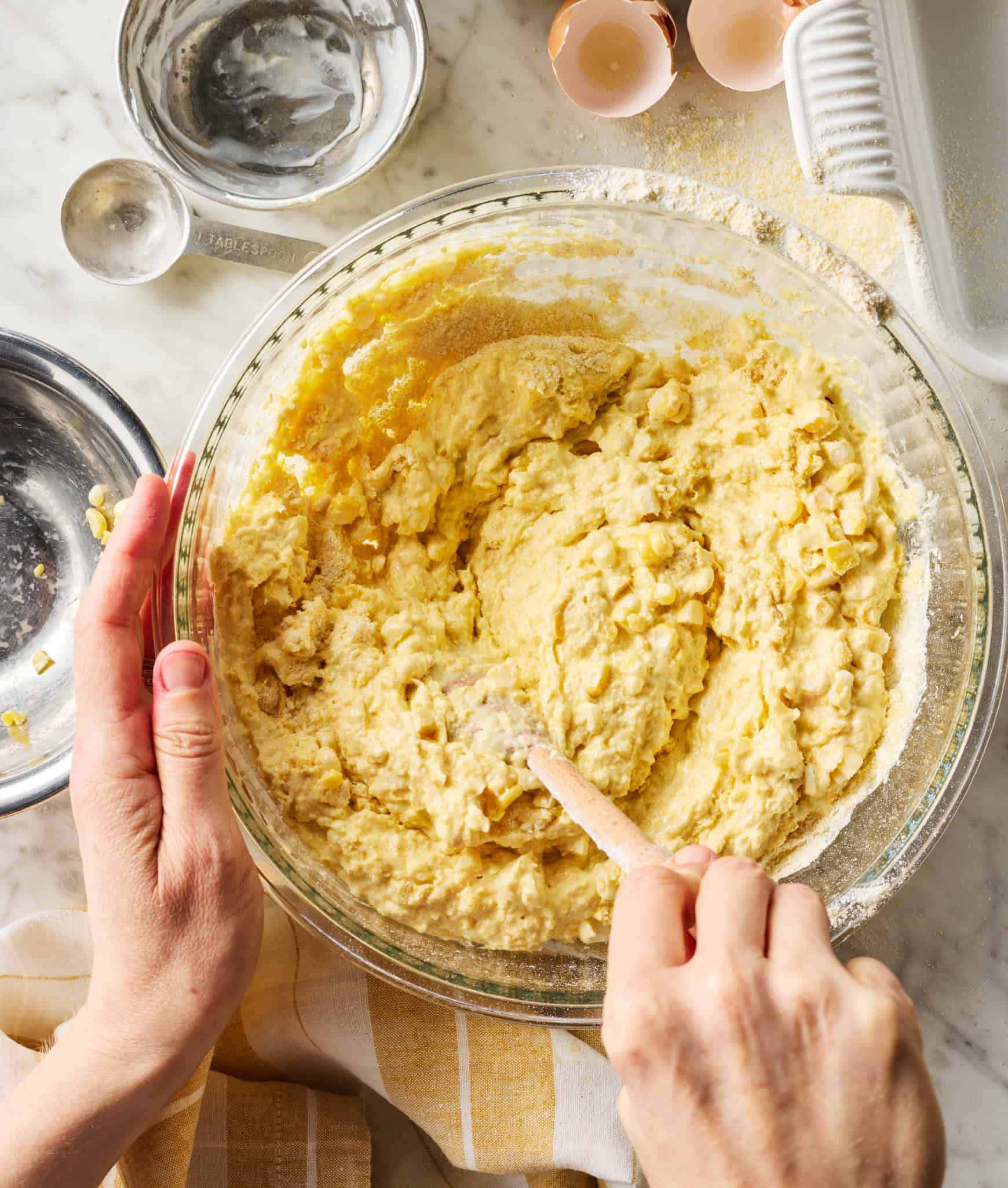
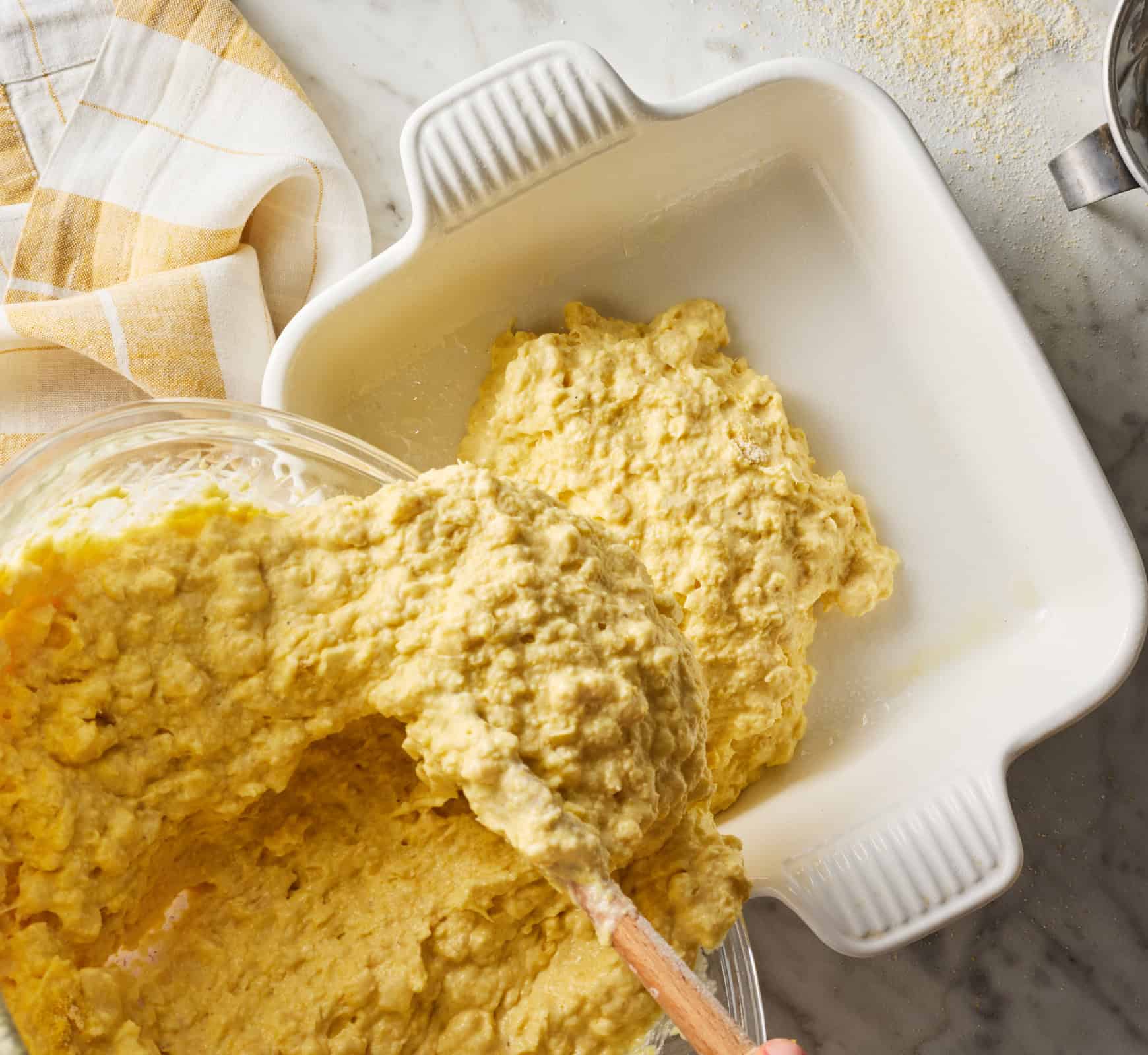
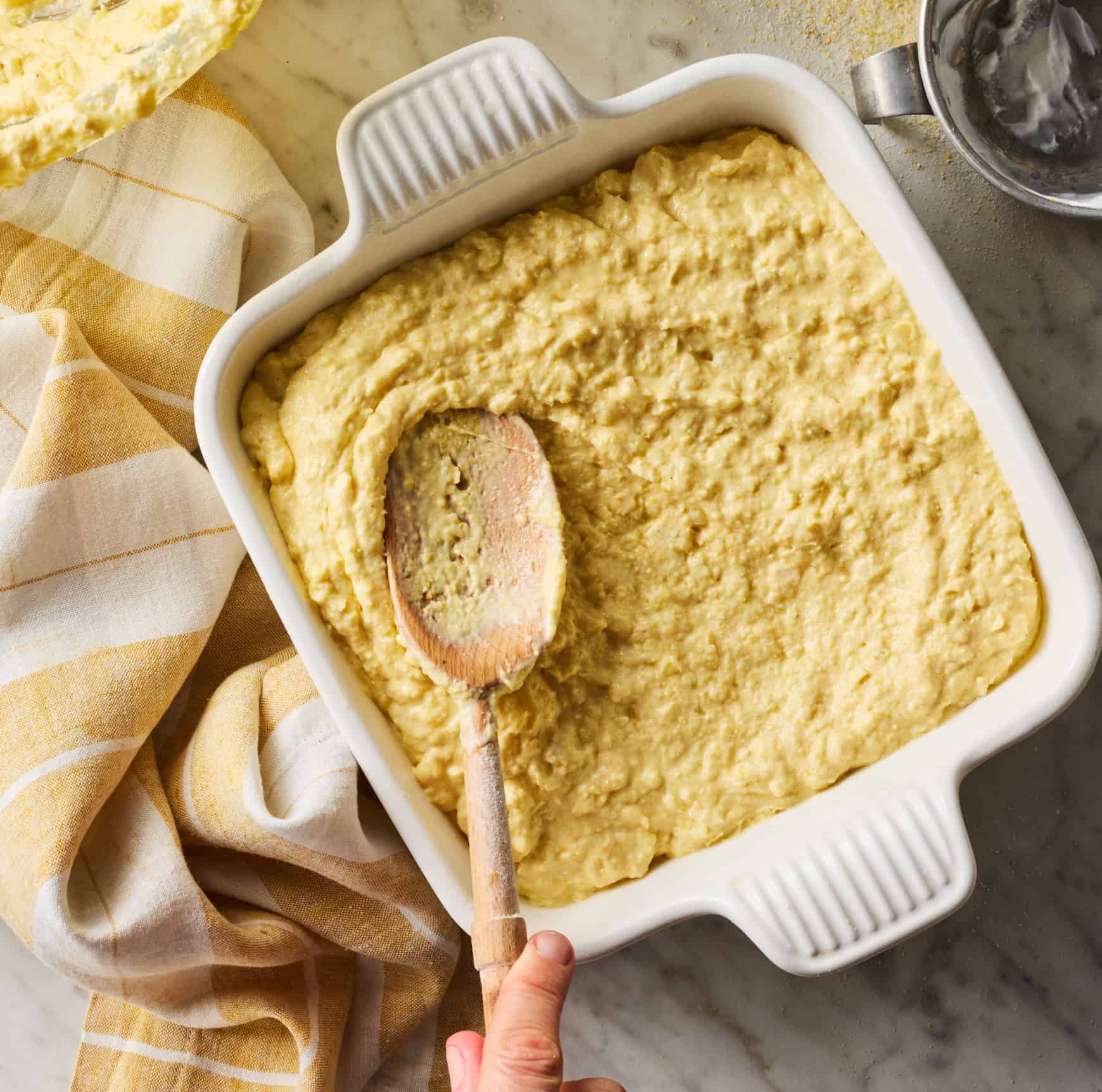
- The Union: Gently folding the dry ingredients into the wet mixture, ensuring the batter remains light and un-overworked, much like pancake batter.
- The Bake: Transferring the batter to a greased 9×9-inch casserole dish and baking at 350°F for 45 to 50 minutes until the edges turn a deep golden brown and the center remains delightfully soft.
- The Rest: Allowing the casserole to set for 10 minutes before slicing and serving.
Supporting Data and Nutritional Breakdown
For home cooks monitoring nutritional intake during holiday feasts, understanding the breakdown of rich, comforting side dishes is essential. Based on a standard 9-serving yield from a 9×9-inch baking dish, the nutritional profile reflects the decadent nature of butter, sour cream, and whole grains:
- Serving Size: 1 slice
- Calories: 292 (Calories from Fat: 153)
- Total Fat: 17g (26% Daily Value)
- Saturated Fat: 9g (56% Daily Value)
- Trans Fat: 0.4g
- Polyunsaturated Fat: 1g
- Monounsaturated Fat: 4g
- Cholesterol: 75mg (25% Daily Value)
- Sodium: 368mg (16% Daily Value)
- Potassium: 287mg (8% Daily Value)
- Total Carbohydrates: 33g (11% Daily Value)
- Dietary Fiber: 3g (13% Daily Value)
- Sugars: 10g (11% Daily Value)
- Protein: 6g (12% Daily Value)
- Vitamins & Minerals:
- Vitamin A: 631 IU (13% DV)
- Vitamin C: 5mg (6% DV)
- Calcium: 110mg (11% DV)
- Iron: 1mg (6% DV)
(Note: Percent Daily Values are based on a standard 2,000-calorie diet.)
Culinary Flexibility: Expert Tips and Substitutions
While making corn casserole from scratch using fresh summer or early fall corn is the gold standard, culinary flexibility ensures that home cooks can adapt the recipe to what is available in their pantries or freezers.
Alternative Corn Options
- Frozen Corn: If fresh corn is out of season, frozen corn kernels work exceptionally well. Simply thaw and drain them thoroughly before pureeing and folding into the batter.
- Canned Corn: For those relying strictly on pantry staples, canned whole-kernel corn can be substituted. Be sure to drain the cans completely to prevent the batter from becoming overly watery.
- The Shortcut Method: For nostalgic cooks who prefer the classic boxed method, the homemade flour-and-cornmeal dry base can be swapped out for a standard 8.5-ounce box of corn muffin mix, adjusting the remaining wet ingredients accordingly.
Make-Ahead and Storage Guidelines
One of the primary reasons corn casserole remains a staple for Thanksgiving and major holiday gatherings is its exceptional make-ahead capability.
- Make-Ahead Instructions: Cooks can fully bake the casserole up to two days in advance. Once cooled completely to room temperature, cover the dish tightly and store it in the refrigerator. To serve, reheat the casserole in a 300°F oven for 10 to 20 minutes until warmed through.
- Refrigerator Storage: Leftovers can be stored in an airtight container in the refrigerator for up to four days.
- Freezing: This dish freezes remarkably well. Wrap the baked casserole tightly in heavy-duty aluminum foil or place it in an airtight freezer-safe container, where it will keep for up to three months. Thaw overnight in the refrigerator before reheating in the oven or microwave.
Implications: The Enduring Appeal of Comfort Classics in Modern Cooking
The resurgence of from-scratch corn casserole speaks to a broader cultural movement in contemporary home cooking. As consumers become increasingly conscious of processed foods, traditional comfort dishes are undergoing a renaissance. Home cooks are no longer content to simply rip open boxes and dump cans; instead, they are seeking out techniques that honor traditional flavors while utilizing fresh, wholesome ingredients.
Furthermore, dishes that offer practical advantages—such as make-ahead convenience, freezer-friendliness, and crowd-pleasing versatility—are invaluable in modern households facing busy schedules. Whether served alongside a Sunday roast, a weeknight chili, or a lavish Thanksgiving turkey spread, the elevated corn casserole proves that comfort food can be both deeply nostalgic and refreshingly modern.