In the modern landscape of youth sports, where travel tournaments, back-to-back practices, and intense competitive schedules are the norm, the demand for sustained energy has never been higher. For the growing athlete, the kitchen has become just as important as the training field. While the market is saturated with expensive, pre-packaged sports bars and synthetic supplements, nutritional experts emphasize that the most effective fuel for young bodies often comes from simple, whole-food sources.
Understanding the complex nutritional needs of a child or teenager in motion requires looking beyond the singular focus on protein. To perform at their peak and recover effectively, young athletes require a strategic balance of carbohydrates, healthy fats, vitamins, minerals, and, above all, adequate hydration.
The Fundamentals of Athletic Fueling: Beyond Protein
A balanced sports snack is not merely a means to an end; it is a vital component of physiological development. According to sports nutrition guidelines, young athletes are not just fueling for the game—they are fueling for growth.
The Macro-Nutrient Trifecta
- Protein: Essential for the repair and growth of muscle tissue damaged during physical exertion. Sources such as Greek yogurt, eggs, legumes, and lean poultry provide the amino acids necessary for recovery.
- Carbohydrates: Often misunderstood, carbohydrates are the primary fuel source for high-intensity activity. Fruits, oats, and whole grains replenish glycogen stores that are rapidly depleted during running, jumping, or swimming.
- Healthy Fats: Vital for long-term energy and brain health. Avocado, nuts, seeds, and nut butters add caloric density, which is crucial for high-activity children who may struggle to meet their energy needs through meals alone.
The Role of Hydration
Hydration is the silent partner to nutrition. Experts recommend that water be readily available before, during, and after activity. Dehydration—even in mild forms—can drastically impair cognitive function and physical endurance, turning an easy practice into a grueling ordeal.
Chronology of Nutrition: When to Eat
Timing is the bridge between a good workout and a great one. The metabolic window for fueling depends largely on the proximity to the athletic event.
Pre-Activity: The Foundation
If the snack is consumed one to two hours before practice, the focus should be on complex carbohydrates with a moderate amount of protein. This ensures a steady release of glucose into the bloodstream. Examples include a banana with almond butter or a small serving of oatmeal with Greek yogurt.
Post-Activity: The Recovery Window
Within 30 to 60 minutes after a game or practice, the body is primed to replenish its stores. This is the optimal time for the "Protein-Carb" pairing. The carbohydrates trigger an insulin response that helps shuttle amino acids from the protein into the muscles, facilitating faster recovery and reducing soreness.
High-Protein, Kid-Friendly Recipes: A Curated Selection
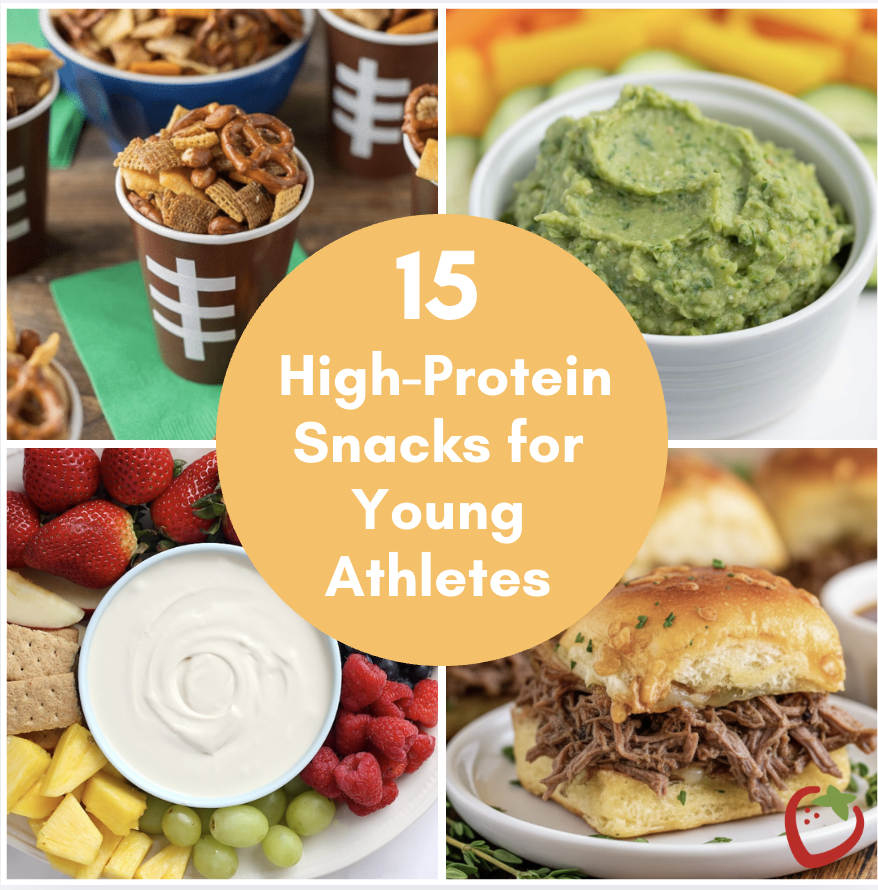
The following recipes, gathered from resources like Super Healthy Kids, prioritize whole ingredients while maintaining a flavor profile that appeals to younger palates.
1. Mixed Berry Protein Smoothies
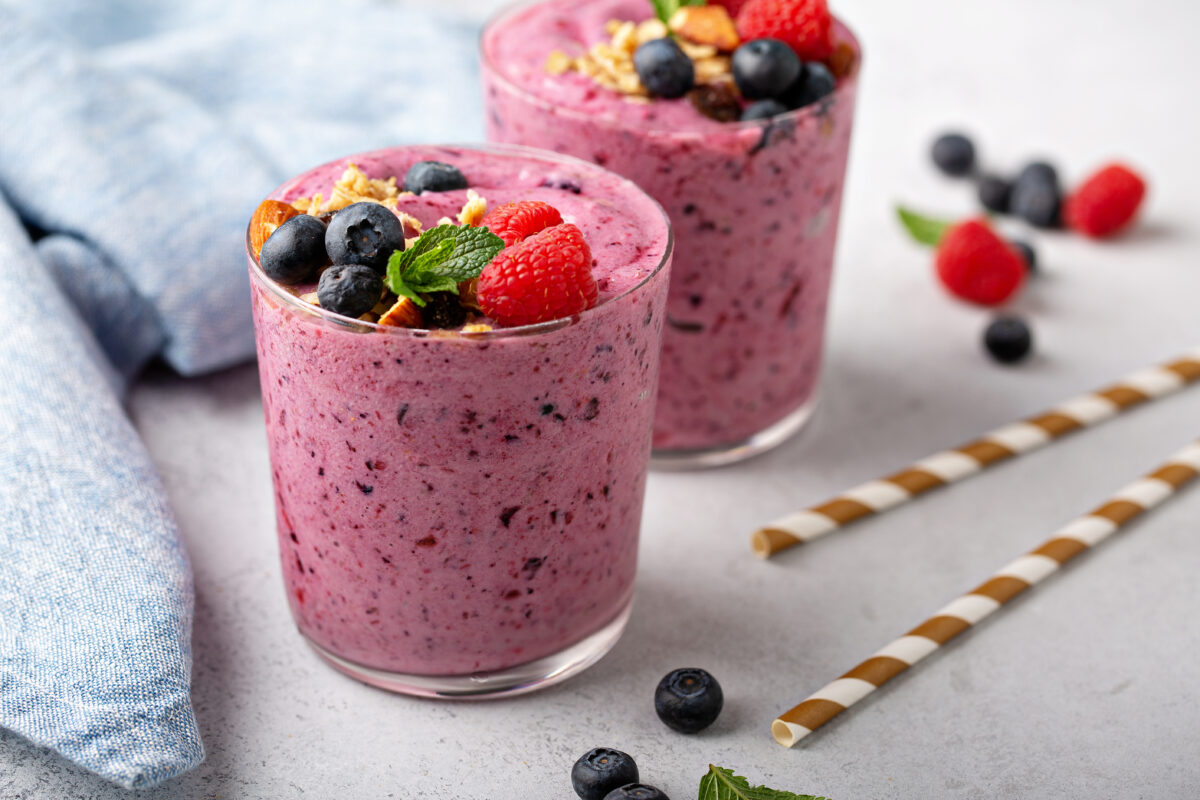
This is the ultimate "low-effort, high-reward" snack. By blending frozen berries, banana, Greek yogurt, and milk, you create a nutrient-dense drink that is easy to consume even when a child feels too fatigued to eat solid food.
- Pro Tip: Incorporate chia seeds or hemp hearts for an omega-3 boost.
2. High-Protein Cottage Cheese Bowls
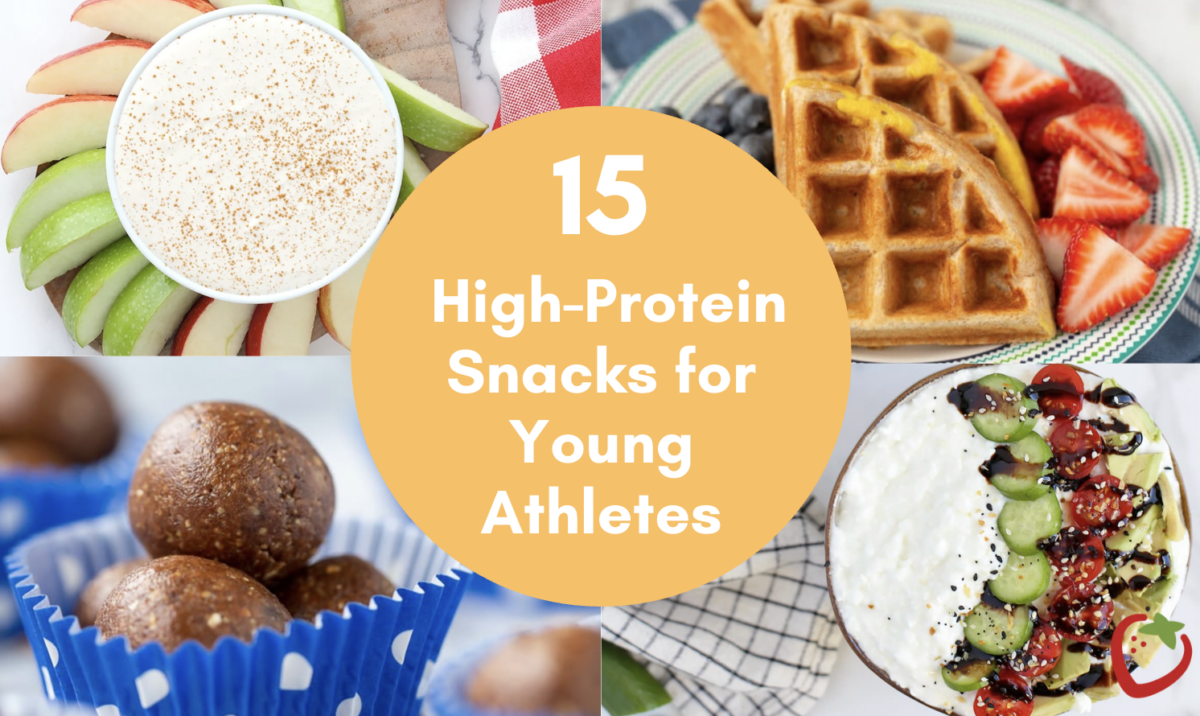
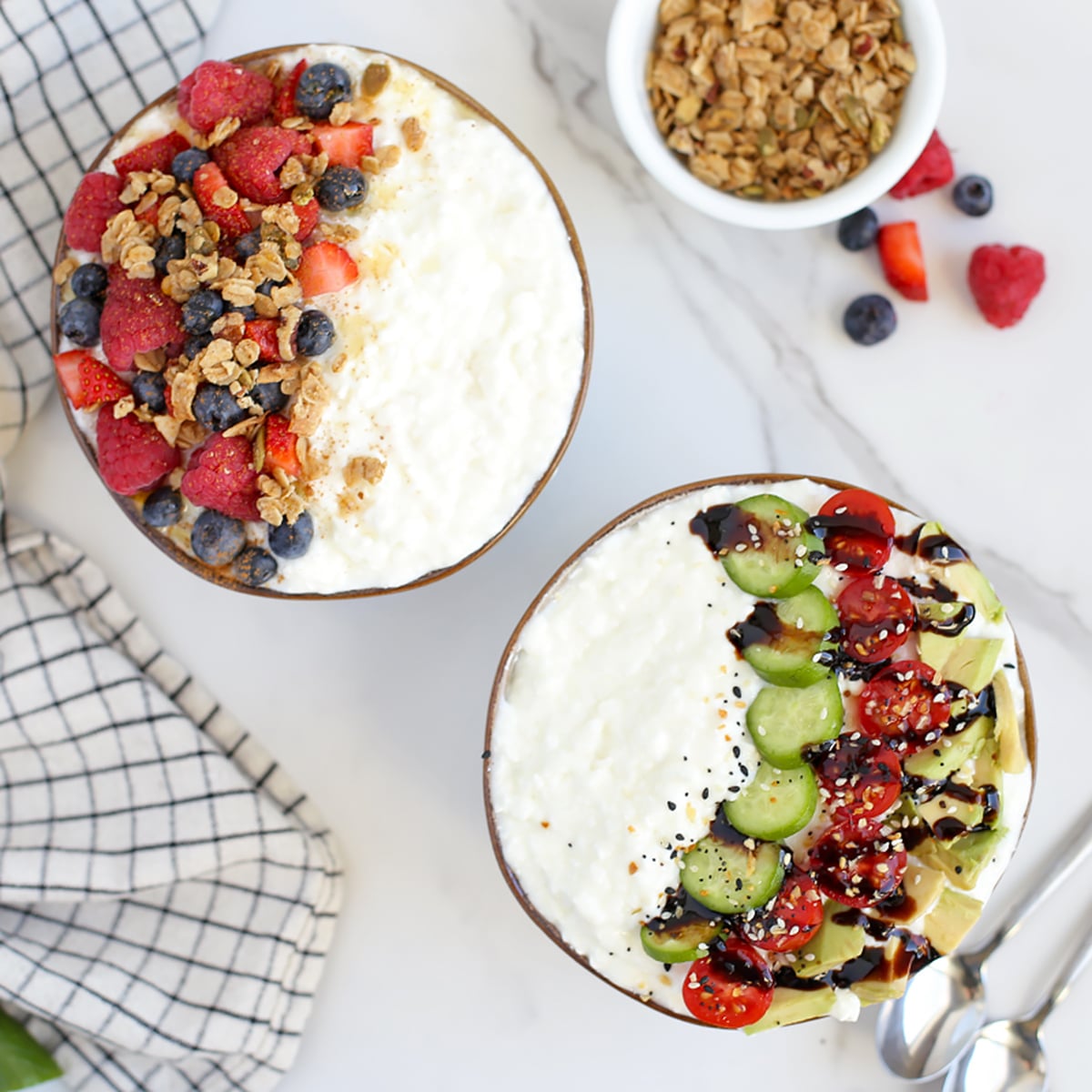
Often overlooked, cottage cheese is a nutritional powerhouse, offering nearly 17 grams of protein per serving. Its versatility allows for a "build-your-own" snack station.

- Sweet: Top with berries, granola, and a drizzle of honey.
- Savory: Top with cucumbers, tomatoes, and a dash of balsamic glaze.
3. Kid-Friendly Blueberry Protein Popsicles
Ideal for summer tournaments or after-school practices in warmer months, these popsicles utilize Greek yogurt as a protein base, masking the nutritional content with the natural sweetness of blueberries and a touch of maple syrup.
4. Peanut Butter Fudge Energy Balls
For the child who equates "healthy" with "tasteless," these fudge-like bites are a revelation. Using dates for natural sweetness and peanut butter for protein, these provide a portable energy dense snack that fits perfectly in a gym bag.
5. Homemade "RX-Style" Bars
By processing nuts, dates, and egg-white powder, parents can create a cleaner, cost-effective version of popular store-bought protein bars. This avoids the excessive sugars and preservatives often found in commercial processed snacks.
Supporting Data and Nutritional Implications
Clinical studies on pediatric sports nutrition suggest that the long-term implications of proper fueling extend far beyond the playing field. Consistent nutritional habits during the adolescent years are directly correlated with bone density, metabolic health, and immune system robustness.
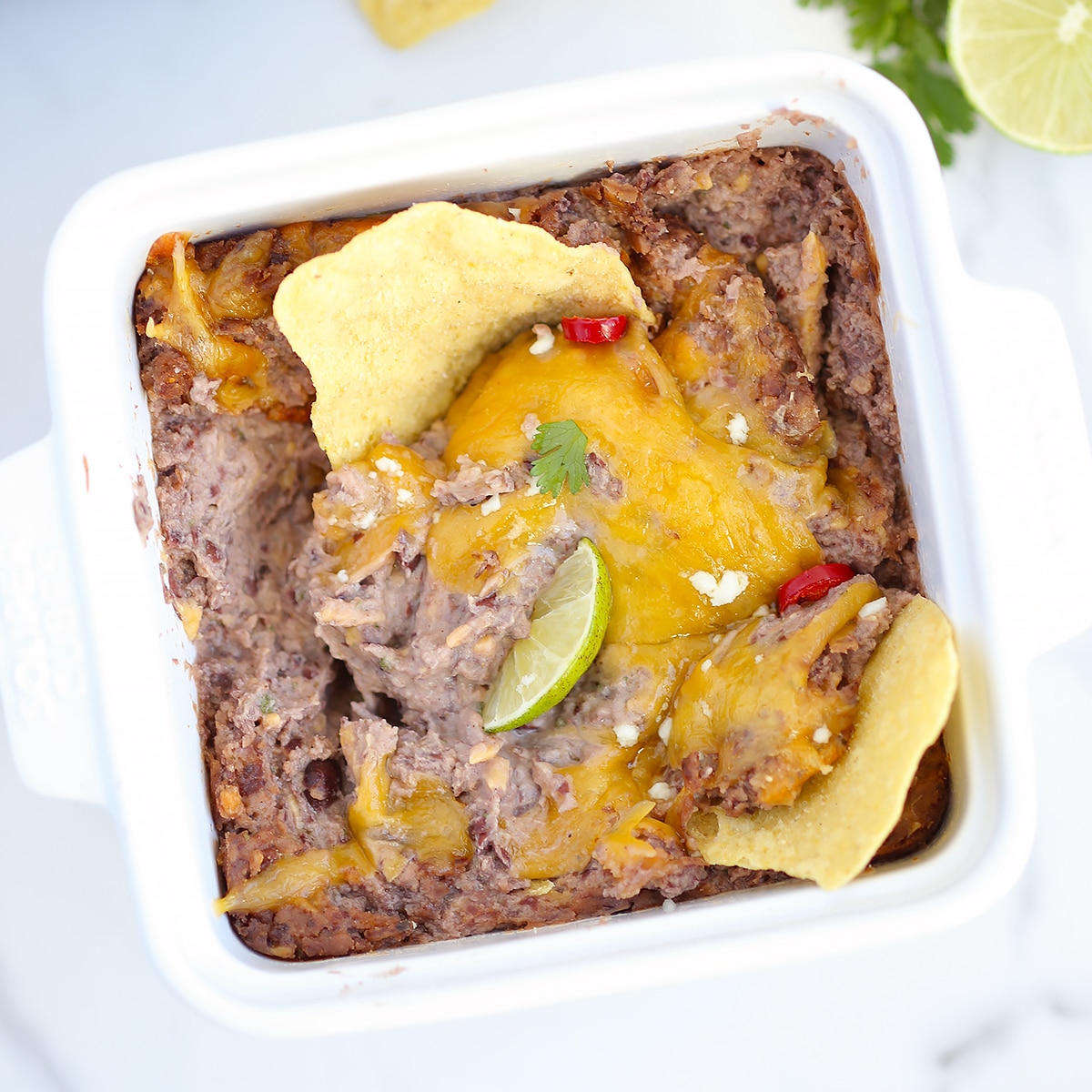
Conversely, reliance on highly processed, low-nutrient "energy" products can lead to blood sugar spikes and crashes, which negatively impact a young athlete’s concentration and stamina. The shift toward whole-food snacks—such as roasted chickpeas, black bean dips, and quinoa-based smoothies—provides a more stable energy curve, preventing the mid-game fatigue that often plagues youth competitors.
Expert Consensus: Is Protein Powder Necessary?
A common inquiry from parents is whether young athletes require protein supplements or powders to keep up with competitive peers. The professional consensus is a firm "no."

For the vast majority of youth athletes, nutritional needs are best met through a varied, whole-food diet. Excessive reliance on protein powders can inadvertently displace other vital nutrients found in whole foods. Pediatricians and sports dietitians generally advise that if a child is meeting their overall caloric needs through a balanced diet, the addition of supplements is unnecessary and, in some cases, potentially harmful if the product is not properly vetted for quality and contaminants.
Implications for Busy Families: Making It Work
The barrier to healthy eating is often not a lack of knowledge, but a lack of time. To successfully integrate these snacks into a busy lifestyle, strategy is key:
- Batch Preparation: Spend Sunday afternoons preparing energy bites or pre-portioning cottage cheese containers.
- The "Grab-and-Go" Station: Keep a designated area in the refrigerator stocked with pre-cut veggies, hummus, and yogurts.
- Empowerment: When children participate in the preparation process—such as helping roll the energy bites or blending the smoothies—they are significantly more likely to consume the snacks.
Conclusion: Fueling for the Long Game
The objective of youth sports nutrition is to support the dual goals of athletic performance and healthy growth. By focusing on simple, nutrient-dense pairings—protein for repair and carbohydrates for energy—parents can provide their children with the necessary tools to excel.
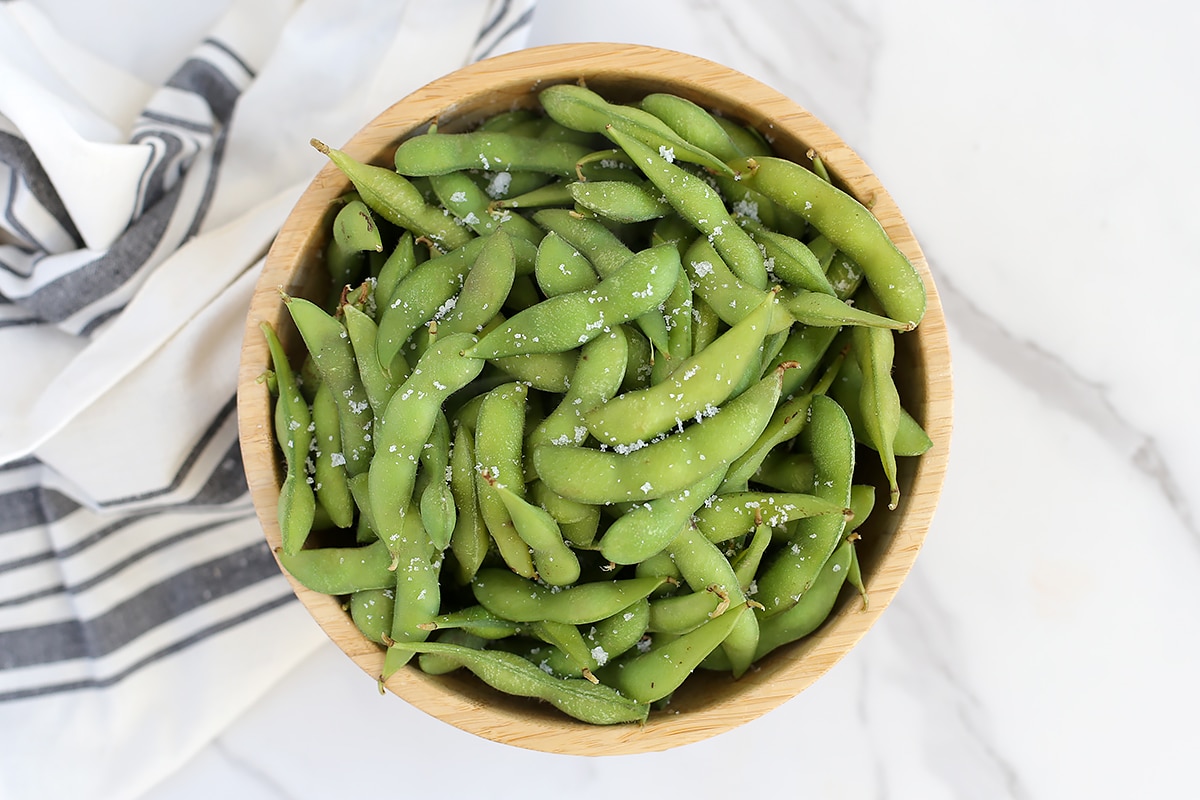
Whether it is a bowl of edamame on the way to soccer practice or a protein-rich smoothie after a swim meet, the focus should remain on consistency and quality. By treating food as fuel and prioritizing whole ingredients, you are not just feeding a young athlete; you are fostering habits that will serve them well into adulthood. Through thoughtful planning and a commitment to wholesome nutrition, every practice becomes an opportunity to build a stronger, more resilient athlete.