In the vast landscape of American comfort food, few dishes evoke the warmth of a late-summer kitchen quite like a homemade peach cobbler. It is a dessert defined by its simplicity and its celebration of seasonal bounty: succulent, sun-ripened peaches bubbling beneath a golden, buttery crust. Unlike the precise, often labor-intensive requirements of a lattice-top fruit pie, the cobbler offers a rustic elegance that appeals to both novice bakers and seasoned culinary professionals. As we navigate the evolution of home baking, the peach cobbler remains a gold standard for "homestyle" dessert—a dish that prioritizes flavor and texture over complicated aesthetics.
Main Facts: The Anatomy of a Perfect Cobbler
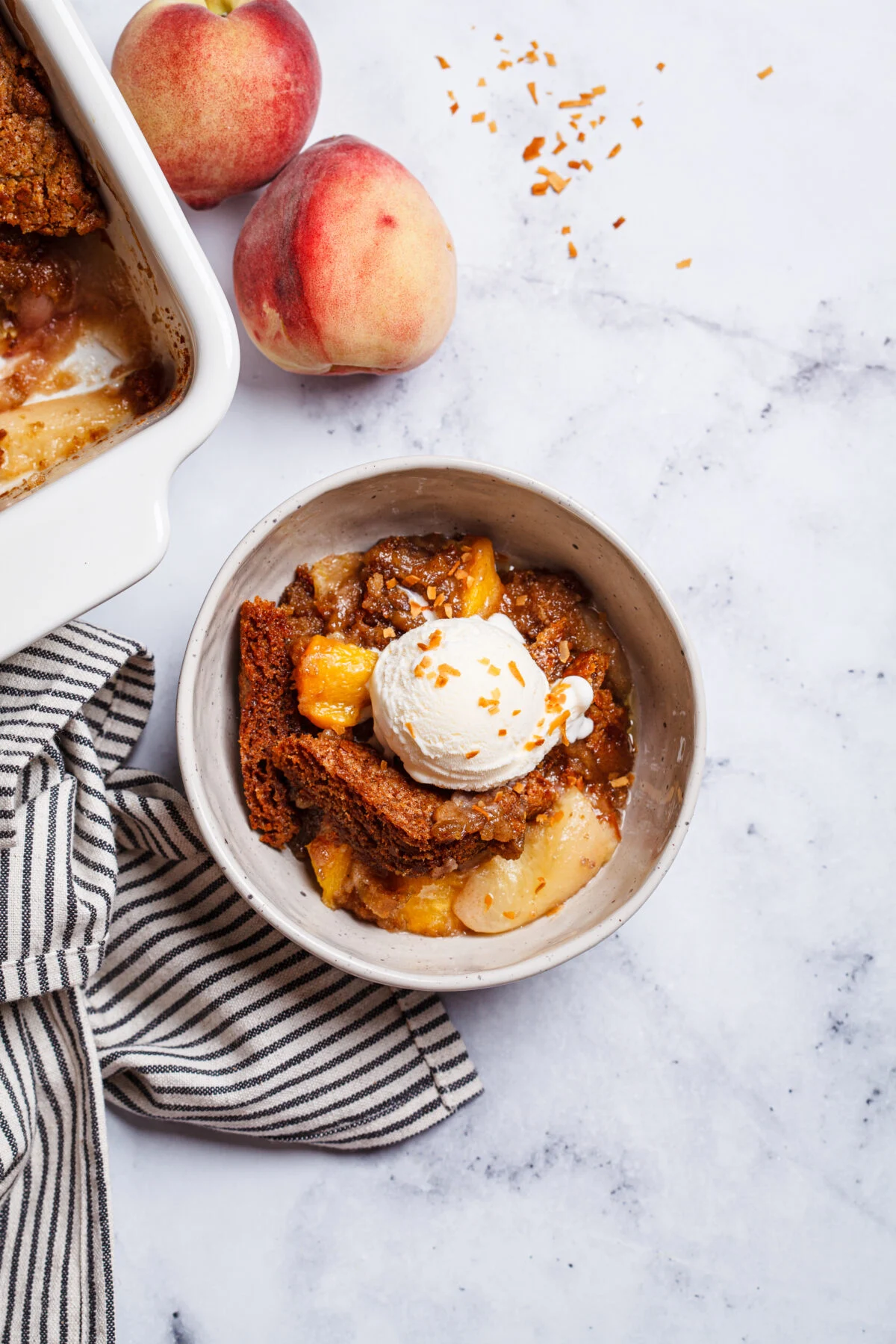
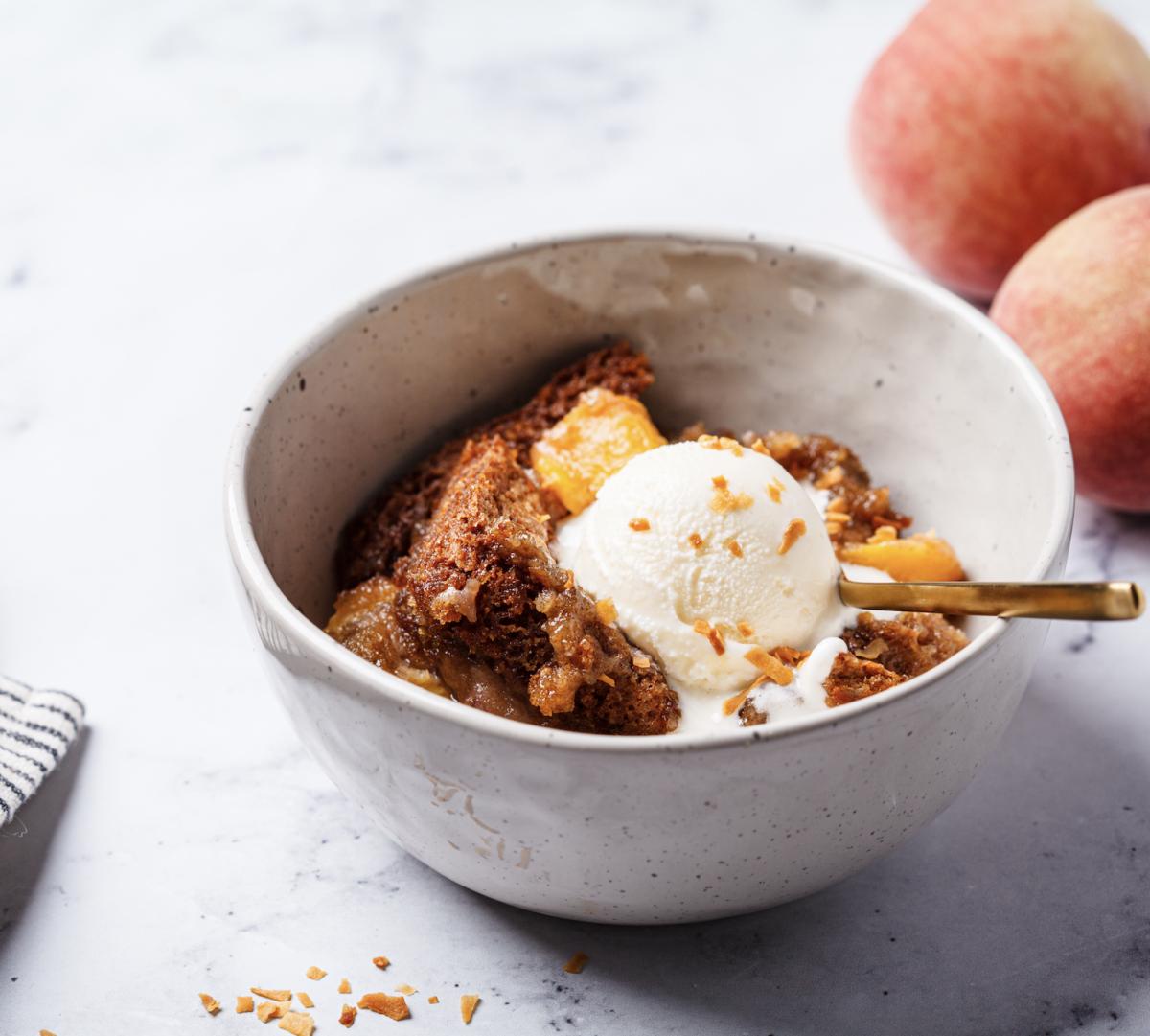
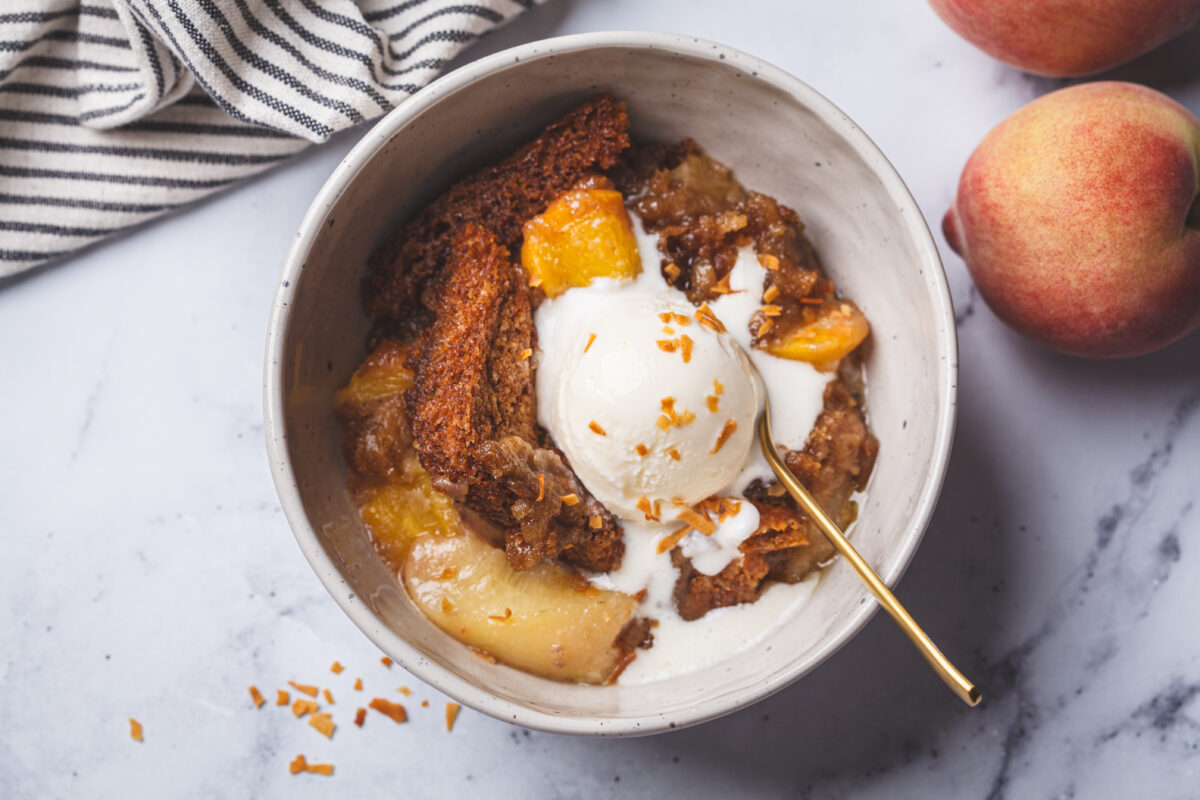
At its core, a classic peach cobbler is an exercise in textural contrast. The bottom layer consists of fresh, sliced peaches tossed with sugar and a thickening agent, such as cornstarch, to ensure the fruit’s natural juices transform into a syrupy, concentrated nectar during the baking process. The "cobbler" topping—often a biscuit-style dough or a thicker batter—is then applied, either in dollops or as a continuous layer.
The defining characteristic of the dish is the interaction between the fruit and the crust. As the cobbler bakes, the steam from the peaches rises, interacting with the underside of the dough. This creates a unique texture: a crisp, buttery surface on top and a soft, dumpling-like base that has absorbed the essence of the fruit. This dish is not merely a recipe; it is a seasonal ritual that marks the transition from mid-summer harvests to the early days of autumn.
Chronology: From Frontier Kitchens to Modern Tables
The history of the peach cobbler is deeply rooted in the American colonial experience. Faced with a lack of proper equipment and ingredients for traditional English suet puddings or pies, early settlers adapted their recipes to utilize the fruits available in the New World.
- 18th and 19th Century Origins: The "cobbler" was born out of necessity. Using a cast-iron Dutch oven over an open fire, cooks would drop spoonfuls of leftover biscuit dough over stewed fruits. The name itself is believed to be derived from the word "cobble," referring to the rough, uneven appearance of the dough dollops, which resembled a cobbled street.
- The 20th Century Standard: As household ovens became more standardized, the cobbler moved from the hearth to the modern kitchen. It gained popularity as a family-friendly staple, particularly in the Southern United States, where peach orchards provided an abundance of produce.
- The Modern Era: Today, the cobbler has seen a resurgence. With the rise of the "farm-to-table" movement, home cooks are increasingly focused on sourcing high-quality, local peaches, leading to a refined version of the classic that emphasizes the quality of the raw ingredients above all else.
Supporting Data: Achieving Culinary Excellence
Mastering the cobbler is a pursuit of precision within a relaxed format. Culinary experts point to several key data-driven variables that determine the success of the dessert:
The Science of Ripe Fruit
The sweetness of a cobbler is non-negotiable. Data on fruit ripening suggests that peaches should be harvested when they have reached peak sugar content, as the baking process can concentrate these flavors but cannot improve a low-quality, mealy peach. If a peach is too firm, the texture will be woody; if it is overripe, it may turn into an unappealing mush before the topping has finished baking.
The Role of Temperature
The chemistry of the topping relies on cold butter. When cold butter is cut into the flour, it creates pockets of fat that melt slowly in the oven. As the water in the butter evaporates, it creates steam, lifting the dough and producing a tender, flaky crumb. If the butter is allowed to warm before the dish hits the oven, the result is a dense, oily crust—a common error that detracts from the dessert’s signature lightness.
The Thickening Threshold
Cornstarch is the industry-standard thickener for stone fruit. Because peaches possess a high water content, they can easily create a "soggy bottom" or an overly thin syrup. Using the correct ratio of starch—typically one to two tablespoons per six cups of fruit—is vital to ensuring the syrup reaches a viscous, jam-like consistency that clings to the peaches rather than pooling at the bottom of the dish.
Expert Perspectives: Advice from Culinary Professionals
Professional pastry chefs often weigh in on the "cobbler vs. crisp" debate. While a crisp utilizes a streusel topping of oats and butter, the true cobbler demands a dough-based topping.
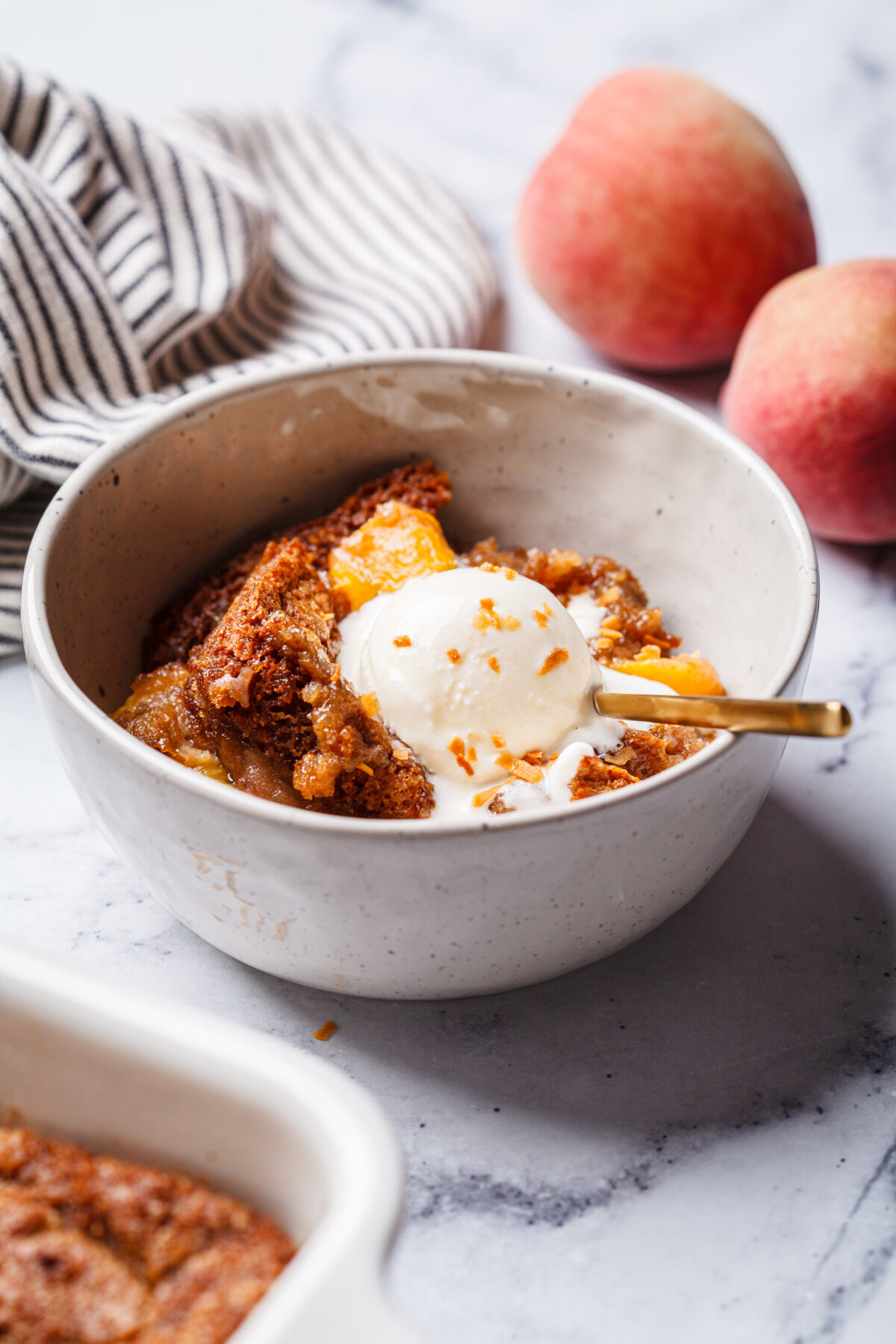
"The beauty of a peach cobbler is its honesty," says one culinary consultant. "You aren’t hiding anything. When you serve a cobbler, the diner expects to see the fruit and the biscuit. If the filling is too thin, it’s a failure of the starch. If the biscuit is dry, it’s a failure of the fat content. The ideal cobbler is a balance—the crust should be the perfect vessel for the warm, fruit-forward filling."
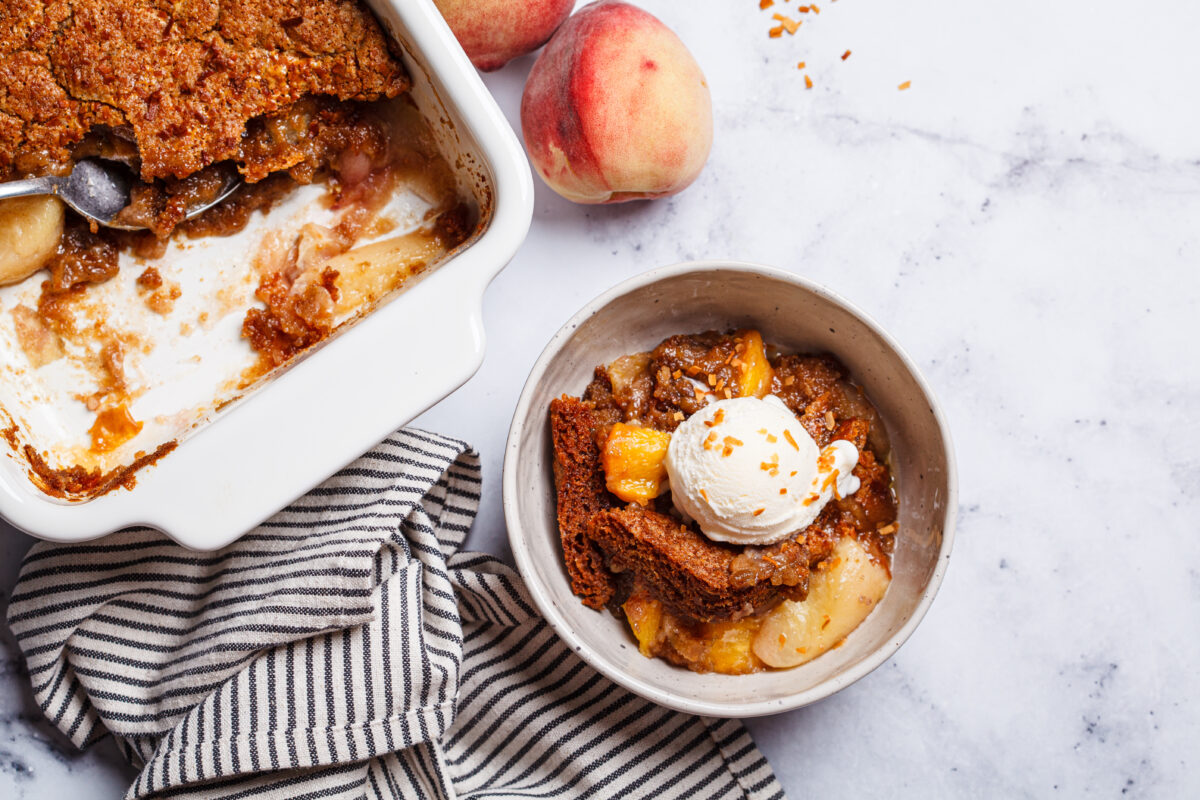
Experts also highlight the "resting period." A common mistake is serving the dish immediately upon removing it from the oven. Letting the cobbler rest for at least 15 to 20 minutes allows the internal structure of the fruit filling to set, resulting in a cleaner scoop and a more cohesive flavor profile.
Implications: The Future of the Seasonal Dessert
The persistence of the peach cobbler in the modern diet speaks to a broader cultural desire for "comfort-centric" nutrition. In an era of ultra-processed, complex desserts, the peach cobbler offers a return to basics.
Dietary Adaptations
The recipe’s inherent flexibility has allowed it to evolve with modern dietary trends. We now see an increase in the following adaptations:
- Dairy-Free Alternatives: Utilizing high-quality plant-based fats for the topping ensures that the dish remains inclusive for those with lactose sensitivities without sacrificing the essential "buttery" flavor.
- Whole-Grain Integration: Replacing a portion of all-purpose flour with white whole wheat flour adds a nuttier, more complex depth of flavor to the topping, which complements the brightness of the peaches.
- The "Batch" Factor: The ease of freezing and reheating cobbler makes it a practical solution for the modern, busy household. Unlike delicate soufflés or layered cakes, the cobbler is remarkably resilient, maintaining its structural integrity even after being thawed and reheated.
The Economic Impact of Peach Seasonality
For many small-scale farmers, the demand for "baking-grade" peaches during the peak season is a significant economic driver. The rise of home-baking content on digital platforms has increased the visibility of local orchards, as consumers look to source the specific varieties of peaches—such as Freestones—that are best suited for baking.
Conclusion: A Living Tradition
The homemade peach cobbler is more than just a recipe; it is a testament to the longevity of simple, ingredient-focused cooking. Whether one adheres to the traditional biscuit-dough topping or experiments with additions like ginger, almond extract, or a blend of seasonal berries, the underlying principle remains the same: treat the fruit with respect, maintain the integrity of the crust, and provide a dish that warms the home.
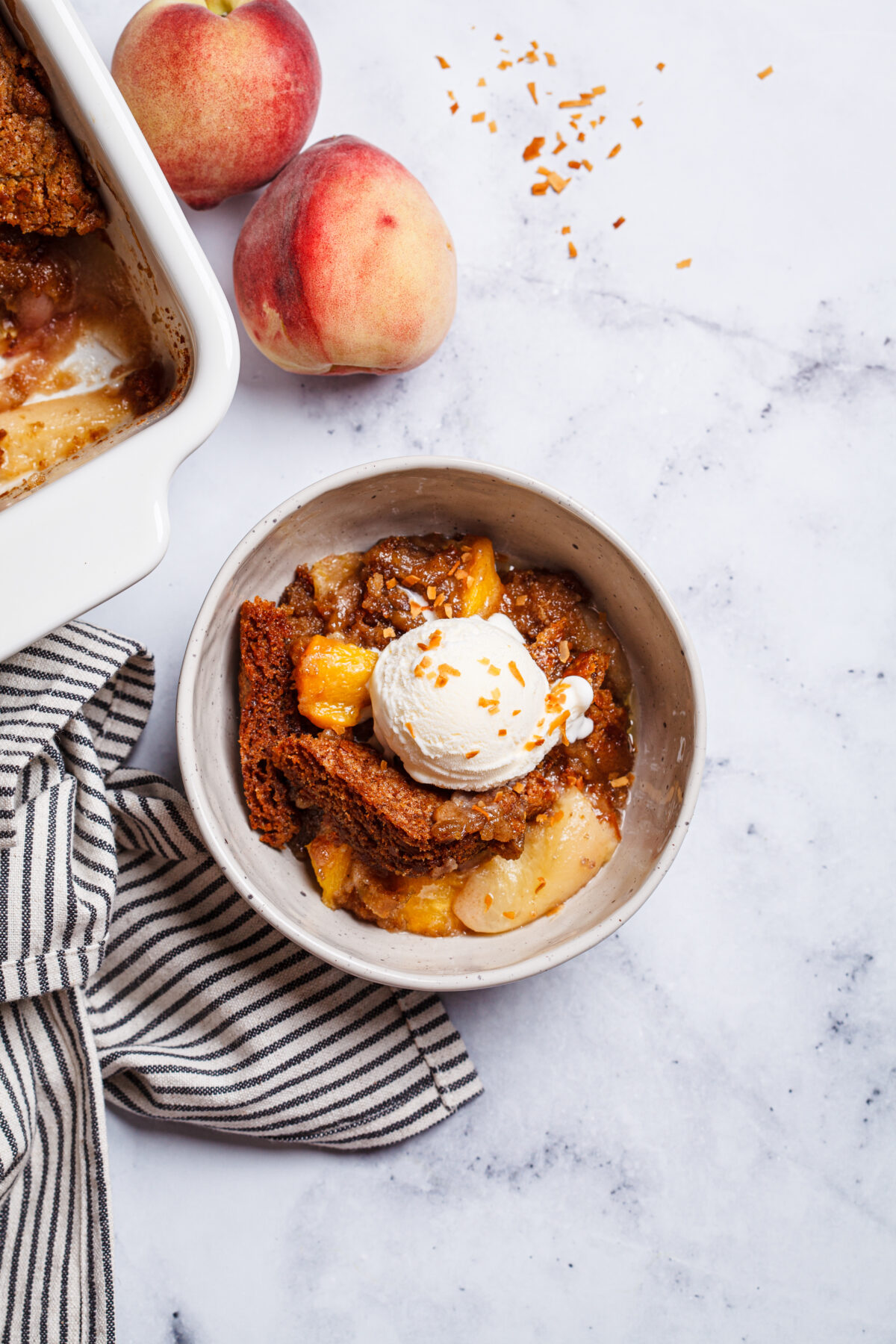
As we look toward the future of home cooking, the peach cobbler stands as a reminder that the best desserts are often those that require the least amount of technological intervention. By focusing on the quality of the peaches, the temperature of the butter, and the patience to let the dish set, any home baker can produce a dessert that rivals the offerings of professional pastry shops. In the end, the success of a cobbler is measured not by its technical perfection, but by the warmth it brings to the table—a quality that ensures this dessert will remain a staple for generations to come.