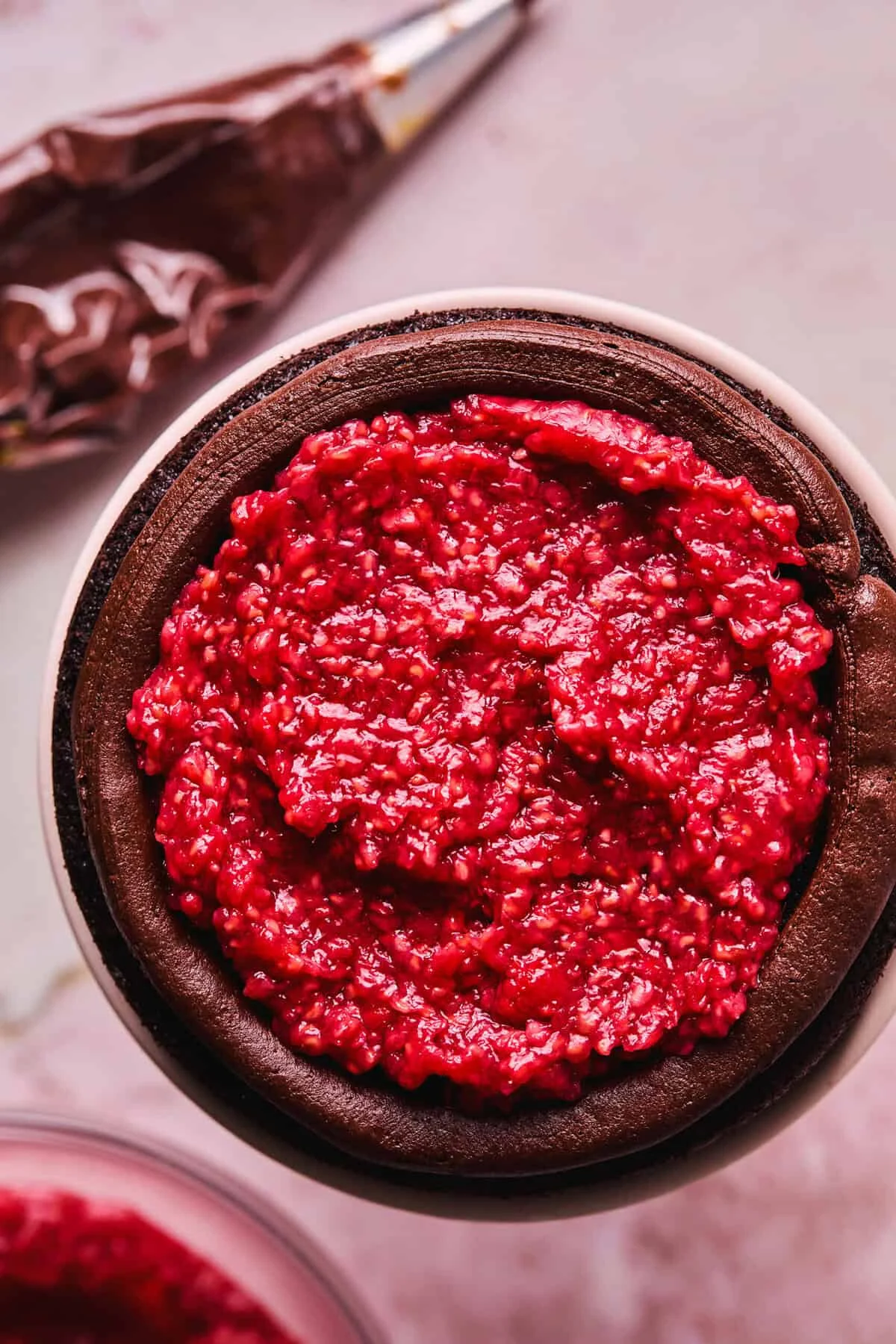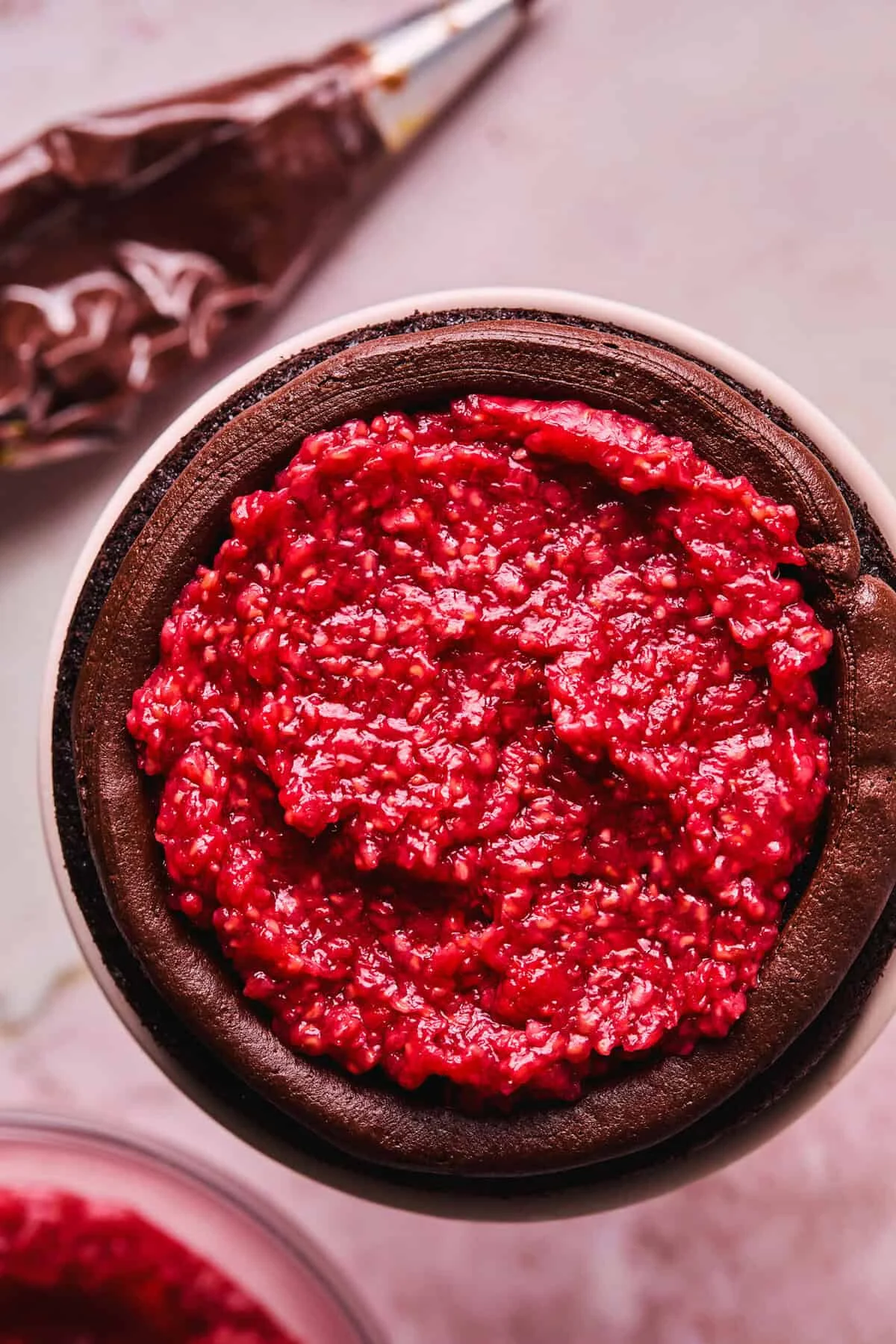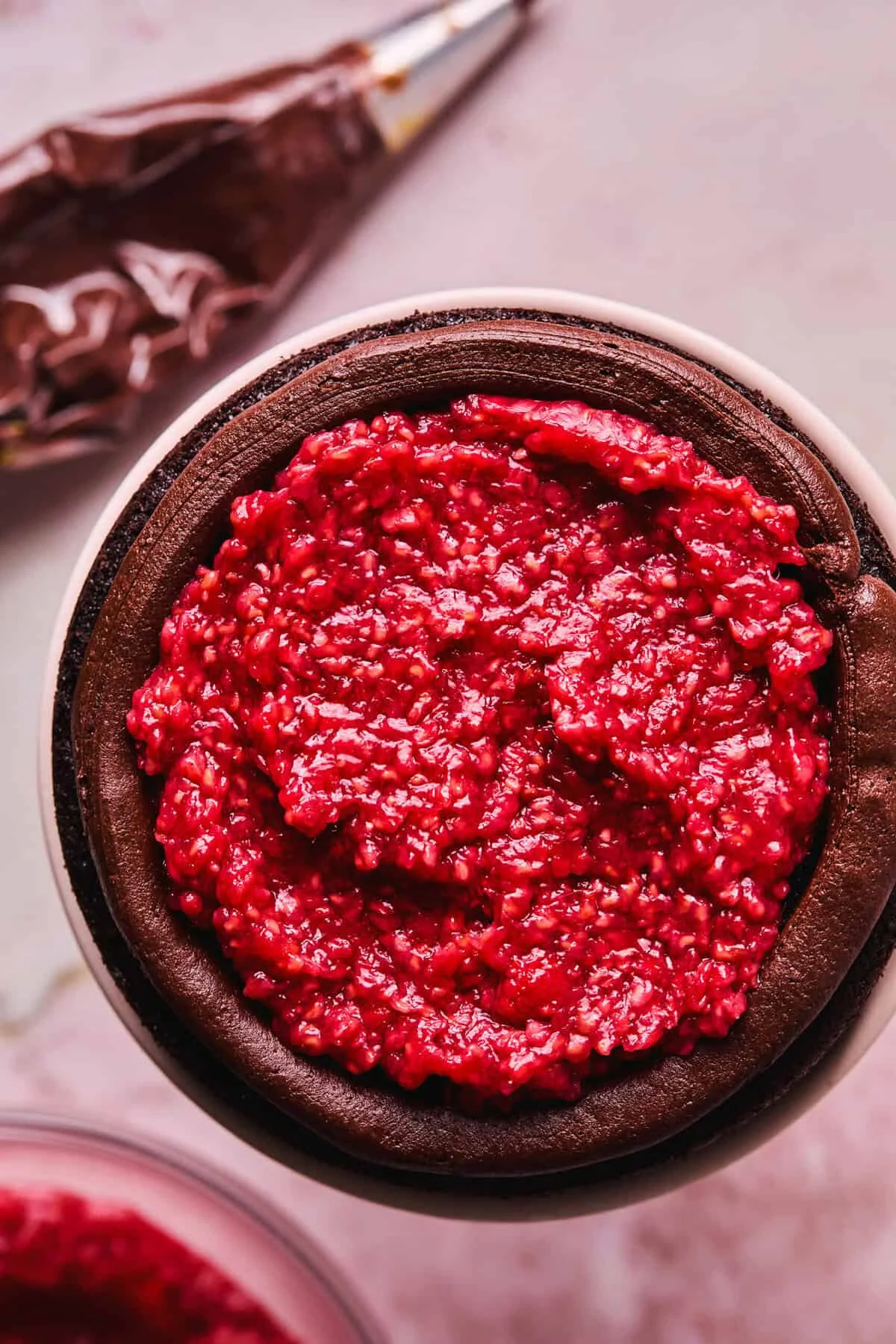
In the world of professional baking and high-end home pastry craft, the difference between a good dessert and a memorable one often lies in the hidden layers. While a perfectly crumbed vanilla sponge or a rich, decadent chocolate cake provides the structure, it is the filling that dictates the flavor profile and the eating experience. Enter the homemade Raspberry Cake Filling—a vibrant, ruby-red, sweet-tart component that has become a staple for those looking to elevate their confections beyond the mundane.
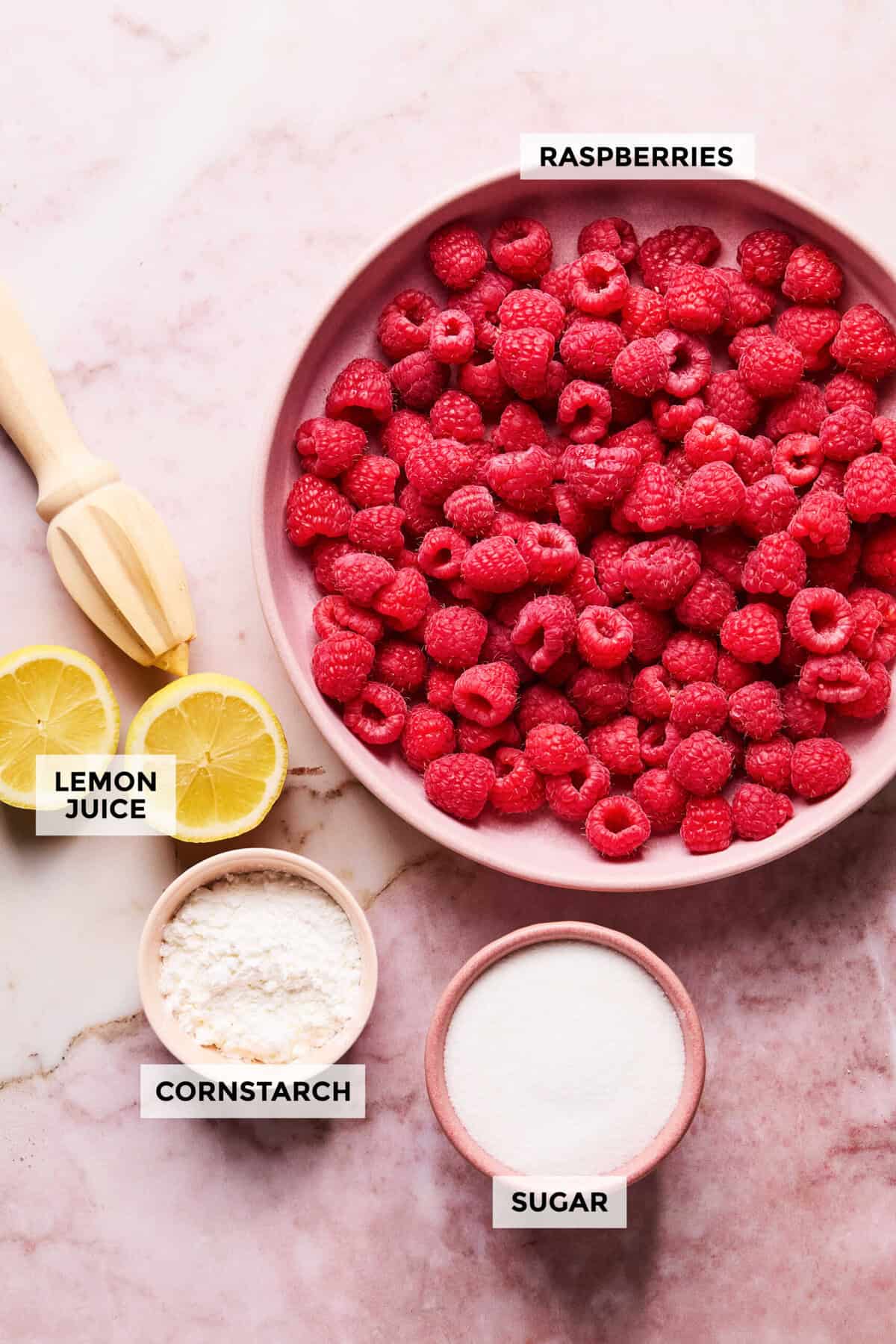
Moving away from store-bought, gelatinous jams, this recipe embraces the natural chemistry of fresh or frozen raspberries, refined sugar, and a touch of citrus. It is a masterclass in simplicity, proving that with only four primary ingredients, a baker can achieve a professional-grade result that provides both structural integrity and an explosion of genuine fruit flavor.
Main Facts: The Anatomy of a Superior Filling
At its core, this recipe functions as a fruit-based reduction, stabilized for the rigors of cake assembly. The primary challenge in cake fillings is "sliding"—the phenomenon where layers of cake slip against one another because the filling is too thin or lacks proper body.
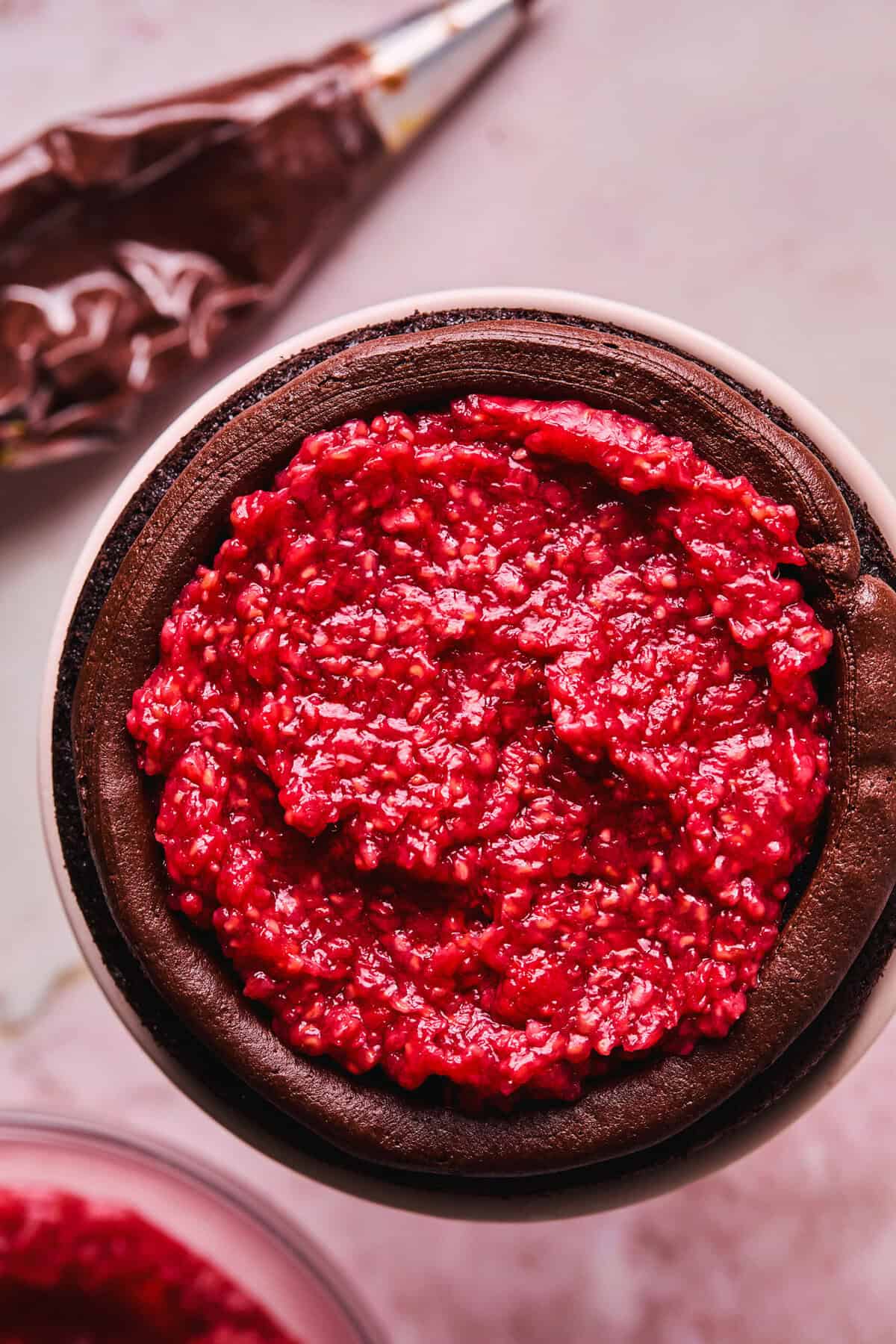
This specific formulation addresses this through the controlled use of cornstarch, which acts as a thickening agent, creating a stable, spreadable gel. The inclusion of lemon juice serves two distinct purposes: it provides a necessary acidic brightness to balance the natural sweetness of the berries, and it acts as a catalyst for the pectin naturally present in raspberries, aiding in the setting process.
The Nutritional and Flavor Profile
Unlike commercial fillings that are often laden with high-fructose corn syrup and artificial dyes, this homemade version relies on the intrinsic intensity of the fruit. Raspberries are naturally rich in antioxidants and dietary fiber. When simmered, their cell walls break down, releasing concentrated juice that, when thickened, creates a glossy, translucent finish that is visually striking against both light and dark cake sponges.
Chronology: The Evolution of the Recipe
The journey of this filling from a simple stovetop experiment to a "refrigerator staple" mirrors the shift in modern home baking trends toward "scratch-made" quality.
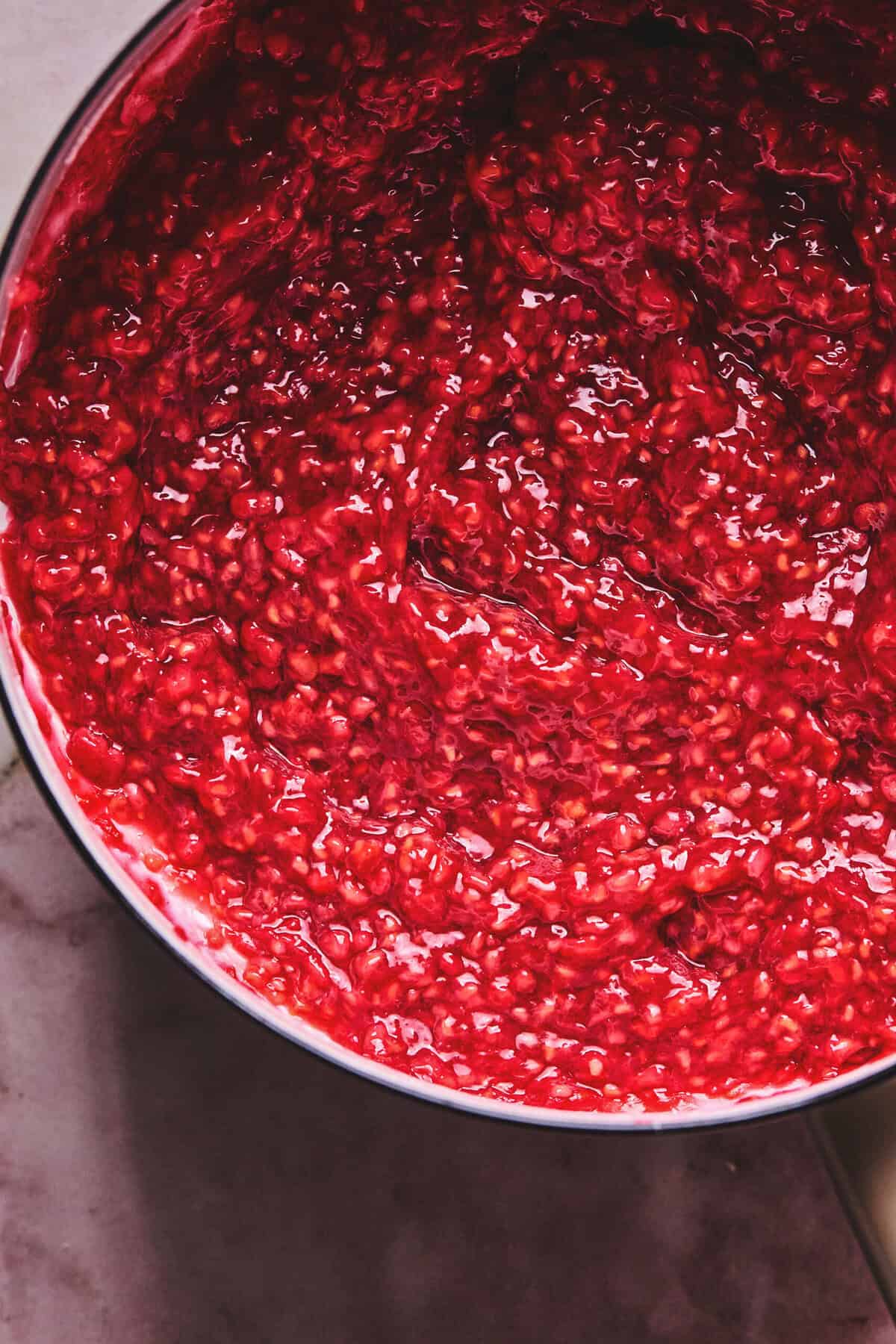
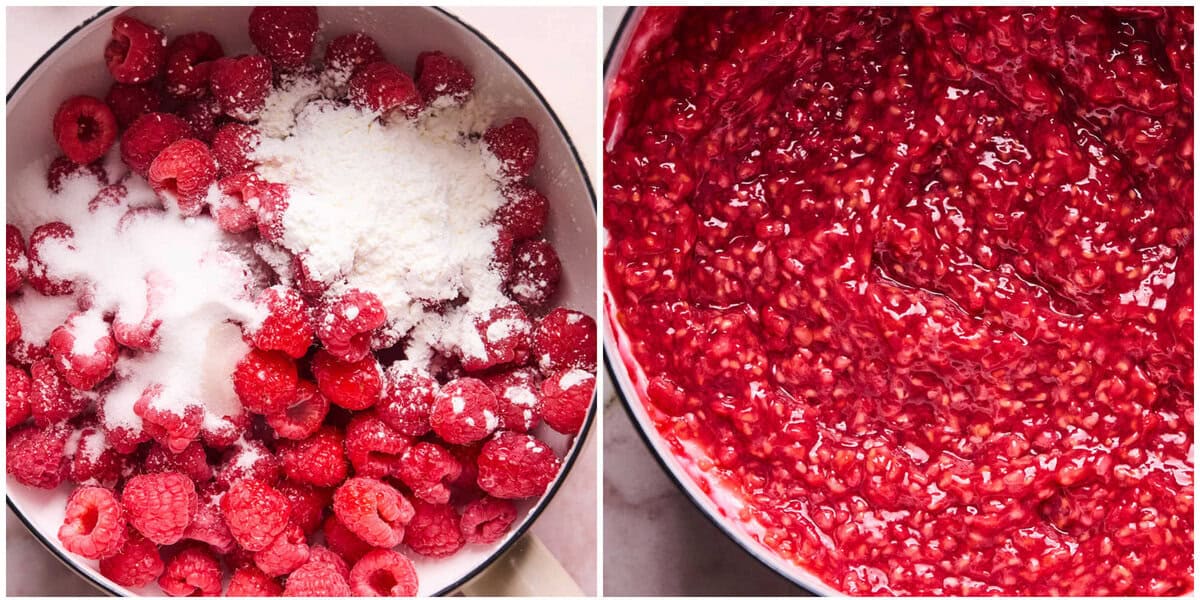
- Phase 1: The Initial Reduction. The process begins by combining raspberries, sugar, and lemon juice in a saucepan. As the mixture heats, the fruit undergoes syneresis—the process of releasing liquid.
- Phase 2: The Thickening. Once the berries have broken down into a liquid state, the cornstarch slurry is introduced. This is a critical junction; the heat must be managed carefully to ensure the starch gelatinizes fully without burning the delicate sugars in the fruit.
- Phase 3: The Cooling and Setting. This is perhaps the most important stage. The filling must be transferred to a heat-safe container and refrigerated. As it cools, the starch molecules form a matrix that traps the liquid, resulting in a firm yet luscious consistency.
- Phase 4: The Application. Once fully chilled, the filling is ready to be piped onto a crumb-coated cake layer, creating a dam or a filling layer that remains stable even when topped with heavy buttercream or stacked tiers.
Supporting Data: Why This Method Outperforms Alternatives
For the professional baker or the ambitious home enthusiast, reliability is the most valuable commodity. This recipe outperforms pre-packaged fillings in several key performance metrics:
- Viscosity Control: By adjusting the amount of cornstarch or the duration of the simmer, bakers can customize the thickness. A stiffer filling is ideal for sandwich cookies, while a slightly softer, more fluid version is perfect for soaking into the pores of a sponge cake.
- Flavor Authenticity: The "freshness factor" cannot be replicated by shelf-stable products. The natural acidity of the raspberries is preserved, providing a sharp contrast to the sugary sweetness of buttercream frosting.
- Stability: When properly chilled, this filling creates a structural bond. It acts as an anchor for cake layers, preventing the dreaded "leaning tower" effect often seen in multi-layered cakes with weak fillings.
Versatility and Cross-Utilization
Data from culinary testing shows that this filling is highly cross-compatible. Beyond the traditional chocolate-raspberry pairing, it serves as an excellent topping for cheesecake, a tart addition to Greek yogurt bowls, or a sophisticated filling for thumbprint cookies. Its ability to maintain its structure through various temperatures makes it a versatile tool in any culinary repertoire.
Official Perspectives: The Expert Baker’s Approach
Tiffany, the culinary creator behind this approach, emphasizes that the secret to the recipe’s success is "letting the fruit do the talking." In professional circles, there is a strong consensus that the simplest recipes require the highest quality ingredients.
"I’ve had my fair share of cake fillings that were either too runny or too stiff," she notes. "It’s so frustrating when the layers slide around. This one sets up beautifully after a night in the fridge." Her perspective highlights the transition from "cooking" to "engineering"—where the focus is not just on taste, but on the physics of how the ingredients interact to support the architecture of the dessert.
Implications: The Future of Home Baking
The resurgence of interest in scratch-made fillings has significant implications for how we view dessert preparation. It signals a move away from the convenience-first mindset of the early 2000s toward a quality-first approach.
Economic and Environmental Impact
By choosing to make filling from scratch, bakers reduce their reliance on single-use plastic jars and the carbon footprint associated with shipping shelf-stable, water-heavy products. Furthermore, this approach allows for the use of seasonal, locally sourced berries, which support regional agriculture and provide a superior flavor profile compared to imported, commercially processed alternatives.
The Psychological Aspect of Baking
Baking is increasingly recognized as a form of mindfulness. The process of simmering, stirring, and waiting for the filling to set provides a rhythmic, grounding activity. When the final product—a clean, stable, and delicious cake—is presented, the psychological reward is significantly higher than when using a pre-bought ingredient.
Expert Troubleshooting and Best Practices
To ensure success with this recipe, bakers should adhere to the following professional guidelines:
- The "Cold Test": Never assemble a cake with warm filling. The heat will melt your buttercream frosting, causing the cake to collapse. Always allow the filling to reach a temperature of 40°F (4°C) or lower.
- The Dam Technique: When filling a cake, always pipe a ring of stiff buttercream around the edge of the cake layer first. This "dam" prevents the fruit filling from leaking out the sides, ensuring a clean finish.
- Storage Longevity: While the filling can be kept for up to three days in the refrigerator, it can also be frozen for up to a month. When thawing, do so slowly in the refrigerator to maintain the texture of the starch-based gel.
- Fixing Consistency: If the filling is too thick, a small amount of warm water or raspberry juice can be whisked in. If it is too thin, it can be returned to the stove. However, be cautious: over-boiling after the starch has set can sometimes break the gel bond, so add only a tiny amount of extra starch slurry if reheating.
Conclusion
The homemade Raspberry Cake Filling is more than just a recipe; it is a fundamental skill that separates the amateur from the adept. By mastering the balance of acid, sugar, and starch, the home baker gains control over the final product, ensuring that every slice of cake is as structurally sound as it is delicious. Whether you are crafting a show-stopping chocolate raspberry layer cake for a special occasion or simply looking to add a touch of elegance to your morning toast, this versatile, vibrant, and deeply flavorful filling is an essential addition to your culinary collection.
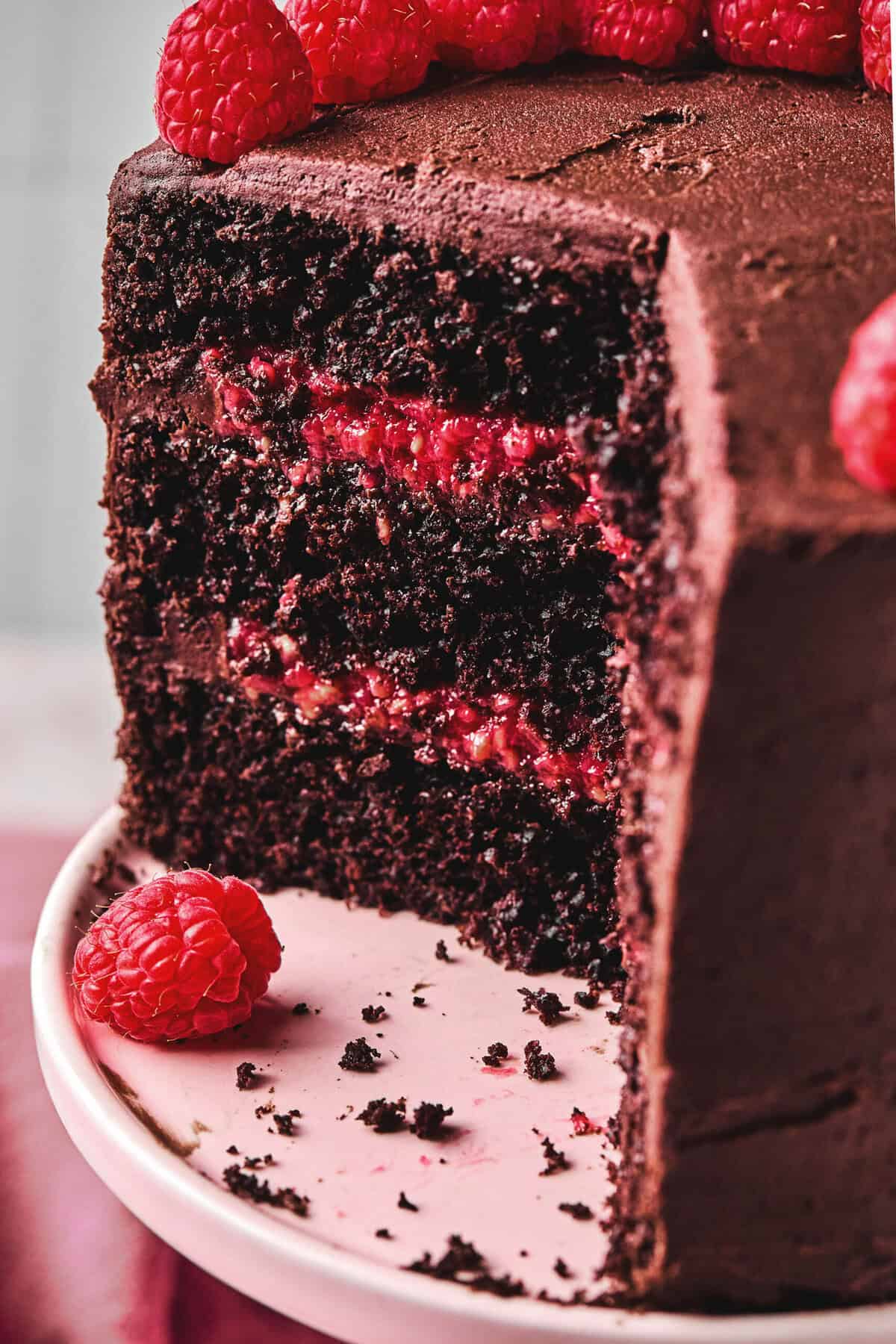
As we continue to prioritize the quality of our ingredients and the intention behind our cooking, recipes like this serve as a reminder that the best results are often found in the simplest, most honest preparations. So, pick up a pint of fresh raspberries, fire up the stove, and prepare to elevate your baking to a professional standard.