NEW YORK — For millions of gluten-free snack enthusiasts, the aisles of local grocery stores remain a landscape of near-misses. While major food manufacturers have successfully adapted countless classic treats into gluten-free variants, one notable titan has consistently eluded the community: Lotus Biscoff. The distinctively snappy, deeply spiced, caramelized Belgian biscuit—famous for its ubiquitous presence on commercial airlines and as a decadent spread—has long stood as an elusive luxury for those with celiac disease or gluten sensitivities.
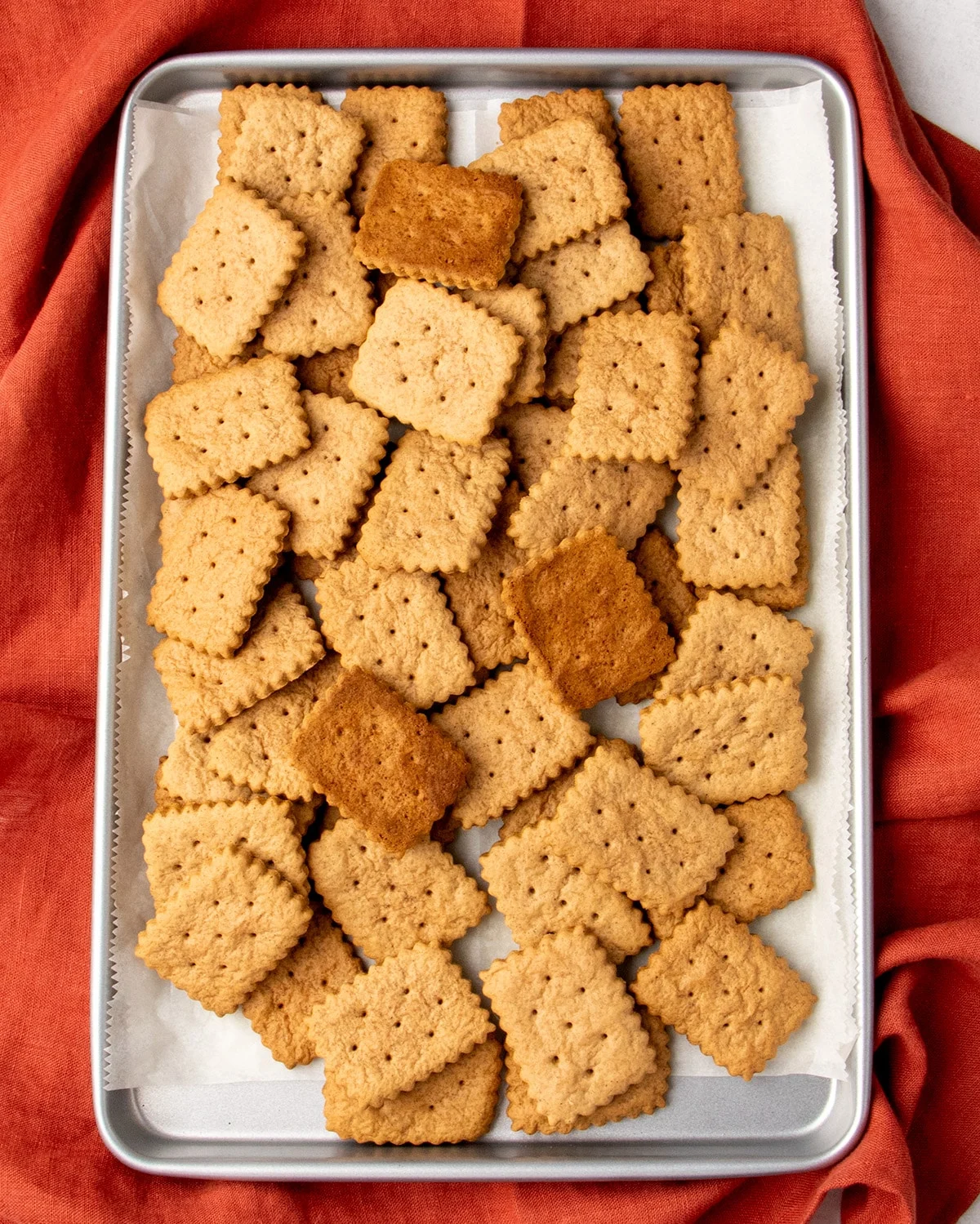
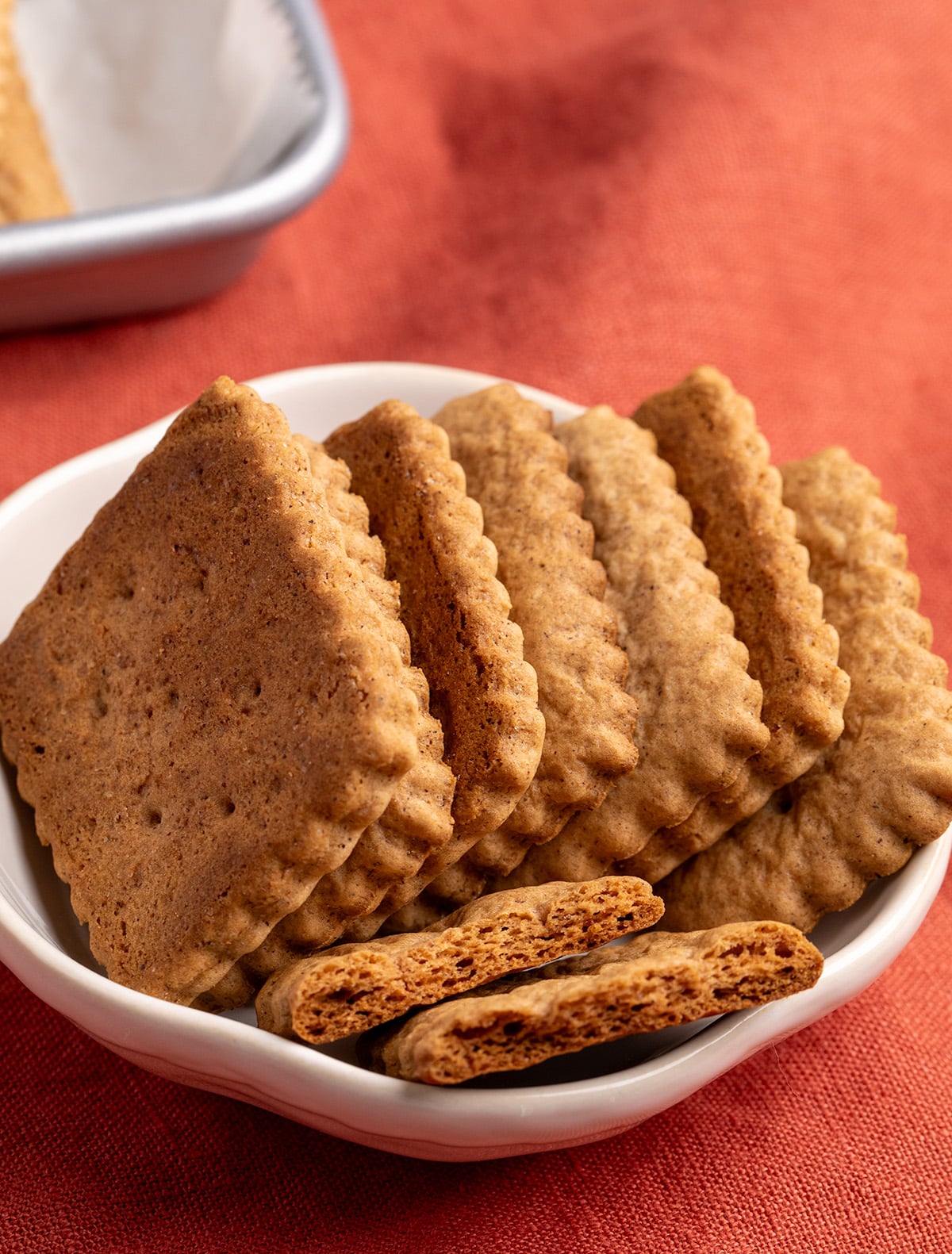
Now, a viral culinary trend championed by specialty food developers and home-baking authorities is bridging that gap. Rejecting the wait for corporate mass-production, home bakers are successfully reverse-engineering the iconic cookie in their own kitchens, yielding thin, crisp, amber-hued biscuits that match the flavor profile of the commercial original down to the last spice note.
Main Facts: Deconstructing the Cult-Favorite Cookie
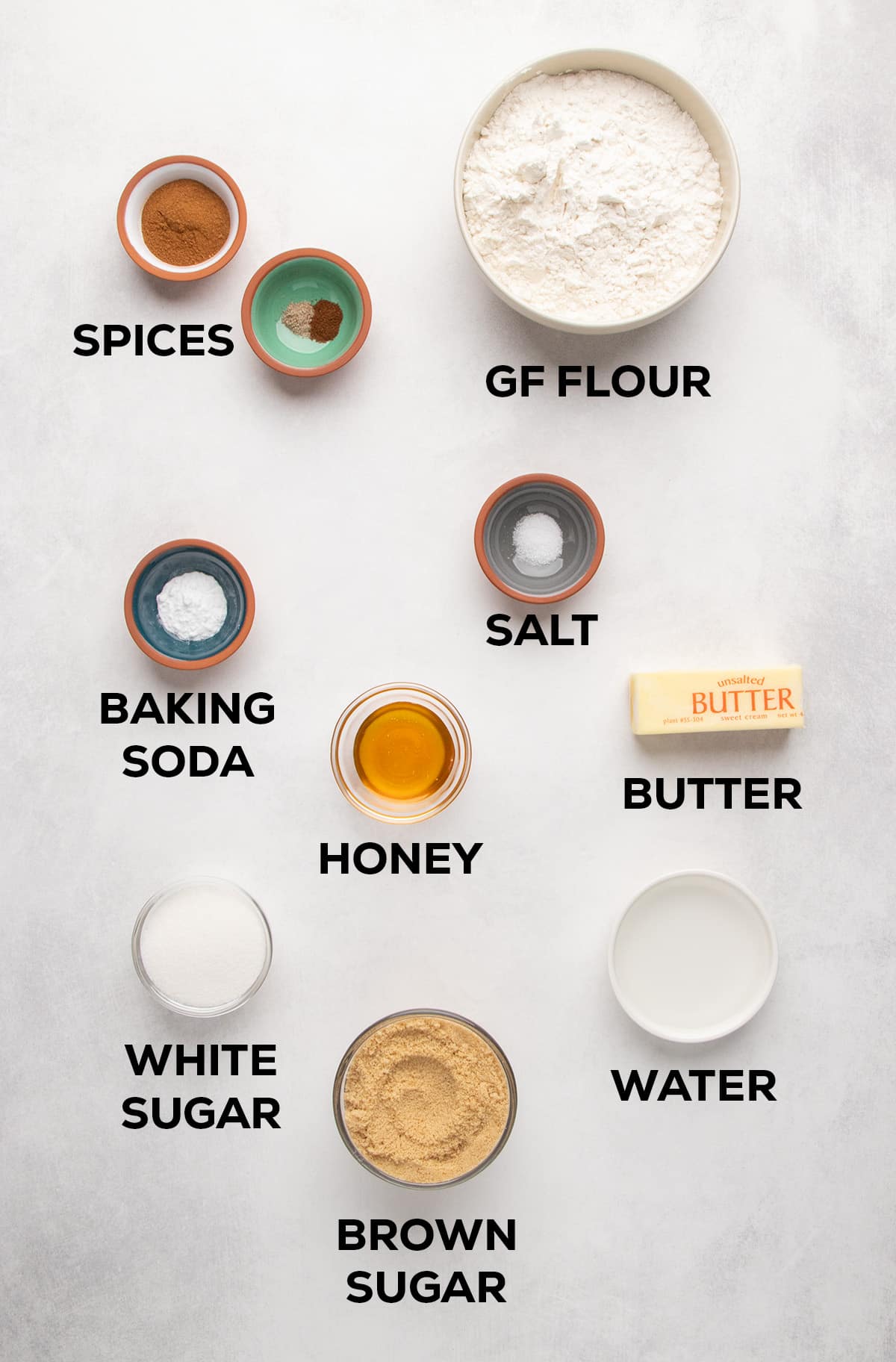
At its core, a Biscoff cookie is a triumph of flavor chemistry. It relies on a meticulous balance of white and brown sugars, honey, and a robust blend of warm aromatics—specifically cinnamon, nutmeg, allspice, cardamom, and cloves—to achieve its signature caramelized depth without crossing into cloying sweetness.
Replicating this profile without wheat flour historically posed significant textural hurdles. Traditional speculoos-style cookies depend on the structure of gluten to maintain their signature snap when rolled paper-thin. However, recent developments in specialized gluten-free baking formulations have bypassed this constraint.
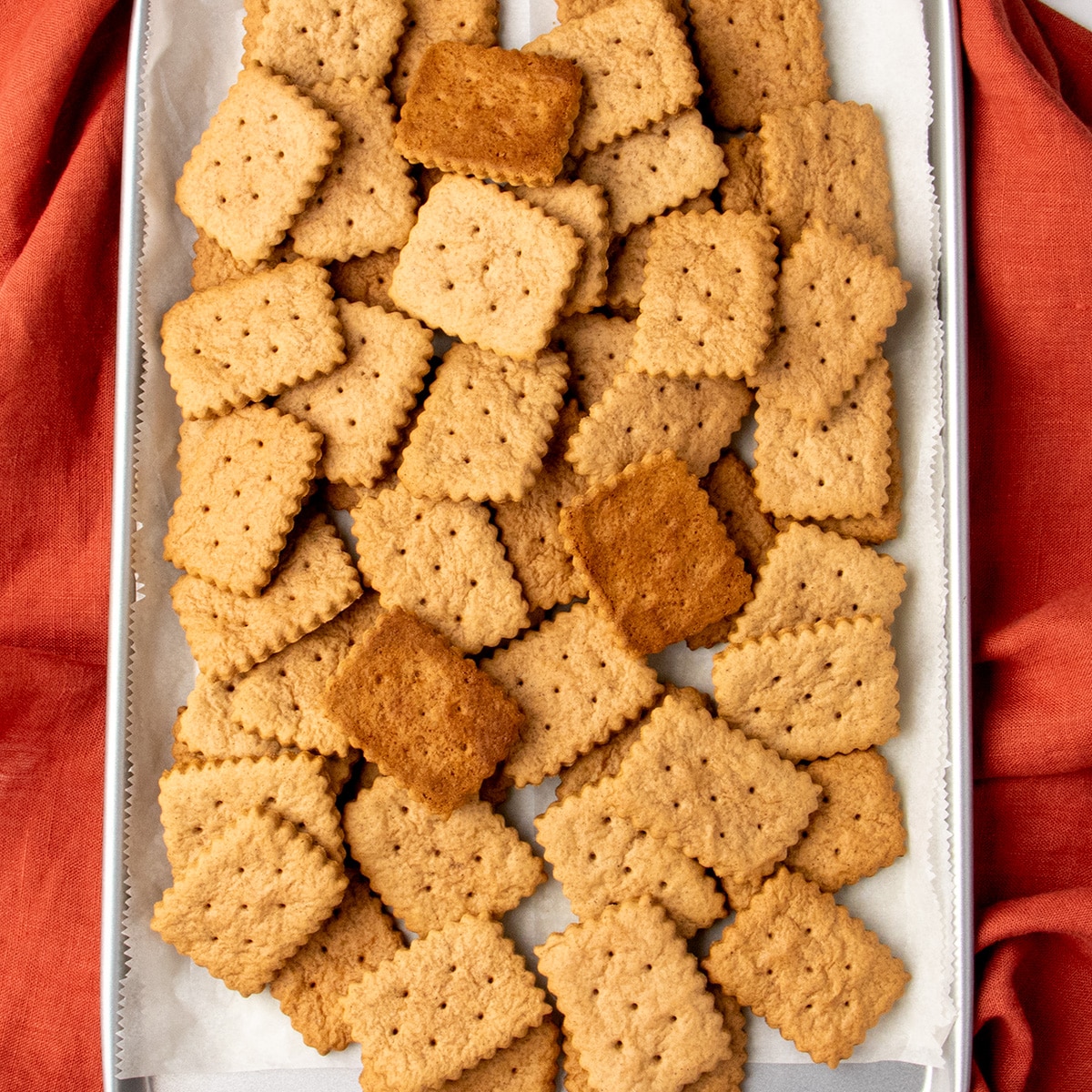
According to culinary developer Nicole Hunn, creator of Gluten Free on a Shoestring, the breakthrough relies on a streamlined, one-bowl method that requires no specialized machinery.
"Lots of classic brands now make gluten-free snacks inspired by their most popular treats," Hunn notes, "but until Lotus Bakeries adds Biscoff to that list, we’ll have to make our own."
Unlike traditional pastry doughs that demand hours of refrigeration to firm up, this formulation utilizes a low-moisture, hand-mixed technique. The resulting dough remains supple and cohesive, allowing bakers to roll it out to an exact 1/8-inch thickness, cut clean rectangular shapes, and pierce the tops for even baking—all without chilling.
Chronology of a Craving: From Airplane Snack to Kitchen Countertop
The journey toward a homemade gluten-free Biscoff has evolved organically over several years, driven largely by consumer demand in online baking forums and gluten-free communities.
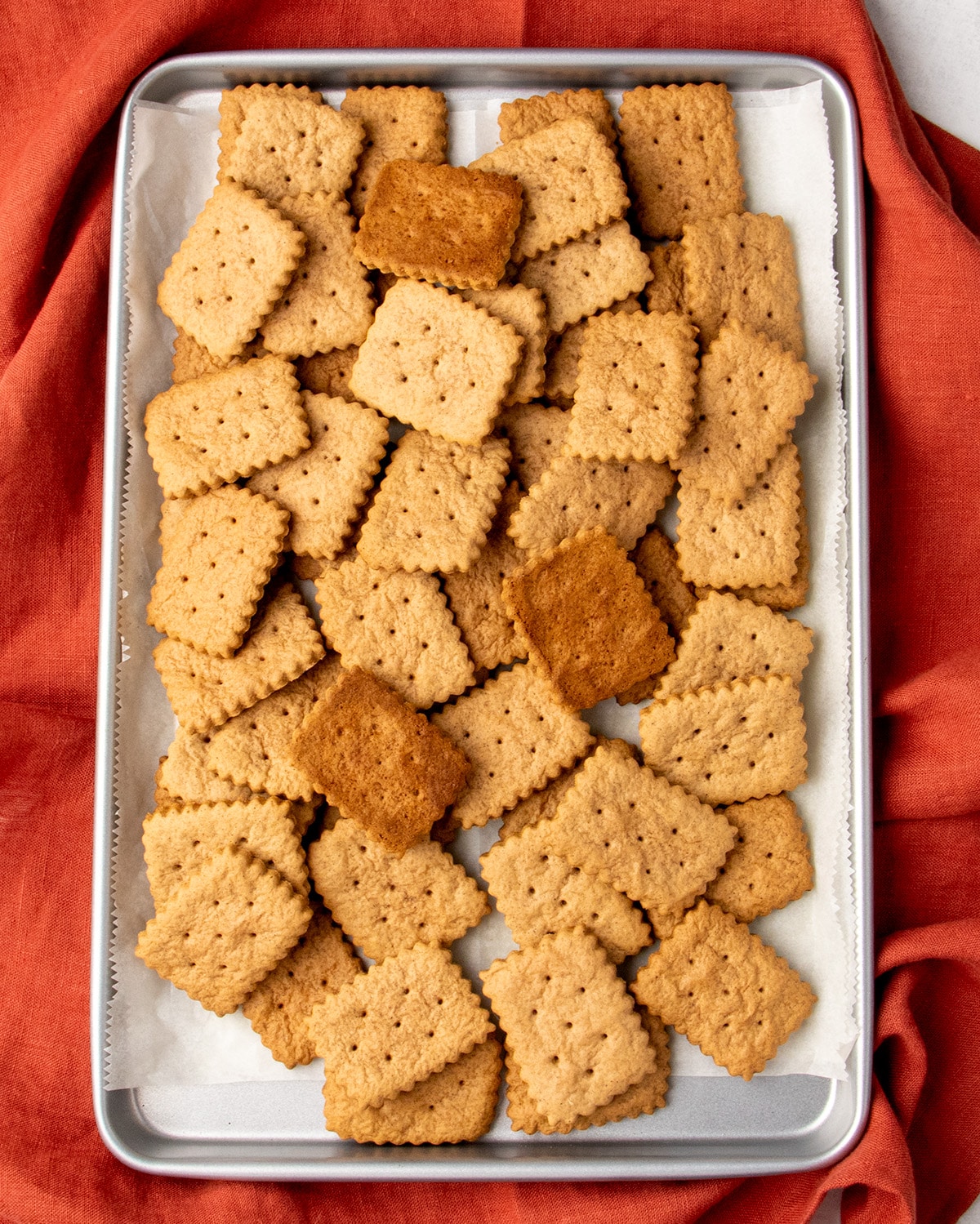
- The Pre-2020 Era: Gluten-free snackers relied heavily on store-bought graham crackers or shortbread substitutes, none of which offered the distinct caramelized, spiced bite of European speculoos.
- The Rise of DIY Flour Blends: As high-performance commercial gluten-free all-purpose flour blends (such as Better Batter and Nicole’s Best) became widely accessible, bakers gained the structural predictability needed for crisp, rolled cookies.
- The Formulation Breakthrough (2024–2026): Recipe developers perfected the exact chemical ratios required to mimic the cookie’s snap. By combining precise amounts of honey, brown sugar, and exact quantities of xanthan gum, developers achieved a dough that behaves like standard wheat dough under a rolling pin.
- The Spread Adaptation: Beyond the cookie itself, enthusiasts recently unlocked a secondary milestone: blending the baked gluten-free cookies with vegetable shortening, brown sugar, and tapioca starch to create a homemade, allergen-safe Biscoff spread.
Supporting Data and Technical Specifications
For bakers examining the viability of the recipe, the numbers reveal a meticulously optimized formula. Designed to yield approximately 72 miniature, airline-style rectangular cookies, the nutritional and structural metrics reflect a light, portion-controlled snack:
- Yield: 72 cookies
- Serving Size: 1 cookie
- Caloric Value: ~37 kcal per cookie
- Macronutrients: 7g carbohydrates, 1g fat (0.2g saturated), 0.2g protein, 3g sugar
- Baking Parameters: 350°F (175°C) for approximately 15 minutes per batch
Crucial Ingredient Mechanics
The success of the recipe hinges on the specific roles played by its core components:
| Ingredient | Primary Function in Gluten-Free Biscoffs |
|---|---|
| Flour Blend + Xanthan Gum | Provides the necessary structural binder to prevent the thin cookie from crumbling. |
| Brown Sugar & Honey | Delivers the characteristic caramelized color and rich, molasses-forward background note. |
| Spice Blend (Cinnamon, Nutmeg, Allspice, Cardamom, Cloves) | Replicates the complex, aromatic warmth of commercial speculoos. |
| Water (measured by the drop) | Hydrates the low-fat, egg-free dough without introducing excess moisture that would ruin the snap. |
Step-by-Step Methodology
For those looking to recreate the culinary feat at home, the process demands precision in rolling and cutting rather than complex culinary machinery.
1. Dry Integration
Whisk together the chosen gluten-free flour blend, xanthan gum, granulated sugar, brown sugar, salt, and the complete spectrum of spices (cinnamon, nutmeg, allspice, cardamom, and cloves). A uniform dry base prevents pockets of bitter leavener.
2. Incorporating the Fat
Chop cold butter into small cubes and toss them through the dry mixture to coat each piece. Using the tines of a fork or the back of a spoon, work the butter into the flour until the texture resembles coarse brown sand.
3. Hydration
Introduce a precise measure of water (1/4 cup) and a single tablespoon of honey. Knead gently by hand to form a thick, pliable, light brown dough. If dry spots persist, incorporate water drop by drop, mirroring techniques used in fine pastry crusts.
4. Rolling and Cutting
Divide the dough in half. On a lightly floured surface, roll the dough to an even 1/8-inch thickness. Cut into 2.5-inch by 1.5-inch rectangles using a scalloped pastry cutter or a pizza wheel.
5. Piercing and Baking
Transfer the cutouts to a parchment-lined baking sheet, spacing them closely since they experience minimal spread. Use a toothpick to pierce 5 to 6 small holes across the top of each rectangle—a crucial step that ensures even steam release and a uniform rise. Bake at 350°F for roughly 15 minutes until golden brown and firm.
Implications for the Gluten-Free Food Industry
The rise of homemade Biscoff alternatives points to a broader shift in consumer behavior within the specialized diet sector. As commercial manufacturers slow-walk the development of certain niche products, home kitchens are stepping in to fill the void through advanced culinary education and accessible ingredient science.
Furthermore, the secondary innovation—transforming the baked cookies into a smooth, shelf-stable spread using non-hydrogenated vegetable shortening and tapioca starch—demonstrates a high degree of culinary ingenuity among home bakers.
While a commercial gluten-free Biscoff cookie from Lotus Bakeries would undoubtedly capture a massive market share upon its eventual release, the community of gluten-free bakers has proven that they are no longer entirely dependent on corporate timelines to satisfy their culinary cravings. Properly stored in sealed glass containers to prevent ambient moisture absorption, these homemade biscuits retain their crisp snap for up to two weeks, offering a reliable, gourmet solution to a long-standing dietary restriction.