AMSTERDAM — Have you ever experienced the phenomenon where you learn a new word, concept, or brand, only to suddenly notice it everywhere? Psychologists call this the Baader-Meinhof phenomenon, or frequency illusion. Our brains, wired to prioritize immediate relevance and newly acquired focal points, begin filtering the noise of daily life to highlight what suddenly matters to us.
For one food systems researcher, this cognitive shift occurred immediately after completing an intensive course on regenerative food systems at Fresh Ventures in the Netherlands. Suddenly, regenerative food processors weren’t abstract concepts discussed in academic papers or startup pitches; they were appearing everywhere across the Dutch landscape.
This growing visibility points to a broader structural evolution. While agricultural debates traditionally focus entirely on primary production—how farmers grow crops and raise livestock—the true bottleneck and catalyst for the regenerative movement lies a step further down the line: processing.
Main Facts: Bridging the Gap Between Soil and Supermarket
At its core, a regenerative food system aims for a net-positive ecological impact, moving beyond mere sustainability to actively restore the environment. A foundational pillar of this movement is soil health. Healthy, living soil binds carbon, improves water retention and infiltration, prevents erosion, and fosters rich biodiversity.
However, a major systemic challenge plagues the agricultural transition: infrastructure.
Massive, industrialized food processing facilities are built for homogenous, high-volume, centralized supply chains. They demand uniform crops, long shelf lives, and year-round consistency—traits often antithetical to diversified regenerative farms that prioritize crop rotation, heritage grains, and seasonal variance.
Consequently, a new wave of Dutch enterprises is emerging to bridge this gap. These businesses operate across various hybrid models—some combining farming with in-house processing, others acting as dedicated processing facilities, and many functioning as collaborative networks linking rural producers directly with urban consumers and gastronomic pioneers.

Chronology: The Evolution of the Dutch Regenerative Movement
- Pre-2010s: The Dutch agricultural sector is dominated by intensive, high-tech, export-oriented industrial farming. While highly efficient, this model faces mounting ecological scrutiny regarding nitrogen emissions, biodiversity loss, and soil degradation.
- Mid-2010s: Early grassroots initiatives begin experimenting with agroecology and regenerative agriculture. Farmers face significant financial and logistical barriers, largely due to a lack of local, decentralized supply chain infrastructure.
- Late 2010s to 2020: Incubators, venture builders, and accelerators like Fresh Ventures begin targeting systemic food challenges, shifting focus from farm-level production to the entire value chain, including mid-stream processing and distribution.
- 2021–Present: A surge of specialized startups and vertically integrated farm businesses emerge in the Netherlands. These pioneers establish localized milling, closed-loop culinary processing, and transparent direct-to-consumer supply chains, turning the Netherlands into a European hotbed for regenerative food innovation.
Supporting Data & Typologies of the New Food Chain
To understand how processing is transforming the regenerative landscape, industry observers categorize these businesses into distinct operational models. Because expecting a single farmer to act simultaneously as an agronomist, processor, marketer, and salesperson is unsustainable, the ecosystem relies on diverse structural adaptations.
1. Farm + Processing (Vertical Integration)
Some agricultural enterprises expand their operations downstream, capturing more value and reducing waste by processing their own harvests.
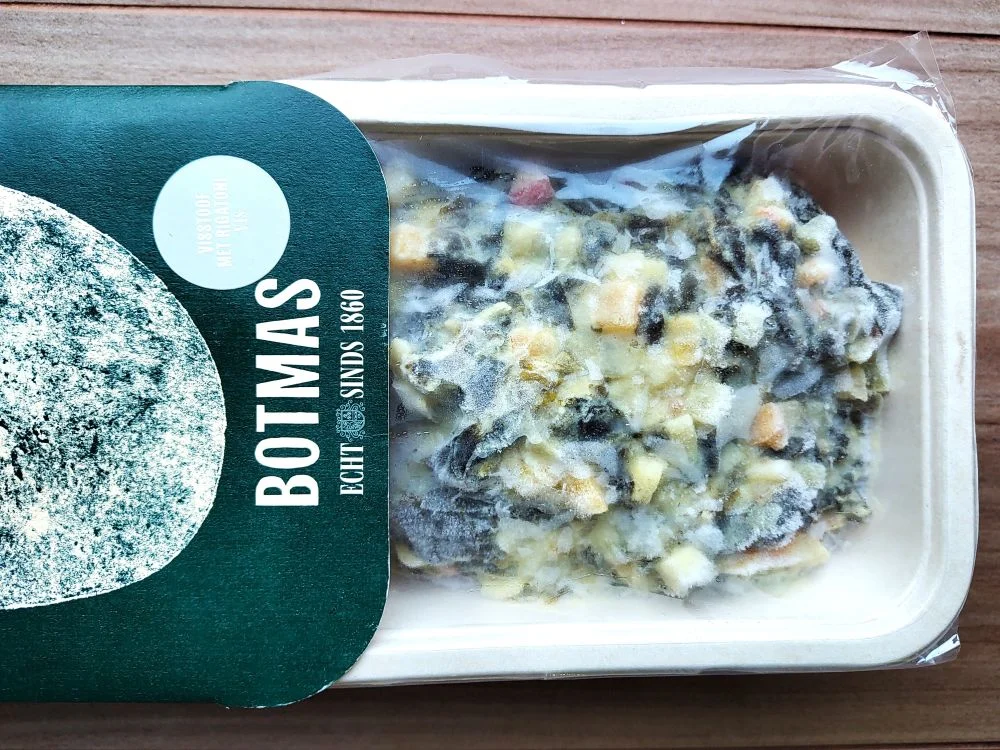
- Botmas: A family-run farm addressing the eternal dilemma of fresh produce surplus and seasonality. By transforming their fresh vegetables into high-quality, delicious frozen meals (such as frozen rigatoni dishes), Botmas ensures year-round product availability while minimizing on-farm food waste.
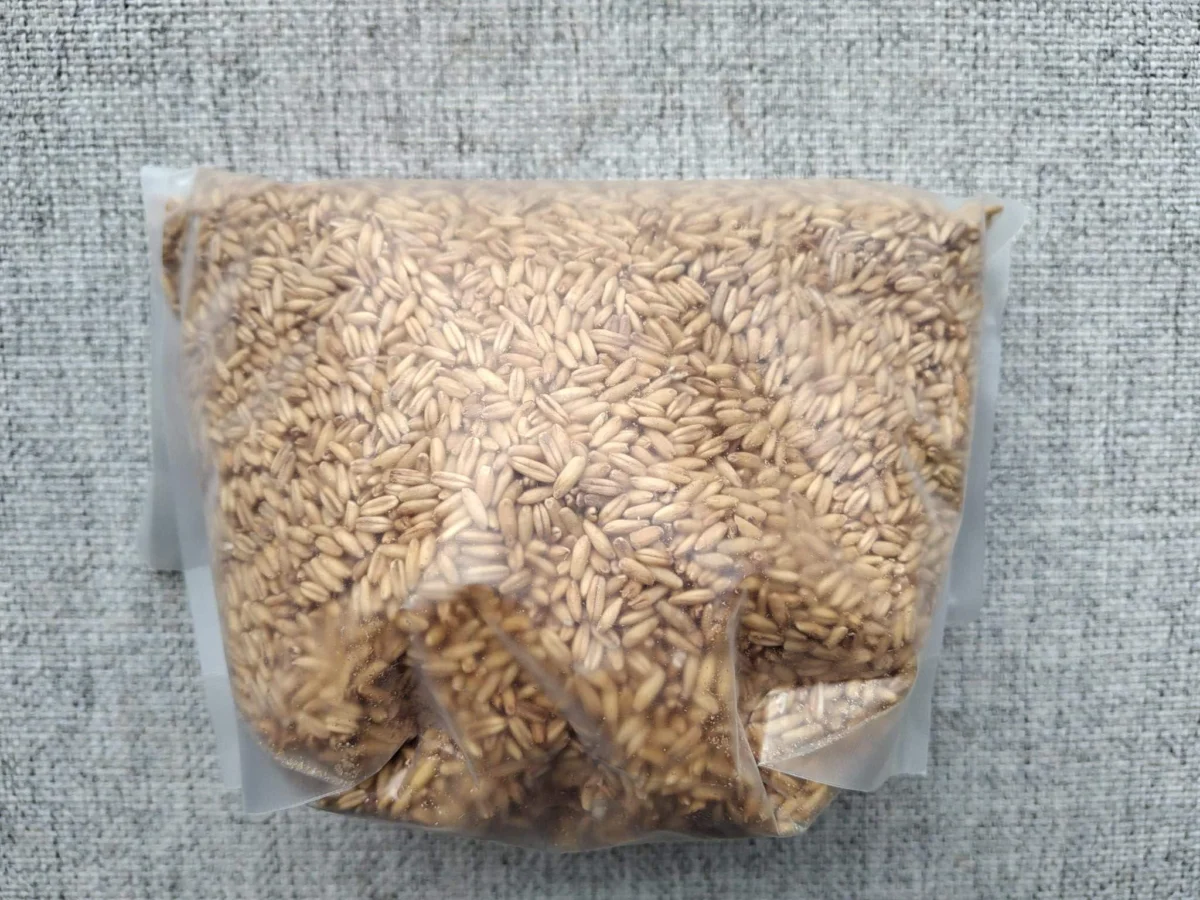
- Graanbroeders: Operating as a traditional family farm that grows grains regeneratively, Graanbroeders utilizes an on-site stone mill to process their harvests into stone-ground flours. They market these directly to both local artisan bakeries and individual consumers, cutting out traditional commodity brokers.
- Tomasu: Proving that geography is no barrier to craft, this Dutch enterprise grows its own ingredients and brews authentic soy sauce in the Netherlands. Blending modern food science with ancient fermentation wisdom, Tomasu represents a hyper-local approach to an historically imported product.
2. Farm + Gastronomy
Because regenerative agriculture naturally yields nutrient-dense, flavorful ingredients, it serves as an ideal foundation for high-end gastronomy.
- Vaderland: This pioneering family farm is actively transitioning from traditional dairy farming to a closed-loop system centered on an extensive vegetable and grain garden. They harvest their diverse yields to supply an on-site restaurant, while also processing surplus produce into house-made soups and sauces sold at their farm shop. Furthermore, Vaderland acts as a community hub, offering guided tours, educational events, and corporate catering.
3. Farm + Connection
Regenerative systems cannot exist in a vacuum; they require deep, collaborative networks across regional economies.
- Biesterhof: A regenerative farm constructing an alternative food network from the ground up. Rather than attempting to handle every step internally, Biesterhof actively collaborates with local mills, regional pasta makers, healthcare institutions like local hospitals, and civic partners to build a resilient, localized supply chain.
4. Dedicated Processing Facilities
Certain crops require technical intervention before they can enter consumer kitchens—such as grains that must be milled or pulses that must be cleaned—yet processing facilities must align with ecological standards.
- Gabanna Foodworks: Specializing in transforming regeneratively grown, heritage, and heirloom ingredients into high-end consumer goods, with a primary focus on artisan pasta. They invest heavily in internal product and process development to handle non-standard agricultural inputs.
- Mill Republic: A pioneering startup tackling the logistical bottleneck of scale. Mill Republic focuses on the local processing of regeneratively grown crops (predominantly grains) that are structurally unsuited for massive, industrial-scale processing plants.
5. Processing + Sales
Pooling resources often yields greater efficiency than forcing farmers to manage retail logistics.
- Grutto: This enterprise purchases livestock directly from regenerative farmers and manages the entire downstream chain—including processing, boutique packaging, logistics, and digital direct-to-consumer sales. By operating their own butchery and packaging facilities in close partnership with farmers, Grutto ensures total traceability.
6. Product Development + Sales
Brand building, marketing, and formulation require entirely different skill sets than agronomy or manufacturing.

- Wilderland: While they do not farm or manufacture physical products themselves, Wilderland focuses entirely on product development, brand strategy, and sales. They source herbs and niche, regeneratively grown local ingredients to craft specialty teas and consumer goods, partnering with third-party manufacturers to bring their vision to market.
Official Responses and Expert Insights
Industry analysts and environmental advocates emphasize that scaling regenerative agriculture depends entirely on these mid-stream interventions.
According to insights compiled by the European Alliance for Regenerative Agriculture (EARA), structural skepticism often surrounds the economic viability of regenerative farming—specifically whether it can feed growing populations while securing fair livelihoods for farmers. However, Eara’s ongoing research and field reports suggest that localized, diversified processing models significantly increase farm-gate profitability by removing corporate middlemen and retaining value within rural communities.
Similarly, grassroots networks like We Are The Regeneration have mapped out a rapidly expanding ecosystem of farmers and processors across the Netherlands. Their geographic mapping initiatives underscore that the regenerative movement is no longer confined to isolated pockets of idealism; it is rapidly coalescing into an interconnected, regionalized economic force.
Implications: The Future of European Food Systems
The proliferation of these Dutch processors carries profound implications for the future of European agriculture:
- Decentralized Resilience: By establishing regional processing nodes (such as local mills and micro-processing plants), food systems become less vulnerable to global supply chain shocks, geopolitical disruptions, and fossil-fuel-heavy logistics.
- Economic Viability for Farmers: Transitioning to regenerative practices requires a temporary dip in yields during soil rehabilitation. Downstream processors that offer fair pricing, transparent contracts, and shared risk provide the financial safety net farmers need to make the switch.
- Redefining Consumer Expectations: As brands like Tomasu, Botmas, and Wilderland demonstrate, consumers are increasingly willing to pay for transparency, ecological restoration, and authentic provenance. The market is slowly shifting away from homogenized, anonymous commodities toward hyper-localized food narratives.
Ultimately, as more enterprises step into the processing gap, the "frequency illusion" experienced by food researchers will become standard reality. Regenerative food systems will cease to be an alternative niche and will emerge as the resilient foundation of our culinary future.
If you are aware of additional regenerative food processors operating in the Netherlands or across Europe, industry advocates encourage reaching out to food system researchers to ensure these working documents continue to grow alongside the movement.