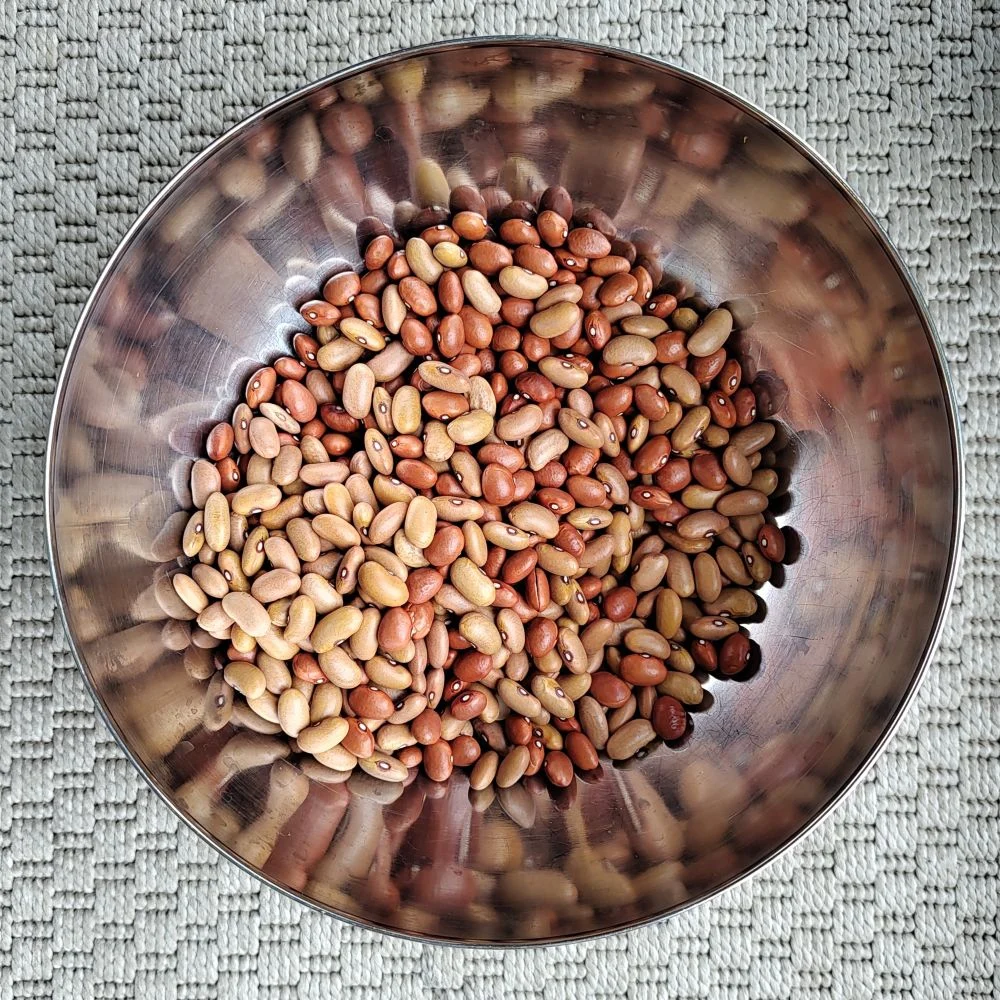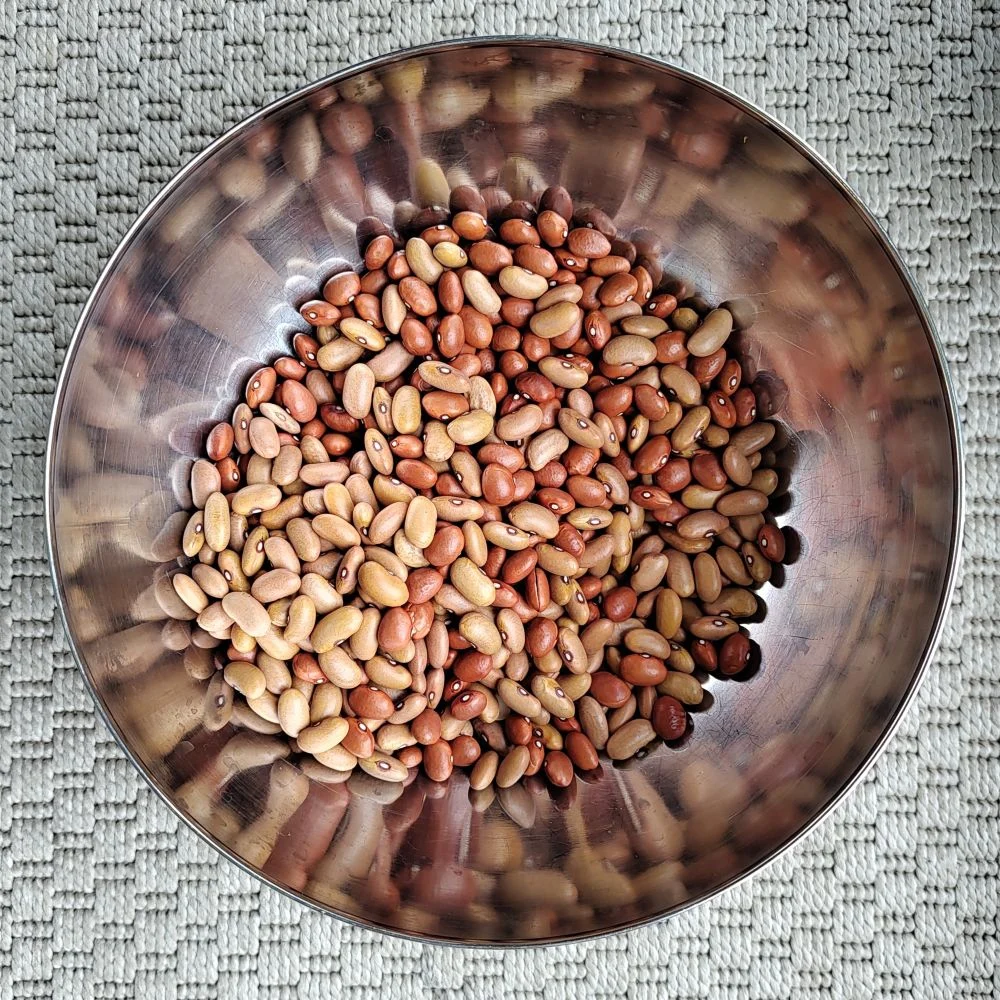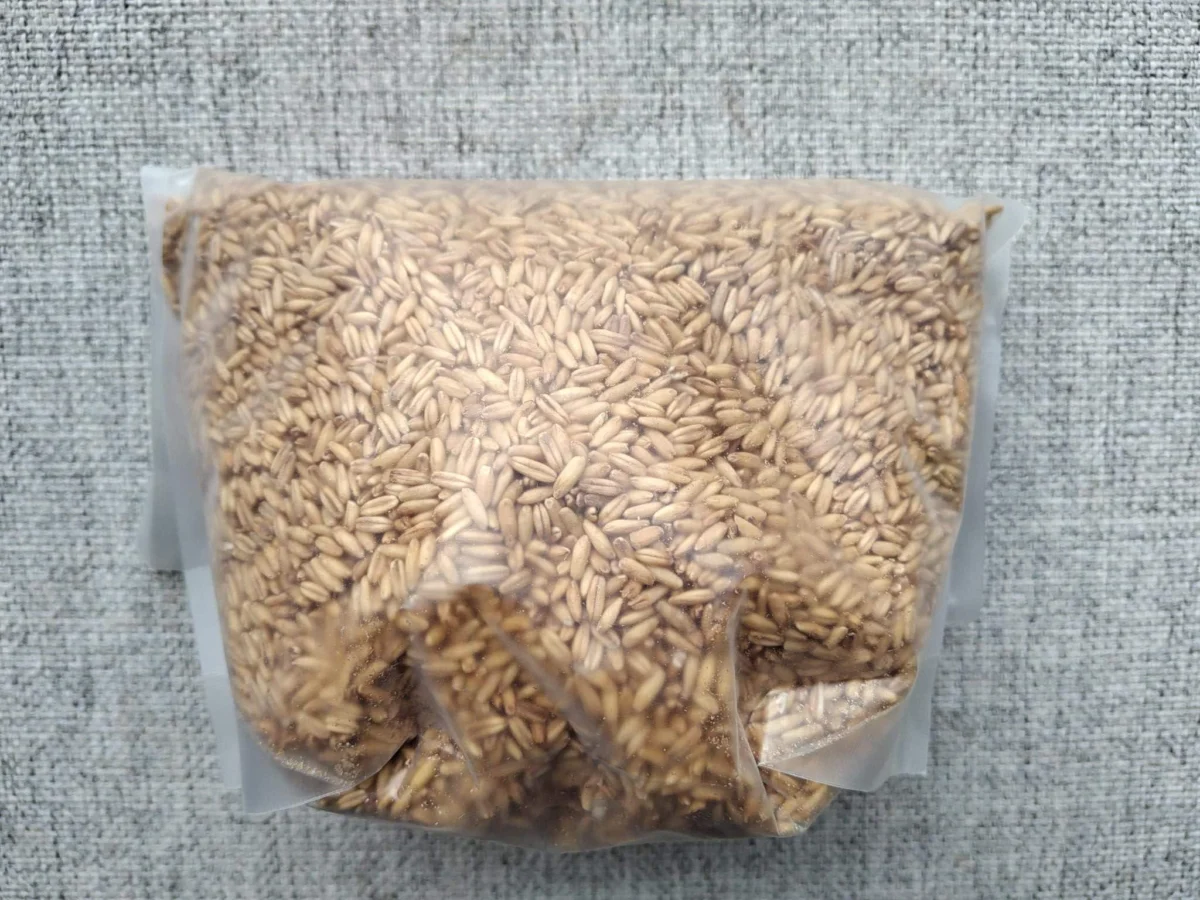
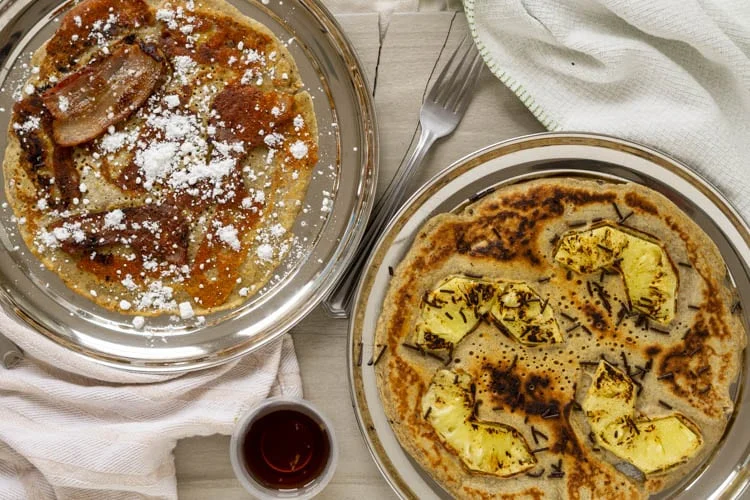
"And, what’s today’s experiment?" my husband asks, fork poised over his Saturday morning stack of pancakes.
It is the quintessential query in a household headed by a food scientist. While most see breakfast as a simple ritual, for us, it is a laboratory. This particular morning, the subject was "regenerative" pancakes—a culinary pivot that replaced half the traditional wheat flour with rye and buckwheat, sourced from producers committed to regenerative agriculture, such as Graanbroeders.
The result was more than just a successful breakfast; it was a micro-scale case study in the complexities of our global food supply chain. While the pancakes were light, fluffy, and arguably more flavorful than their wheat-only counterparts, the process highlighted a glaring disconnect in our modern food system: the gap between the environmental necessity of crop diversification and the industrial reality of mass-market food production.
The Regenerative Imperative: Why We Need More Than Wheat
To understand why a pancake experiment matters, one must first look at the state of modern agriculture. The current industrial model is heavily reliant on monocropping—the practice of growing a single crop, usually wheat, corn, or soy, over vast stretches of land. This approach has led to depleted soil health, increased reliance on synthetic fertilizers, and a loss of biodiversity.
Regenerative farming offers a path forward, prioritizing soil health through crop rotation and diversification. However, this system cannot function in a vacuum. A farmer cannot simply switch to growing rye or buckwheat if there is no market for those crops. In the food industry, we operate on a simple feedback loop: we buy what is available, and manufacturers produce what we buy. If the demand for diverse, regenerative grains remains stagnant, the supply will never materialize, and the cycle of monocropping will continue unabated.
The Anatomy of a Pancake: A Production Journey
To appreciate the difficulty of integrating diverse grains into our diet, we must look at how a standard box of pancake mix is manufactured. It is an exercise in efficiency and industrial scale.
The Industrial Silo System
The journey of a pancake mix begins in the towering, neutrally colored silos that stand adjacent to the factory. Inside, vast quantities of standard wheat flour await processing. When the production line demands flour, it is pneumatically drawn from these silos and transported through a labyrinth of overhead pipes.
In a modern facility, this is not a manual process; it is a highly automated, closed-loop system. The flour is funneled into stainless steel hoppers, where it is measured, mixed with leavening agents like baking powder and salt, and finally dispensed into retail boxes.
The Bottleneck of Complexity
The industrial system is optimized for simplicity. Every ingredient added to a mix requires storage, inventory management, and specialized machinery. Ideally, a factory does not want to maintain a separate silo for every grain type. If a manufacturer decides to incorporate buckwheat or rye, they face significant hurdles:
- Infrastructure Costs: Building or retrofitting storage systems for multiple grain varieties is expensive.
- Supply Chain Scaling: Wheat is cheap because it is grown and processed at a massive, global scale. Rye and buckwheat are currently "niche" products, making them inherently more expensive per unit.
- Inventory Management: Unlike wheat, which moves through a factory in a constant, high-velocity stream, alternative grains may sit in storage longer. This introduces risks of spoilage and requires more precise shelf-life management.
Dutch Innovation: A Case Study in Diversity
While much of the global market remains fixated on wheat, the Dutch retail landscape offers a glimpse of a more diverse future. A survey of major Dutch retailers, such as Albert Heijn, reveals a surprising prevalence of pancakes containing rye and buckwheat.
This is not entirely accidental. Buckwheat has deep historical roots in Dutch cuisine, having been a staple crop long before the rise of industrial wheat monoculture. This cultural memory has translated into modern market demand. Furthermore, the industry is experimenting with even more radical inclusions. During my research, I encountered pancake mixes incorporating over 40% pumpkin puree or 30% carrot puree. These products demonstrate that the consumer palate is far more flexible than the food industry often assumes.

The Economic and Environmental Trade-offs
The transition to a regenerative food system is essentially an economic challenge. When a consumer walks down the aisle of a supermarket, they are presented with a choice, though it is often an unequal one.
Wheat-based pancake mixes are aggressively priced due to the economies of scale. Alternative grain mixes, reflecting the costs of smaller-scale, sustainable farming and the logistical overhead of non-standard ingredients, are naturally more expensive. This creates a "sustainability premium" that acts as a barrier to entry for the average household.
However, we must ask: what is the true cost of that cheap wheat? If we factor in the long-term degradation of topsoil, the pollution of waterways from synthetic fertilizers, and the loss of climate resilience, the "cheap" pancake becomes remarkably expensive for the planet.
Implications for the Future of Food Processing
The question remains: how do we bridge the gap between the scientist’s kitchen and the industrial production line?
Policy and Subsidies
Governments play a vital role in tilting the playing field. Currently, subsidies in many nations heavily favor monocrop commodities. Realigning these subsidies to reward farmers for planting diverse, regenerative crops would lower the price of rye, buckwheat, and legumes, making them more competitive with wheat in the industrial pipeline.
Consumer-Driven Demand
The most powerful tool for change remains the consumer. Every time a shopper reaches for a product containing diverse grains, they are sending a signal to the supply chain. If demand increases, manufacturers will be forced to invest in the infrastructure—the silos, the mixing lines, and the procurement networks—required to make these grains as accessible as white flour.
Rethinking the "Factory"
We need to move away from the "one-size-fits-all" factory model. Smaller, decentralized processing facilities, capable of handling smaller batches of varied crops, could reduce the transportation costs and infrastructure barriers associated with alternative grains. This shift would also help reconnect the factory to the farm, fostering regional food systems that are more resilient to global shocks.
Conclusion: The Path Forward
My Saturday morning pancake experiment was a small act of curiosity, but it highlighted a systemic truth. Regenerative agriculture is not just about changing how we farm; it is about changing how we process, distribute, and consume.
To transition to a regenerative food system, we cannot simply ask farmers to change their practices. The food processing industry must evolve in tandem. We need to normalize the use of diverse grains, incentivize the creation of regional supply chains, and embrace the complexity of a food system that values soil health as much as it values convenience.
If you have ideas on how we can further integrate these diverse crops into our daily diets or suggestions for overcoming the logistical barriers in food production, I invite you to share them. The transition to a regenerative future will not be solved in a single kitchen—it will be solved by the collective effort of farmers, manufacturers, and the consumers who demand more from their breakfast.
After all, if we can build a better pancake, we can build a better food system.