LONDON — To the untrained eye, pouring a white, liquid, plant-based beverage into a morning coffee might seem interchangeable with traditional cow’s milk. Whether it is labeled as soy, oat, almond, or coconut, consumers often group these alternatives under the broad umbrella of "milk." Yet, anyone who has ever attempted to spin up a creamy cappuccino using standard supermarket oat or almond milk knows the harsh reality of food physics: they do not behave like dairy, and they certainly do not foam the same way.
This persistent culinary challenge highlights a fundamental hurdle in modern product development. When substituting a foundational ingredient, the new component rarely reacts the same way as its predecessor. For commercial product developers and home baristas alike, achieving the right texture requires moving past trial and error to understand the complex molecular choreography of foams.
Main Facts: The Science of the Pour
At the heart of the issue is how liquids trap air. Traditional cow’s milk is naturally engineered for foaming. Its native proteins—casein and whey—unravel when whipped and gently heated, wrapping around air bubbles to create a stable, elastic network. Moderate fat content assists in this delicate structural balancing act.
Plant-based alternatives, however, lack this native dairy architecture. Standard, off-the-shelf oat, rice, and almond milks routinely fail to produce a stable micro-foam. Without targeted intervention, their air bubbles rapidly coalesce and vanish, leaving behind an unappealing, watery liquid rather than a velvety coffee topper.
To bridge this gap, the food industry has spent years decoding the chemical makeup of plant proteins, starches, and fats. The result is the rise of specialized "barista editions"—formulations engineered specifically to mimic the foaming performance of dairy without utilizing a single drop of cow’s milk.
Chronology: From Kitchen Failures to Industrial Innovation
The evolution of plant-based coffee additives follows a classic scientific pathway of discovery, failure, analysis, and engineering.

Phase 1: The Initial Test
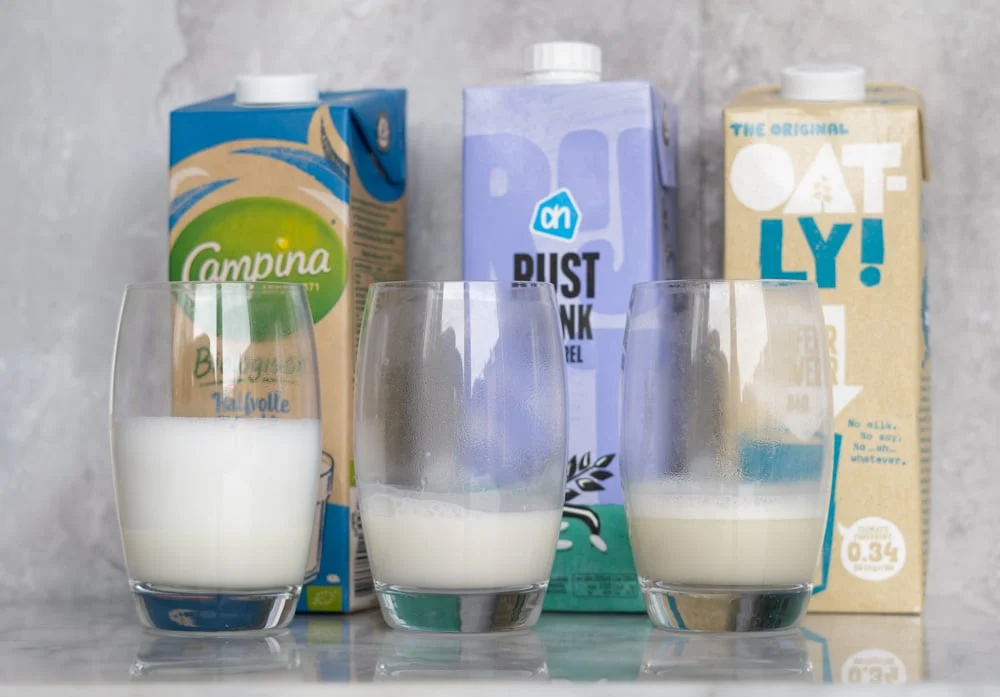
When exploring a new ingredient—whether for cost, sustainability, or flavor—food scientists advocate for an empirical first step: the direct, one-to-one substitution test. In recent experimental trials evaluating standard, non-barista plant milks, the results were unequivocal. Standard oat, rice, and almond milks failed to generate any meaningful foam under identical mechanical frothing conditions.
Phase 2: Diagnostic Analysis
Faced with immediate failure, developers must step back to analyze the why. What is the role of the original ingredient, and how does the alternative’s molecular composition fall short? In the case of plant milks, researchers examined foamability (the ability to create air bubbles) and foam stability (how long those bubbles persist before collapsing). Increasing liquid viscosity—the thickness of the fluid—was identified as a primary mechanism for trapping air, mirroring how adding sugar stabilizes whipped egg whites in meringue production.
Phase 3: The "Barista" Breakthrough
Recognizing consumer demand for functional plant-based alternatives, manufacturers returned to their laboratories. By tweaking enzymatic processes, modifying protein structures, and introducing specific structural additives, producers successfully launched dedicated "barista" versions of oat, soy, and almond milks that reliably rival traditional dairy foam.
Supporting Data: Inside the Barista Formulations
A comparative evaluation of standard versus barista-grade plant milks reveals distinct manufacturing strategies used to conquer the physics of foaming.
1. Oat Milk: Manipulating the Enzymes
When comparing standard oat milk to its barista counterpart, ingredient lists and nutritional panels often look virtually identical. The transformation relies not on added ingredients, but on shifts in the production process.
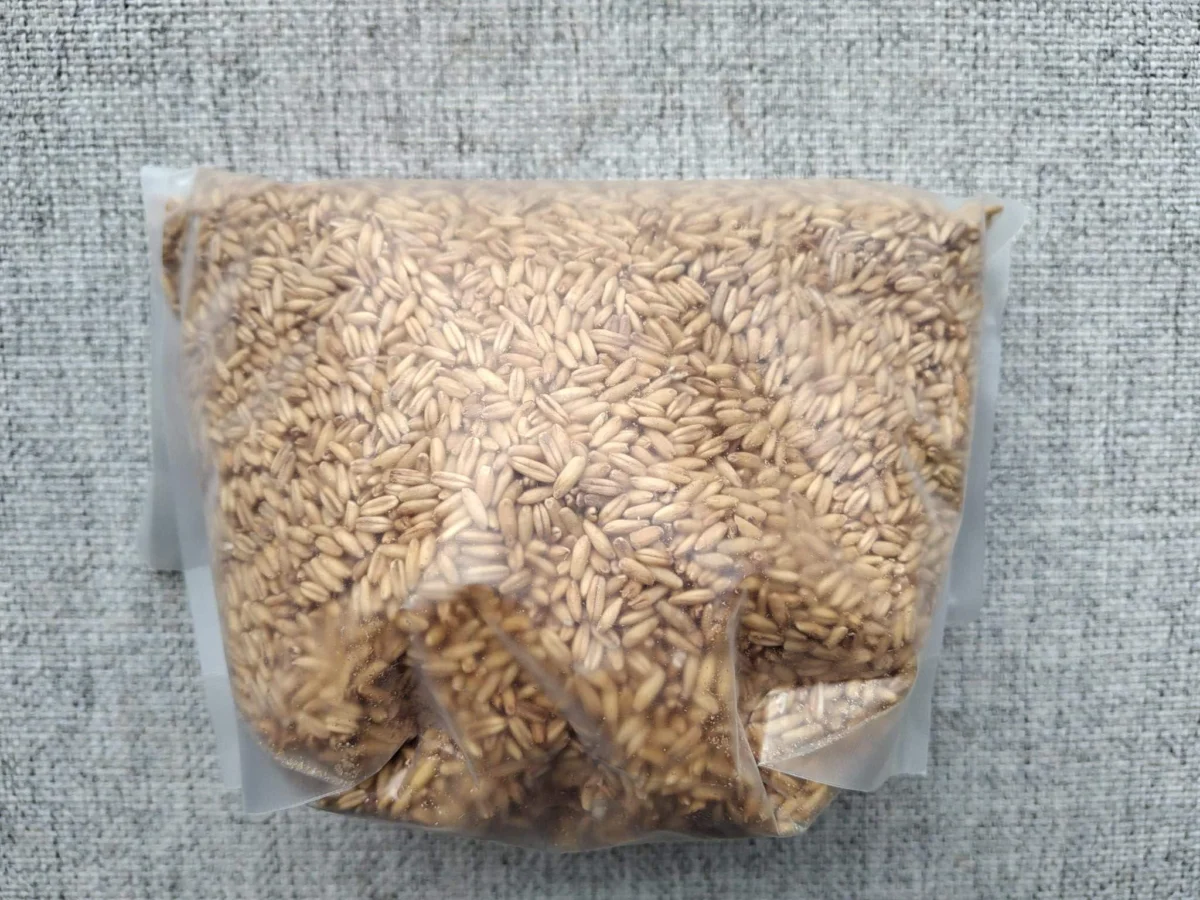
Making oat milk requires breaking down oat carbohydrates and proteins using enzymes. By fine-tuning which enzymes are deployed, adjusting processing times, and altering thermal conditions, manufacturers can manipulate the size and functional behavior of oat proteins. This precise enzymatic tailoring allows the modified proteins to stabilize air bubbles effectively without altering the base label declaration.

2. Almond Milk: Engineering Cold Foam Stability
Almonds do not naturally possess proteins capable of stabilizing foams. Consequently, manufacturers of barista-grade almond milks must introduce a suite of functional additives.
A typical ingredient breakdown of a foaming almond milk reveals components such as:
- Tapioca Starch: Increases liquid viscosity, anchoring air bubbles in place.
- Potato Protein: Acts as a surrogate surfactant, aiding in foamability and structural stability.
- Sunflower Oil: Provides a mouthfeel closer to whole milk, supported by emulsifiers.
- Dipotassium Phosphate: Functions as a pH buffer, ensuring acidity levels remain within an optimal window to keep plant proteins structurally primed for foam formation.
3. Soy Milk: Natural Proteins and pH Control
Soy protein is uniquely positioned among plant alternatives for its natural surface-active properties. However, barista-grade soy formulations often feature subtle tweaks, such as the inclusion of apple extract. This addition introduces minor sugars to enhance viscosity and helps stabilize the product’s pH balance, optimizing the environment for protein-driven foam networks.
Official Perspectives and Industry Insights
Food scientists emphasize that solving the plant-based foam puzzle is only half the battle. Evaluation must extend beyond visual aesthetics to include mouthfeel and flavor profiles.
In comparative sensory evaluations of barista-grade foams, distinct behavioral differences emerge:
- Almond Foam: Frequently yields the firmest and most structurally stable foam of the cohort, holding its shape exceptionally well.
- Oat Foam: Tends to be the least stable, with microscopic bubbles prone to rapid expansion and collapse upon stirring.
- Soy Foam: Occupies a middle ground, offering a light and fluffy texture, though sensory panels frequently note a distinct, lingering beany aftertaste that can overpower subtle coffee notes.
"When evaluating a new functional ingredient, you cannot simply look at the foam in isolation," notes a leading food industry researcher. "You must balance structural performance with sensory impact. Meeting technical metrics means nothing if the end product compromises the consumer experience."

Implications for the Future of Food Technology
The rapid evolution of plant-based foaming agents carries broad implications for the broader food and beverage sector. It demonstrates that traditional agricultural commodities do not hold a permanent monopoly on complex culinary textures.
As precision fermentation, enzymatic engineering, and hydrocolloid science continue to advance, product developers are gaining unprecedented control over texture, mouthfeel, and stability. For consumers, this means the gap between animal-derived products and plant-based alternatives is steadily closing.
Ultimately, the humble cappuccino has served as an unexpected testing ground for advanced food physics. By unlocking the secrets of plant proteins and starches, the industry has proven that with enough scientific ingenuity, even the most stubborn ingredients can be coaxed into something extraordinary.