In the landscape of modern home cooking, few dishes occupy as hallowed a space as the Shepherd’s Pie. A quintessential "peasant dish" that evolved into a global symbol of domestic warmth, the classic recipe—traditionally a savory base of minced meat and garden vegetables blanketed in a thick layer of buttery mashed potatoes—has long been the ultimate comfort food. However, as dietary preferences shift toward nutrient-dense, lower-glycemic options, culinary innovators are redefining this classic. Enter the "Cauliflower-Crust Shepherd’s Pie," a sophisticated, vegetable-forward iteration that is currently dominating the meal-prep landscape and changing the way families approach busy weeknight dining.
Main Facts: A Nutrient-Dense Makeover
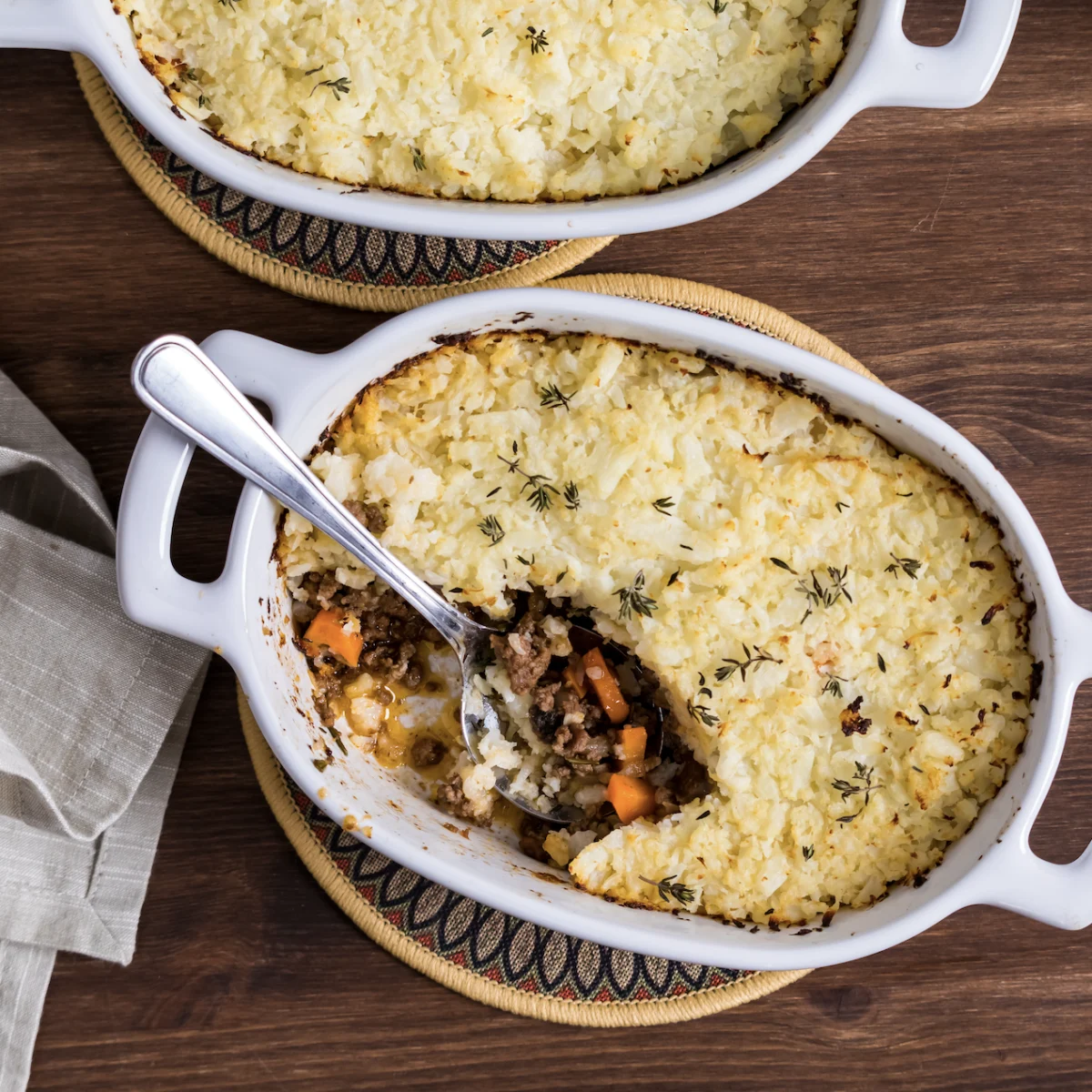
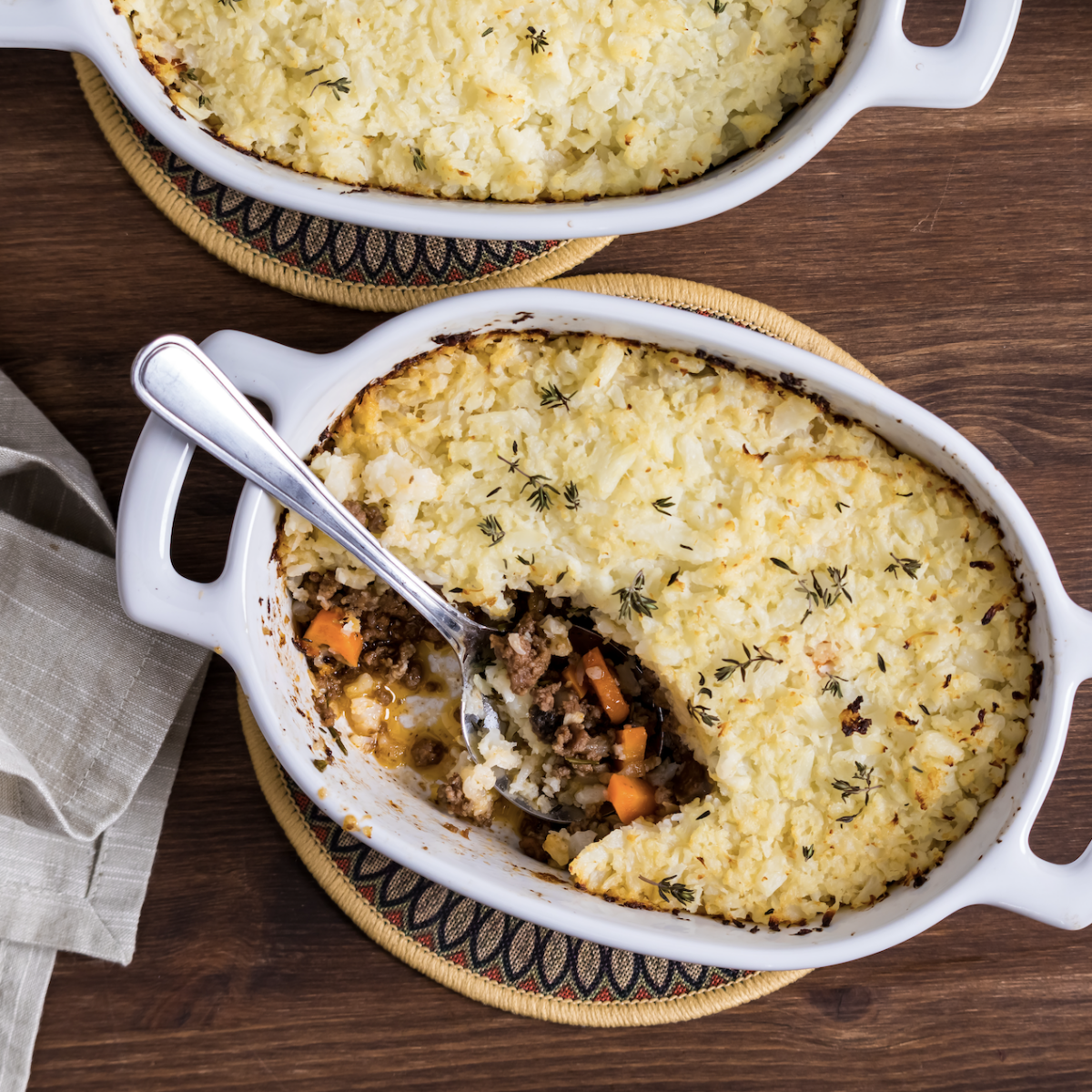
At its core, the Shepherd’s Pie with cauliflower crust retains the soul of the original dish: a deeply savory, aromatic foundation of protein (traditionally lamb, though frequently beef in the form of Cottage Pie) sautéed with a mirepoix of carrots, onions, and peas. The innovation lies entirely in the "crust." By swapping heavy, starch-laden potatoes for a silky, whipped cauliflower mash enriched with Greek yogurt and Parmesan, the dish transforms from a carb-heavy indulgence into a balanced, high-protein meal that remains remarkably satisfying.
The primary appeal of this dish is its versatility and its ability to "hide" extra vegetables in plain sight. For parents navigating the challenges of picky eaters, the creamy texture of the cauliflower acts as a neutral canvas that mimics the mouthfeel of traditional potatoes, ensuring that the transition is seamless for even the most skeptical family members. Beyond the palate, the health implications are significant; reducing refined carbohydrates in favor of cruciferous vegetables increases fiber intake and lowers the glycemic load of the meal, making it an ideal candidate for those managing energy levels or weight goals.
Chronology: The Rise of the "Hidden Veggie" Movement
The trajectory of this recipe’s popularity did not happen overnight. The culinary shift toward cauliflower as a starch substitute gained significant momentum in the early 2020s, driven by the keto and low-carb wellness movements.
- Early 2020s: The "Cauliflower Craze" begins, with cauliflower rice and pizza crusts becoming grocery store staples.
- 2023–2024: Culinary experts begin applying the "mash" technique to classic casseroles. The Shepherd’s Pie, known for its forgiving nature, becomes the primary target for this transformation.
- 2025–2026: The dish reaches mass appeal. Home cooking platforms and health-focused blogs, such as Super Healthy Kids, begin publishing refined methods for achieving the perfect, non-watery crust, addressing the primary complaint associated with cauliflower: its moisture content.
- Present Day: The recipe has become a staple of the "batch cooking" and "freezer-friendly" lifestyle, recognized not just as a diet trend, but as a practical, time-saving solution for the modern, busy household.
Supporting Data: The Science of Texture and Moisture
One of the most persistent hurdles in replacing potatoes with cauliflower is the water content of the latter. While potatoes are starchy and hold their structure, cauliflower is porous and water-dense.
According to professional culinary testing, the "watery crust" phenomenon is entirely preventable through proper technique. Data-driven kitchen methodology suggests that boiling is only the first step. The crucial "post-boil" phase—where the cauliflower is returned to a hot, dry pot—is essential. By applying low heat for two to three minutes after draining, excess moisture evaporates. Furthermore, the incorporation of Greek yogurt and Parmesan cheese is not merely for flavor; the proteins in the yogurt and the fat/salt profile of the Parmesan act as binding agents, providing structural integrity to the topping.
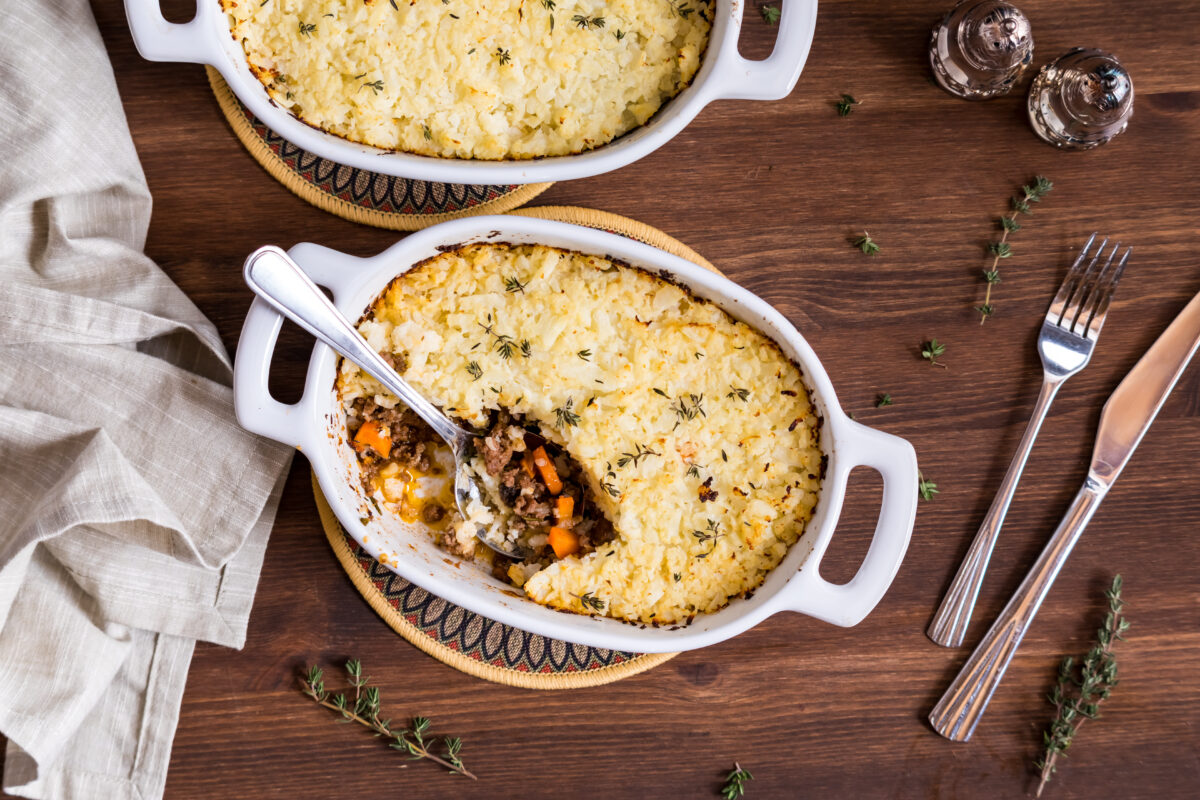
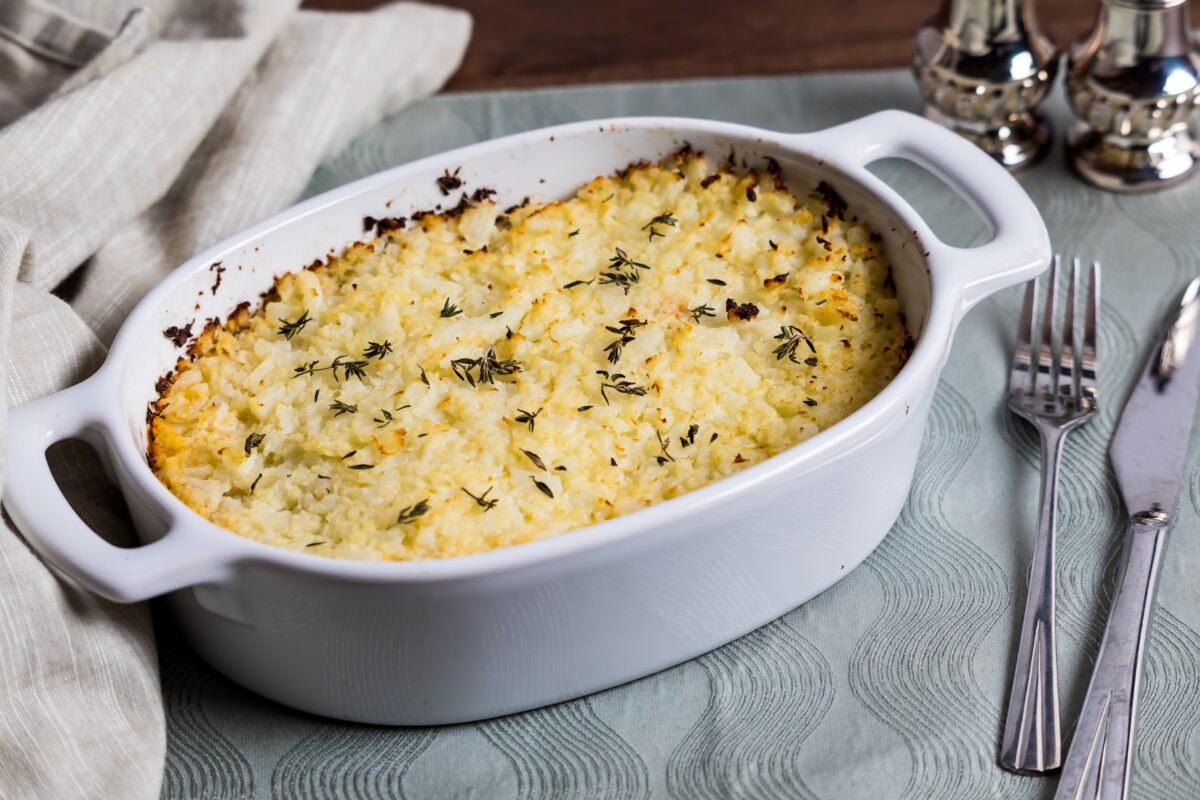
When correctly executed, the resulting mash provides a firm, golden-brown peak when broiled—mimicking the aesthetic of a classic pie while delivering a lighter, more nutrient-dense profile.
Official Perspectives: The Culinary and Nutritional Consensus
Nutritionists and home economists alike have lauded this evolution. The general consensus is that the dish represents a positive "nutritional upgrade." By replacing a high-glycemic starch with a cruciferous vegetable, the meal becomes an excellent source of Vitamin C, Vitamin K, and folate.
From a professional chef’s perspective, the use of cauliflower adds a subtle, nutty complexity that pairs exceptionally well with the savory profile of slow-cooked meat. The addition of fresh herbs—parsley, thyme, or rosemary—further bridges the gap between the earthiness of the vegetables and the umami of the meat filling. Experts note that this recipe is particularly effective for those engaged in "meal prep," as the structure of the cauliflower crust holds up surprisingly well during the reheating process, whether in the microwave or a standard oven.
Implications for the Future of Family Dining
The adoption of this dish is a microcosm of a broader trend: the "democratization of healthy cooking." No longer is "eating healthy" synonymous with bland, joyless meals. By taking a beloved, high-calorie classic and modifying it without stripping away its "comfort" factor, this recipe sets a template for how other traditional comfort foods might be updated in the future.
Practical Implications for Home Cooks:
- Sustainability in the Kitchen: By utilizing ingredients that are easily sourced and stored, this dish minimizes food waste. Frozen cauliflower works just as well as fresh, provided the cook exercises patience in the draining process.
- Budget-Friendly Scaling: Since the meat-to-vegetable ratio can be adjusted easily, this dish allows families to stretch protein budgets by increasing the vegetable density without sacrificing satiety.
- Individualization: The trend toward "individual ramekins" reflects a shift in modern dining habits, where portion control and individual dietary needs (such as making a vegetarian version with lentils for one family member while keeping the meat version for others) can be managed within a single cooking session.
The Freezer-Friendly Advantage
In a world of constant motion, the ability to store a home-cooked meal for up to three months is a massive advantage. Unlike some vegetable-based casseroles that break down when frozen, the cauliflower crust, when blotted dry and properly sealed, maintains its texture surprisingly well. This makes it an invaluable asset for households facing long work weeks or those looking to reduce reliance on ultra-processed convenience foods.
Conclusion: A Modern Classic
The Shepherd’s Pie with cauliflower crust is more than just a recipe; it is a testament to culinary ingenuity. It proves that we do not have to abandon the traditions of the past to embrace the nutritional needs of the future. By focusing on technique—removing moisture, browning the meat for depth, and balancing flavors with sharp cheeses and fresh herbs—the home cook can create a meal that satisfies the appetite and the soul. As we continue to look for ways to harmonize comfort with health, this dish stands as a blueprint for the modern kitchen: practical, nutritious, and undeniably delicious. Whether you are a parent looking to boost your children’s vegetable intake or a busy professional seeking a reliable, make-ahead dinner, this "lighter twist" is poised to remain a staple on dining tables for years to come.